
Ever wonder what it’s like to navigate thousands of miles without a GPS, regenerate a lost limb like it’s nothing, or detect electrical fields that humans can’t even imagine? The animal kingdom is packed with abilities so extraordinary that they make our most advanced technology look primitive. Yet despite decades of research and countless scientific studies, some of nature’s most incredible powers remain completely unexplained.
These aren’t your typical animal facts about speed or strength. We’re talking about abilities that challenge everything we know about biology, physics, and even reality itself. From microscopic organisms that can survive in space to creatures that literally reverse time, these animal superpowers continue to baffle the world’s brightest scientists. The more we study them, the more questions we have.
Magnetoreception – The Invisible Navigation System

Picture trying to find your way home across thousands of miles of open ocean or vast wilderness without any landmarks, compass, or map. It sounds impossible, right? Yet countless animals do this every single day with pinpoint accuracy that puts our satellite navigation systems to shame.
Many bird species possess a mysterious built-in compass that helps them navigate vast distances during migration. This magnetic sense, known as magnetoreception, is still not fully understood by scientists. Research suggests that birds might see magnetic fields through specialized proteins in their eyes, yet the exact mechanism is elusive. Despite compelling behavioral evidence that this sense exists, the cells, molecules, and mechanisms that mediate sensory transduction remain unknown.
Echolocation – Sound as Vision
Studies show that echolocation is an even more sophisticated ability than scientists previously thought. For example, a 2023 study demonstrated that in addition to using echolocation to perform short-range tasks such as locating prey and avoiding obstacles, bats can use echolocation to create longer-range mental maps that allow them to navigate over several kilometers.
Using echolocation, dolphins can detect an object the size of a golfball about the length of a football pitch away – much further than they can see. By moving its head to aim the sound beam at different parts of a fish, a dolphin can also differentiate between species. The precision is so extraordinary that it makes our most advanced sonar technology look crude in comparison.
Electroreception – Sensing the Electric World
Imagine being able to detect the electrical heartbeat of a fish buried in sand from several feet away, or sensing the bioelectric fields that surround every living creature. This isn’t science fiction – it’s a real ability that certain animals have mastered to perfection.
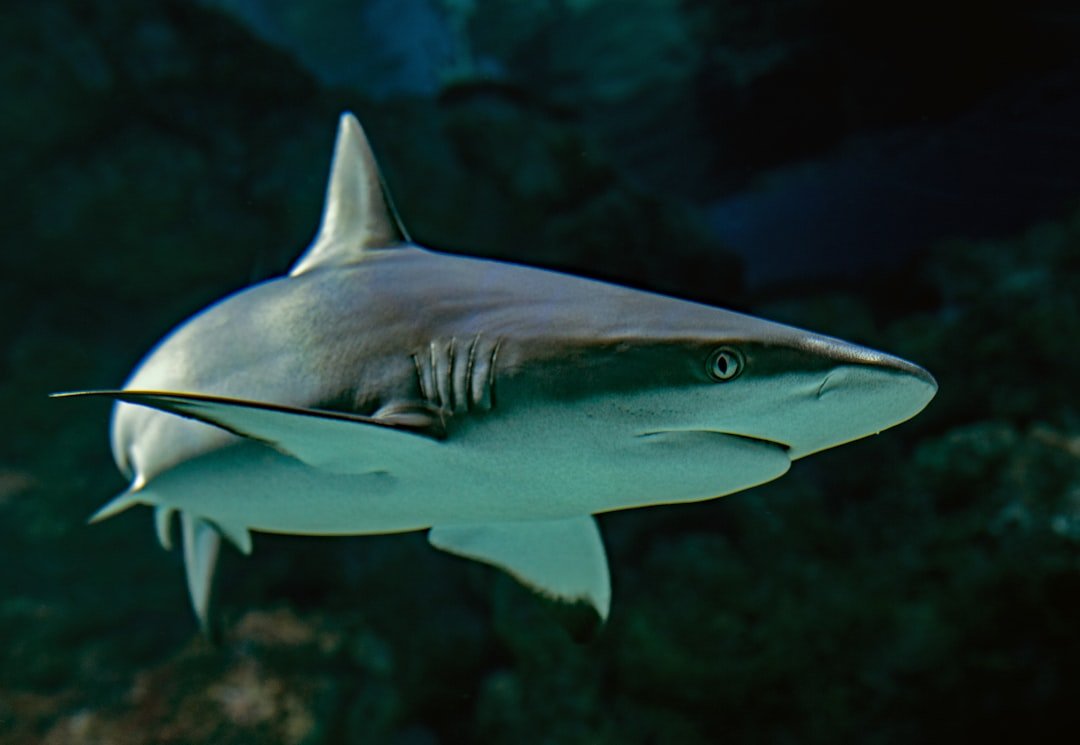
Sharks are the most electrically sensitive animals known, responding to direct current fields as low as 5 nV/cm. Some species are so sensitive to electric fields that they can detect the charge from a single flashlight battery connected to electrodes 1,600km apart. Great White Sharks are known to react to charges of one millionth of a volt in water. This sensitivity is so extreme that scientists still can’t fully explain how their biological systems can detect such minuscule electrical signals without being overwhelmed by interference.
Regeneration – The Ultimate Healing Factor
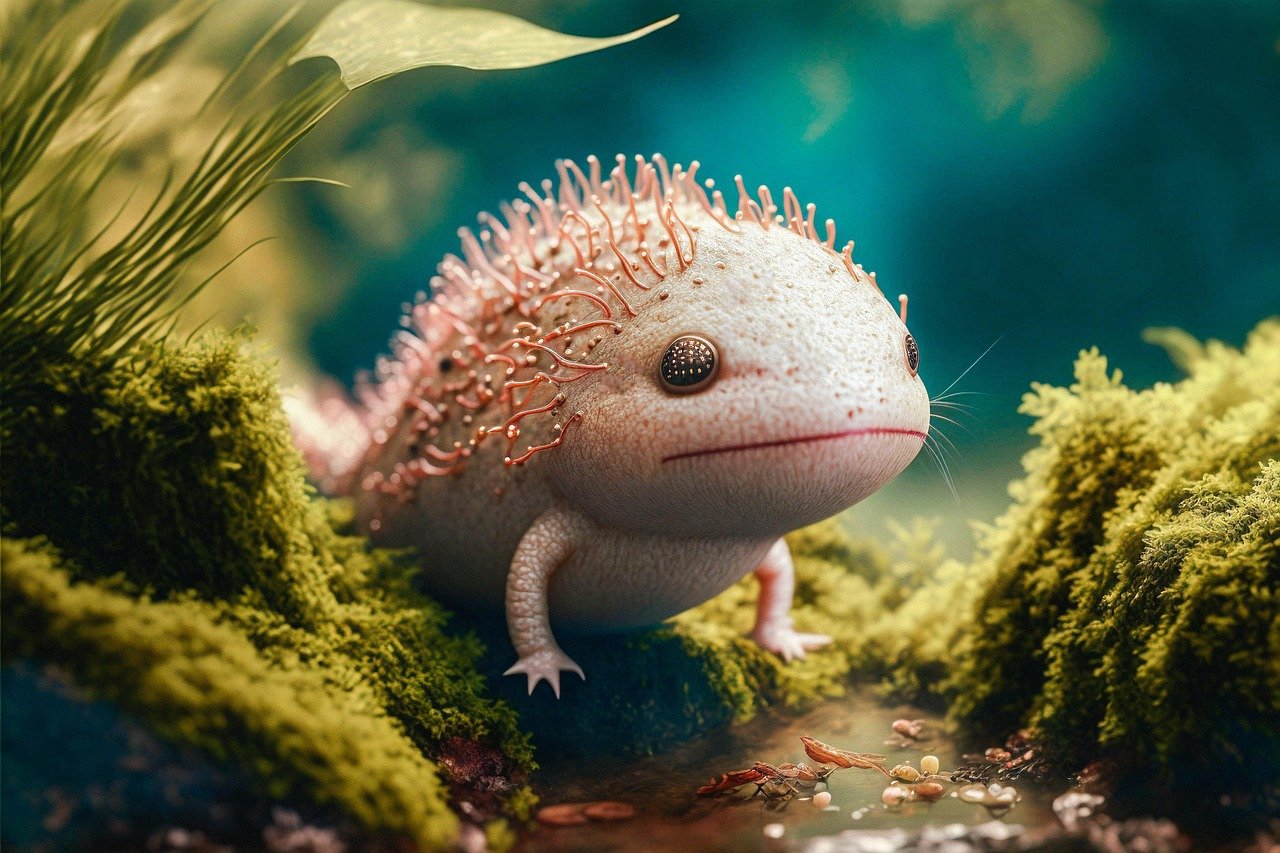
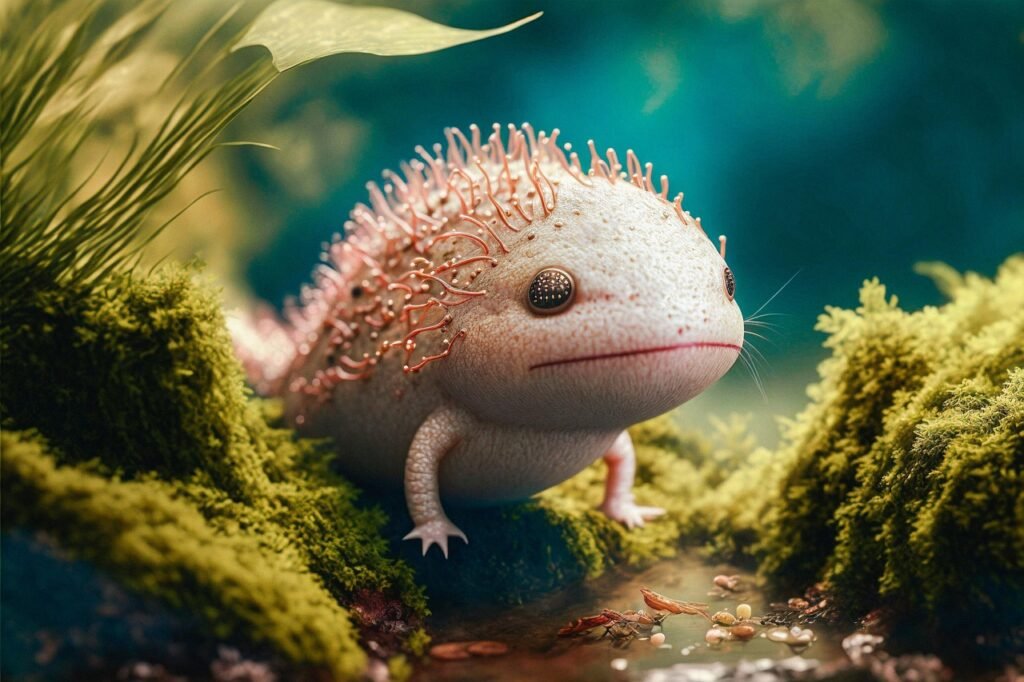
The axolotl, a unique aquatic salamander, possesses an almost magical power: the ability to regenerate entire limbs, spinal cords, and even sections of its heart and brain. Unlike most animals, axolotls can repeatedly regrow complex tissues without scarring, a feat that seems torn from the pages of science fiction.
The axolotl, a Mexican salamander, possesses an extraordinary ability to regenerate limbs, spinal cord, and even parts of its brain. This regenerative power has made it a focus of scientific investigation. While researchers have identified some genetic factors involved, the full process of regeneration remains elusive. Understanding how axolotls achieve this could revolutionize medical science, particularly in healing injuries. Despite progress, the complexity of their regenerative mechanisms presents ongoing challenges, making the axolotl a symbol of hope and mystery in the field of regenerative biology.
Tardigrade Invincibility – The Ultimate Survivors
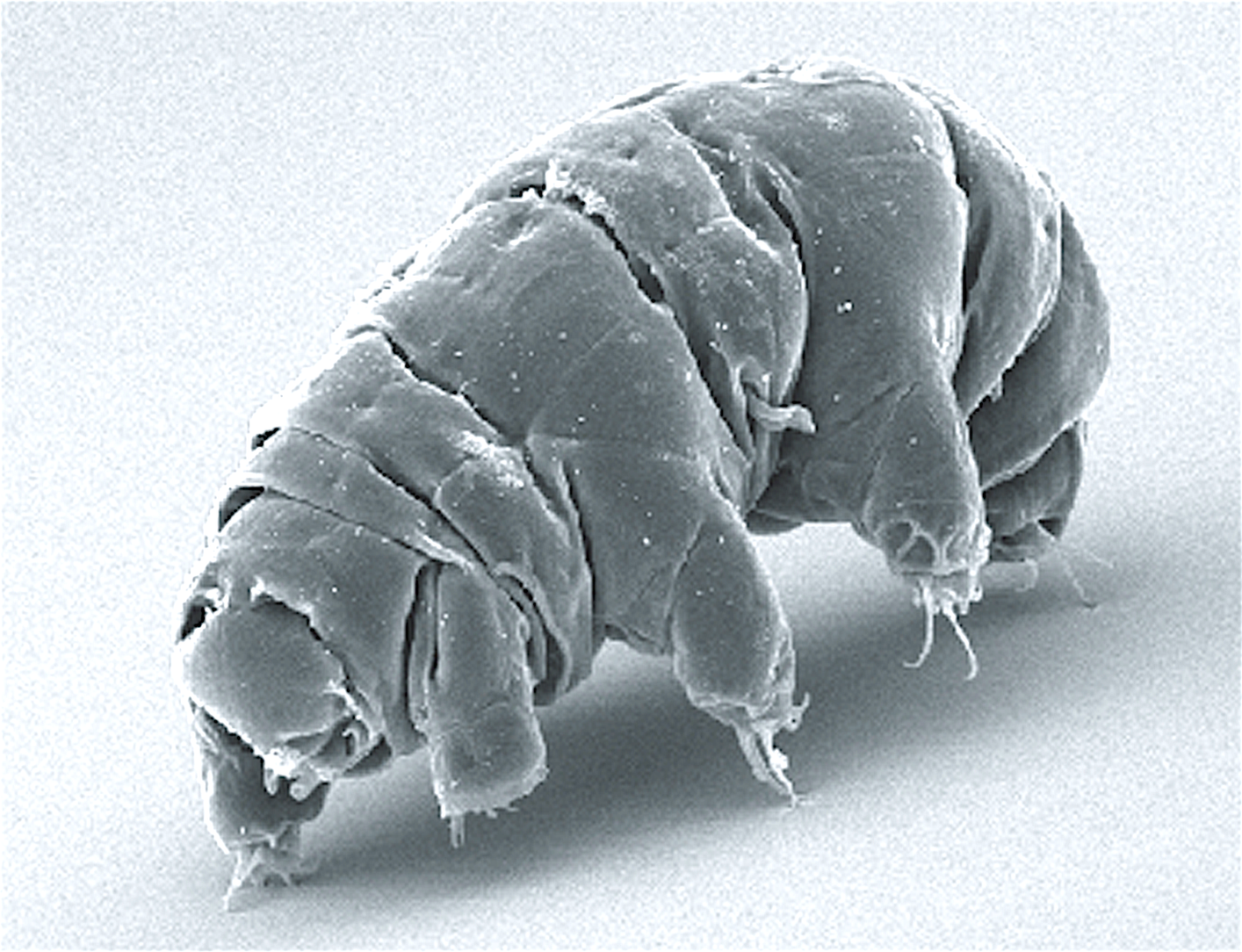
Drawing inspiration from a tiny organism that can withstand huge amounts of radiation, researchers at MIT, Brigham and Women’s Hospital, and the University of Iowa have developed a new strategy that may protect patients from this kind of damage. Their approach makes use of a protein from tardigrades, often also called “water bears,” which are eight legged creatures less than a millimeter in length that are commonly found in mosses, lichens and aquatic habitats. When the researchers injected messenger RNA encoding this protein into mice, they found that it generated enough protein to protect the cells’ DNA from radiation-induced damage.
These microscopic creatures can survive being frozen for decades, withstand radiation levels thousands of times higher than what would kill humans, and even survive the vacuum of space. The mechanisms behind their near-invincibility remain largely mysterious, challenging our understanding of what life can endure.
Wood Frog Cryogenic Suspension – Natural Freeze Technology
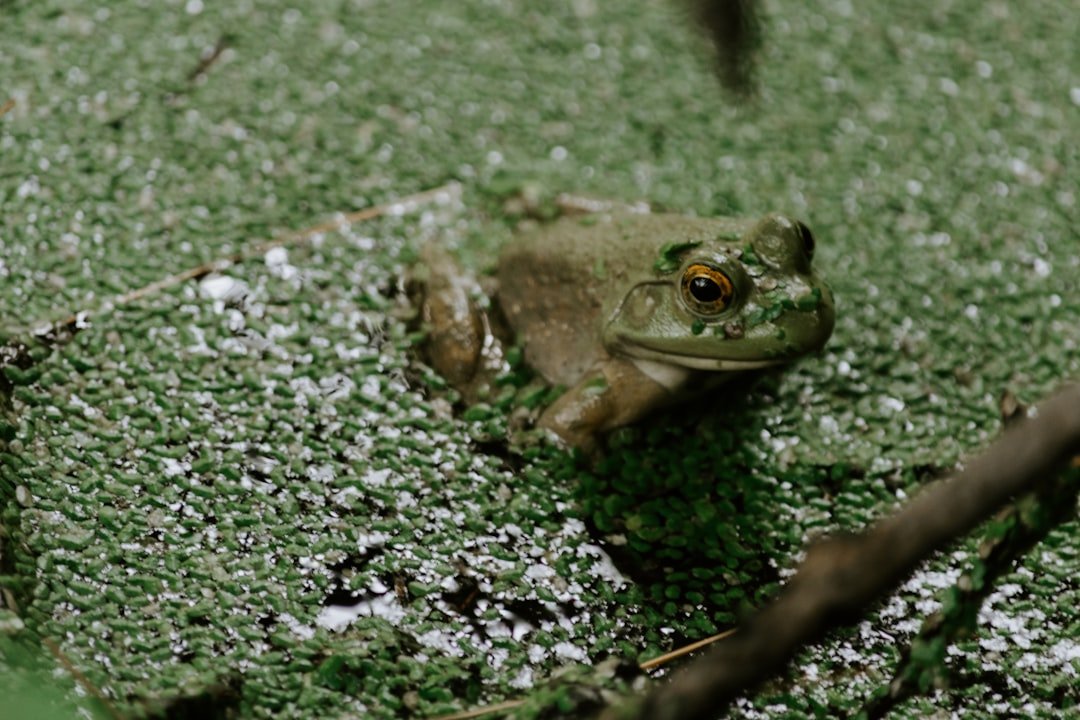
The wood frog boasts an incredible superpower: it can survive being frozen solid for months during harsh winters. By producing special proteins and glucose, it prevents ice crystals from damaging its cells, allowing its heart and respiration to stop entirely. When spring arrives, the wood frog thaws out and resumes life as if nothing happened – a true marvel of adaptation and resilience.
The wood frog has a unique animal superpower that allows it to survive cold winter temperatures. When the temperatures drop, the frog produces an antifreeze-like substance that protects its cells from freezing solid while it enters a state of hibernation. When the warm weather returns in the spring, the frog’s metabolic function returns and it resumes its normal frog business. Scientists at Mass General Brigham and colleagues are hoping to replicate this process of “supercooling without freezing” in the lab to better preserve transplantable organs until they can reach their recipients.
Immortal Jellyfish Time Reversal – Aging in Reverse
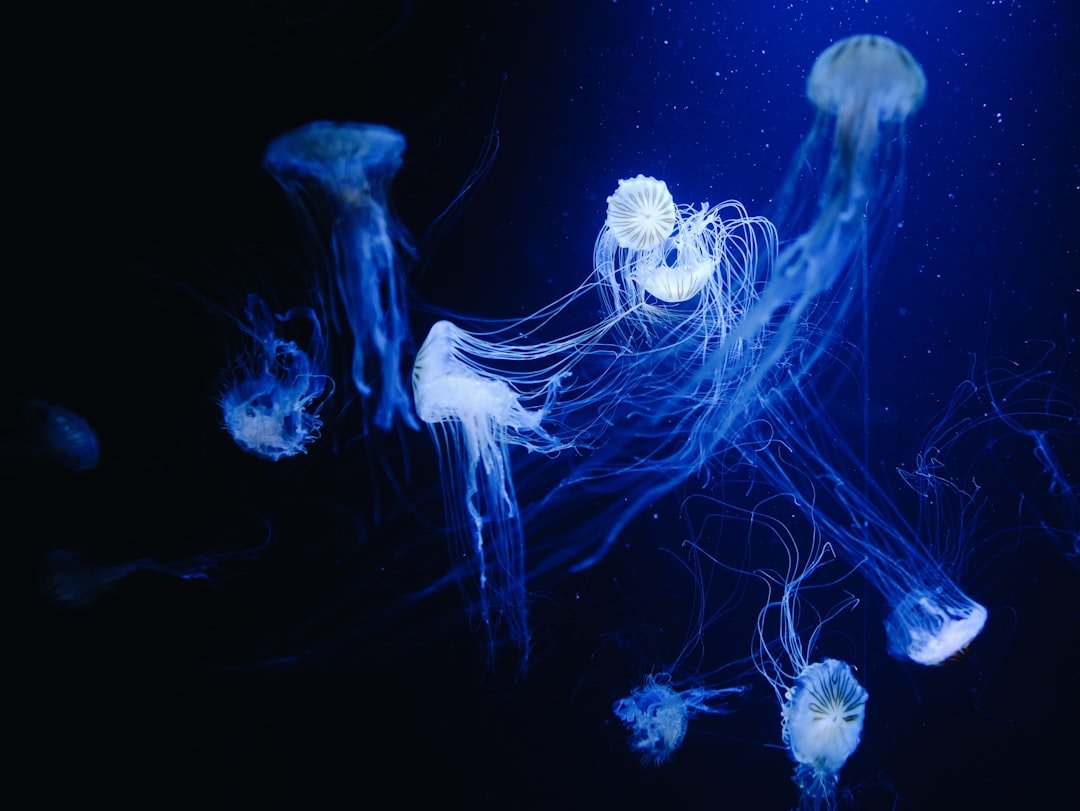
The immortal jellyfish (Turritopsis dohrnii) possesses a rare biological superpower: the ability to reverse its aging process. When threatened or injured, this tiny jellyfish can transform its adult cells back into their earliest form, essentially reverting to a juvenile polyp and restarting its life cycle. This age reversal ability means it could, in theory, avoid death from old age and potentially live indefinitely under the right conditions.
This biological time machine defies everything we understand about aging and cellular development. While scientists have observed this phenomenon, the exact mechanisms that allow the jellyfish to essentially reset its biological clock remain one of nature’s most perplexing mysteries.
Conclusion – The Great Unknown
These seven animal superpowers represent some of the most profound mysteries in biology today. If ever a scientific problem demanded the efforts of multiple disciplines, it is magnetoreception. It requires a knowledge of the physical sciences, increasingly at a quantal level, to understand the nature of the stimulus and appreciate how it can interact with biological matter. The same complexity applies to all these extraordinary abilities.
What makes these powers even more fascinating is that they’re not just biological curiosities – they’re potential keys to revolutionizing human medicine, technology, and our understanding of life itself. From regenerative medicine inspired by salamanders to navigation systems based on magnetic perception, these animal abilities could reshape our world. Yet despite our advanced scientific tools and decades of research, we’re still scratching the surface of understanding how they work.
The animal kingdom continues to humble us with abilities that seem to bend the laws of physics and biology. Each discovery raises more questions than answers, reminding us just how much we still don’t know about the incredible world we share. What other superpowers are waiting to be discovered in the wild?