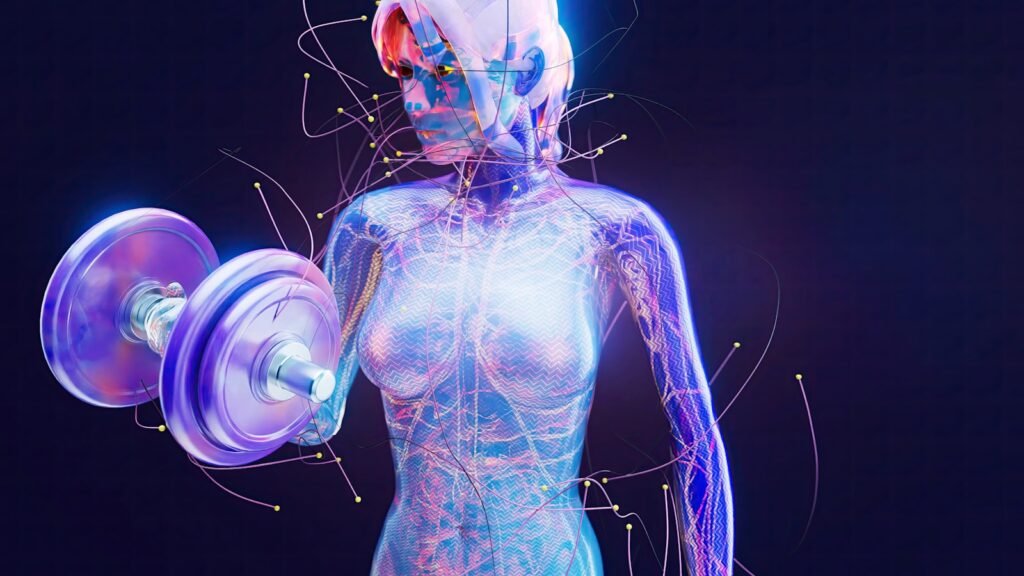

There’s a strange kind of traffic jam happening inside you, and you can’t feel a thing. Every heartbeat, a river of ghostly particles slips through your skin, your bones, even the core of your cells, carrying messages from the Sun, exploding stars, and the deep cosmos. The mystery is simple and wild: if so much is passing through us, what are we missing? Scientists are turning that question into a new way of seeing the universe, one that ignores light and listens to matter’s quietest whispers. The result is a story that connects kitchen-basement radon tests to Antarctica’s ice and to an underground laboratory a mile beneath the Black Hills, all working to catch the faintest tap of an invisible visitor.
The Hidden Clues
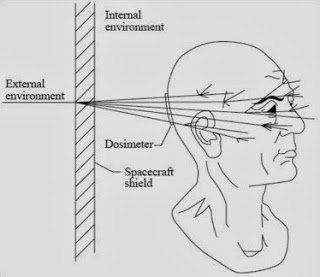
Right now, without a flicker on your skin, a silent storm is slipping through you. Neutrinos from the Sun stream past by the trillions each second, and most will pass through Earth as if it were glass. Alongside them, cosmic-ray muons rain down from the upper atmosphere, gliding through rooftops and rib cages with unnerving ease. These particles rarely bother to interact, which is exactly why they’re so valuable: they carry untouched information about where they came from.
The odd part is how normal this is. Our bodies are not walls; they’re light nets that the universe ghosts through every day. Treat that unsettling thought as a gift, because those same pass-through messengers are building a new kind of astronomy that sees what light can’t.
From Ancient Tools to Modern Science
A century ago, early physicists watched invisible tracks bloom in cloud chambers and realized space was more energetic than it looked. Balloons lifted detectors high above storms to prove that radiation came from the sky, not just the ground. The tools were simple, but the conclusion was audacious: Earth swims in a cosmic sea.
Today, the instruments are cathedrals to quiet. Deep mines host hyper-pure tanks, Antarctic ice becomes a transparent telescope, and precision silicon chips count single particles like librarians tallying secrets. The arc from foggy glass boxes to football-field detectors is a reminder: to hear whispers, you first have to silence the room.
The Neutrino Tide
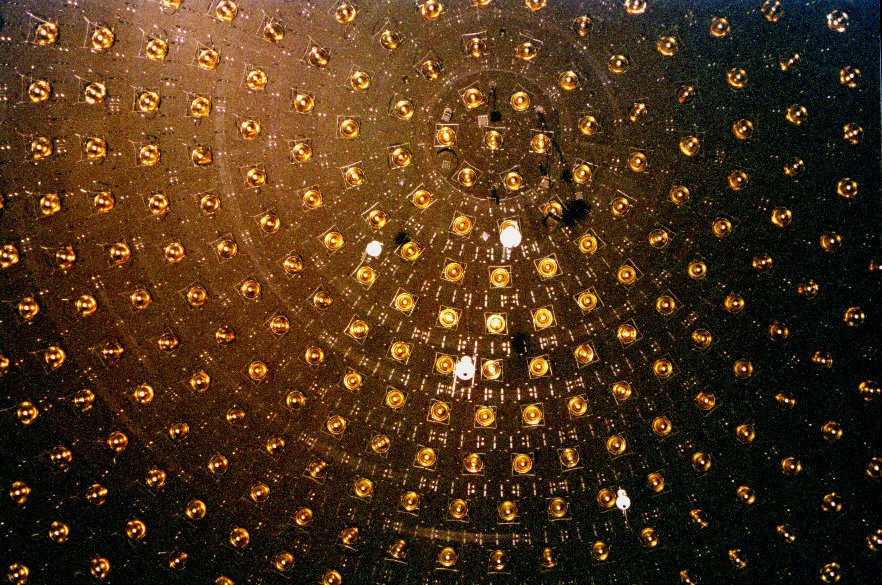
Neutrinos are famously shy, born in nuclear reactions in the Sun, in exploding stars, in the upper atmosphere, and in human-made reactors. Tens of billions skim through a fingernail-sized patch of your skin each second, yet only a vanishingly small fraction ever leave a mark. That reluctance is exactly what makes them cosmic couriers, arriving unscathed from the most violent environments in the universe. It also makes them maddening to catch, so scientists build detectors with volumes large enough to swallow buildings and still celebrate a handful of clean events.
When those events land, they’re gold. Solar neutrinos test our understanding of the Sun’s engine; atmospheric neutrinos probe particle oscillations; high-energy neutrinos point back to black hole jets and other extreme accelerators. Piece by piece, the tide of ghost particles is turning into a readable map.
The Muon Rain
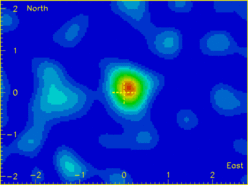
The Muons Rain (image credits: wikimedia)
Muons are the heavier cousins of electrons, created when cosmic rays strike the upper atmosphere. At sea level, roughly about one muon per square centimeter per minute passes through us, which means your body is crossed by a steady, silent drizzle. They zip close to light speed and survive long enough to reach the ground thanks to relativity’s time-stretching trick, a fact you can feel – well, not feel, but know – in your bones.
That persistence makes muons useful. Researchers use “muography” to image the insides of volcanoes, measure the density of storm clouds, and even scout hidden voids in ancient pyramids. I once borrowed a palm-sized muon counter at a lab open day, and the gentle click of each arrival felt like rain on a tin roof: ordinary, patient, and strangely comforting.
The Dark Matter Question
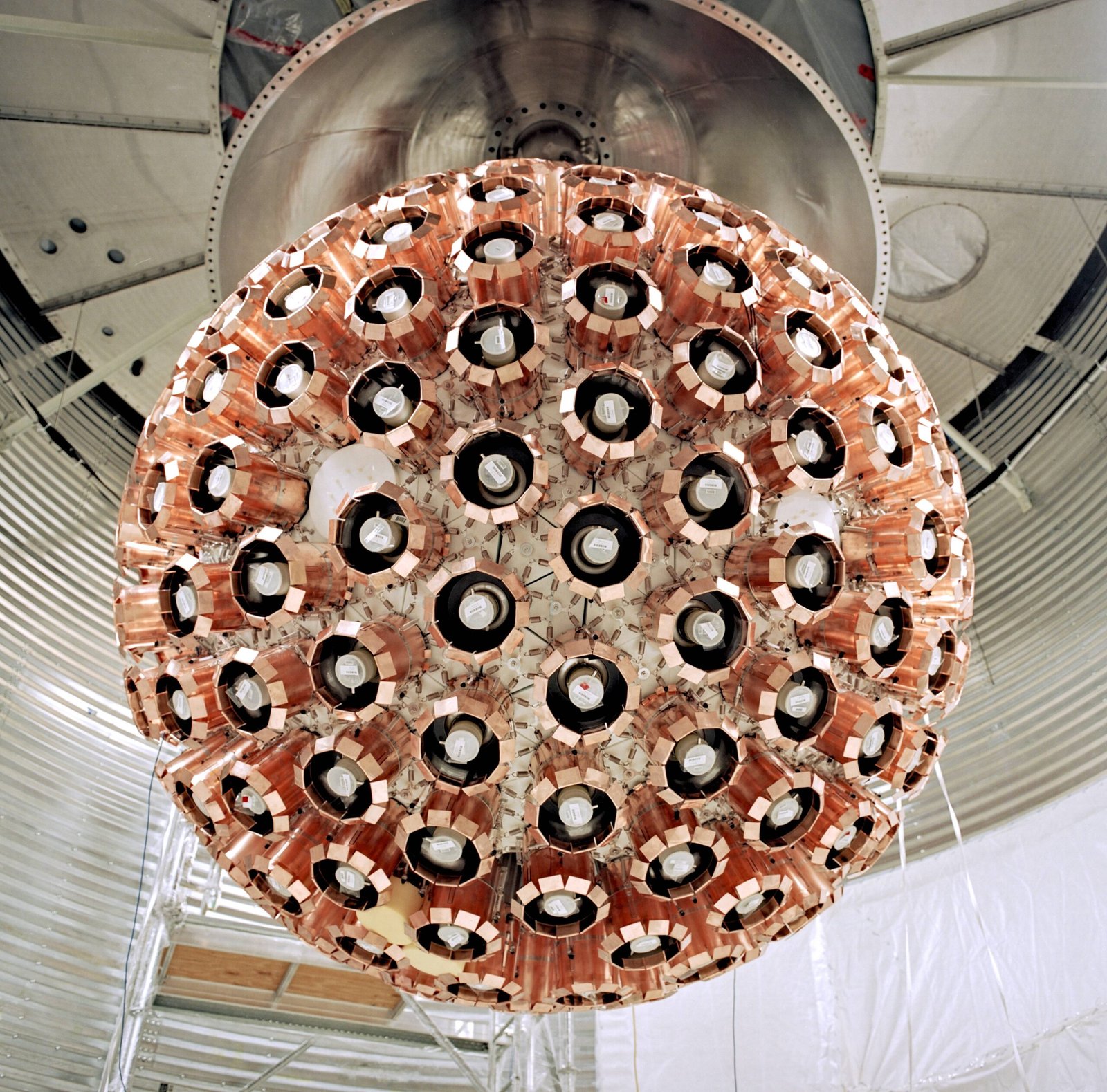
Then there’s the biggest maybe of all: dark matter, the unseen mass shaping galaxies and the large-scale web of the cosmos. If some of those particles have even the faintest chance of interacting with ordinary matter, they’re passing through you now, just undiscovered. Experiments shielded by mountains and water – using ultra-clean liquid xenon, germanium crystals, and cryogenic sensors – have pushed sensitivity to unprecedented depths and still found no conclusive signal so far. That’s not a failure; it’s a narrowing of the searchlight.
Every null result trims entire branches of theory and sharpens the next generation of designs. While some teams chase heavyweight candidates, others hunt feather-light axions or new forces that would barely nudge a detector. The hunt has become a master class in patience, purity, and the art of ruling things out.
Why It Matters
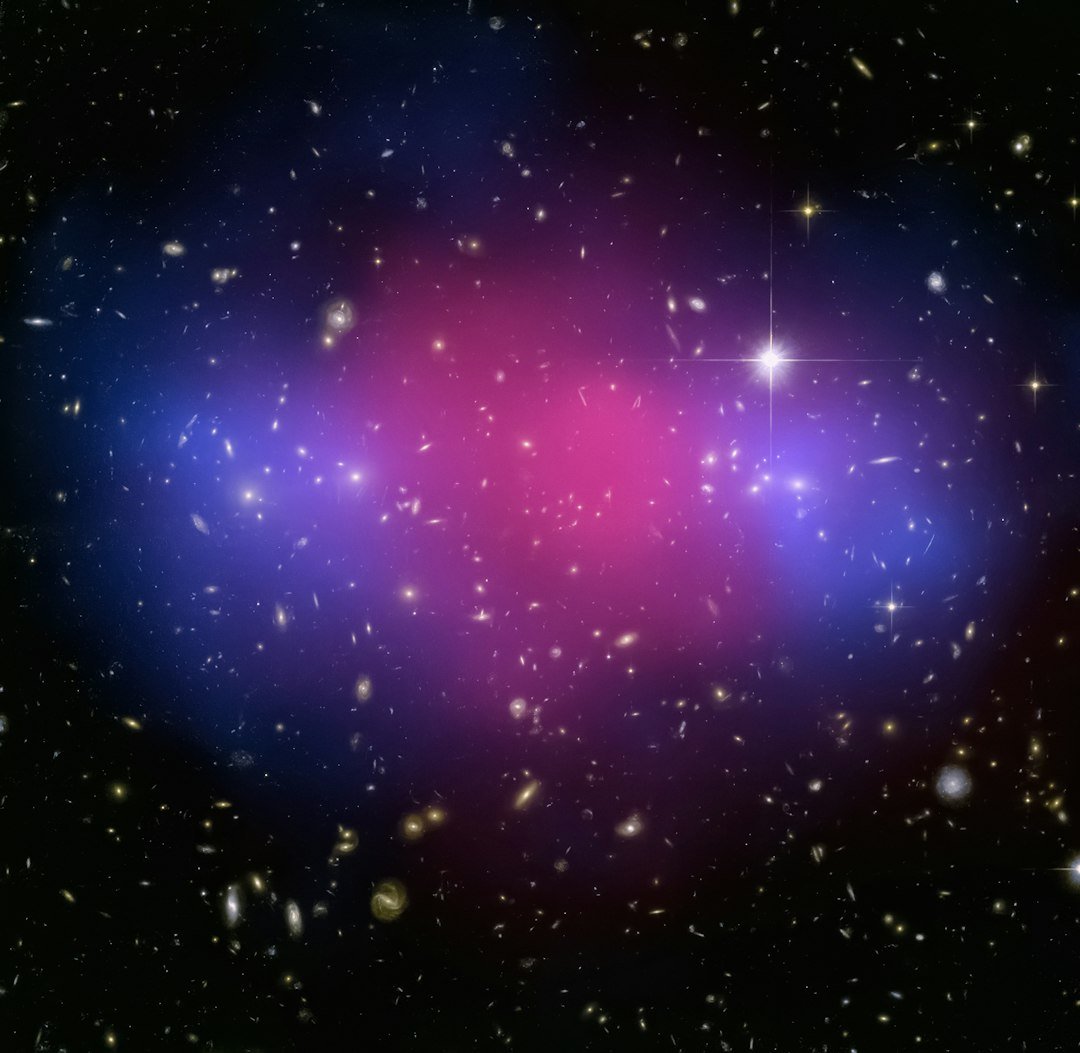
Listening to invisible particles changes what science can ask. Traditional astronomy relies on light and gravitational waves; neutrinos and muons add messengers that slip through dust, magnetic fields, and even planetary interiors. That means new diagnostics for supernovae and black hole engines, and new monitoring tools for volcanoes, tunnels, and nuclear reactors where conventional probes struggle. It’s the difference between watching a concert from outside the arena and stepping through the side door to stand backstage.
It also reframes risk and perception. Natural radiation from cosmic rays and radon is part of daily life, and understanding it helps put hazards and safety measures in a sensible context. The payoff is practical and philosophical at once: better tools for infrastructure and early warnings, and a more honest sense of our place in a dynamic, particle-rich universe.
Global Perspectives
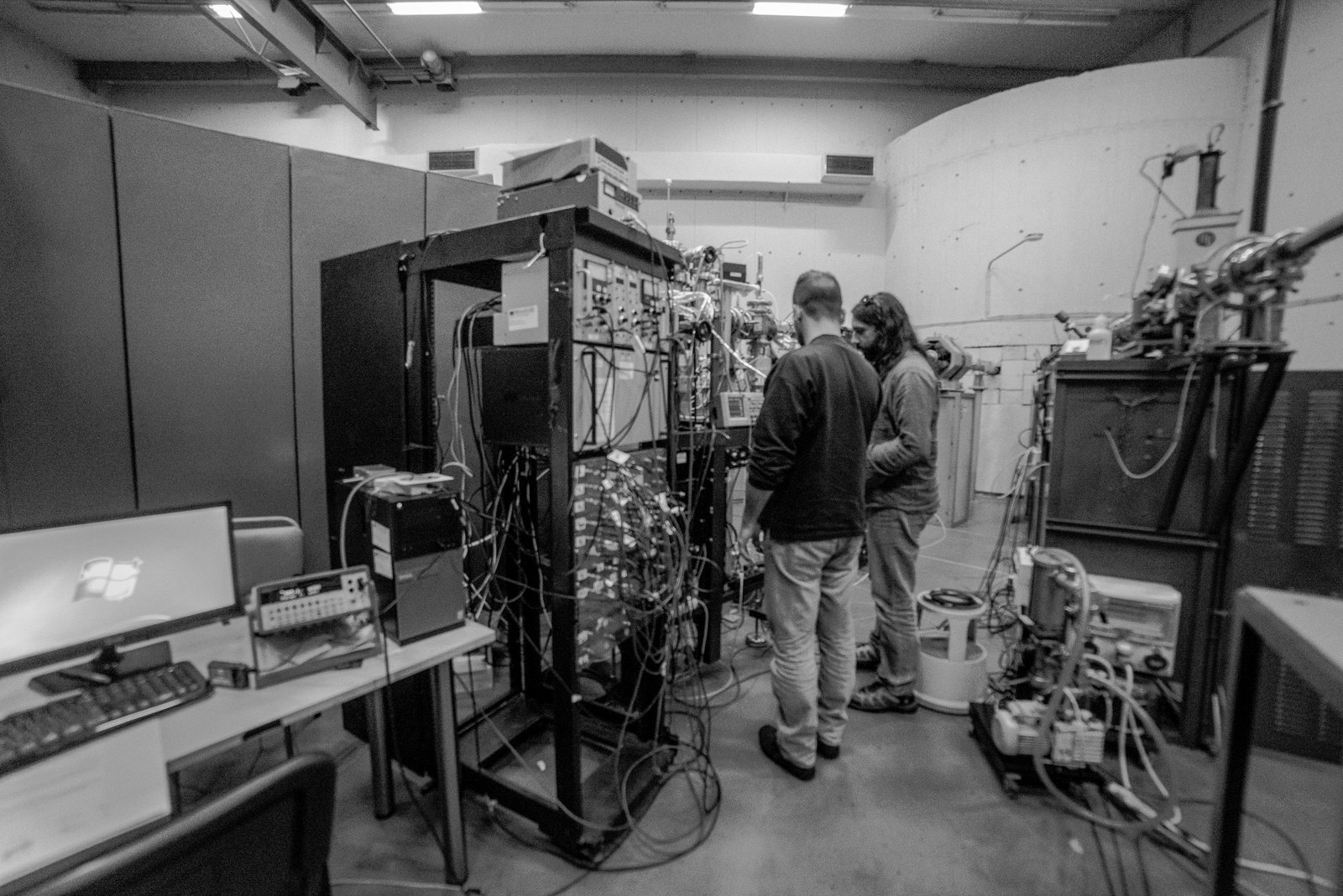
This is a world story written underground, under ice, and under the sea. Japan’s cavernous water tanks, Europe’s ultrapure xenon vaults, South Pole ice arrays, and North American deep labs all contribute different strengths to one shared goal. The geographic diversity matters because Earth itself is part of the experiment: different rocks, different backgrounds, different vantage points on the sky.
Collaboration isn’t just a feel-good word here; it’s the only way the numbers add up. When one detector spots a neutrino and another sees a flare, triangulation turns a single clue into a narrative. And as new facilities ramp up in Asia, Africa, and South America, the network grows denser, the alerts faster, and the picture richer.
The Future Landscape
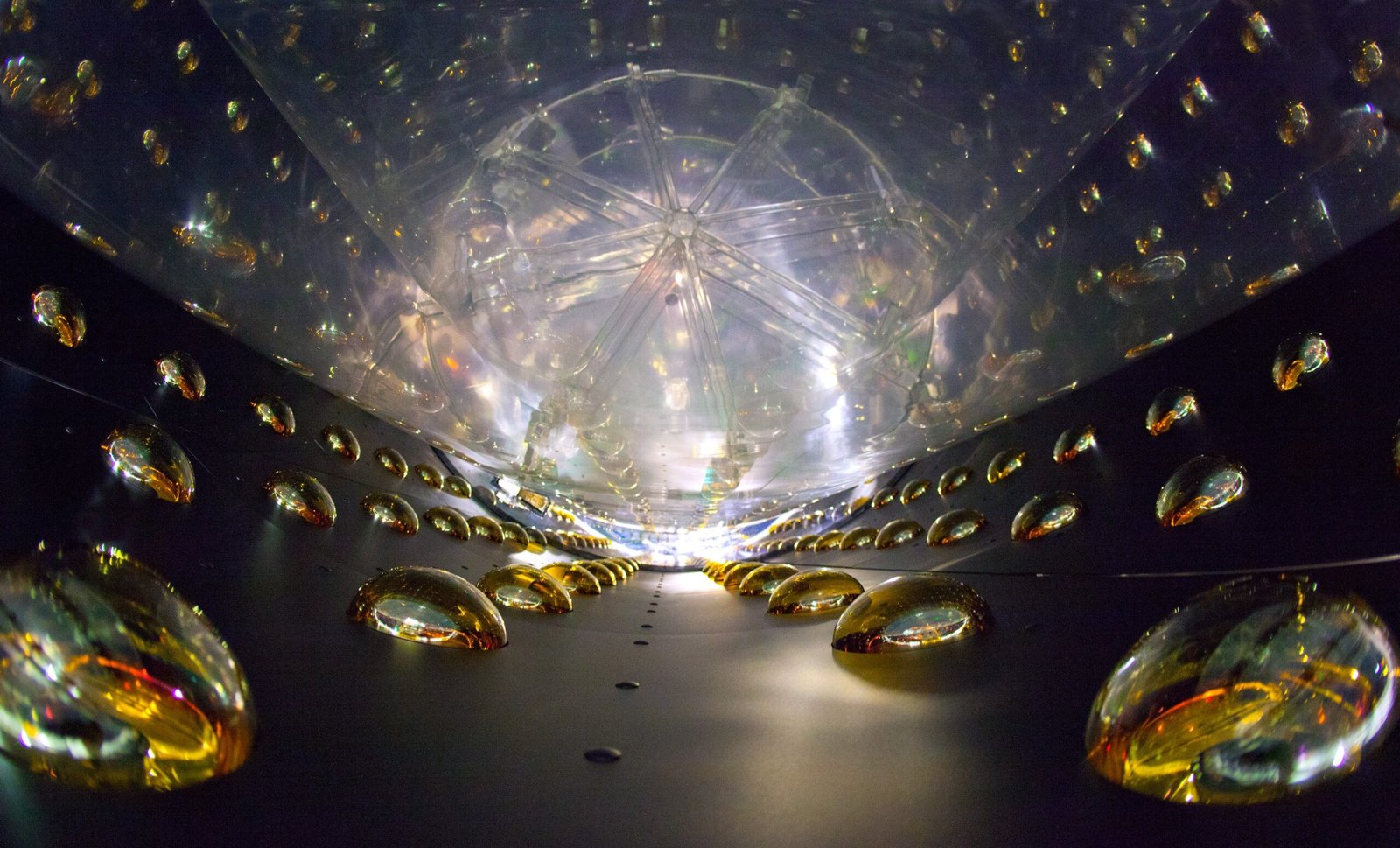
The next decade is audacious. Giant underground neutrino observatories plan to fire precision beams through Earth to measure how neutrinos morph in flight, chasing hints of why the universe favors matter over antimatter. A new generation of ice and seawater telescopes aims to multiply the number of cosmic neutrinos and track them back to specific engines across the sky. Dark matter experiments are scaling to even larger masses with even lower backgrounds, while entirely new concepts – quantum sensors, supercooled phonon detectors, directional gas chambers – try to feel the softest possible tap.
On the applied side, muography is moving from clever demos to practical monitoring: tracking magma pathways, checking dams, even verifying the contents of sealed containers. The challenge is twofold – shrink costs and tame noise – so that these tools leave the lab and become everyday instruments. If that happens, we’ll read particle weather the way we read satellite maps today.
What You Can Do Today
Start at home by paying attention to the invisible that matters most locally. If you live in a region where radon can seep from the ground, a simple test kit can map your risk and guide ventilation fixes. When you go for a hike at high altitude or fly, remember that cosmic-ray exposure rises with elevation; it’s still small, but context breeds calm. That mindset – curious, not anxious – turns mystery into literacy.
Support the science that makes all this visible. Join a museum event, a university open day, or a citizen-science project that logs cosmic rays with smartphone-size detectors. Follow neutrino and multi-messenger alerts from observatories and see how quickly a single particle can trigger a global response. If the universe is whispering through you anyway, why not learn to listen – doesn’t that feel like the right kind of strange?
Suhail Ahmed is a passionate digital professional and nature enthusiast with over 8 years of experience in content strategy, SEO, web development, and digital operations. Alongside his freelance journey, Suhail actively contributes to nature and wildlife platforms like Discover Wildlife, where he channels his curiosity for the planet into engaging, educational storytelling.
With a strong background in managing digital ecosystems — from ecommerce stores and WordPress websites to social media and automation — Suhail merges technical precision with creative insight. His content reflects a rare balance: SEO-friendly yet deeply human, data-informed yet emotionally resonant.
Driven by a love for discovery and storytelling, Suhail believes in using digital platforms to amplify causes that matter — especially those protecting Earth’s biodiversity and inspiring sustainable living. Whether he’s managing online projects or crafting wildlife content, his goal remains the same: to inform, inspire, and leave a positive digital footprint.