The Gulf states live with a familiar tension each storm season: the clock ticks, the cone of uncertainty shifts, and families weigh impossible choices that include the quiet stare of a dog or the trembling tuck of a cat’s paws. In recent years, faster-changing forecasts and rapid intensification have squeezed evacuation windows, raising the stakes for households with animals. Scientific insights now paint a fuller picture of how pets experience these disasters – physiologically, behaviorally, and logistically – and how policy can blunt the worst outcomes. The story isn’t only about survival during landfall; it’s also about public health, reunification, and the ripple effects that stretch months after the rain stops. Understanding those threads changes how communities prepare, respond, and ultimately recover.
The Hidden Clues
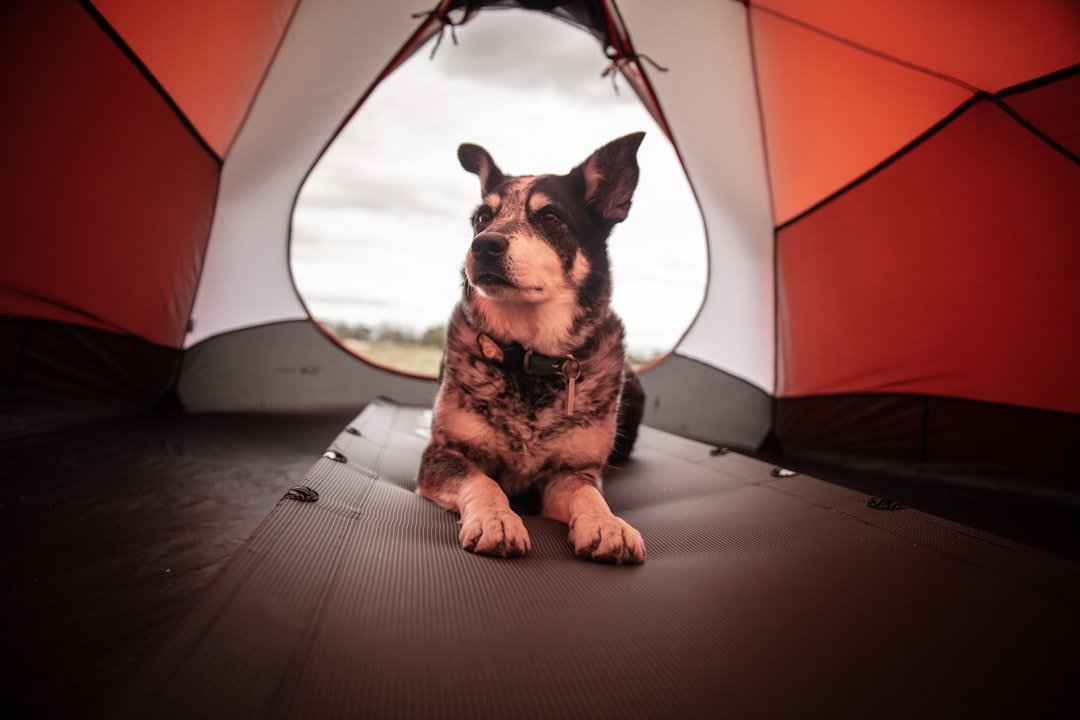
Long before alerts ping phones, many pets register the shift: barometric pressure dips, wind tone changes, and our own anxious movements add up to a worrying script. Dogs with noise sensitivities often pace, pant, or hide as outer bands groan across rooftops, while cats retreat to tight corners and guard their water dish. These reactions aren’t superstition; stress hormones and routine disruptions genuinely affect animal behavior and can escalate to destructive panic if left unmanaged.
Simple environmental tweaks can help – designate a quiet interior room, drape crates with breathable covers, and play low, steady sounds to mask gusts. Practice short “storm drills” long before hurricane season, pairing carriers and harnesses with treats so they predict safety rather than fear. When landfall is imminent, those tiny rehearsals pay off like muscle memory.
From Ancient Tools to Modern Science
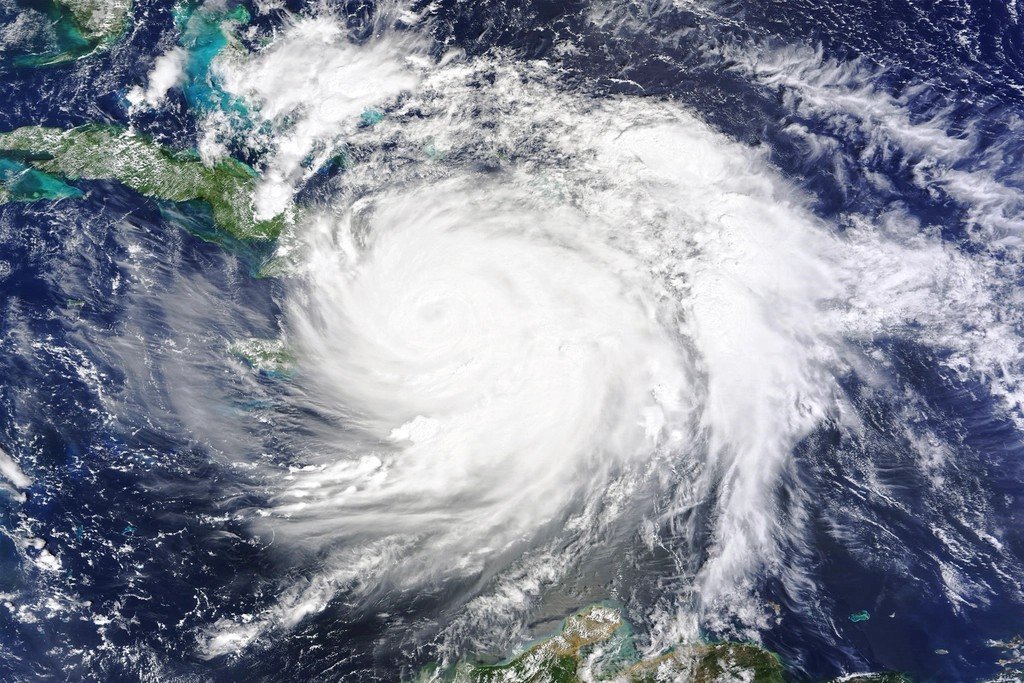
Forecasting along the Gulf has leapt from ship logs and barometers to satellites, high-resolution models, and hurricane hunter data, but one stubborn problem remains: rapid intensification close to shore. Warm eddies in the Gulf can supercharge a storm overnight, shrinking decision time for people trying to move pets, medications, and supplies. Track forecasts are better than ever, yet the difference between a near miss and a direct hit still flips local shelter availability from manageable to overwhelmed.
For pet owners, that science translates to practical deadlines: leave earlier than feels comfortable, assume bridges and ferries can close ahead of tropical-storm-force winds, and plan routes that avoid flood-prone corridors. A forecast cone is not a promise; it’s a probability space that narrows as hours vanish. Pets rely on us to act before the map turns red.
On the Move: Evacuation With Four Legs
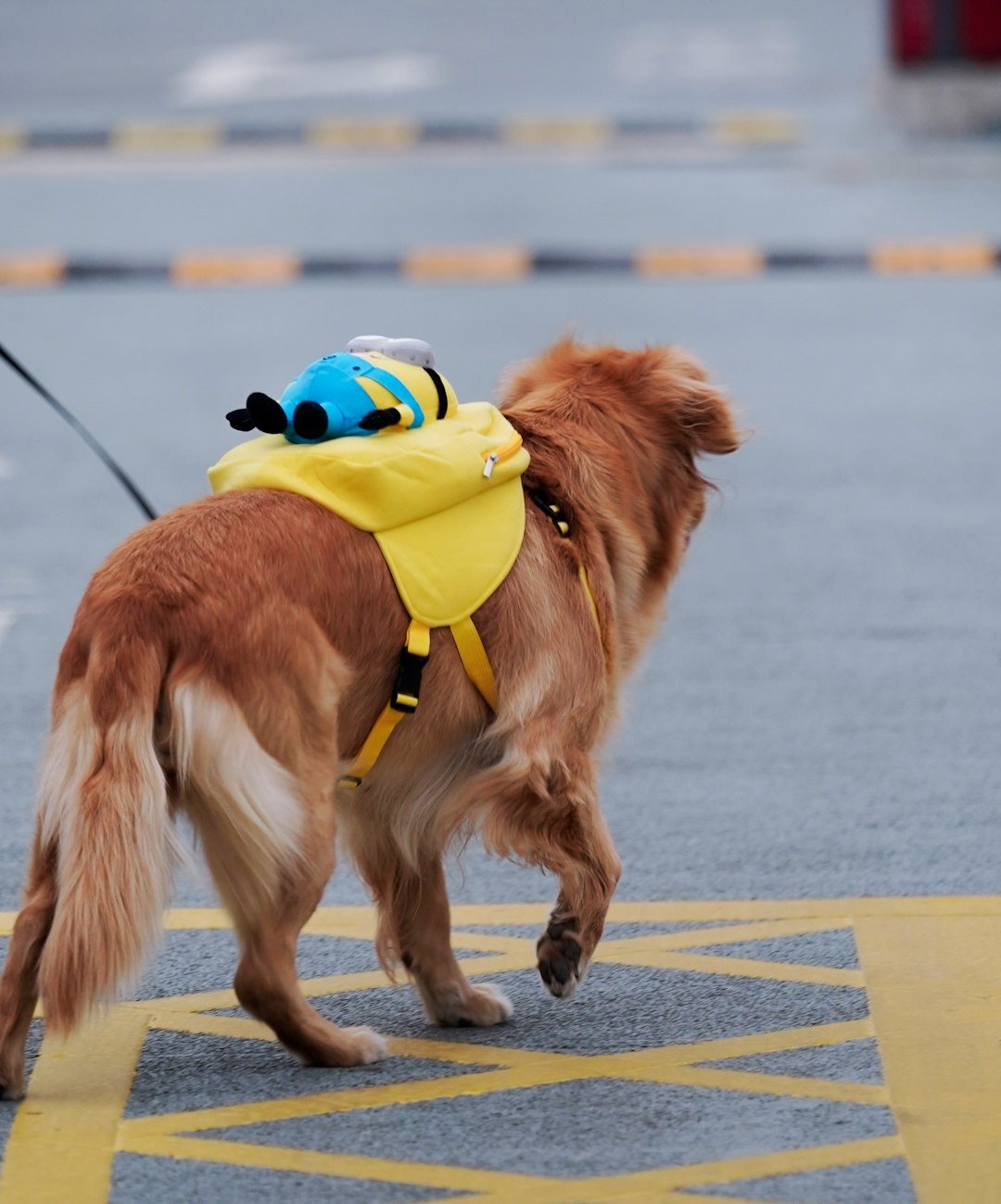
Evacuating with animals adds weight, noise, and paperwork to an already stressful drive, so the kit matters. A sturdy carrier or crate, a non-retractable leash, up-to-date ID tags, and a microchip number recorded in two places are the baseline. Pack a week of food and water, medications in original bottles, collapsible bowls, a photo of each pet, and enzyme cleaner or litter for quick stops.
Label each crate with your name, phone, and an alternate contact outside the impact zone. Avoid sedatives unless a veterinarian has specifically advised them for your pet during travel, as some medications can complicate breathing under heat and stress. If you have multiple pets, color-code leashes and carriers to speed transitions at gas stations and shelters.
Shelters, Shortages, and the PETS Act
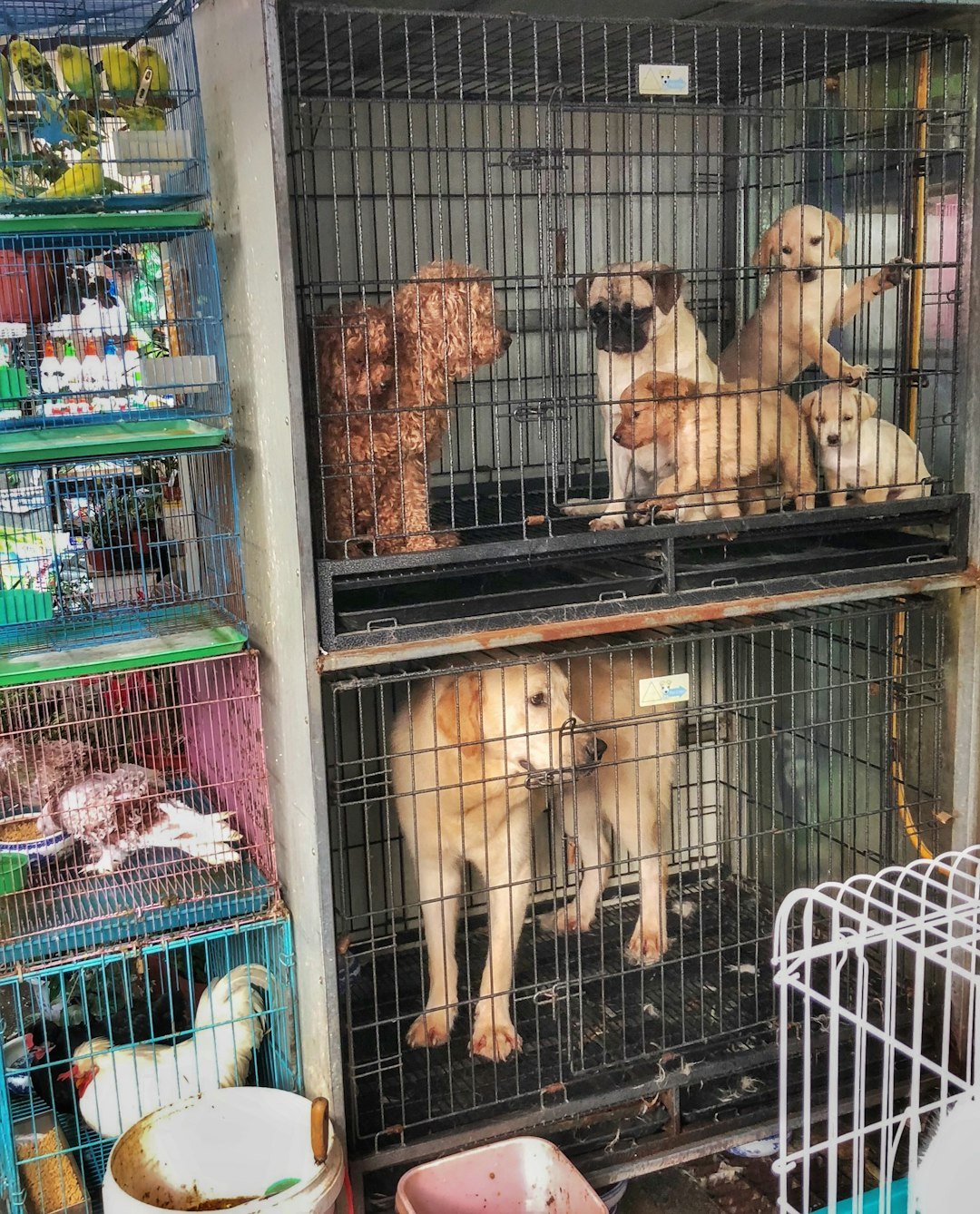
After the hard lessons of 2005, the federal Pets Evacuation and Transportation Standards Act, signed into law in 2006, pushed states and localities to include companion animals in disaster plans. Along the Gulf Coast, that often means co-located shelters where people and pets stay in adjacent areas, or pet-only facilities run by animal-response teams. Capacity is finite, though, and rural parishes and counties may struggle to set up animal-friendly sites quickly if staff and crates are limited.
Arriving prepared makes everything smoother: bring proof of rabies vaccination when possible, your own crate, and food your pet already tolerates. Many Gulf hotels lift pet restrictions during emergencies, but those rooms go fast and may require deposits. If you must shelter in place, stage supplies on high shelves and create an indoor potty area to avoid floodwater exposure.
Health After the Storm: Invisible Threats
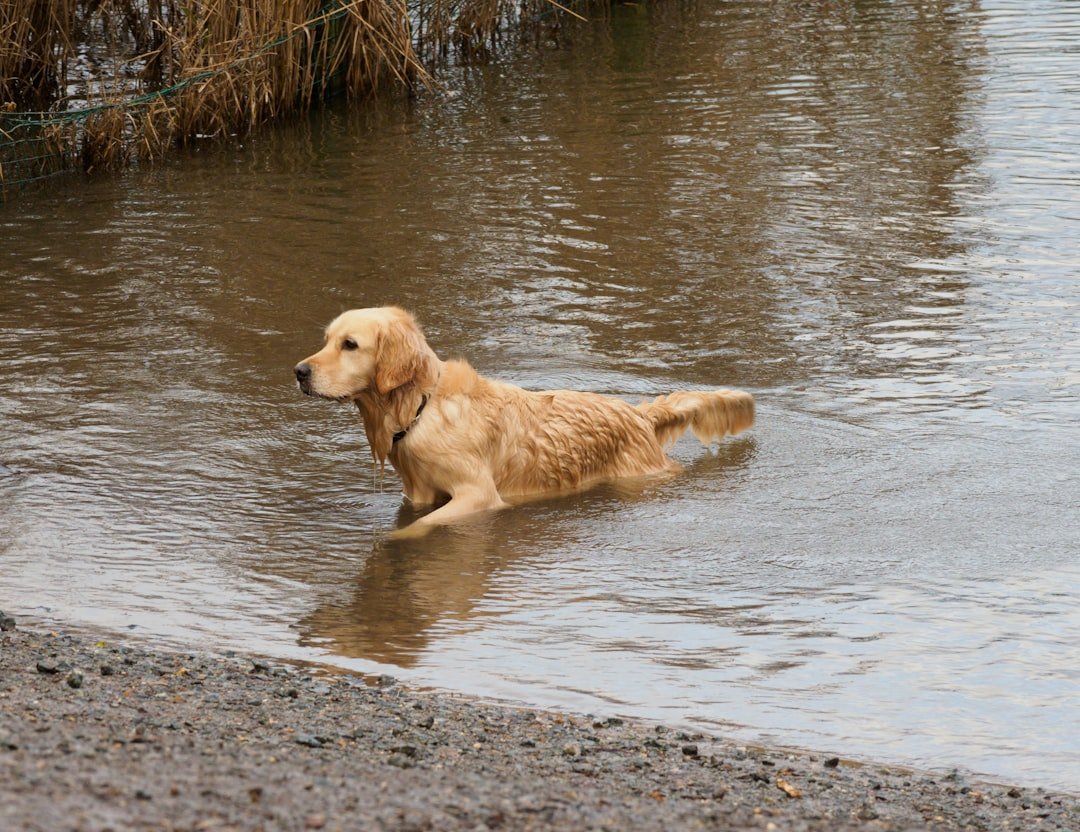
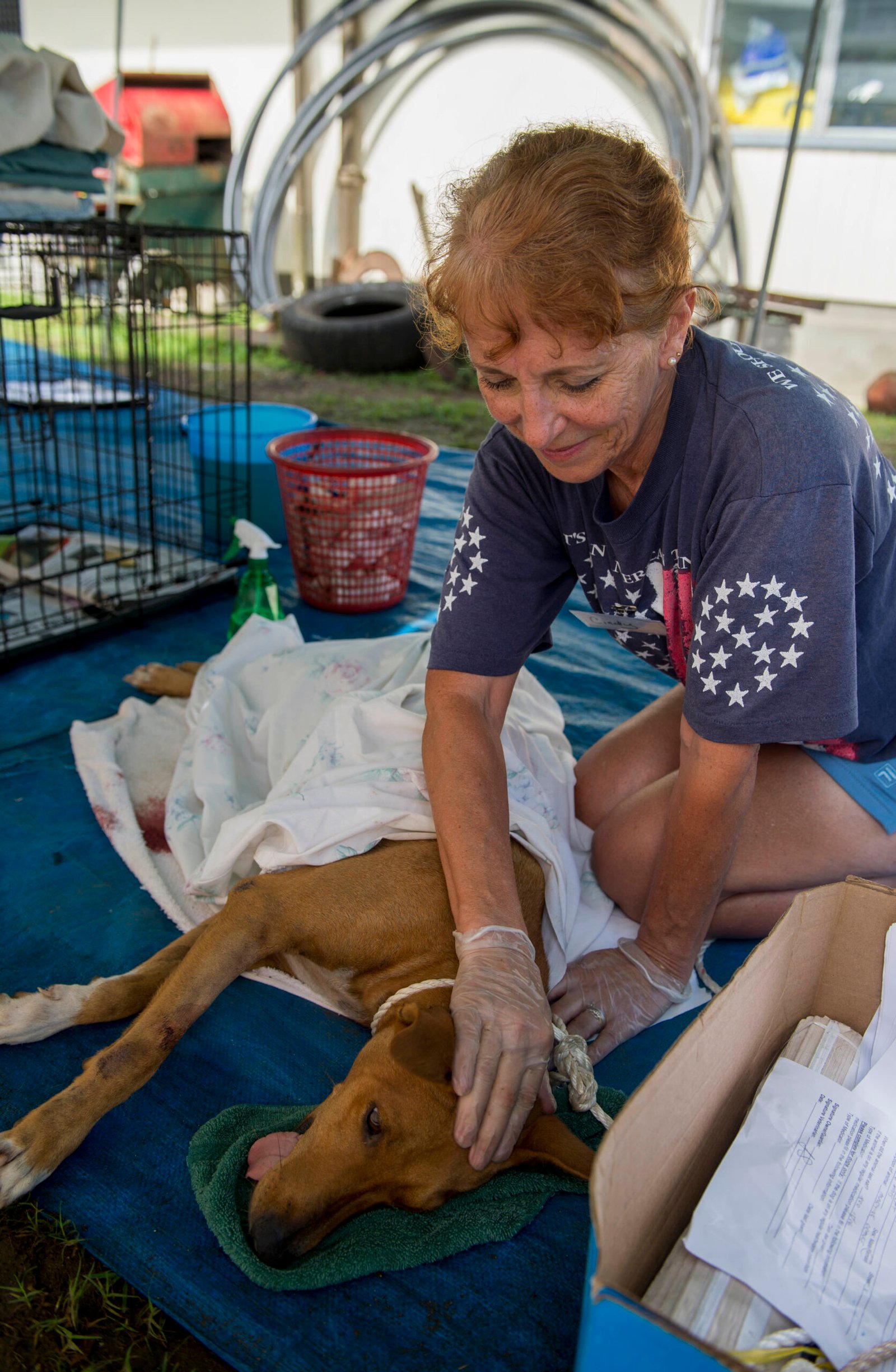
Floods rewrite the health map for pets, exposing them to contaminated water, sharp debris, displaced wildlife, and broiling heat once the power grid fails. Leptospirosis can spread through standing water, and heartworm risk climbs when mosquitoes explode in the weeks after a storm. Diarrhea from sudden diet changes, stress-related dermatitis, and paw injuries from nails and glass are common during cleanup.
Veterinary clinics may operate on limited hours or mobile rigs, so triage your pet’s needs and photograph wounds for teleconsults if available. Use bottled water when you can, rinse fur after any floodwater contact, and keep dogs on leash to avoid hidden currents and stray electrical hazards. The quiet weeks after landfall are when preventable illnesses sneak in.
Why It Matters
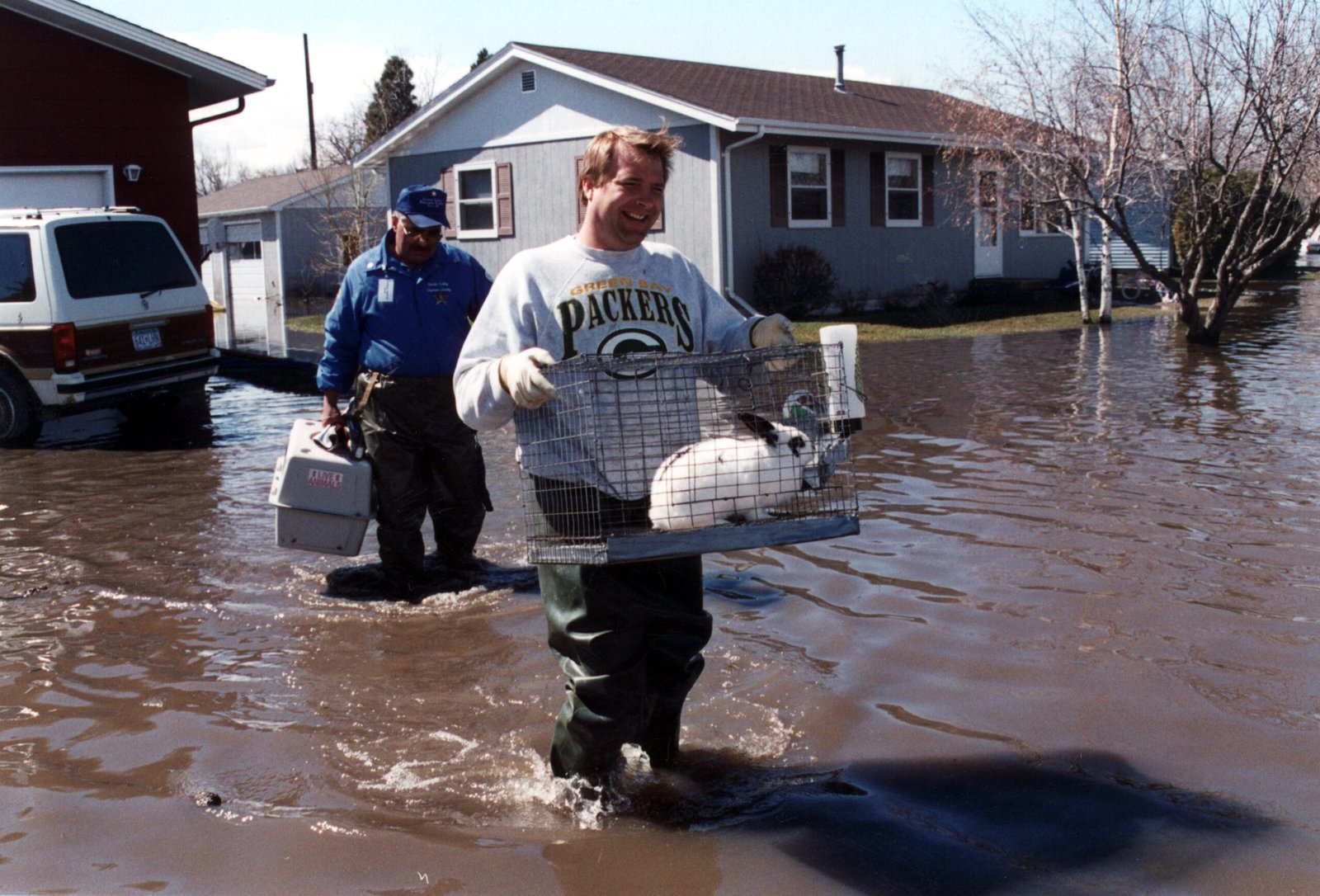
Protecting pets is not a luxury; it’s a life-safety strategy for people. Families that trust they can evacuate with animals are far more likely to leave early, easing traffic choke points and reducing water rescues that risk responders’ lives. On the emotional front, pets anchor children and older adults through a disorienting evacuation, stabilizing daily routines when everything else feels upside down.
Economically, planning for animals reduces the burden on municipal shelters and nonprofits that face surges in intake and foster placements after major storms. Equity matters here, too: low-income households and outdoor-working families often have fewer transport options, larger dogs, or multiple animals, and they need earlier outreach and targeted supplies. When communities plan with those realities in mind, recovery accelerates for everyone.
The Future Landscape

Technology is quietly rewriting disaster response for pets. GPS collars with geofencing alerts help owners act before evacuation orders turn mandatory, and battery-sipping satellite messengers can relay a pet’s location when cell towers drop. Drones with thermal cameras have already proven useful for spotting animals stranded on rooftops or in marsh edges where boats can’t reach safely.
On the data side, cross-state microchip registries and AI-assisted photo matching are speeding reunions, especially when shelters share intake images in common formats. Expect more municipal dashboards that show real-time pet-friendly shelter capacity alongside road closures, plus cooling centers that accept animals during prolonged grid outages. The challenge is affordability and training – great tools only work if they’re charged, taught, and used before the wind rises.
From Preparedness to Policy: Closing the Gaps
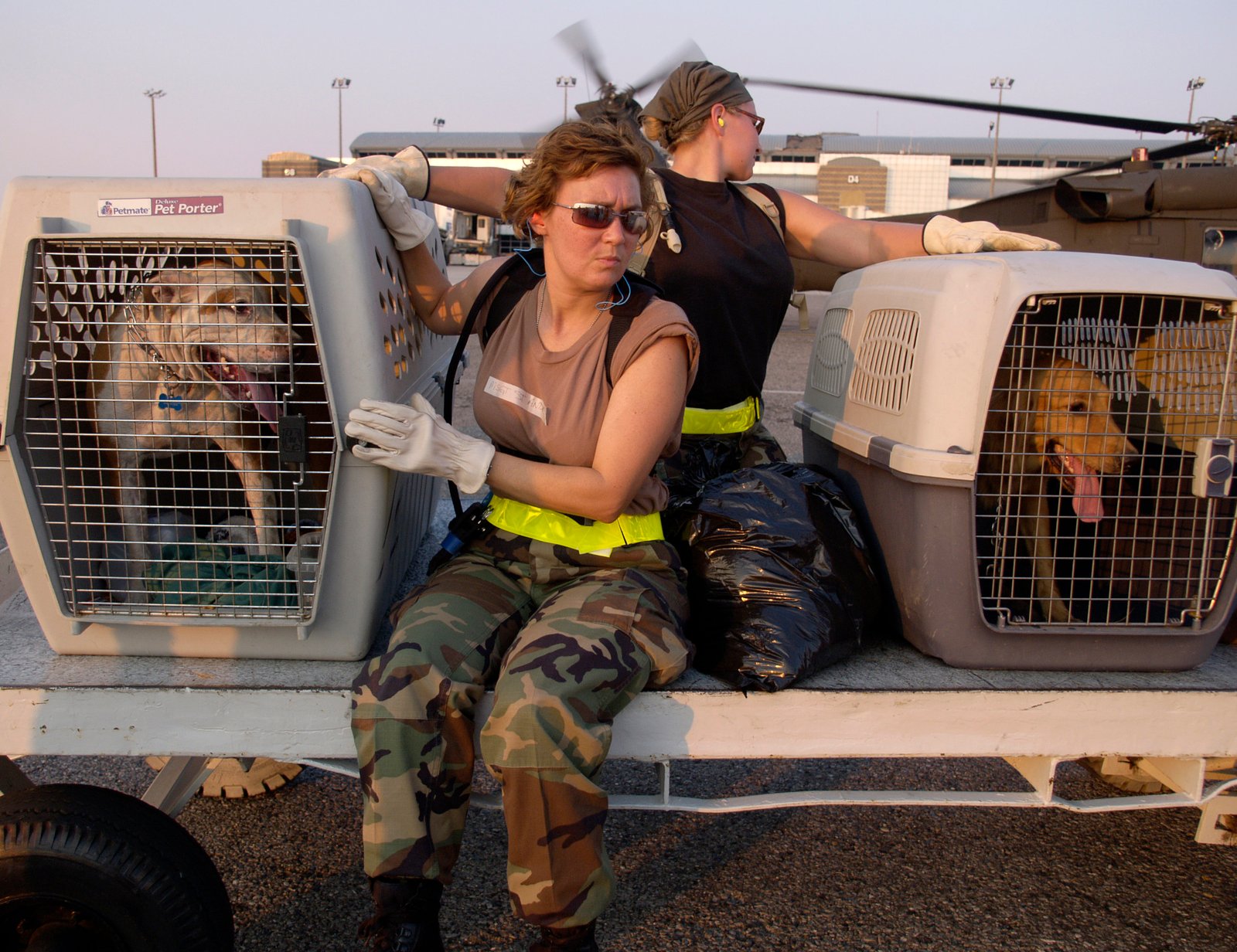
Local improvements add up: prepositioned crates, shade structures for outdoor queuing, and multi-lingual signage reduce chaos at check-in lines. Regional compacts between neighboring counties can smooth pet evacuations across state borders, particularly along the Texas–Louisiana and Alabama–Florida corridors that share evacuation routes. Schools converted to shelters need pet ventilation plans as much as cots and blankets.
Insurance and housing policies also play a role; breed or size restrictions can strand animals even when roads are clear. Funding streams that support animal response teams, mobile veterinary units, and volunteer credentialing will pay dividends the moment a tropical depression earns a name. Policy may sound abstract, but during a storm it’s the difference between “no pets allowed” and a line that moves.
Conclusion
Make a pet go-bag this week, not next month: two leashes, a labeled crate, copies of vaccines, a week of food and meds, and a photo tucked into your wallet and phone. Microchip your animals and confirm the registration has your current cell and an out-of-area contact. Talk to your veterinarian about heartworm prevention, leptospirosis vaccination where recommended, and safe transport plans for senior or special-needs pets.
If you have capacity, sign up with a local animal-response volunteer group or foster network before hurricane season peaks, and ask your county where pet-friendly shelters will open. Share that information with neighbors who might not receive alerts in English, and offer a spare crate to someone who needs it. Prepared pets make safer communities – and ready neighbors make faster recoveries.