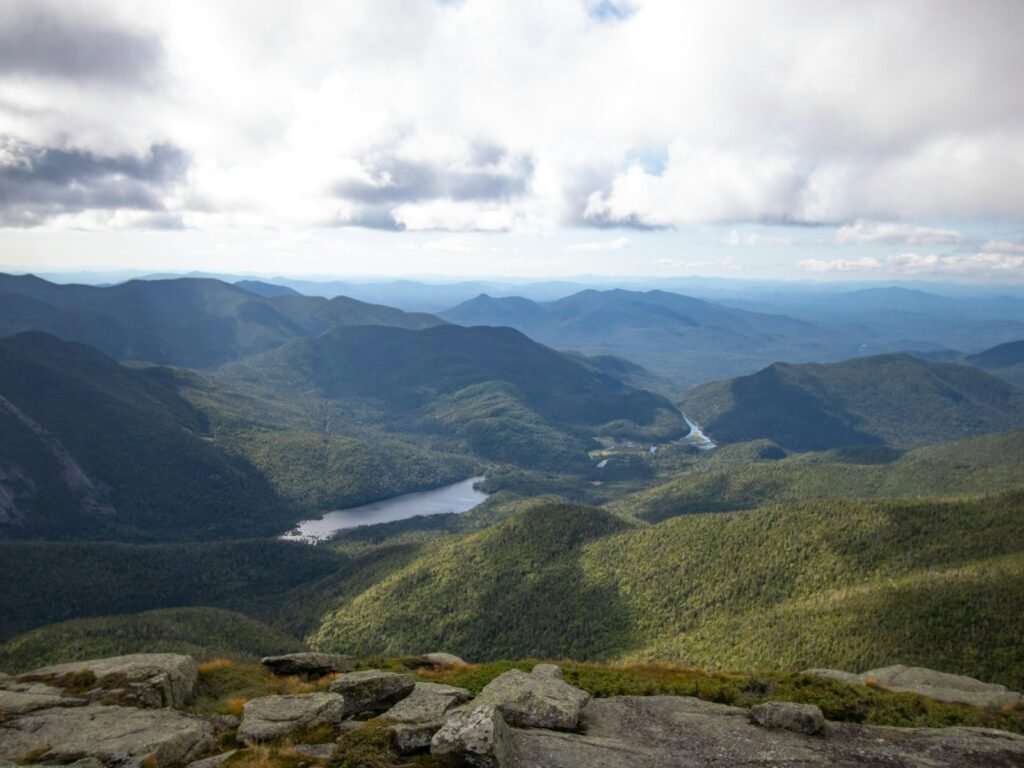
At first glance, the Adirondacks can feel like an empty hush of spruce and rock, but that quiet is a misdirection. Beneath the canopy and under the waterline, the park thrums with lives that rarely make the postcards. Scientists are piecing together this hidden world with tools that read footprints in mud, genes in water, and whispers in the night air. The result is a richer, stranger story than the usual peaks-and-pines cliché, and it’s changing how we protect one of the largest wild landscapes in the eastern United States. Think of the region as a living laboratory where beavers build cities, birds ride mountain winds, and cold lakes archive climate history – and where our decisions in the next decade will echo for generations.
The Hidden Clues

What if the forest is louder than we think, and we’ve just been listening with the wrong ears? In the Adirondacks, wildlife often advertises its presence in tiny signatures – scalloped chew marks on alder, a tuft of hair snagged on bark, a V-shaped ripple on a glassy pond. These traces, read together, sketch out a city of animals moving on their own schedules. Black bears follow seasonal berry routes like commuters, while American martens thread the mossy understory in loops only they seem to know.
I once paused at dawn near a bog and watched a loon carve the surface like a blade, then vanish as if pulled by a magnet. That single wake said enough: fish beneath, oxygen lines intact, and predators confident. The Adirondacks reward this kind of attention; small clues accumulate, and the blank map starts to fill itself. The surprise is not that the wildlife is secret – it’s how ordinary it feels once you learn the alphabet.
From Ancient Tools to Modern Science
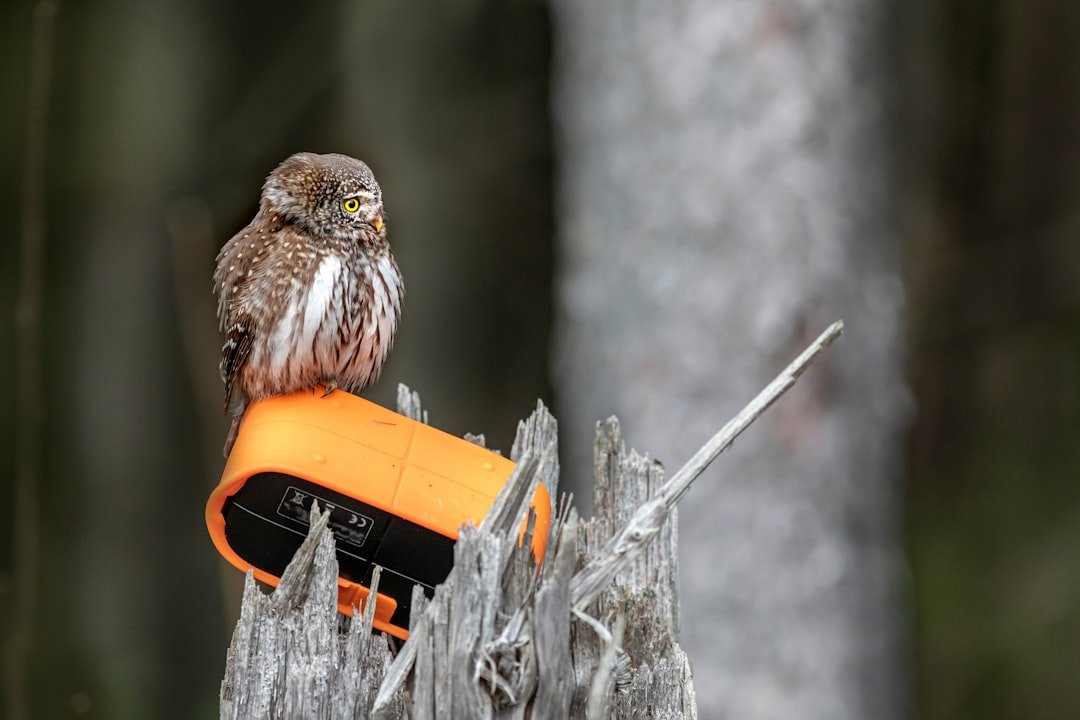
Tracking once meant kneeling in mud and reading stories from prints; now it also means training microphones on the night. Autonomous recorders capture the tremolo of loons, the fluting of thrushes, and the soft wingbeats of bats, turning sound into a census. Environmental DNA, filtered from a liter of lake water, can flag the presence of brook trout or a stealthy newt without catching a thing. Thermal drones reveal moose browsing in regenerating cuts where human eyes would see only shade.
These methods work best together, like lenses stacking for depth. Camera traps verify eDNA hints; bioacoustic patterns point researchers to hotspots, then old-school field craft confirms them. The result is a mosaic of high-tech and hand-built knowledge that shortens the distance between question and answer. It’s not gadgets replacing people – it’s more like a better pair of glasses for the same curious eyes.
Nocturnal Architects

Beavers are the Adirondacks’ unlicensed engineers, and their blueprints keep changing the map. Dams slow water, spread it sideways, and create nurseries for amphibians, insects, and fish that prefer calm, sun-warmed shallows. At night, you can hear the soft slap of a tail and know a wetland is under construction, complete with spillways and food shelves. The ripple effects reach far beyond the pond: songbirds crowd the edges, and predators arrive to check the new buffet.
Flying squirrels stitch the canopy after dusk, invisible handoffs among hemlock boughs. Owls patrol these new edges, their quiet wings the original stealth technology. Even bats – hammered in recent years by a fungal disease – gather where insects bloom above beaver water. Darkness isn’t empty here; it’s a shift change.
Microhabitats That Rewrite the Map
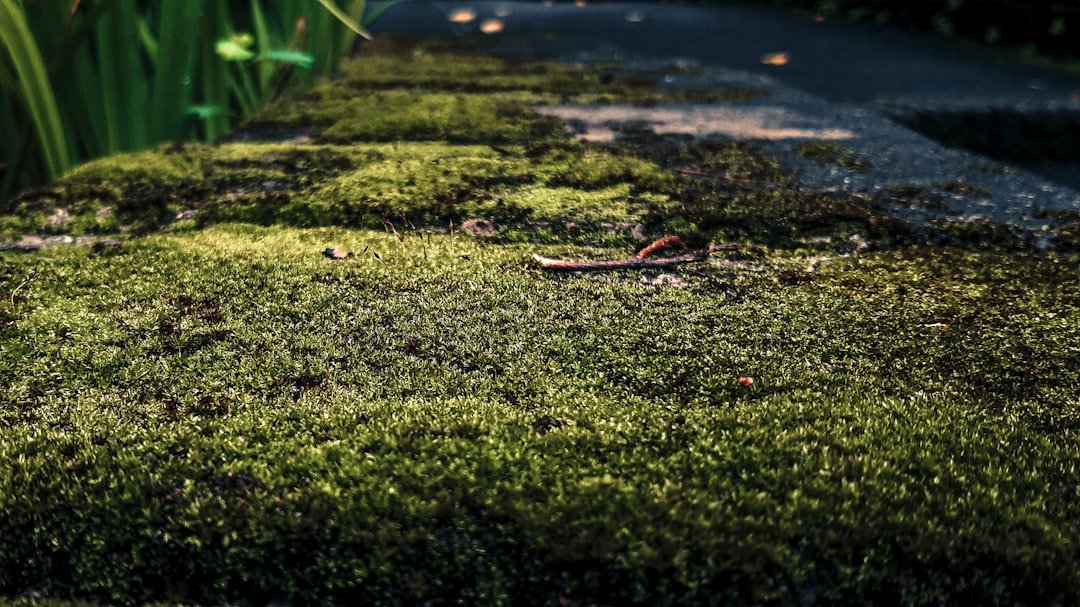
Zoom in and the Adirondacks become a patchwork of tiny worlds. Sphagnum bogs hold cold pockets all summer, islands of climate from another latitude where specialist plants and insects persist. High on wind-polished ridges, stunted spruce and fir host birds that nest nowhere else in the state, hugging a narrow band of elevation like a belt. On talus slopes above certain lakes, secretive rattlesnakes den in sun-warmed cracks that mimic a southern cliff.
Even along creeks, overhanging hemlocks throw a permanent shade that keeps water cold enough for native brook trout. Step a few yards away and you’ll feel the thermometer jump, a reminder that protection can hinge on single stands of trees. Microhabitats stack like gears, and when one slips – say, from a pest or an ill-timed cut – the whole mechanism grinds. Conservation, in practice, is often a very small target.
Predator–Prey Whispers

In the Adirondacks, the drama is mostly whispered, not shouted. Fishers unspool their long bodies to hunt porcupines, a feat that looks reckless until you watch the precision. Coyotes, built for compromise, patrol mixed woods and fields, shaping deer behavior in subtle ways that ripple into plant communities. Martens, light as thrown moss, move the energy of rodents up the food chain one neat cache at a time.
Loons dive through layers of silence to take perch and smelt, while osprey write sharp exclamation marks over lakes. Even insects choreograph the scene: mayfly hatches bring trout to the skin, which brings herons to the shoreline. The Adirondack food web is less a ladder than a woven rug – pull one thread, and patterns deform where you least expect.
Climate Signals in the High Peaks
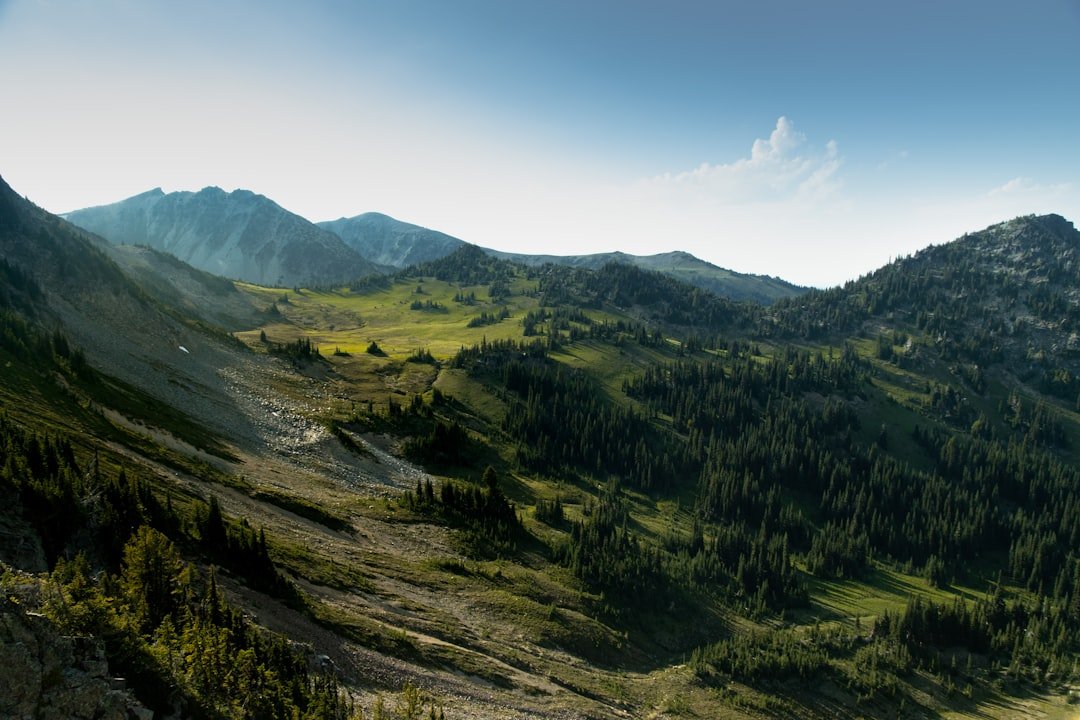
Ice-out dates on many lakes are creeping earlier, a small shift with big consequences for cold-loving species. High-elevation spruce–fir zones – already squeezed onto narrow mountaintops – face a warming pinch from below. Birds that rely on those belts, including high-peak specialists, find their nesting real estate shrinking to slivers. In streams, heat spells push brook trout into tight, oxygen-rich refuges where a single fallen tree can decide survival.
Forest pests that once stalled at winter’s edge are now probing deeper. Hemlock woolly adelgid nibbles at the region’s natural air conditioners, threatening the cold-shaded creeks many species need. The science here isn’t abstract; it’s measured in inches of snowpack, days of ice cover, and degrees of water temperature. The line between intact and unraveling often looks like one more warm week.
Global Perspectives

The Adirondacks sit on a climatic seam where northern and temperate species overlap, a living border worth global attention. Few places east of the Mississippi combine this size of semi-wild land with towns braided through it, a social-ecological puzzle that many regions now face. Lessons learned here – on invasive species control, lake recovery, and wildlife corridors – export well to other mosaic landscapes. Think of it as a pilot program scaled to a country-sized park.
There’s also an international corridor angle: birds and mammals move from the Adirondacks into Canada and back, treating the border as a formality. Protecting footholds on both sides keeps migration routes elastic under climate stress. When scientists share data across that line – on soundscapes, genetics, or contaminant trends – the picture clarifies. The Adirondacks, in other words, are both a refuge and a relay.
Why It Matters

Wildlife isn’t just decoration; it’s the machinery that keeps water clean, forests stable, and economies humming. Beaver dams store floods, wetlands filter runoff, and healthy forests lock away carbon while sheltering pollinators that orchards downstream depend on. Tourism tied to intact lakes and trails supports local jobs from guides to gear shops, a livelihood that bends with the seasons. And for many visitors, that first loon call or marten track lights a fuse that leads to lifelong stewardship.
Consider a few anchors:
– Water from Adirondack headwaters feeds major rivers downstream and millions of taps.
– Lakes recovering from past acid rain show how regulation can heal damaged systems.
– Simple choices, like non-lead tackle, spare birds and otters from avoidable harm.
The stakes are both intimate and enormous, and the line between them is thinner than it looks.
The Future Landscape
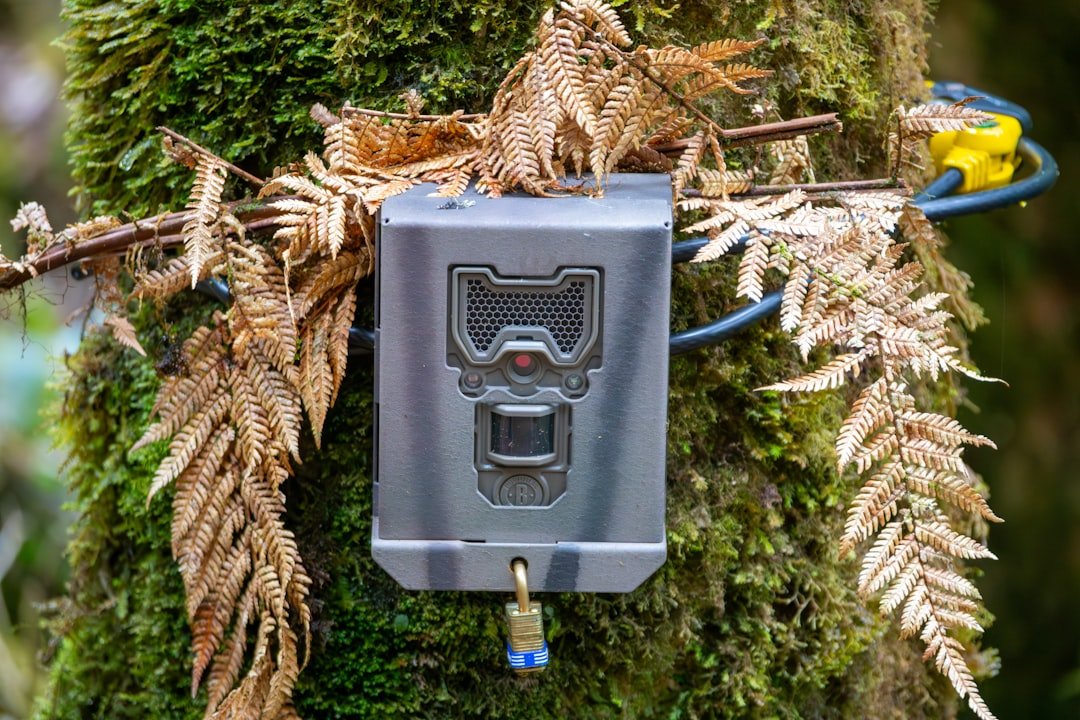
Expect more science to happen without a scientist physically present. Networks of acoustic recorders, temperature loggers, and watershed sensors will stream data year-round, while AI sifts patterns humans might miss. Environmental DNA sampling will get portable, letting rangers and trained volunteers test lakes and streams as easily as checking the weather. Satellite and drone imagery will sharpen, mapping browse lines, insect outbreaks, and wetland growth in near real time.
The tough part won’t be collecting information; it’ll be acting quickly on what it shows. Managers will face tradeoffs that feel uncomfortably human: which culverts to replace first, which forests to nudge toward climate resilience, where to open or close access. Wildlife crossings, better boat-wash stations, and targeted pest control will compete for limited dollars. The Adirondacks have always been a negotiation between wildness and people – technology just brings better notes to the table.
How You Can Help

Start simple and local. Clean, drain, and dry boats and waders to keep invasive species from hitching a ride between lakes. Swap to non-lead fishing gear, and pack out every fragment of line and jig. Give wildlife space on trails and shorelines, especially during nesting and calving seasons when stress hits hardest.
Turn curiosity into data by logging sightings on community science platforms and joining lake or trail monitoring days. Learn to spot hemlock woolly adelgid and report finds to state databases, then lend a hand at volunteer treatment or replanting events. Support land trusts and trail groups that maintain the places you love; a few hours or dollars stretch a long way here. If you bring kids, let them set the pace – wonder is the best recruitment strategy.
Conclusion
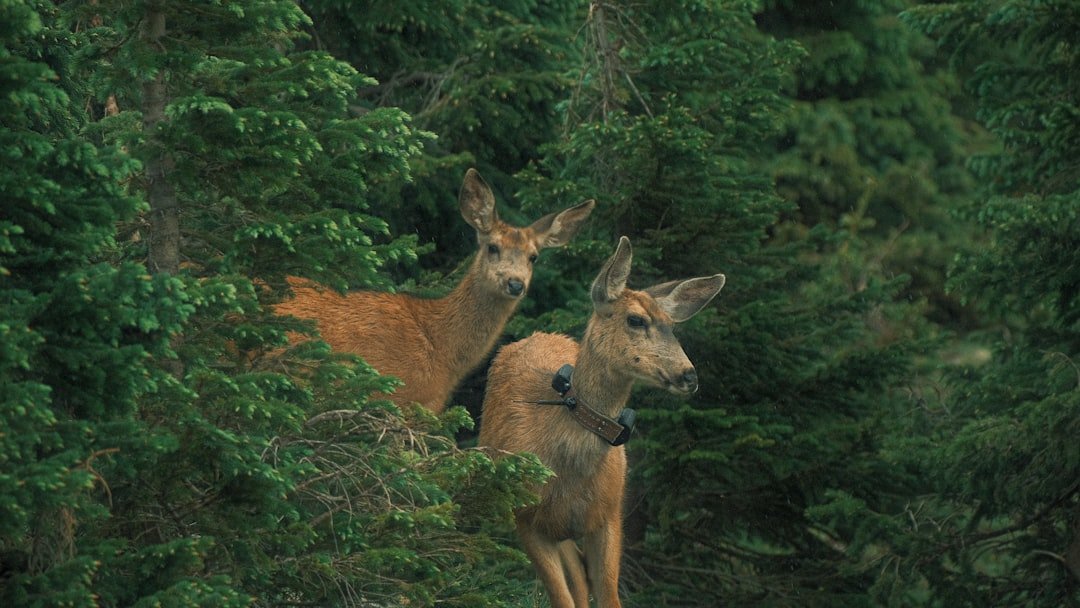
The Adirondacks reveal themselves in layers: a loon’s wake at dawn, a marten’s print after snow, a quiet beaver pond that wasn’t there last summer. The more you look, the more the place answers back, not with spectacle but with steady, everyday miracles. Science doesn’t steal the magic; it gives the magic names and directions. I’ve walked out of these woods with wet boots and a head crowded by small revelations, and every time it feels like a fair trade.
This is a living, changing system that needs sharp eyes, quick hands, and patient hearts. If we match the region’s quiet persistence with our own, the secret wildlife won’t stay secret – it will simply be safe. What part will you notice first?