
Every summer and fall, Colorado’s high-country trails fill with wagging tails and eager paws – and a quiet risk that many owners never see coming. Thin air turns simple romps into heavy work, and the warning signs in dogs can be strikingly subtle until they’re not. Vets across mountain towns report more cases of respiratory strain, sudden fatigue, and even dangerous fluid buildup in the lungs when visitors rush from low valleys to treeline in a day. The mystery isn’t whether altitude can trouble dogs; it’s why the problem seems to spike here, where elevation changes are extreme and fast. The answer blends geography, biology, and our own weekend-warrior habits.
The Hidden Clues
Have you ever watched a dog that never quits suddenly slow to a shuffle above the pines? That soft shift – ears drooping, panting a touch too fast, a skip in appetite – can be the first signal that altitude is taking a toll. Dogs don’t describe headaches or dizziness, so we’re left reading behavior like a trail map: unusual lethargy, coughing after exertion, or a wobble on rocky steps.
I learned this the hard way near Leadville when a normally tireless border collie glued herself to shade at midday and turned down her favorite treat. She wasn’t being stubborn; she was speaking the only way she could. By the time we descended five hundred feet and rested, her breathing eased, and the lesson stuck with me like wet snow on gaiters.
Thin Air, Thick Risks: Colorado’s Rapid Ascent Problem
Colorado compresses the climb in a way few places do. You can wake up at city elevation and, after a two-hour drive, step out at a trailhead near timberline where the air holds far less oxygen per breath. That jump matters for dogs, whose enthusiasm often outpaces their physiology and whose owners feel pressure to make a long drive “worth it.”
Rapid ascent stacks the deck: less time to acclimate, more cold and wind, and trails that tilt steep right from the parking lot. In a state riddled with passes and peaks over ten thousand feet, the gap between car seat and summit can be brutally short. That’s a recipe for overexertion and a higher chance of respiratory distress.
What Altitude Does to a Dog’s Body
At elevation, the overarching stress is hypobaric hypoxia – simply put, there’s less oxygen available with every inhale. Dogs respond first by breathing faster and pumping their hearts harder, which helps for a while but also costs energy and water. The colder, drier air common at altitude steals moisture with each breath, thickening mucus and making airways more irritable.
In some dogs, the pulmonary arteries clamp down in response to low oxygen, raising pressure in the lungs. That can push fluid into the air spaces, a dangerous condition similar to high-altitude pulmonary edema described in people. Add vigorous play or long climbs, and the oxygen budget runs into the red faster than owners expect.
Breeds and Backgrounds: Who’s Most Vulnerable

Brachycephalic breeds – those with shortened snouts like bulldogs and pugs – already work harder to move air through narrower passages, so thin air hits them earlier and harder. Older dogs, very young pups, and animals with heart or lung issues carry added risk because their reserves are smaller. Even a fit sea-level dog can stumble if you stack rapid ascent, heat from midday sun, and a long climb.
Coat and color play small supporting roles: dark coats soak up solar radiation above treeline, while heavy coats can trap heat during unseasonably warm alpine afternoons. Meanwhile, ultraviolet exposure rises with elevation, and snowfields can reflect it back into sensitive eyes and noses. No single factor dooms a dog, but the combination tilts the odds.
From Mountain Lore to Modern Medicine
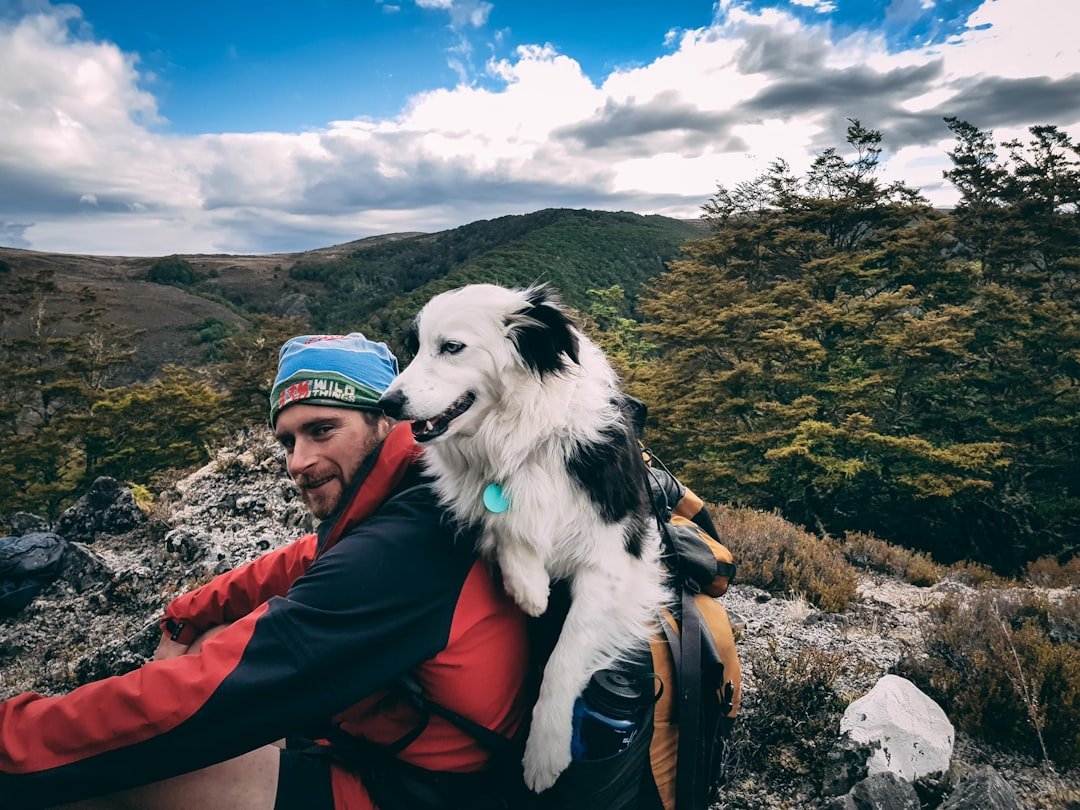
For decades, mountain guides have managed altitude with simple tools: slower itineraries, extra hydration, and honest turn-around times. Veterinary medicine is now translating those principles to pets, pairing commonsense pacing with better screening for hidden cardiopulmonary issues. Portable pulse oximeters sized for dogs, while imperfect at wagging trailheads, can offer clues when a reading is consistently low.
Search-and-rescue teams and avalanche dog handlers train with deliberate acclimatization blocks, watching for changes in gait, focus, and recovery time after drills. Some backcountry clinics keep oxygen on hand for rapid stabilization and emphasize descent as the first-line treatment. It’s an old lesson in a new package: the mountain sets the rules, and we either adapt or change our plan.
Why It Matters
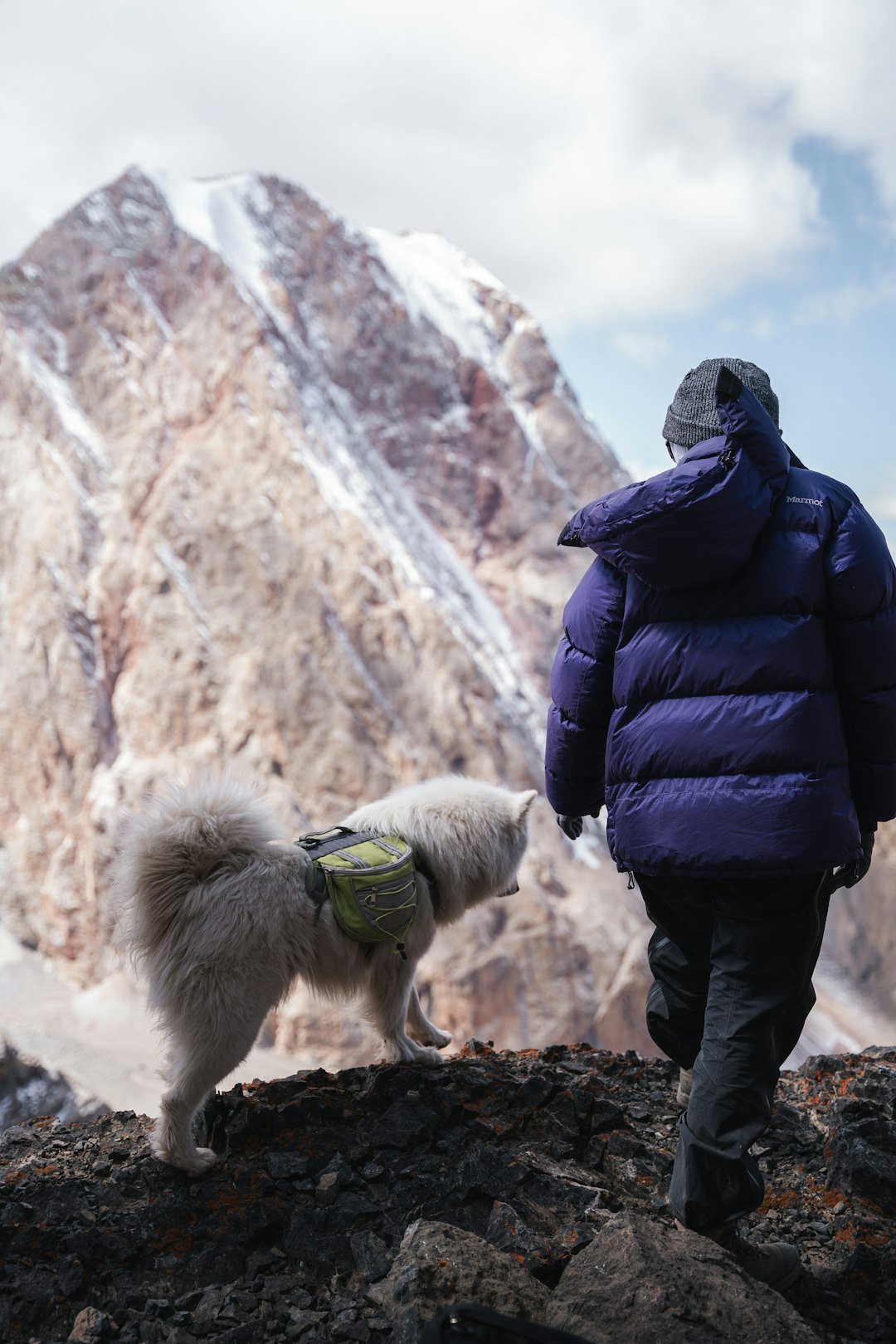
This isn’t just a pet-owner problem; it’s a public-safety and access issue in an outdoor economy that thrives on quick weekend ascents. When dogs crash at altitude, owners often push plans, call for help, or attempt risky carries across talus and snow, turning a private emergency into a bigger one. Veterinary practices in mountain corridors see the ripple effect in urgent visits that could have been prevented with a slower schedule.
Comparing dogs to humans helps clarify the stakes. People can report the early fog of altitude sickness, then adjust pace or stop; dogs barrel forward until the wheels come off. The scientific importance is straightforward: studying canine responses refines our understanding of hypoxia, informs working-dog training, and underscores that acclimatization – not bravado – is the true performance enhancer.
Global Perspectives
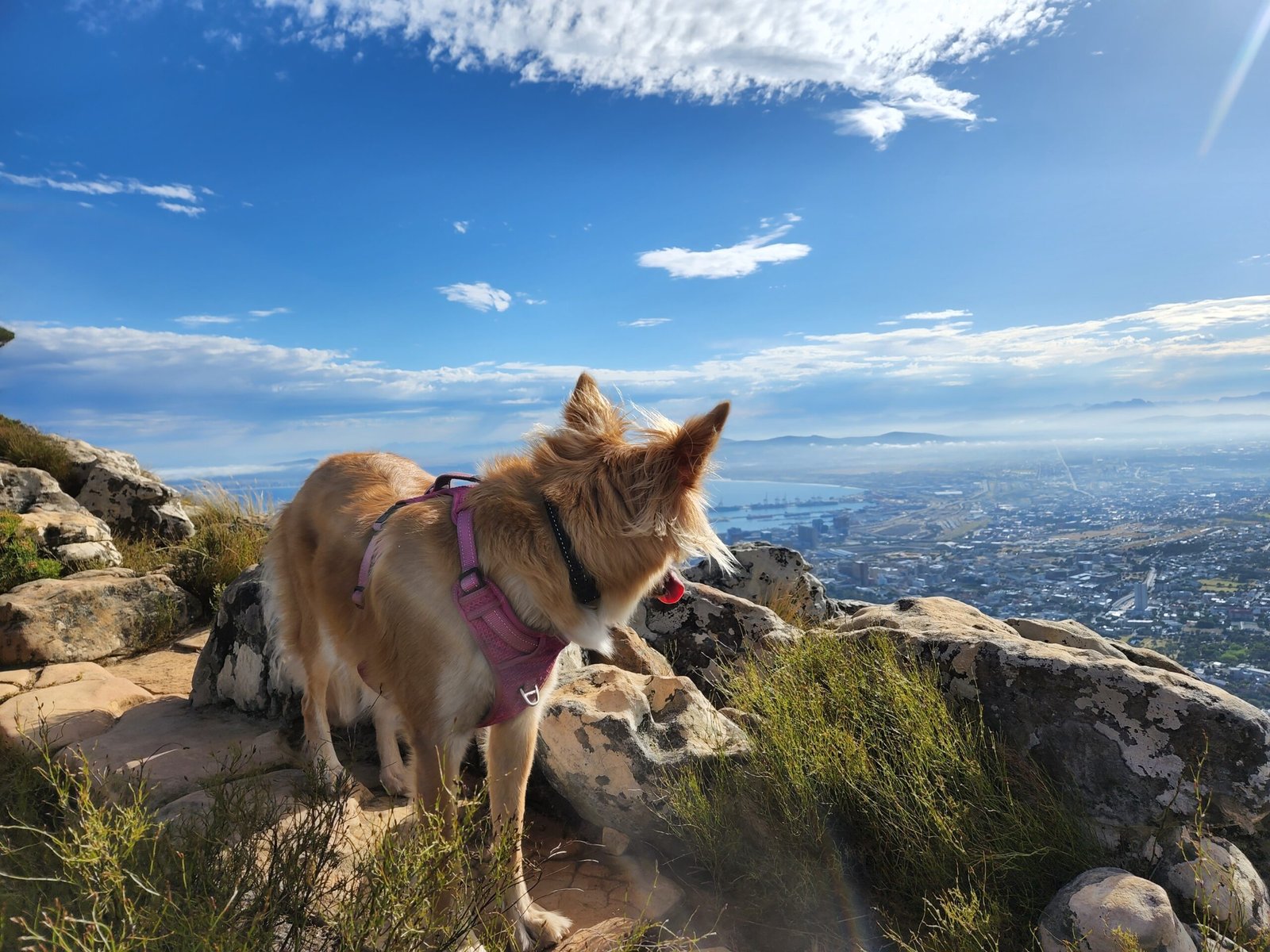
What’s playing out in Colorado echoes across other high-altitude regions, from the Sierra Nevada to the Andes and Alps. The constant is the climb, not the zip code: rapid elevation gain, dry air, intense sun, and excited animals eager to explore. In tourist hubs worldwide, veterinary teams report similar patterns – busy weekends, hurried itineraries, and preventable respiratory trouble.
Cultural habits layer on top. In places with established hut systems or multi-day treks, people naturally build in slower ascent, and dogs, when allowed, tend to fare better. Where day trips dominate and trailheads shoot skyward, the risk spikes, reinforcing the lesson that the calendar, not just the contour lines, shapes outcomes.
The Hidden Math of Pacing and Hydration
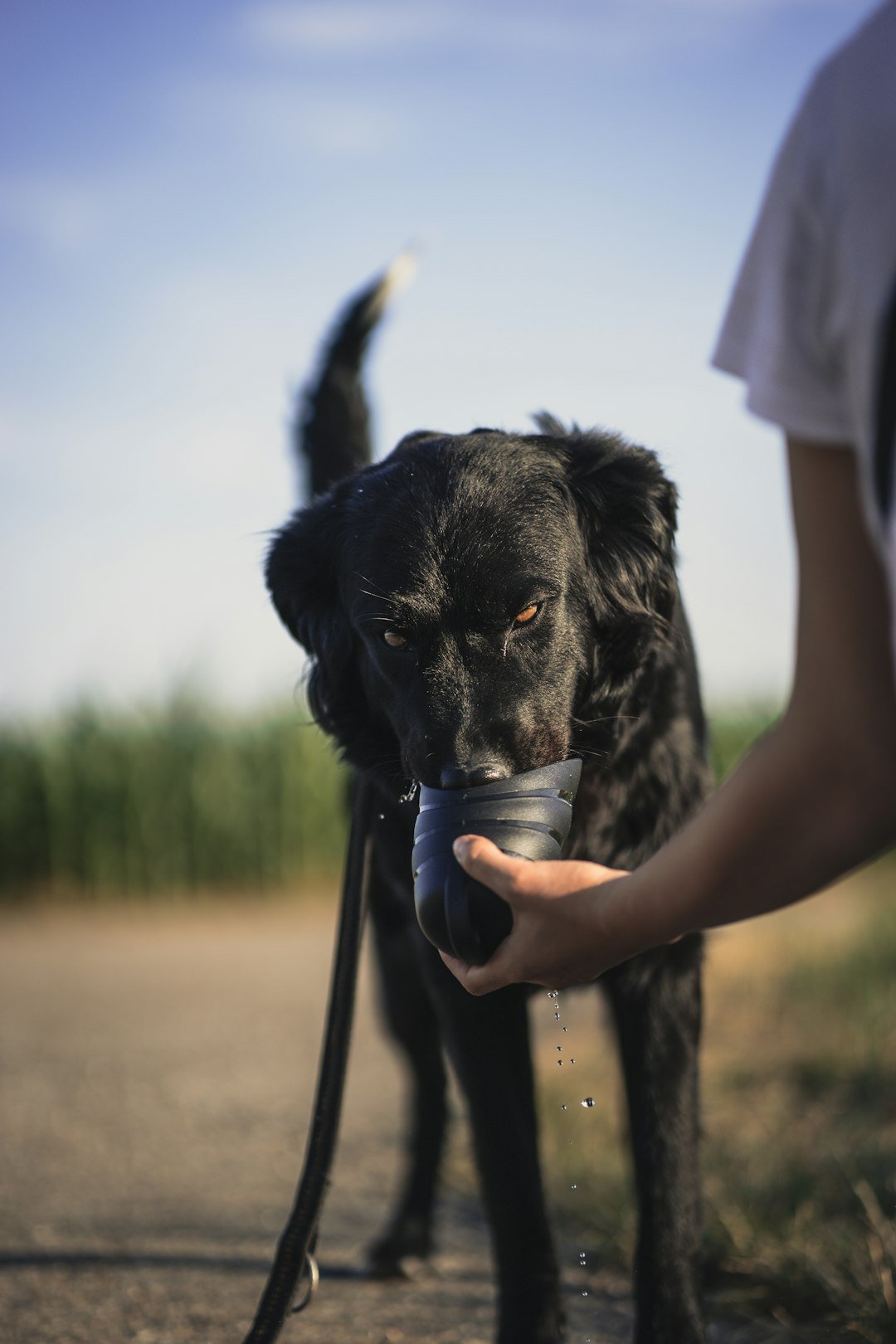
Altitude punishes impatience, and dogs can’t set their own pace. Shorter first days, longer rest breaks, and cooler start times reduce oxygen demand while keeping body temperature in check. Hydration matters more than it seems because dry, cold air increases water loss with every breath and pant.
Simple field rules help: if a dog isn’t recovering after a five-minute rest, extend it and reassess the plan; if appetite or enthusiasm craters, consider it a vital sign, not a mood. Turning around early is not failure but strategy, protecting lungs today so tomorrow’s trail is still on the table. The math is boring, but it wins.
The Future Landscape
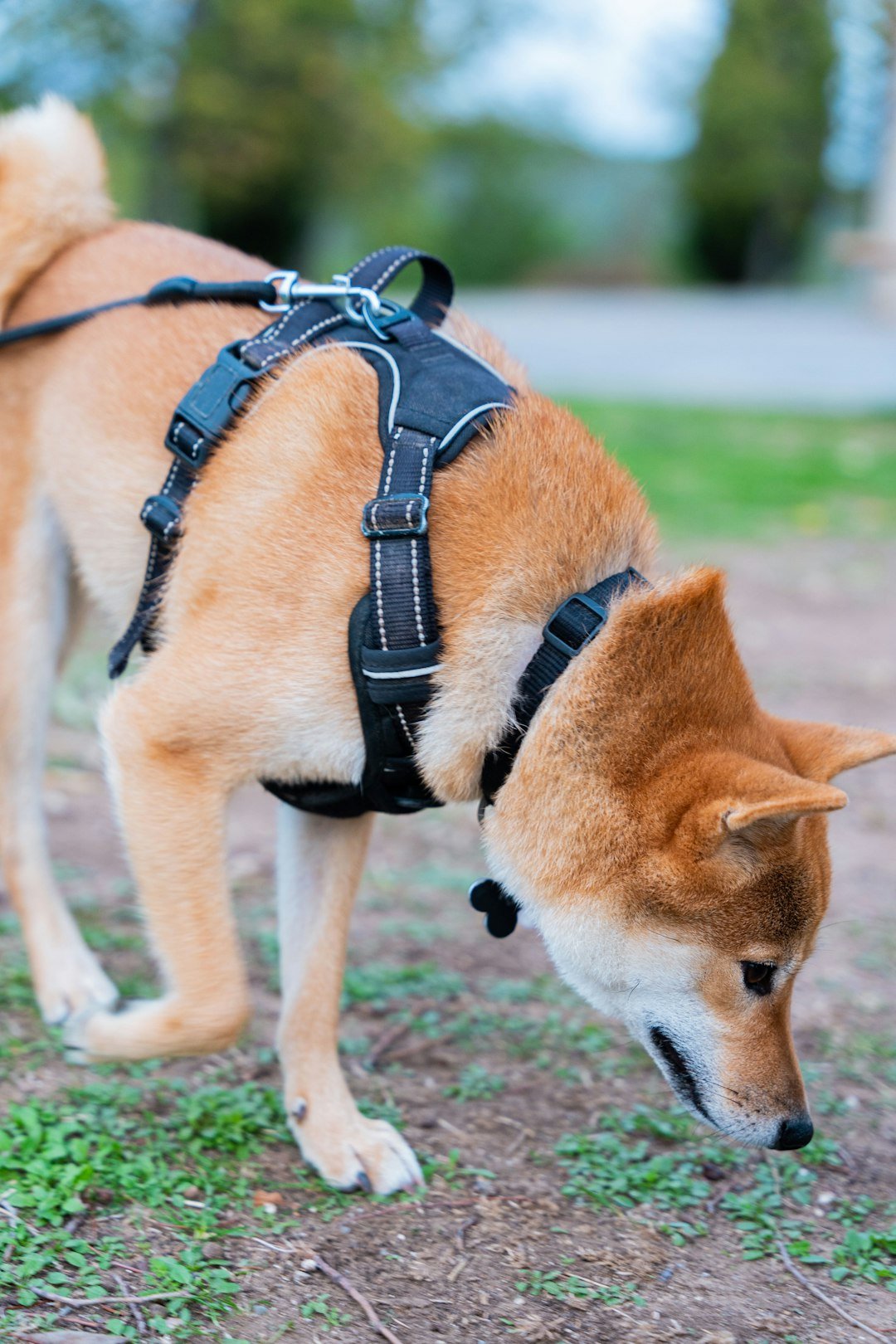
Wearable tech for pets is moving beyond step counts toward continuous heart and respiratory monitoring, and altitude-aware algorithms aren’t far behind. Imagine a collar that flags trending oxygen debt or prolonged recovery times, prompting owners to descend before a crisis. Portable, more accurate canine pulse oximeters and lightweight oxygen delivery systems could make backcountry kits smarter without turning every hike into a medical drill.
On the veterinary front, standardized acclimatization checklists and pre-trip teleconsults can catch hidden risks like mild valve disease or airway anomalies. Community-level changes – trailhead signage explaining dog-specific symptoms and realistic timelines – could shift behavior faster than lectures. The challenge will be balancing useful alerts with simplicity so tools inform, not distract, when the wind picks up on the ridge.
What You Can Do Today
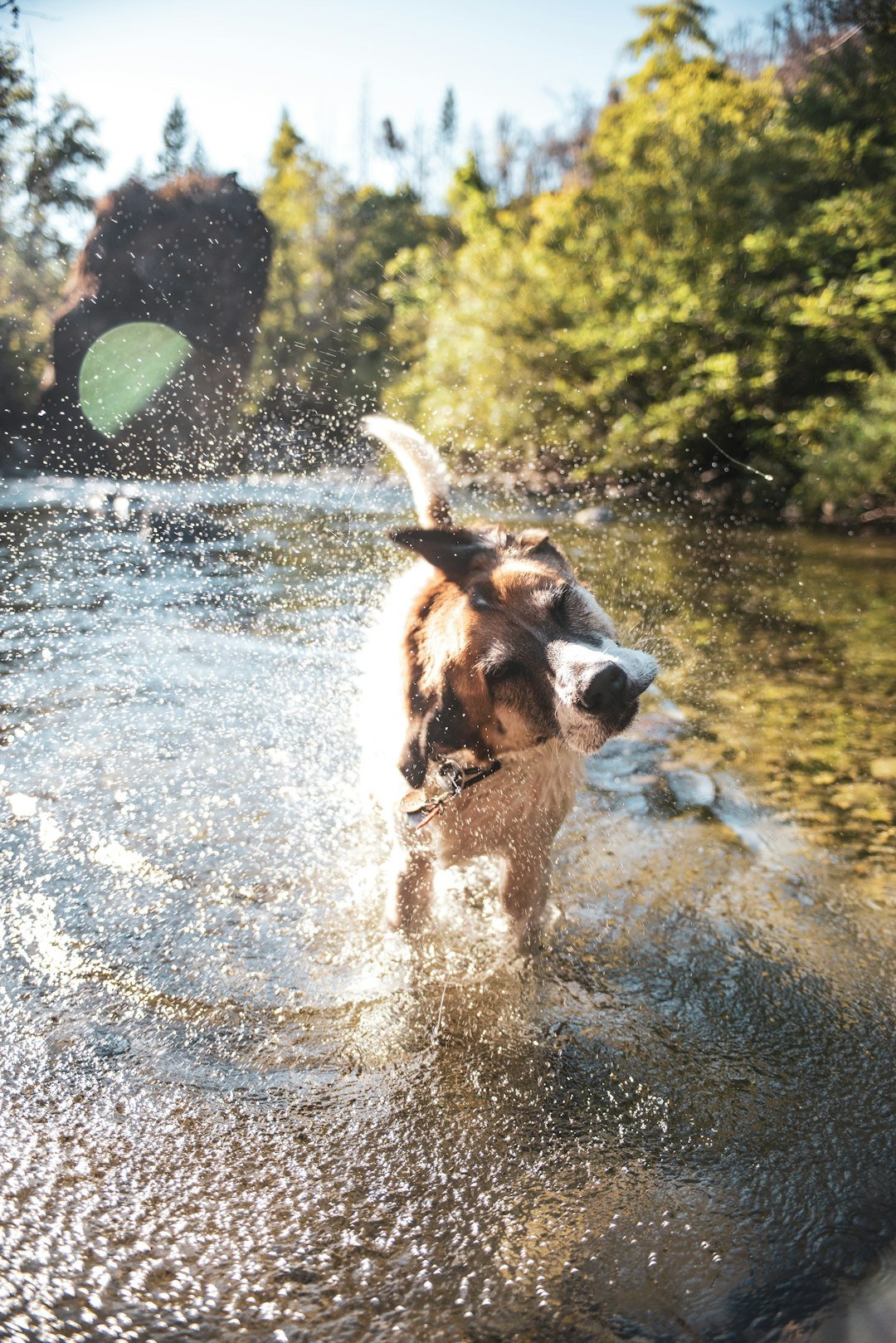
Plan like a guide: if you’re coming from low elevation, give your dog a full day or two at mid-altitude before tackling high passes. Start early, keep the first outing modest, and watch for the small signals – lagging behind, unusual panting at rest, skipping food, or a dry, persistent cough. Carry more water than you think you’ll need and offer it often, because dogs won’t always ask.
If trouble brews, stop, rest in shade, and drop a few hundred feet if you can; descent is the most reliable intervention. Seek veterinary help urgently for breathing difficulty at rest, blue-tinged gums, persistent vomiting, or wobbling that doesn’t resolve with rest. Your best success metric isn’t the summit photo; it’s how eager your dog is to trot to dinner back at camp. Did you expect that?
Suhail Ahmed is a passionate digital professional and nature enthusiast with over 8 years of experience in content strategy, SEO, web development, and digital operations. Alongside his freelance journey, Suhail actively contributes to nature and wildlife platforms like Discover Wildlife, where he channels his curiosity for the planet into engaging, educational storytelling.
With a strong background in managing digital ecosystems — from ecommerce stores and WordPress websites to social media and automation — Suhail merges technical precision with creative insight. His content reflects a rare balance: SEO-friendly yet deeply human, data-informed yet emotionally resonant.
Driven by a love for discovery and storytelling, Suhail believes in using digital platforms to amplify causes that matter — especially those protecting Earth’s biodiversity and inspiring sustainable living. Whether he’s managing online projects or crafting wildlife content, his goal remains the same: to inform, inspire, and leave a positive digital footprint.