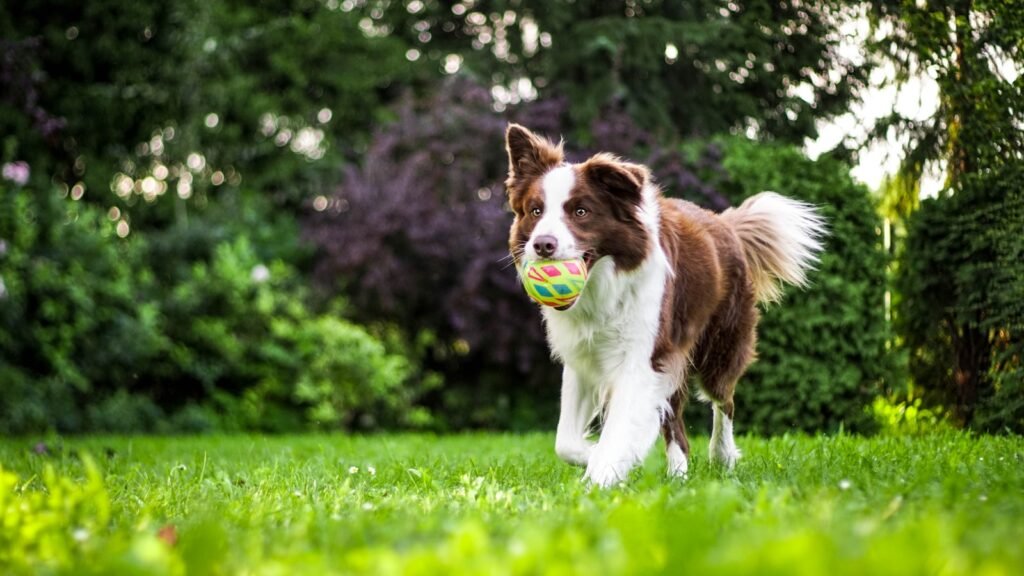

Texas heat doesn’t just arrive; it pounces. By late spring, sidewalks shimmer, backyard thermometers flirt with triple digits, and dog owners start rearranging their lives around early-morning walks and late-night potty breaks. The question that keeps surfacing each scorching year is simple and surprisingly charged: which dogs truly cope better when the mercury climbs? Scientists, veterinarians, and breeders are piecing together an evidence-based answer that looks beyond internet myths and into physiology, climate data, and breed history. The picture that emerges is nuanced – some dogs have a head start in the heat, but no dog is heatproof.
The Hidden Clues
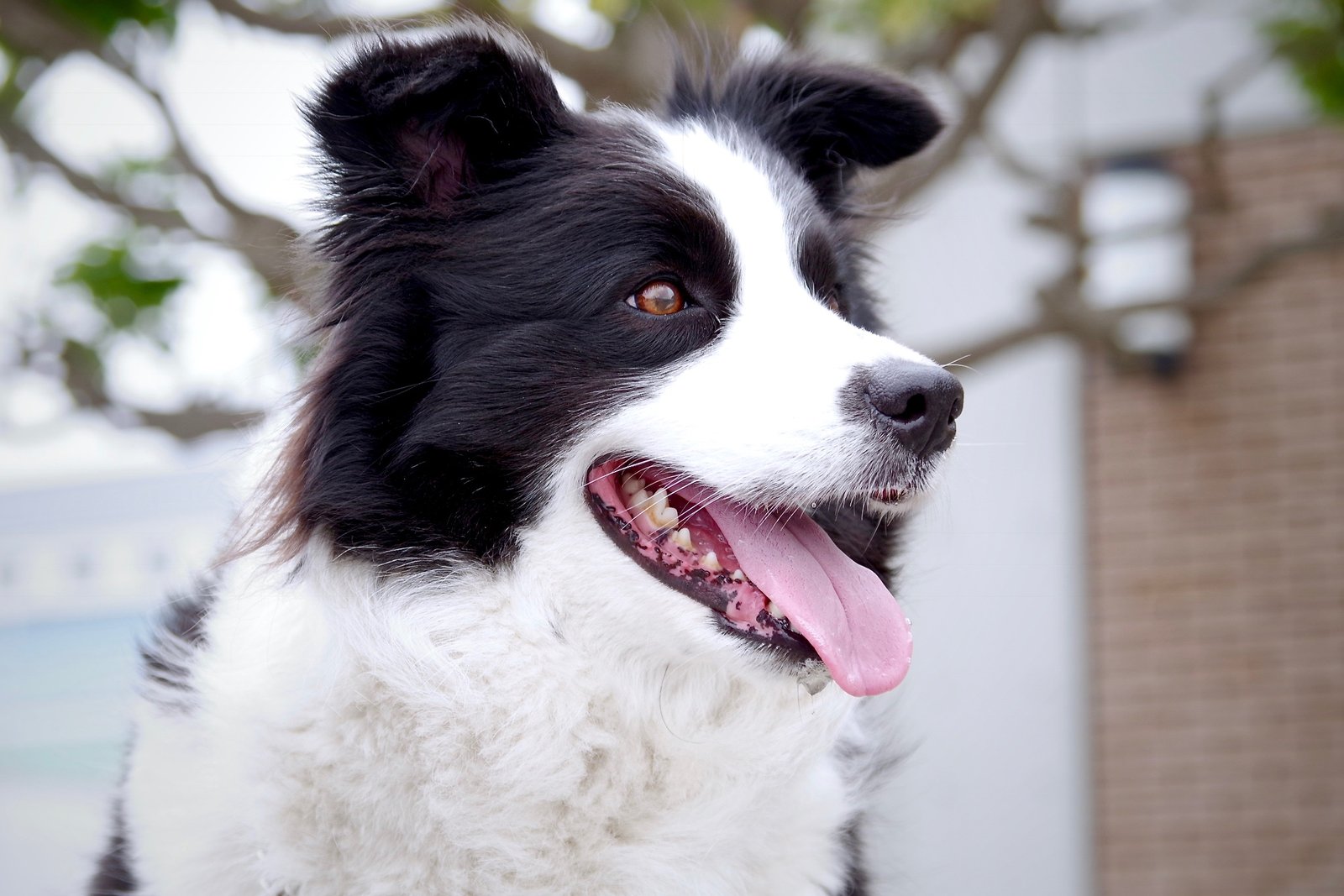
Here’s the first surprising truth: dogs don’t sweat like we do, which means panting is their main cooling system, and not all muzzles are created equal. Breeds with wide airways and long noses generally shed heat more efficiently than short-nosed companions, whose compressed anatomy can turn Texas humidity into a serious obstacle. Body shape matters, too; lean, leggy dogs with low body fat and short, sleek coats tend to dump heat faster than bulky, heavily coated dogs. Even coat color can tip the scales, with darker fur absorbing more solar radiation, especially on exposed trails or sunbaked patios. Paw pads do sweat a little, but not nearly enough to cool a dog during a hot spell, which is why panting efficiency is so critical.
Texas adds an extra twist because the state’s heat profile isn’t one-size-fits-all; coastal humidity and Hill Country sun punch differently than the dry, wind-baked plains. Early-season blasts can be especially dangerous because dogs aren’t fully acclimated yet, and those steamy nights that never cool off ratchet up risk by shrinking recovery windows. National climate records show that recent years have trended warmer, setting the stage for more frequent heat stress days across large swaths of the state. That background shift means old rules of thumb – like a quick noon walk – may not be safe anymore for many breeds. The stakes are higher, and the margin for error is narrower than it used to be.
Heat Physiology 101: What Makes a Dog Run Hot or Cool
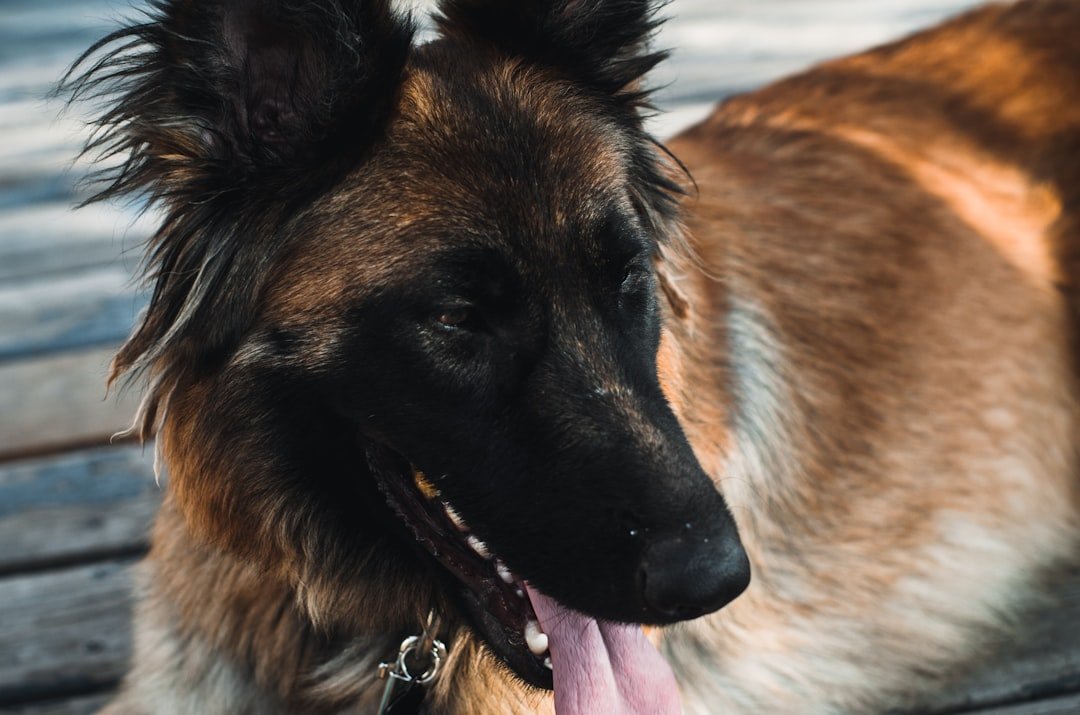
When dogs pant, air moves over moist surfaces in the mouth and upper airways, evaporating water and pulling heat from the bloodstream. In humid air, that evaporation stalls, so two dogs doing the same activity in Houston and Lubbock can face very different risks. Short-nosed, or brachycephalic, dogs must work harder just to move air, which can turn panting into an energy-intensive, less effective process. Overweight and older dogs are also at a disadvantage because extra insulation and limited cardiovascular reserve make cooling slower and overheating faster. Some double coats can blunt solar gain in light wind, but heavy coats still raise the bar for safe exercise once temperatures spike.
What does this look like on a real Texas day? Think dawn walks that already start warm, midmorning humidity that clogs evaporative cooling, and blacktop hot enough to radiate heat back into the chest and belly. Panting ramps up, saliva thickens, and a dog that seemed fine minutes ago can suddenly wobble, drool, and struggle to recover without immediate cooling. The clinical red flags are well documented: heavy, rapid panting, bright-red gums, disorientation, and collapse are emergencies, not inconveniences. Owners often underestimate how fast that shift can happen during early-season heatwaves when acclimation is incomplete. Prevention – shade, water, and timing activity to cooler windows – remains the most powerful intervention.
From Ancient Tools to Modern Science
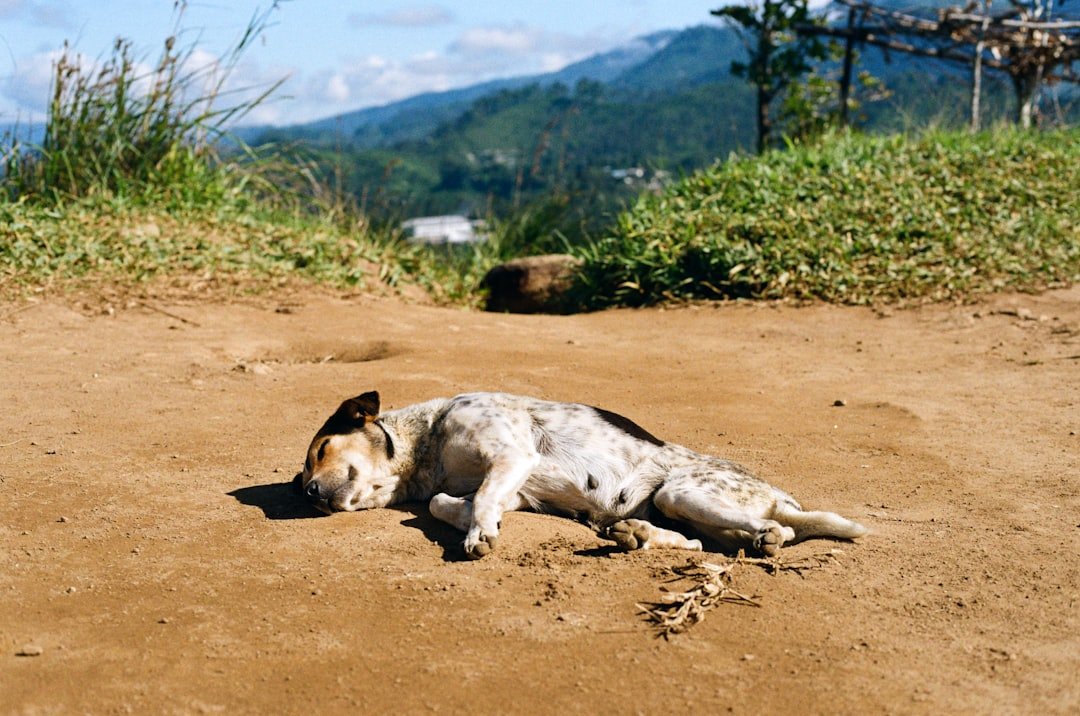
Desert-bred sighthounds like the Saluki and Azawakh were shaped for speed over open ground in blistering climates, their narrow frames and smooth coats acting like biological radiators. Modern science is catching up to the craft of ancient breeders, using thermal cameras, veterinary records, and biomechanical modeling to map which traits really help in heat. The big signal is clear across multiple datasets: exertion triggers most heat-related emergencies, and breeds with compromised airways are disproportionately affected. When researchers analyze thousands of emergency visits, they repeatedly find that flat-faced dogs face higher odds of heat illness compared with mesocephalic breeds. That doesn’t mean a fit, careful owner can’t keep a brachy dog safe – it just means the margin for error is thin, and mid-day fetch is a bad bet. In other words, biology sets the baseline, and behavior shifts the risk.
The pattern holds even in cooler countries, which underscores how powerful exertion and anatomy are compared with ambient temperature alone. Studies in the UK and Australia, for instance, highlight similar high-risk groupings: brachycephalics, thick-coated breeds, and dogs pushed hard in hot weather. It’s a humbling reminder that canine heat safety isn’t only about shade and water bowls; it’s about matching a dog’s build and conditioning to the day’s climate reality. That integrated view, blending history and hard numbers, is reshaping how veterinarians advise owners in heat-prone regions. The story is less about absolutes and more about stacking advantages. Stack enough, and a Texas summer becomes manageable instead of menacing.
Breed Profiles: Dogs That Cope Better in Texas Heat
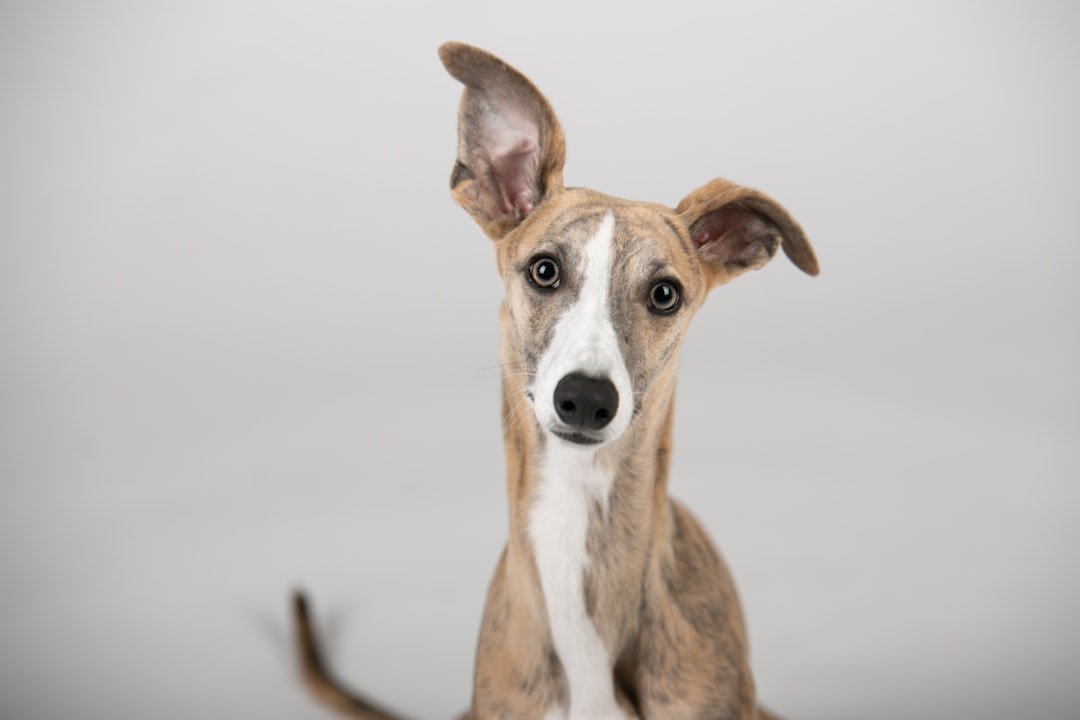
There’s no universal top-ten, but certain categories keep showing up with practical advantages in hot climates. Lean sighthounds – think Saluki, Azawakh, Greyhound, and Ibizan Hound – carry little excess insulation and have long limbs that facilitate heat exchange. Hairless and nearly hairless breeds, such as the Xoloitzcuintli and American Hairless Terrier, shed radiant heat readily but still need sun protection and careful hydration. Primitive or pariah-type dogs like the Basenji or Canaan Dog can do well when acclimated, thanks to efficient builds and short coats, though activity timing still matters. Small-bodied dogs like the Chihuahua may overheat more slowly at rest due to low mass, but they can also dehydrate fast and are vulnerable on scorching pavement. No category gets a free pass; shade, water, and smart scheduling are nonnegotiable.
On the other side of the spectrum are breeds that demand extra vigilance when the index soars. Flat-faced dogs – Bulldogs, French Bulldogs, Pugs, Boston Terriers – struggle with airflow mechanics, making even mild exertion risky on humid days. Heavily coated northern breeds and large, stocky dogs carry more insulation and thermal inertia, so they heat up faster and cool down slower after exercise. Veterinary data consistently tie these structural factors to higher odds of heat-related illness, especially during early heatwaves. My rule of thumb on Austin trails is blunt: if it feels swampy to me, it’s a no-go for the blocky-headed, big-bodied, or plush-coated crowd. That firm line has saved me at least one panicked carry back to the car.
Global Perspectives
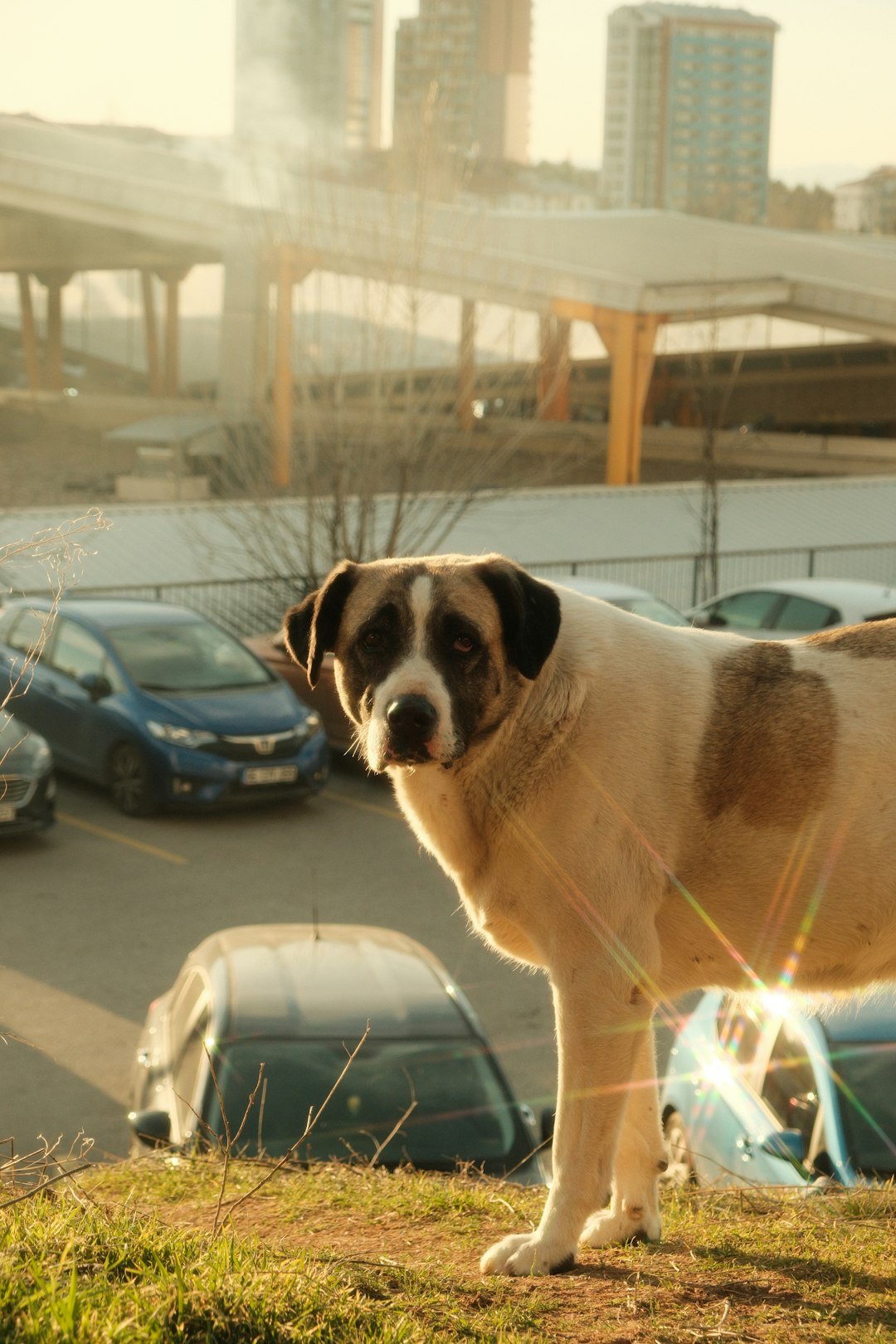
Texas isn’t alone in recalibrating dog life around hotter summers; warming signals are turning up from the Southern Plains to Europe and Australia. National assessments logged 2024 as the 5th warmest year on record across the U.S., and that backdrop pushes more days into risk territory for canine exertion. In Australia, long-term veterinary records trace heat illness across breeds and decades, with anatomical red flags echoing what clinics see in Texas. The common thread is striking: where heat and activity collide, dogs with compromised airways or heavy coats show up in emergency logs more often. That means owners everywhere are being nudged toward earlier walks, rest-day humility, and a sharper eye for subtle distress. Even temperate regions are discovering what Texans already know – heat is a planner’s problem.
Early-season spikes are especially treacherous because acclimation lags behind weather swings. In May 2025, for example, forecasters flagged unusually intense heat building across central and south Texas before many pets – or people – had adjusted. Those first hot weeks are the time to trim mileage, swap fetch for snuffle mats, and lean on cooling strategies. Owners who treat May like August generally steer clear of trouble, even with active dogs. In a state where seasons can flip overnight, acclimation isn’t a luxury; it’s a strategy.
Why It Matters
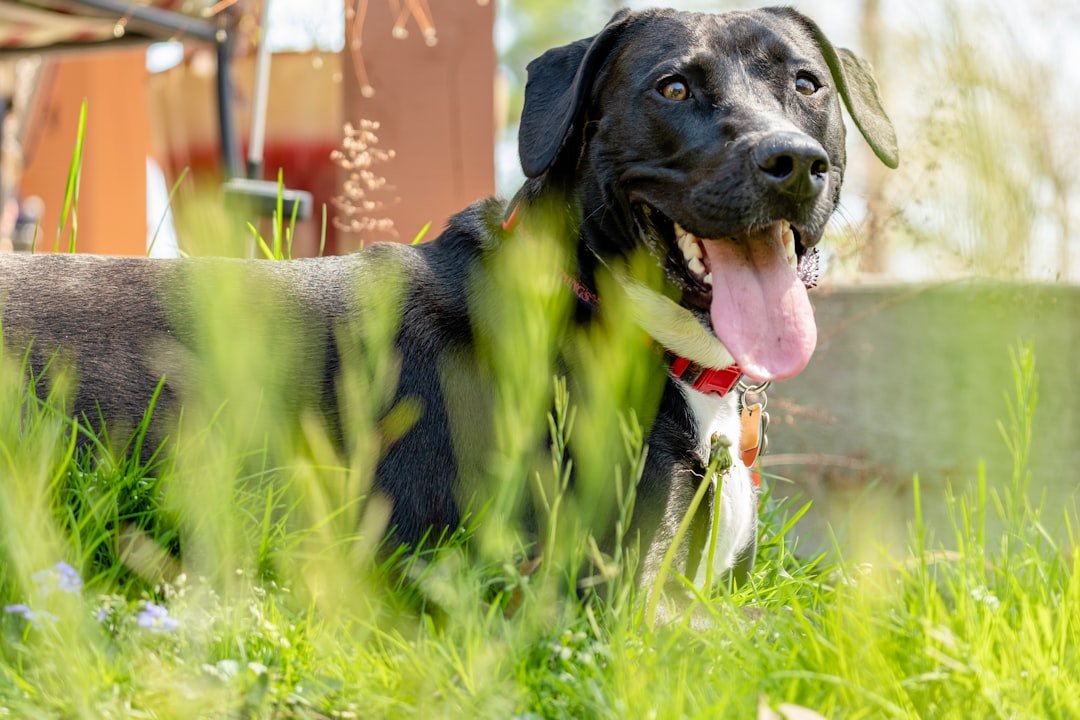
This isn’t just a breed debate; it’s a veterinary and welfare issue that shows up in emergency rooms and owner budgets. Older advice focused heavily on hot cars – and that danger remains – but large studies now point to exertion as the dominant trigger for heat illness, especially on deceptively warm days. That shifts the prevention playbook from don’t-leave-your-dog to don’t-overdo-your-dog, a subtle but vital pivot. Compared with traditional rules of thumb, today’s guidance is more personalized: match the dog’s anatomy and conditioning to the day’s temperature and humidity. It’s a more demanding approach, but it prevents more emergencies and fits the reality of modern heat. In short, the science is helping owners spend their risk where it counts.
For city planners and shelters, the ripple effects are real. As nights warm, recovery windows shrink, and more dogs require shaded corridors, cool refuges, and water access in public spaces. Shelters in hot zones can prioritize messaging and gear – cooling mats, elevated beds, shade sails – alongside adoption counseling that aligns breed traits with local climate. Veterinarians can lean on emerging data to triage risk and tailor advice, rather than relying on one-size-fits-all pamphlets. Few topics blend everyday joy and evidence-based caution like this one, and few offer such immediate payoffs when the advice is followed. The science is practical – and it belongs in every Texas household with a leash.
The Future Landscape
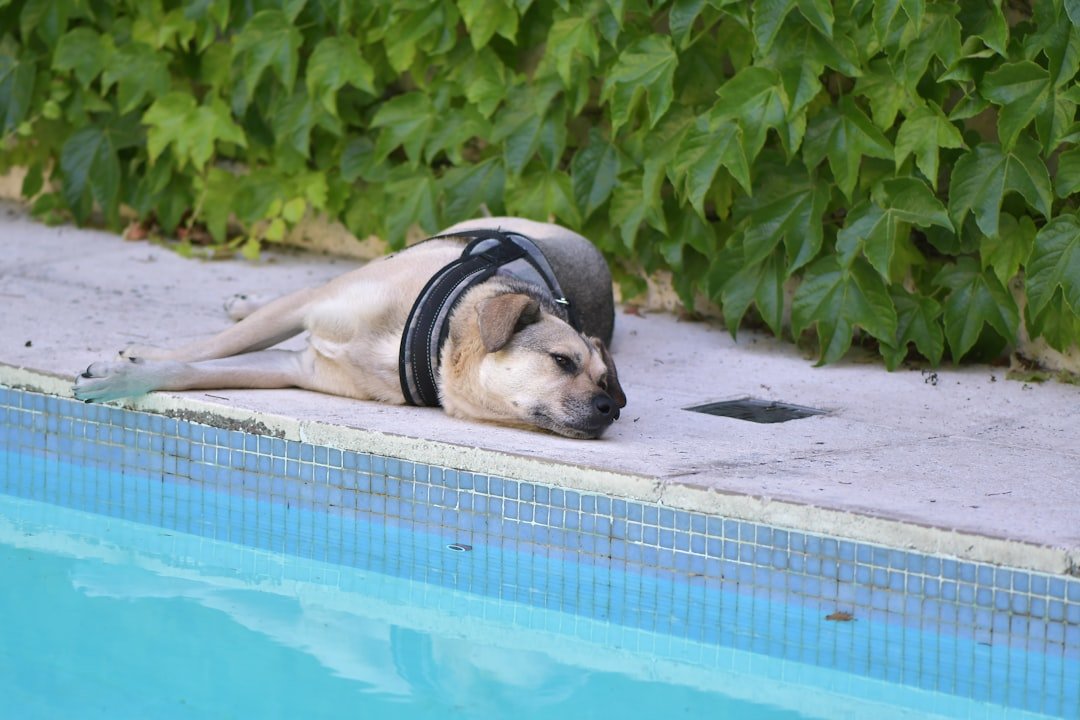
Expect the toolkit to get smarter as the thermometer rises. Wearable sensors that track respiratory rate and skin temperature are already migrating from sport dogs to family pets, and app-based heat risk scores now factor in humidity, sun angle, and pavement temperature. On the breeding front, pressure is building to select away from extreme brachycephaly that narrows airways and raises baseline risk. Cities are experimenting with shade-first dog parks, misting corridors, and tree-planting plans that cool entire neighborhoods, making summer walks safer for every breed. Meanwhile, national climate signals point to more hot days and warmer nights in the years ahead, keeping the innovation treadmill spinning. In the end, smarter tech and saner expectations will matter as much as any pedigree.
For owners, the near-term wins are simple and tech-light: earlier walks, shorter efforts, frequent water breaks, and rest days after tough sessions. Cooling vests and wet towels help in a pinch, especially for the heat-sensitive breeds that pant at the slightest uptick in humidity. Training plans can shift from sprints to scentwork or indoor agility when heat advisories pop up. And yes, the humble kiddie pool still earns its place on Texas patios each June. The goal isn’t to stop the fun; it’s to choose the kind that fits the forecast. That mindset keeps tails wagging through September.
How to Help Right Now
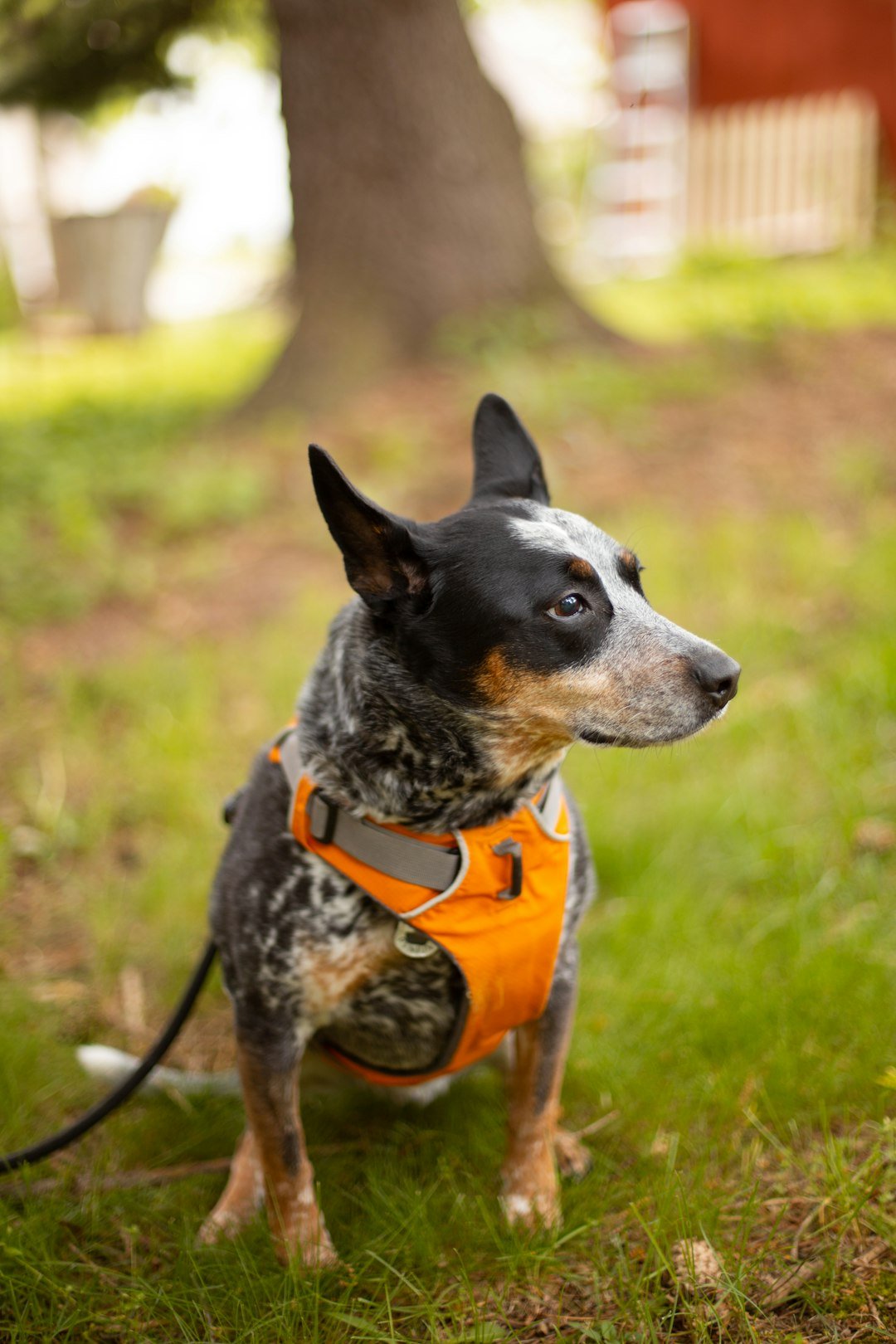
Make heat-aware routines your default from May through September. Walk at dawn or after sunset, avoid mid-day exertion, and carry water on every outing, even short ones. If your dog is flat-faced, heavily coated, older, or overweight, dial activity down another notch and use shade, fans, and cooling gear liberally. Test pavement with the back of your hand before stepping off and remember that breezy shade beats full sun every time. When early signs of overheating appear – heavy panting, glassy eyes, weakness – stop, move to a cool spot, wet the body with room-temperature water, and call your veterinarian. Simple moves, repeated consistently, prevent the vast majority of heat scares.
Want to go a step further? Support shelter programs that send cooling gear home with adopters, and ask your city to fund shade and water stations along popular dog routes. Consider breed traits alongside temperament when adopting in hot regions, steering toward open airways and lighter coats if you’re a mid-day runner. Keep a cooling kit in the car – water, collapsible bowl, towel – even in spring. And when the forecast flips to heat advisories, treat rest as training; recovery is a skill worth practicing. These are small acts, but strung together, they make Texas summers livable for every kind of dog.
Suhail Ahmed is a passionate digital professional and nature enthusiast with over 8 years of experience in content strategy, SEO, web development, and digital operations. Alongside his freelance journey, Suhail actively contributes to nature and wildlife platforms like Discover Wildlife, where he channels his curiosity for the planet into engaging, educational storytelling.
With a strong background in managing digital ecosystems — from ecommerce stores and WordPress websites to social media and automation — Suhail merges technical precision with creative insight. His content reflects a rare balance: SEO-friendly yet deeply human, data-informed yet emotionally resonant.
Driven by a love for discovery and storytelling, Suhail believes in using digital platforms to amplify causes that matter — especially those protecting Earth’s biodiversity and inspiring sustainable living. Whether he’s managing online projects or crafting wildlife content, his goal remains the same: to inform, inspire, and leave a positive digital footprint.