Deep in the glaciated wilderness of Alaska, creatures roam that exist nowhere else on Earth. These animals didn’t just adapt to one of the world’s harshest environments – they became something entirely unique. While millions of tourists flock to see Alaska’s famous bears and whales, most visitors never realize they’re walking through habitats of evolutionary marvels found on no other continent. Some of these endemic species are so elusive they’ve earned mystical names from indigenous peoples, while others remain scientific mysteries even today.
The Ghost Bear That Defies Science
The Tlingit name, s’iknóon, literally translates as “the bear that disappears.” This isn’t folklore – it’s the haunting reality of encountering Alaska’s glacier bear, perhaps the most enigmatic creature in North America. The glacier bear (Ursus americanus emmonsii), sometimes referred to as the “blue bear”, is a subspecies of American black bear with silver-blue or gray hair endemic from Southeast Alaska, to the extreme northwestern tip of British Columbia, and to the extreme southwest of the Yukon.
What makes this bear truly mysterious isn’t just its ethereal coloration that ranges from pale silver to deep charcoal with dusty blue tips. Little scientific knowledge exists of their total extent and the cause of their unique coloration. The Glacier Bear’s genealogy, on the other hand, remains an enigma. Recent genetic studies have revealed a startling pattern – glacier bears appear only in populations living near icefields, suggesting the glaciers themselves may have shaped this evolutionary curiosity.
The Vanishing World of Ice-Age Survivors
The North is home to some of the world’s largest remaining glaciers. The Saint Elias ice fields, a vast expanse of glaciated mountains straddling the Yukon-Alaska border, is the largest non-polar ice cap on Earth. This frozen landscape has become an evolutionary laboratory where standard black bears transformed into something otherworldly. The theory is both elegant and sobering: blending in with their surroundings would increase their predatory superiority, therefore improving their chances of survival in these harsh environments.
But climate change threatens to erase this natural experiment before we fully understand it. As glaciers retreat at unprecedented rates, the very habitat that created these phantom bears may disappear. Scientists worry that without the ice-field environment, future generations might lose the selective pressure that maintains their unique silver-blue coats, potentially absorbing them back into regular black bear populations through interbreeding.
The Flying Squirrel That Holds Forests Together
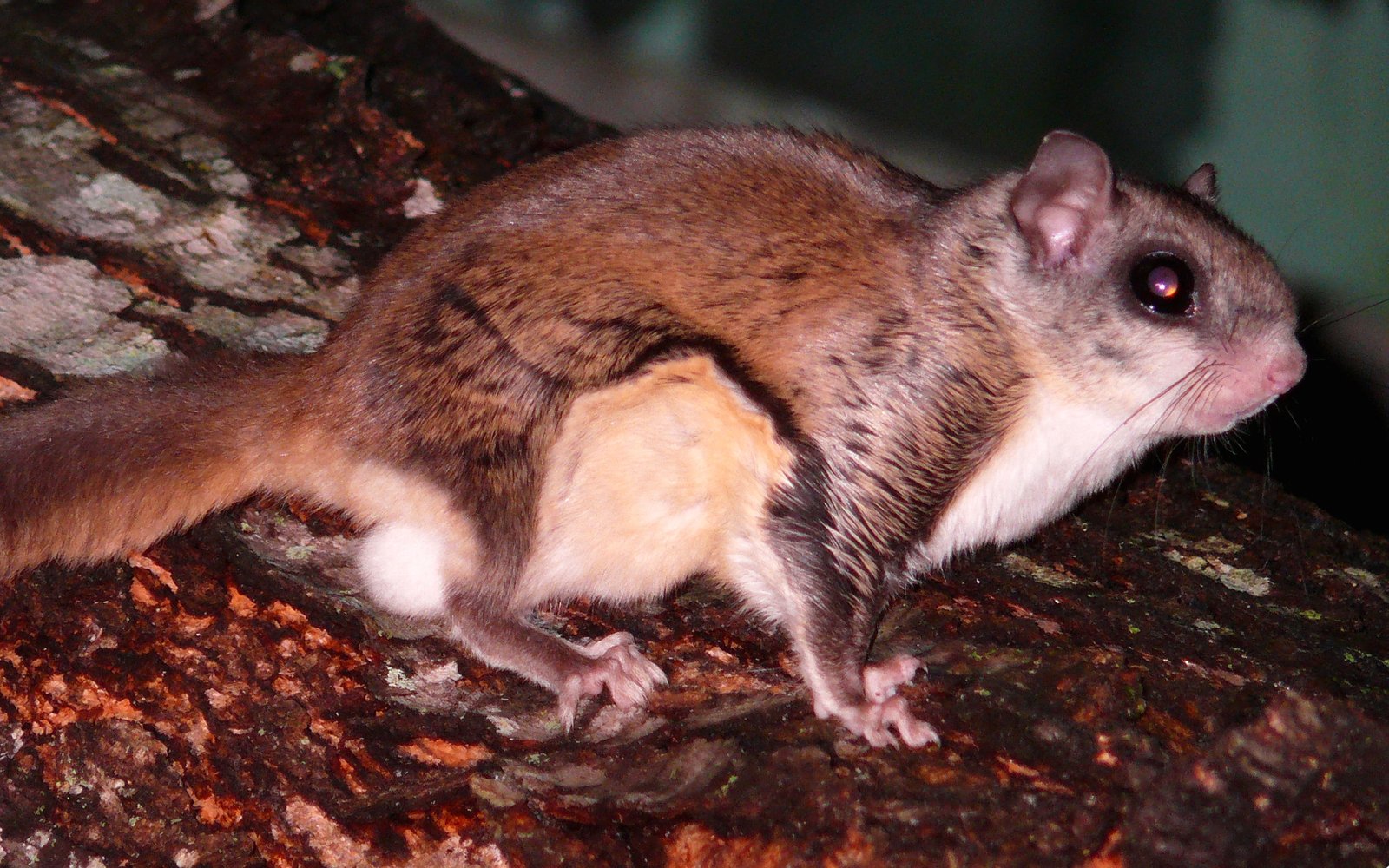
Forget everything you think you know about flying squirrels living in warm climates. The Prince of Wales flying squirrel (Glaucomys sabrinus griseifrons) is a subspecies of the northern flying squirrel endemic to Prince of Wales Island and a few neighboring islands in the Alexander Archipelago of Alaska. These nocturnal gliders have become ecosystem engineers in one of Earth’s last temperate rainforests.
This subspecies is often considered a keystone species in the Southeastern Alaska area because it consumes and disperses conifer seeds and fungal spores into areas with little vegetation and sites of disturbance. The released fungi spores aid in the absorption of nutrients by plants and speed up regrowth in these areas. Without competition from red squirrels (which don’t exist on the islands), these endemic flying squirrels have evolved into forest architects, single-handedly maintaining the health of ancient cathedral-like spruce and hemlock groves.
Invisible Hunters of the Water World
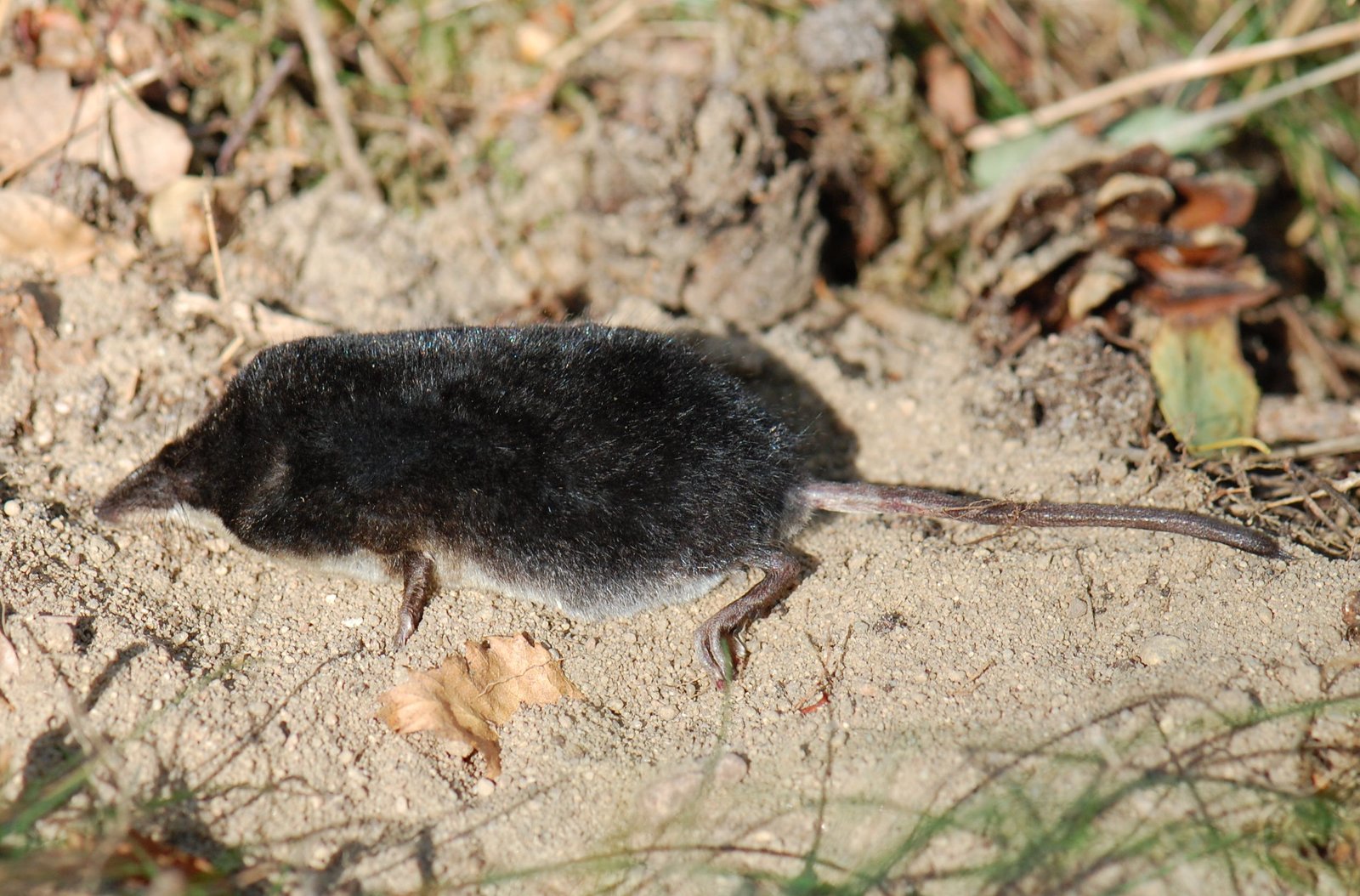
In the icy waters of Glacier Bay, a creature exists that seems to defy physics itself. The Glacier Bay water shrew (Sorex alaskanus ) is a species of mammal in the family Soricidae. It is endemic to Alaska in the United States. It can swim underwater, and when it stops swimming, air trapped in its fur lets it float back up to the surface. This miniature aquatic hunter possesses what can only be described as superpowers.
Owing to small hairs on its feet, the water shrew can run across the water. Its fur is water resistant, although if it does get wet it returns to shore to dry itself with its hind feet. Imagine a creature the size of your thumb that can literally walk on water, dive like a submarine, and emerge bone-dry from icy glacial streams. These shrews represent one of nature’s most extraordinary adaptations to Alaska’s unique aquatic environments, feeding on aquatic insects in waters that would kill most mammals within minutes.
Islands of Evolution in the Arctic
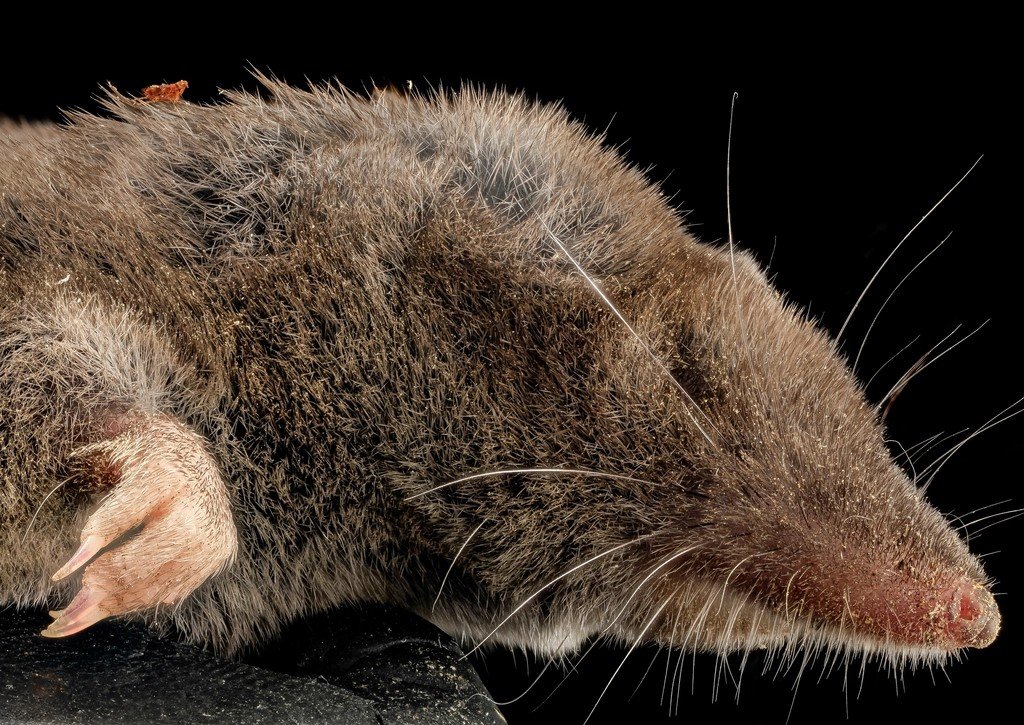
Alaska’s remote islands have become evolutionary islands, creating species found absolutely nowhere else. The Saint Lawrence Island shrew (Sorex jacksoni ) is a species of mammal in the family Soricidae. It is found only on Alaska’s St. Lawrence Island. Similarly, the Pribilof Islands host their own endemic shrew species, proving that even the smallest mammals can evolve remarkable distinctiveness when isolated in Alaska’s archipelagos.
The Alaska tiny shrew (Sorex yukonicus ) is a species of shrew. It is endemic to Alaska.This species was formerly included under the description of the Eurasian least shrew (S. minutissimus ). It was described as a separate species in 1997. The fact that scientists are still discovering and reclassifying endemic Alaskan species as recently as the late 20th century highlights how much we still don’t know about this biological treasure trove.
Why Alaska’s Endemics Matter More Than Ever
These unique species aren’t just biological curiosities – they’re living libraries of evolutionary innovation. The Prince of Wales flying squirrel teaches us about forest regeneration in ways that could revolutionize reforestation efforts worldwide. The glacier bear’s adaptation to ice-field environments provides insights into how large mammals might adapt to rapidly changing climates. Island endemics, including this flying squirrel, are particularly vulnerable to risks of extinction because of restricted ranges, small population sizes, minimal genetic variation, susceptibility to random events, and constraint from pressures caused by human disturbances.
What makes Alaska’s endemic fauna particularly valuable is their recent evolutionary origin. Most emerged after the last ice age, meaning they represent rapid evolutionary responses to extreme environmental conditions – exactly the kind of biological flexibility our planet needs as it faces unprecedented climate change. These animals are essentially real-time experiments in evolutionary adaptation, and we’re only beginning to decode their secrets.
The Fragile Future of Alaska’s Uniqueness
Climate change poses an existential threat to Alaska’s endemic species in ways that differ dramatically from threats facing wildlife elsewhere. Very little is known about this rare color variation, so some potential threats could become an issue for the glacier bear. Some of these threats are overharvesting and gene swamping. Currently, no population projections are made due to the lack of genetic understanding. As temperatures rise and ice fields shrink, the very habitats that created these unique animals are disappearing faster than we can study them.
The logging industry presents another critical challenge, particularly for forest-dependent species like the Prince of Wales flying squirrel. The Calder, El Capitan, and Salmon Bay roadless areas still boast impressive stands of large old-growth forests. The karst limestone provides rich soil nutrients for the trees, which grow particularly large wherever these soils and caves are found on the Tongass. Protecting these remaining old-growth forests isn’t just about preserving scenic beauty – it’s about maintaining the complex ecosystem relationships that keep endemic species alive.
How You Can Help Preserve Alaska’s Living Mysteries
Supporting Alaska’s endemic species doesn’t require a trip to the Last Frontier, though witnessing these creatures in their natural habitat remains an unforgettable experience. Consider supporting organizations like the Alaska Department of Fish and Game’s research programs, which continue to study and catalog the state’s unique biodiversity. Advocate for the protection of roadless areas in the Tongass National Forest, which serve as critical habitat for multiple endemic species.
When you think of Alaska’s wildlife, your mind probably jumps to massive brown bears or breaching humpback whales. But the state’s most remarkable animals might be the ones you’ve never heard of – creatures so specialized and rare that they exist only in this northern wilderness. Did you expect that some of Earth’s most extraordinary evolutionary adaptations would be hiding in plain sight in America’s last frontier?