The humid, warm climate of the southern United States creates a perfect breeding ground for some of nature’s most dangerous microscopic invaders. Every year, millions of pets across America face serious health threats from parasites that thrive in the region’s mosquito-heavy environments and tick-infested landscapes. While pet owners may think their furry companions are safe, these southern-based threats continue to spread northward, bringing new risks to areas that were once considered safe zones.
The Silent Threat of Heartworm Disease

Canine and human dirofilariasis are most prevalent in eastern and southeastern states, and this parasite is transmitted by Culicidae mosquitoes and is highly prevalent across the southern states. What makes heartworm particularly dangerous is its stealthy nature – infected pets can appear perfectly healthy for months while these thread-like worms multiply inside their bodies.
A recent American Heartworm Society survey showed a remarkable increase in the average cases per veterinary clinic from 2013 to 2016, with CAPC data showing the rate of positive heartworm tests increasing significantly in the USA from 2013 to 2016, with a higher rate of increase in the southeastern USA than nationally. Only about one third of dogs in the USA were dispensed one or more doses of heartworm prevention annually by veterinarians, averaging 8.6 monthly doses per year.
How Mosquitoes Spread This Deadly Disease
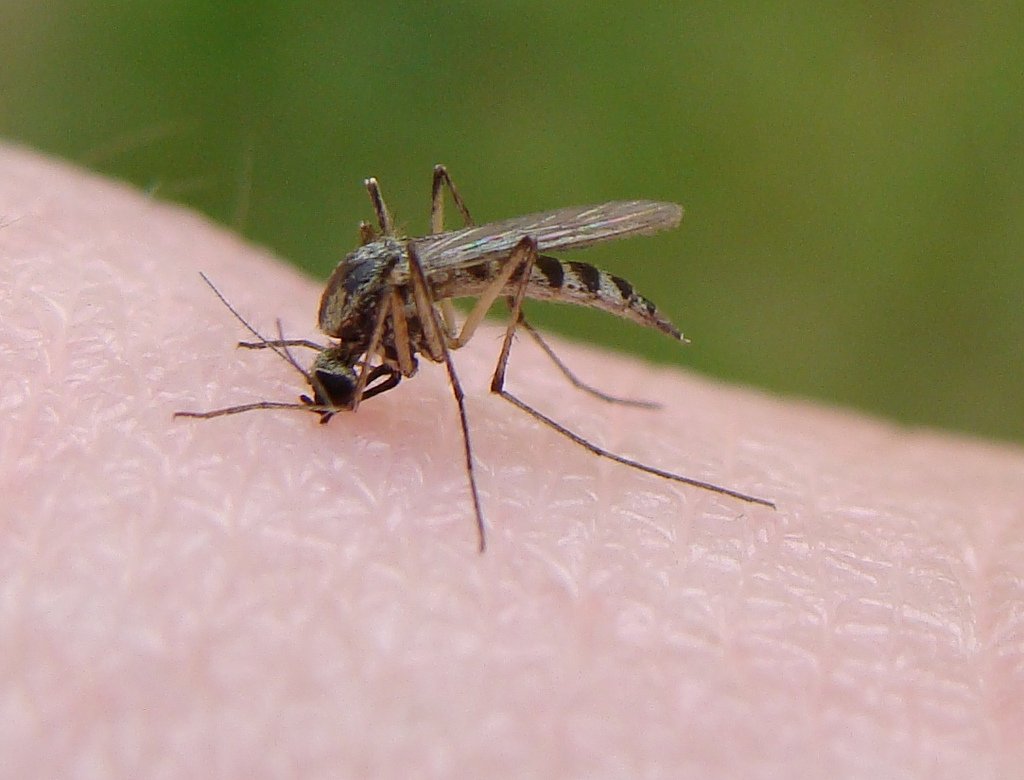
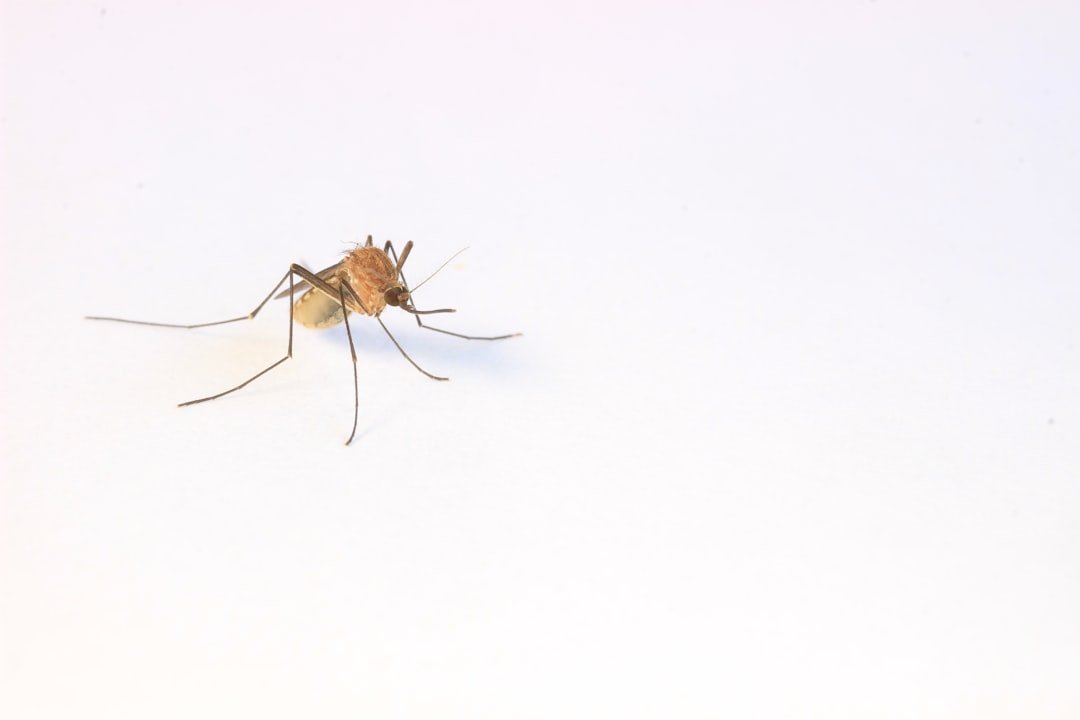
It is spread from host to host through the bites of mosquitoes, with four genera of mosquitoes transmitting dirofilariasis: Aedes, Culex, Anopheles, and Mansonia. The process is surprisingly complex – when an infected mosquito feeds on a pet’s blood, it deposits microscopic larvae into the skin wound.
Following ingestion by a suitable female mosquito during blood-feeding, the microfilariae undergo two moults to become infective third-stage larvae which move to the mouthparts of the mosquito, and under ideal conditions, approximately 14 days are required for development of the infective larvae in the mosquitoes. Over 20 different mosquito species serve as intermediate hosts, but their contribution to transmission varies according to factors like host feeding patterns, geographic locations and climatic conditions.
The Hidden Damage Inside Your Pet’s Body
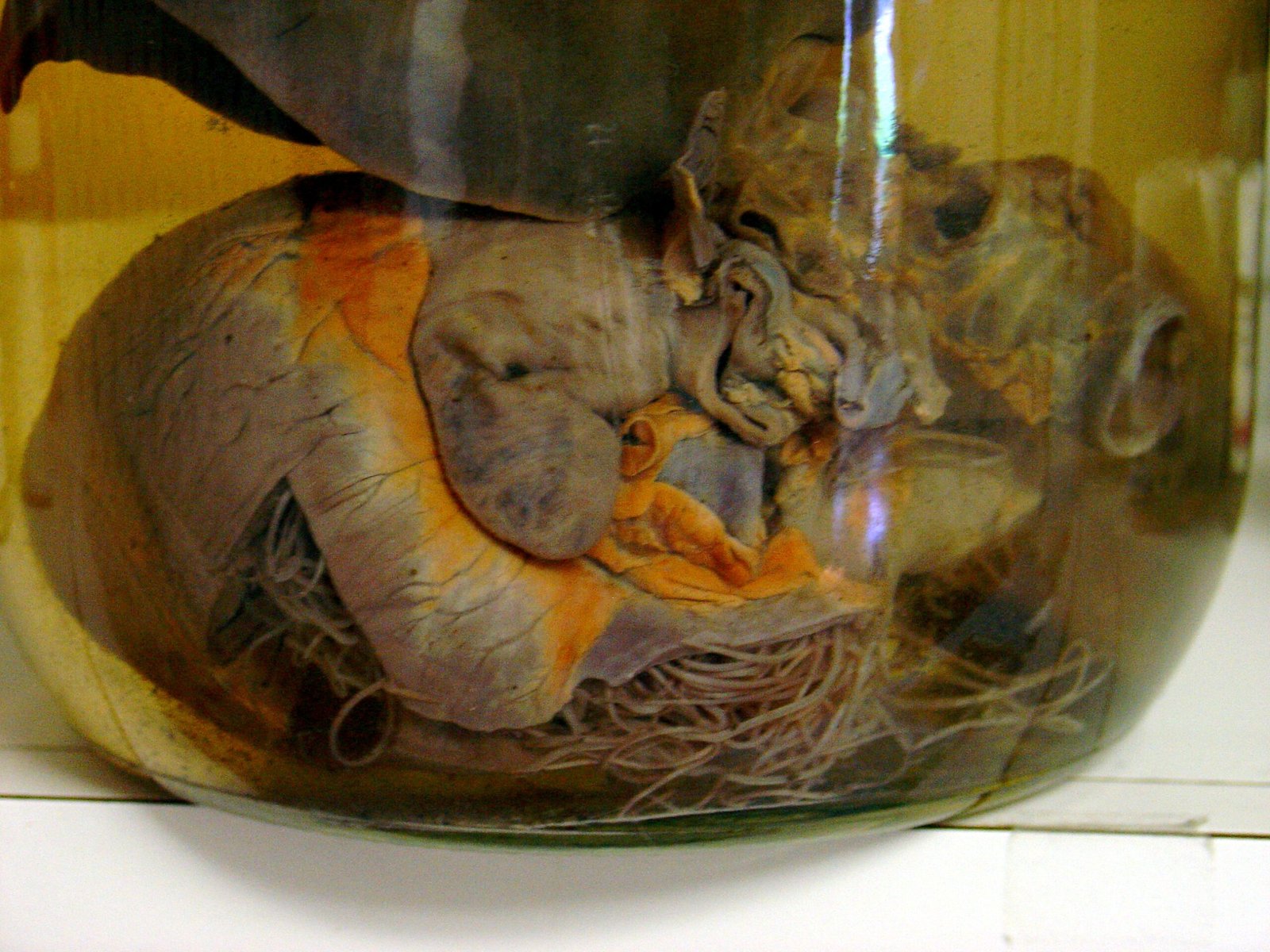
Adult heartworms often reside in the pulmonary arterial system as well as the heart, and a major health effect in the infected animal host is damage to its lung vessels and tissues, with advanced worm infestations potentially migrating to the right heart and the pulmonary artery. The damage doesn’t stop there – these parasites can completely block major blood vessels.
Adult worms can cause pulmonary artery blockage in dogs, leading to an illness that can include cough, exhaustion upon exercise, fainting, coughing up blood, and severe weight loss. Many pet owners mistake these early symptoms for normal aging or minor health issues, allowing the infestation to worsen without treatment.
Why Cats Face Special Dangers
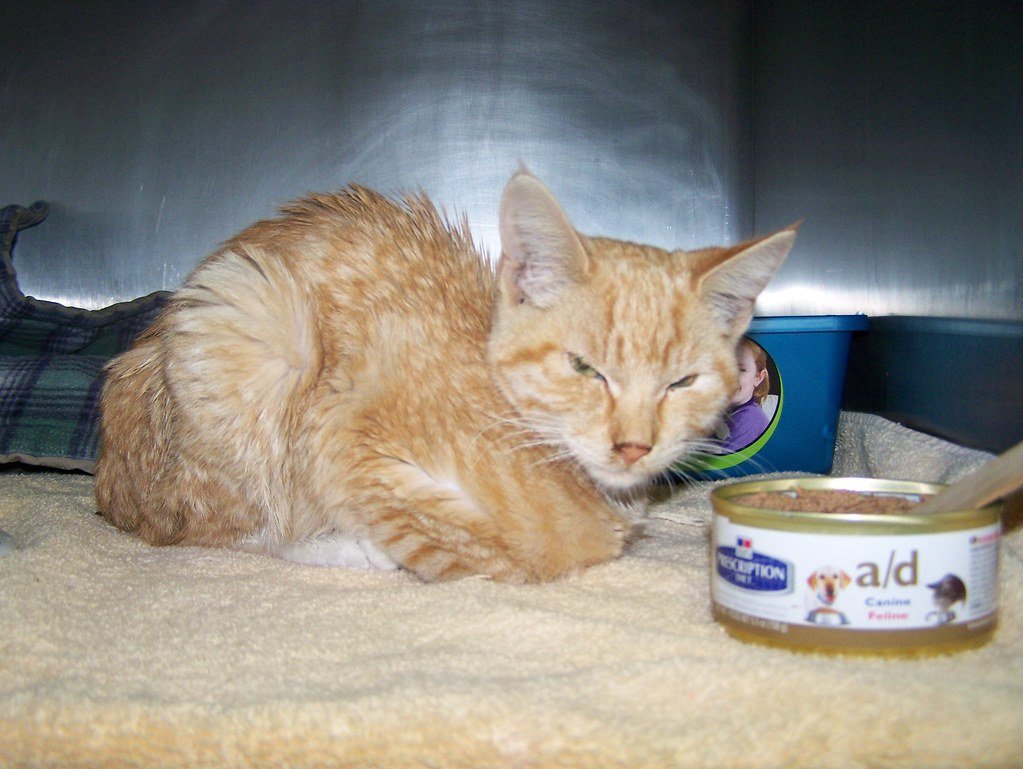
While dogs are a natural host for heartworms, cats are atypical hosts, and because of this, differences between canine and feline heartworm diseases are significant, with the majority of heartworm larvae not surviving in cats, so unlike in dogs, a typical infection in cats is one to three worms. This might sound better, but it actually creates unique problems.
This may be particularly significant in cats, in which the disease seems to be more related to larval death than living adult heartworms. When heartworm larvae die in a cat’s system, they can trigger severe inflammatory reactions that are sometimes more dangerous than the living worms themselves.
Lone Star Ticks: The Aggressive Southern Invaders

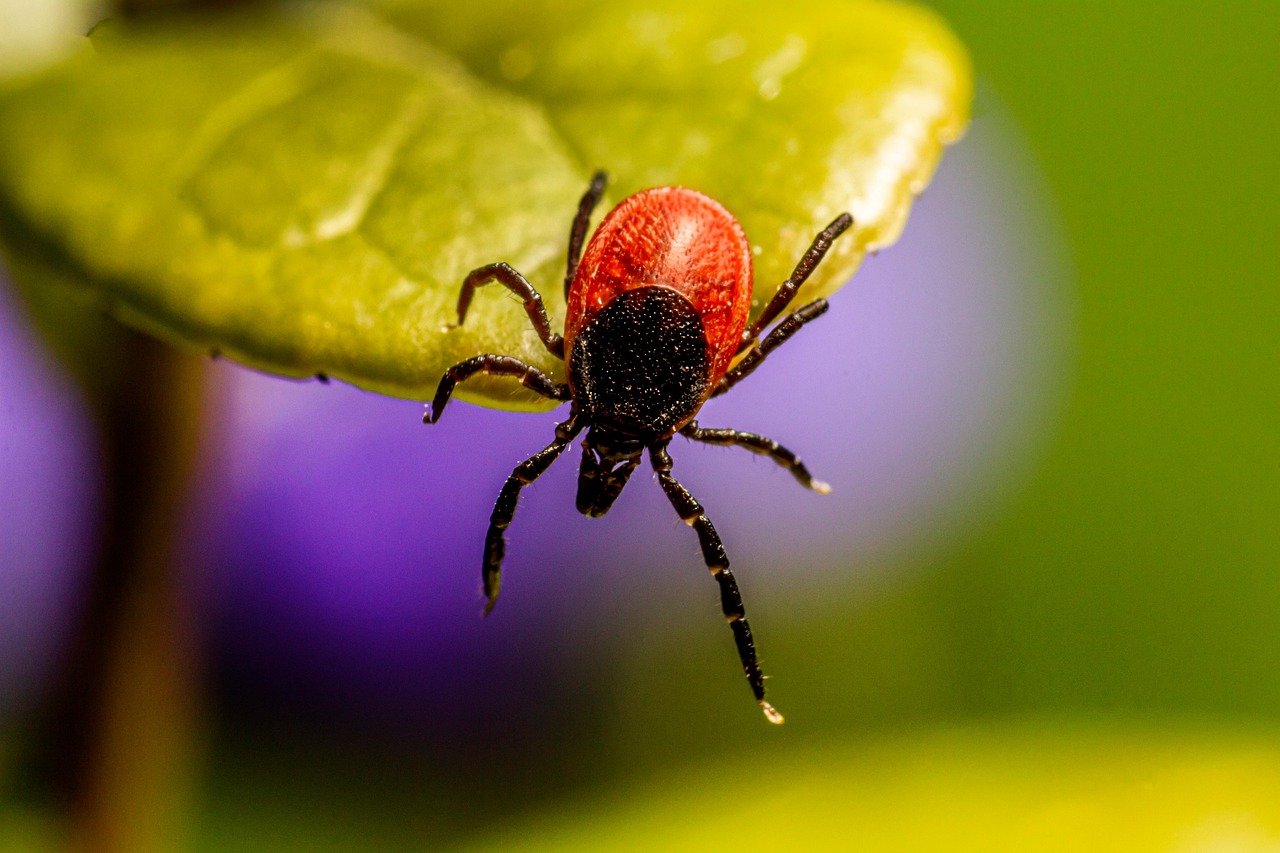
A very aggressive tick that bites humans, the adult female is distinguished by a white dot or “lone star” on her back. Ehrlichiosis is most frequently reported from the southeastern and south-central regions of the U.S., and from the eastern seaboard extending westward to Texas, with the areas from which cases are reported corresponding with the known geographic distribution of the Lone Star tick.
This gap persists despite mounting evidence that lone star ticks also play an important role in disease ecology as confirmed vectors for a wide variety of tick-borne pathogens, including several distinct bacterial agents that cause ehrlichiosis and tularensis in humans and dogs, a protozoal agent that causes cytauxzoonosis in cats, and emerging viruses such as Heartland, Bourbon, and Tacaribe. These ticks don’t just carry one disease – they’re like tiny disease factories.
Rocky Mountain Spotted Fever: A Misleading Name
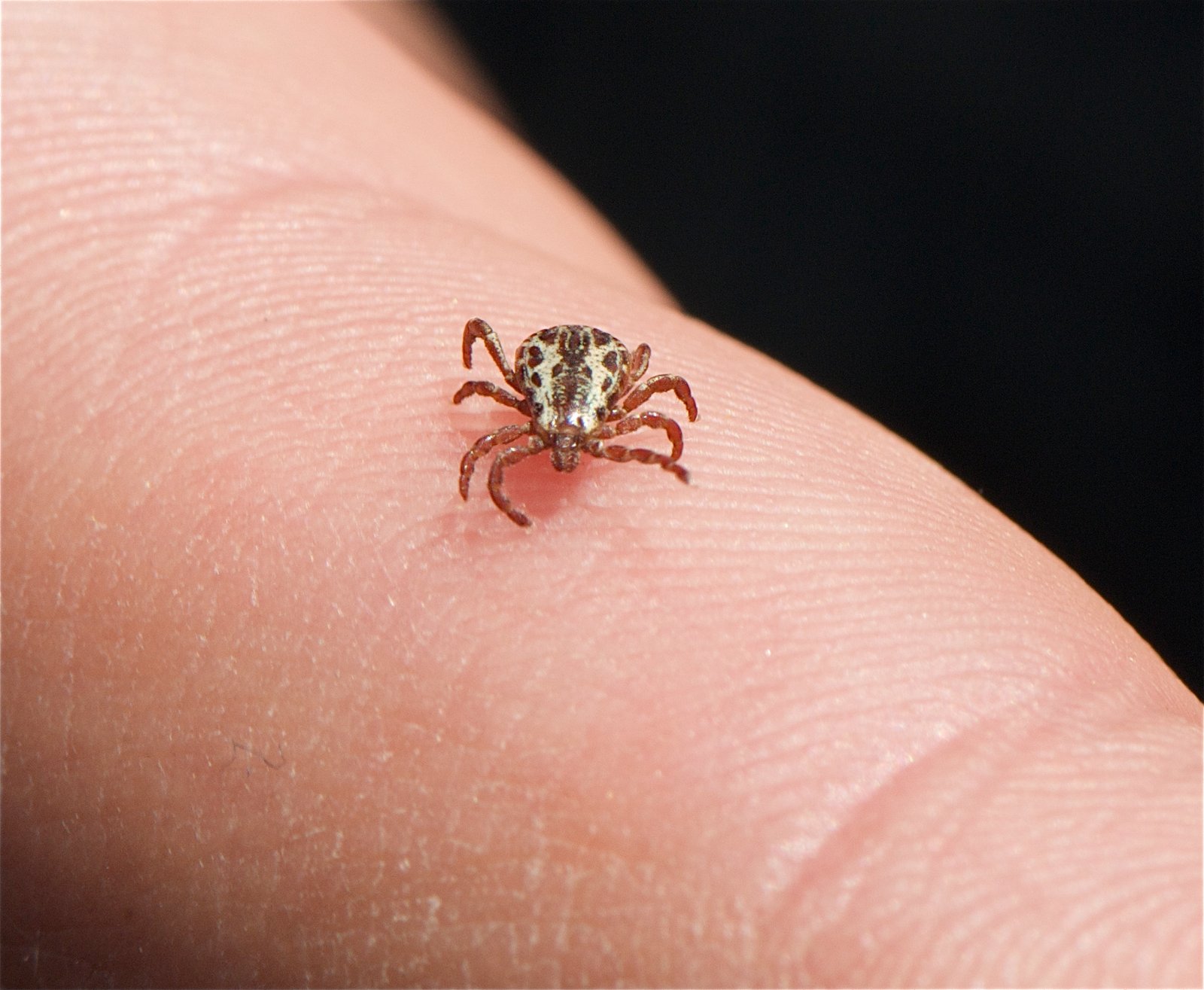
Rocky Mountain spotted fever is the most common tick-borne disease in Arkansas, caused by the bacterium Rickettsia rickettsii, and this bacterium is carried mostly by the American dog tick, but also by the brown dog tick. Despite its name, this disease is actually much more common in the Southeast than in the Rocky Mountains.
Most common areas affected are in the southeastern and south central U.S., with people living in or visiting areas where ticks are common, especially the southeastern and south central U.S., being at risk for RMSF. Rocky Mountain Spotted Fever symptoms can include headache, fever, nausea and vomiting, and can be followed by a quick progression into more severe and life-threatening symptoms, with blood vessel damage potentially leading to amputation if left untreated.
Ehrlichiosis: The Fever That Fools Everyone
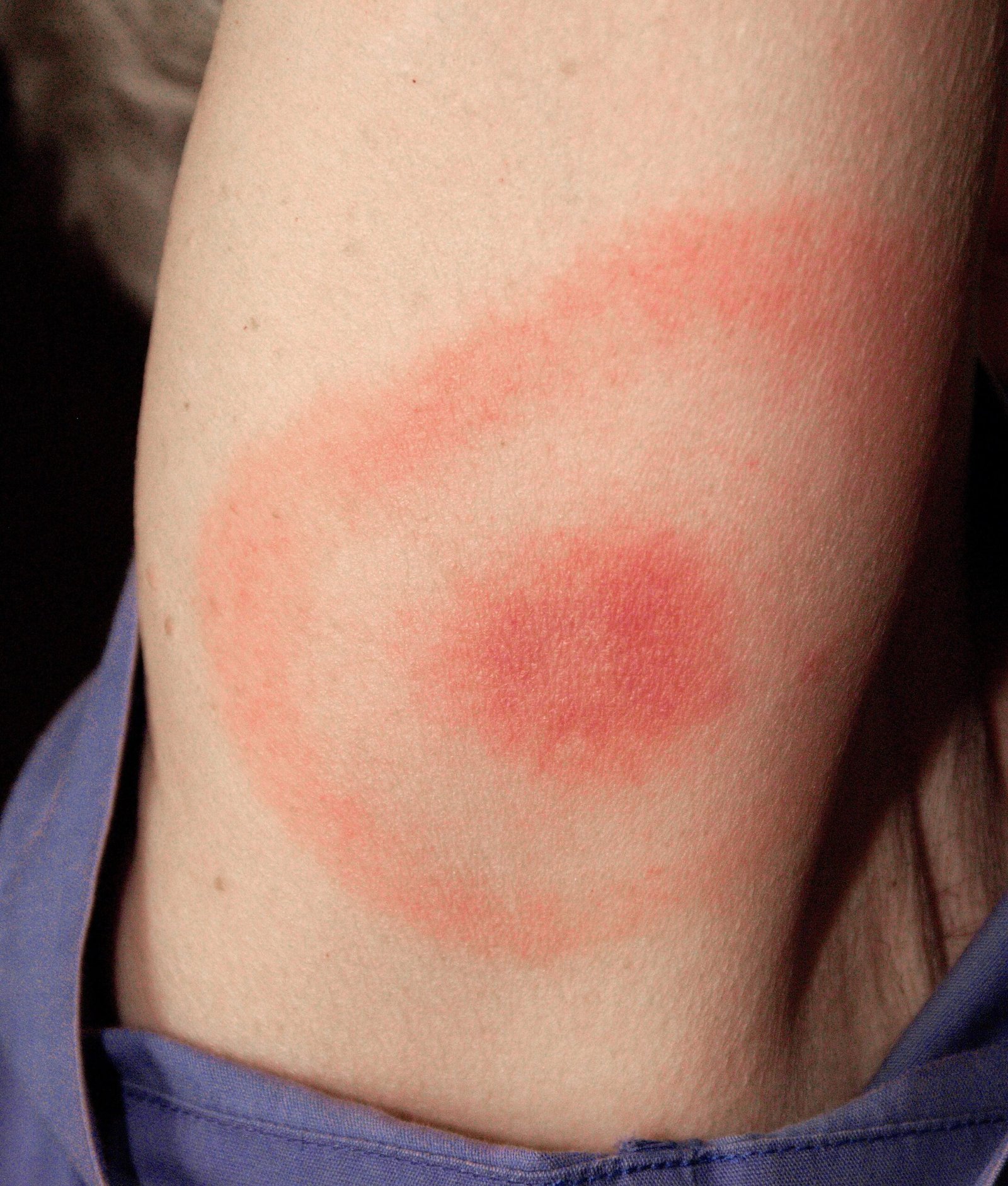
Symptoms of ehrlichiosis typically begin within 1-2 weeks after the tick bite and can include fever, headaches, muscle aches, nausea and vomiting, diarrhea, confusion, and more commonly in children, rash, with these early symptoms usually being mild to moderate, but can progress to severe illness if treatment is delayed. The problem is that these symptoms look exactly like the flu.
Prior to this recognition, lone star ticks were considered nuisance biters but of generally low public health importance, but ehrlichiosis cases have steadily increased since reporting began in 1999, with symptoms including fever, chills, headaches, muscle aches, nausea, and vomiting, and a subset of patients, particularly those who are older or immunocompromised, may experience more severe illness marked by neurological complications.
Intestinal Parasites: The Underground Invasion
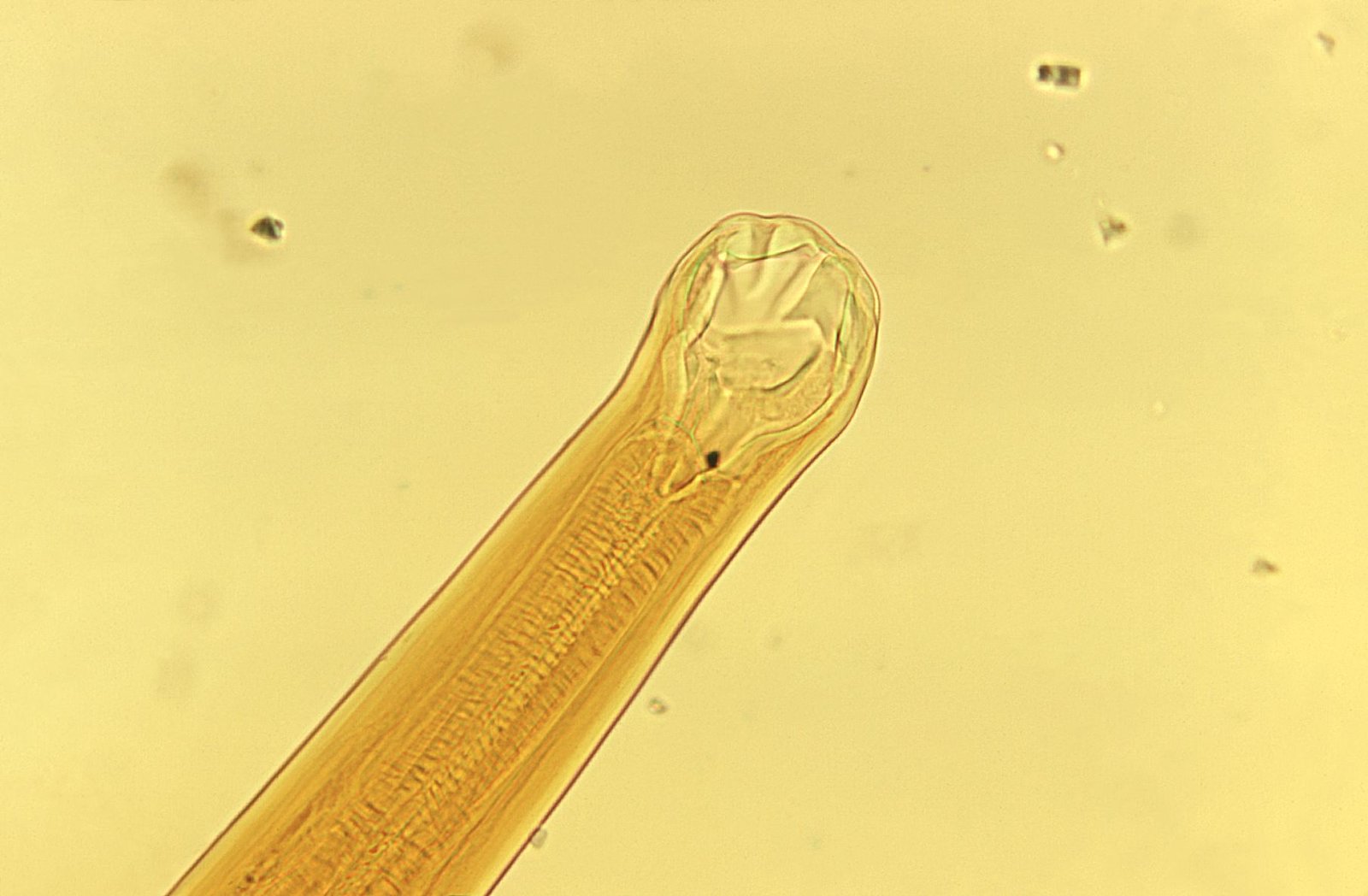
Note: Not all PHIL images are public domain; be sure to check copyright status and credit authors and content providers.
العربية | Deutsch | English | македонски | slovenščina | +/−, Public domain, https://commons.wikimedia.org/w/index.php?curid=10859116)
Nationwide, about one third of dogs are infected with gastrointestinal parasites, and this increases to over half for dogs living in the southeastern states. Unlike roundworms, hookworm infections peak in the summer and fall, hookworms are dangerous because the adults actually bite into the intestinal lining of an animal and suck blood, puppies and kittens are at high risk of becoming infected and developing severe disease, and left untreated, hookworm infections can cause weakness, poor nutrition, and potentially life-threatening blood loss.
Humans are usually infected when bare areas of skin such as bare feet or the torso come in contact with soil contaminated with the larvae, the second-stage larvae are able to penetrate the intact skin of humans and the foot pads of dogs and cats, and in the United States, the common dog hookworm is a widespread parasite. Walking barefoot in areas where infected animals have been is like stepping through a minefield of microscopic invaders.
The Expanding Threat Zone
It is likely that the geographic range and season of transmission of heartworm will increase in Canada as the climate continues to warm. Climate change isn’t just affecting weather patterns – it’s creating new highways for parasites to travel north and establish themselves in previously safe territories.
Moreover, their distribution in North America is expanding due to changing climatic factors and land use patterns. Lack of preventive use and the emergence of heartworm resistance to MLs could both be impacting the increased rate of positive heartworm tests in dogs. The parasites are not only spreading to new areas but also developing resistance to traditional treatments.
Prevention Strategies That Actually Work

Deworm your pet on a regular basis as recommended by your veterinarian, with the Companion Animal Parasite Council having a good set of guidelines to follow, have fecal exams done on your pet’s feces 1-2 times a year, and have this done 2-4 times if under a year of age. Regular prevention is far less expensive and traumatic than treating an active infestation.
Year-round prevention through the use of macrocyclic-lactone products and annual testing are recommended for pets, including domestic dogs, domestic cats, and ferrets, and despite the availability of effective products and sensitive diagnostic tests, there are challenges to protecting pets, including lower than desired compliance and the emergence of anthelmintic resistance. Prevent illness by preventing tick bites on yourself, on your pets, and in your yard, with tick exposure occurring year-round, but ticks being most active during warmer months.
The Human Connection: Zoonotic Risks

The zoonotic parasites infecting pets under investigation were various species, and only about half of pet owners showed to be aware of the risks for human health from canine and feline intestinal parasites. According to CDC estimates, millions of Americans have been exposed to Toxocara over time, the majority of these are children, and typically children become infected by putting soil, sand, or objects that are contaminated with fecal matter into their mouths.
Dirofilaria immitis, the dog heartworm, is responsible for an endemic zoonosis in the Southeastern United States, and the nematode is capable of infesting the lungs of man, causing pulmonary nodules. While human infections are rare, they do occur, and the consequences can be serious for those affected.
Conclusion
The threat from southern parasites continues to evolve and expand, making year-round prevention more critical than ever before. These microscopic invaders don’t respect geographic boundaries, and climate change is giving them new opportunities to establish themselves in previously safe areas. The good news is that with proper prevention strategies, regular veterinary care, and awareness of the risks, pet owners can protect their beloved companions from these dangerous parasites. The key is understanding that prevention is always easier, cheaper, and safer than treatment after the fact.
What would you have guessed about how far north these southern parasites have already traveled?