Most people imagine Alaska’s winters as a postcard of snow and silence, but the state has staged cold so intense it scrapes the limits of what human bodies, machines, and towns can endure. The story of these extremes is part mystery, part physics lesson, and part warning about a changing climate that still carries sharp edges. Long before smartphones and satellites, Alaskans learned to read the air – listening for the eerie creak of trees and watching ice fog swallow streetlights whole. Today, precision instruments confirm what old-timers already knew: some nights in the Interior can turn valleys into cold traps that rival the coldest inhabited places on Earth. Understanding how, why, and what comes next isn’t just curiosity – it’s survival.
The Hidden Clues
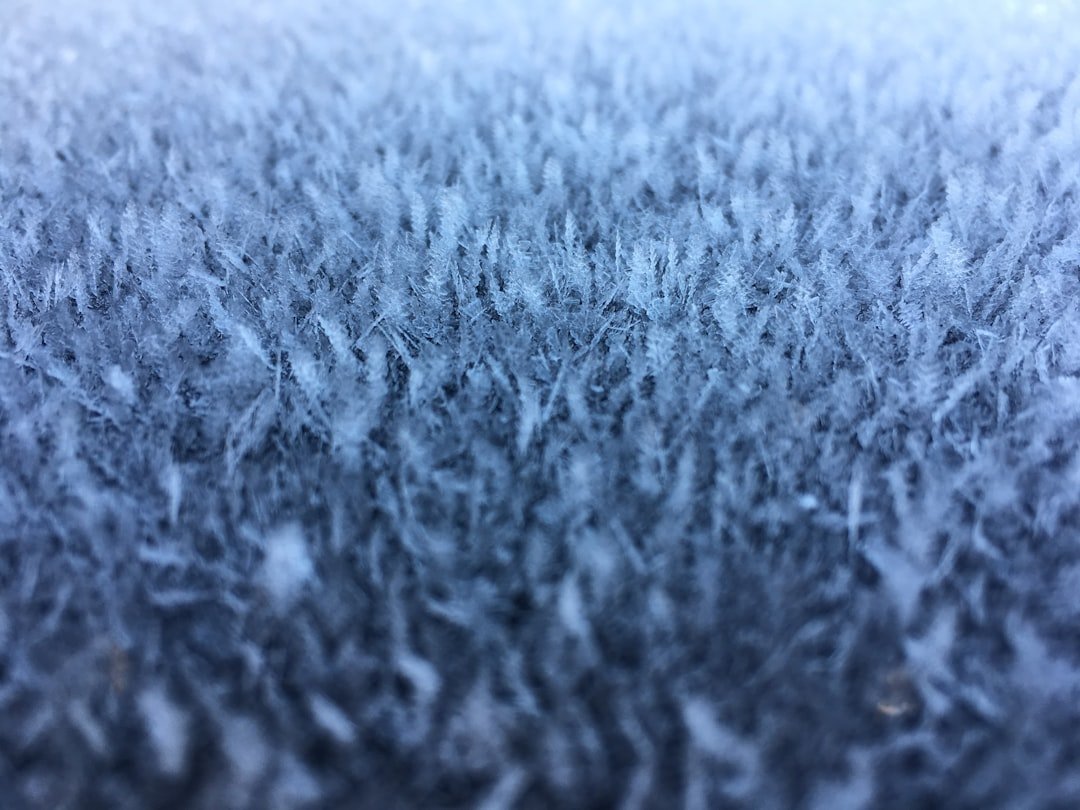
What does minus eighty actually feel like, and how do you know it’s coming before the numbers show it? The signs arrive quietly: frost blooming into thick hoarfrost on spruce needles, the air going powder-dry, and sound carrying so far that a truck door slams like a small explosion. In towns like Fairbanks, ice fog can hover in still layers, turning streetlights into ghostly halos and numbing exposed skin in seconds.
I still remember stepping outside once in deep Interior cold, hearing snow squeak like styrofoam under my boots and feeling my eyelashes stick together, a tiny warning that the cold meant business. On those nights the wind falls away, the sky polishes to a black crystal, and calm, clear air lets heat stream into space with ruthless efficiency. By dawn, a valley can be ten, twenty, even thirty degrees colder than the ridges above it.
From Ancient Tools to Modern Science
Alaska’s relationship with extreme cold was measured first with simple spirit thermometers hung in sheltered boxes, tended by observers who knew to shield readings from sunlight and wind. That tradition evolved into standardized Stevenson screens, carefully placed at two meters above ground on level, snow-free patches, the quiet craft of good data. Today, automated weather stations endure months without a caretaker, sipping power from batteries in insulated housings and reporting through satellites when radio fades.
Weather balloons launched in the dark carry sensors that taste the air aloft, revealing towering temperature inversions that trap cold in the valleys. Orbiting instruments add another layer, spotting clear-sky nights and mapping snow cover that amplifies the cold by reflecting sunlight and radiating heat away. Together, these tools stitch a portrait of cold that’s as precise as it is unforgiving.
A Night That Froze the Record Books
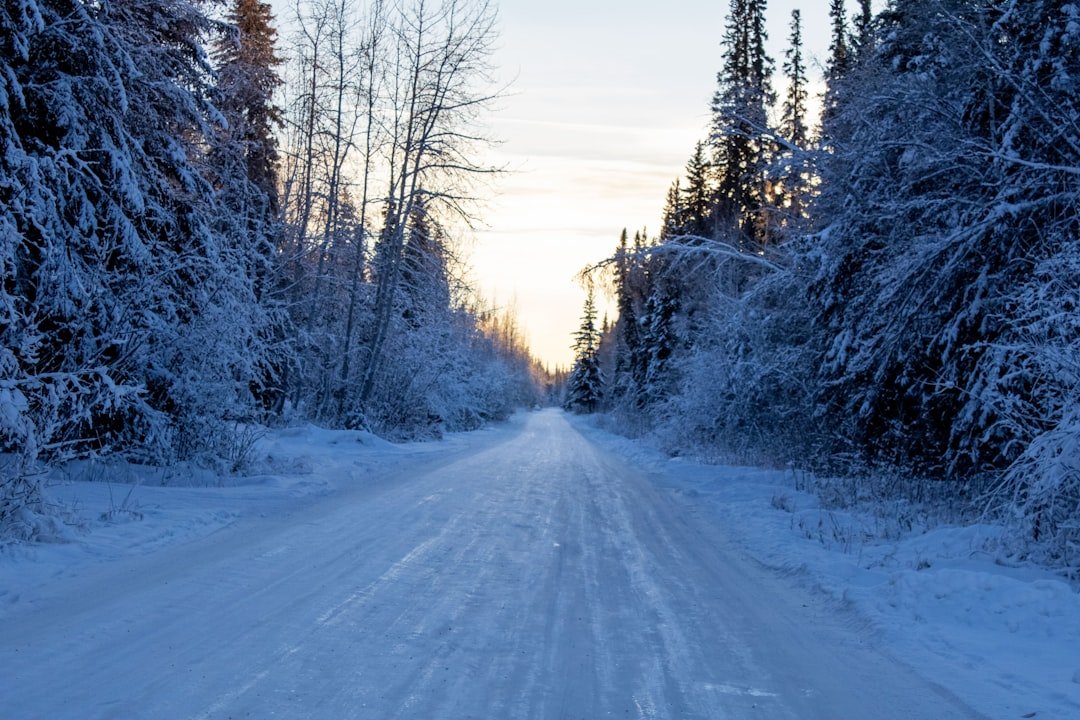
On a brutal January night in 1971, an Interior Alaska site called Prospect Creek plunged to minus 80 degrees Fahrenheit, the lowest reliably recorded air temperature in the United States. The setup was textbook: deep snowpack, cloudless skies, almost no wind, and a bowl-shaped landscape that let heavy, chilled air pool like water in a basin. In those conditions, even the heat from buildings and exhaust vanishes upward, and the thermometer drifts downward in steady, brutal steps. Nearby ridges almost certainly sat warmer, but the valley floor did what valleys do best in midwinter – collected cold until the numbers became jaw-dropping.
For perspective, Canada’s Yukon recorded an even lower reading in the 1940s, reminding us that the broader subarctic can push human limits with ease. In the Interior, the coldest nights aren’t a spectacle so much as a mechanism patiently doing its work.
The Physics of Brutal Cold
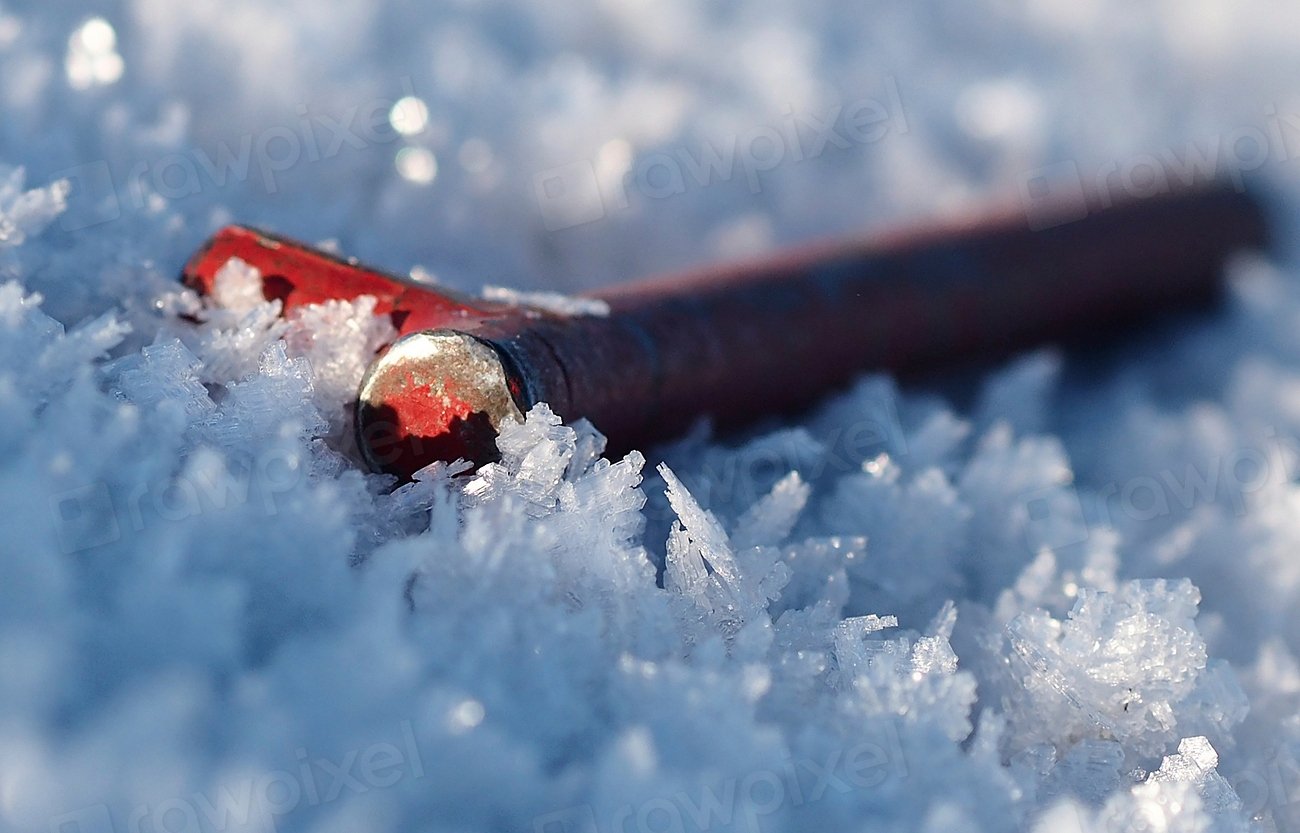
Alaska’s fiercest cold begins with radiative cooling, where clear, dry, still air lets the ground and snow beam heat straight into space like an open window at night. Snow cover acts as both mirror and blanket, reflecting scarce sunlight by day and minimizing heat stored in the ground, so there’s less to give back after dark. Meanwhile, the boundary layer becomes a staircase of temperature, warmer air on top and colder air at the surface, a stable inversion that resists mixing like oil atop water.
Moisture matters too: super-dry air can drop faster because water vapor is a greenhouse gas, and without it the sky “leans out” thermally. Add a topographic bowl, and gravity helps dense, frigid air slide downhill and pool in the lowest spots. The result is a microclimate that can be startlingly colder than areas just a short drive – or short hike – away.
Why It Matters
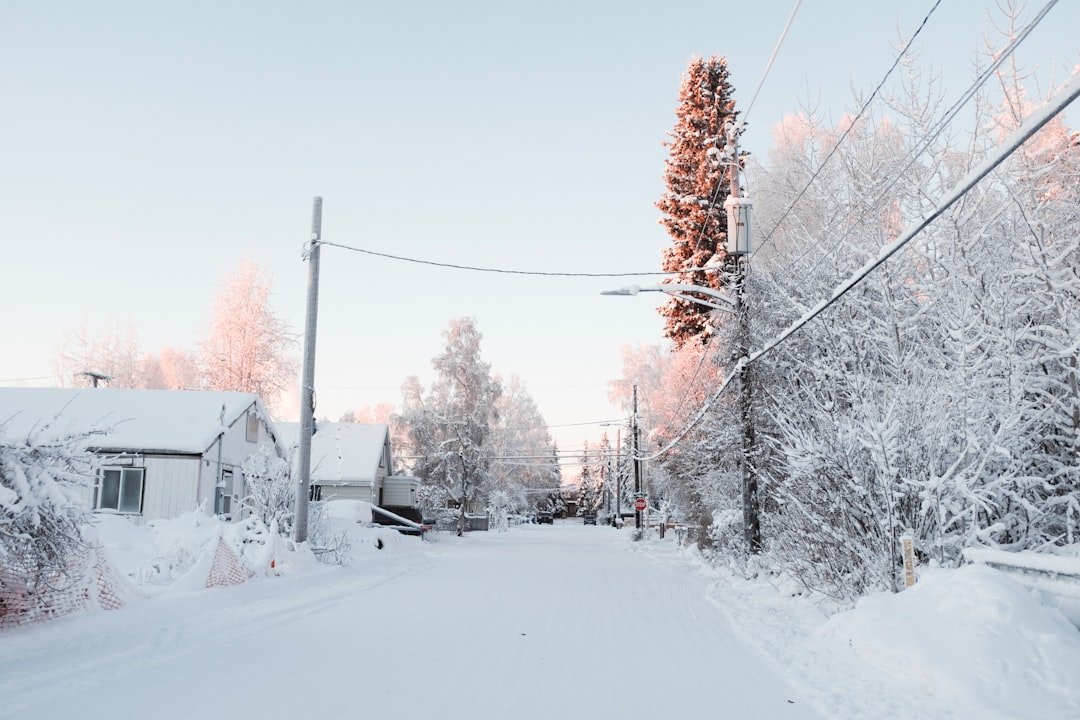
Record cold is more than a curiosity; it’s a stress test for communities, infrastructure, and emergency systems built on tight margins. In extreme cold, metals turn brittle, diesel can thicken, and batteries lose a big chunk of their punch, compounding risks for aviation, power generation, and medical transport. Health impacts hit hardest for the very young, the elderly, and those without reliable heat, with frostbite and hypothermia arriving far faster than most people expect.
Engineers designing pipelines, water systems, and buildings in Alaska must account for both permafrost behavior and cold extremes that still spike, even as average temperatures trend upward. Schools, clinics, and village councils plan around cold snaps the way coastal towns plan around storms, with contingency fuel, backup power, and tight-knit social check-ins. In other words, understanding the mechanics of cold isn’t trivia – it shapes daily safety and long-term resilience.
Global Perspectives
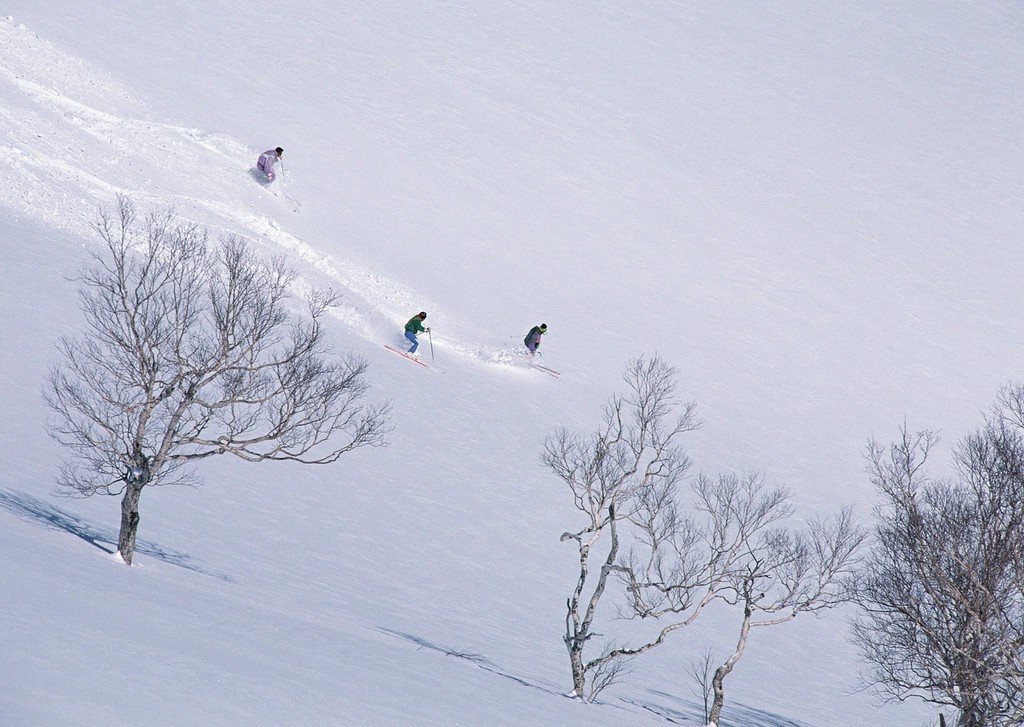
Alaska’s deep freezes sit within a global catalogue of extremes that stretches from the Siberian interior to the high Antarctic plateau. In Siberia, communities like Oymyakon and Verkhoyansk have logged air temperatures cold enough to challenge machinery and human habitability for generations. Canada’s Yukon delivered North America’s lowest readings, while Antarctica holds the planet’s record lows under conditions far beyond any inhabited region. Even within the United States, the Lower 48 has surprising outliers, with high mountain basins recording mind-bending cold on windless, snow-covered nights. These comparisons aren’t a contest; they help scientists test ideas about topography, radiation balance, and snow cover across different landscapes. When multiple places converge on the same physics, the confidence in those mechanisms rises, and forecasting improves everywhere.
- United States record low: roughly minus eighty Fahrenheit in Interior Alaska (January 1971).
- North American low: lower still in Yukon, Canada, in 1947.
- Global low: far colder on the Antarctic plateau under clear, windless skies.
Climate Whiplash: Cold Extremes in a Warming Alaska
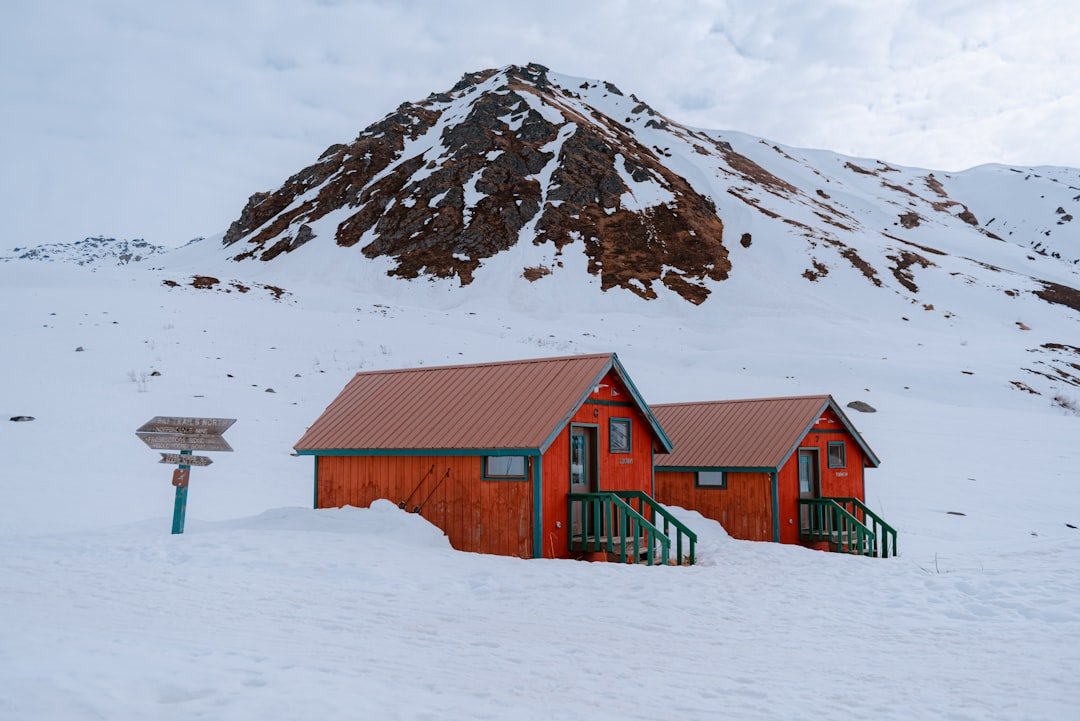
Here’s the twist that can feel counterintuitive: Alaska is warming rapidly, yet dangerous cold snaps still strike, and sometimes feel sharper because people and systems adapt to milder norms. Reduced sea ice and shifting storm tracks can alter where and when frigid air masses form and how they move, changing the choreography rather than deleting the dance. Sudden stratospheric disturbances can dislodge the polar vortex, helping lobes of bitter air drop south and west, including into Interior Alaska. Overall, the coldest nights may be getting less frequent in some areas, but the variability – the whiplash between thaw and freeze – can complicate planning and maintenance.
For workers, residents, and wildlife, that means a world where thawed ground buckles and then refreezes, where ice roads open late and close early, and where timing mistakes get costly. Warming doesn’t erase extremes; it reshuffles the deck and raises the stakes.
The Future Landscape
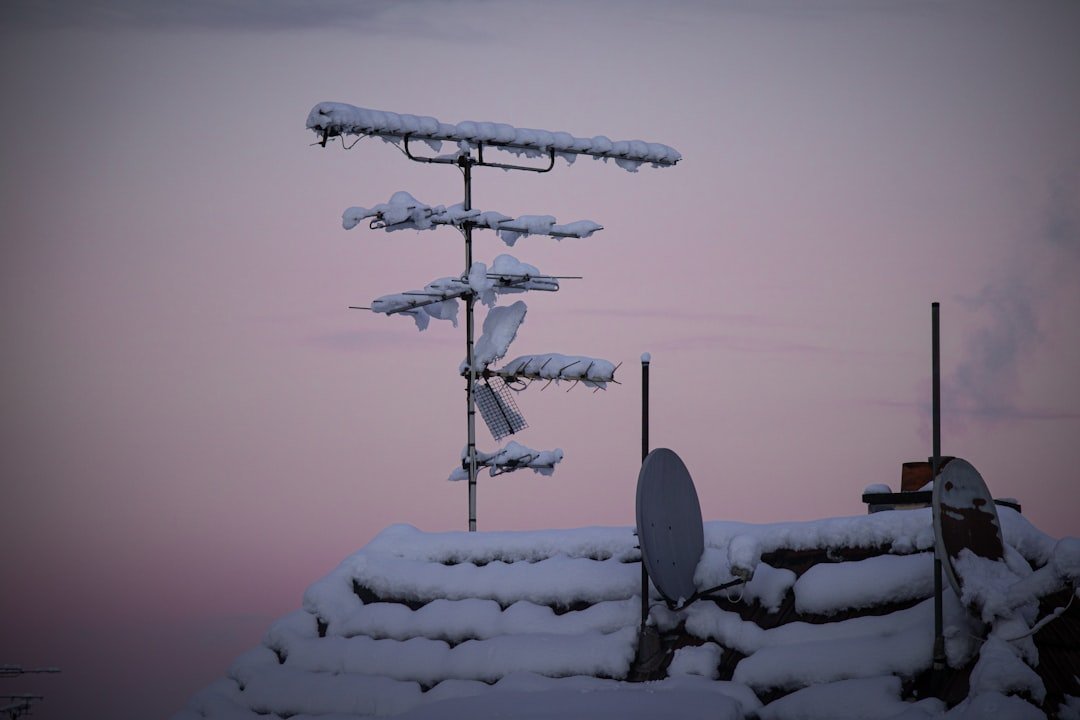
The next chapter of cold science in Alaska is about resolution – seeing smaller, faster, and more local patterns that decide who freezes and who doesn’t on any given night. Denser networks of rugged sensors will map inversions street by street and river bend by river bend, feeding nowcasts that help pilots, utility crews, and school districts make smarter decisions. Lightweight satellites and improved infrared sounders will refine nighttime cloud detection, which is often the hinge between merely cold and record-setting. Machine learning will sift patterns across decades of observations, flagging rare combinations – snow depth, humidity, wind profile – that prime the trap for extraordinary lows.
Drones could one day profile the lowest few hundred feet of the atmosphere during stable nights, a zone balloons often miss and towers can’t reach. Put together, these tools point toward forecasts that capture not just a city’s low, but the cold found at the end of a particular road.
Conclusion
Start local: if you live in Alaska or the North, support community weather stations and volunteer observers who keep the data flowing through long, dark months. Encourage schools to partner with scientists on simple monitoring – snow depth, temperature, and ice fog visibility – that builds a lifelong feel for the land. During deep cold, check on neighbors, conserve energy where you can, and follow safety guidance for heating, vehicles, and outdoor work. If you live elsewhere, back organizations that maintain climate and weather records; reliable extremes data sharpen forecasts and planning far beyond Alaska.
Ask your local officials how infrastructure plans account for both warming trends and surprise cold snaps, because resilience needs both lenses. Most of all, stay curious about the physics in your own backyard; understanding how cold forms where you live is the first step to staying safe when it returns.