
Florida’s sweltering summers can be brutal for our four-legged companions. While we humans retreat to air conditioning and cold drinks, our pets depend entirely on us to keep them safe from heat-related dangers. With temperatures soaring well above ninety degrees and humidity levels that make the air feel thick as soup, Florida presents unique challenges for pet owners who want to keep their furry friends healthy and happy.
Your beloved dog or cat can suffer serious consequences from overheating, including heatstroke, dehydration, and painful paw burns from scorching pavement. The good news? Most heat-related pet injuries are completely preventable with the right knowledge and preparation.
Never Leave Pets in Parked Vehicles
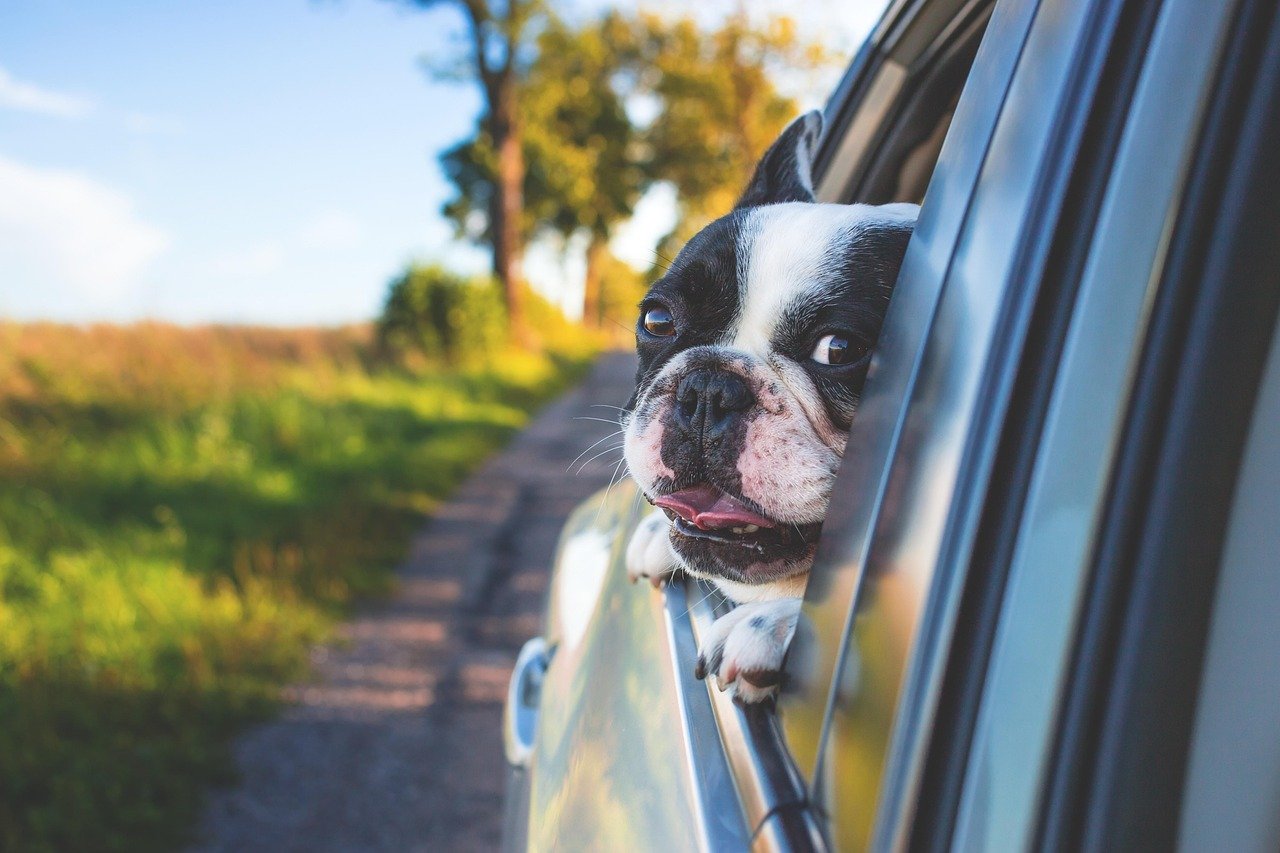
Never leave your animals alone in a parked vehicle. Not only can it lead to fatal heat stroke, but it’s illegal in several states! The interior of your car becomes a deadly trap faster than you might imagine.
The inside temperature of the car can quickly reach 120 degrees even with the windows cracked open. Even on days that feel moderately warm to us, your car transforms into an oven within minutes. Your pet can suffer irreversible brain damage or die in just a few minutes inside a hot vehicle. There’s no such thing as a “quick errand” when it comes to leaving pets in cars during Florida’s heat.
Understand the Seven-Second Pavement Test
Using the “seven-second test” to check pavement temperature (place the back of your hand on the pavement for seven seconds; if it’s too hot for you, it’s too hot for your dog). This simple test can save your pet from painful burns that develop in as little as sixty seconds.
Veterinary experts say that burns can happen in as little as 60 seconds on pavement that is 120°F (49°C) hot. If the pavement is over 140°F (60°C), they could get burned in less than a minute. Remember, even when it’s only 77°F (25°C) outside, the pavement can get too hot for your dog’s paws. The pavement can get as hot as 125°F (51°C), which will burn you in just one minute.
Schedule Exercise During Cooler Hours

Avoid prolonged outdoor activities during peak heat hours, typically between 10 AM and 4 PM. Instead, opt for walks and playtime in the early morning or late evening when temperatures are cooler. This timing strategy protects your pet from both overheating and paw burns simultaneously.
Early morning walks before sunrise often provide the most comfortable conditions for both you and your pet. The pavement has had all night to cool down, and humidity levels are typically at their lowest. Try to walk your dog early in the morning (before 10 a.m.) or later at night (after 7 p.m.) when the pavement may be cooler. Avoid walking your dog in the afternoon or early evening when it’s hot outside.
Provide Constant Access to Fresh Water
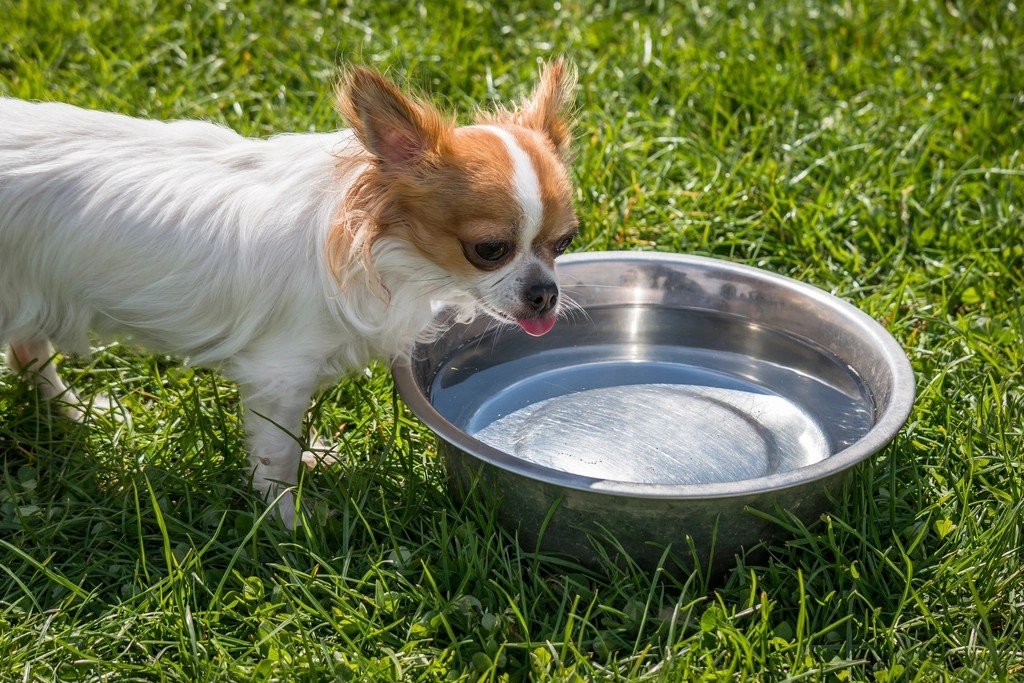
Just like humans, pets need plenty of water to stay hydrated in hot weather. Make sure your pets have access to fresh, clean water at all times, both indoors and outdoors. Consider adding ice cubes to their water bowl to keep it cool throughout the day. Water is your pet’s primary defense against overheating.
Regular Refills: On very hot days, check and refill your pet’s water bowl more frequently to ensure they always have enough to drink. Cool Water: Adding ice cubes to their water can help keep it cool and encourage them to drink more. Some pets prefer moving water, so consider investing in a pet fountain to encourage increased water consumption during hot weather.
Create Adequate Shade and Cooling Zones

Ensure your pets have access to shaded areas outdoors where they can seek refuge from the sun’s intense rays. If possible, set up a canopy or umbrella to provide additional shade, and remember to promote air circulation indoors by leaving windows open or using fans. Shade alone isn’t always enough in Florida’s intense heat and humidity.
However, be mindful that relying solely on fans may not adequately cool down pets, as their response to heat differs from humans. So it’s important to pay close attention to your pets’ comfort and utilize additional cooling methods like damp towels or ice packs when necessary. Air conditioning remains the gold standard for keeping pets safe during extreme heat.
Recognize Early Heat Exhaustion Signs

Be vigilant for signs of heat exhaustion or heatstroke in your pets, such as excessive panting, drooling, lethargy, weakness, vomiting, or difficulty breathing. Early recognition can mean the difference between a quick recovery and a veterinary emergency.
Heavy panting, glazed eyes, a rapid heartbeat, difficulty breathing, excessive thirst, lethargy, fever, dizziness, lack of coordination, and profuse salivation can all be signs of heatstroke. Pay close attention to pets with short noses, those who are overweight, very young, old, or have underlying health conditions, as they are more susceptible. If you suspect your pet is overheating, quickly move them to a cool, shaded area, offer water, and seek veterinary care immediately.
Use Protective Paw Products
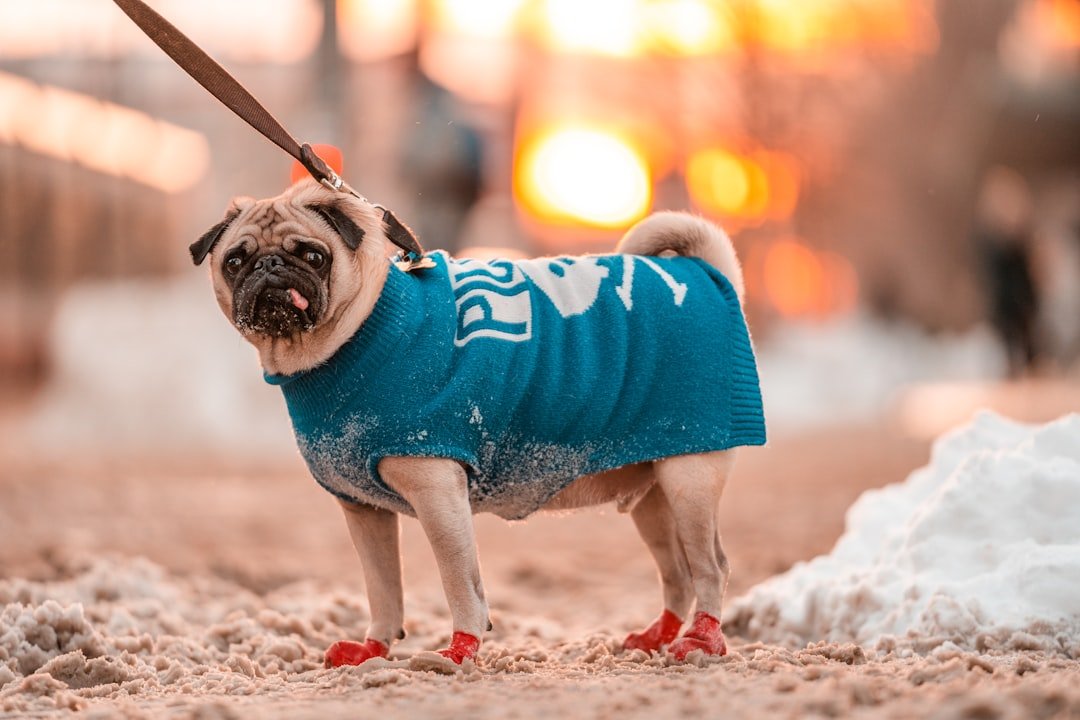
Putting on safety gear like dog booties or paw wax. Dog booties provide an excellent barrier between sensitive paw pads and scorching surfaces, though most pets need time to adjust to wearing them.
Dog shoes or all-terrain boots offer protection from hot surfaces, but many dogs need time to adjust to wearing them before the first outing. Getting the right size – fitting snugly, but not too tight and not too loose – helps your dog acclimate to wearing shoes. Paw wax creates a protective layer that helps shield paw pads from extreme temperatures while allowing natural cooling through the pads.
Maintain Proper Grooming Practices

Feel free to trim longer hair on your dog, but never shave your dog. The layers of dogs’ coats protect them from overheating and sunburn. Brushing cats more often than usual can prevent problems caused by excessive heat. Proper grooming helps with temperature regulation while maintaining natural protection.
Regular cat and dog grooming is especially helpful during the summer months, as it helps keep their coat healthy and promotes effective heat regulation. Gently brush their fur to remove excess fur and prevent matting – this also helps them to regulate their body temperature in warm weather. Matted fur traps heat and prevents proper air circulation, making overheating more likely.
Consider Special Needs for High-Risk Pets
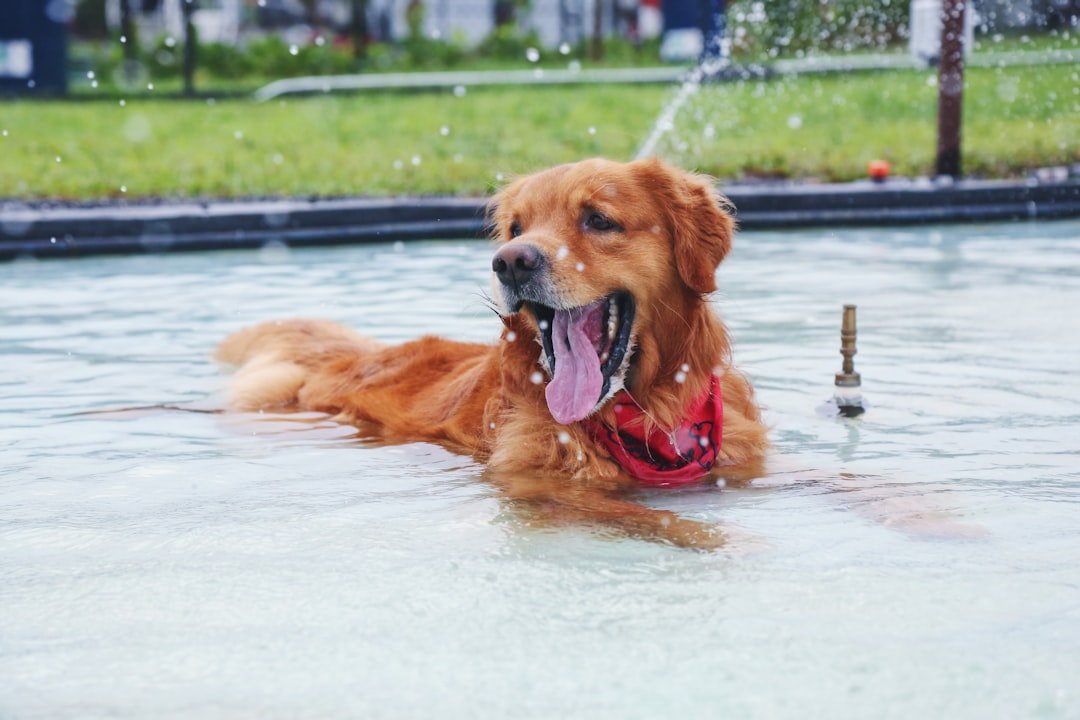
Know that animals with flat faces, like Pugs and Persian cats, are more susceptible to heat stroke since they cannot pant as effectively. These pets, along with the elderly, the overweight and those with heart or lung diseases, should be kept cool in air-conditioned rooms as much as possible. These vulnerable pets need extra attention during hot weather.
Senior pets, overweight animals, and those with chronic health conditions struggle more with temperature regulation. Their bodies work harder to stay cool, making them more prone to heat-related emergencies. Consider limiting outdoor time to essential bathroom breaks for these high-risk pets during extreme heat warnings.
Be Aware of Hidden Heat Sources

High humidity levels can exacerbate the dangers of high temperatures for pets. In combination, these factors magnify the risk of heat-related illnesses. Florida’s notorious humidity makes temperatures feel much hotter than the thermometer reads.
It’s important to remember that asphalt and concrete absorb heat and hold it for hours, which means the ground can still be dangerously hot on cloudy afternoons or warm summer evenings. Even after sunset, surfaces like concrete driveways, pool decks, and parking lots continue radiating stored heat for hours, creating unexpected burn risks for unsuspecting pet owners.
Know Emergency First Aid Steps
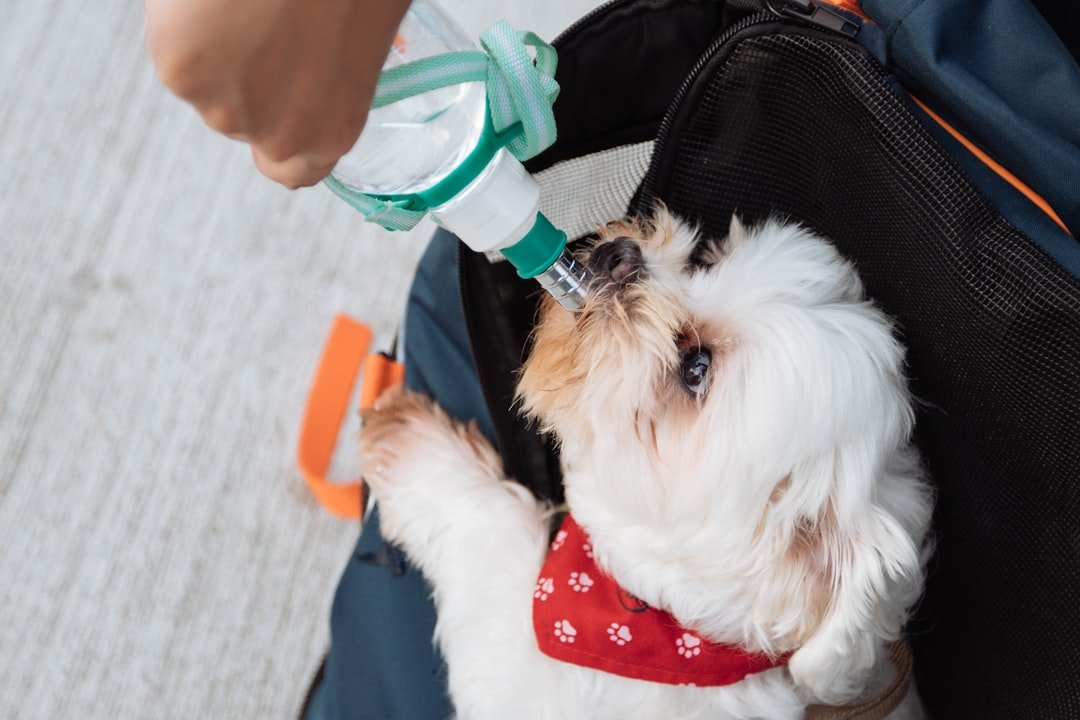
Apply cool water to their paw pads, place a cool damp towel on their back, and allow them to drink small amounts of water. Bring plenty of fresh, clean water for your pet to drink. Quick action during heat emergencies can prevent serious complications.
Move your pet to a cooler area immediately, offer them small sips of cool water, and use a damp cloth to help lower their body temperature. It is never recommended to put your pet in an ice bath. If you suspect your pet has heat stroke, take their temperature rectally. If the temperature is above 105 degrees, cool the animal down. The easiest way to do this is by using the water hose. Stop cooling the animal when the temperature reaches 103 degrees. Bring your pet to the veterinarian as soon as possible as heat stroke can lead to severe organ dysfunction and damage.
Prepare a Pet Emergency Kit
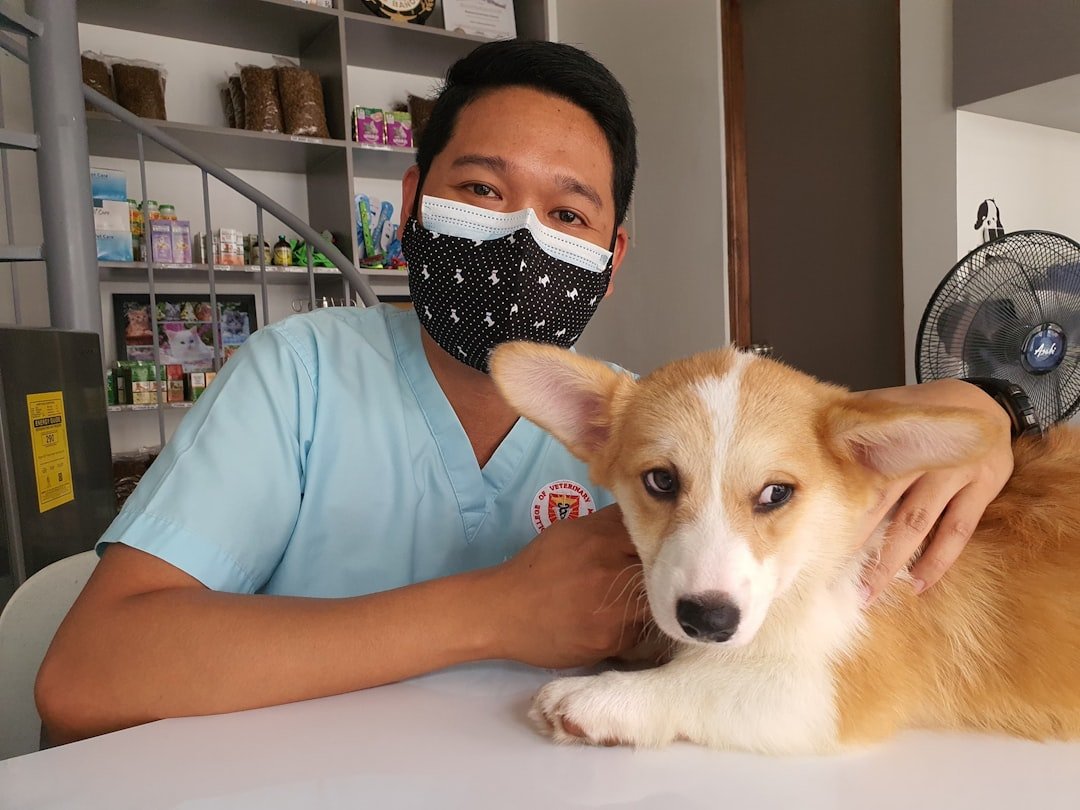
Create a pet emergency kit: Put together an emergency kit that includes first-aid supplies, important paperwork, a recent photo of your pet, a leash and carrier, and their medications. Know your nearest emergency vet: Have the number of your nearest 24-hour emergency veterinarian and a pet poison control helpline saved in your phone. They could be a lifeline in a time of need.
Your emergency kit should live in an easily accessible location where all family members know to find it. Include cooling towels, a digital thermometer designed for pets, and electrolyte solutions approved by your veterinarian. During peak summer months, double-check that emergency veterinary clinics are open and have their after-hours contact information readily available.
Conclusion
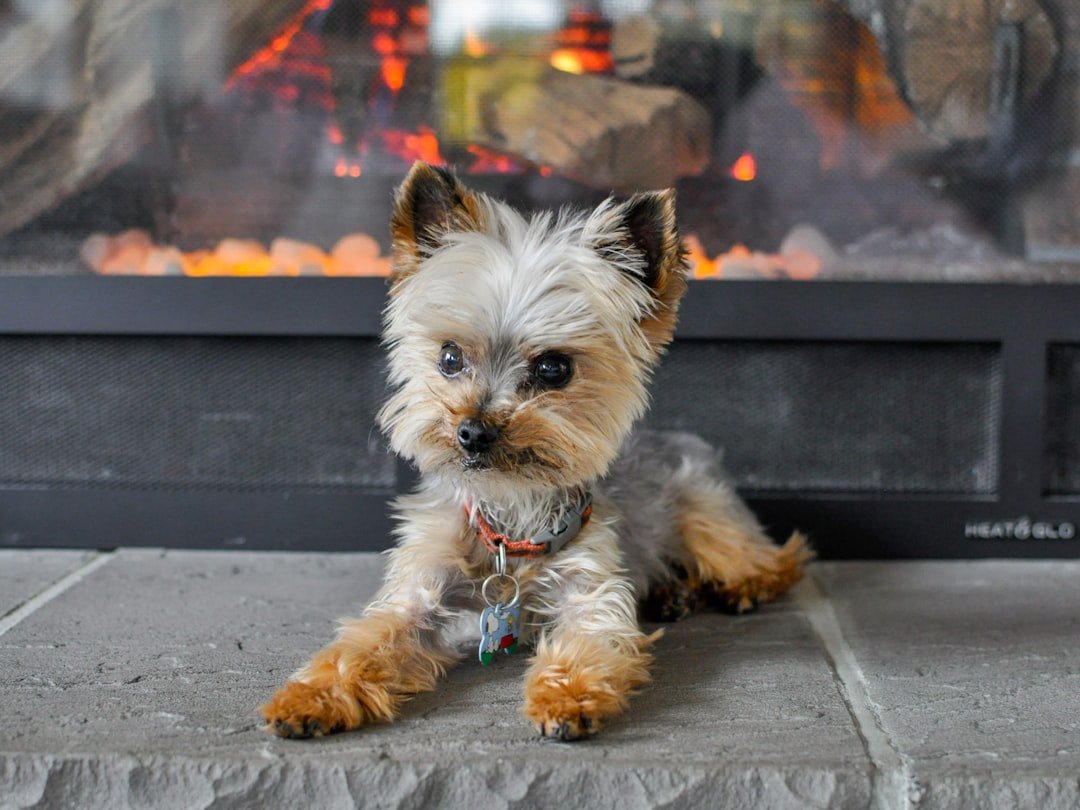
Florida’s heat doesn’t have to put a damper on the joy you share with your pets. By implementing these twelve veterinarian-approved safety strategies, you’re taking proactive steps to protect your furry family members from heat-related dangers. The key lies in preparation, awareness, and never underestimating how quickly conditions can become dangerous for pets.
Remember that prevention is always easier and less expensive than treatment. Your pets rely completely on your judgment to keep them safe, and these simple precautions can mean the difference between a fun summer adventure and a devastating emergency room visit. Stay vigilant, stay prepared, and most importantly, when in doubt, choose the conservative approach that prioritizes your pet’s safety over convenience.
What surprised you most about the hidden dangers of Florida heat for pets?