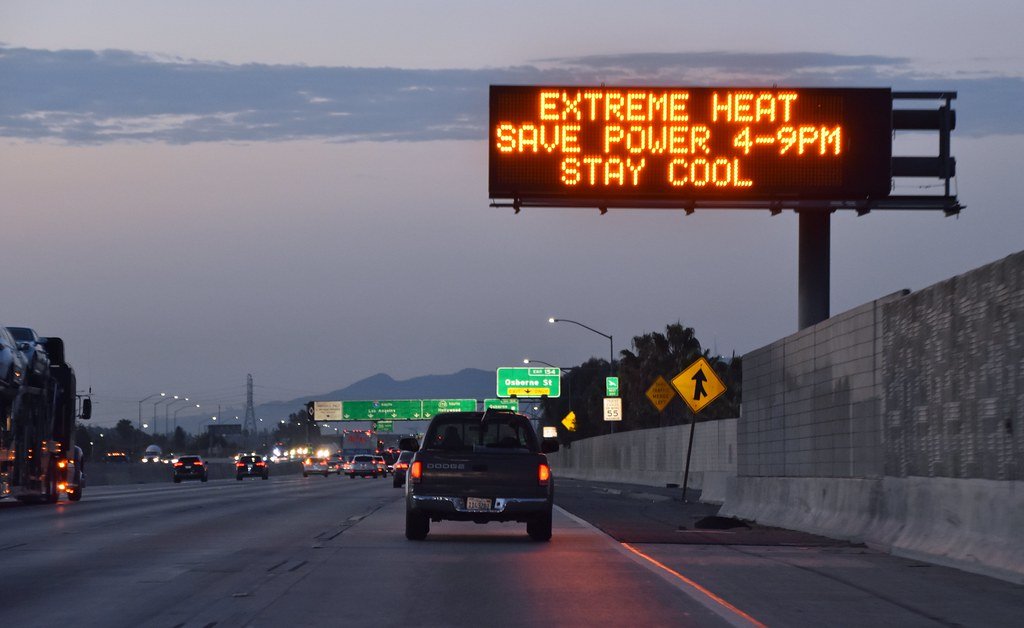

If you thought last summer was brutal, buckle up. Phoenix isn’t just breaking temperature records anymore – it’s obliterating them. The desert city that once prided itself on its predictably hot but manageable climate has transformed into something resembling a furnace that never shuts off.
When nighttime temperatures refuse to drop below ninety degrees and concrete burns through shoe soles, you know you’re dealing with something unprecedented. This isn’t your grandfather’s Arizona heat anymore.
The Numbers Don’t Lie: Phoenix Breaks Every Heat Record
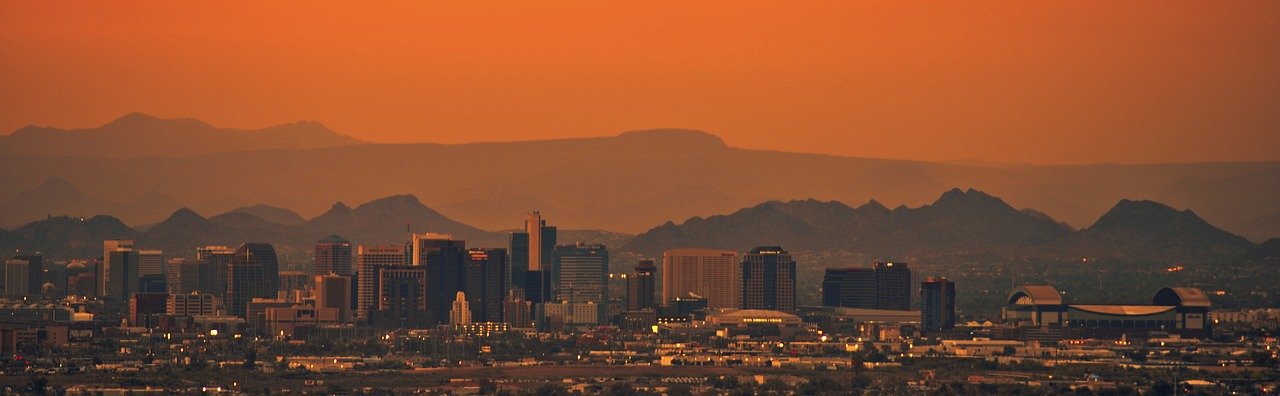
Phoenix officially became 2024’s hottest year on record, with the year-round average temperature reaching 78.6 degrees – a staggering 1.3-degree leap from previous records. To put that in perspective, a full degree increase in annual average temperature is massive in climate terms. It’s like the difference between a mild fever and a dangerous one.
The city endured 113 consecutive days of triple-digit temperatures in 2024, nearly obliterating the previous record of 76 days set in 1993. That’s more than three and a half months where the mercury never dipped below 100 degrees, even at dawn.
When Nights Become as Dangerous as Days
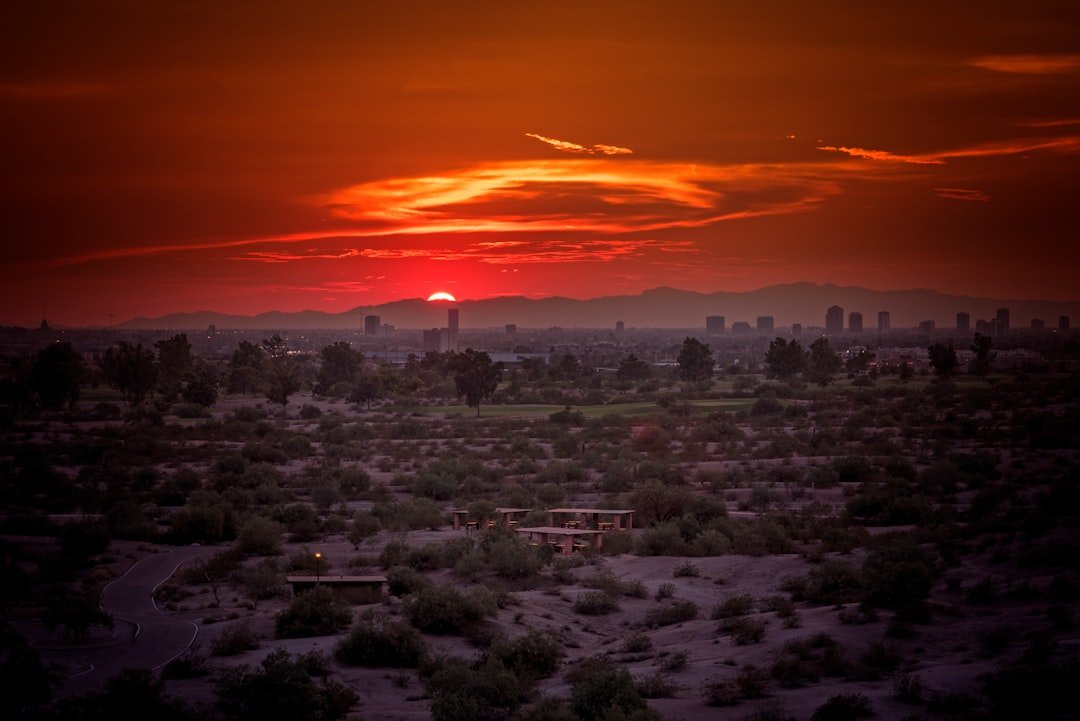
The most alarming change isn’t happening when the sun’s blazing overhead – it’s what happens when it sets. Phoenix typically sees about seven nights per year that don’t cool below 90 degrees, but 2024 saw 39 such nights. That’s not just uncomfortable; it’s life-threatening.
December 2024 became the warmest December in Phoenix history, with temperatures more than six degrees above normal. When winter months feel like spring elsewhere, you know the climate has shifted into uncharted territory. Your body never gets the recovery time it desperately needs from months of heat stress.
The Urban Heat Island: Phoenix’s Self-Created Furnace

Phoenix didn’t just get unlucky with climate change – it actively made things worse for itself. The city has been identified as having the fastest-warming temperatures due to the urban heat island effect, with temperature differences of up to 21 degrees between urban Phoenix and rural areas during summer months.
Research shows Phoenix’s built environment and population density amplify temperatures by about 7.4 degrees on average. Every parking lot, every strip mall, every concrete surface acts like a giant heat battery, soaking up solar energy during the day and radiating it back at night.
The Concrete and Asphalt Nightmare
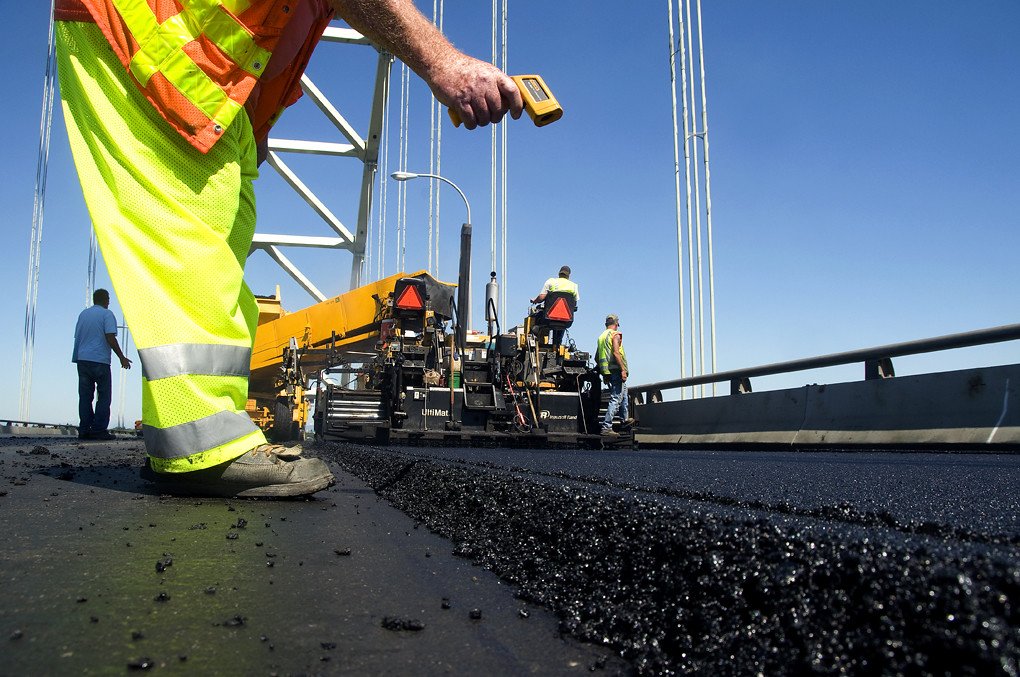
Walk across a Phoenix parking lot in summer, and you’re not just dealing with air temperature. While air temperatures hit 105 degrees, asphalt surfaces can reach 155 degrees, with concrete in sunlight reaching 140 degrees. That’s hot enough to cause second-degree burns in minutes.
These impermeable surfaces store heat throughout the day and release it at night, leading to record-high nighttime temperatures that prevent the natural cooling cycle. It’s like living inside a giant oven that never fully cools down, even after sunset.
The Death Toll: Phoenix’s Heat Crisis Claims Lives

The statistics are stark and sobering. The Maricopa County Department of Public Health reported more than 600 heat-related deaths in 2024. That’s nearly two deaths every single day during the hottest months, and the vast majority were completely preventable.
An unsheltered homeless person in Phoenix has 200 to 300 times greater risk of heat-related death than the general population, as they’re exposed to continuous heat for prolonged periods. The homeless population faces the perfect storm of heat vulnerability: constant exposure, underlying health conditions, and limited access to cooling resources.
Who’s Most at Risk: The Vulnerable Face the Furnace
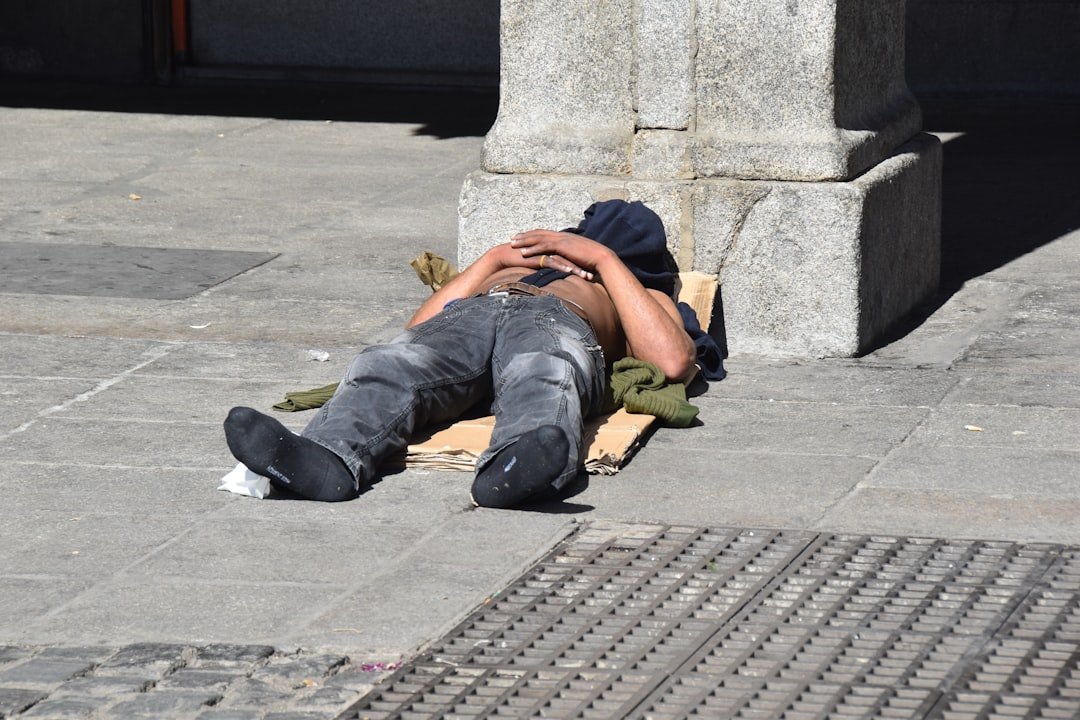
Nearly three-fourths of heat death victims were men, around 70% were over 50, and more than half had chronic health conditions, with over 60% of deaths occurring outside. Age, health status, and housing situation create a deadly combination when temperatures soar.
Almost half of heat-related deaths in 2024 occurred among homeless individuals, while seven in 10 indoor deaths happened in structures without functioning air conditioning. It’s not just about being outside – it’s about lacking the basic infrastructure to survive extreme heat.
Climate Change Supercharges Desert Heat

Scientists say Phoenix and much of the Southwest are entering uncharted territory when it comes to heat, with record-breaking temperatures becoming the new normal. What used to be exceptional heat waves are now just another summer.
Tucson is experiencing three times more extreme heat streaks compared to the 1970s, and the Southwest should expect longer, hotter, and more frequent heat waves over the next several decades. The trajectory is clear: things are going to get worse before they get better.
The Infrastructure Can’t Handle the Heat
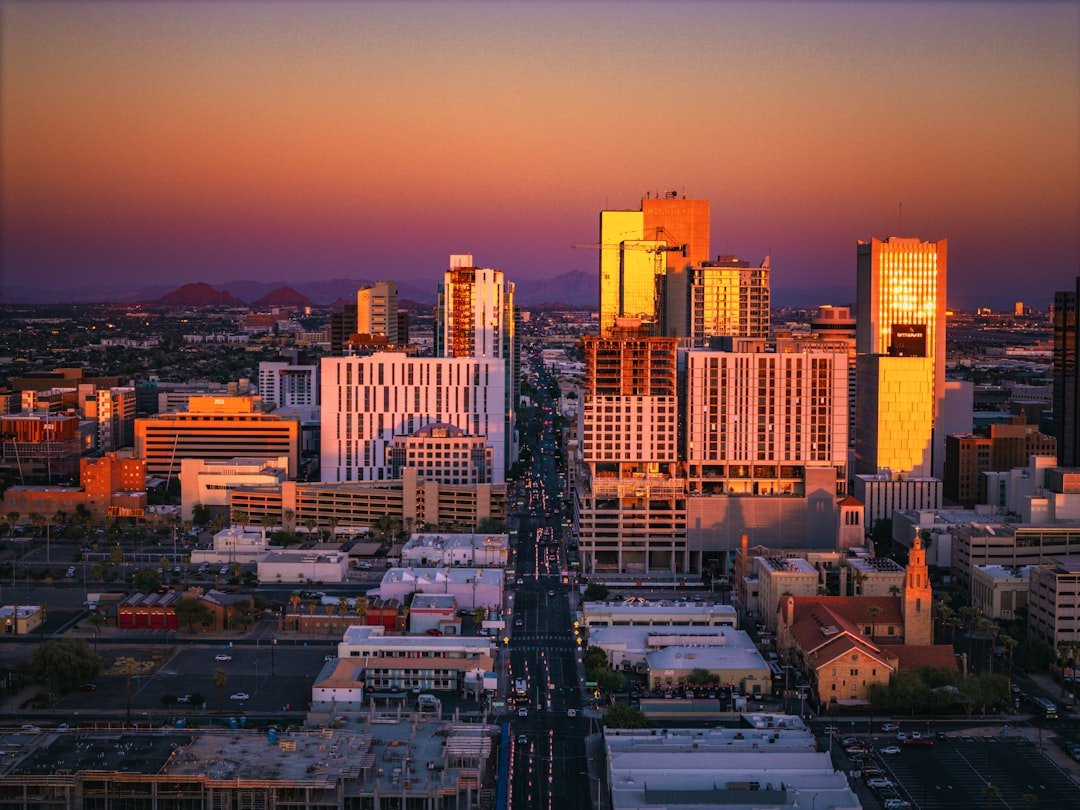
Extreme heat creates wide-reaching implications, from public health risks to strains on water resources, infrastructure problems including roads and rails buckling, and energy demand surges that stress power grids. Phoenix’s entire urban system was designed for a different climate.
Phoenix residents’ heat exposure increases three-fold more than other cities when air conditioning fails, since nearly 100% of residents rely on AC – making grid failures potentially catastrophic. The city has become entirely dependent on artificial cooling to survive.
Solutions Emerge from Necessity

Phoenix isn’t just sitting back and accepting its fiery fate. The city established the country’s first local-level heat response office in 2021, working on projects like reflective pavement and increased tree planting to create shade. Innovation born from desperation is driving real change.
The city developed a Cool Pavement program using sealant that achieves lower surface temperatures through lighter color and reflectivity, covering more than 80 miles of residential streets in one of the world’s largest programs. Simple solutions sometimes pack the biggest punch.
Conclusion
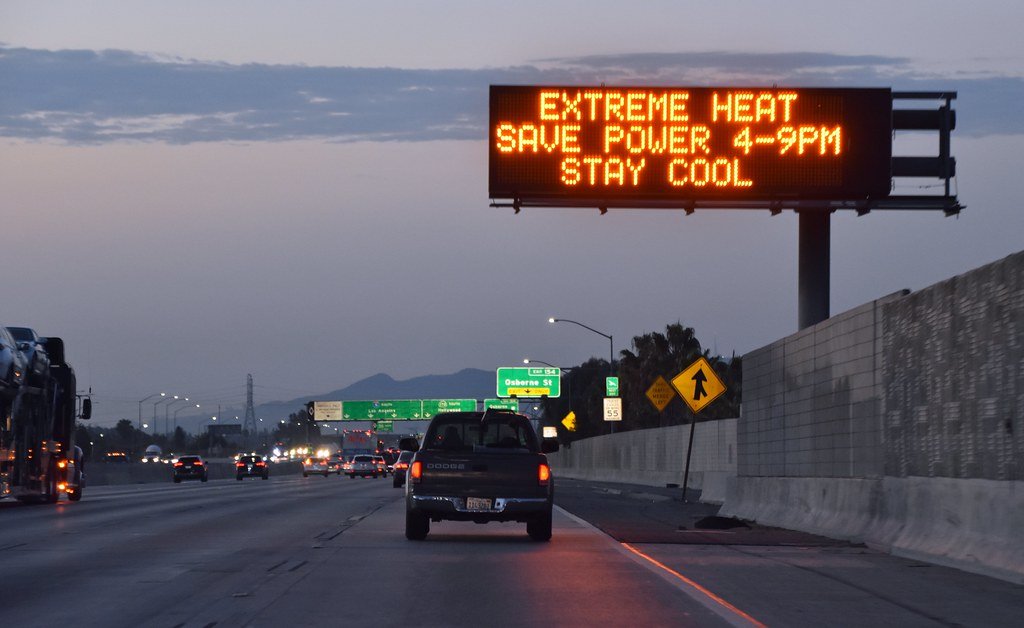
Phoenix’s heat crisis represents more than just uncomfortable summers – it’s a preview of urban climate challenges that cities worldwide will soon face. The combination of global warming and urban development has created a perfect storm of extreme temperatures that challenge human survival itself.
The city’s response, from innovative cooling technologies to expanded emergency services, shows that adaptation is possible but requires unprecedented investment and planning. Yet the fundamental question remains: can a desert metropolis of five million people remain livable as temperatures continue climbing toward levels that push the boundaries of human endurance?
What happens in Phoenix won’t stay in Phoenix – it’s a warning for every growing city in an overheating world.
Jan loves Wildlife and Animals and is one of the founders of Animals Around The Globe. He holds an MSc in Finance & Economics and is a passionate PADI Open Water Diver. His favorite animals are Mountain Gorillas, Tigers, and Great White Sharks. He lived in South Africa, Germany, the USA, Ireland, Italy, China, and Australia. Before AATG, Jan worked for Google, Axel Springer, BMW and others.