Deep beneath the abandoned reactor building, where radiation levels could kill in minutes, something extraordinary was waiting to be discovered. Thirty-eight years after the worst nuclear disaster in history, scientists continue to uncover mind-bending mysteries that challenge everything we know about life, evolution, and the limits of survival. These aren’t just scientific curiosities – they’re glimpses into a radioactive world that evolution never prepared for.
The Elephant’s Foot – A Mass That Defied Death Itself
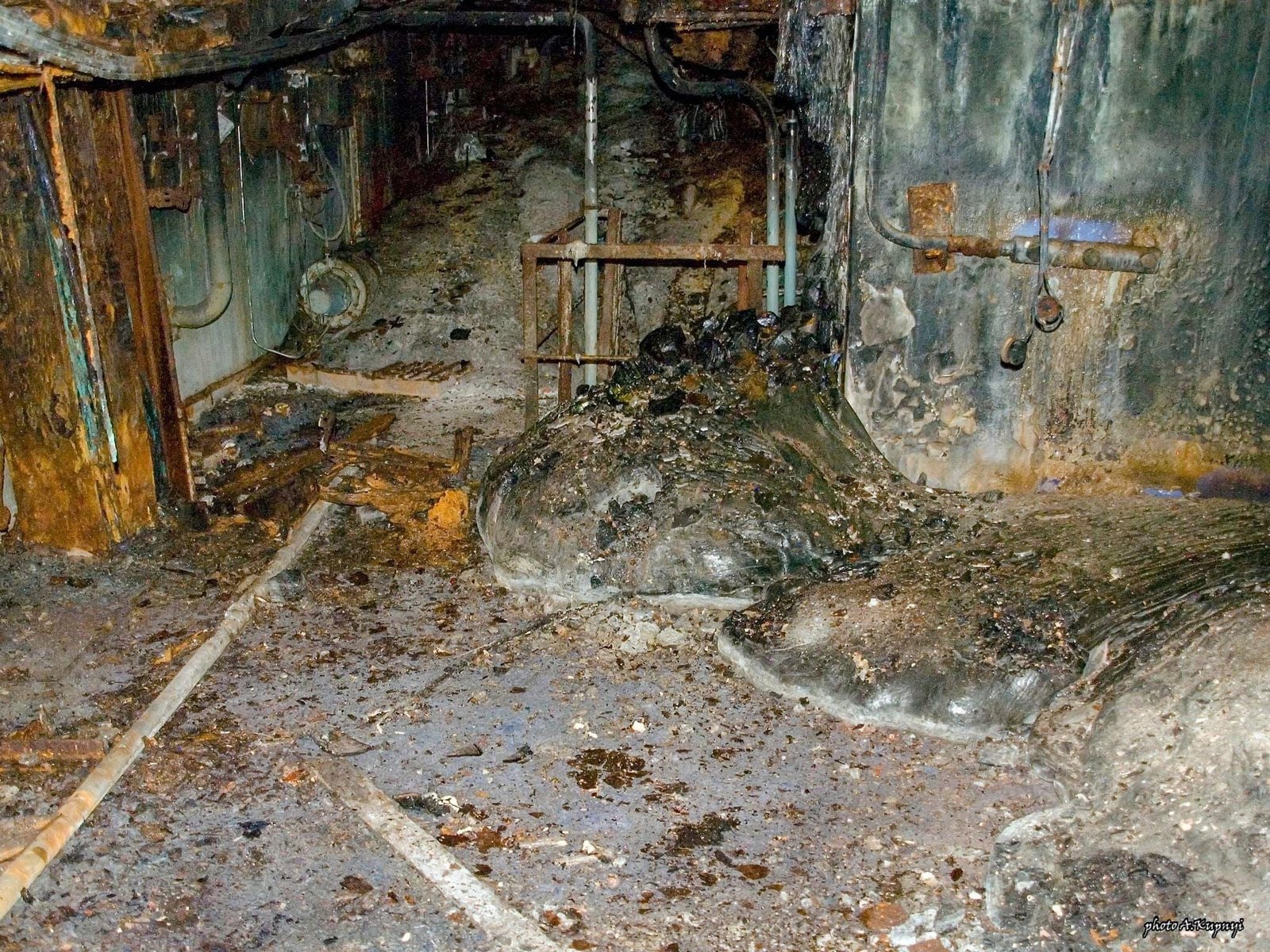
When nuclear inspectors finally accessed the area several months after the initial explosion, they found that molten material had settled into a three meter wide grey mass at the corner of a steam distribution corridor below. This, they dubbed the Elephant’s Foot. The discovery was both terrifying and fascinating – the mass was so radioactive when it first formed that if you had stood beside it, it would have killed you in around 300 seconds.
What makes this discovery truly bizarre is that the famous elephant’s foot, which originally was so hard that it required the use of an armor piercing AK-47 round to remove a chunk, had softened to a texture similar to sand. This radioactive formation weighs approximately two tons and continues to emit dangerous radiation levels even today, though significantly less than its peak intensity.
Chernobylite – The Mysterious Blue Crystal
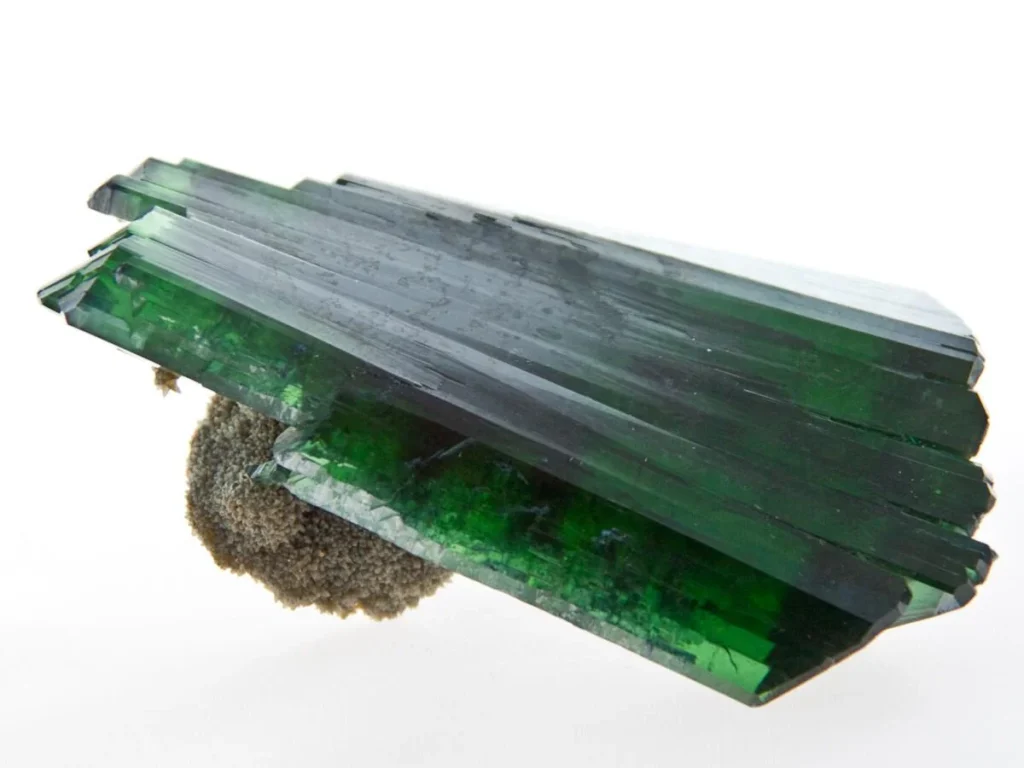
Scientists discovered something completely new in those solidified masses of corium: a new deadly, blue substance that they named Chernobylite. It is a crystalline compound consisting of uranium and zirconium. This wasn’t just any ordinary crystal formation – it was an entirely new mineral that had never existed on Earth before the disaster.
The addition of excess of ZrO2 to the composition resulted in the first successful synthesis of high uranium–zircon (chernobylite) by crystallisation from a glass melt. The blue crystals form as the molten radioactive material slowly cools, creating structures that scientists are still studying decades later. These crystalline formations represent nature’s attempt to organize itself even in the most extreme radioactive conditions.
Black Fungus That Feeds on Radiation
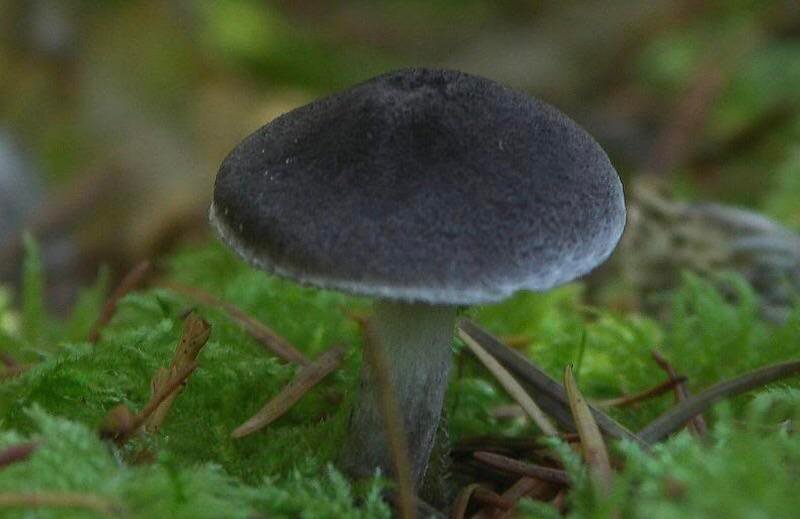
Perhaps the most astounding discovery was five years after the disaster, in 1991, remotely piloted robots discovered a jet-black fungus growing on the inside of the reactors. This wasn’t just surviving the radiation – it was actively thriving on it. The fungus, Cladosporium sphaerospermum, was found growing directly towards the highest radiation sources.
Research indicates that they exhibit a behavior known as radiotropism, where they grow towards sources of radiation. This growth pattern has been observed in various fungi around the Chernobyl site, indicating a potential evolutionary adaptation to their harsh environment. Studies show that C. sphaerospermum and Cryptococcus neoformans can thrive in radiation levels that are 500 times higher than typical background radiation. Scientists believe these fungi use melanin to convert gamma radiation into chemical energy, similar to how plants use sunlight for photosynthesis.
Dogs with Rapidly Evolving Genetics
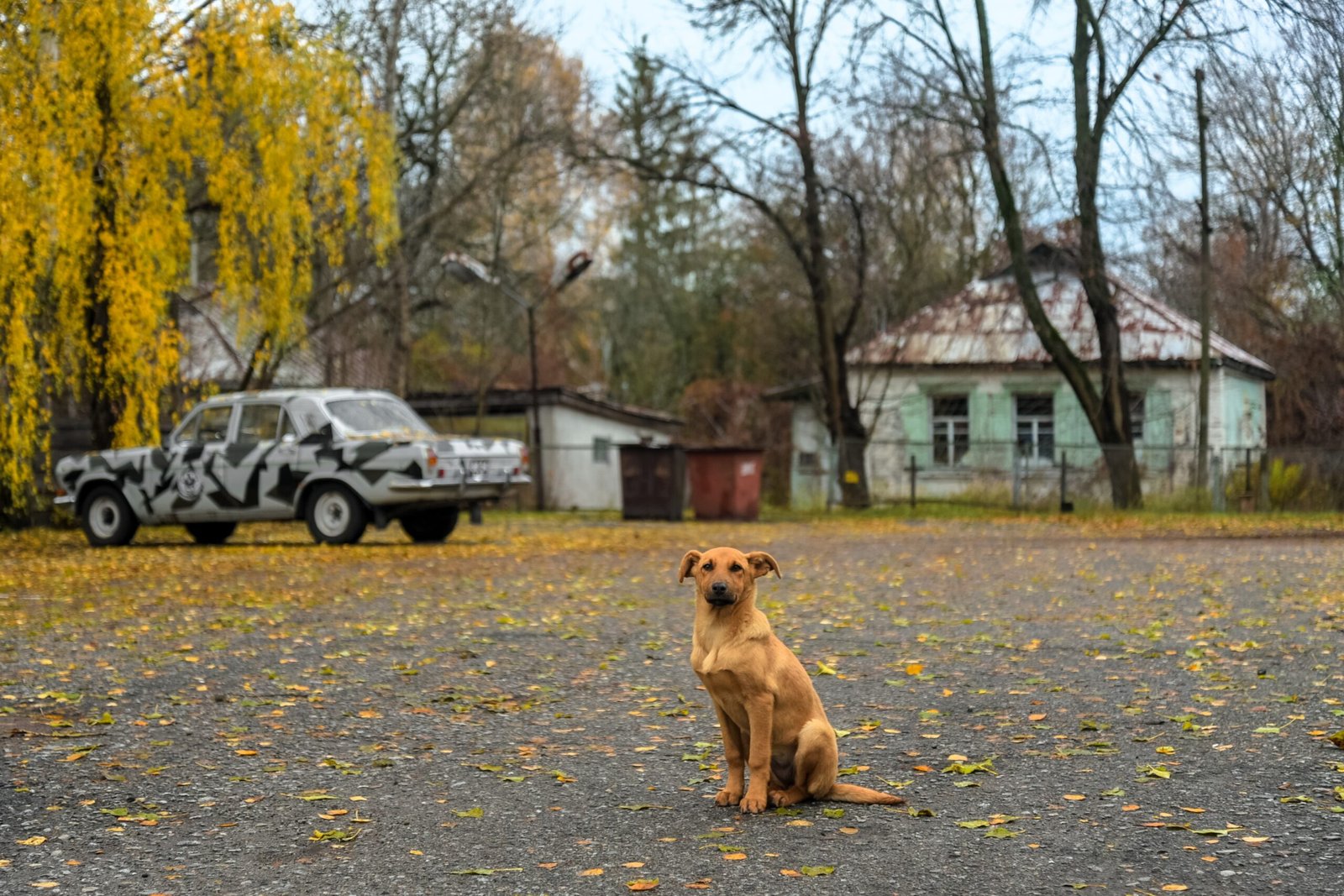
The stray dogs living in the exclusion zone have become living laboratories for rapid evolutionary change. Dr. Kleiman’s team discovered significant genetic differences between two groups of dogs. One group roams near the former Chernobyl reactors, while the other lives about 10 miles away in Chernobyl City. This finding suggests that these are two distinct populations that rarely interbreed.
Even more intriguing, some of these markers are pointing to genes associated with genetic repair; specifically, with genetic repair after exposures similar to those experienced by the dogs in Chernobyl. These canines are essentially developing genetic superpowers in real-time, adapting to survive in conditions that would be fatal to most mammals. Their survival offers insights into how life might adapt to extreme radiation exposure.
Radiation-Resistant Soybeans with Supercharged Proteins
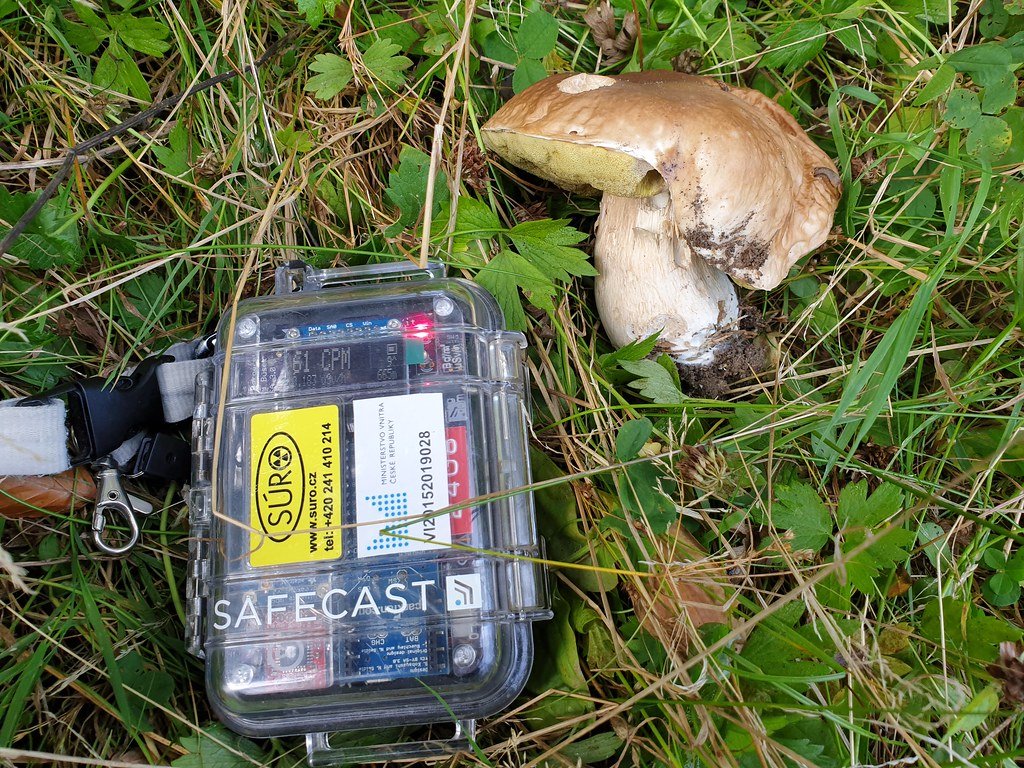
In a controlled experiment, scientists planted soybeans inside the contaminated zone and discovered remarkable adaptations. The radiation zone beans looked odd even before the protein analysis. They weighed half as much and took up water more slowly than their low-radiation counterparts. But the real surprise came at the molecular level.
When compared with normal plants, beans from the high-radiation area had three times more cysteine synthase, a protein known to protect plants by binding heavy metals. These plants have essentially rewired their protein production to survive in an environment that should have killed them instantly. The discovery suggests that life finds a way to adapt even to humanity’s most devastating mistakes.
Prewzalski’s Horse
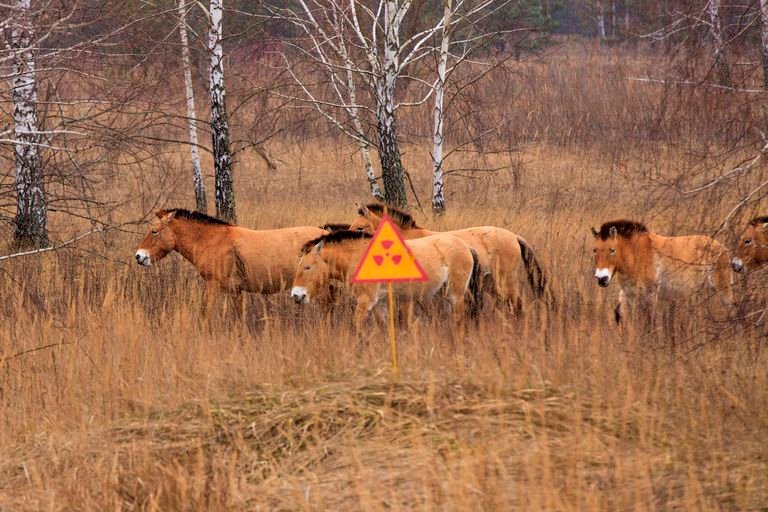
Przewalski’s horses were introduced to the Chernobyl Exclusion Zone (CEZ) in 1998, not found there naturally after the 1986 disaster, and have since established a thriving, self-sustaining population there. After initial challenges from high mortality and poaching, the population rebounded to approximately 150 individuals by 2018, thanks to protection measures and the absence of human activity. These horses, the world’s last wild equine species, have adapted to the Zone, using abandoned structures for shelter and forming herds, demonstrating the return of wildlife to the area.
The Red Forest
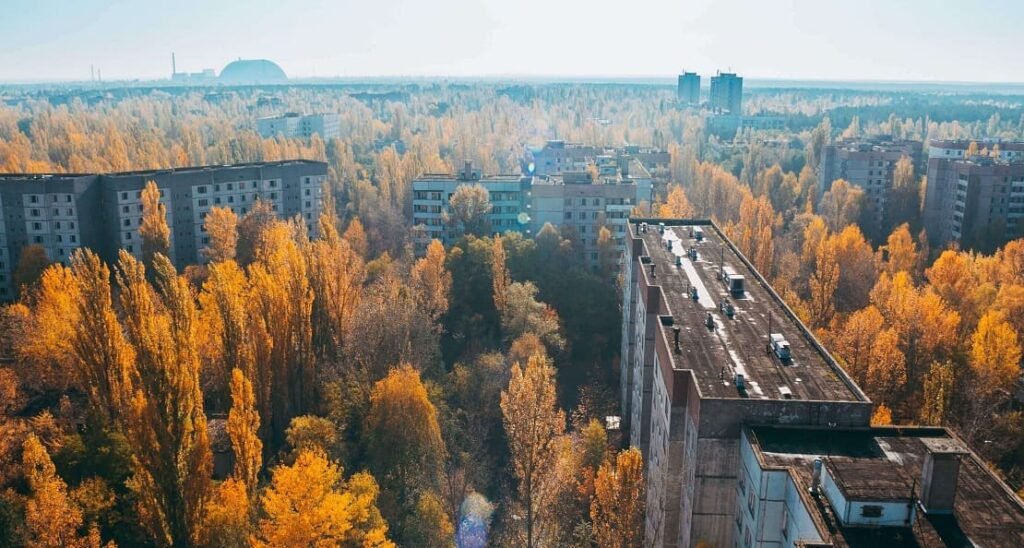
The Red Forest of Chernobyl is one of the most contaminated radioactive zones in the area. The nuclear disaster was so severe that all the trees in the area were completely engulfed in clouds of smoke and dust polluted with radioactive contamination. The radiation burned the trees from the inside turning them red in color. It was not just the trees but the soil, water and atmosphere too that was filled with radioactive material equivalent to that of 20 times the atomic bombings of Hiroshima and Nagasaki. What is most surprising though is the fact that the entire area transformed into a new biodiversity thriving in the radioactive waste. Wild boar increases, weird plants started appearing and even endangered species that were never seen before.
Plants That Actually Seek Out Radiation
One of the most counterintuitive discoveries involves plant behavior that defies every biological instinct. They reported that some of the fungi growing in the area around the site of 1986 Chernobyl nuclear accident had the ability of growing into and decomposing so called “hot particles” – pieces of graphite from destroyed reactor # 4 which are contaminated with various long-lived radionuclides. They termed this attraction of fungi to radiation “radiotropism”.
Of these, 18 (66.7%) showed positive stimulation of growth towards the radiation source (low mean return angle), and eight showed no response. This phenomenon suggests that some organisms have not only adapted to survive radiation but have actually evolved to use it as a resource, fundamentally changing how we understand life’s relationship with one of nature’s most destructive forces.
Ghost town of Pripyat
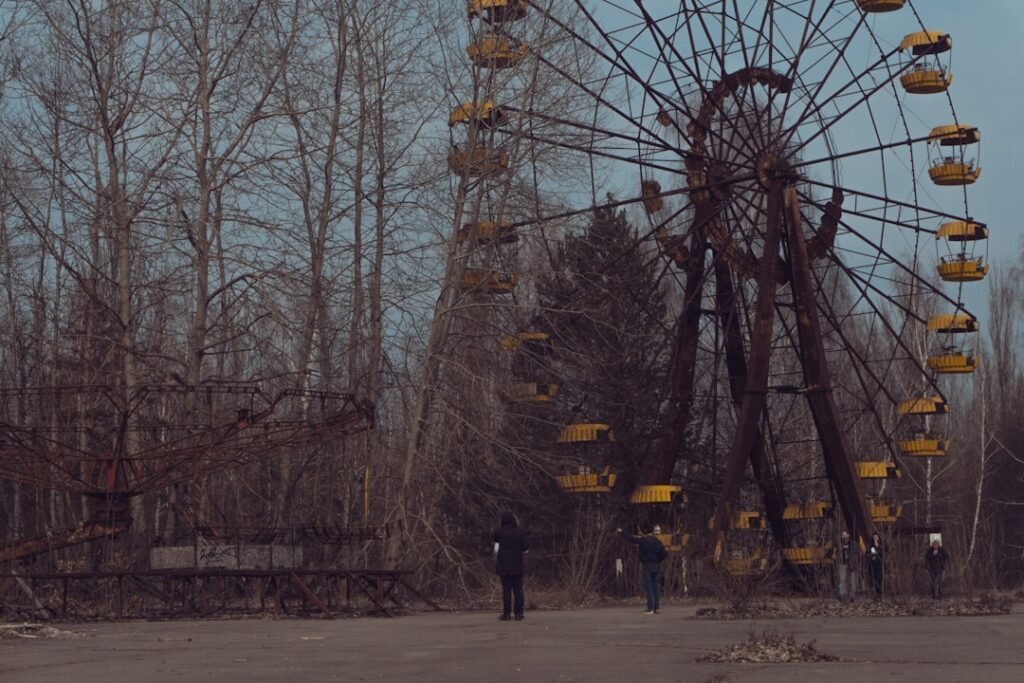
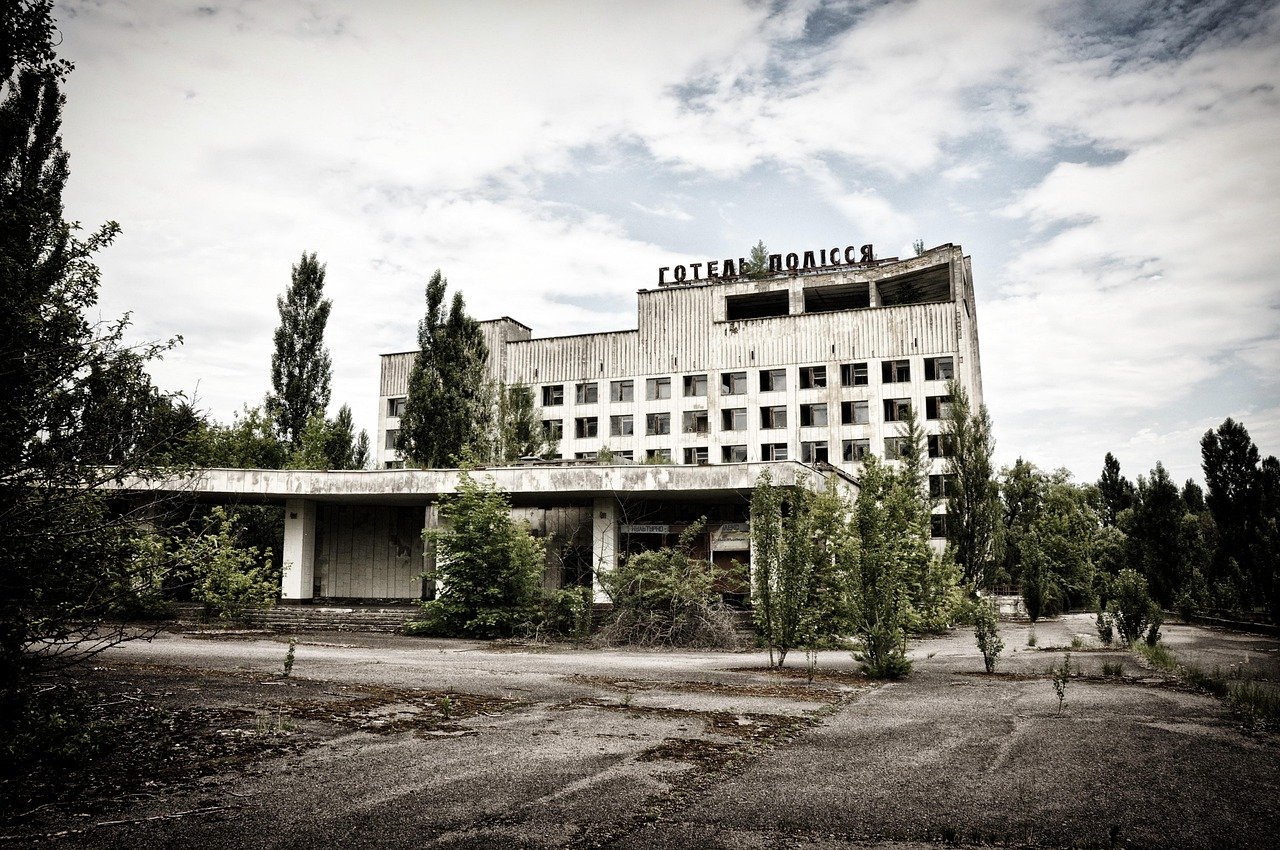
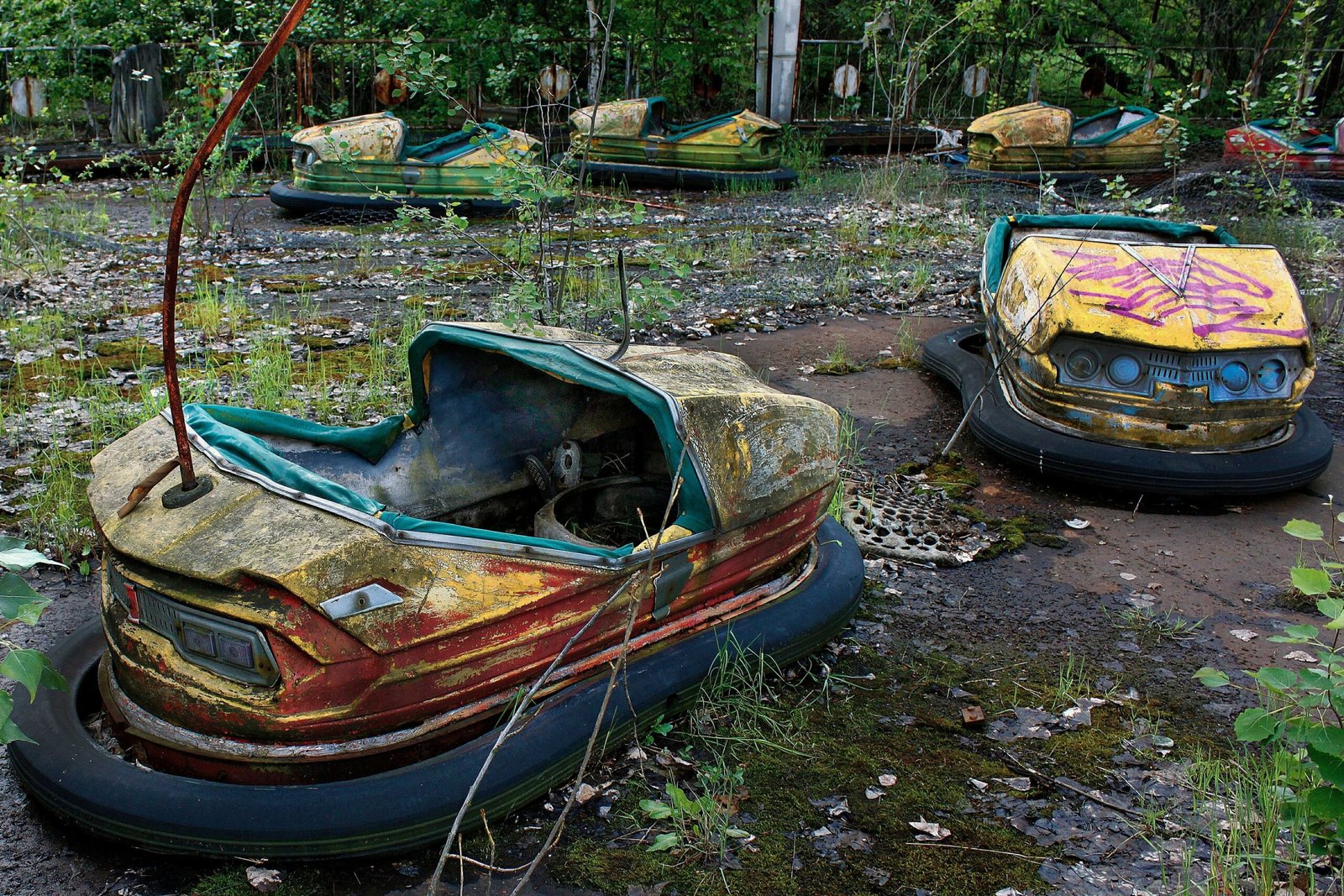
The ghost town of Priyapat has forever yielded some of the most haunting scenes at Chernobyl. Particularly haunting among images of Chernobyl was the abandoned and eerie ghost town like appearance of Pripyat. Pripyat was once a proud Soviet city populated by 50,000 people. After the disaster, Priyapat was evacuated and subsequently abandoned. Today, it still remains a ghost town and those who dare risk roaming amongst its ruins have discovered strange and eerie images that bear testimony to the nuclear disaster. Particular among them is a nursery in the area with rusted beds, and dolls with open stares lying strewn around. There are also classrooms strewn with gas masks, books lie around untouched and there was also a blue car whose license plate reads 1984.
Wildlife Populations That Defy Extinction
Despite predictions of ecological collapse, wildlife has not only survived but in some cases has flourished in the exclusion zone. Over the years, wildlife has adapted to life in the exclusion zone, the area around the plant where access to visitors is heavily restricted. It is one of the few places on the planet where researchers can study the effects of radiation on nature, and it has yielded many discoveries.
The absence of human activity has created an unexpected sanctuary where animals roam freely through abandoned towns and forests. While some species show genetic mutations and health effects, others have developed remarkable resilience. The zone has become a living laboratory for understanding how life adapts to extreme environmental pressures, offering insights that could be crucial as humanity faces climate change and other environmental challenges.
Conclusion
Chernobyl’s legacy extends far beyond the initial disaster and its human toll. The exclusion zone has become an unlikely classroom where nature teaches us about resilience, adaptation, and the extraordinary limits of life itself. From fungi that feast on gamma rays to dogs whose genes are rapidly evolving, these discoveries challenge our understanding of biology and offer unexpected hope for humanity’s future challenges.
The strangest truth about Chernobyl might be this: in trying to harness the atom’s power, humanity accidentally created conditions for life to evolve in ways we never imagined possible. These discoveries aren’t just scientific curiosities – they’re glimpses into life’s incredible ability to adapt, survive, and even thrive in the face of our species’ greatest mistakes.
What other secrets might still be waiting in those radioactive ruins?
Jan loves Wildlife and Animals and is one of the founders of Animals Around The Globe. He holds an MSc in Finance & Economics and is a passionate PADI Open Water Diver. His favorite animals are Mountain Gorillas, Tigers, and Great White Sharks. He lived in South Africa, Germany, the USA, Ireland, Italy, China, and Australia. Before AATG, Jan worked for Google, Axel Springer, BMW and others.