Two millennia ago, a Roman encyclopedist tried to catalog everything in nature, from thunder to tigers. He had no idea that some of the “monsters” he described might echo creatures that lived tens of millions of years earlier. The mystery sits at the crossroads of myth and science: when ancient readers met dragons and giants on the page, were they actually glimpsing fossils? Today, researchers are rereading classical texts alongside rocks, bones, and maps, and the story that’s emerging is stranger – and more scientific – than you might think. This isn’t about claiming Romans “discovered” dinosaurs; it’s about how human curiosity recycled ancient bones into unforgettable stories, and how modern tools can sift those stories for bits of truth.
The Hidden Clues
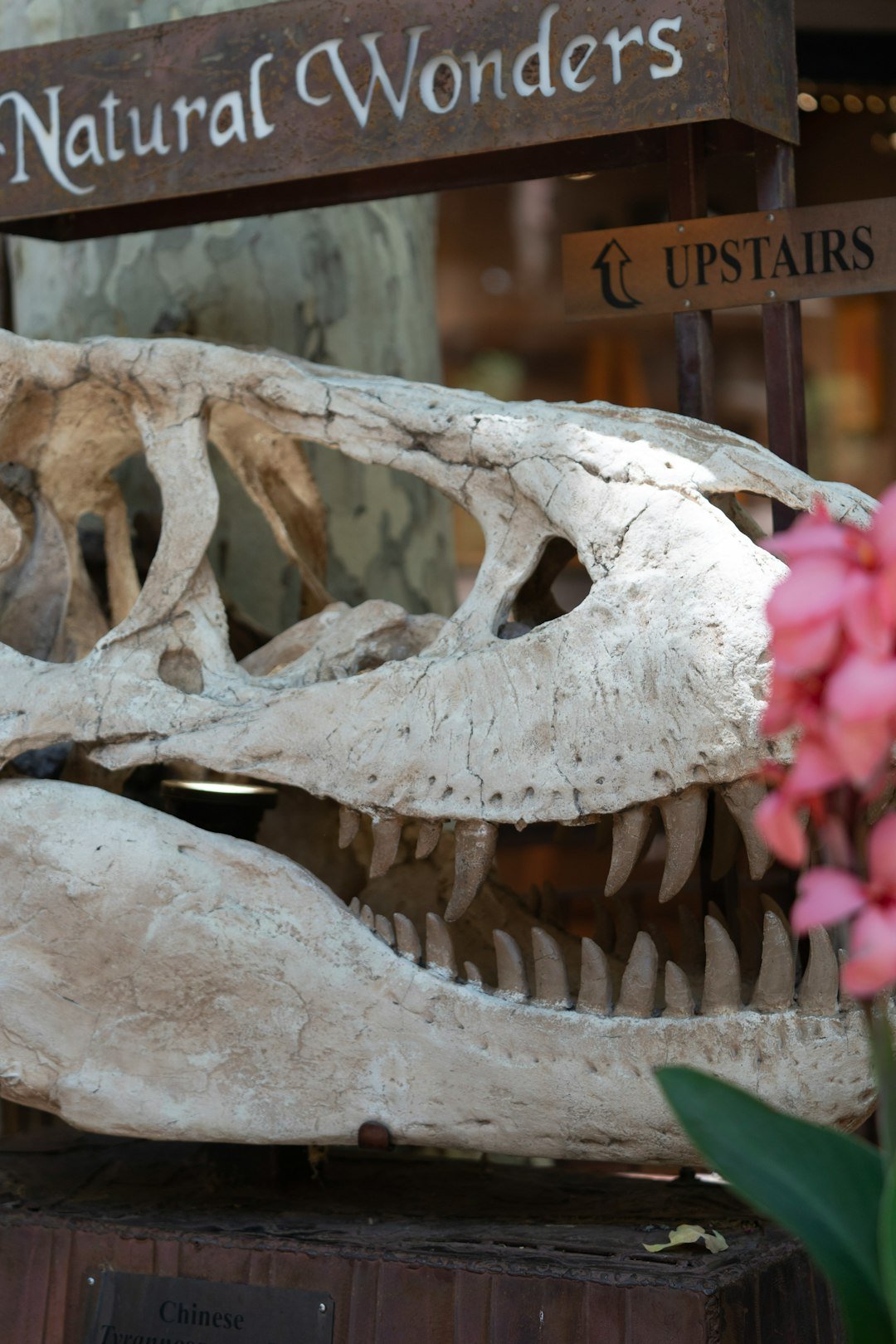
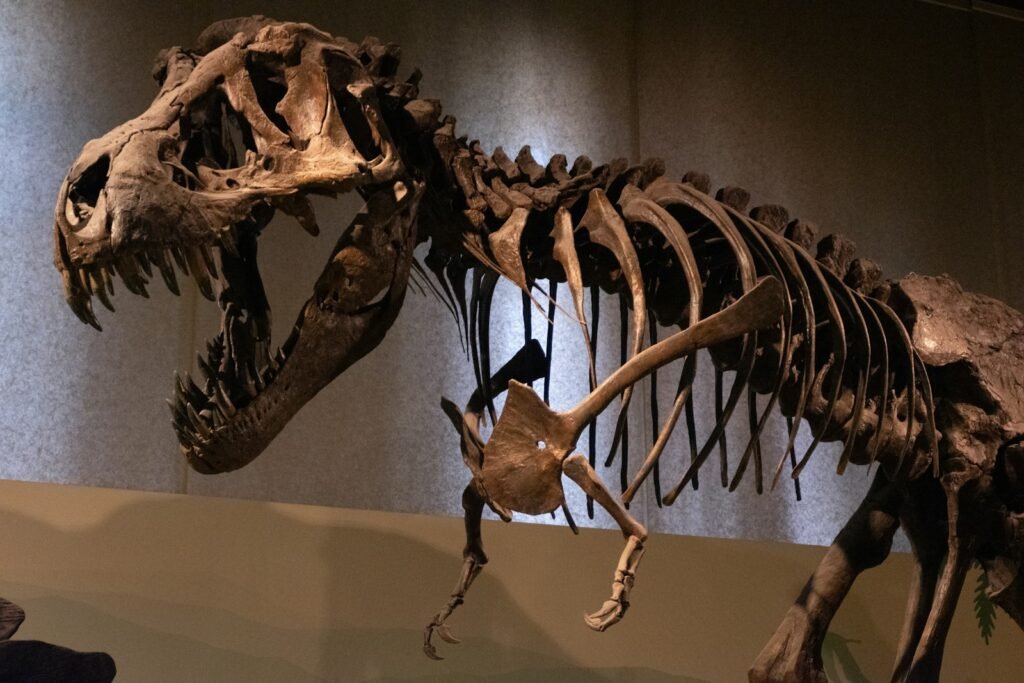
What if the “dragons” that slither through Roman pages were simply the mind’s way of stitching meaning to big, baffling bones? That’s the hook pulling historians and paleontologists back to a first‑century work that tried to explain everything the author could hear about the world. The text speaks of serpents long as ships, of colossal skulls pulled from hillsides, and of bones paraded in temples like trophies. No, these aren’t field notes from a dig – but the overlap with fossils is hard to ignore. When you stand in front of a massive jaw in a museum, it’s easy to imagine how such a thing, emerging from a hillside, might become a “dragon” overnight.
I remember staring at a horned dinosaur skull as a kid and feeling a jolt of recognition: if I didn’t know better, I’d call it a monster too. That feeling matters here, because interpretation starts with emotion, not spreadsheets. People see patterns first and only later ask if the pattern is right. The Roman writer didn’t have our methods, but he did have a keen instinct for collecting rumors about strange bones and stranger beasts. That instinct, guided by wonder, preserved raw data that modern science can now test.
The Roman Book at the Center

The heart of this story is a sprawling encyclopedia completed around 77 CE, a time when Rome’s empire stretched across fossil‑rich coasts and quarries. Its chapters on animals and marvels report giant bones dug up after storms, serpents from faraway lands, and creatures whose features sound mismatched, like life assembled from different species. Read literally, it’s folklore. Read with a geologist at your elbow, it becomes a catalog of encounters with fossils – mastodons, cave bear jaws, marine reptiles, and the occasional mystery fragment that can’t be pinned down.
Scholars point out that the author often flags uncertain tales, which is a gift for today’s analysts. Those hedges and asides act like metadata: a signal that a claim came from a traveler, a trader, or a temple display. They also help separate observational kernels from embellishment. The result is not a paleontology textbook but a fossil‑adjacent archive. Think of it as a natural history time capsule compiled before anyone knew Earth had a deep past.
Fossils in the Forum
The Mediterranean is a graveyard of giants, and Romans lived atop it. Quarrying limestone, dredging harbors, and cutting roads, they routinely struck bone beds left by Ice Age elephants and other large mammals. In caves on islands once home to dwarf elephants, skulls with a cavernous central nasal opening could look like the face of a one‑eyed giant to someone who hadn’t met an elephant. Drag those bones into a sanctuary or a market stall, and a legend writes itself by nightfall.
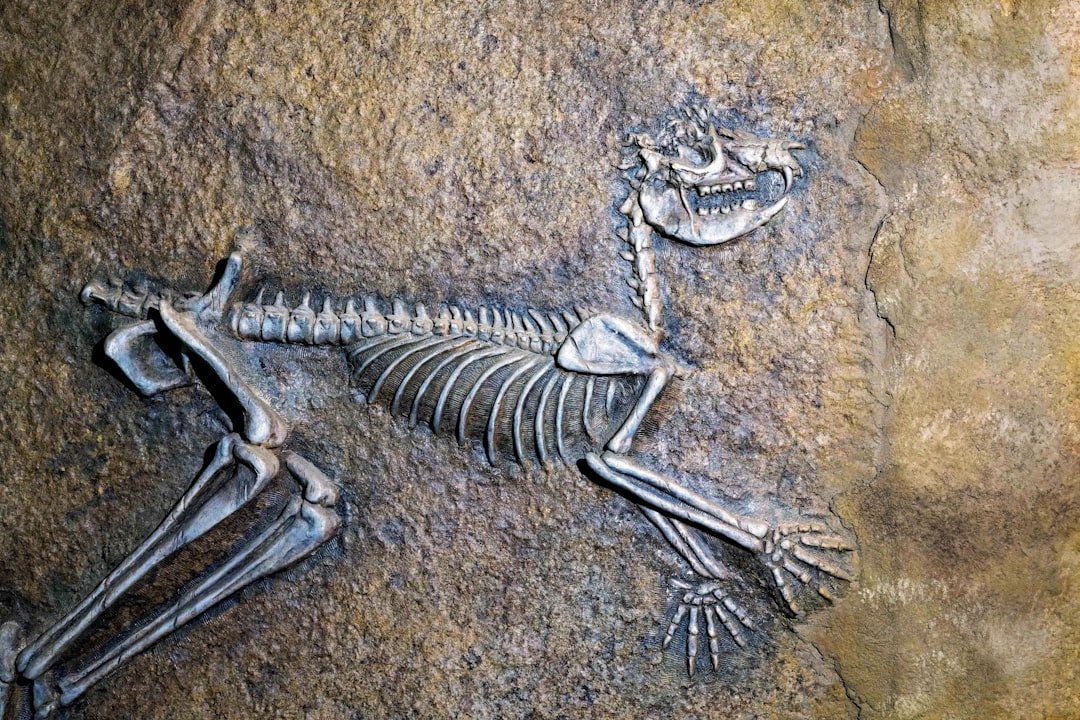
Along coastlines, storms tore at cliffs and exposed spectacular marine fossils – coiled ammonites, fish with scales turned to stone, and puzzling vertebrae like stacked stone wheels. A jaw here, a tooth there, and suddenly a sea‑serpent rumor feels inevitable. • Temple collections of “hero bones” likely included Ice Age fossils. • Harbor works exposed layers of shell beds and marine skeletons. • Travelers carried tales faster than evidence could be checked. The forum didn’t just trade olive oil; it traded marvels.
From Ancient Tools to Modern Science
Fast‑forward to today, and the toolkit looks completely different. Historians are text‑mining classical works for place names, cross‑referencing them with fossil localities, and scouring excavation records for stratigraphy that matches ancient descriptions. Paleontologists use CT scanning to decode fragmentary bones, while geochemists analyze isotopes to track the environments those animals once inhabited. When these data streams meet, some “monsters” start to look like misread fossils rather than hallucinations.
Computational linguistics adds another twist: algorithms can cluster unusual animal descriptions that may signal encounters with fossils rather than live fauna. Meanwhile, museum curators are re‑examining “giant” relics in old collections, asking whether they were dug up in antiquity and later misattributed. The pattern that emerges isn’t a single eureka, but a stack of small alignments: a coastline here, a quarry there, a remembered storm that pulled bones from a cliff. The old text becomes a map with faint ink, and modern science supplies the legend.
Myths on the Map
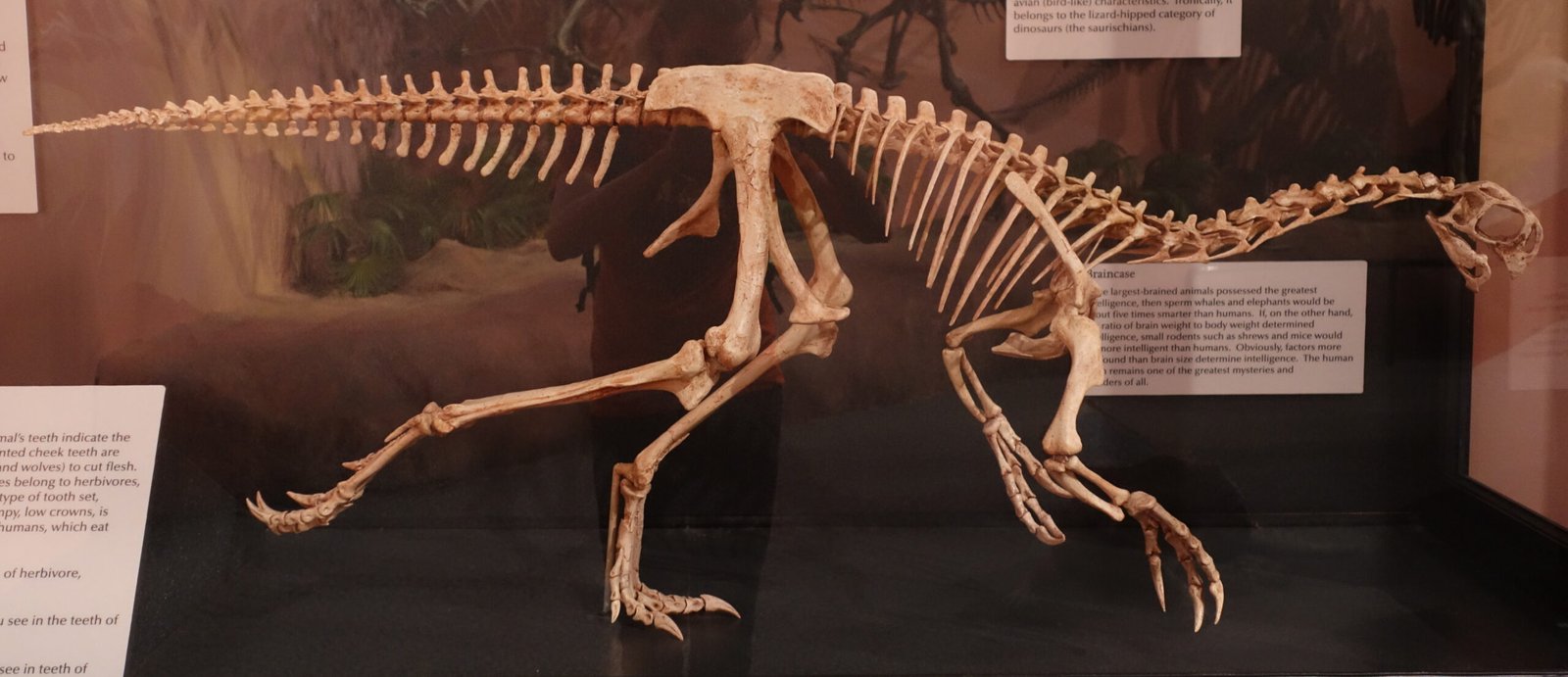
Some of the most persistent creatures in ancient lore share suspicious traits with fossils. Horned, beaked “guardians” of remote mines sound like a storyteller’s remix of a parrot‑beaked dinosaur skeleton weathering out of badlands. Oversized talons displayed as relics might have been claws from ground sloths or giant birds retrieved from caves. The fascination isn’t whether the myth is true; it’s whether the rock record nudged the myth into place.
Other tales likely tangled species in a game of telephone. Crocodiles become dragons when memory stretches across borders, and whale bones become skeletons of sea kings when lifted from beaches and hauled inland. The Roman encyclopedia didn’t invent these narratives; it curated them, which means we can trace their routes. Myths were the first drafts of data visualization, turning scattered finds into a picture people could hold in their heads. That picture, blurry and bold, sometimes overlaps with the fossil world in surprising ways.
Why It Matters
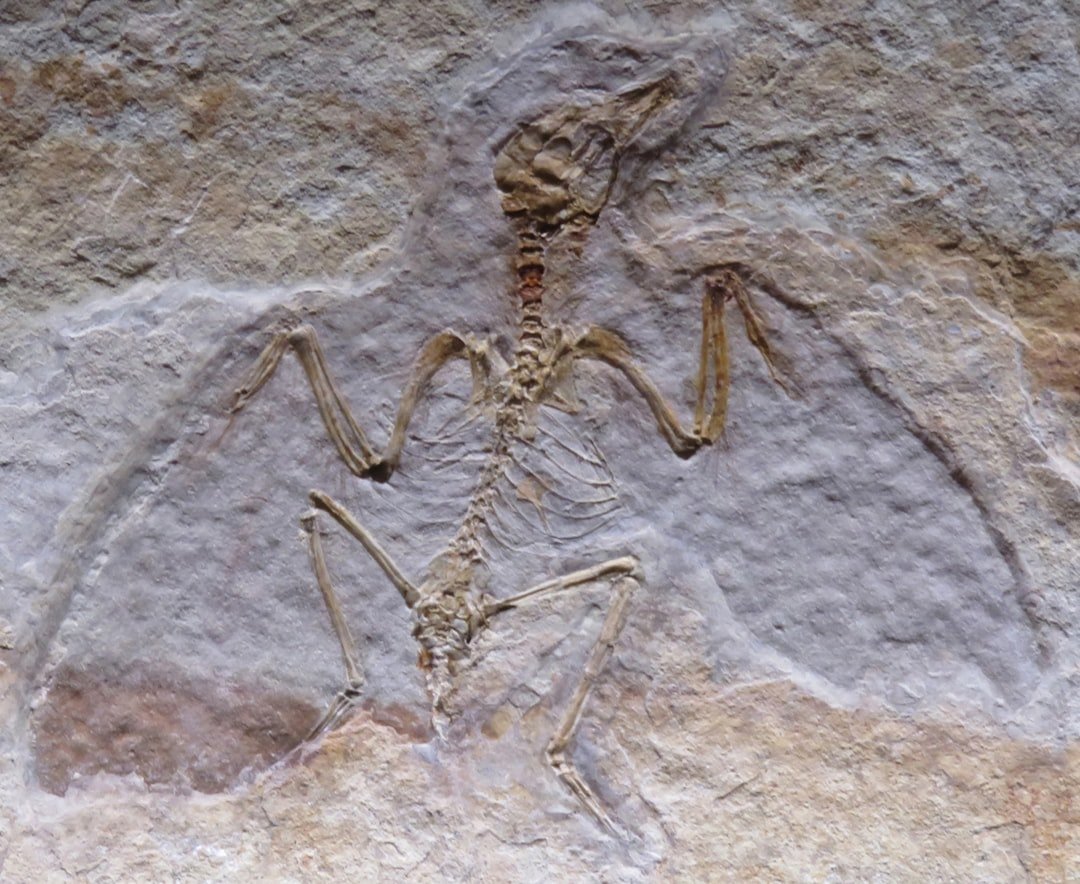
At first glance, this looks like trivia – cute crossover between classics and paleontology. In practice, it rewrites how we think culture preserves natural knowledge. If ancient texts do encode real encounters with fossils, then they are not just stories but repositories of geological observation. Compared with conventional fieldwork, this approach adds context that rocks alone can’t supply: who found the bones, how they traveled, and why certain landscapes became legendary.
It also inoculates us against easy judgments about the past. People didn’t believe in monsters because they were foolish; they believed because they were trying to explain physical evidence with the best frameworks they had. Modern science does the same thing, just with better instruments and a tougher filter. Recognizing that continuity makes the scientific enterprise feel larger and more human. It’s not a cold break from myth; it’s a patient refinement of wonder.
The Future Landscape
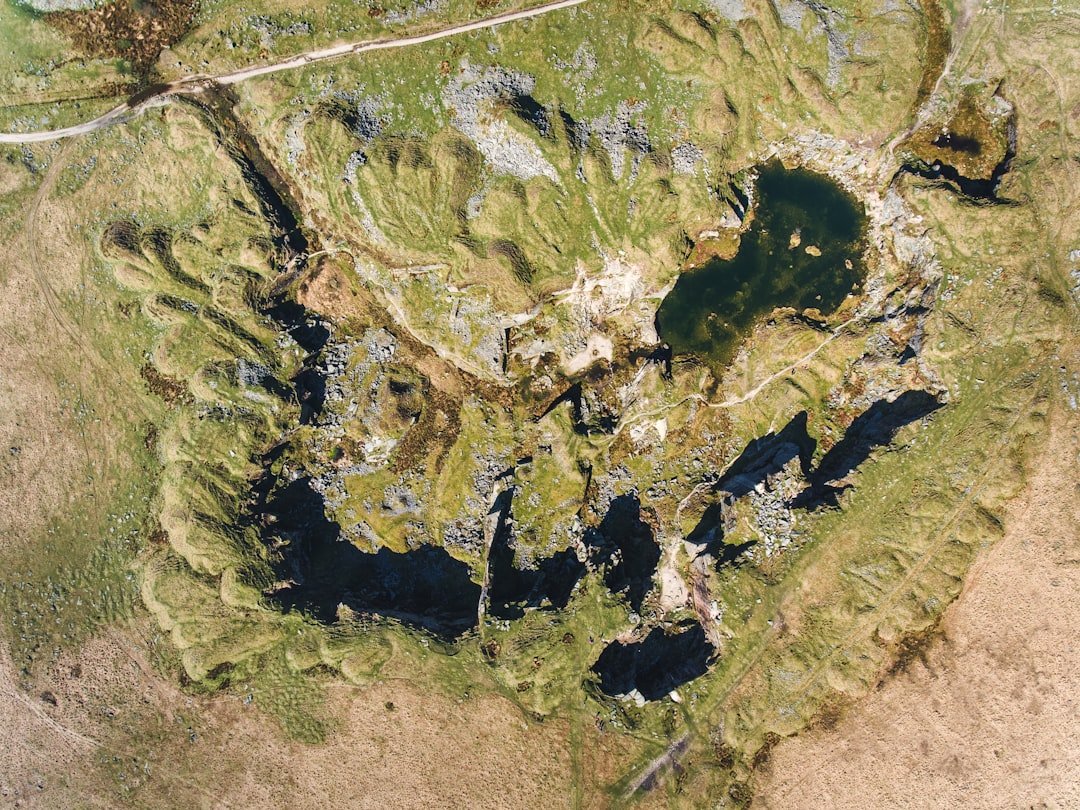
The next wave blends satellites and semantics. High‑resolution terrain models can flag erosion hotspots that expose fossils, while historical GIS layers stack ancient place names over modern maps to target ground surveys. Machine learning can triage thousands of classical passages and travelogues, pulling out clusters that match known fossil‑bearing strata. Add in non‑invasive imaging of temple relics and old cabinet‑of‑curiosities bones, and you get a pipeline from library to field site.
There are hurdles. Translation quirks can mislead; place names shift; and confirmation bias is a quiet saboteur. Legal and ethical questions arise when sacred or heritage collections include ancient bones collected long ago. Still, the upside is enormous: a global, interdisciplinary expedition that treats texts and stones as parts of the same archive. If the Roman encyclopedia was a net cast wide, modern science finally has the instruments to see what, exactly, it caught.
Conclusion
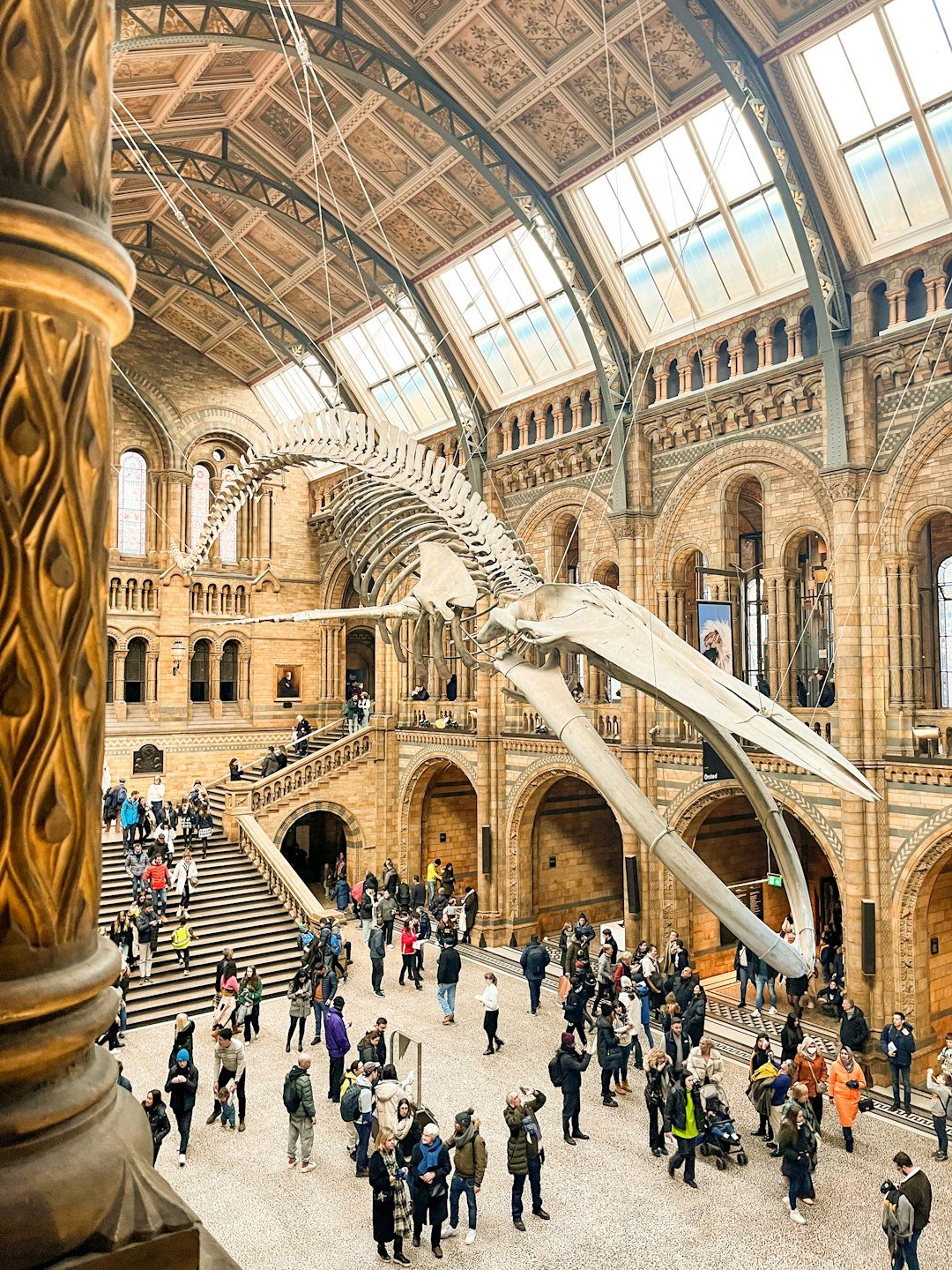
You can help this story move from rumor to evidence. Visit natural history museums and look for exhibits that explore the deep cultural history of fossils; curators track visitor interest, and that attention fuels research and conservation. Support local libraries and digitization projects that bring ancient texts and maps online for open analysis. If you hike in fossil‑rich landscapes, learn the do’s and don’ts of responsible reporting, and share finds with regional museums rather than on anonymous feeds. Most of all, keep that mix of skepticism and wonder alive – the same blend that carried a Roman naturalist across thousands of pages and still carries us through the field today.
Bones, books, and human imagination have been in conversation for a very long time – maybe longer than we realized. The surprise isn’t that myths took shape; it’s that they sometimes took shape around real, ancient animals turned to stone. If we listen carefully, we can still hear the echo of those creatures in the oldest libraries and the newest labs. What hidden clues might be waiting in the next page you turn?