For more than a century, bats were cast as creatures of pure echo – masters of sound who traded sight for sonar in the deep night. Now a quieter revelation is unfolding: a surprising number of bats still use their eyes, and some can even see ultraviolet light that humans can’t. This dual sensory strategy doesn’t replace echolocation so much as it completes it, like adding color back to a black‑and‑white world. The mystery is shifting from if bats can see UV to why certain species kept that ability while others let it fade. That question is rewriting what we thought we knew about nocturnal vision, pollination, and even how city lighting might be guiding wildlife after dark.
The Hidden Clues
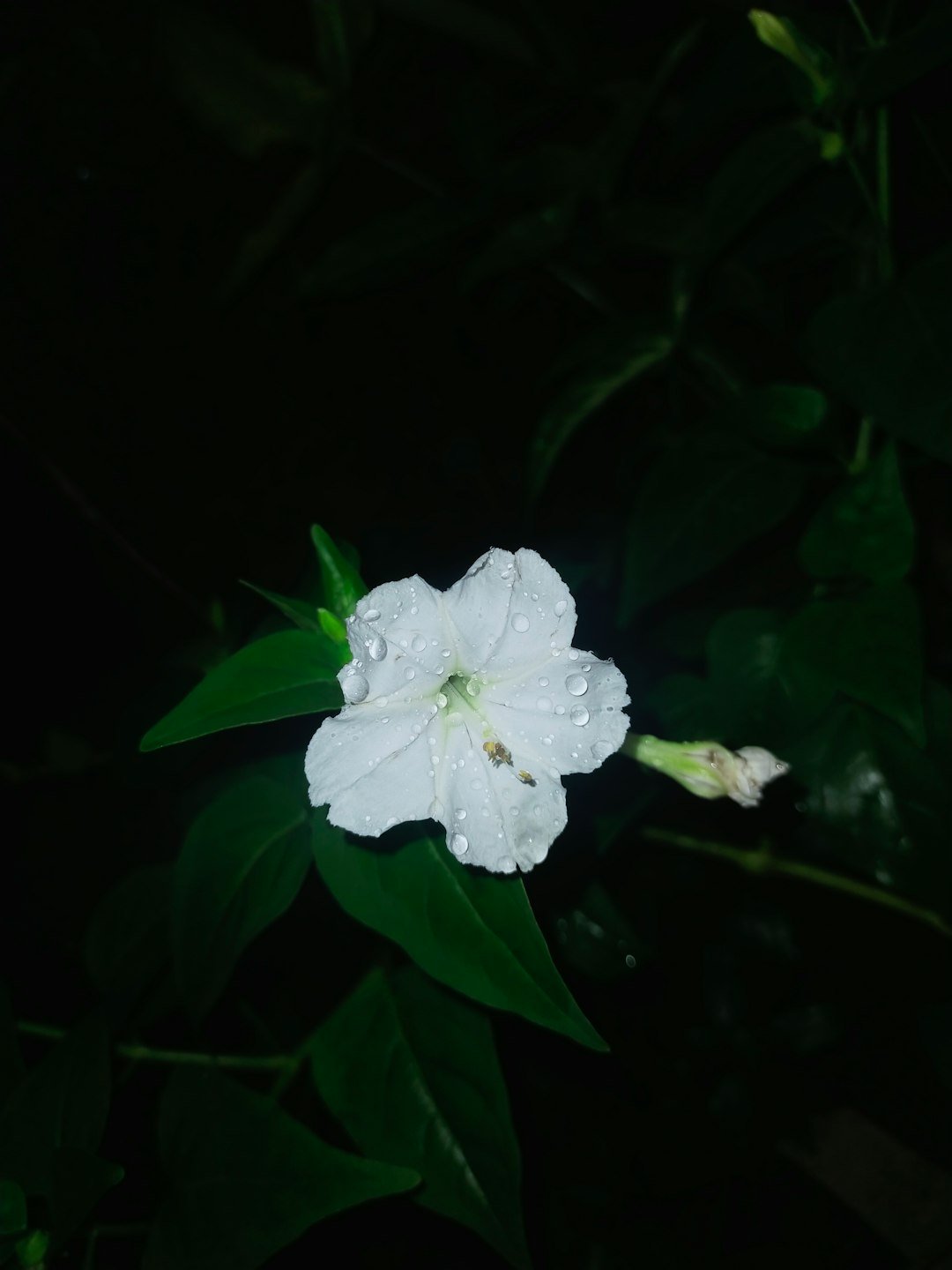
Look closely – really closely – and you’ll notice the first hints in the flowers that open at dusk. Many night‑blooming plants carry ultraviolet patterns invisible to us but strikingly obvious to animals tuned to that wavelength. Nectar bats that hover at these blooms seem to find them faster when the blossoms carry strong UV contrasts, suggesting a secret signage system in the dark. The clues don’t stop at plants: some fruits reflect UV when ripe, and certain insects glow under UV like tiny neon signs. Put together, the landscape at night can look less like a void and more like a dotted map of signals.
Even the bats themselves offer breadcrumbs. A subset preserve the genetic blueprint for a UV‑sensitive cone photopigment, hinting their retinas are equipped for more than dim grayscale. Field biologists have watched these species dart among petals with a precision that feels almost visual first, sonar second. It’s like navigating a city by both streetlight and radio – redundant at times, but lifesaving when one channel blinks. The pattern is too consistent to ignore, and it begs a bigger look at how bats blend senses.
From Ancient Tools to Modern Science
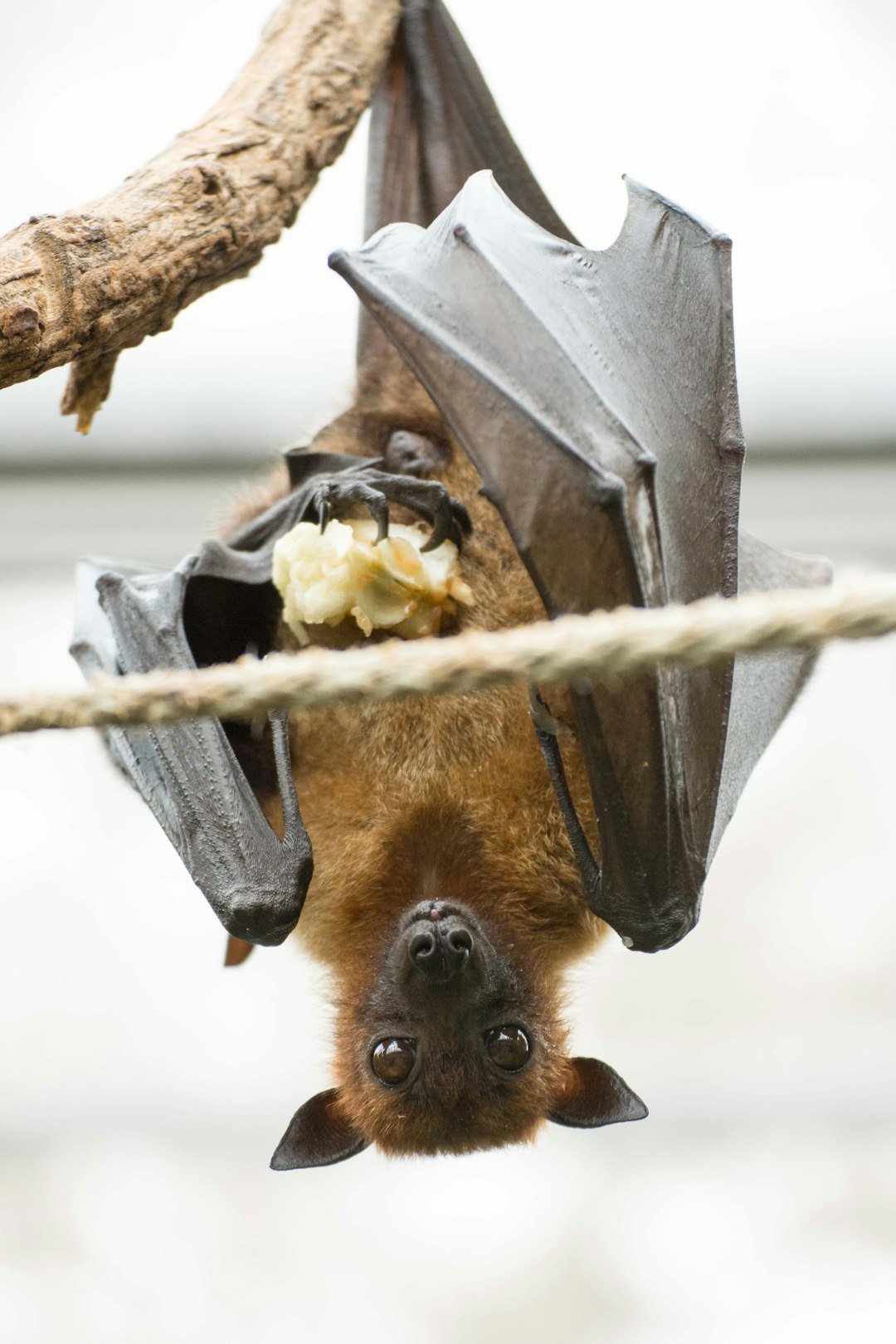
Early naturalists assumed bat eyes were vestigial, a reasonable guess when you watch a bat thread a maze of branches by sound alone. As microscopes and molecular tools improved, that tidy narrative frayed. Researchers began counting cones in bat retinas, testing whether lenses passed UV, and sequencing opsin genes that code for light‑sensing pigments. The picture that emerged was messy in the best scientific way: some lineages had lost the UV‑sensitive gene, others kept it, and a few showed signs of regaining function.
Newer methods pushed further. Electroretinography – basically a heartbeat monitor for retinas – measured responses to different wavelengths, including UV. Behavioral experiments paired UV‑marked feeders with rewards to see if bats learned the cue faster than chance. High‑throughput gene scans then mapped which families kept their UV gear and which mothballed it. The story stopped being about whether bats see and became about how different bat families tuned the same sensory orchestra.
The Biology of Seeing in the Dark
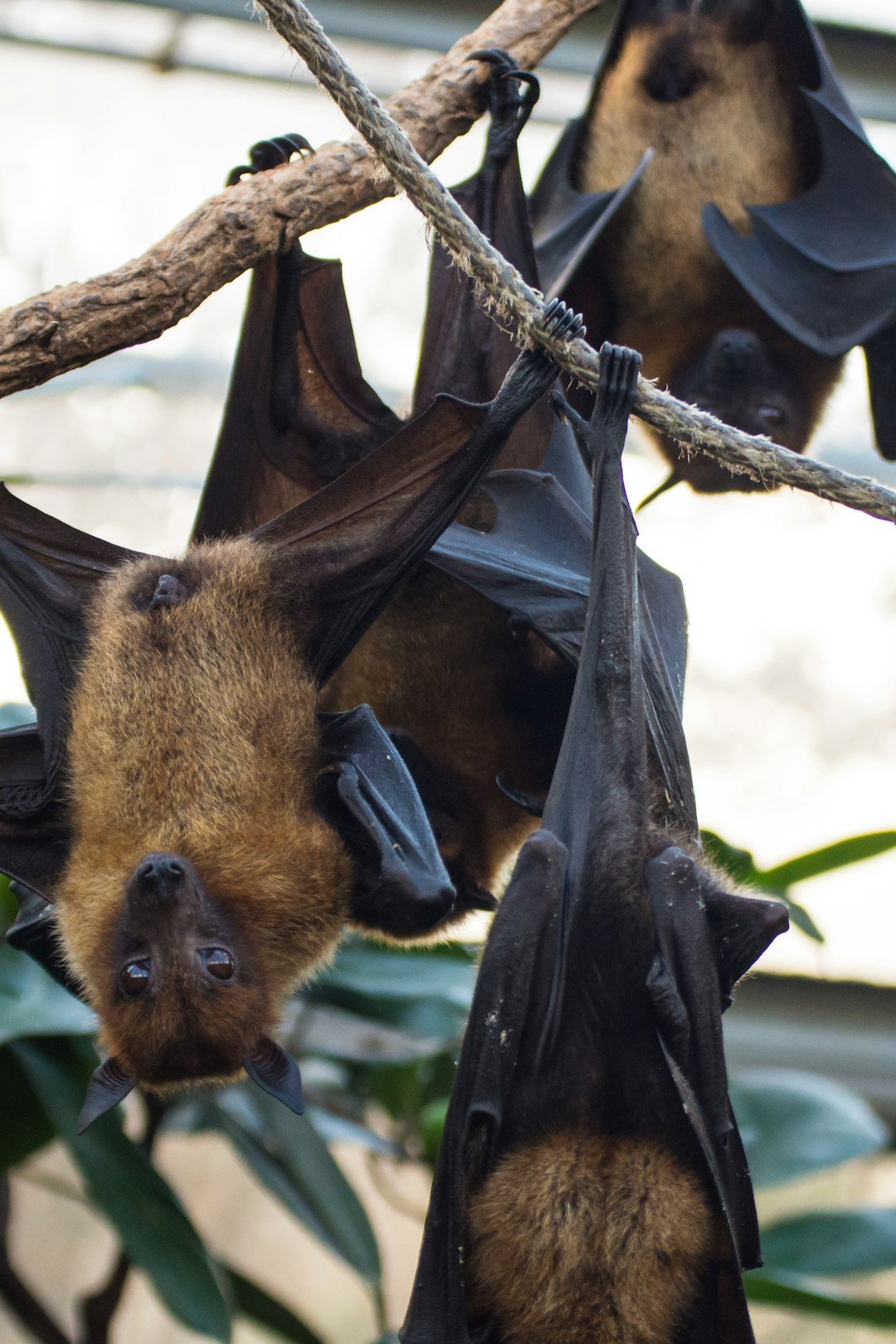
Bats have eyes built for night: large pupils, a retina packed mostly with rods for light sensitivity, and a sprinkling of cones for color. In species that retain UV sensitivity, one of those cone types responds to short wavelengths, reaching into the ultraviolet. That only works if the eye’s front end – the cornea and lens – lets UV through, and in some bats, it does. There’s a tradeoff, though: passing more UV can also mean letting in more scatter and potentially more damage, so evolution makes careful bargains species by species.
Vision and echolocation aren’t competitors in this system; they’re teammates. Sound sketches distance and motion with millimeter precision, while vision offers a wider, steadier scene and quick recognition of shapes and contrasts. Picture driving with flawless parking sensors and good headlights – you’d never choose only one. Interestingly, other sensory twists exist in bats too: a few vampire bat species can detect warm blood vessels using heat‑sensitive nerve channels, reminding us that bat senses are a toolbox, not a single trick. UV vision is one more tool, brought out when the job demands it.
Ultraviolet Vision: Which Bats and Why
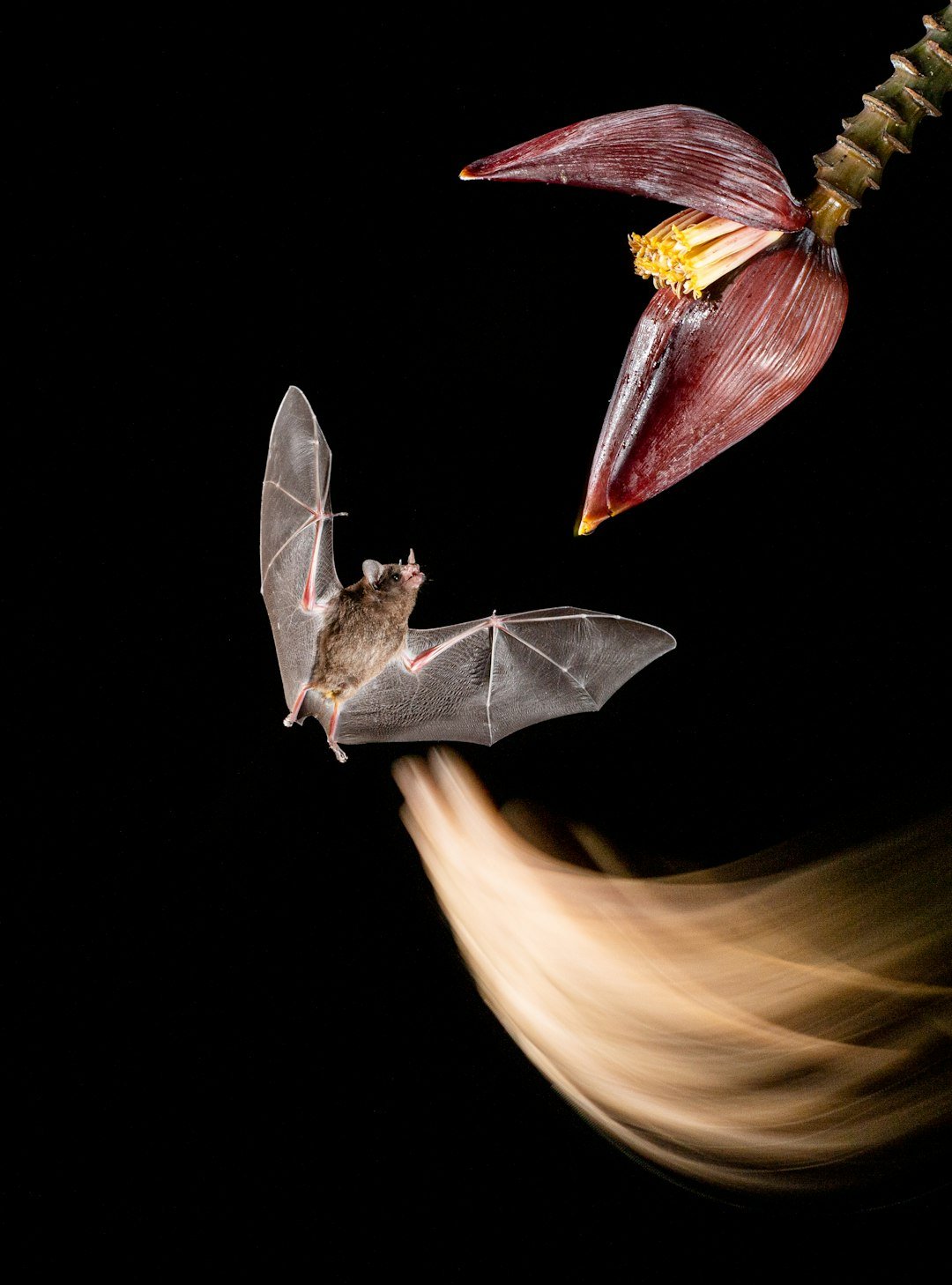
Patterns in diet tell a lot. Nectar‑feeding and fruit‑loving bats are the likeliest to keep UV vision because their foods advertise with UV cues – floral bull’s‑eyes, reflective fruit skins, and even fungal sheens on overripe offerings. Insect‑eating bats that hunt in open air often rely more heavily on echolocation and show fewer signs of maintaining functional UV cones. Cave‑roosting species that commute at dusk may use UV to orient against the sky’s fading glow, a kind of natural contrast filter that makes horizons pop.
Geography adds nuance. Tropical forests, rich in night‑blooming plants and canopy‑hidden fruit, create strong incentives to keep UV sensitivity. Arid zones and temperate habitats, with different twilight profiles and plant communities, can tilt the evolutionary math a different way. That mosaic explains why two closely related species might split – one keeping the UV channel, the other letting it drift. Evolution kept what was useful in each neighborhood and skipped what wasn’t.
Experiments in the Lab and Field
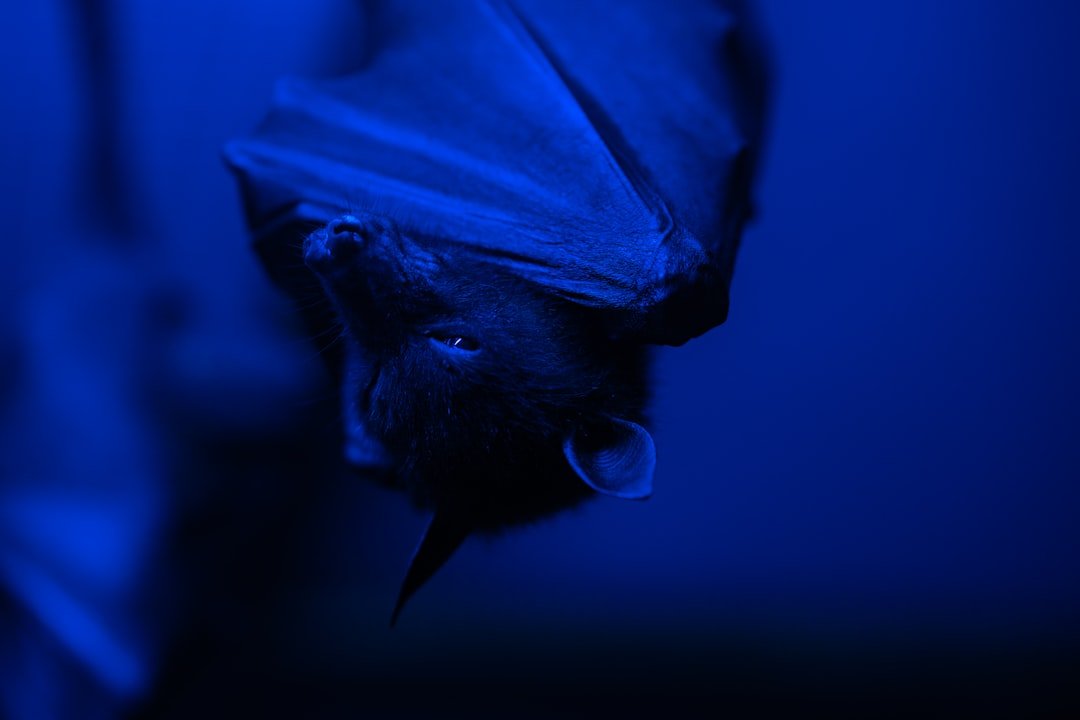
In controlled settings, researchers have presented bats with two identical targets, one carrying a UV pattern and one not. When the UV pattern predicts a reward, the bats learn to choose it and do so reliably, indicating they can detect and use the signal. Electroretinograms reinforce the behavior: retinas respond to UV flashes in the species predicted to see them. Lens transmission tests, meanwhile, confirm that UV actually reaches the retina rather than getting filtered out at the front of the eye.
Field observations complete the picture. Nectar bats zip to UV‑reflective flowers at speeds that make pure trial‑and‑error unlikely, especially when blossoms are patchy and fleeting. Fruit bats select ripe, UV‑bright fruit more often than nearby duds under the same light conditions. And in twilight flights, bats sometimes orient along stretches of sky where UV content differs, a silent visual compass that complements their constant acoustic pinging. These converging lines of evidence feel like triangulating a hidden landmark – you suddenly see where the signals meet.
Why It Matters
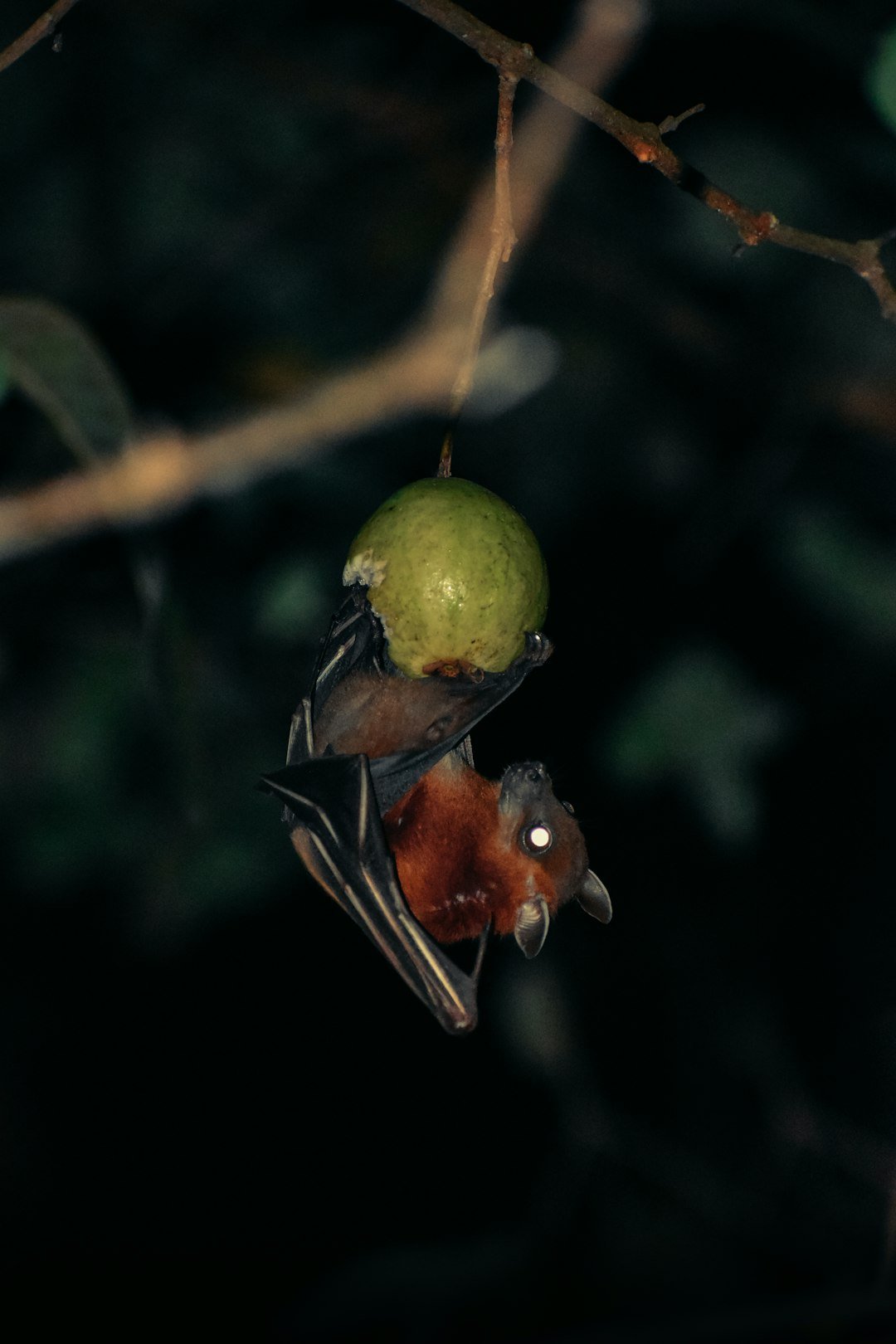
Understanding UV vision in bats isn’t a trivia note; it reframes conservation, agriculture, and technology. Compared with the old model – bats as sonar‑only predators – this richer view explains how they pollinate, disperse seeds, and avoid obstacles in complex vegetation. It also changes how we judge human lighting: many LEDs emit little UV, while some reflectors and coatings scatter it, potentially altering the nighttime visual map bats rely on. When we retrofit streetlights or paint wind turbines, we may be tweaking cues we never knew were there.
This is where the stakes get real. If UV patterns help bats find night‑blooming crops like agave or certain orchard species, then altering those cues could ripple into yields and pollination services. On the flip side, targeted UV markings might guide bats safely around hazards or toward corridors designed for wildlife. I still remember the first time I carried a handheld bat detector on a summer trail – hearing rapid clicks explode into a feeding buzz while a bat swerved around me. Knowing there’s also a UV world layered over that soundscape makes the night feel richer and more negotiable.
Global Perspectives

Night skies aren’t uniform around the world. Tropical twilight lingers differently than polar dusk, and atmospheric conditions shift how UV scatters near the horizon. Those physical differences intersect with plant communities and insect behavior, creating regional maps of UV value. In Southeast Asian forests brimming with figs and night blossoms, UV vision may be a decisive advantage. In high‑latitude summers where twilight is long but dim, UV could act more as a faint orientation cue than a foraging beacon.
Human infrastructure layers on top of those natural gradients. Cities with high‑intensity lighting can drown subtle UV contrasts, while rural areas may keep the sky’s natural rhythm intact. Agricultural regions that rely on bat pollination and pest control could benefit from lighting choices that minimize visual disruption. Thinking globally but acting locally, the practical question becomes: what does the UV night look like in your own region, and how are we rewriting it without noticing?
The Future Landscape

Next‑generation tools are poised to make the invisible visible. Portable hyperspectral cameras can map UV signatures of flowers and fruits at night, while biologgers combine light sensors, microphones, and GPS to track what cues bats follow in real time. Noninvasive genetics will keep clarifying which species carry functional UV opsins and when those genes switch on during development. On the engineering side, wildlife‑friendly lighting could be tuned not just for brightness and color, but for specific spectral gaps that leave bat visual channels intact.
Big challenges remain. Climate change may shift bloom times and alter plant UV reflectance, moving the goalposts for nectar specialists. Expanding wind and solar installations must be sited and marked with a better understanding of how both sound and UV guide nocturnal flight. And as urban areas densify, the temptation to brighten every path could wash out the faint cues that stitch nighttime ecosystems together. The opportunity is to design with the night in mind, rather than against it.
What You Can Do Now
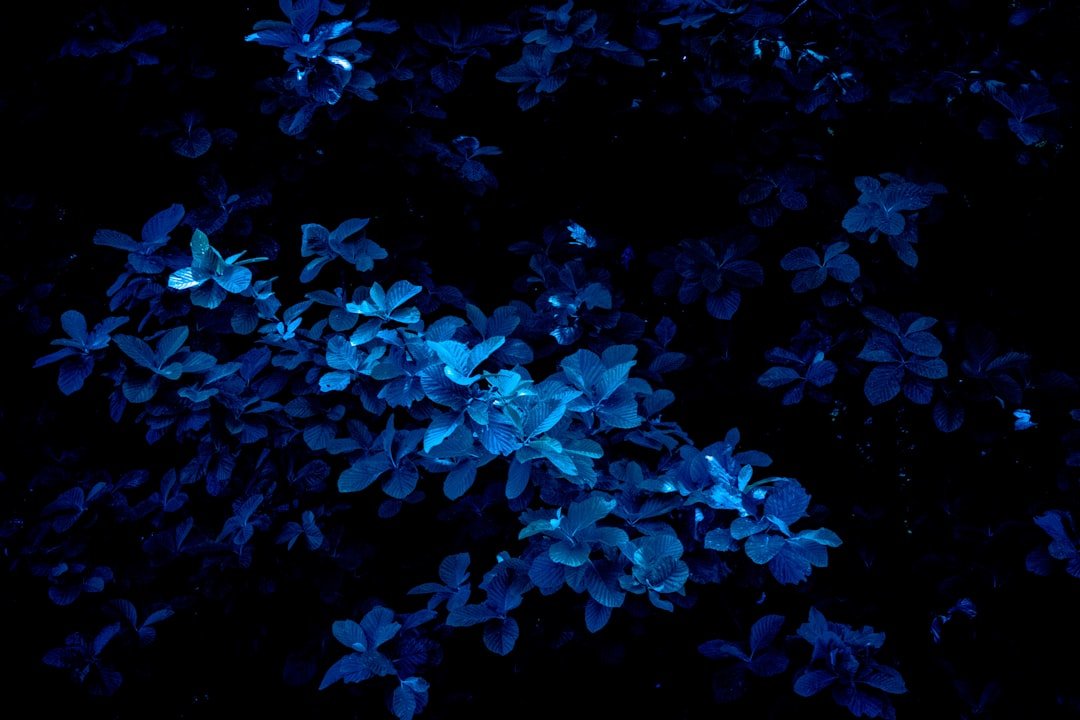
Small choices add up. Use warm, shielded outdoor lighting at home and on farms to reduce glare and spectral spill into the UV range. Plant night‑blooming, native species that support pollinators after dusk, and avoid pesticides that strip the nocturnal buffet bats rely on. Support dark‑sky initiatives in your city or county, and ask utilities to consider wildlife‑sensitive spectra when modernizing streetlights. If you garden, leave a few ripe fruits to fall and feed the night, then clean up in the morning to keep balance with other wildlife needs.
Curiosity helps too. Join a local bat walk, try a smartphone bat detector, and record what you hear on warm evenings. Share observations with community science platforms to help researchers map bat activity against lighting and plant cues. Donate or volunteer with organizations that protect bat habitats and fund sensory‑ecology research. The night is richer than it looks – are you ready to see what’s been glowing all along?
Suhail Ahmed is a passionate digital professional and nature enthusiast with over 8 years of experience in content strategy, SEO, web development, and digital operations. Alongside his freelance journey, Suhail actively contributes to nature and wildlife platforms like Discover Wildlife, where he channels his curiosity for the planet into engaging, educational storytelling.
With a strong background in managing digital ecosystems — from ecommerce stores and WordPress websites to social media and automation — Suhail merges technical precision with creative insight. His content reflects a rare balance: SEO-friendly yet deeply human, data-informed yet emotionally resonant.
Driven by a love for discovery and storytelling, Suhail believes in using digital platforms to amplify causes that matter — especially those protecting Earth’s biodiversity and inspiring sustainable living. Whether he’s managing online projects or crafting wildlife content, his goal remains the same: to inform, inspire, and leave a positive digital footprint.