
I’ve knelt beside sandy riverbanks and seen nothing but a tidy pinhole in the ground – until the surface suddenly twitched, and a small predator exploded upward like a spring toy. That “nothing” is a larval tiger beetle’s doorway, a living plug that seals a vertical burrow until the right footstep rattles the soil. This is stealth engineering at insect scale: a youngster that builds the house, becomes the door, and turns the entire structure into a weapon. Scientists have known the basics for decades, yet new fieldwork and lab studies keep revealing fresh tricks hidden in those small, circular entrances. The result is a miniature master class in ambush design that rivals the famous trapdoor spider for drama, but with a very different blueprint.
The Hidden Clues
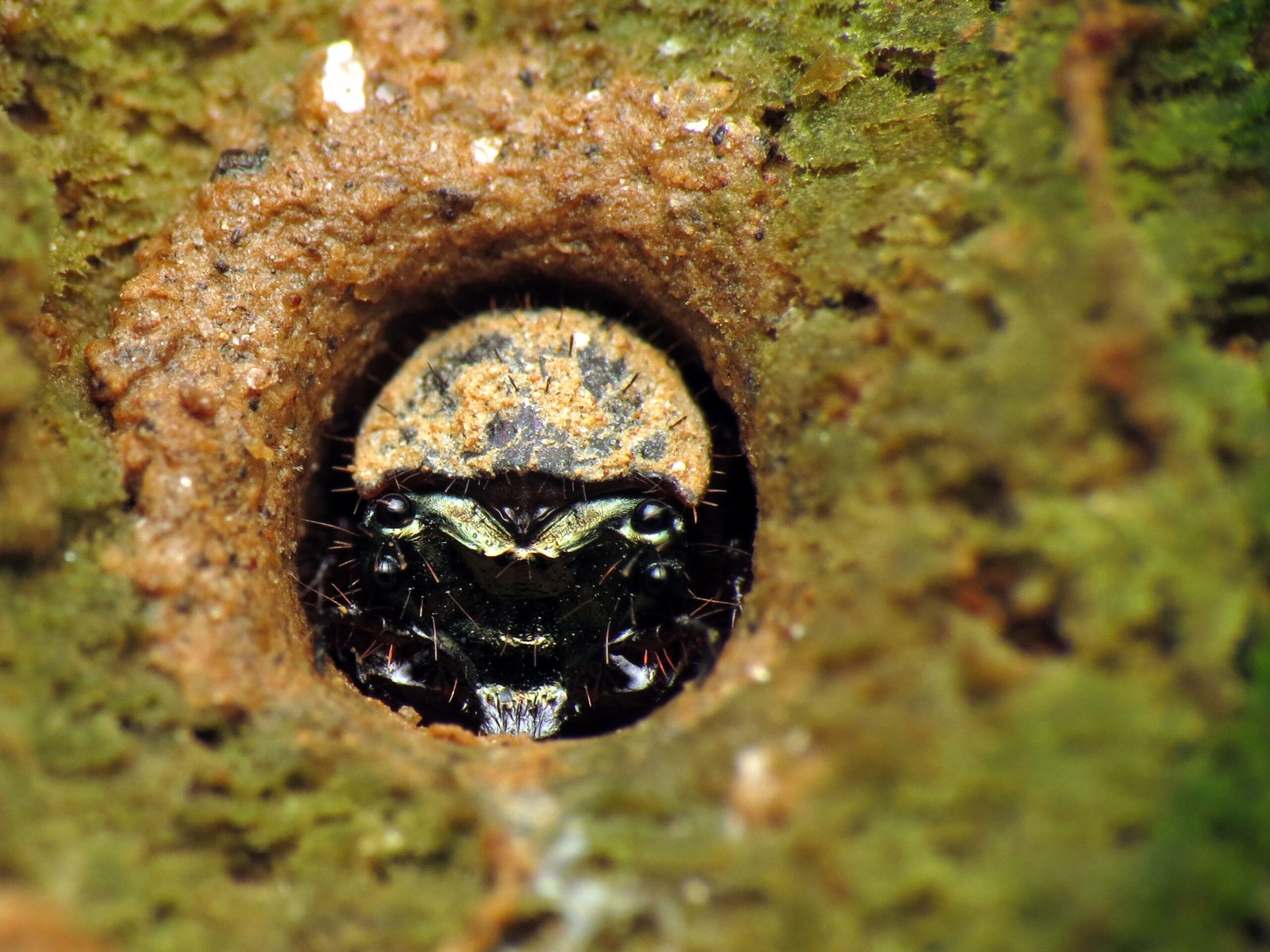
Walk an open sand bar or dry path and you might miss the sign: a coin-sized circle of slightly firmer soil where a larva waits just beneath its own sealed roof. The burrow is vertical and snug, a custom-fit shaft that the larva deepens as it grows, sometimes reaching roughly about a foot and a half in depth. When vibrations from a passing ant or beetle ripple through the grains, the larva snaps upward, clamps its curved jaws on the target, and drags it down before the sand even settles. It’s a clean hit-and-vanish routine, repeated day after day from the same address. The whole performance depends on that plug at the top – a door made of the larva’s head and thorax, held flush with the ground until the instant of attack.
Researchers have also found that some tiger beetle larvae place additional soil “plugs” not only at the surface but at variable depths below, likely to manage moisture and camouflage or to confuse enemies – an added layer of home security inside the shaft. Even when rain is not recent, field burrows can be found sealed, suggesting larvae sometimes close up shop for reasons beyond flood control, from heat management to pre-molt downtime. This hidden architecture turns a simple tube into a tunable bunker, adaptable to the day’s weather and threats. The little engineer is both occupant and gatekeeper, switching between waiting mode and launch mode in a blink. It’s not just a hole – it’s a flexible device.
Meet the Architect
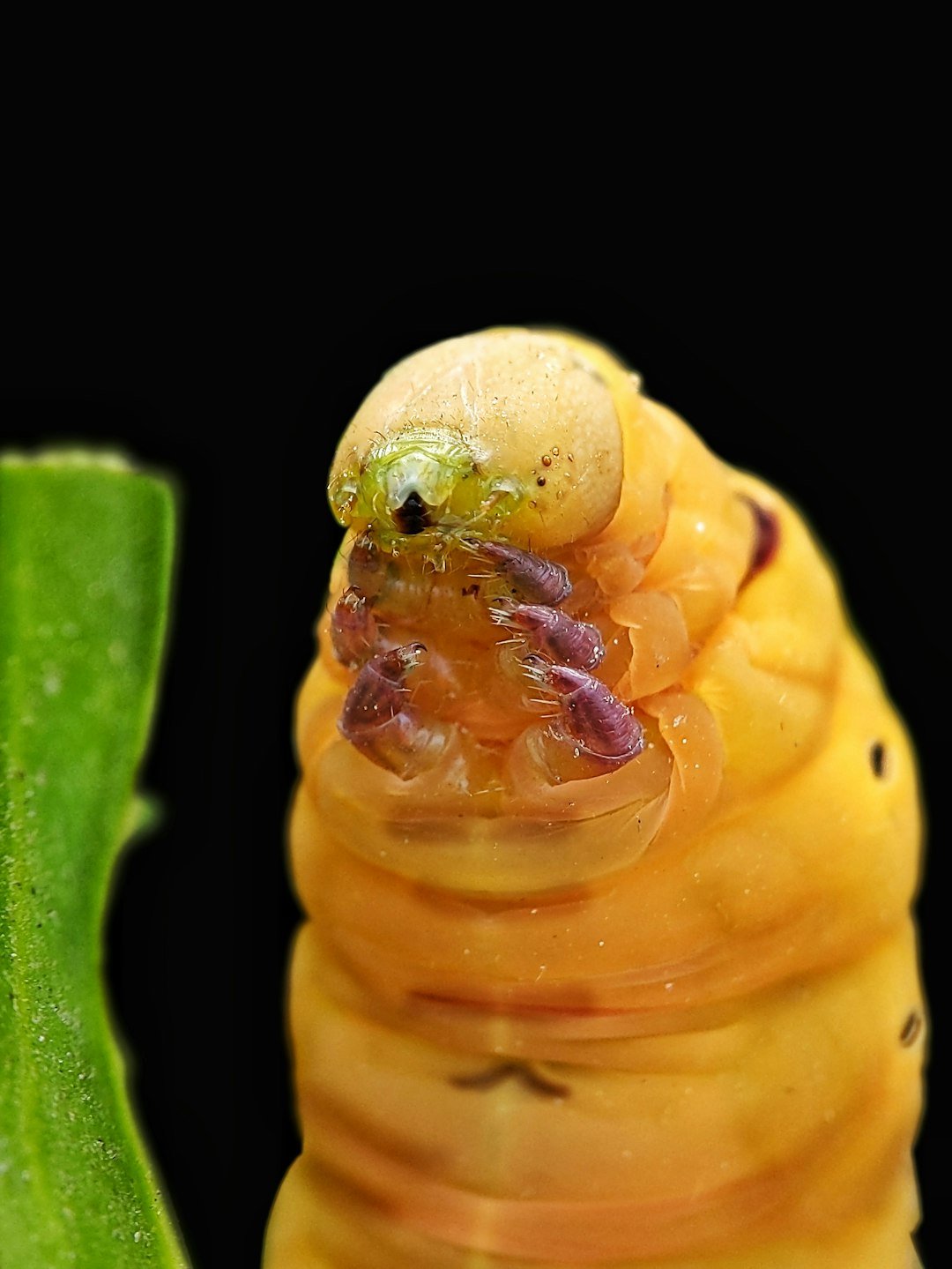
Tiger beetle larvae are built for this life. Their heads are broad and armor-like, their jaws curved and sharp, and midway down the back sits a pair of stout dorsal hooks – a signature feature that anchors the body against the burrow wall. Those hooks act like a climber’s cams: when prey struggles, the larva digs in and resists being yanked out, then uses the same hardware to lever back down with its prize. The rest of the body is S-shaped and springy, primed for a fast, backward snap that turns stored tension into a catching strike. Put together, the design reads like a field manual for subterranean ambush. Function drives form at every edge and hinge.
The construction starts early. After the egg hatches in the soil, the larva expands the starter hole by loosening grains with its jaws and shoveling with its head, flipping spoil to the surface in tidy arcs. As it grows through three larval stages, it deepens and widens the shaft, keeping the fit tight so the body can brace anywhere along the walls. Many larvae complete their development over one to several years, depending on climate and food, weathering floods by sealing the entrance and waiting it out. Before pupation, they plug the doorway for good, carve a side chamber, and transform. The adult that emerges races across the surface world; the door-maker trades its trap for speed.
How the Spring Works
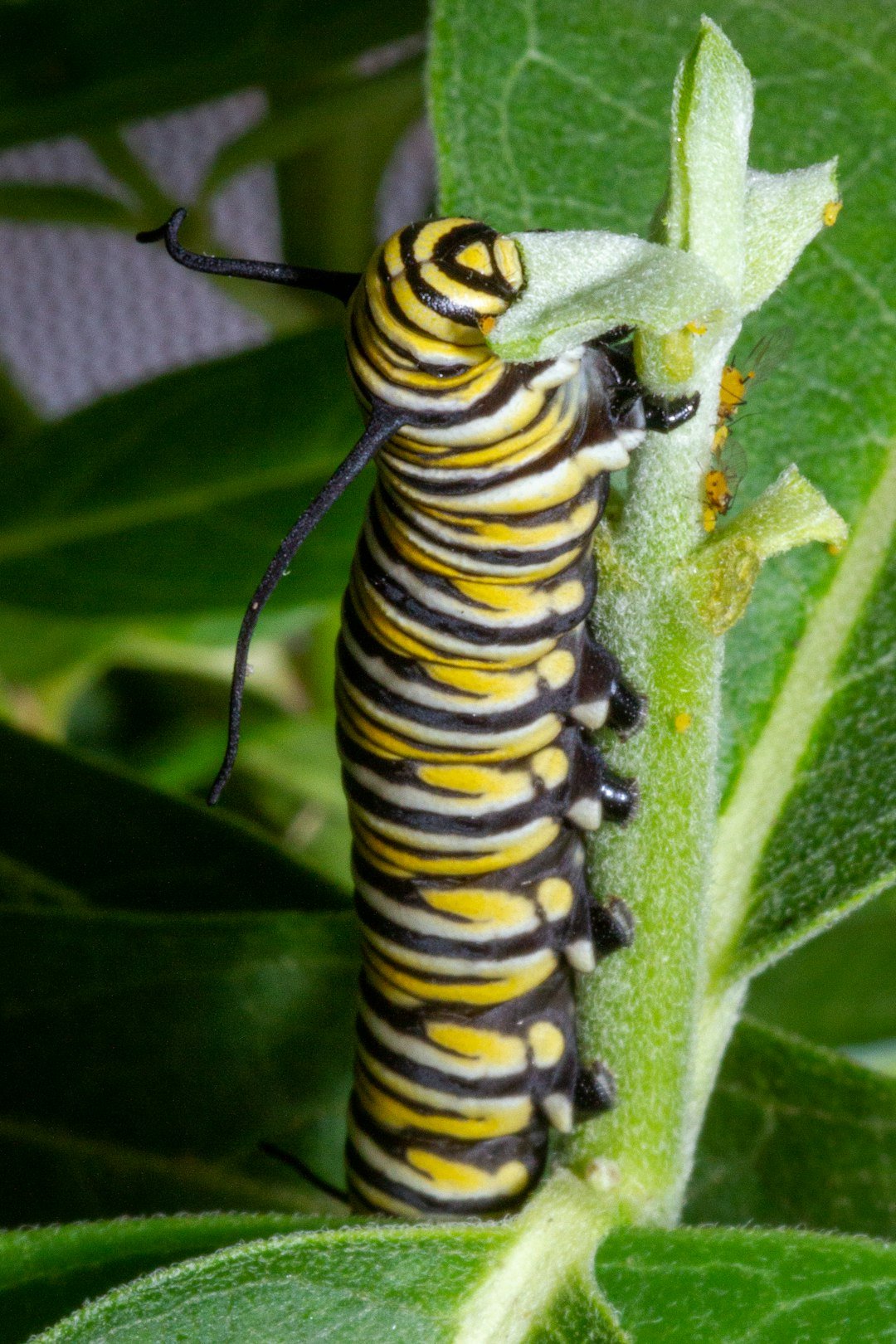
From above, the strike looks like a blur; from the larva’s perspective, it’s mechanics. Anchored by those dorsal hooks and clawed legs, the larva flexes and then throws its head up and back, snapping the jaws shut on anything within reach. The door – the armored head and pronotum – keeps the entrance perfectly flush until the launch, minimizing drag and preventing spillage of sand that could warn prey. It’s a catapult built from muscles and leverage rather than rigid springs. Even large victims are hauled down by alternating bursts of pulling and bracing, hand-over-hand in the dark. The physics is simple: short movements, high acceleration, no wasted motion.
I remember resting a fingertip near one burrow to feel the micro-tremors, as if the ground itself was listening back. The larva’s sensitivity to vibrations turns footsteps into coordinates; what feels to us like stillness is, to it, a map of nearby life. That sensory edge is shared with other sand ambushers – antlions, for instance – but tiger beetle larvae swap pits for doors, trading avalanche traps for precision lunges. Both strategies work, but the door method is all about economy: wait, confirm, strike, reset. It’s a rhythm easy to miss unless you slow down and watch the tiniest movements in the sand.
From Ancient Tools to Modern Science

The “trapdoor” we see here isn’t a hinged lid like a spider’s; it’s a living shield that doubles as a launch platform. True trapdoor spiders sew a corky door with a silk hinge and pop out to grab prey, yet their engineering and lineage are completely different. The tiger beetle larva’s approach evolved independently, converging on the same core idea – control the doorway, control the encounter. That convergence matters because it shows how disparate animals solve a shared problem with alternative parts: silk versus armor, legs designed to dig versus a body designed to brace. Natural history is full of such echoes, and they point to general rules hidden in the details. When multiple lineages land on door-based ambush, you pay attention.
Recent work adds another twist: a click beetle larva from Japan that ambushes land snails from a burrow and drags them underground, a behavior only documented in 2024. It doesn’t build a hinged door either, but it exploits the same ambush logic from below, extending the script to very different prey. That discovery underscores how much larval stages still surprise us; we often know the adult, not the youngster that writes the story’s first chapters. The more biologists look for unusual larval behaviors, the more fine-print tactics they find in familiar habitats. Burrows, plugs, and sudden lunges are not quirks – they’re a recurring theme. The surface can be quiet while the ground is busy thinking.
Why It Matters

Ambush doors change who eats whom. By turning a patch of sand into a one-way portal, larval tiger beetles shape local arthropod traffic and energy flow, picking off foragers that might otherwise roam freely. They also support predators of their own – bee flies, wasps, and birds cue in on burrow sites – so the door becomes a node in a bigger web of interactions. From a scientific angle, the system is a tidy model for testing questions about vibration sensing, power-amplified strikes, and decision-making under uncertainty. Each burrow is a field lab, open all summer and repaired overnight. Conservationists care too, because fragile, open soils and river-edge sands where these larvae thrive are among the first habitats to be trampled, paved, or washed away.
Compared with classic pitfall hunters like antlion larvae, door-ambushers rely less on maintaining a large structure and more on the larva’s morphology and rapid movement. That makes them sensitive to different stressors: substrate compaction that prevents burrowing, for example, can be more damaging than a little shifting sand that would wreck a pit. The contrast helps managers predict which species will vanish first when trails harden or vehicles churn riverbars. It also reframes “tiny holes in the ground” as micro-habitats worth mapping. In short, you can’t manage what you don’t see, and most people never see the doors until someone points them out.
Global Perspectives

Tiger beetle larvae occupy open substrates on nearly every continent, from temperate beaches and river margins to desert flats and forest paths. In North America, countless species run the surface as adults while their larvae lie in wait below, repeating an ancient pattern adapted to local soils and seasons. Across the Pacific, the recent click beetle discovery in Okinawa shows that doorless but comparable burrow ambush can arise in unrelated beetle families, expanding the menu to snails rather than insects. Even arboreal tiger beetle relatives in the tropics carve tunnels in plant stems, proof that the burrow-and-lunge idea can move off the ground entirely. Diversity of setting, unity of plan – that’s the headline. The blueprint is flexible enough to succeed from riverbank to rainforest twig.
Global change will shuffle these patterns. Where floods become flashier, sealed burrows will matter more; where soils crust and compact, larvae may fail to dig at all. On busy beaches and off-road corridors, repeated disturbance can collapse shafts or force larvae to rebuild so often that growth slows. Conversely, restoring natural sand movement or seasonal river pulses can create the open, sparsely vegetated patches these ambushers prefer. The same is true for invasive plants that mat the ground; thinning them can reopen the surface for both prey and predator. Tiny doors end up being sensitive dials for big environmental shifts.
The Future Landscape
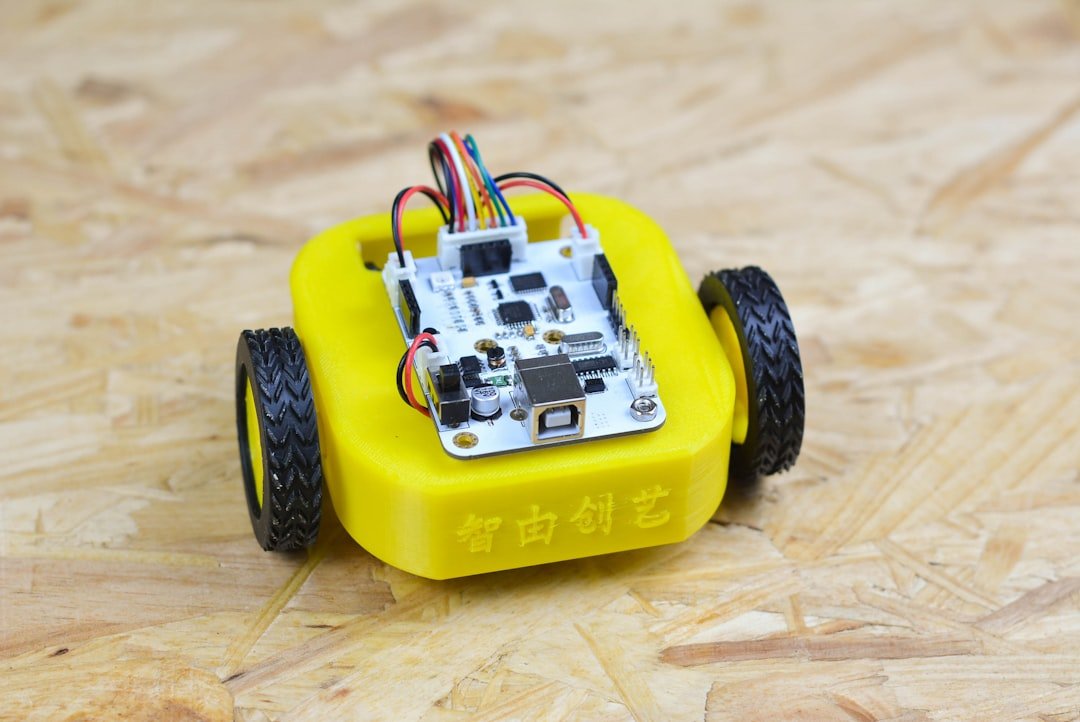
Technologists are already borrowing from small animals to design soft, fast actuators; the door-and-lunge strategy offers fresh inspiration. Imagine micro-robots that hold a sealed position with low energy, sense tiny vibrations, and deploy in a short, powerful burst – perfect for soil monitoring or search-and-rescue in debris. Biologists, meanwhile, want better measurements of strike speeds, force profiles, and the neural rules that trigger the jump, work that will lean on high-speed imaging and sensitive geophones pressed into sand. Long-term, pairing vibration mapping with automated image analysis could turn a riverbar into a live dashboard of hidden burrows. Those baselines would help managers catch declines early, before doorways go silent. The larva’s trap could teach us to listen better.
New natural history will keep pushing the envelope. One priority is documenting how often larvae build internal plugs and how plug depth changes with heat, humidity, and predator pressure across species and regions. Another is mapping how vehicle traffic and recreation alter burrow density over a season, a practical metric for land stewards. And as more surprising ambush behaviors like the snail-hunting click beetle turn up, we may find a spectrum of “door technologies” from head-plugs to silk lids to sand caps. Even in well-trodden family trees, the larval chapters are often the least read – and the most inventive. The next big insight may be hiding under a circle of sand smaller than a bottle cap.
Conclusion
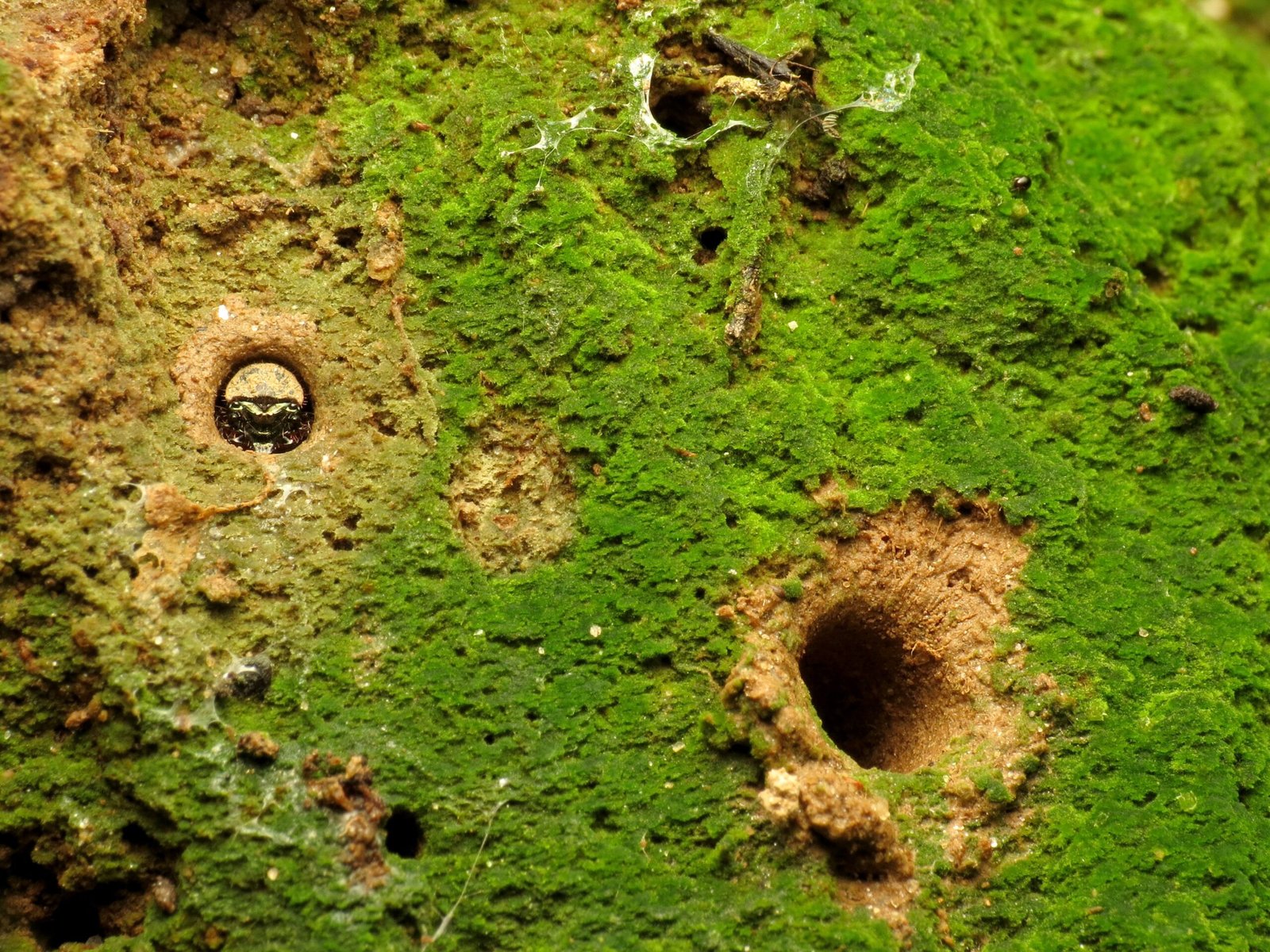
If you spot a neat round hole in open sand or fine soil, pause and watch – there may be a door just below the surface. Keep pets, bikes, and vehicles off sparsely vegetated sandbars and beach wrack lines where larvae dig, especially in spring and summer. Join local bioblitzes and log burrow locations and dates; consistent observations, even from the same short trail, can help track seasonal patterns. Support projects that restore natural river flows, dunes, and open sandy patches, which benefit both the ambushers and their prey.
Suhail Ahmed is a passionate digital professional and nature enthusiast with over 8 years of experience in content strategy, SEO, web development, and digital operations. Alongside his freelance journey, Suhail actively contributes to nature and wildlife platforms like Discover Wildlife, where he channels his curiosity for the planet into engaging, educational storytelling.
With a strong background in managing digital ecosystems — from ecommerce stores and WordPress websites to social media and automation — Suhail merges technical precision with creative insight. His content reflects a rare balance: SEO-friendly yet deeply human, data-informed yet emotionally resonant.
Driven by a love for discovery and storytelling, Suhail believes in using digital platforms to amplify causes that matter — especially those protecting Earth’s biodiversity and inspiring sustainable living. Whether he’s managing online projects or crafting wildlife content, his goal remains the same: to inform, inspire, and leave a positive digital footprint.