The scene looks peaceful from above: a frozen pond, muffled air, and a hush that feels permanent. Below the ice, though, a cold-blooded drama plays out as freshwater turtles face months with almost no access to air. The mystery is how they make it through without surfacing, and the answer sounds like a joke until you meet the biology: they can draw oxygen through their rear end. This quirk isn’t a party trick – it’s a survival system honed over millions of winters. Understanding it reshapes how we think about metabolism, climate resilience, and even medical science.
The Hidden Clues
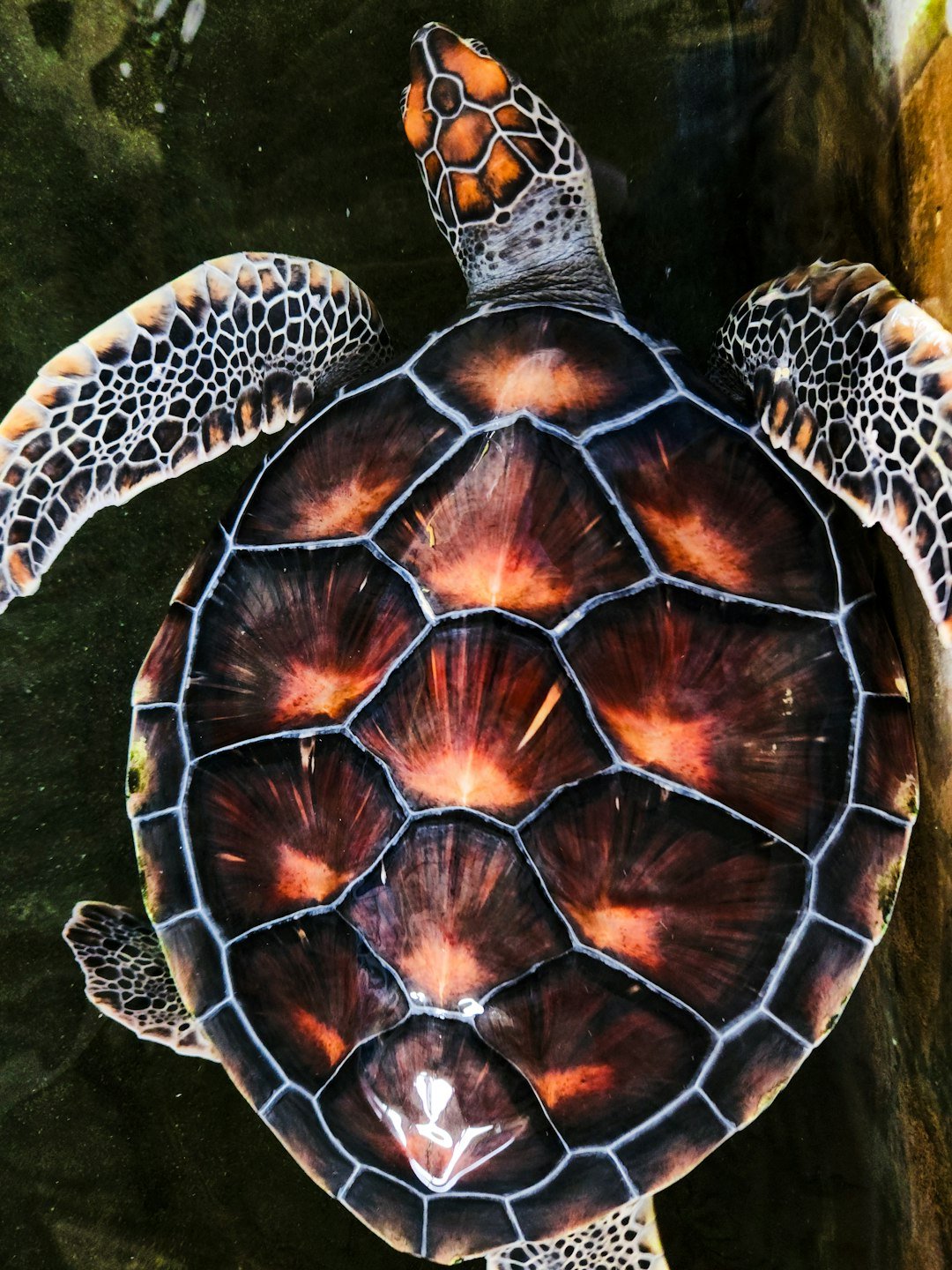
What kind of animal can all but idle its heart and still sip oxygen through a hidden set of internal “gills”? A wintering turtle pulls this off by using the cloaca – the all-purpose opening at the tail end – as a gateway for gas exchange. Inside are pouch-like chambers called bursae lined with delicate, feathery folds rich in blood vessels. Cold water, which holds more dissolved oxygen than warm water, laps through these chambers as the turtle gently pumps it in and out. The result is a slow, steady trickle of oxygen that keeps the lights on.
The first time I pressed my face to midwinter ice and saw a painted turtle resting in place, I assumed it was barely alive; in a way, that was true. Its body had dialed everything down to conserve fuel, relying on this backdoor oxygen supply to avoid sprinting toward catastrophe. The clues were there the whole time – stillness, patience, and a physiology wired to make the most of winter’s quiet.
From Ancient Tools to Modern Science
From Ancient Tools to Modern Science (Image credits: wikimedia)
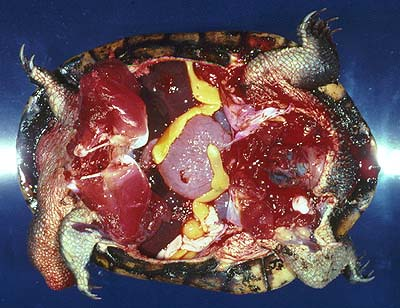
Early naturalists guessed that turtles “slept” underwater, but they lacked the tools to see how. Modern imaging has changed that: micro-CT scans reveal intricate cloacal bursae, and high-resolution histology shows capillary-dense frills that look shockingly like aquatic filters. Researchers use respirometry to track oxygen uptake in near-freezing water, matching the trickle of oxygen to the turtle’s reduced metabolic rate. Data loggers tucked into shells record movement, temperature, and heart rhythm over long winters without disturbing the animals. Together, these methods turned folklore into physiology.
Just as important are carefully controlled lab winters that mimic ice-covered ponds. Scientists observe when turtles shift from comfortable oxygen sipping to dangerous hypoxia, then watch how their biochemistry pivots. Each experiment refines a simple story into a layered one, revealing thresholds, trade-offs, and species differences that matter for survival.
Winter Physics, Winter Physiology
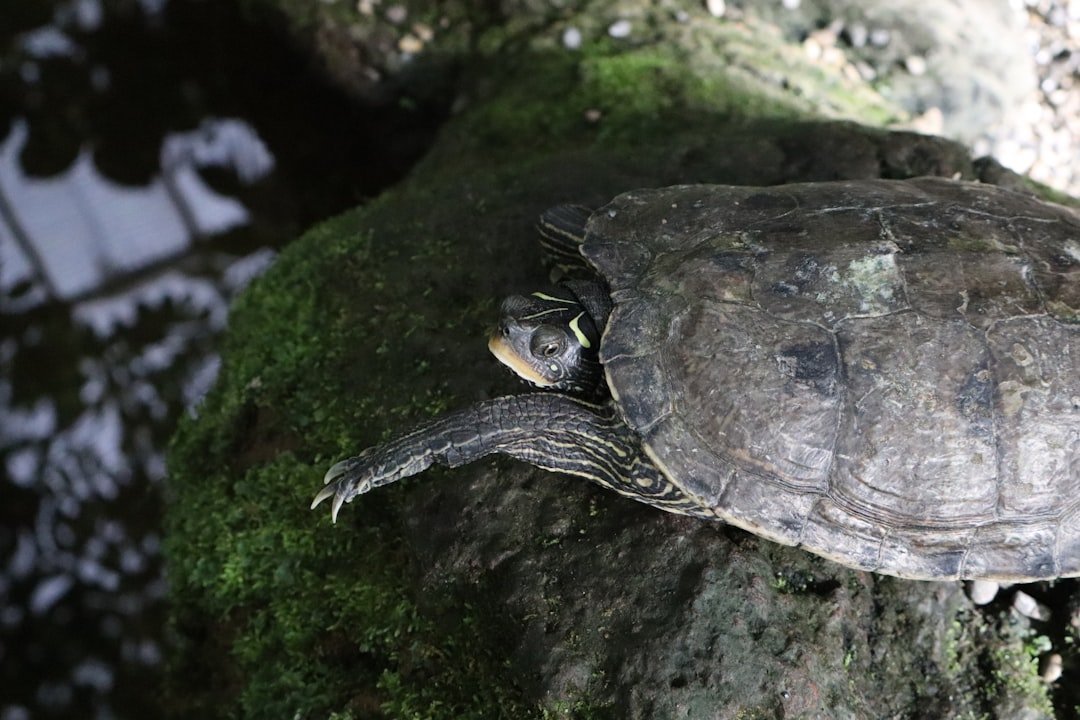
Winter grants turtles an unlikely ally: cold water that naturally carries more oxygen. Under intact ice, that reservoir can be enough to meet a drastically lowered metabolic demand, especially for turtles that barely move. The animals reduce energy use to a fraction of their summer needs, letting a trickle of oxygen do the work of a river. Heart rate slows, digestion shuts down, and the brain runs in a low-power mode that would wreck a warm-blooded animal. The shell’s insulation and the turtle’s compact design help hold steady in this suspended state.
But winter also has a nasty side. Dead leaves and algae consume oxygen as they decompose, and a snow-blanketed ice sheet blocks light, throttling photosynthesis. In such ponds, oxygen can crash, forcing turtles to lean on a different trick – endurance in the absence of oxygen – until spring breaks the seal.
The Cloacal Bursae: Nature’s Backdoor Gills
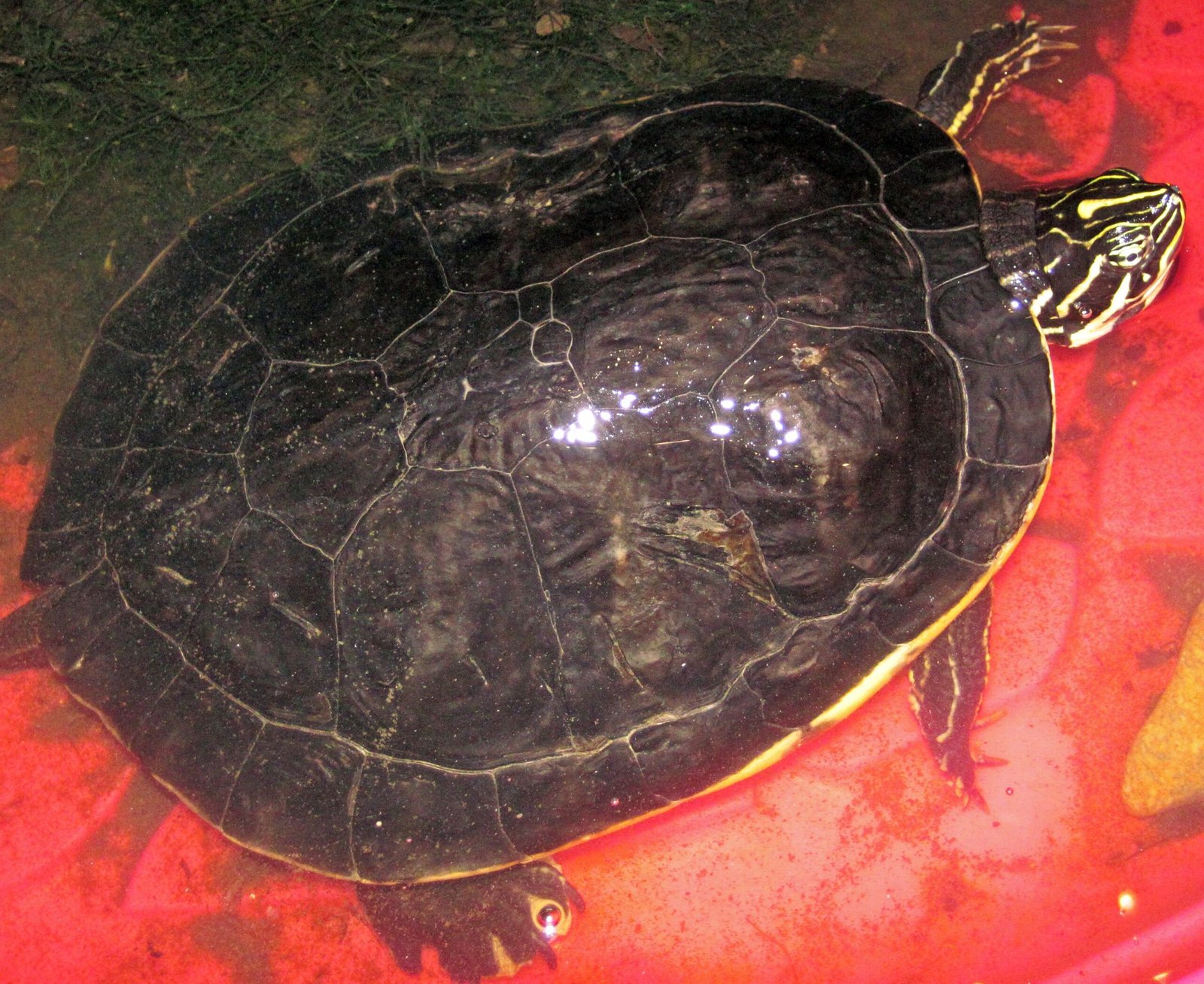
Think of the cloacal bursae as two folded, velvety pockets that water passes through, meeting blood vessels ready to grab dissolved oxygen. Unlike true gills with filaments splayed into open water, these structures hide inside the cloaca, protected from debris and freezing currents. Some turtles, like certain Australian river species, are especially adept at this, spending long stretches underwater by harvesting oxygen through the bursae. North American species that overwinter under ice also use this pathway, along with gas exchange across soft skin and the lining of the mouth and throat. It’s a whole-body solution, but the cloaca takes the starring role when lungs are off-duty.
The design is elegantly simple: increase the surface area, keep the tissues thin, and bathe them in oxygen-rich water. Tiny muscular movements pulse water in and out, much like a slow pump, without burning much energy. That minimal effort is key when every molecule of fuel counts.
When Oxygen Runs Out
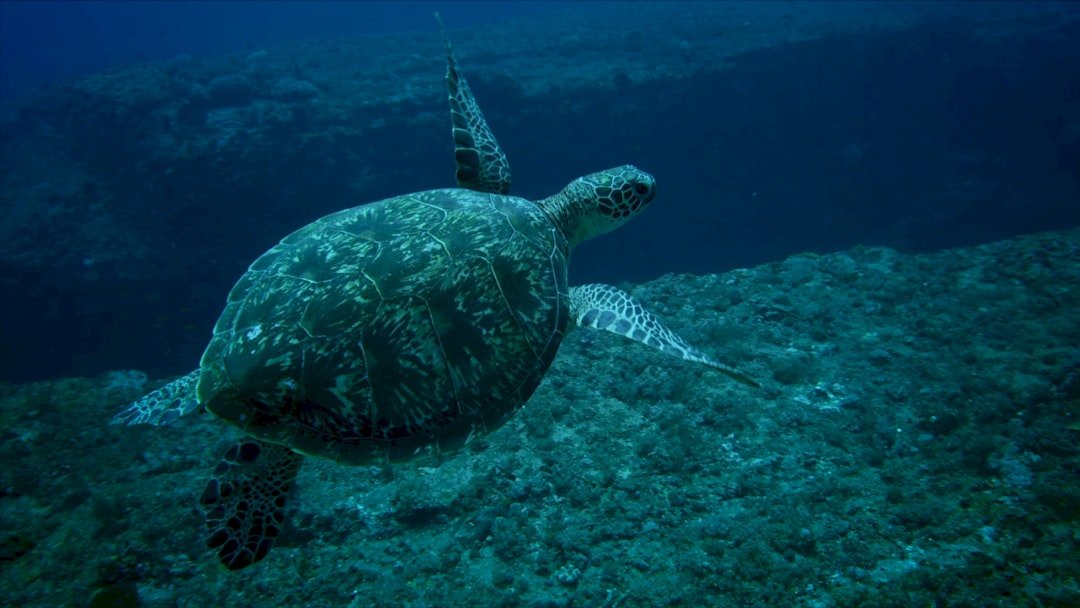
If the pond’s oxygen fades to near zero, turtles pivot to anaerobic metabolism, burning fuel without oxygen and building lactic acid as a byproduct. For most animals, that acid surge is a fast ticket to organ failure; turtles have a workaround. Their shells and bones release buffering minerals that bind the acid, buying weeks or even months of time at low temperatures. The heart keeps a cautious rhythm, and the brain stays just active enough to coordinate essential life support. It’s a biochemical waiting game focused on endurance, not comfort.
When spring sunlight returns, oxygen rises, and the turtle can start clearing the backlog. Slow stretches and renewed breathing flush the system, minerals re-balance, and normal rhythms creep back. It isn’t glamorous, but it’s one of the most remarkable feats of vertebrate survival.
Why It Matters
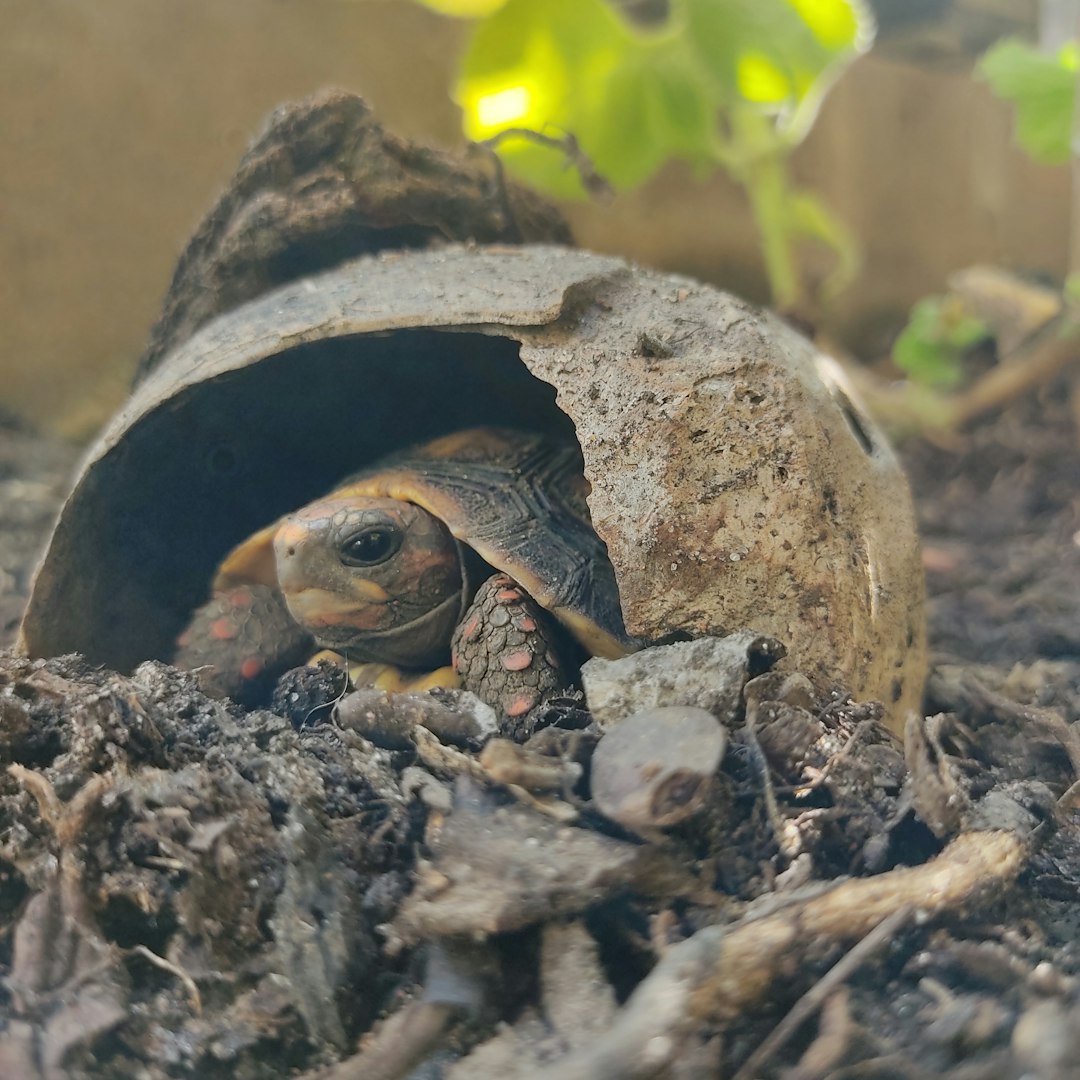
This winter strategy isn’t only about a quirky fact; it’s a master class in surviving extremes. Turtles show how an animal can enter deep metabolic depression without the cellular carnage that would topple mammals. Compared with hibernating bears or torpid bats, which keep some heat and rely on stored fat, turtles operate closer to a living pause button. That contrast opens windows for medicine, from protecting organs during surgery to managing oxygen-starved injuries. It also teaches us that resilience often hinges on many small advantages – a little oxygen here, a buffer there – rather than a single silver bullet.
For conservation, the lesson is blunt. If winter water stays oxygenated, turtles thrive; if it tips into anoxic sludge, they’re in trouble. Water clarity, nutrient loading, and the timing of ice cover decide life or death more than the cold itself. That’s a shift in focus from temperature alone to the chemistry of the places turtles call home.
Global Perspectives
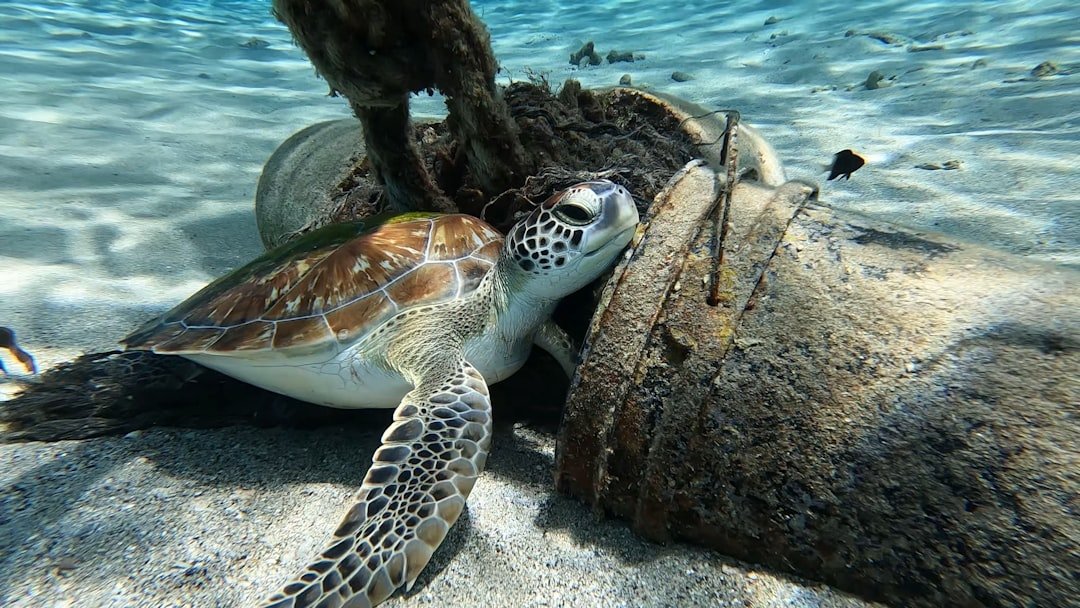
Across continents, different turtles arrive at similar solutions shaped by local waters. In fast, clear rivers, species that excel at cloacal respiration can stay active longer underwater, while pond dwellers lean on metabolic depression to ride out a sealed winter. Regions with prolonged ice and heavy leaf fall face greater risks of oxygen crashes than airy, spring-fed systems. Urban ponds add another layer, where runoff and salt can alter density and circulation, subtly changing oxygen patterns under the ice. The same physics, different outcomes.
These contrasts suggest that one-size-fits-all conservation won’t cut it. Protecting a river turtle that relies heavily on cloacal bursae demands clean, flowing water, while a pond turtle’s fate hinges on winter oxygen budgets and habitat complexity. Local detail, not broad labels, is what keeps shells above the line.
The Future Landscape
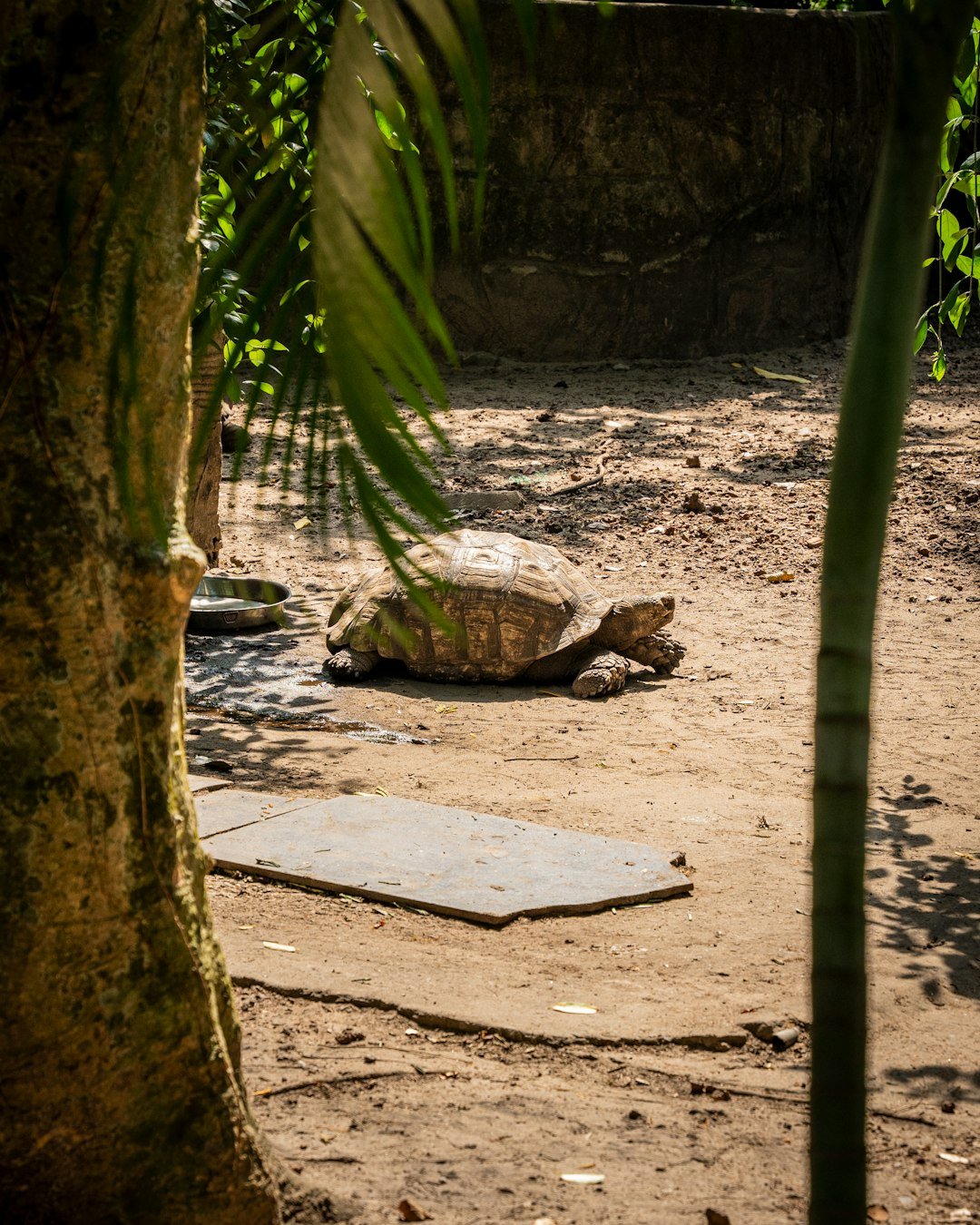
The next decade will test these winter strategies in shifting waters. Warmer winters can shorten ice cover in some places, yet more erratic storms can dump nutrients and deepen oxygen swings. Scientists are deploying tiny loggers that track dissolved oxygen, temperature, and turtle motion through entire winters, and pairing them with environmental DNA to map who’s there when no one is watching. Noninvasive imaging and molecular tools are probing how cells avoid damage during months of low oxygen. The goal isn’t just to marvel – it’s to forecast which wetlands will keep working as safe winter vaults.
There’s also a biomimicry angle worth watching. If we understand how shell minerals buffer acid and how tissues endure low oxygen without scarring, we might design better preservation methods for organs and new strategies for trauma care. The turtle’s slow winter could inform fast fixes in human medicine.
Simple Steps: A Call to Action
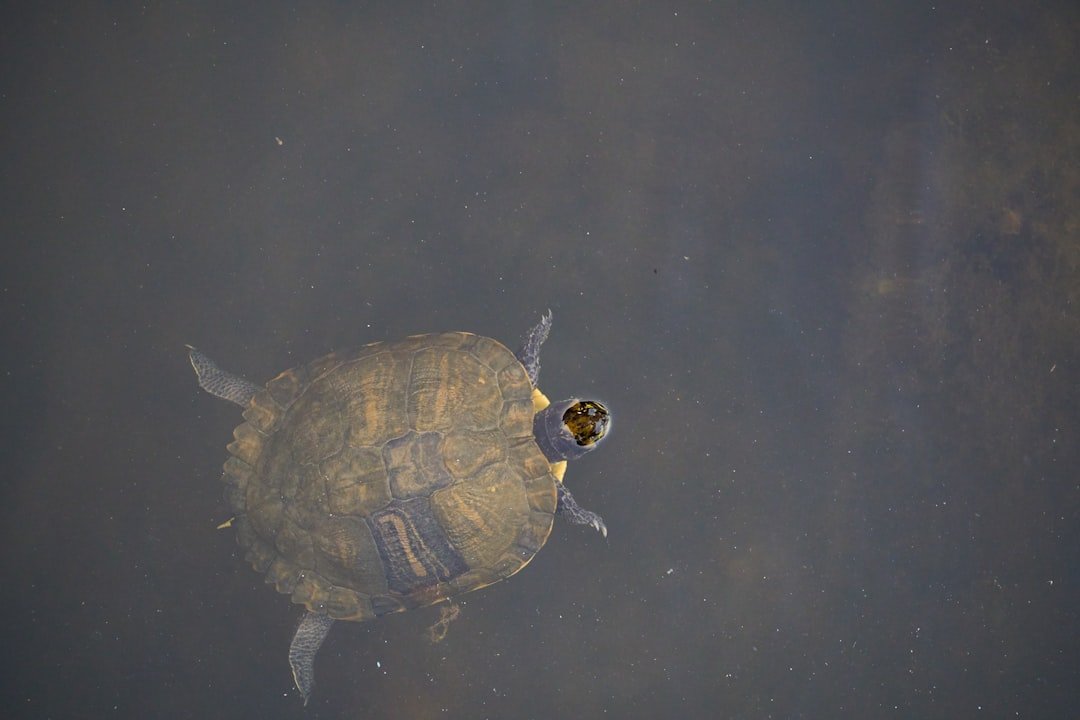
Start local: if you live near a pond or slow stream, think about what flows into it. Leaves and fertilizer don’t just disappear; they feed winter oxygen crashes that turtles can’t always outlast. Support wetland buffers, plant native vegetation along shorelines, and keep yard nutrients on land. When ice forms, resist the urge to “rescue” resting turtles; disturbing them costs precious energy they can’t spare. Report turtle sightings to local herpetology groups so researchers can map overwintering hotspots.
If you’re a community leader or teacher, fold turtles into water-quality projects and winter science lessons. Encourage parks to limit winter de-icing near wetlands and to preserve submerged logs and leaf mats that create microhabitats. Small choices ripple through the quiet season. The next time you cross a frozen pond, remember the ancient patience below and ask yourself: will you help keep that underwater breath going when the world holds still?
Suhail Ahmed is a passionate digital professional and nature enthusiast with over 8 years of experience in content strategy, SEO, web development, and digital operations. Alongside his freelance journey, Suhail actively contributes to nature and wildlife platforms like Discover Wildlife, where he channels his curiosity for the planet into engaging, educational storytelling.
With a strong background in managing digital ecosystems — from ecommerce stores and WordPress websites to social media and automation — Suhail merges technical precision with creative insight. His content reflects a rare balance: SEO-friendly yet deeply human, data-informed yet emotionally resonant.
Driven by a love for discovery and storytelling, Suhail believes in using digital platforms to amplify causes that matter — especially those protecting Earth’s biodiversity and inspiring sustainable living. Whether he’s managing online projects or crafting wildlife content, his goal remains the same: to inform, inspire, and leave a positive digital footprint.