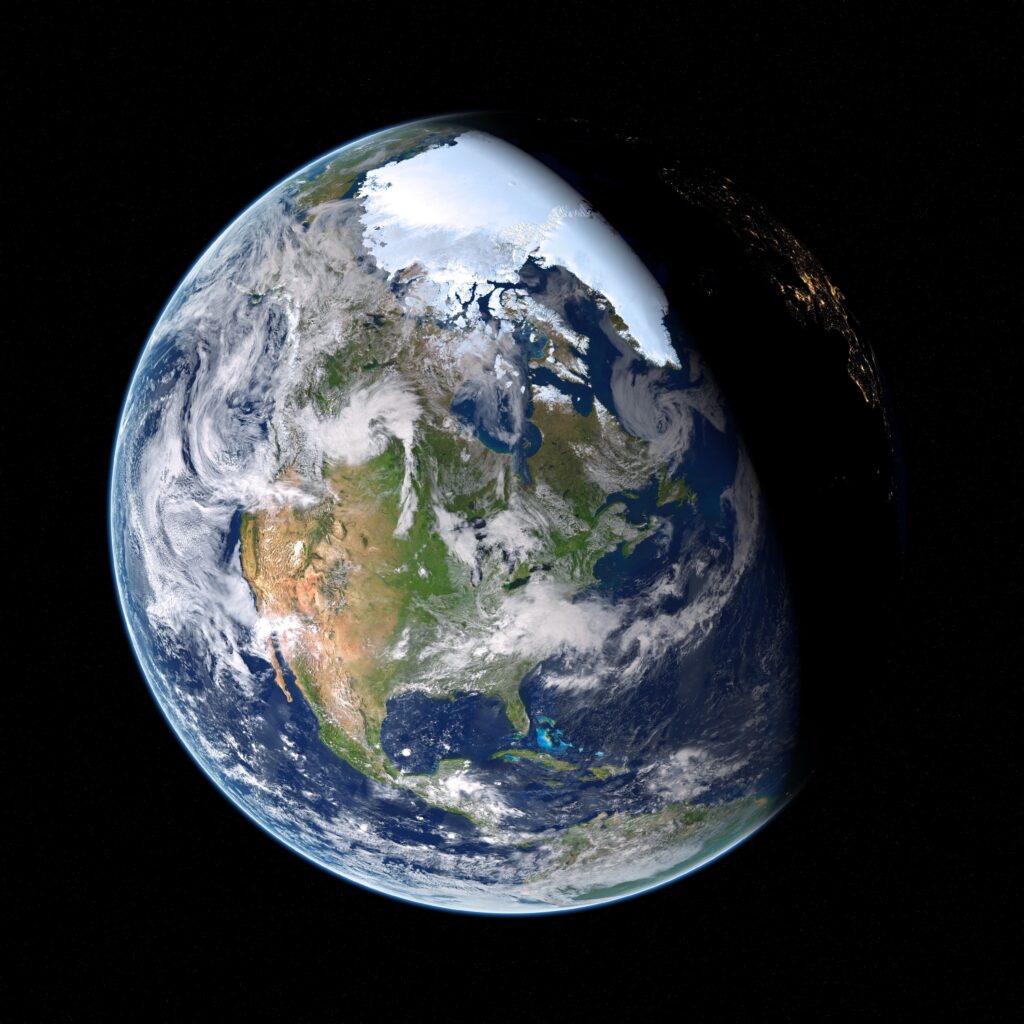
Space doesn’t just loom above us – it has stamped its fingerprints into our rocks, oceans, climate, and even the length of our day. Scientists now read those marks like a case file, tracing cataclysms and quiet nudges that steered Earth’s story long before we arrived. What emerges is part thriller, part user’s manual for a restless planet still tethered to the cosmos. The mystery is not whether space changes Earth, but how deep those changes run – and what they mean for the centuries ahead.
The Hidden Clues
Walk a beach or cross a city street and you’re treading on a palimpsest of cosmic encounters, from buried impact glass to microscopic iron grains that fell as stardust. Geologists drill into ocean floors and retrieve time-capsule sediments laced with extraterrestrial elements, the telltale markers of past encounters. In meteorite collections, researchers find amino acids and complex organics that survived fiery entries, hinting at chemistry seeded from beyond our skies. The big reveal is that Earth’s surface and biosphere were never closed systems; they’ve been porous to space, sometimes gently dusted, sometimes brutally jolted. I still remember holding a vial of seafloor mud in a lab – ordinary brown goo at first glance, but under the microscope it became a cosmic scrapbook.
From Ancient Tools to Modern Science
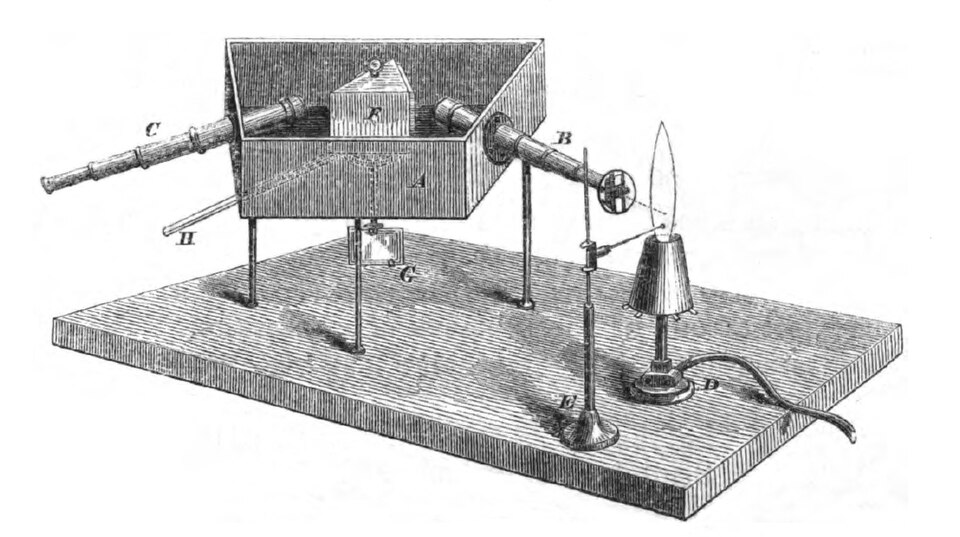
Our ancestors read omens in the night sky; today, scientists read isotopes. Instead of myths, we use mass spectrometers to spot rare isotopic fingerprints like iron-60 and beryllium-10, which betray supernova dust and cosmic-ray surges. Ground-penetrating geophysics maps circular scars beneath jungles and seas, revealing craters hidden under eons of sediment. Satellite constellations watch the Sun in real time, while ice cores and corals lock in records of past solar storms and shifting day length. The toolkit has changed, but the instinct is similar: search the sky for answers to problems we feel on the ground.
Moonbirth and the Seasons We Live By

One colossal blow likely birthed the Moon roughly four and a half billion years ago, and that single event still shapes every sunrise we see. The impact’s debris coalesced into our lunar companion, and with it came a stabilizing hand on Earth’s tilt – crucial for relatively steady seasons. Tides tugged by the Moon mixed early oceans, sculpted coastlines, and created the daily rhythm that many shoreline ecosystems depend on. That tug also slowed Earth’s spin over deep time, stretching the day from a frantic early pace to the twenty-four-hour beat we know. If you like winters that come and go on schedule, thank a collision in Earth’s infancy.
Impact Winter: When Space Reset the Biosphere
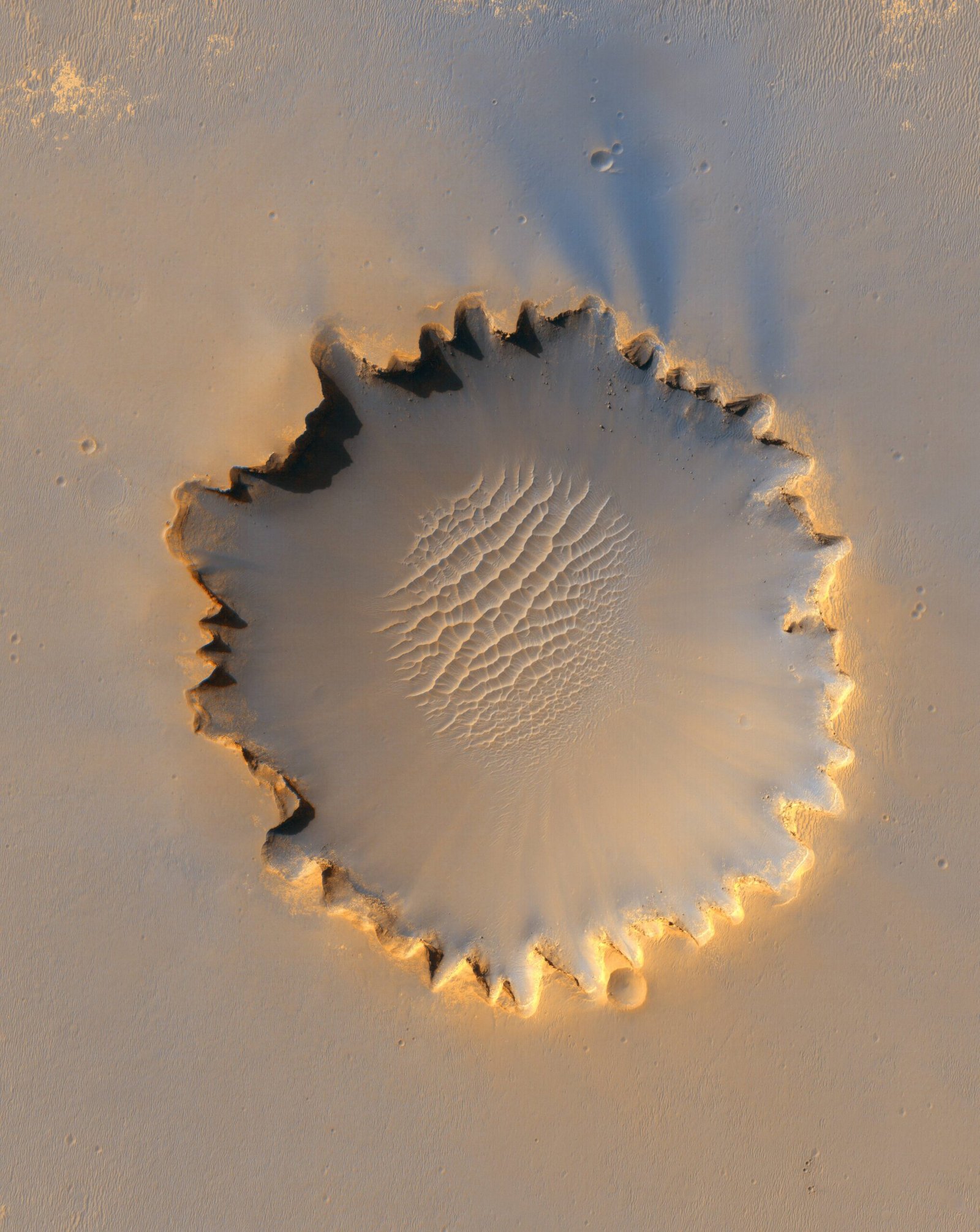
The asteroid that struck near today’s Yucatán Peninsula about sixty-six million years ago rewrote the script for life on Earth. The impact lofted dust, sulfur, and soot into the stratosphere, dimming sunlight and chilling the planet in a devastating impact winter. Forests burned, food webs crashed, and non-avian dinosaurs vanished, clearing ecological space for mammals – and eventually us – to thrive. That crater, more than a hundred miles wide, is not just a geological scar; it’s a hinge in the evolutionary door. Lesser-known craters scattered across the globe tell a similar story on smaller scales: space hits, Earth reels, and biology starts over.
Gravity’s Slow Sculptors: Tides and Orbital Rhythms
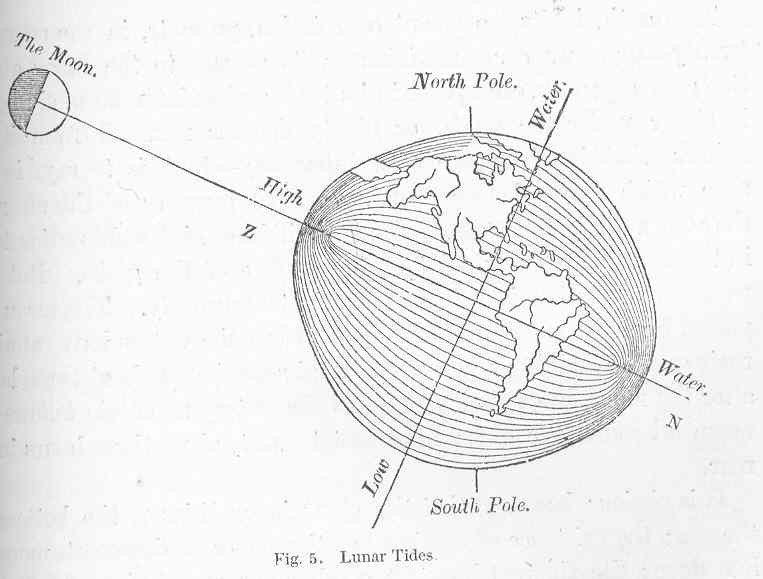
The Moon and neighboring planets exert a quiet tyranny on our world, and their pull shows up in places as humble as a coral. Ancient coral fossils suggest Earth once packed roughly about four hundred days into a year, meaning days were shorter – evidence of the Moon’s steady braking of our rotation. On longer cycles, Earth’s orbit and axial wobble shift the way sunlight is distributed, pacing ice ages and interglacials like a slow celestial metronome. These Milankovitch cycles don’t create ice from nothing; they modulate how and where the cold accumulates, helping tip climate systems across thresholds. The coastlines, river deltas, and glacial valleys we inherit are partly the work of gravity’s patient chisels.
Stardust and Solar Tempests
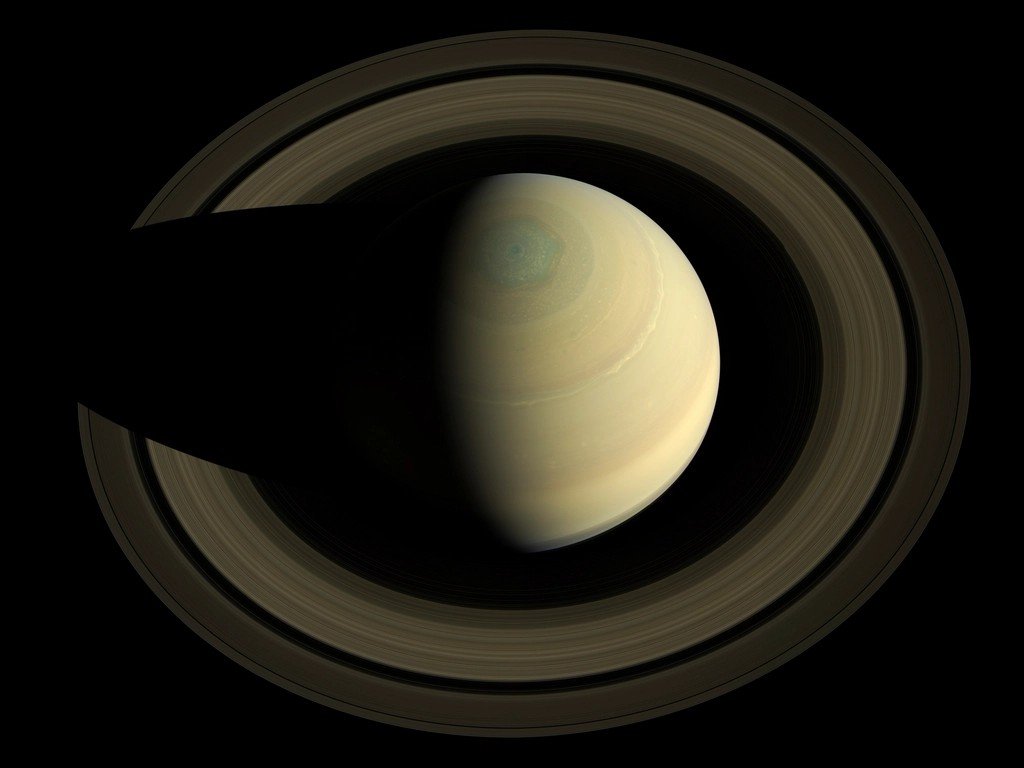
Evidence of past nearby supernovae shows up as microscopic traces of iron-60 in ocean sediments, a sprinkle of stellar ash that arrived long after the dying stars lit the sky. Those particles didn’t end life on Earth, but they remind us that our planet moves through a neighborhood where colossal blasts sometimes happen. Closer to home, the Sun’s tantrums – solar flares and coronal mass ejections – periodically thicken our upper atmosphere, spark auroras, and threaten power grids and satellites. The famous nineteenth-century storm that electrified telegraph lines is a cautionary tale for a world now dependent on GPS timing and orbital hardware. Even without headlines, milder storms subtly change satellite drag and radio communications, a quiet reshaping of the infrastructure we’ve parked above us.
Cosmic Seeds: Dust, Water, and Invisible Particles
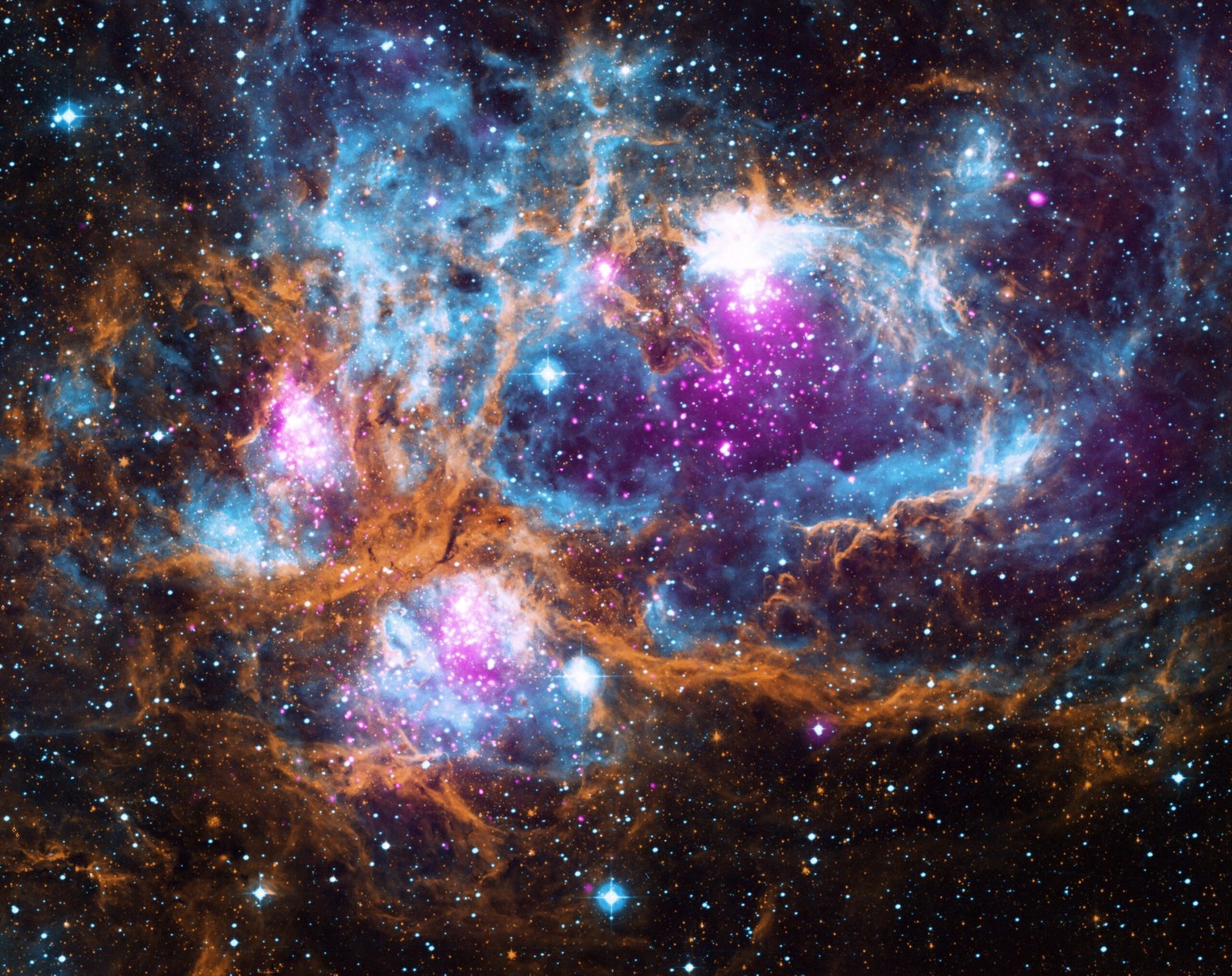
Every day, Earth sweeps up approximately 40-110 tons of interplanetary dust, a drizzle of metal and rock that delivers trace nutrients to the oceans and soils. Carbonaceous meteorites carry complex organic molecules and water-bearing minerals, supporting the view that at least some of our water and prebiotic chemistry arrived by delivery. Comets contribute too, though their water fingerprints vary, and the balance of sources is still being refined. Meanwhile, high-energy cosmic rays continually forge new isotopes in our atmosphere, including carbon-14, which we rely on to date artifacts and track past solar activity. That invisible rain of particles and dust doesn’t just tell time – it helps set the stage on which life and climate evolve.
Why It Matters
Understanding how space has molded Earth moves these stories out of the museum and into everyday life. Coastal planners need reliable tide and sea-level forecasts, which are rooted in lunar dynamics; grid operators model solar storms because a single severe event can disrupt power across regions. Paleoclimate reconstructions tied to orbital cycles help us separate natural rhythms from human-driven warming, sharpening the signal we use to plan adaptation. Public safety also hinges on impact risk assessments that depend on how often space has hit us before. Put simply, the more we trace the cosmic fingerprints, the better we get at protecting what we’ve built and forecasting what comes next.
The Future Landscape
The next decade promises sharper eyes on the sky and deeper cores from below. Survey telescopes will sweep for potentially hazardous asteroids while planetary-defense missions test ways to nudge their paths, transforming impact risk from fate to engineering. New satellites will track solar outbursts in real time, giving operators hours – not minutes – to safeguard spacecraft and power systems. In the lab, improved isotope measurements will tighten timelines for supernova dust arrivals and ancient day length, rewriting chapters we thought were finished. As datasets stack up, I suspect we’ll find more subtle cosmic nudges hiding in plain sight, the kind that matter precisely because they seem small until they don’t.
Conclusion
You don’t need a telescope to help. Support dark-sky policies that make it easier for observatories to spot potentially hazardous objects, and back science funding that keeps impact monitoring and space-weather forecasting robust. If you run critical infrastructure, pressure-test plans for geomagnetic storms and satellite outages – resilience beats hindsight. Visit a local museum or university open house, and bring kids; curiosity is the cheapest planetary-defense technology we’ve got. Most of all, treat Earth as part of a larger system, because that’s how it’s always worked and how it will keep working.
Suhail Ahmed is a passionate digital professional and nature enthusiast with over 8 years of experience in content strategy, SEO, web development, and digital operations. Alongside his freelance journey, Suhail actively contributes to nature and wildlife platforms like Discover Wildlife, where he channels his curiosity for the planet into engaging, educational storytelling.
With a strong background in managing digital ecosystems — from ecommerce stores and WordPress websites to social media and automation — Suhail merges technical precision with creative insight. His content reflects a rare balance: SEO-friendly yet deeply human, data-informed yet emotionally resonant.
Driven by a love for discovery and storytelling, Suhail believes in using digital platforms to amplify causes that matter — especially those protecting Earth’s biodiversity and inspiring sustainable living. Whether he’s managing online projects or crafting wildlife content, his goal remains the same: to inform, inspire, and leave a positive digital footprint.