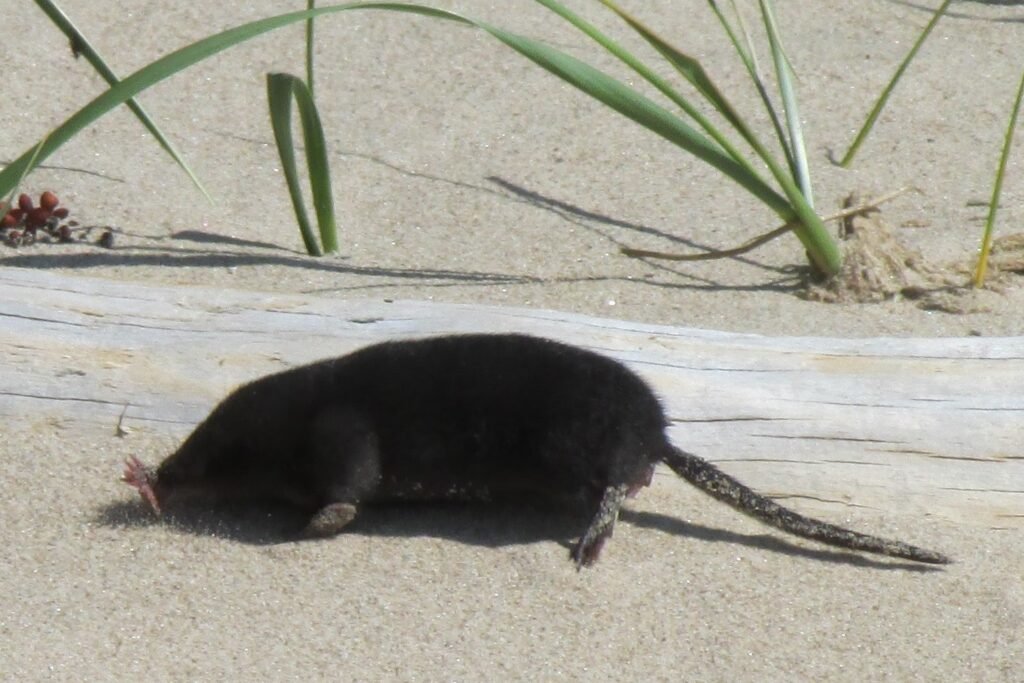
In a world wired for sight and sound, the star-nosed mole thrives by doing something far stranger: it reads the world through a living crown of touch. This palm‑sized mammal rockets through saturated soils and stream edges, scanning for prey faster than most cameras can track. Biologists once debated whether its flower‑like nose was just an oddity or a precision instrument; now, a flurry of lab and field work has turned that mystery into a masterclass in sensory design. What emerges is a portrait of an animal that has pushed tactile processing to a speed limit, and in doing so, opened a window into how brains can turn milliseconds into survival. The implications reach from wetland conservation to bio‑inspired robotics, and they’re only getting more intriguing.
The Hidden Clues
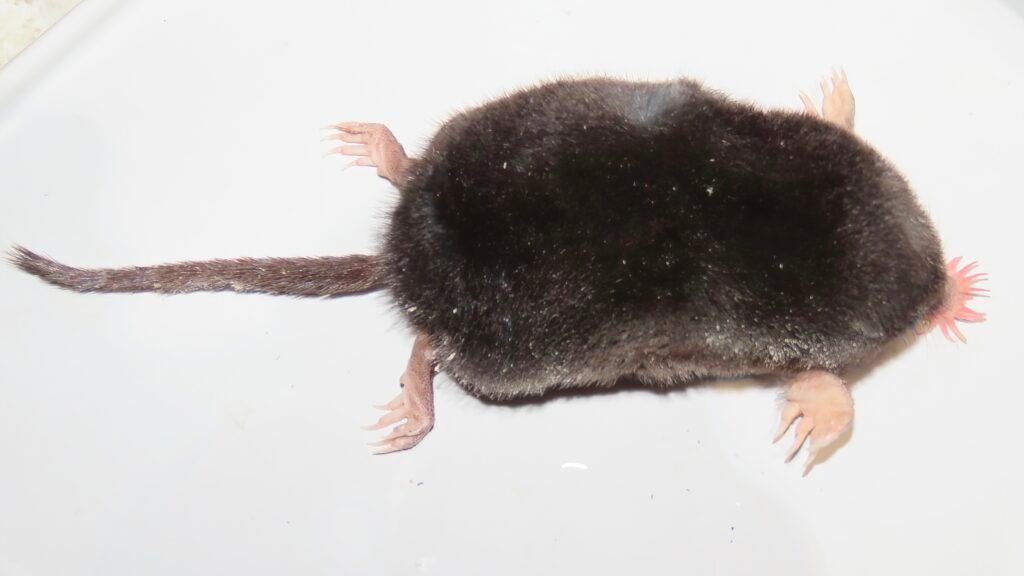
How do you hunt by touch in murky water where light dies and sound scatters? The star-nosed mole carries its own solution: it uses rapid puffs of air to ferry scent from water back into its nose while its star probes the bottom like a tiny radar dish. High‑speed videos revealed the animal exhaling and re‑inhaling bubbles several times per second, translating a supposedly impossible task – smelling underwater – into a neat sensory shortcut. The first time I watched that footage, I had to rewatch it; it felt like a magic trick explained by physics. In the span of a blink, bubbles kiss a scent trail and rush home, letting the mole pivot between touch and smell without surfacing. This odd duet of mechanosensation and olfaction helps explain why a creature with poor vision can still dominate the dim.
That bubble trick matters because it buys time in the most unforgiving currency: milliseconds. In silted creek margins or flooded tunnels, most cues smear into noise, but a quick sniff paired with a touch hit can confirm food before it escapes. The behavior also hints at convergent possibilities among other semi‑aquatic mammals, where air is repurposed as a carrier of information rather than just oxygen. It’s a reminder that the boundaries we draw around senses are often human conveniences, not biological rules. In soggy habitats, ingenuity beats orthodoxy every time.
From Ancient Tools to Modern Science
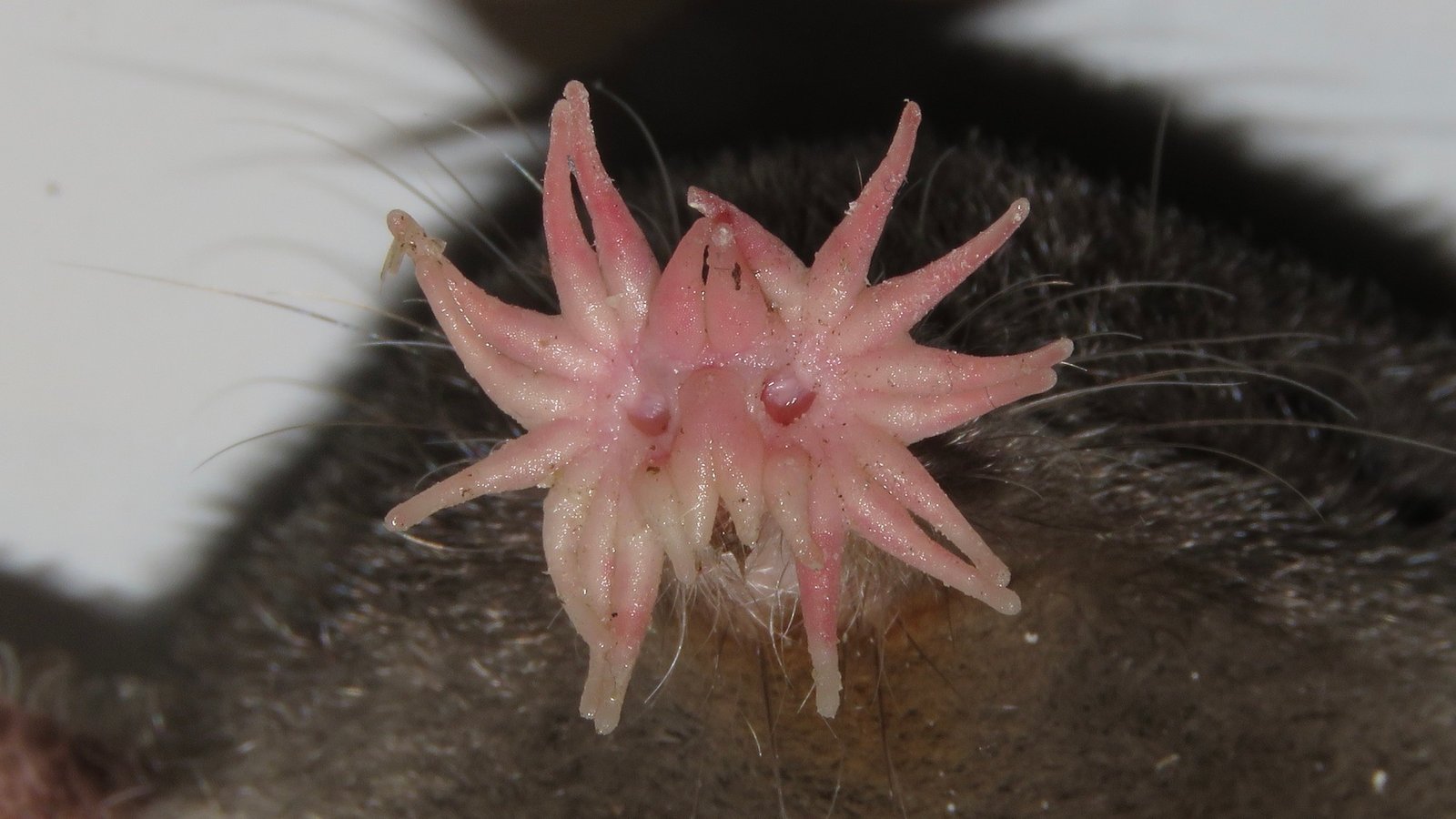
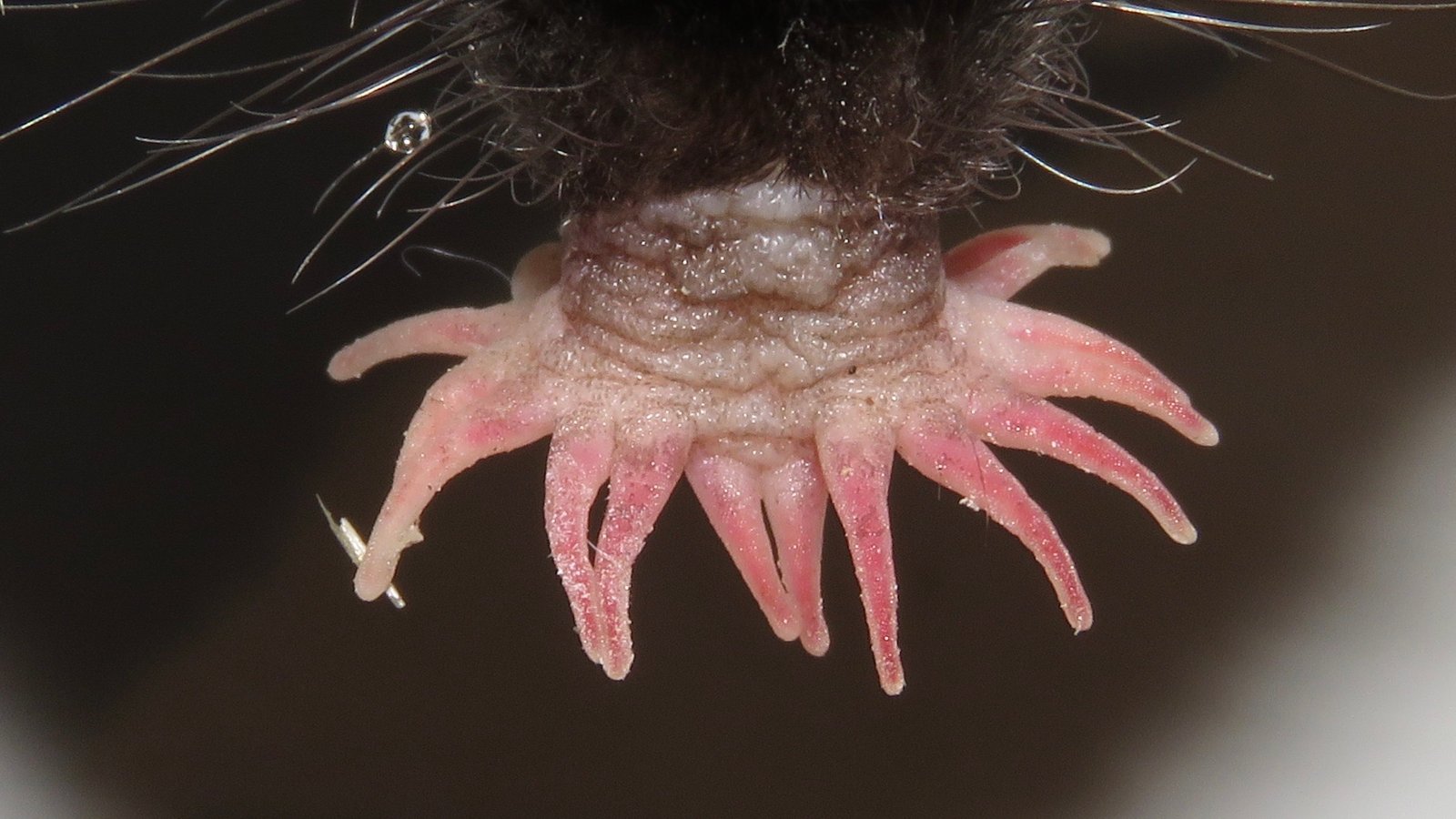
Long before lab cameras clocked their sprints, anatomists peered at mole noses and found a field of microscopic domes called Eimer’s organs. These are not generic bumps; each is a layered mechanosensory package wired to detect fine textures and shapes, and the star-nosed mole has them in staggering numbers. Work comparing mole species showed star‑nosed organs are smaller, more numerous, and exquisitely organized, likely an adaptation to saturated, delicate substrates. Think of them as pixels in a tactile display, tuned for detail rather than brute force. When you multiply that design across a full star, you get a touch array that can read the world like Braille at sprint speed.
This legacy links nineteenth‑century microscopy to twenty‑first‑century neurobiology. As researchers mapped the sensory pathways from those domes up into the brain, patterns emerged that looked suspiciously like vision circuits: magnified representations, modular maps, and a central “fovea” for high‑resolution inspection. The star’s logic isn’t just more touch; it’s touch organized like sight, optimized to grab detail exactly where it counts. That convergence is a powerful clue that evolution reuses good ideas across senses when the environment demands it. For scientists, it also offers a comparative model to test general rules about how nervous systems allocate precious neural real estate.
Inside the Star
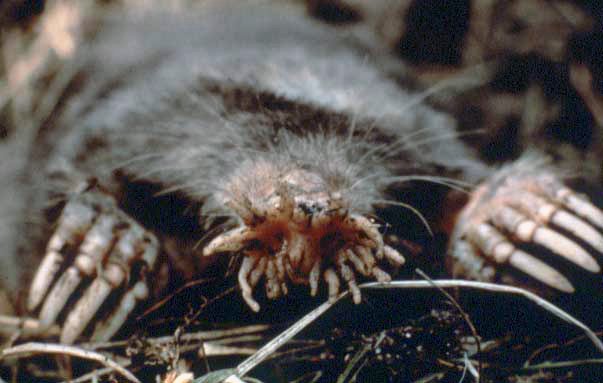
The star itself is a ring of 22 flexible rays surrounding the nostrils, and together they host roughly about thirty thousand Eimer’s organs. Each organ combines multiple receptor types and dense innervation, translating tiny surface deflections into crisp neural spikes. The result is a sensor that doesn’t just feel pressure; it decodes contour, texture, and size at a scale where many predators would simply miss the meal. At the center sits a tactile “fovea,” a specific pair of rays that the mole flicks onto targets for a final, high‑resolution read. It’s like a camera snapping to autofocus after a wide scan.
In practice, the peripheral rays sweep and triage while the central pair confirms, mirroring how our eyes make quick saccades and then settle to inspect. This choreography is visible in high-speed footage: a scatter of touches, a decisive dart, and then a bite if the signals add up to prey. The structure-function match is so tight that the central rays occupy outsized territory in the mole’s somatosensory cortex. In other words, the brain’s map of the star literally highlights where the animal places its bets. This is tactile computation written across anatomy.
The Speed Advantage
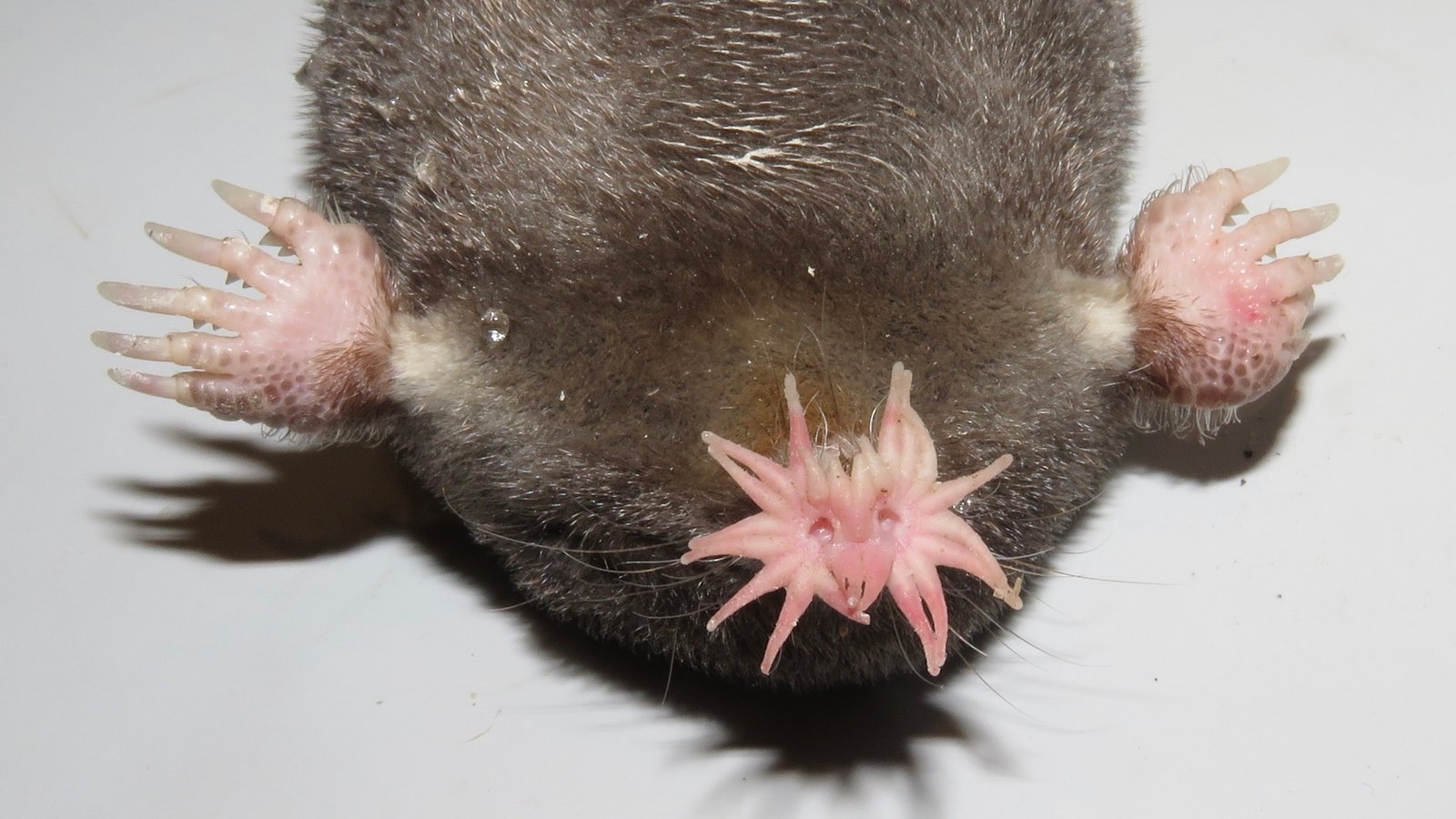
Numbers tell the story: star‑nosed moles have been clocked identifying and eating a small prey item in as little as about one eighth of a second, with average handling times still under a third of a second. During foraging, the star taps the environment roughly a dozen times per second, and the fastest foveating movements last only a few dozen milliseconds. That cadence collapses the gap between detection and decision, which is why the species can profit from tiny prey most mammals ignore as not worth the effort. When you shave decision time to the edge of neural limits, specks of energy add up to a feast. It’s not just speedy; it’s an economic strategy made possible by a sensory engine.
Watching that speed in action is oddly moving; it feels like time itself has been stretched and edited. Every touch is a data point, every saccade an algorithmic leap, and those choices play out hundreds of times per minute. Compared with typical mammalian foraging, which often involves seconds of handling, this is a different sport entirely. The mole doesn’t wait for clarity; it manufactures it with rapid, serial sampling. That’s a lesson for anyone building fast decision systems where hesitation is costly.
Why It Matters
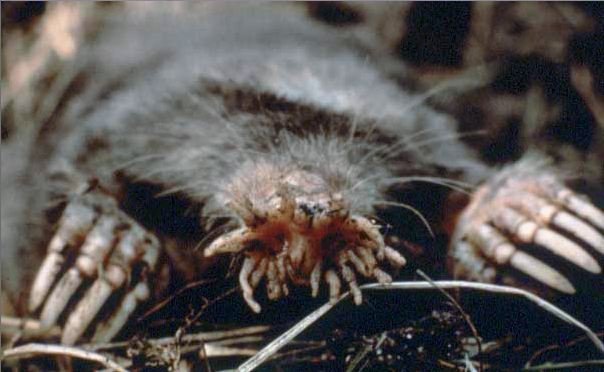
Beyond the wow factor, star‑nosed moles challenge how we rank senses and design sensors. Traditional approaches often treat touch as a slow, coarse sense, good for backup when vision fails, but this species shows touch can rival – and in some contexts surpass – other modalities for speed and precision. In robotics and prosthetics, engineers usually chase higher camera resolutions or faster lidar pings, yet the mole’s blueprint argues for dense, energy‑frugal tactile arrays paired with smart, foveating control. That combination reduces data overload because the system only spends computational currency where needed. It’s the difference between floodlights and a nimble spotlight that knows exactly where to look.
There’s also a scientific dividend. Because the star’s maps are so cleanly organized, they offer a tractable model for studying cortical magnification, sensorimotor loops, and active sensing across species. Insights from this animal are already shaping hypotheses about how to encode texture and shape in artificial skins and how to time decision thresholds in neuromorphic chips. In medicine, the principles could inform next‑gen haptic feedback for upper‑limb prostheses, where millisecond‑scale cues often make the difference between clumsy and natural. When nature hands you a cheat sheet, it’s wise to read it closely.
Global Perspectives
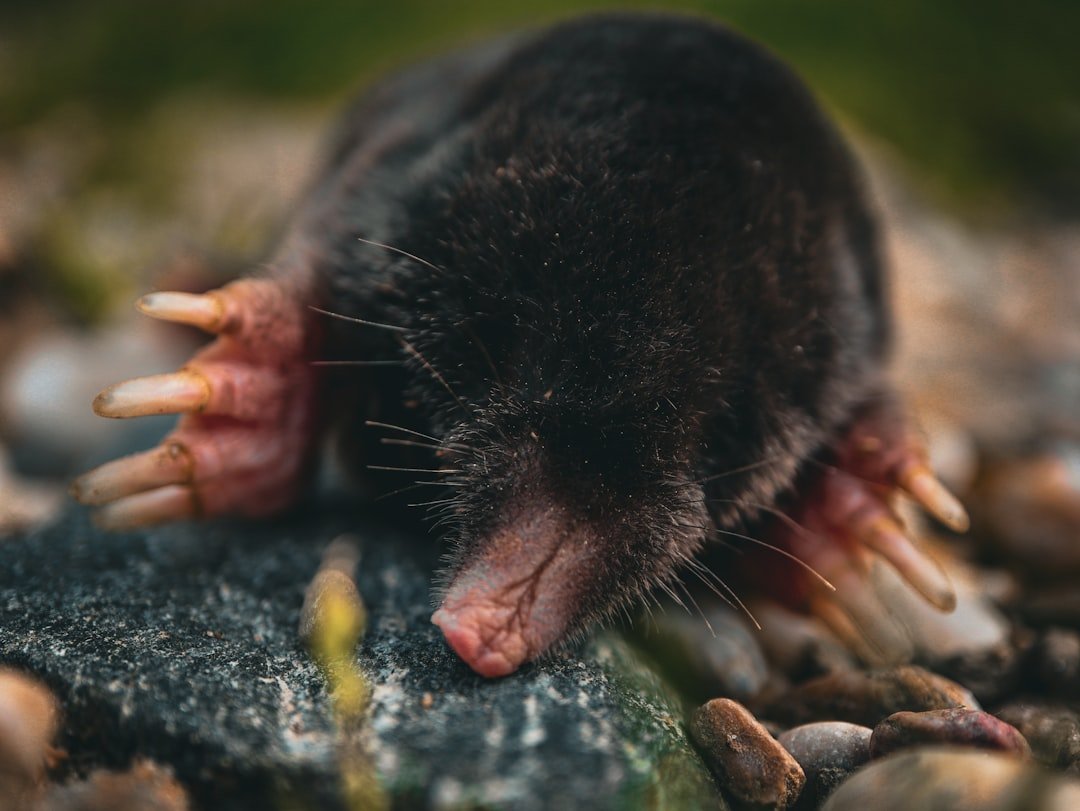
Star‑nosed moles are native to wet lowlands of eastern North America – from eastern Canada through the northeastern United States and down into parts of the mid‑Atlantic – where spring floods, marsh edges, and mucky creek banks define their world. They dig shallow foraging tunnels with underwater exits and swim readily, zigzagging along the bottom in search of annelids, aquatic insects, and the occasional fish or amphibian. Their distribution shadows water and soft soil; where wetlands are drained or fragmented, local populations can thin. That makes them sensitive barometers for the health of small, overlooked ecosystems. Saving a bog or floodplain isn’t just about birds and plants; it’s about keeping the fastest touch processor on Earth online.
Because they straddle land and water, policies affecting both realms matter – from stormwater rules that change flow regimes to pesticide use that reshapes invertebrate communities. Regional wildlife profiles describe them as active day and night, with breeding timed to spring and summer when invertebrate biomass peaks. That seasonality ties their fortunes to climate patterns that influence flooding, freeze‑thaw cycles, and emergent insect hatches. Protecting them often doubles as protecting natural water storage that reduces downstream flood risk. It’s a pragmatic alliance between biodiversity and resilience.
The Future Landscape
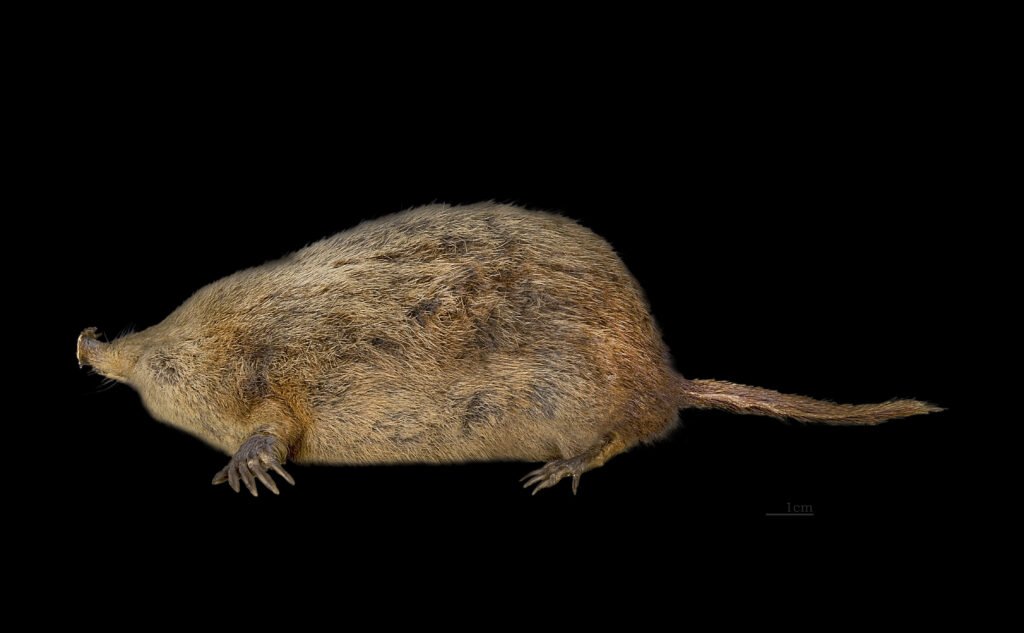
On the tech front, the obvious next step is translating the star’s principles into hardware: flexible tactile skins with many small, low‑power receptors, and control software that shifts attention to a digital fovea on demand. Pair that with high‑speed actuation – tiny saccades of a sensor pad – and you begin to approximate the mole’s search pattern on a robot gripper or underwater drone. The payoff is faster object discrimination with less data, a win for battery‑limited platforms. Researchers in neuromorphic engineering are also eyeing event‑driven touch sensors that fire only when something changes, echoing the mole’s economy.
Biologically, open questions remain urgent and exciting. How does the star maintain responsiveness in cold water where conduction slows, and what are the molecular tweaks that stabilize its receptors under constant mechanical stress? Could similar strategies be hiding in other semi‑aquatic mammals that we’ve simply failed to watch at the right speeds? On the conservation side, mapping micro‑habitat use with high‑resolution GPS tags and environmental DNA could reveal hidden corridors worth protecting. In each case, the lesson is the same: look closer, and look faster.
How You can I Help You
You don’t need a lab to make a difference. Support wetland protection in your area – land trusts and watershed groups preserve the soggy soils and slow waters these moles depend on, while also buffering floods. If you live near marshes or creeks, keep banks vegetated, reduce lawn chemicals that wash into waterways, and consider rain gardens that ease runoff. Keeping cats indoors and avoiding soil compaction in wet meadows can also reduce stress on small wildlife that share the mole’s terrain. Small steps, multiplied across neighborhoods, protect the micro‑worlds where extraordinary biology thrives.
Curiosity helps too. Log sightings and signs on community science platforms, attend local restoration days, and share real facts about these animals when you hear myths. If you’re in education, use the star‑nosed mole as a gateway to talk about active sensing and engineering design – students light up when biology meets tech. And if you’re in tech, take this as a design brief: build sensors that don’t just see more, but feel smarter. Nature has already sketched the blueprint; we can choose to follow it.