
Every rule of flight has an exception, and nature seems to collect them like trophies. For more than a century, scientists have puzzled over animals that look ill-suited for the sky, only to find they rode the wind with ease. Today, new imaging, biomechanics, and aerodynamics are rewriting what we thought was possible, revealing clever hacks that turn heavy bones, stubby wings, or even limbless bodies into airworthy designs. The mystery isn’t just how they did it, but why evolution kept returning to the same improbable solutions. As we peel back the layers – fossil dust, high-speed video, and long-standing myths – the picture that emerges is stranger and more inspiring than any textbook illustration.
The Hidden Clues
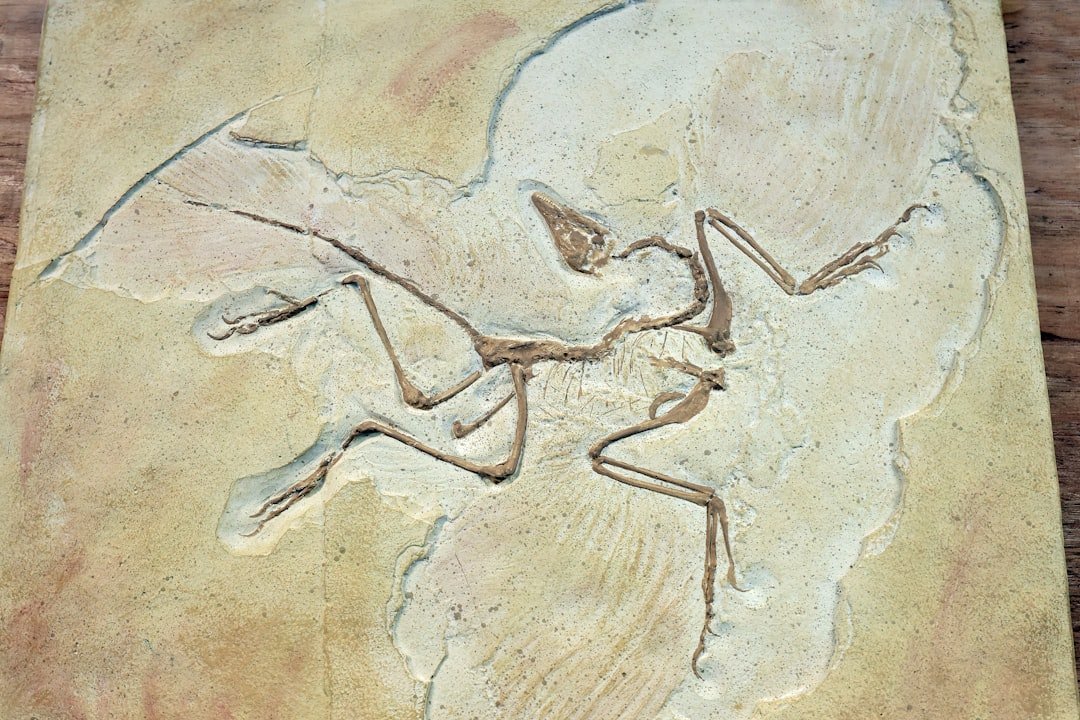
How do you prove the impossible when your test subject has been extinct for millions of years or refuses to cooperate in a wind tunnel? The trick is to look for subtle signatures of flight – a deep keel on a sternum, feather asymmetry, ultralight bones, and surface textures that grip the air like fingertips on silk. When I first stood beneath a giant pterosaur cast, the wings felt comically oversized, yet the skeleton told a story of weight shaving and structural finesse. Researchers stitch these clues together with computer simulations and scale models, then compare the outputs with living analogs such as condors, bees, and gliding snakes. The result is a kind of forensic aviation: not just whether something could fly, but how it launched, steered, and landed. And every time a model matches what the physics predicts, another legend graduates from speculation to science.
The Giants That Rode Thin Air
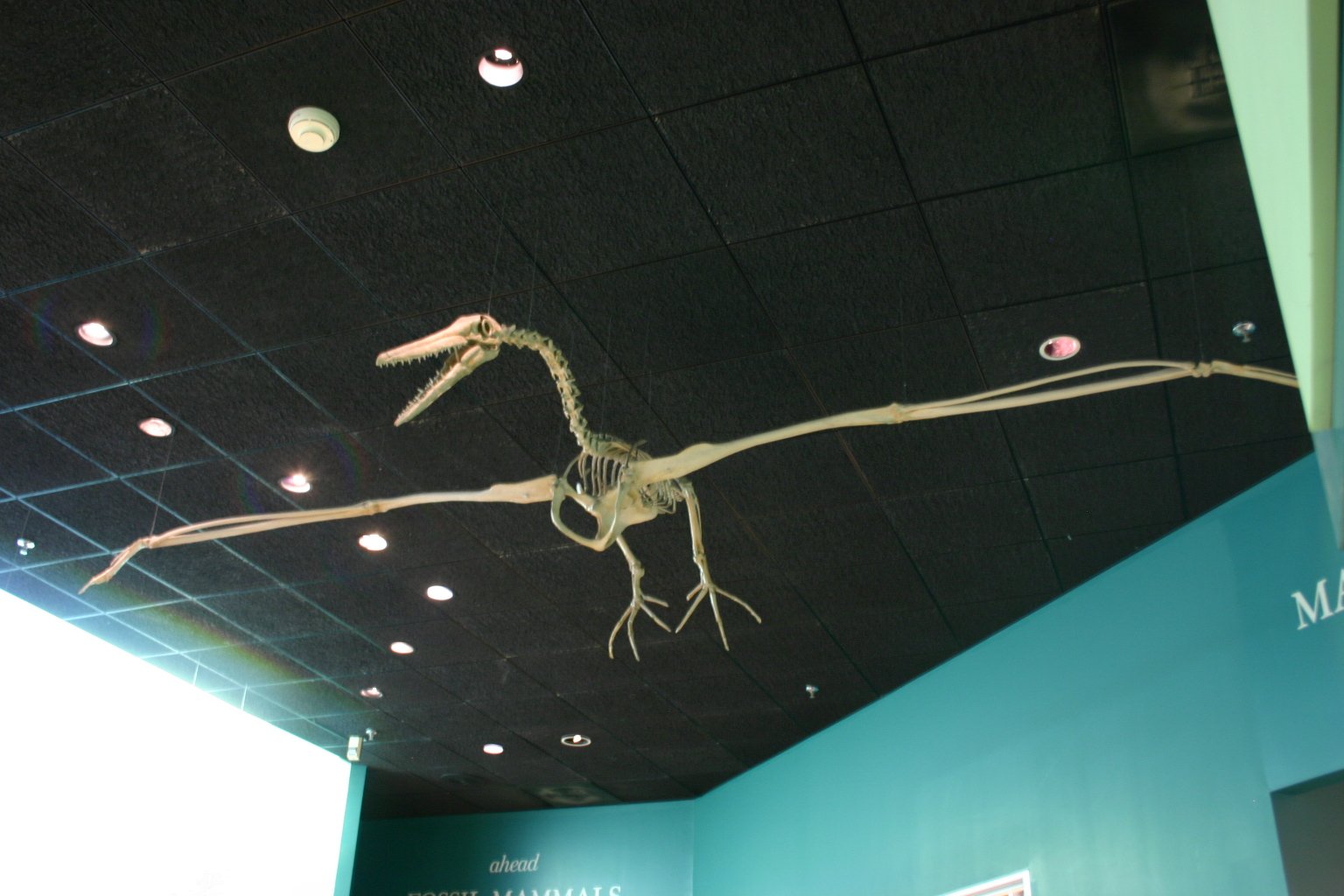
Quetzalcoatlus, a Late Cretaceous pterosaur with a wingspan roughly rivaling a small aircraft’s, seems like the last thing that should get off the ground, yet its skeleton reads like a weight-loss manual for giants. Hollow bones, tension-resistant membranes, and a powerful forelimb-driven launch likely let it vault skyward on all fours before banking into long, energy-sipping glides. Pair that with wide-open prehistoric landscapes full of rising thermals, and you get a master of cross-country soaring that treated the sky like a highway. Fast-forward to the Miocene, and Argentavis magnificens, a colossal bird from what is now Argentina, appears to have done something similar, surfing strong winds and thermal columns with outsized wings and a soaring strategy not unlike modern condors. If the giants had a secret, it was this: flight is won or lost at takeoff, and once aloft, the atmosphere will pay dividends to any animal that knows how to read it.
Four Wings, One Leap: Microraptor’s Forest Experiments
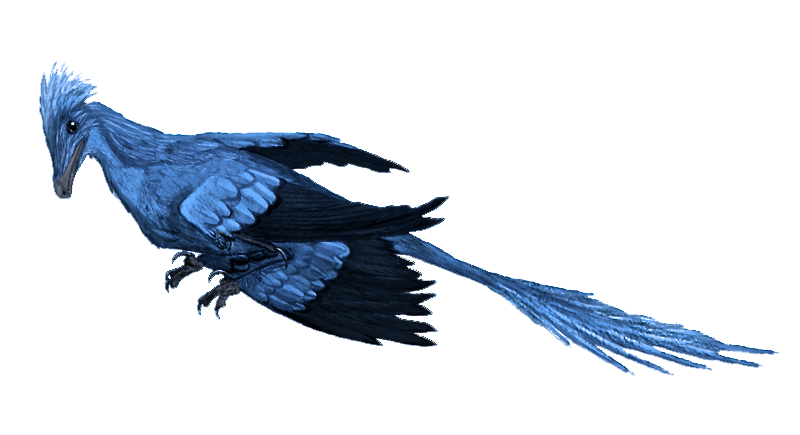
Microraptor, the small feathered dinosaur with flight surfaces on both arms and legs, looked more like a kite shop accident than a pilot, yet those extra surfaces were clever insurance. In dense conifer forests, four lifting surfaces likely meant slower stall speeds and tighter control during short, tree-to-tree glides. Feather asymmetry hints that the limbs acted like a variable-geometry aircraft: shift a leg or splay a tail, and the glide path changes by precious meters. Stomach contents preserved in some fossils point to a flexible diet of fish and small vertebrates, suggesting frequent trips between canopy and water where aerial maneuvering would pay off. Laboratory models show that a slightly pitched-down body with spread leg feathers can generate stable, repeatable glide angles. Microraptor didn’t chase speed; it converted complexity into control.
The Bee That Broke the Rulebook
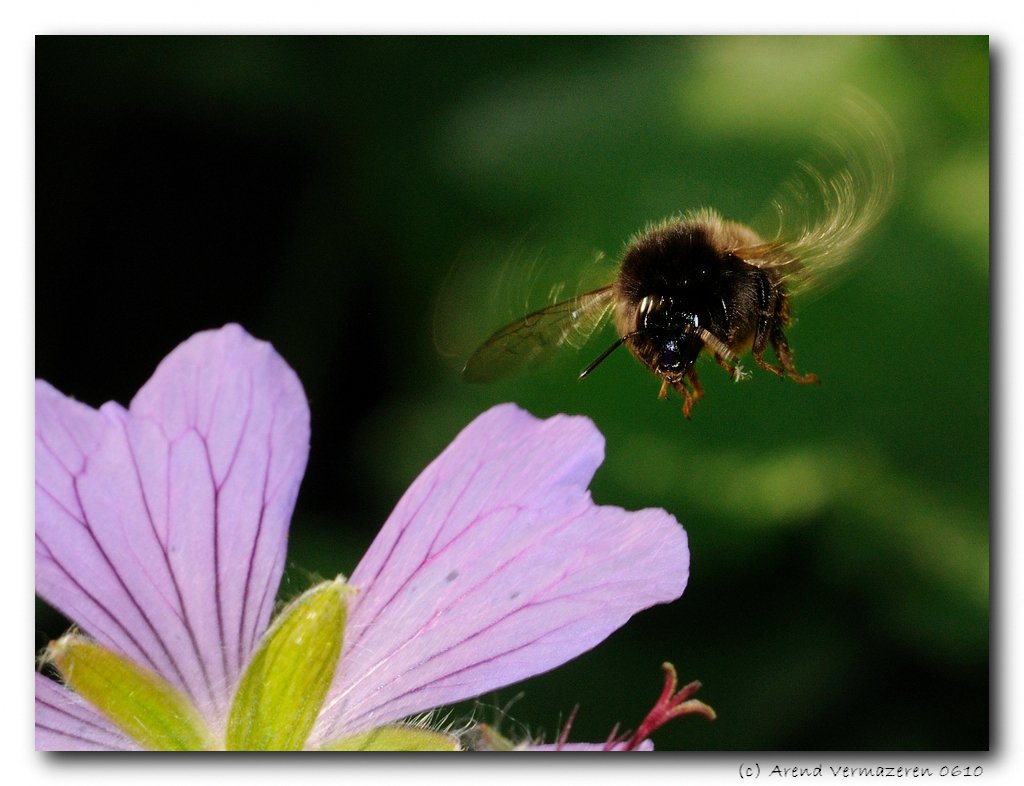
For decades, people joked that bumblebees were aerodynamically impossible, a myth born from comparing them to small airplanes and forgetting that wings can clap, twist, and create vortices. In reality, bees exploit unsteady aerodynamics: each stroke spins a tiny tornado along the wing’s edge, lowering pressure and generating extra lift at slow speeds. Their wings also rotate rapidly at the top and bottom of each stroke, recapturing energy and boosting lift without a huge increase in muscle power. High-speed footage reveals the thorax acting like a spring, storing and releasing energy with every beat to keep the motion efficient. The lesson is humbling; when the math fails, it’s often the wrong math. Bees fly because they do not flap like planes – they swim through air with precision tuned by millions of years of trial and error.
The Snake That Turns Its Body into a Wing
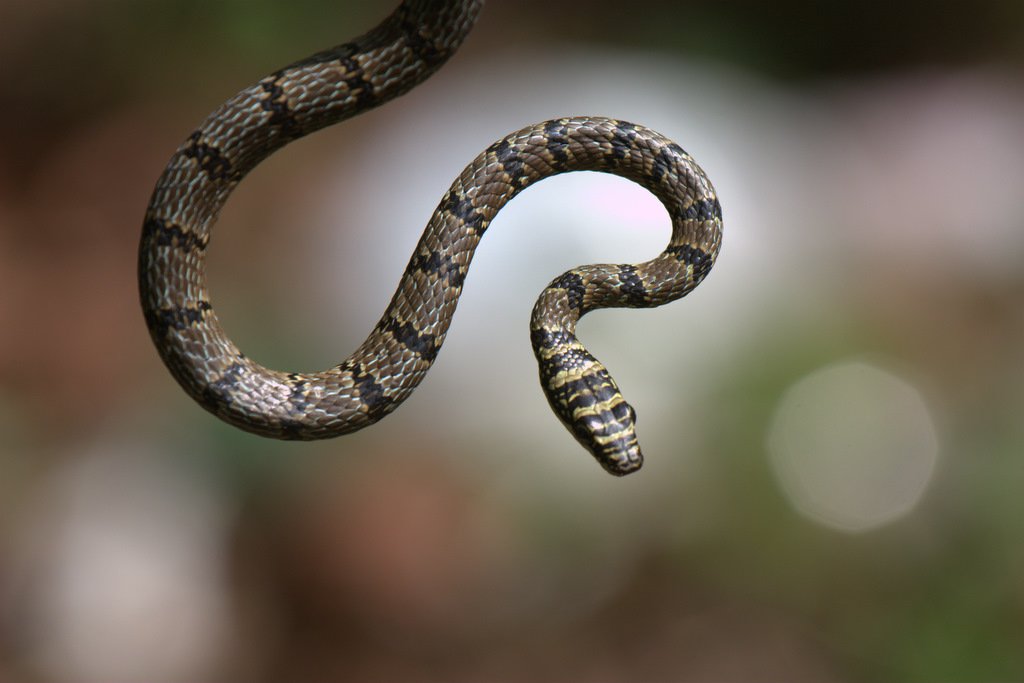
Flying snakes, mostly found in Southeast Asia, have no wings at all – so they make one. As they leap from a branch, they flatten their bodies into a ribbon with a subtle, cambered shape; then they undulate side to side to stabilize and steer, turning their whole torso into a dynamic airfoil. High-speed motion capture shows that bend and roll changes the effective angle of attack along the body, trading drag for lift just enough to carry them astonishing distances between trees. It’s not powered flight, but it is sustained, directed gliding that keeps them off the ground and out of trouble. The surprising part isn’t just the range; it’s the control, with snakes banking and correcting midair like ribbon dancers that happen to obey Bernoulli. Evolution didn’t hand them wings; it handed them geometry.
Why It Matters
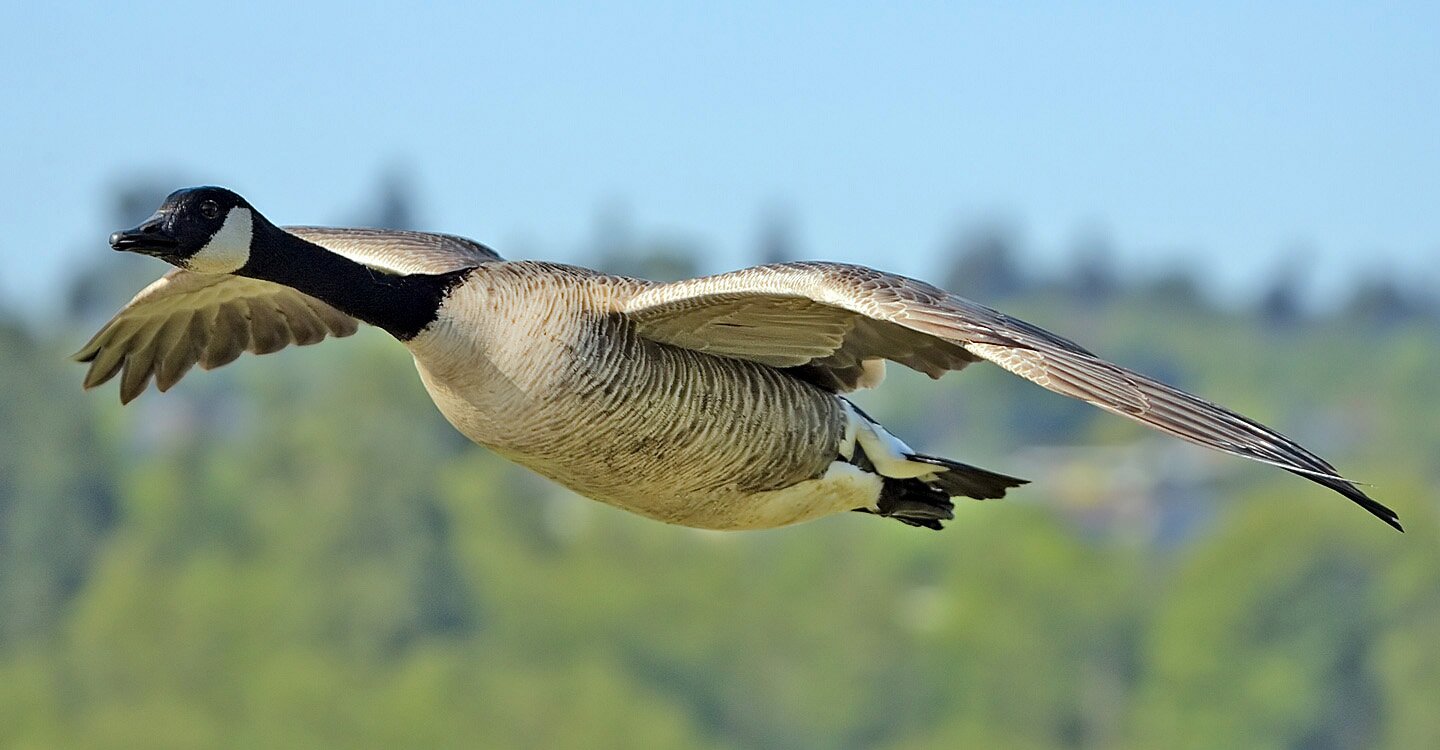
These improbable fliers force us to update the blueprint of flight itself, a blueprint that once centered almost entirely on smooth, fixed wings and steady flows. By confronting edge cases – giant pterosaurs, four-winged dinosaurs, buzzing bees, and wingless snakes – we learn that lift has many dialects, from vortex capture to membrane elasticity. Compared with traditional aircraft, which prize stability and simplicity, these animals embrace controlled instability, harvesting the messy parts of airflow that engineers used to treat as waste. That shift in thinking has already influenced small drones that flap, morph, or use gusts rather than fight them, and it reframes conservation debates about wind farms, thermal corridors, and raptor migration. Understanding how large birds and ancient giants use thermals sharpens how we site turbines and protect critical soaring pathways. When biology and engineering read from the same flight plan, the sky gets bigger for both.
The Future Landscape
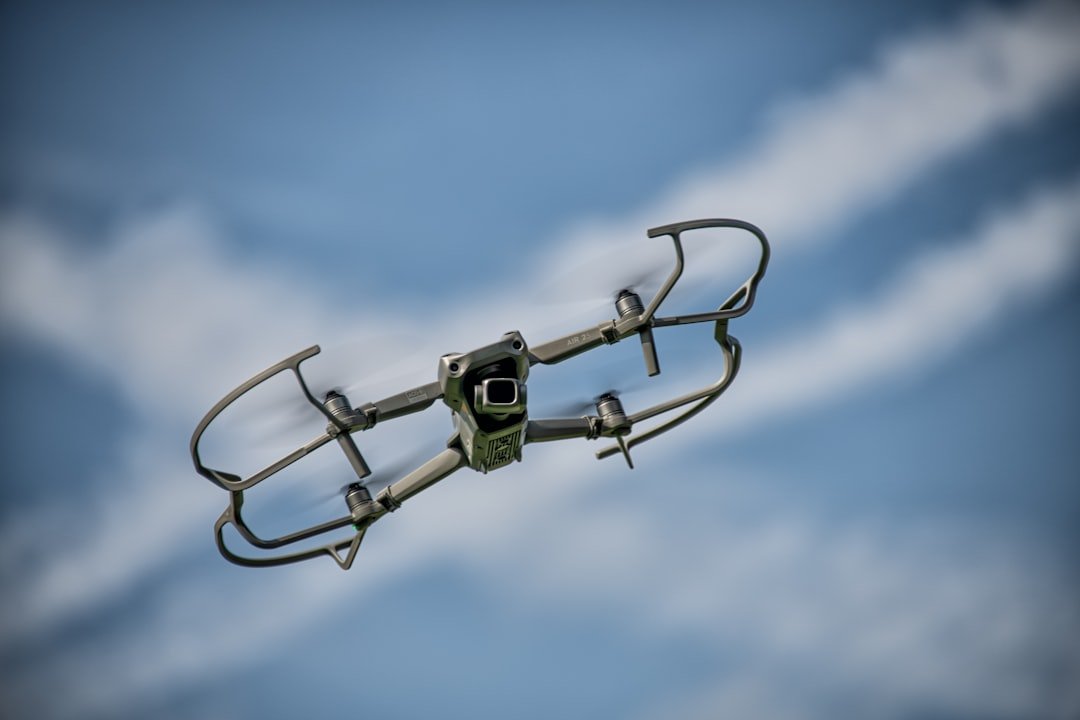
Next-generation research is moving from guessing to measuring, fusing fossil scans, micro-CT imaging, and soft-tissue modeling with field data from living analogs carrying tiny sensors. Expect more bioinspired craft with flexible membranes, shape-shifting tails, and software that rides vortices the way seabirds surf gusts along cliffs. Machine learning trained on bone geometry may soon predict flight performance for extinct species with odds that feel less like a gamble and more like a test flight. There are challenges: reconstructing soft tissues in fossils, simulating turbulent flows at animal scale, and translating biological efficiency into hardware that survives rain, dust, and pilot error. But those hurdles are shrinking as labs share open datasets and as field biologists pair with aerodynamicists in cross-disciplinary teams. The payoff is practical and philosophical – aerial robots that waste less energy, and a deeper map of how life repeatedly taught itself to use the air.
Conclusion
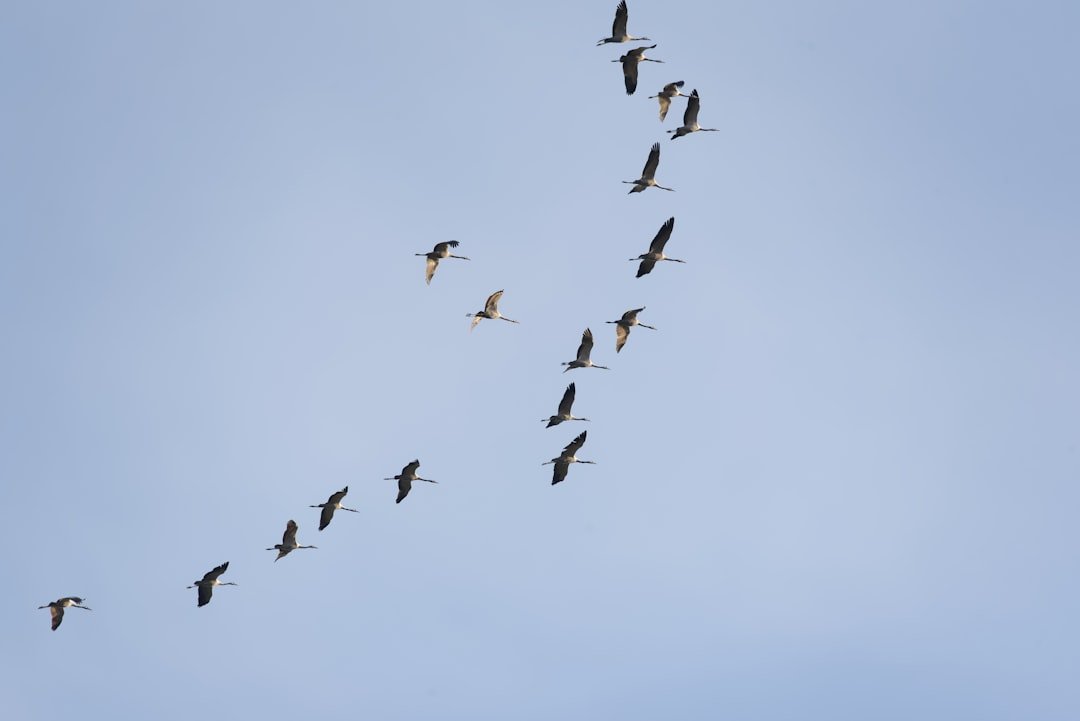
You can help push this science forward and protect the fliers that inspire it by supporting natural history museums and university collections where the next breakthrough often begins. If you live under a migratory flyway, keep windows bird-safe and advocate for lighting policies that cut fatal nighttime disorientation. Back conservation groups that safeguard ridgelines and thermal-rich landscapes used by large soaring birds, and engage with community science platforms to log sightings that sharpen migration models. Encourage local libraries and schools to host talks by biologists and engineers who study flight, so more students see the sky as a solvable problem. And when you spot an animal doing something that looks impossible, don’t dismiss it – ask how the physics might work and where the data could be hiding. Ready to look up and join in?
Suhail Ahmed is a passionate digital professional and nature enthusiast with over 8 years of experience in content strategy, SEO, web development, and digital operations. Alongside his freelance journey, Suhail actively contributes to nature and wildlife platforms like Discover Wildlife, where he channels his curiosity for the planet into engaging, educational storytelling.
With a strong background in managing digital ecosystems — from ecommerce stores and WordPress websites to social media and automation — Suhail merges technical precision with creative insight. His content reflects a rare balance: SEO-friendly yet deeply human, data-informed yet emotionally resonant.
Driven by a love for discovery and storytelling, Suhail believes in using digital platforms to amplify causes that matter — especially those protecting Earth’s biodiversity and inspiring sustainable living. Whether he’s managing online projects or crafting wildlife content, his goal remains the same: to inform, inspire, and leave a positive digital footprint.