A single low boom rolling through a New Zealand forest at midnight can carry farther than a passing car – and it comes from a bird that can’t fly. The kākāpō, a moss-green, nocturnal parrot, has teetered on the edge of extinction for more than a century, yet refuses to disappear. Scientists, iwi partners, and rangers have rewritten the rulebook to pull it back, one nesting season and data point at a time. What’s emerging is a story about patience in an age of urgency, and a blueprint for saving species that live life in the slow lane. The mystery is whether we can scale that blueprint before climate and predators reset the game.
The Hidden Clues
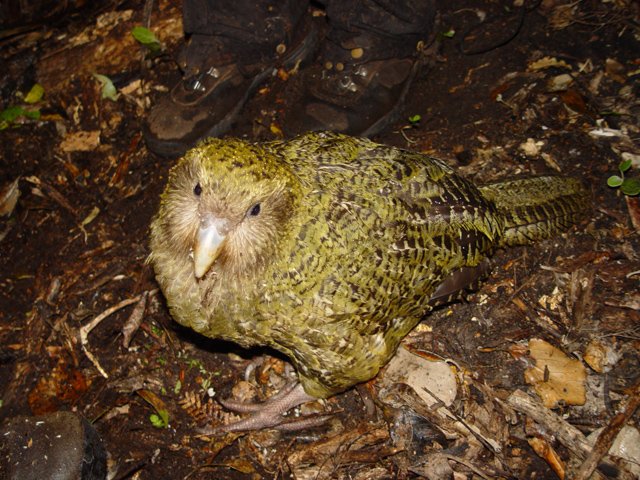
Here’s the surprise: the kākāpō announces itself not with color or song, but with scent and sub-bass. Rangers talk about a sweet, earthy smell that lingers on the track, like crushed herbs after rain, and then the night vibrates with the males’ deep booming that guides females across valleys. That booming comes from “leks,” temporary display arenas where males compete with sound rather than feathers. It’s theater you’ll never see unless you hike in darkness and wait, perfectly still, for a hush to break. I remember the first time I heard it; the forest felt like a cathedral, and the bird was the organ.
For a species grounded by evolution, the kākāpō is a distance athlete on foot, climbing trees with its beak and legs, then parachuting down on broad wings. It’s also the world’s heaviest parrot and one of the longest-lived, with lifespans stretching across many decades and occasionally brushing the human century. Those long lives create long memories – and a conservation timeline measured in generations, not grant cycles. That time horizon both protects the species and makes rescuing it excruciatingly slow. Patience isn’t a virtue here; it’s survival strategy.
From Ancient Tools to Modern Science
Kākāpō once filled New Zealand forests so thoroughly that Māori knowledge, place names, and traditional uses record their abundance. Then came stoats, rats, and cats, and the decline turned freefall; by the 1990s, only a few dozen birds remained. The response fused old wisdom and new tools: translocation to predator-free islands, intensive nest monitoring, and a partnership model that centers iwi guardianship alongside government and science. In 2015, conservationists began sequencing every living kākāpō’s genome, creating one of the most comprehensive wildlife DNA libraries on Earth. The goal was starkly practical: understand infertility, disease risks, and family lines well enough to plan pairings and protect diversity.
That genomics push now underpins everything from parentage testing to forecasts of embryo survival. It turned the population into a living, learning dataset where each breeding year improves the next. In species like this, knowledge is habitat – without it, safe forests aren’t enough. With it, managers can nudge outcomes without ever touching a bird. It’s conservation that moves at kākāpō pace, deliberately and with a long memory.
Life on the Edge: A Bird Built for Night and Ground

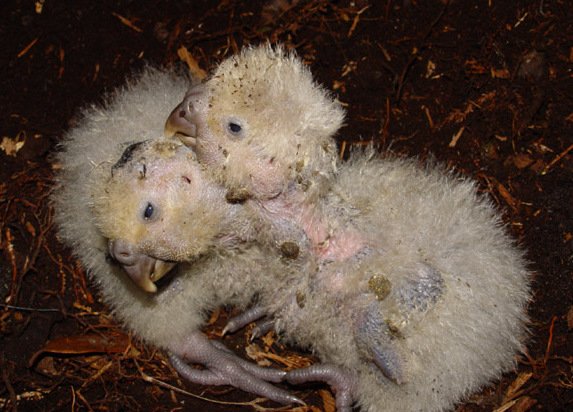
Most parrots sprint through life; the kākāpō strolls. It breeds only when native rimu trees flood forests with fruit, often every few years, and even then many eggs fail, chicks need careful management, and females shoulder all the parenting. Males gather at leks and call for weeks, drawing females across rugged terrain using sound more than sight. The bird’s body tells the rest of the story: powerful legs, a reduced keel, camouflage plumage that vanishes in leaf litter, and feathers evolved for silence rather than sustained flight. Imagine a marathoner in a moss coat – purpose-built for climbing, foraging, and disappearing.
These traits evolved on islands without mammals that hunt by scent, which is why introduced predators were so devastating. Life history and ecology align to make recovery difficult: slow reproduction, long dependency, few breeding years, and extreme vulnerability on the ground. But those same traits – especially longevity – give conservationists many chances to get things right across a bird’s lifetime. That’s why managers think in decades, not seasons. The kākāpō’s biology forces conservation to slow down and focus.
The 2019 Shock and the Lessons Learned
Just when recovery momentum peaked after a record breeding season, an outbreak of aspergillosis hit like a rogue wave. Investigation later traced the peak of that event to a single fungal strain, a grim reminder that disease can bottleneck progress as ruthlessly as predators. The response was full-spectrum: rapid testing, hospital translocations, hard choices about nest intervention, and a forensic look at possible environmental drivers. It was a black-swan year that stretched teams and budgets but sharpened protocols for the future. The takeaway wasn’t despair; it was systems thinking.
Since then, managers have refined air-quality checks, adjusted supplementary feeding practices, and invested in earlier diagnostics. The episode also validated the power of genomic epidemiology for wildlife, linking cases and guiding mitigation. Recovery isn’t a straight line; it’s a mountain trail with detours and weather. The 2019 season made the team stronger for the next mast year. And the birds kept booming.
Back to the Mainland
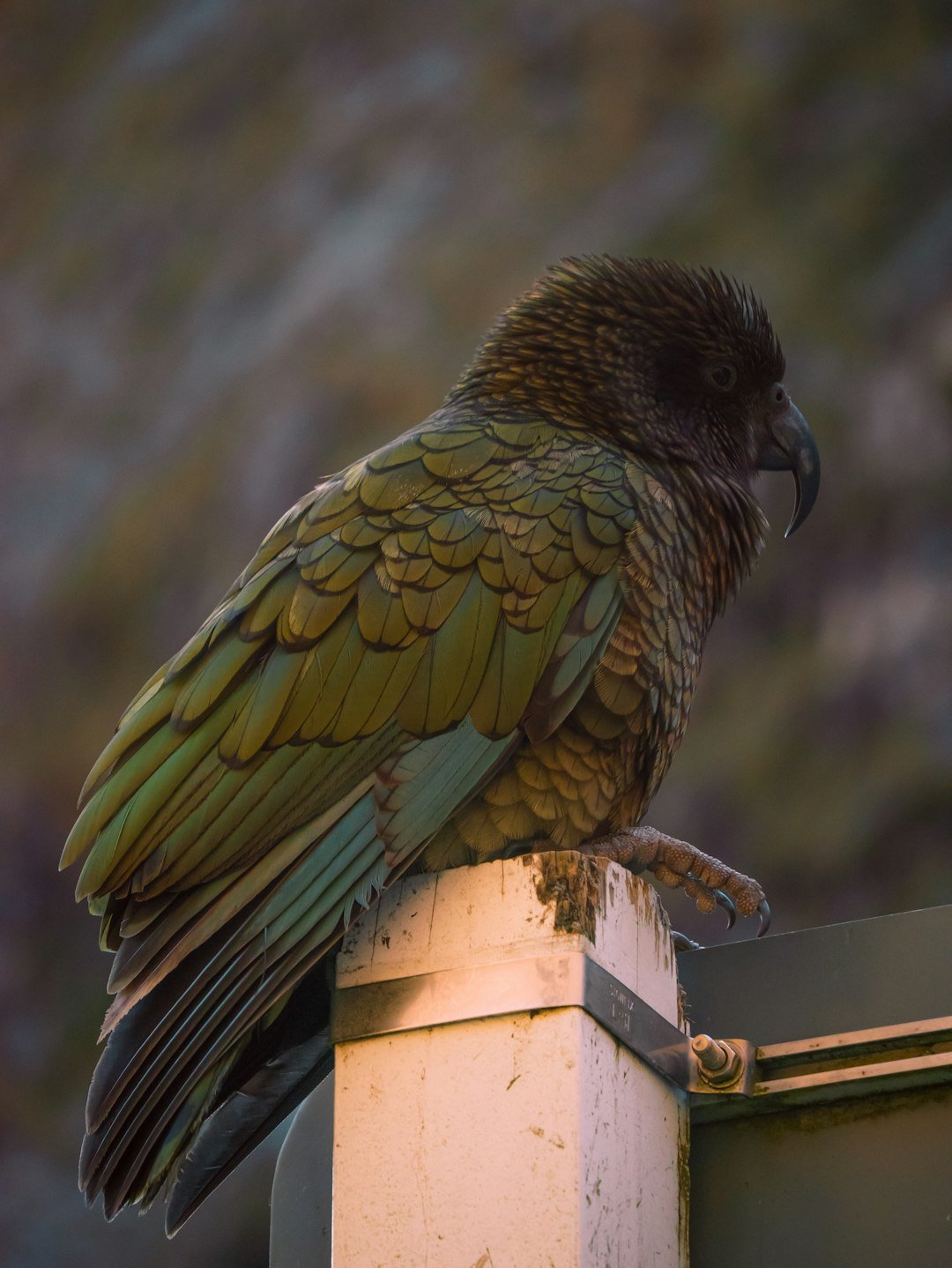
In 2023, for the first time in nearly four decades, kākāpō returned to mainland New Zealand – inside the vast predator-fenced Sanctuary Mountain Maungatautari. Managers moved an initial group of four males, then added more, building a cohort to test how the species copes in a large, fenced landscape. The aim wasn’t breeding yet; it was learning – how they range, interact with the fence, and settle into new home turf. Early updates read like field journals: some birds explored the boundary and turned back, others established small ranges and settled. It’s a cautious, necessary rehearsal for a bigger future.
Meanwhile, numbers have climbed from the program’s low of just over fifty birds in 1995 to roughly the mid-two hundreds in recent years, with managers juggling island capacity and new-site trials. As the population grows, the program is deliberately stepping back in select places, reducing interventions to test what a self-sustaining population might look like. That shift lowers stress on birds and people, and it asks a brave question: when can we let nature lead again, safely? It’s not a victory lap – it’s a stress test. But so far, the signs are promising.
Why It Matters
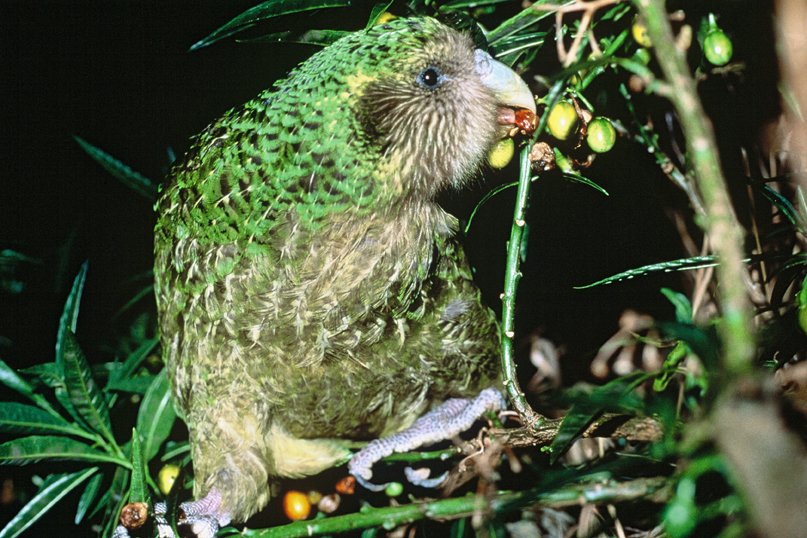
Kākāpō recovery is a referendum on whether modern conservation can honor biology rather than bulldoze it. Traditional approaches often chase numbers year by year; here, success looks like resilient genetics, disease preparedness, and landscapes that can carry a population for the next century. Compared with many iconic rescues, the tools are more nuanced: genome-guided pairings, targeted artificial insemination, and ultra-focused translocations that respect whakapapa and place. It’s not about quick fixes; it’s about slow equity for a species that breeds at its own pace. If it works here, it offers a template for other long-lived, low-fecundity wildlife on islands and beyond.
There’s also a human dimension that’s impossible to miss. The program is built on partnership – iwi leadership with government, researchers, and community groups – and that governance model is as instructive as the science. Conservation succeeds when it shares authority as well as data. The kākāpō’s survival, in other words, depends on more than nest cameras and gene maps; it depends on relationships. That might be the most transferable lesson of all.
The Future Landscape
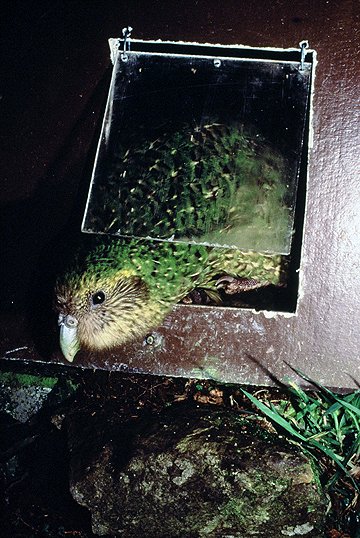
Next steps look both practical and ambitious. Managers will keep stress-testing fenced sanctuaries, expand trials where feasible, and refine the blend of hands-on work and low-intervention management that supports natural survival rates. DNA tools will keep maturing – think better aging estimates from methylation, sharper fertility forecasts, and faster parentage calls after chaotic breeding nights. On the ground, the priority remains biosecurity: walls that don’t fail, dogs that don’t slip in, and visitors who treat islands like living laboratories. The most precious commodity is still time, measured in mast years. The clock is set by trees, not people.
Climate variability adds uncertainty, shifting fruiting patterns and disease dynamics in ways models are only beginning to capture. That’s where adaptive management shines – change one variable per season, measure, learn, repeat. The destination is clear: thriving kākāpō living with minimal oversight in safe, connected habitats. Getting there will take steady funding, political will, and the patience to let a slow species teach us how to be slow. It’s not glamorous work, but it’s deeply hopeful.
Conclusion
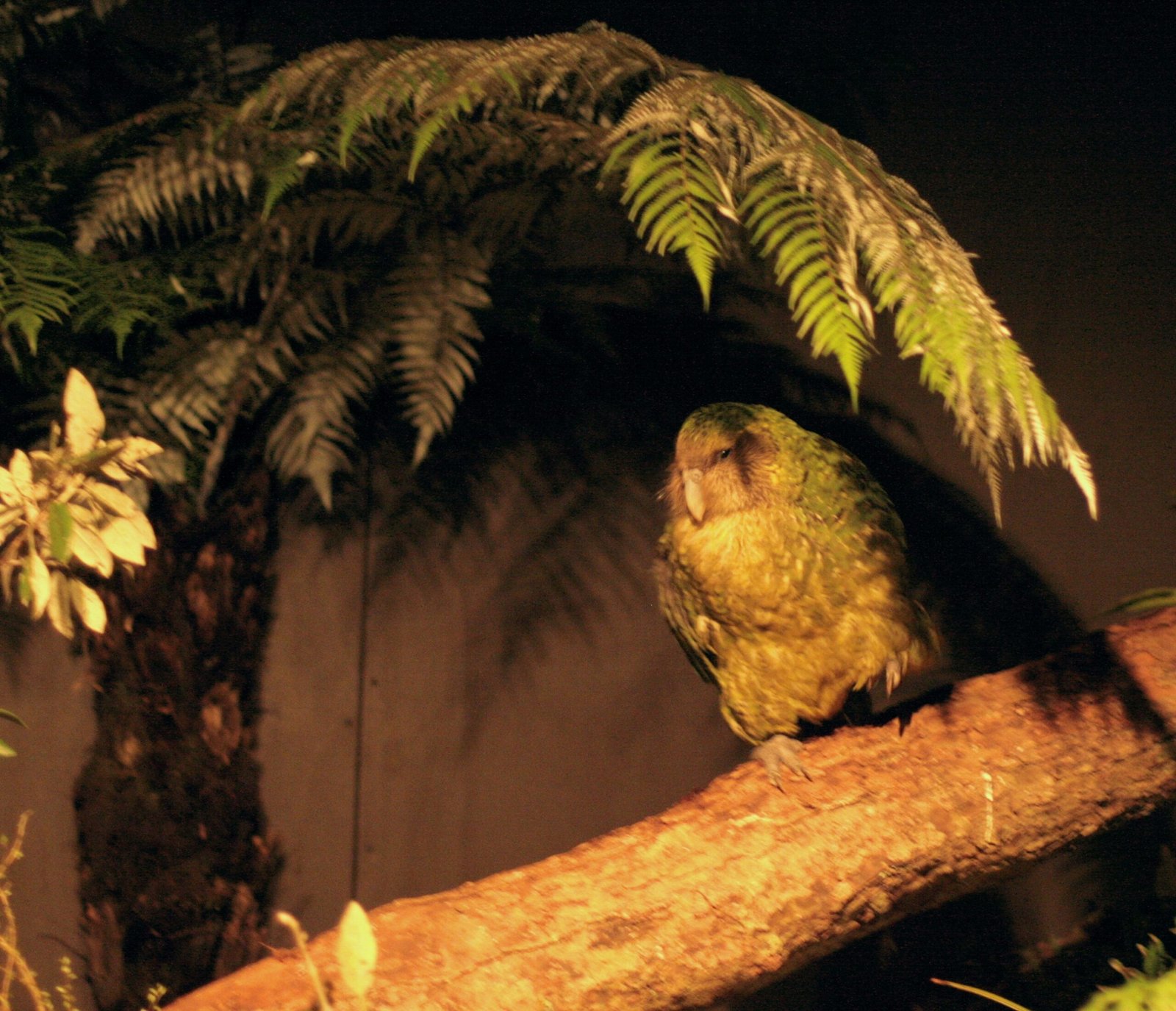
If this chonky night parrot has earned your curiosity, turn it into momentum. Support predator control and biosecurity programs where you live; the same principles protect ground-nesting birds everywhere. If you travel to New Zealand’s sanctuaries, scrub boots, clean gear, and follow every biosecurity step – they’re not fussy rules, they’re life support for a species that can’t afford accidents. Back science-driven conservation groups that fund long-term monitoring and genomics; these tools are keeping the kākāpō’s family tree from narrowing further. And when you tell this story, skip the miracle narrative and celebrate the slow, deliberate craft that makes real recovery possible – what piece of that can you carry into your own backyard?
Suhail Ahmed is a passionate digital professional and nature enthusiast with over 8 years of experience in content strategy, SEO, web development, and digital operations. Alongside his freelance journey, Suhail actively contributes to nature and wildlife platforms like Discover Wildlife, where he channels his curiosity for the planet into engaging, educational storytelling.
With a strong background in managing digital ecosystems — from ecommerce stores and WordPress websites to social media and automation — Suhail merges technical precision with creative insight. His content reflects a rare balance: SEO-friendly yet deeply human, data-informed yet emotionally resonant.
Driven by a love for discovery and storytelling, Suhail believes in using digital platforms to amplify causes that matter — especially those protecting Earth’s biodiversity and inspiring sustainable living. Whether he’s managing online projects or crafting wildlife content, his goal remains the same: to inform, inspire, and leave a positive digital footprint.