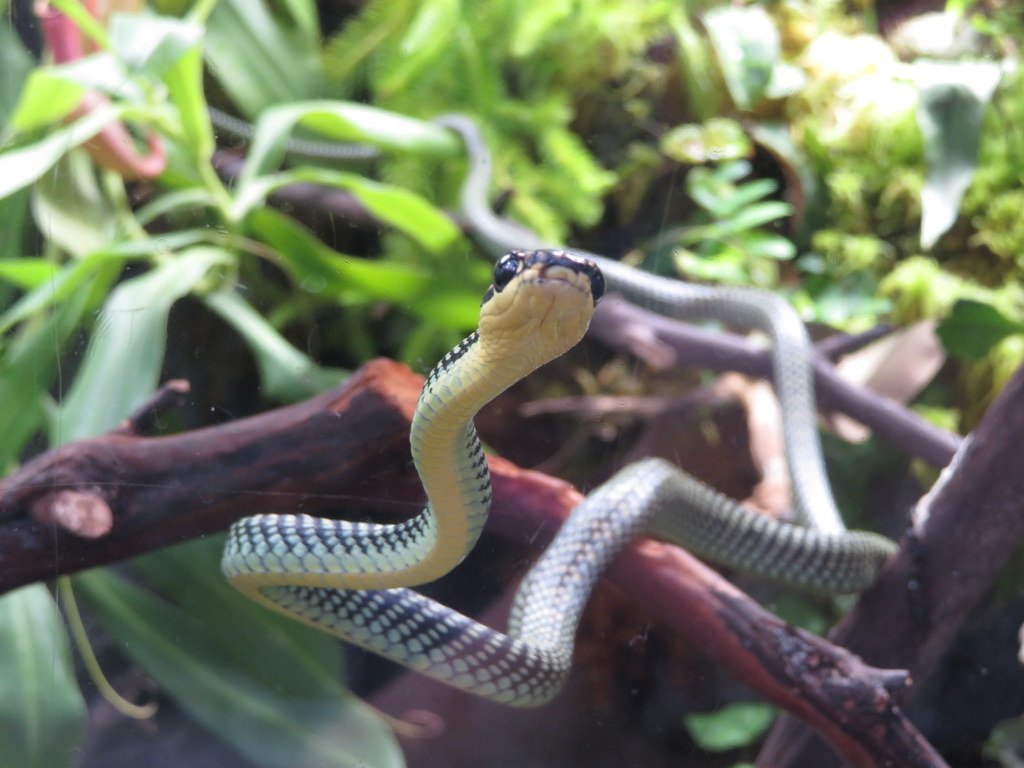
Imagine walking through a dense rainforest in Thailand when suddenly, a snake glides silently overhead like a living ribbon caught in the wind. Your eyes aren’t deceiving you, and you haven’t stumbled into a fantasy novel. You’ve just witnessed one of nature’s most extraordinary phenomena – a flying snake in action. These remarkable serpents don’t just slither through the undergrowth; they launch themselves from treetops and soar through the air with an elegance that would make any pilot jealous.
The Shocking Reality of Airborne Serpents
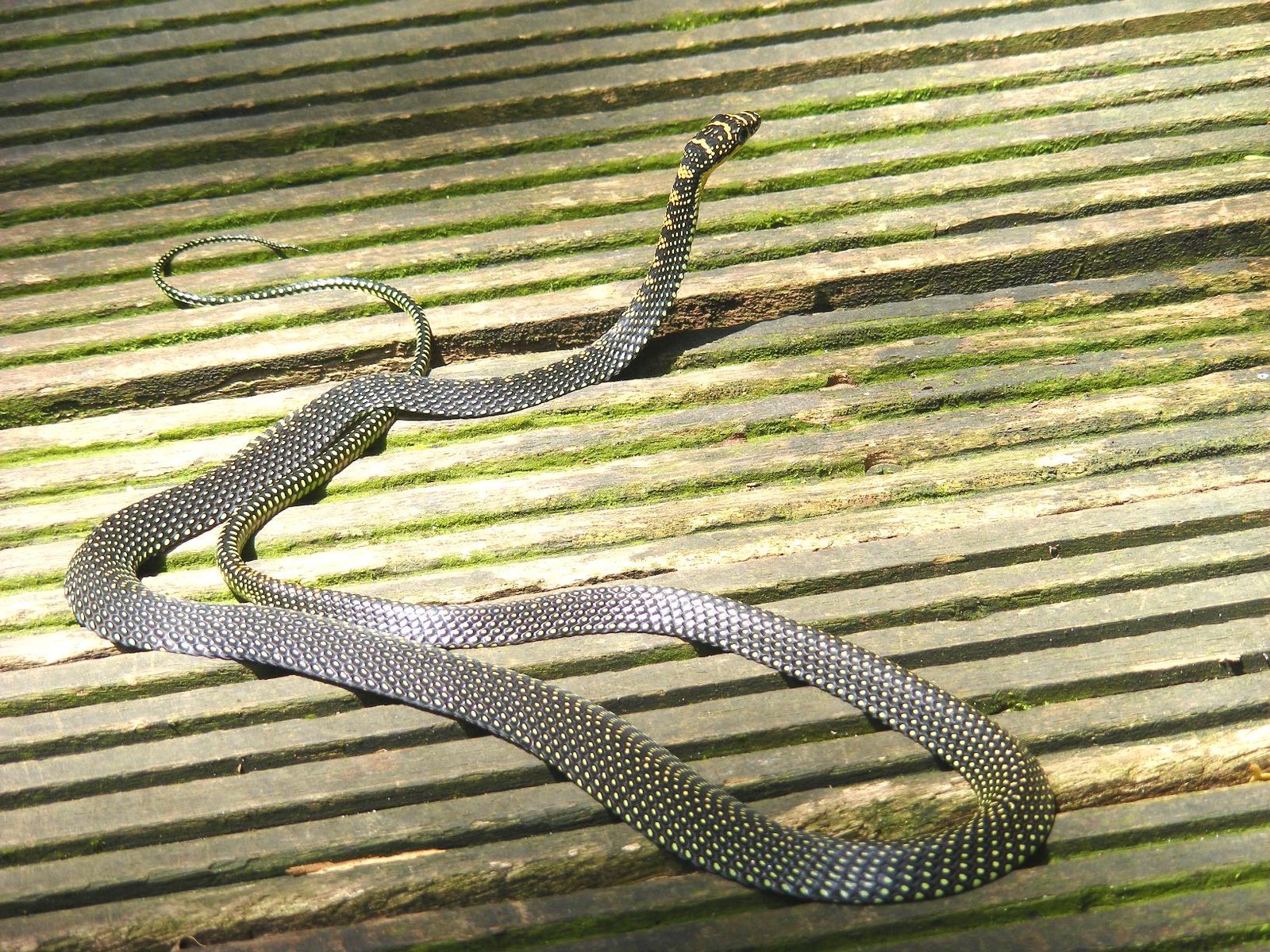
Flying snakes represent one of nature’s most mind-bending adaptations, challenging everything we thought we knew about reptilian capabilities. These incredible creatures don’t possess wings like birds or bats, yet they can glide distances of up to 100 meters through the forest canopy. The very existence of flying snakes seems to defy the laws of physics, making them one of Southeast Asia’s most captivating wildlife mysteries.
What makes this phenomenon even more astounding is that these snakes have evolved their gliding abilities independently of other flying animals. They’ve developed their own unique biomechanical solutions to achieve controlled flight, turning their entire body into a sophisticated aerodynamic instrument. The sight of a snake gracefully maneuvering through the air remains one of the most surreal experiences in the natural world.
Meet the Chrysopelea: Nature’s Aerial Acrobats

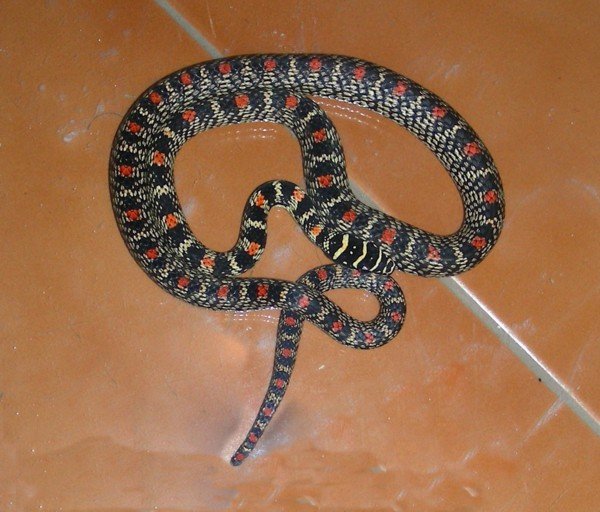
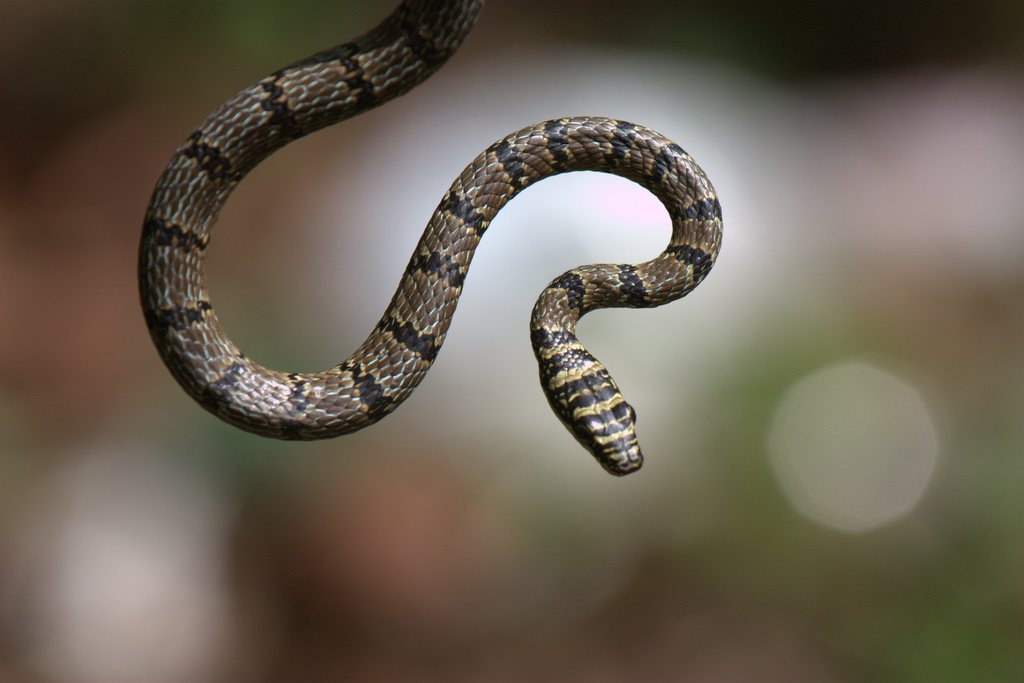
The flying snakes belong to the genus Chrysopelea, a group of five species that have mastered the art of aerial locomotion. These remarkable reptiles are found exclusively in the tropical forests of Southeast Asia, where the dense canopy provides the perfect launching pad for their gravity-defying performances. Each species has developed slightly different gliding techniques, making them unique in their own aerial artistry.
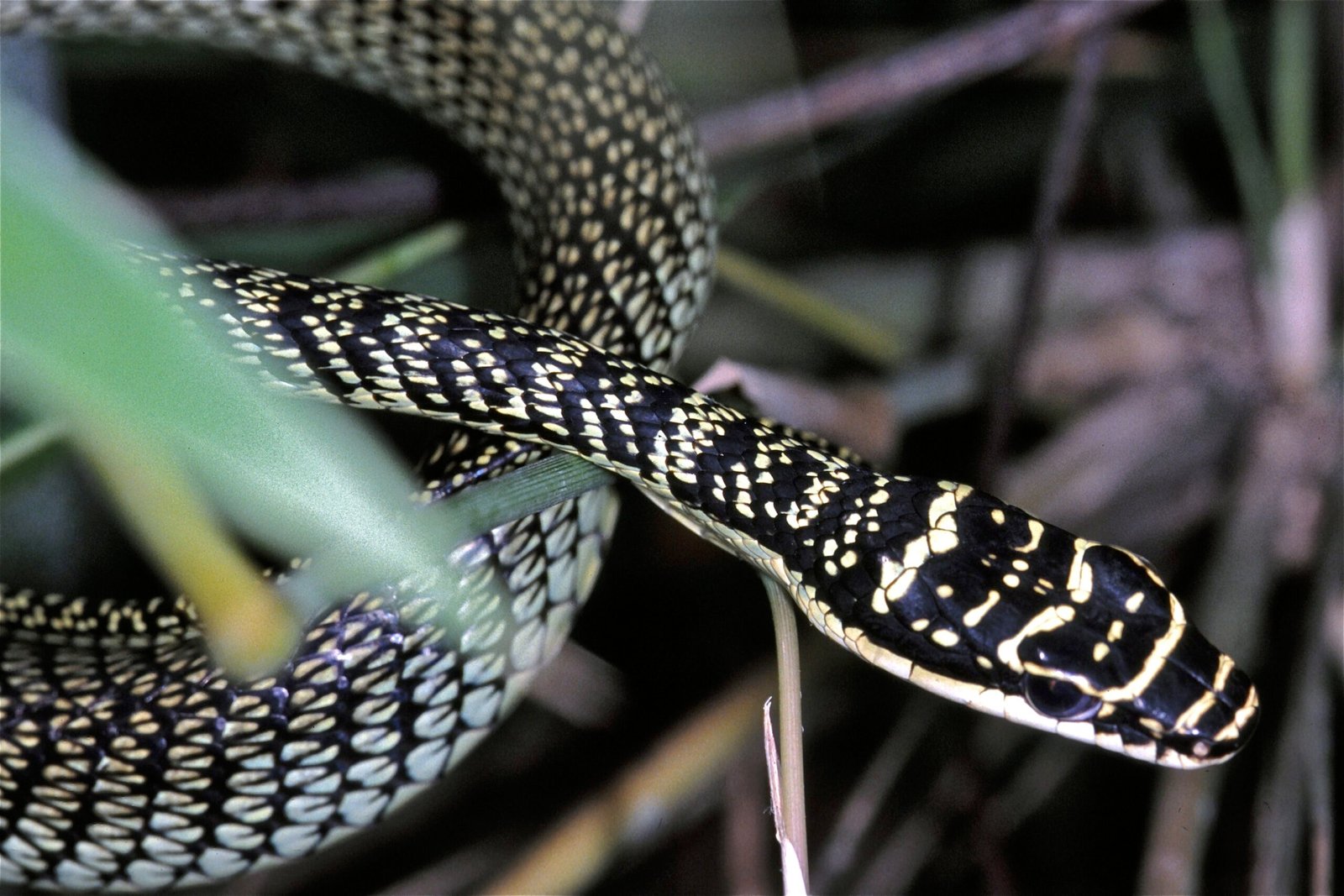
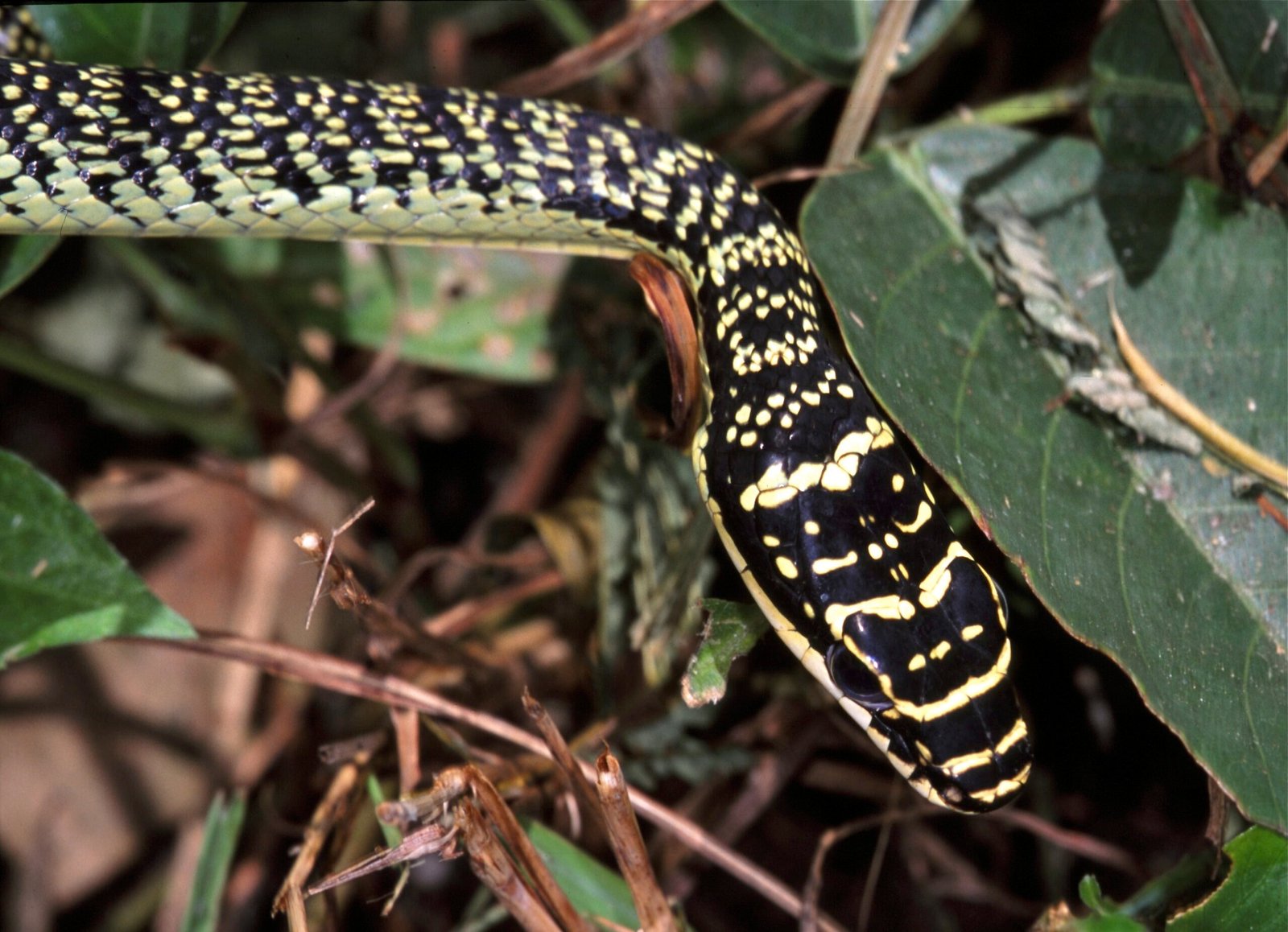
The paradise tree snake (Chrysopelea paradisi) stands out as the most accomplished glider among its relatives. Growing up to 4 feet in length, this species can achieve glide ratios that rival those of flying squirrels. Their vibrant green coloration with yellow and black markings makes them living jewels as they sail through the forest air.
The Biomechanics of Snake Flight
The secret to snake flight lies in their incredible ability to transform their cylindrical body into a flattened, wing-like surface. When preparing to glide, these snakes spread their ribs outward and suck in their belly, creating a concave underside that acts like a parachute. This body modification increases their surface area dramatically, allowing them to catch air currents and generate lift.
During flight, the snake’s body undulates in a distinctive S-shaped pattern, much like swimming through the air. This serpentine motion isn’t just for show – it’s a crucial component of their flight control system. The continuous wave-like movement helps them maintain stability and adjust their trajectory mid-flight, demonstrating a level of aerial control that scientists are still working to fully understand.
Launching Into the Unknown

The takeoff process for flying snakes is nothing short of spectacular. These reptiles position themselves at the edge of a branch, often 30 feet or more above the ground, and perform a series of preparatory movements. They coil their posterior body around the branch while extending their front portion into the air, creating a distinctive J-shaped posture that signals an impending flight.
The actual launch involves a powerful thrust that propels the snake away from the tree with remarkable force. This initial acceleration is critical for achieving the momentum needed for sustained gliding. The snake must overcome its natural tendency to fall straight down, using precise timing and body positioning to transition from a stationary position to controlled flight in mere seconds.
Navigation and Steering Systems
Once airborne, flying snakes demonstrate remarkable navigational abilities that would impress any aviation enthusiast. They can make sharp turns, adjust their glide path, and even land with pinpoint accuracy on specific branches. This level of control is achieved through subtle adjustments in body shape and the continuous undulating motion that characterizes their flight pattern.
The snake’s ability to steer comes from its capacity to shift weight distribution along its body and modify the angle of its flattened form. By tilting different sections of their body, they can change their center of gravity and redirect their flight path. This biological flight control system operates faster than any human pilot could react, making split-second adjustments to avoid obstacles and reach their intended destination.
Habitat and Distribution Patterns
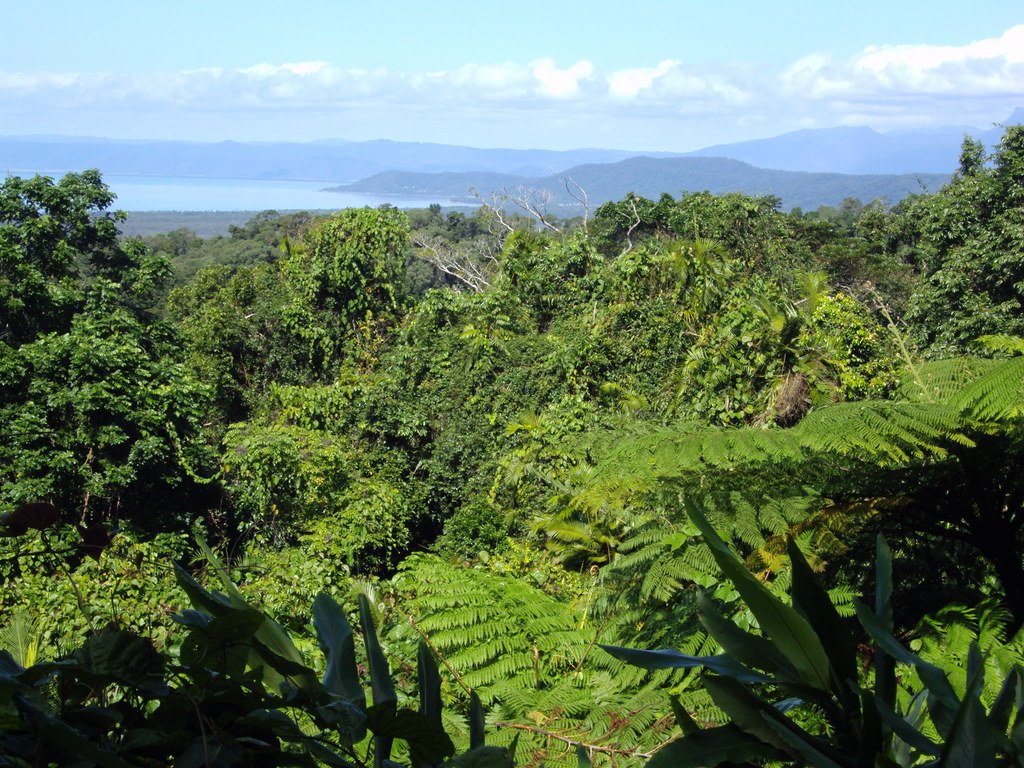
Flying snakes inhabit the lush tropical rainforests of Southeast Asia, with populations found in Thailand, Malaysia, Singapore, Indonesia, and the Philippines. These environments provide the perfect conditions for their aerial lifestyle, with tall trees creating natural highways through the canopy. The dense forest structure offers numerous launch points and landing sites, essential for their arboreal existence.
Each species of flying snake has adapted to slightly different microhabitats within these forests. Some prefer the upper canopy levels where they can take advantage of longer gliding distances, while others operate in the middle story where shorter, more precise flights are needed. The diversity of their habitats reflects the remarkable adaptability of these aerial reptiles.
Hunting Strategies from Above
Flying snakes use their gliding abilities as a sophisticated hunting strategy, allowing them to access prey that would be impossible to reach through conventional slithering. They can launch themselves from one tree to another to pursue birds, lizards, and frogs, often catching their prey completely off guard. This aerial approach gives them a significant advantage in the competitive world of arboreal predation.
Their diet consists primarily of small vertebrates, including geckos, birds, and tree frogs. The ability to glide allows them to follow prey animals that might escape by jumping to nearby branches, effectively expanding their hunting territory beyond the confines of a single tree. This three-dimensional hunting approach has proven incredibly successful in the dense forest environment.
Evolutionary Advantages of Flight
The evolution of gliding ability in snakes represents a remarkable example of natural selection favoring aerial locomotion. Flying snakes can escape ground-based predators, access new feeding territories, and move efficiently through fragmented forest habitats. These advantages have proven so significant that multiple species within the genus have independently developed and refined their gliding capabilities.
The ability to fly also provides crucial advantages during mating season, allowing males to cover greater distances in search of females. Additionally, gliding helps these snakes disperse to new territories when local resources become scarce, contributing to their evolutionary success across Southeast Asia’s diverse forest ecosystems.
Scientific Research and Discoveries

Researchers have been fascinated by flying snakes for decades, using high-speed cameras and wind tunnels to unlock the secrets of their aerial abilities. Scientists at Virginia Tech have conducted groundbreaking studies that reveal the complex physics behind snake flight, discovering that these reptiles generate lift through a combination of body shape modification and undulatory motion. Their research has provided insights that could potentially influence aircraft design and robotics.
Recent studies have shown that flying snakes can achieve glide ratios of up to 4:1, meaning they can travel four meters horizontally for every meter they descend. This performance rivals that of many gliding mammals and demonstrates the remarkable efficiency of their biological flight system. The ongoing research continues to reveal new aspects of their aerial capabilities that challenge our understanding of animal locomotion.
Conservation Status and Threats

Flying snakes face increasing pressure from habitat destruction across Southeast Asia, as deforestation reduces the forest canopy they depend on for survival. The fragmentation of their forest homes creates gaps too wide for even these accomplished gliders to cross, effectively isolating populations and reducing genetic diversity. Climate change also poses additional challenges by altering the forest structure and prey availability.
Conservation efforts focus on protecting continuous forest corridors that allow flying snakes to maintain their aerial lifestyle. Several species are considered vulnerable due to their specialized habitat requirements and limited distribution ranges. The loss of these remarkable creatures would represent not just a conservation tragedy but also the disappearance of one of nature’s most extraordinary innovations.
Myths and Cultural Significance

Flying snakes have captured the imagination of Southeast Asian cultures for centuries, appearing in local folklore and traditional stories. Many indigenous communities have long been aware of these aerial serpents, often incorporating them into their mythology as messengers between the earthly and spiritual realms. The reality of flying snakes has sometimes been dismissed by outsiders as mere legend, making their scientific validation all the more significant.
In some cultures, encountering a flying snake is considered a sign of good fortune or a connection to ancestral spirits. These beliefs have helped protect flying snakes in certain regions, as local communities view them as sacred creatures deserving of respect and protection. The cultural significance of these animals adds another layer to their conservation importance.
Comparing Flying Snakes to Other Gliding Animals
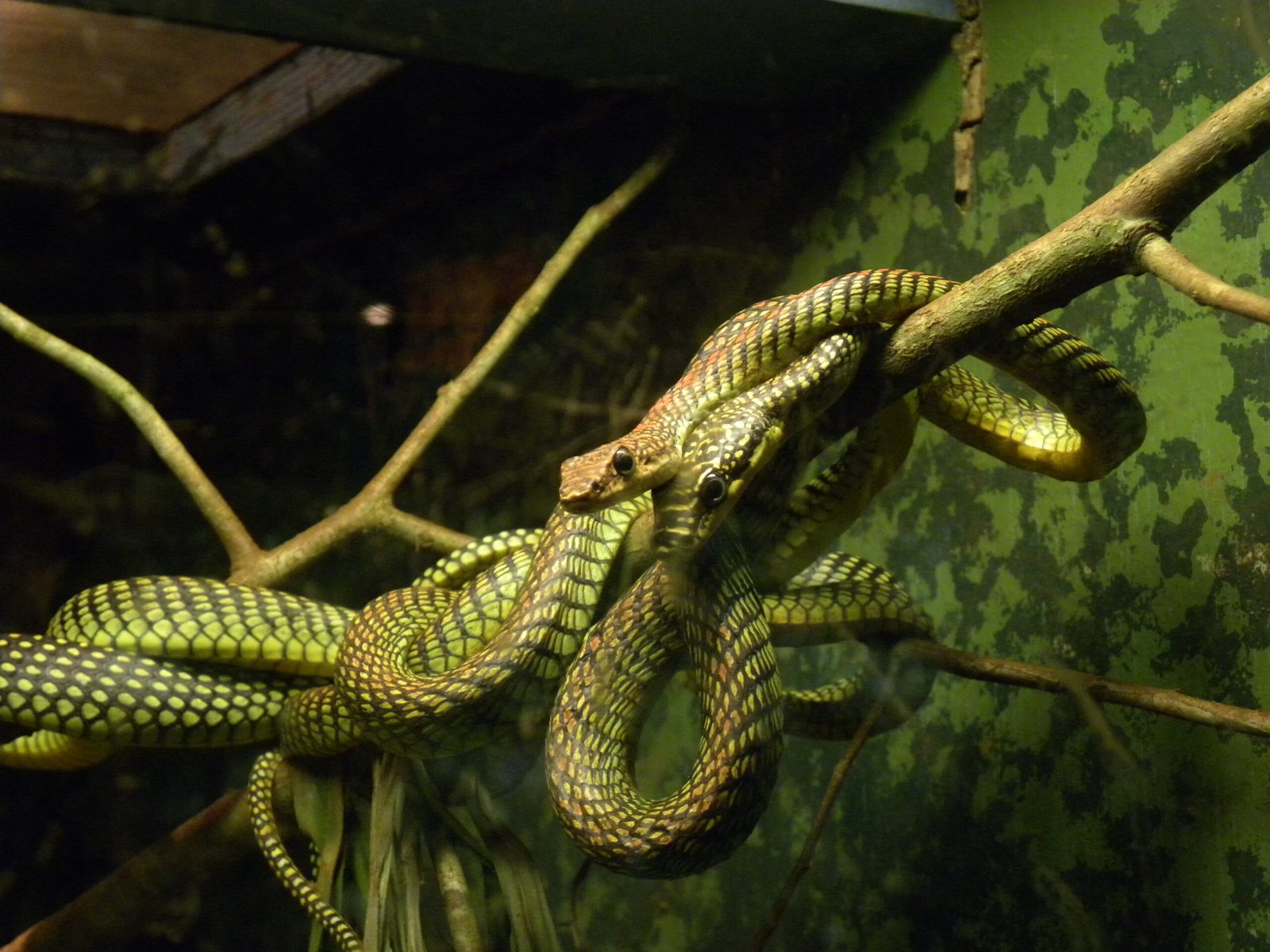
Flying snakes share their aerial niche with other gliding animals like flying squirrels, gliding lizards, and flying frogs, yet their approach to flight is uniquely their own. Unlike mammals that use skin membranes stretched between limbs, or lizards that deploy rib-supported wings, snakes have transformed their entire body into a gliding surface. This whole-body approach to flight represents a completely different evolutionary solution to the challenge of moving through three-dimensional space.
The undulatory motion that characterizes snake flight is absent in other gliding animals, making them stand out in the aerial community. While flying squirrels glide in a relatively straight line and flying lizards make minimal adjustments once airborne, flying snakes continuously adjust their body position throughout their flight, creating a more dynamic and controllable gliding experience.
Reproduction and Life Cycle

Flying snakes reproduce through internal fertilization, with females laying eggs in tree hollows or other protected arboreal locations. The young snakes are born with the innate ability to glide, though they must practice and refine their technique through trial and error. Juvenile flying snakes often make shorter, less controlled flights as they develop the muscle coordination and spatial awareness needed for expert gliding.
The reproductive cycle of flying snakes is closely tied to their aerial lifestyle, as males must be able to traverse large distances through the canopy to find mates. Females select nesting sites that provide easy access to gliding opportunities, ensuring their offspring can quickly integrate into the three-dimensional world of the forest canopy. The survival of young flying snakes depends heavily on their ability to master aerial locomotion within their first few weeks of life.
Behavioral Adaptations

Flying snakes have developed unique behavioral patterns that complement their aerial abilities. They spend most of their time in the upper reaches of the forest canopy, rarely descending to ground level where their gliding advantage would be lost. These snakes have also evolved enhanced spatial awareness and depth perception, crucial skills for navigating the complex three-dimensional environment of the forest canopy.
Their daily activity patterns are synchronized with optimal gliding conditions, often becoming more active during periods of stable air currents. Flying snakes also exhibit remarkable memory for the forest layout, remembering the locations of suitable launch and landing sites across their territory. This cognitive mapping ability allows them to plan efficient flight routes and avoid areas where gliding would be difficult or dangerous.
Predator-Prey Relationships

The aerial lifestyle of flying snakes has fundamentally altered their relationship with both predators and prey in the forest ecosystem. By operating primarily in the canopy, they avoid many ground-based predators while gaining access to arboreal prey species that other snakes cannot reach. This vertical niche specialization has allowed them to exploit food resources that would otherwise be unavailable to terrestrial serpents.
However, their aerial activities also expose them to different types of predators, including birds of prey that share their three-dimensional habitat. Flying snakes must constantly balance the advantages of gliding with the risks of being detected by aerial predators. Their cryptic coloration and quick, evasive flight maneuvers help them avoid becoming prey themselves while hunting in the open canopy.
Future Research Directions
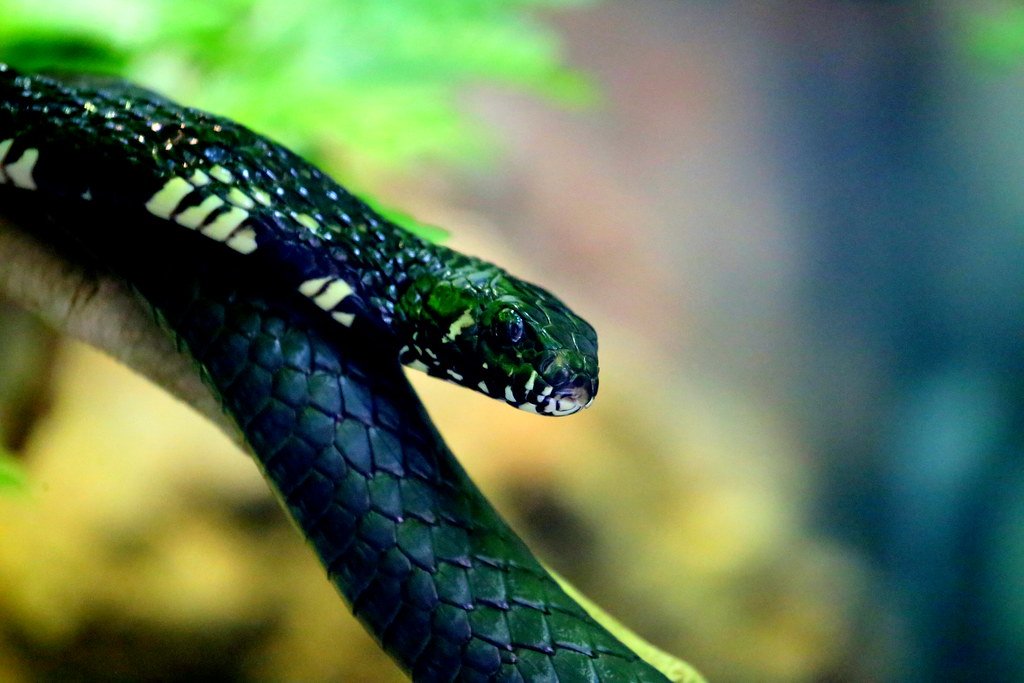
Scientists continue to study flying snakes to understand the full extent of their capabilities and potential applications for human technology. Research into their flight mechanics could lead to breakthroughs in biomimetic aircraft design, particularly for small, maneuverable drones that could navigate through complex environments. The unique undulatory flight pattern of snakes offers insights that could revolutionize our approach to aerial robotics.
Future studies will likely focus on the neurological control systems that allow flying snakes to process spatial information and coordinate their complex flight movements. Understanding how these reptiles integrate sensory input with motor control could provide valuable insights for developing more sophisticated autonomous flight systems. The continued study of flying snakes promises to unlock secrets that could benefit both conservation efforts and technological innovation.
The Wonder of Evolutionary Innovation
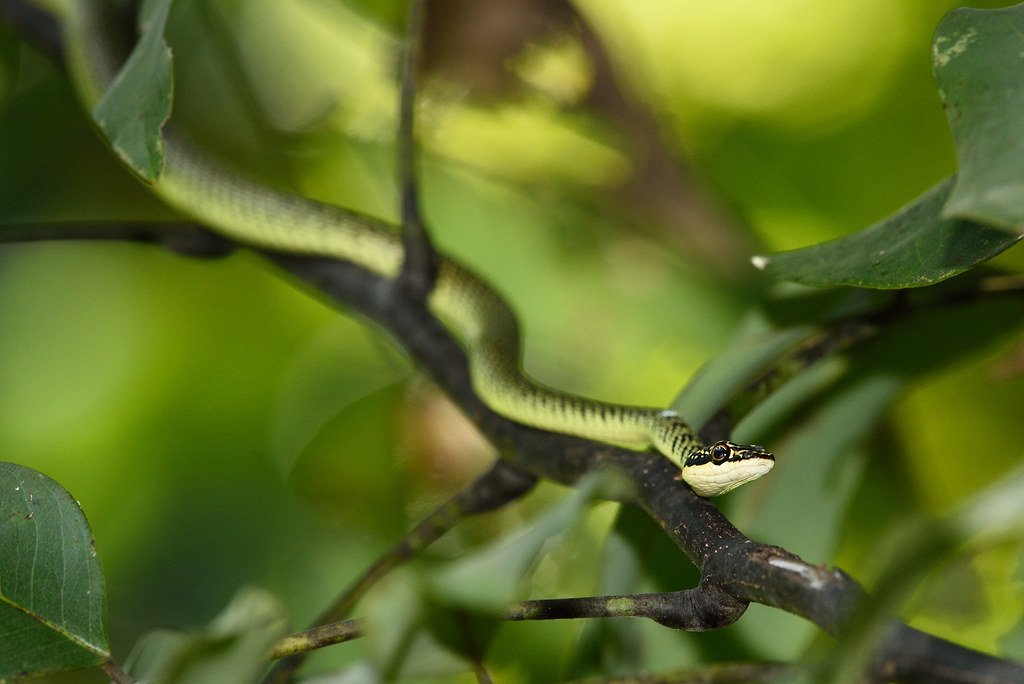
Flying snakes represent one of evolution’s most creative solutions to the challenges of arboreal life, demonstrating that nature’s ingenuity knows no bounds. These remarkable creatures have transformed what seems like a fundamental limitation – the lack of wings – into a unique advantage through their whole-body approach to flight. Their existence challenges our preconceptions about what animals can achieve and reminds us that the natural world still holds countless surprises waiting to be discovered.
The next time you find yourself in the forests of Southeast Asia, look up into the canopy with newfound appreciation for these aerial masters. The flying snakes gliding silently overhead represent millions of years of evolutionary refinement, a testament to life’s incredible ability to adapt and thrive in the most unexpected ways. Who would have thought that watching a snake fly could be so utterly mesmerizing?