In the depths of tropical forests around the world, a spider sits motionless on a branch, holding what appears to be a small rectangular net between its front legs. This isn’t some miniature fisherman’s tool, but rather one of nature’s most ingenious hunting weapons. The net-casting spider, also known as the gladiator spider, has evolved a hunting strategy so unique and effective that it seems almost too incredible to be real. Unlike other spiders that wait passively in webs for prey to stumble into their traps, these remarkable arachnids actively hunt, wielding their silk nets like ancient Roman gladiators wielded their weapons in the arena.
The Gladiator’s Arena: Where Net-Casting Spiders Call Home

Net-casting spiders thrive in the warm, humid environments of tropical and subtropical regions across the globe. You’ll find these remarkable hunters in the forests of Australia, Southeast Asia, Africa, and parts of the Americas, where they’ve adapted to life in the understory vegetation.
These spiders prefer areas with dense foliage and plenty of vertical surfaces like tree trunks, shrubs, and tall grasses. The humid conditions help keep their silk nets flexible and sticky, while the abundant insect life provides a steady stream of potential prey. During the day, they often hide in crevices or under bark, emerging only when darkness falls to begin their nocturnal hunting rituals.
The forest floor beneath their hunting grounds becomes their stage, where unsuspecting insects crawl along familiar paths, completely unaware of the silent predator hanging above them. This vertical hunting strategy gives them a significant advantage over ground-dwelling prey, allowing them to strike from above with lightning speed.
Meet the Deinopis: The Science Behind the Gladiator
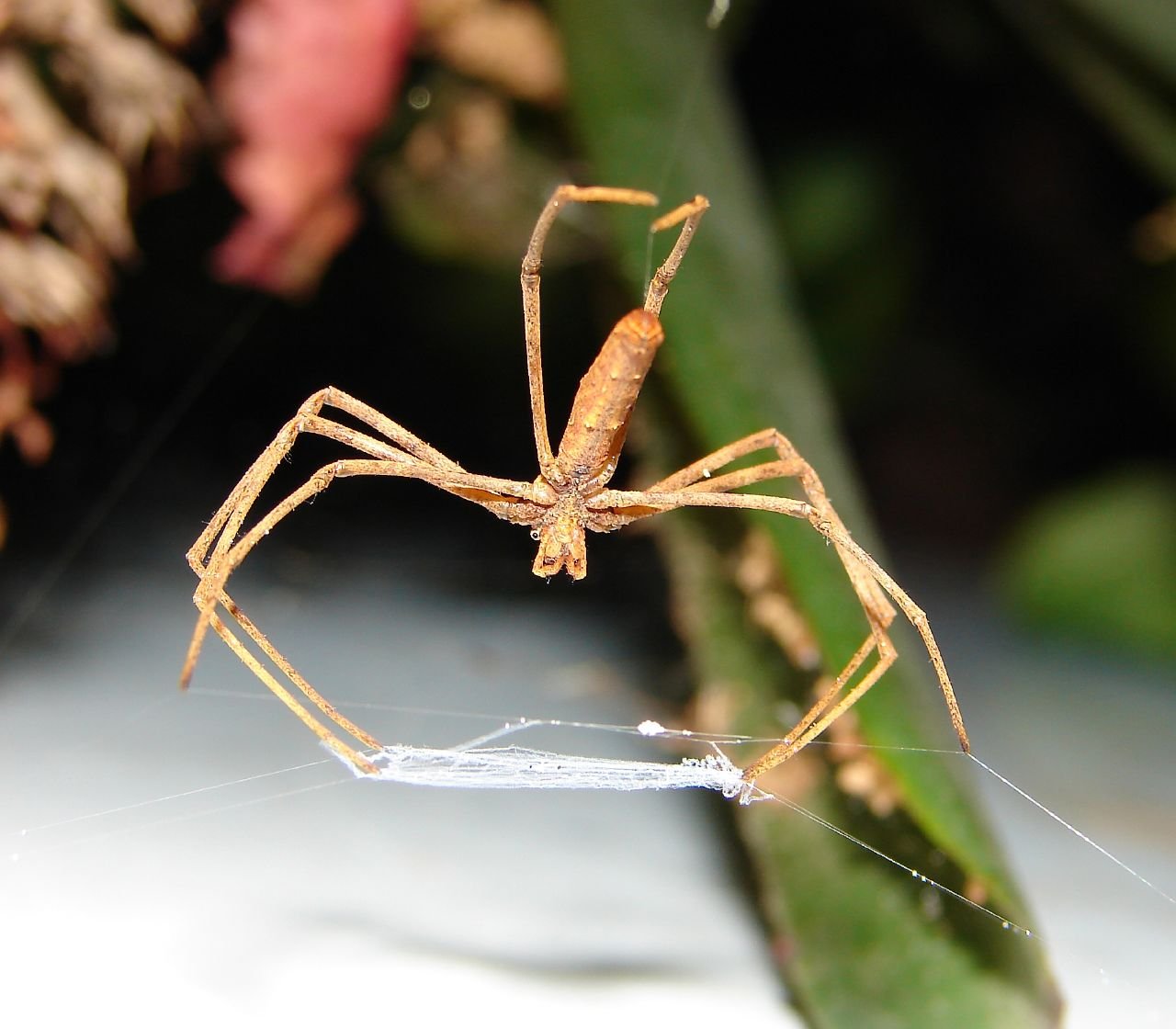
The most well-known net-casting spider belongs to the genus Deinopis, which literally translates to “fearsome face” in Greek. This name becomes immediately apparent when you observe their most striking feature: enormous posterior median eyes that can be up to 1,000 times more sensitive to light than human eyes.
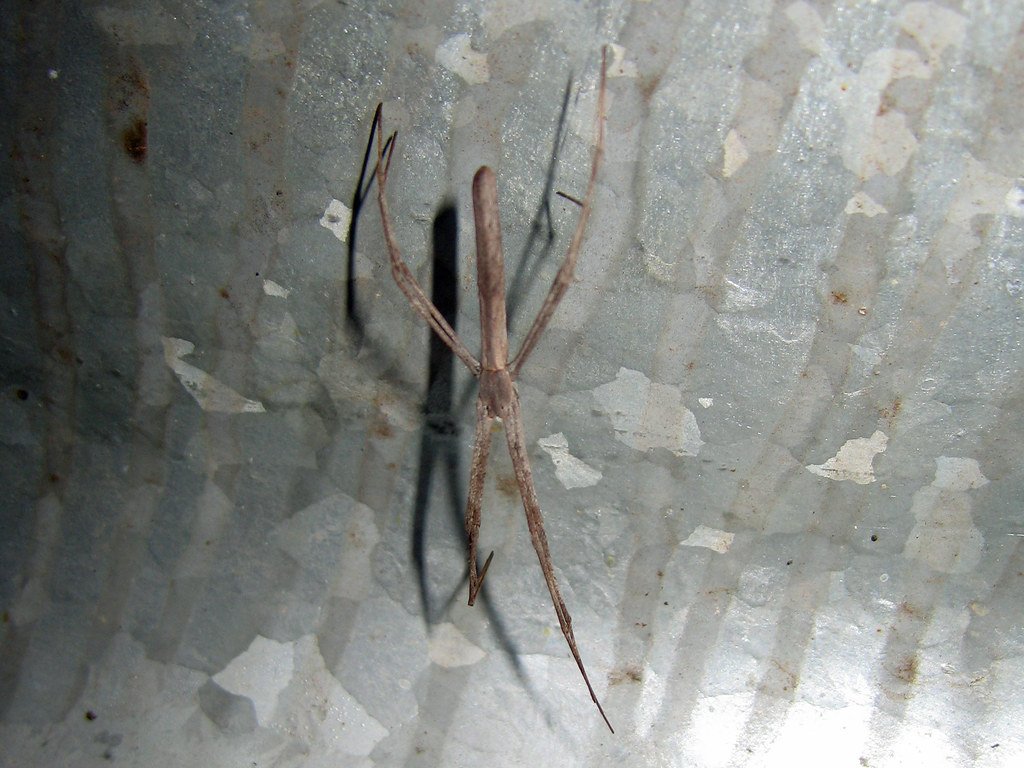
These spiders belong to the family Deinopidae, which includes about 60 species worldwide. Most Deinopis species measure between 10 to 25 millimeters in body length, with their legs extending their reach considerably. Their bodies are typically elongated and brown or gray, providing excellent camouflage against tree bark and branches.
What sets them apart from other spider families isn’t just their hunting method, but their entire sensory apparatus. Their leg spans can reach up to 50 millimeters, and their front legs are specially adapted with sensitive hairs that can detect the slightest vibrations from potential prey moving below.
Eyes That See in the Dark: Extraordinary Vision Adaptations
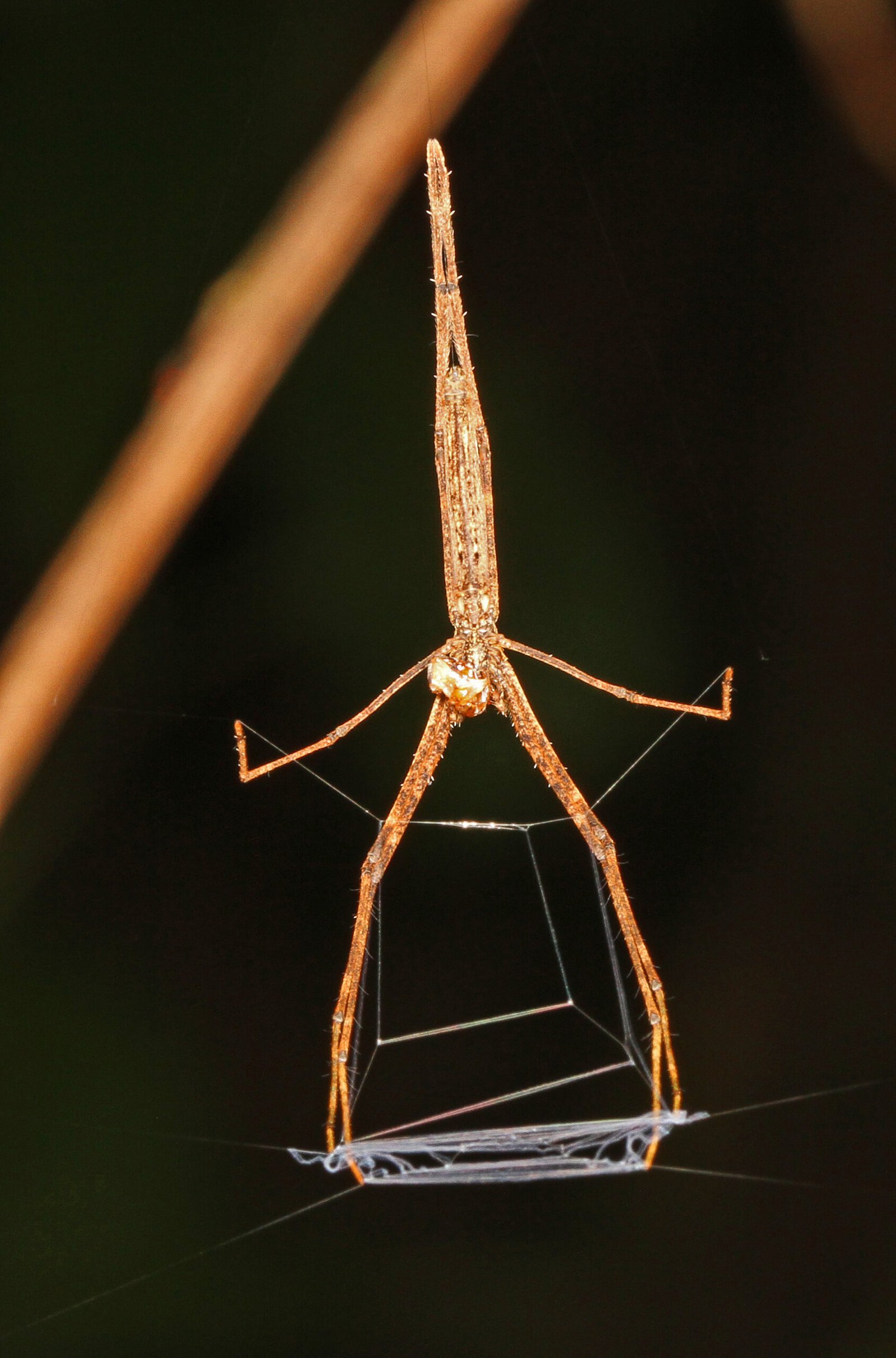
The most shocking aspect of net-casting spiders is their incredible night vision capabilities. Their enlarged eyes contain a light-gathering membrane that’s rebuilt every single night and destroyed each morning by the rising sun. This nightly regeneration process allows them to see clearly in conditions that would leave most creatures completely blind.
These eyes are so sensitive that they can detect movement in near-total darkness, allowing the spider to accurately judge the distance and speed of prey moving on the ground below. The eyes work in conjunction with specialized light-sensitive cells that help the spider determine the exact moment to strike with their net.
Research has shown that these spiders can see well enough in starlight to distinguish between different types of prey and even recognize potential threats. This visual acuity is so advanced that it rivals some of the most sophisticated night-vision technology humans have developed.
The Art of Net Construction: Weaving a Gladiator’s Weapon
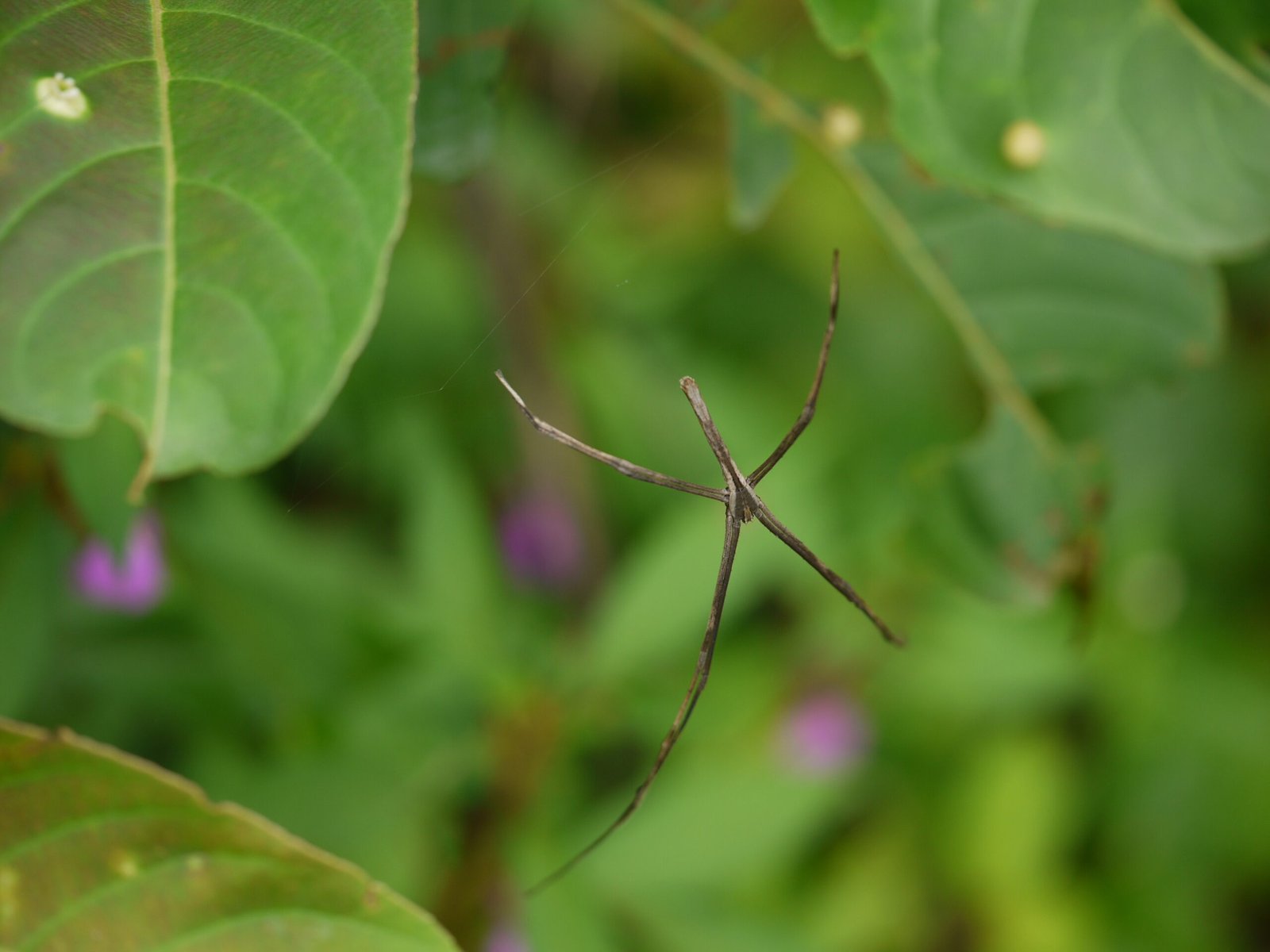
Creating the hunting net is a precise and methodical process that takes the spider about an hour to complete. The spider begins by spinning a rectangular frame using strong dragline silk, then fills it with a woolly, cribellate silk that has incredible stretching properties and sticky qualities.
The finished net measures roughly 3 to 4 times the spider’s leg span and has a unique elastic quality that allows it to stretch up to 10 times its original size when thrown. The silk used in the net is different from typical spider web silk – it’s fluffier and more adhesive, designed specifically for capturing prey rather than supporting the spider’s weight.
Once completed, the spider holds the net between its front four legs, with the rectangular frame positioned perfectly for throwing. The entire structure is so lightweight that it doesn’t impede the spider’s movement, yet strong enough to subdue struggling prey insects.
The Strike: Hunting Techniques That Define Precision
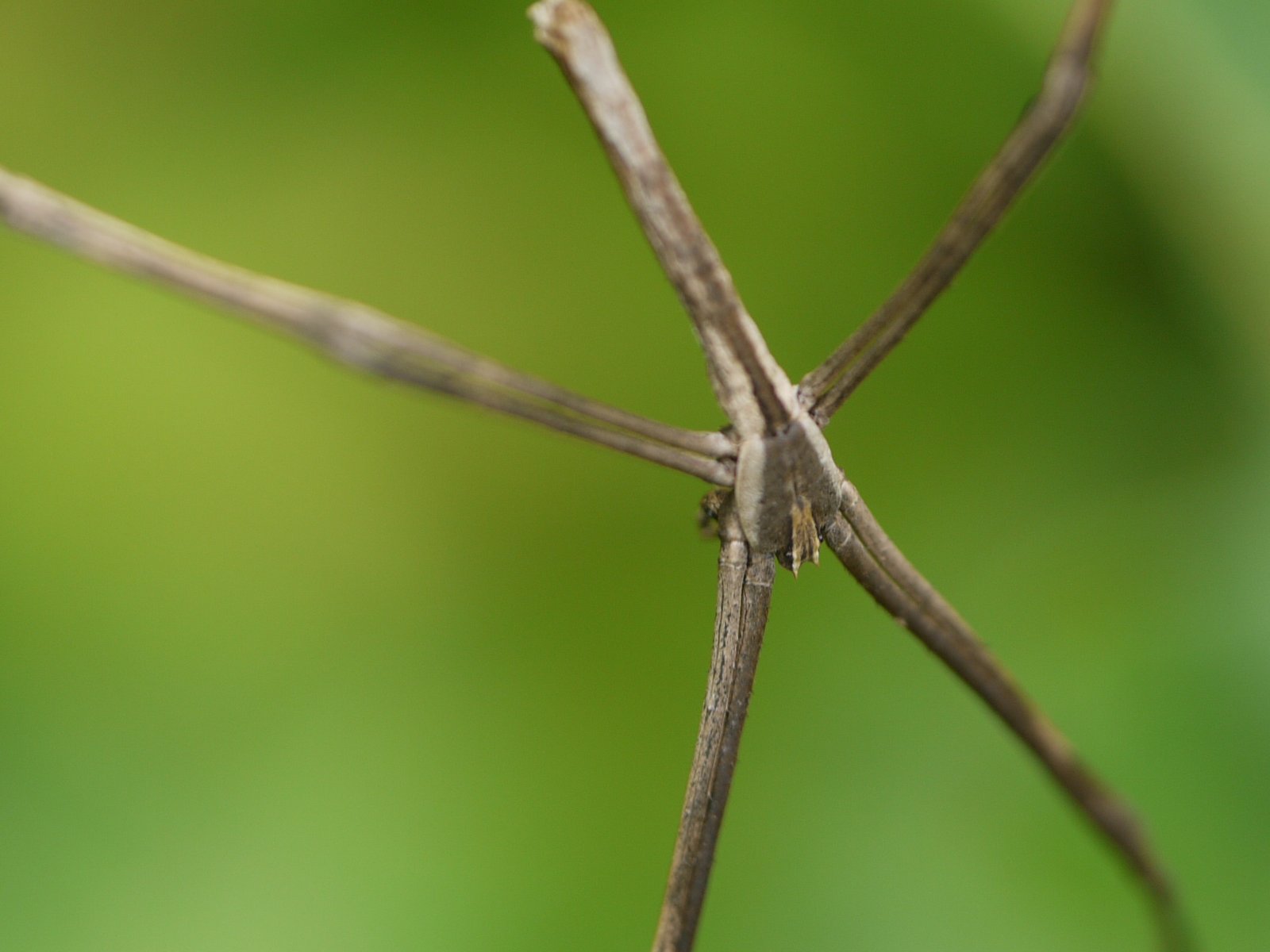
When a net-casting spider detects prey moving below, it employs one of two distinct hunting strategies. The “forward strike” involves the spider lunging downward and forward, casting the net over insects walking on the ground directly below its position.
The more impressive “backward strike” occurs when the spider detects flying insects approaching from behind. In a lightning-fast movement, the spider flips backward and casts its net to catch the airborne prey, demonstrating reflexes that would make any human athlete jealous.
The entire strike sequence, from detection to capture, takes less than a second. The spider’s accuracy is so precise that it rarely misses its target, even in complete darkness. After successful capture, the spider quickly bites the prey to inject venom, then wraps it in additional silk for later consumption.
Vibrational Mastery: How They Detect the Invisible
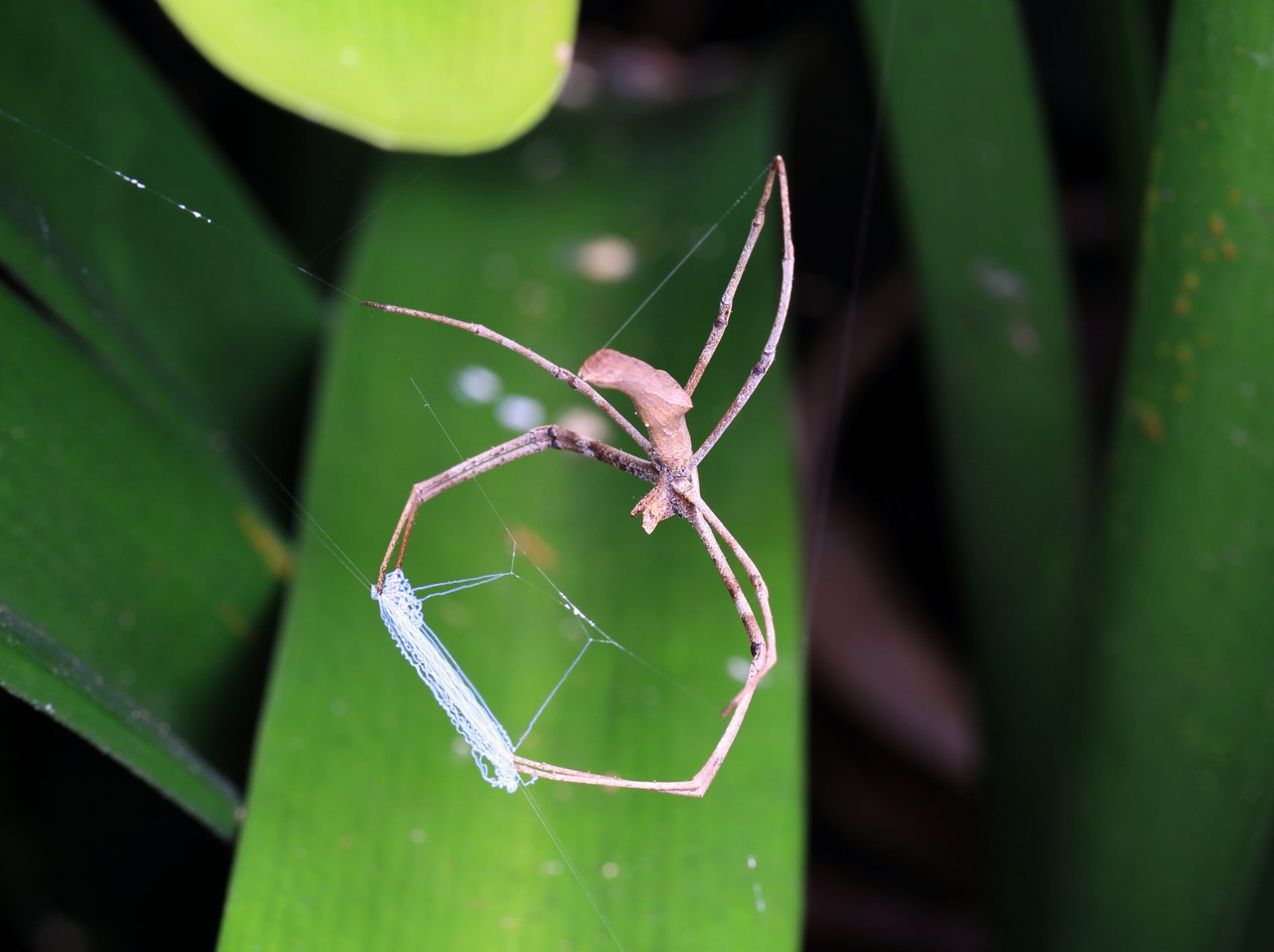
Beyond their extraordinary eyesight, net-casting spiders possess incredibly sensitive mechanoreceptors in their legs that can detect vibrations transmitted through the air and solid surfaces. These sensors are so fine-tuned that they can distinguish between the footsteps of different insect species.
The spider’s legs act like sophisticated seismographs, picking up vibrations from insects walking on leaves, branches, or the ground below. They can even detect the wing beats of flying insects, allowing them to prepare for a backward strike before the prey comes into visual range.
This dual sensory system of exceptional vision and vibration detection makes net-casting spiders incredibly effective hunters. They can process multiple sensory inputs simultaneously, creating a three-dimensional map of their hunting environment that updates in real-time.
Silk Engineering: The Science of Stretchy Nets
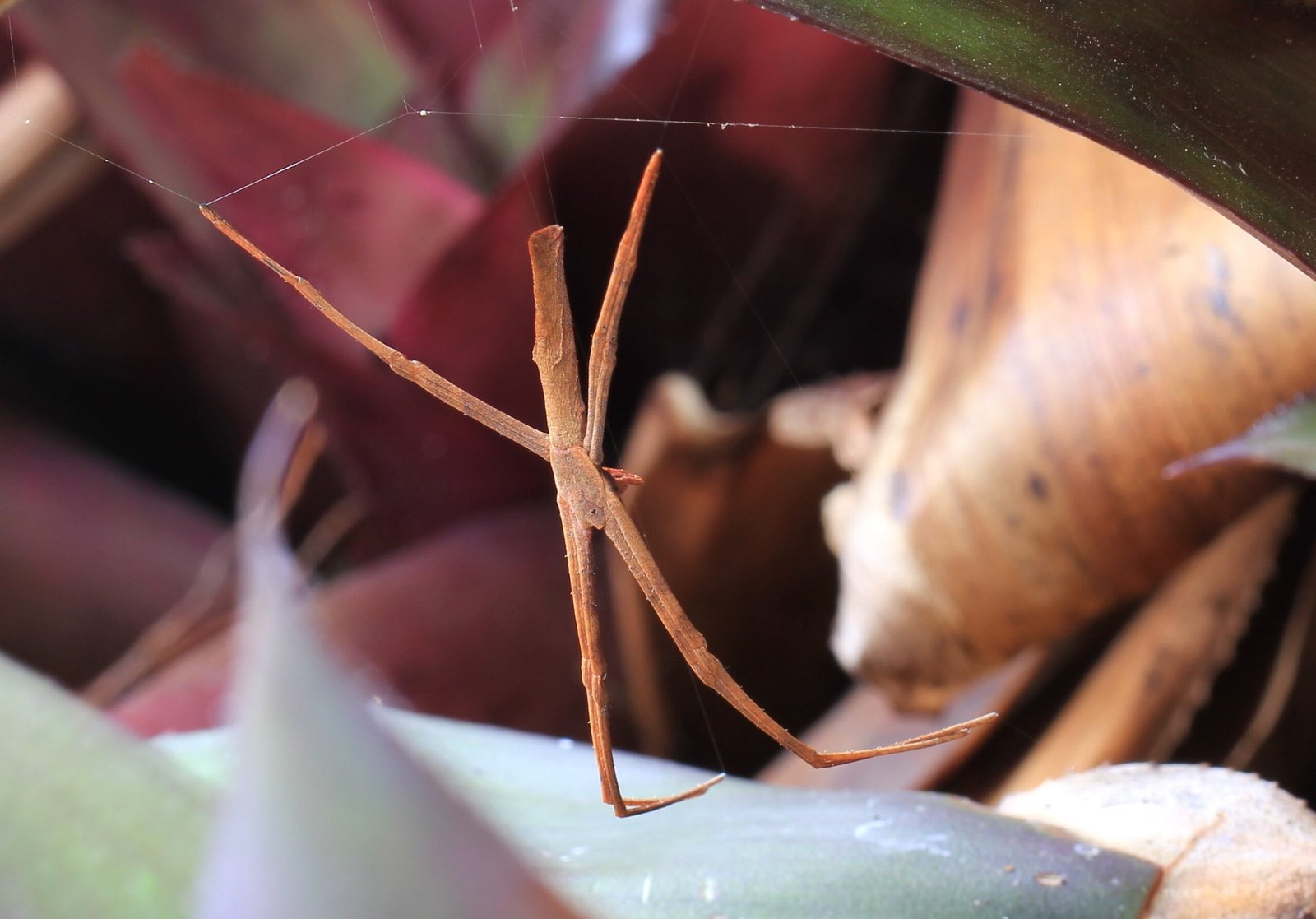
The silk used in net-casting spider webs represents one of nature’s most remarkable engineering achievements. Unlike the silk in traditional spider webs, net silk contains specialized protein structures that give it rubber-like elasticity and powerful adhesive properties.
Scientists have discovered that the cribellate silk in these nets contains thousands of tiny loops and curls that act like microscopic springs. When the net hits prey, these structures stretch and conform to the insect’s body, creating multiple contact points that make escape nearly impossible.
The adhesive quality comes from van der Waals forces – the same molecular attractions that allow geckos to climb walls. This means the net becomes stickier under pressure, so the more an insect struggles, the more firmly it becomes trapped.
Behavioral Adaptations: Life in the Shadows
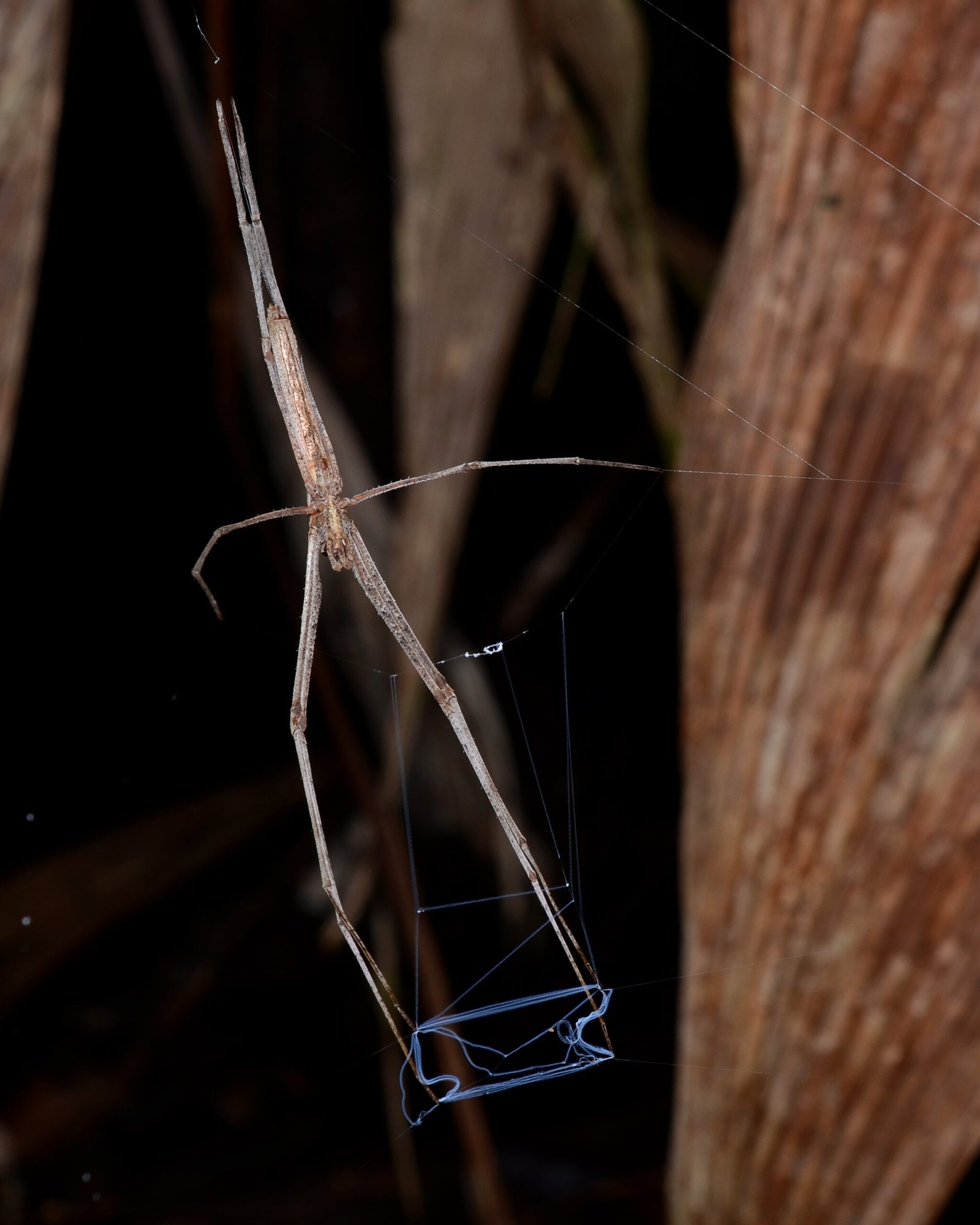
Net-casting spiders have evolved fascinating behavioral adaptations that complement their unique hunting style. During daylight hours, they remain motionless in camouflaged positions, often stretching their bodies along branches to mimic twigs or bark patterns.
Their hunting behavior follows strict nocturnal patterns, with peak activity occurring during the darkest hours of the night. They position themselves strategically above insect pathways, using their knowledge of local prey behavior to maximize hunting success.
These spiders also demonstrate remarkable patience, sometimes holding their nets in ready position for hours without moving. This energy-efficient hunting strategy allows them to survive in environments where prey might be scarce or unpredictable.
Prey Preferences: What’s on the Menu?
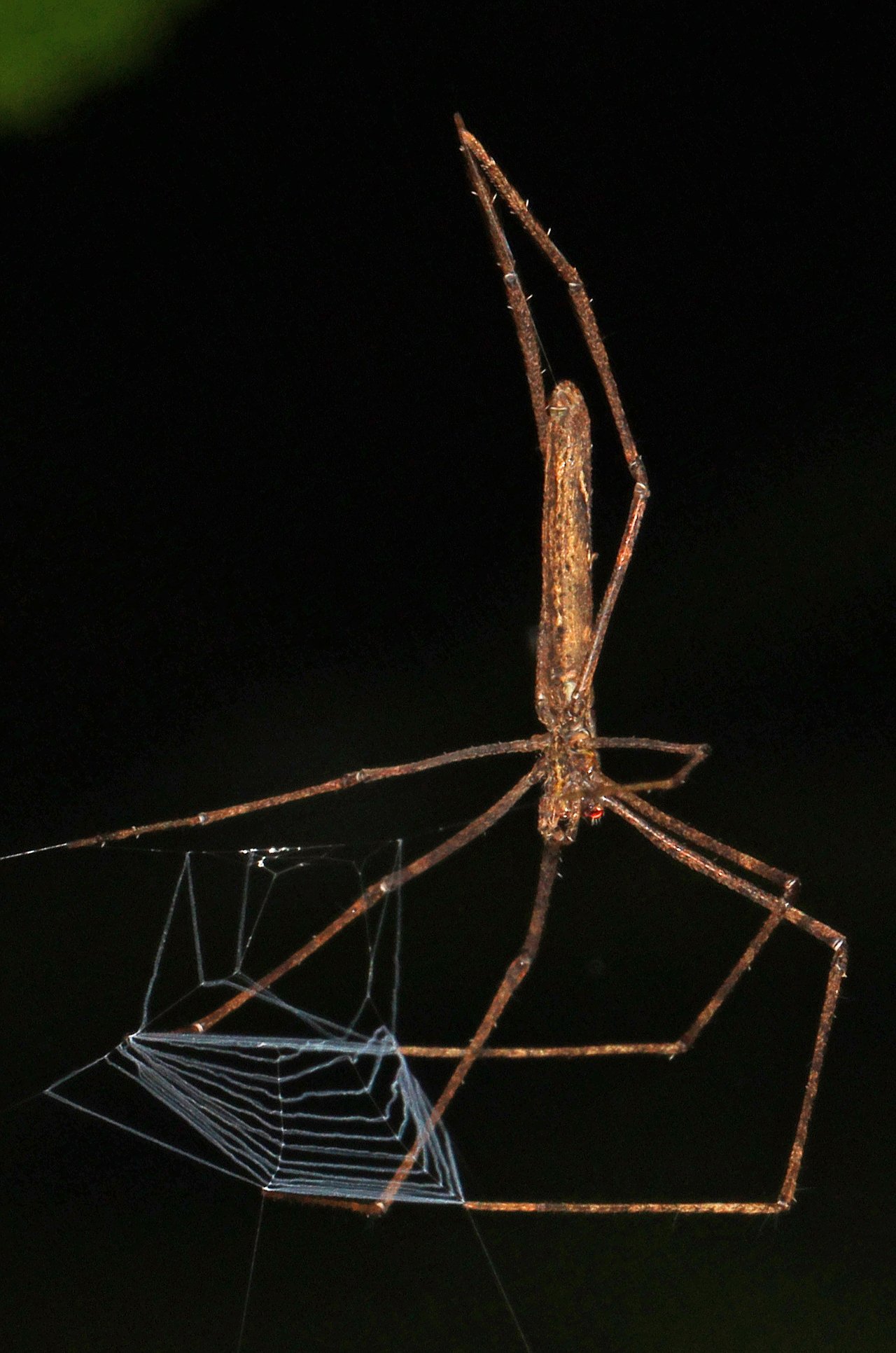
Net-casting spiders are opportunistic predators that primarily hunt crawling insects like ants, beetles, and cockroaches. Their ground-focused hunting strategy makes them particularly effective at capturing insects that follow predictable pathways along the forest floor.
Flying insects such as moths, flies, and mosquitoes also feature prominently in their diet, especially during the backward-strike hunting behavior. The spiders seem to prefer prey that’s roughly 20-50% of their own body size, though they can handle larger insects when necessary.
Interestingly, these spiders rarely catch web-building spiders or other arachnids, possibly because these potential prey items are less likely to travel along the ground routes that net-casting spiders monitor. Their diet varies seasonally based on insect availability, showing remarkable adaptability to changing environmental conditions.
Reproduction and Life Cycle: Passing on Gladiator Genes
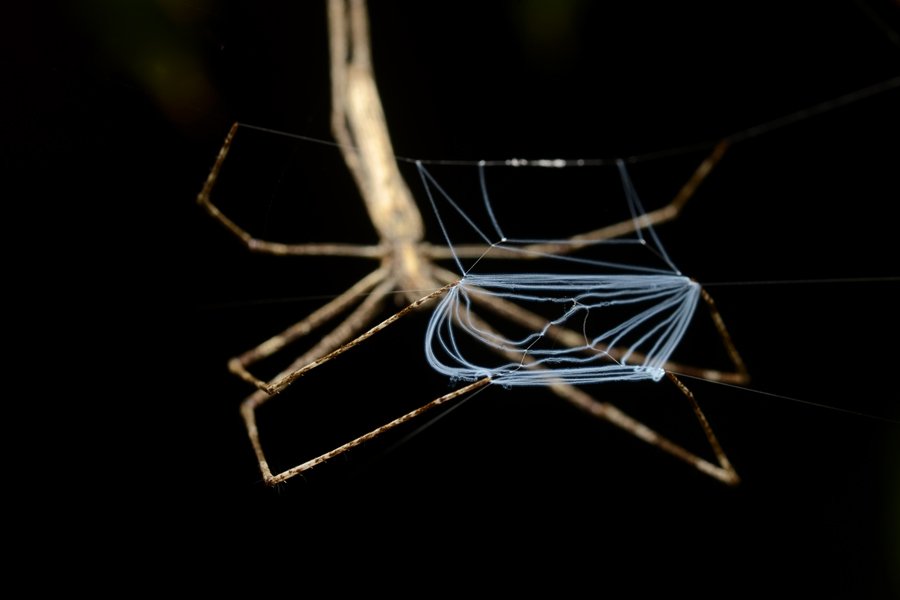
The mating process of net-casting spiders involves complex courtship rituals where males must approach females without being mistaken for prey. Males typically construct smaller, simpler nets and may use vibrational signals to communicate their intentions to potential mates.
Females lay their eggs in silk sacs that they carefully guard and camouflage among vegetation. The eggs develop over several weeks, with spiderlings emerging as miniature versions of adults, already equipped with the basic instincts needed for net-casting hunting.
Young spiders must learn to construct their first nets through trial and error, gradually perfecting their technique through practice. Mortality rates are high during this learning phase, as inexperienced hunters often fail to capture enough prey to survive to adulthood.
Global Distribution: Where Gladiators Roam
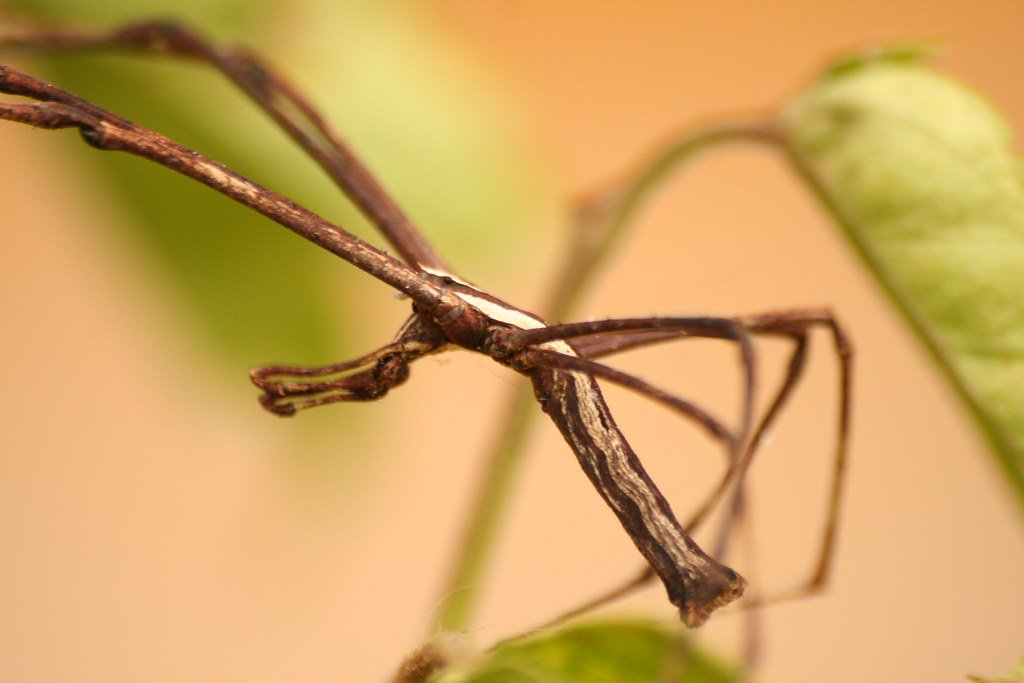
Net-casting spiders have achieved remarkable global distribution across tropical and subtropical regions. In Australia, the species Deinopis subrufa has become one of the most studied net-casting spiders, found throughout the eastern coastal forests and inland woodlands.
African species like Deinopis lamia inhabit the dense forests of Central and Southern Africa, while Southeast Asian populations thrive in the rainforests of Malaysia, Indonesia, and Thailand. Each geographic population has developed slight variations in hunting behavior and net construction techniques.
Climate change and habitat destruction pose increasing threats to these specialized hunters, as they require specific environmental conditions to maintain their complex life cycles. Conservation efforts in several countries now monitor net-casting spider populations as indicators of forest ecosystem health.
Evolutionary Advantages: Why This Strategy Works
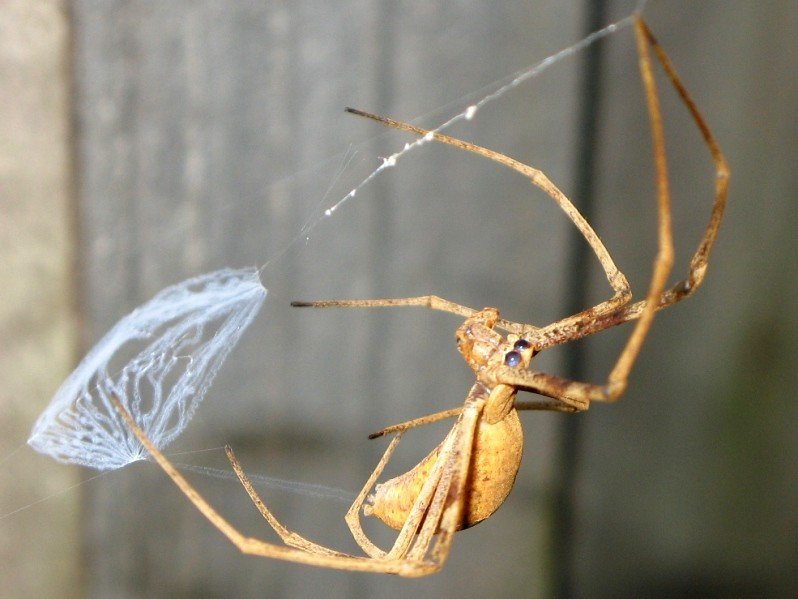
The net-casting hunting strategy represents an evolutionary solution to the challenges of nocturnal predation in complex forest environments. Unlike passive web-builders, these spiders can actively select their hunting locations and adjust their strategies based on prey behavior.
This hunting method also allows them to capture prey that would easily escape traditional webs, particularly fast-moving ground insects and flying species. The ability to reuse and modify their nets gives them a significant energy advantage over spiders that must rebuild entire webs after each use.
The combination of exceptional sensory abilities and active hunting behavior has allowed net-casting spiders to occupy ecological niches that other spiders cannot exploit effectively. This evolutionary advantage has contributed to their success across diverse global habitats.
Predators and Threats: What Hunts the Hunters
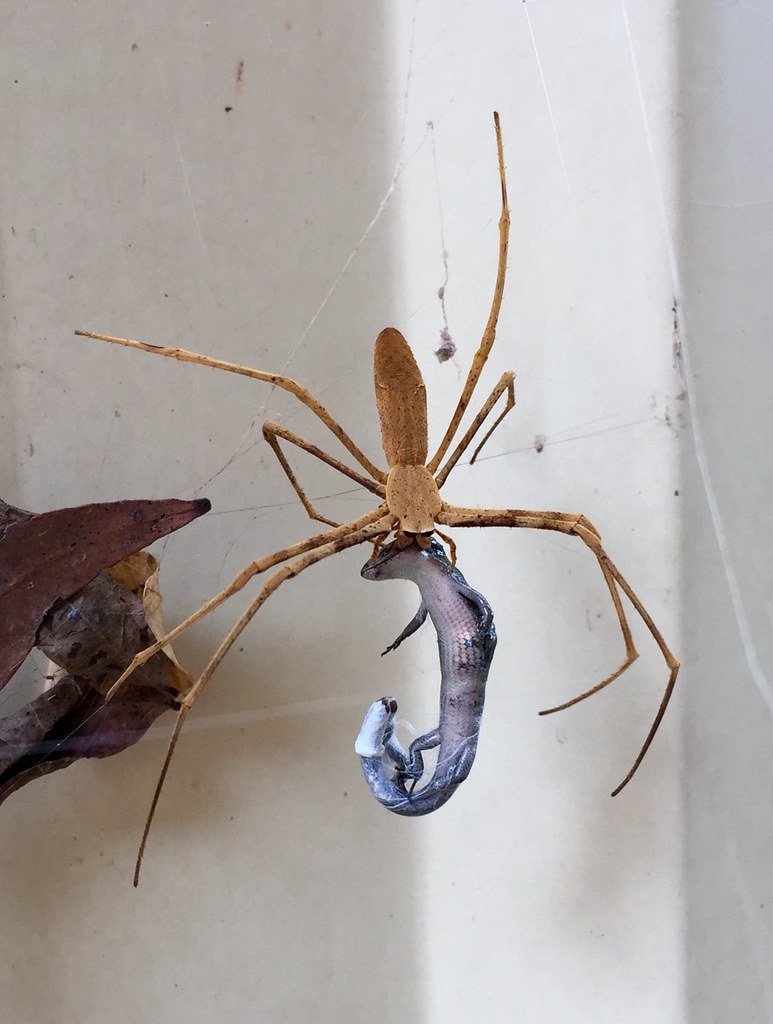
Despite their formidable hunting abilities, net-casting spiders face numerous threats from various predators. Birds, particularly insectivorous species that hunt at dawn and dusk, pose significant risks to these spiders during their most active periods.
Larger spiders, including wolf spiders and huntsman spiders, sometimes prey on net-casting spiders, especially juveniles that haven’t yet perfected their hunting techniques. Parasitic wasps also target these spiders, laying eggs inside their bodies that eventually kill the host.
Environmental threats include habitat destruction, pesticide use, and climate change effects that alter insect populations. Light pollution from human development can also disrupt their hunting behavior by affecting their sensitive night vision adaptations.
Research and Scientific Discoveries: Unlocking Nature’s Secrets
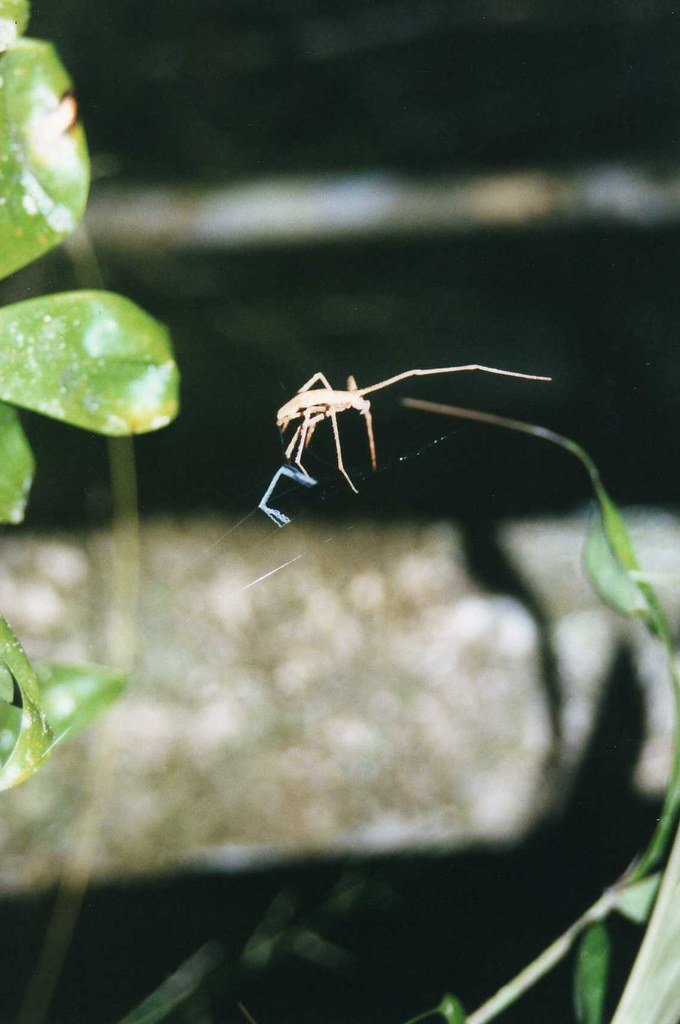
Scientists continue to make fascinating discoveries about net-casting spiders that challenge our understanding of animal behavior and sensory biology. Recent studies have revealed that these spiders can learn and remember successful hunting locations, returning to productive spots night after night.
Biomechanical research on their silk has led to potential applications in materials science, particularly in developing new types of adhesives and elastic materials. The unique properties of their net silk could inspire innovations in medical applications, including surgical sutures and drug delivery systems.
Neurological studies of their visual system have provided insights into how complex behaviors can evolve from relatively simple nervous systems. These findings contribute to our broader understanding of predator-prey relationships and sensory evolution.
Conservation Status: Protecting the Gladiators
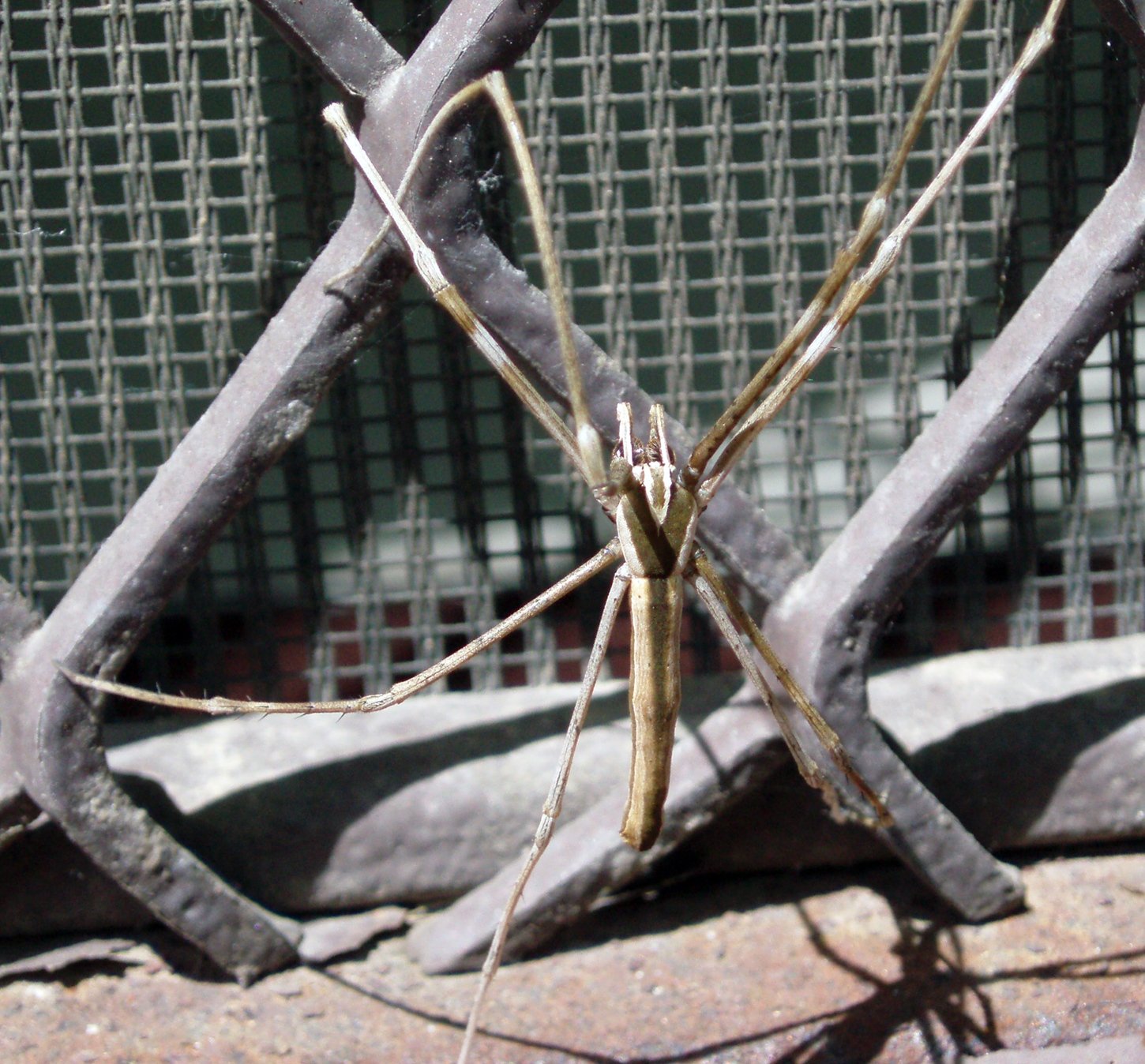
Most net-casting spider species are not currently classified as endangered, but their specialized habitat requirements make them vulnerable to environmental changes. Forest fragmentation and urbanization pose the greatest threats to their populations worldwide.
Conservation efforts focus on protecting the intact forest ecosystems these spiders depend on, as they cannot survive in heavily modified habitats. Sustainable forestry practices and the establishment of protected areas are crucial for maintaining healthy populations.
Citizen science projects now engage amateur naturalists in documenting net-casting spider populations, providing valuable data for conservation planning. These efforts help scientists track population trends and identify areas where conservation action is most needed.
Cultural Impact: Spiders in Human Imagination
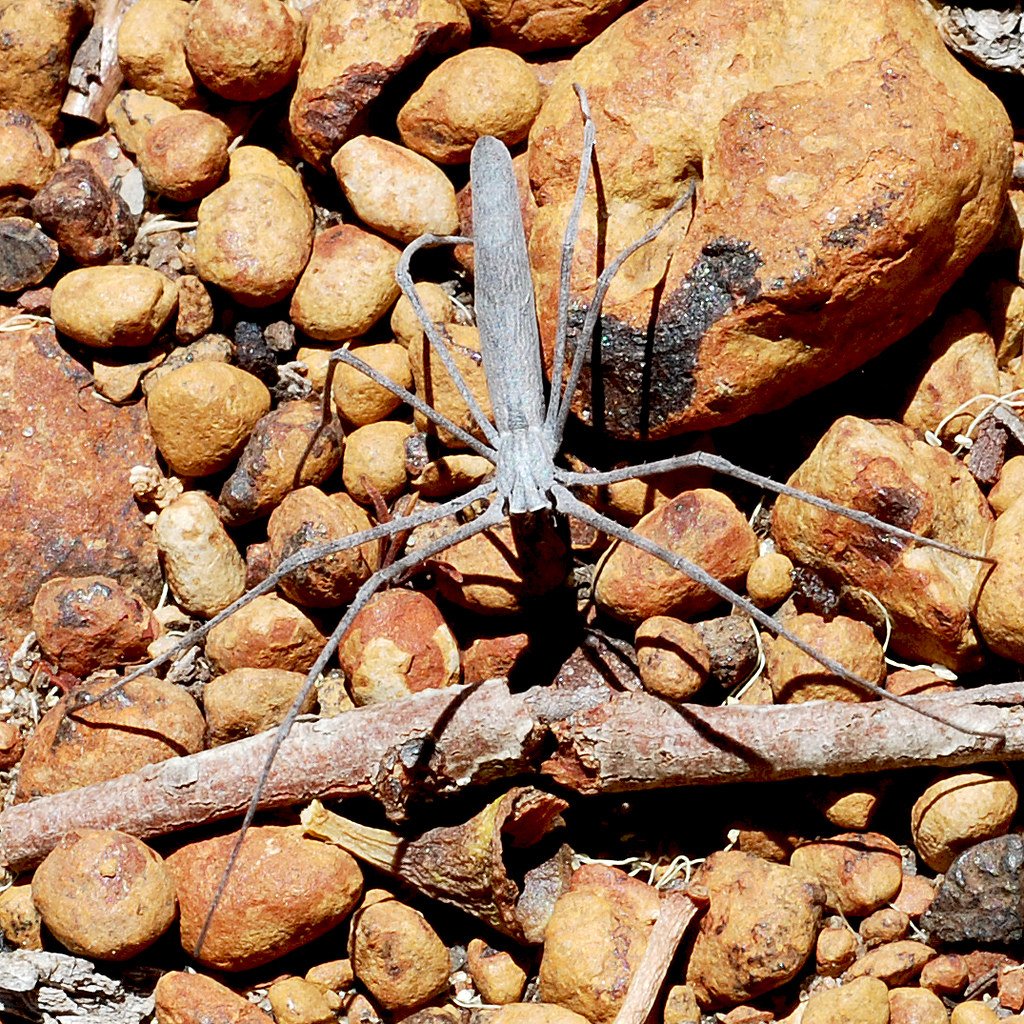
Net-casting spiders have captured the imagination of indigenous peoples in many regions where they occur, often featuring in traditional stories and folklore. Their unique hunting behavior has inspired comparisons to mythical creatures and skilled warriors throughout human history.
Modern popular culture has begun to recognize these remarkable spiders, with documentaries and nature programs showcasing their incredible hunting abilities. Their gladiator-like behavior resonates with audiences who appreciate stories of skill, precision, and survival.
Scientific illustration and photography of net-casting spiders have contributed to growing public appreciation for spider diversity and the complexity of predator-prey relationships in nature. These images help overcome common fears and misconceptions about spiders.
Future Research Directions: Questions Yet to Answer
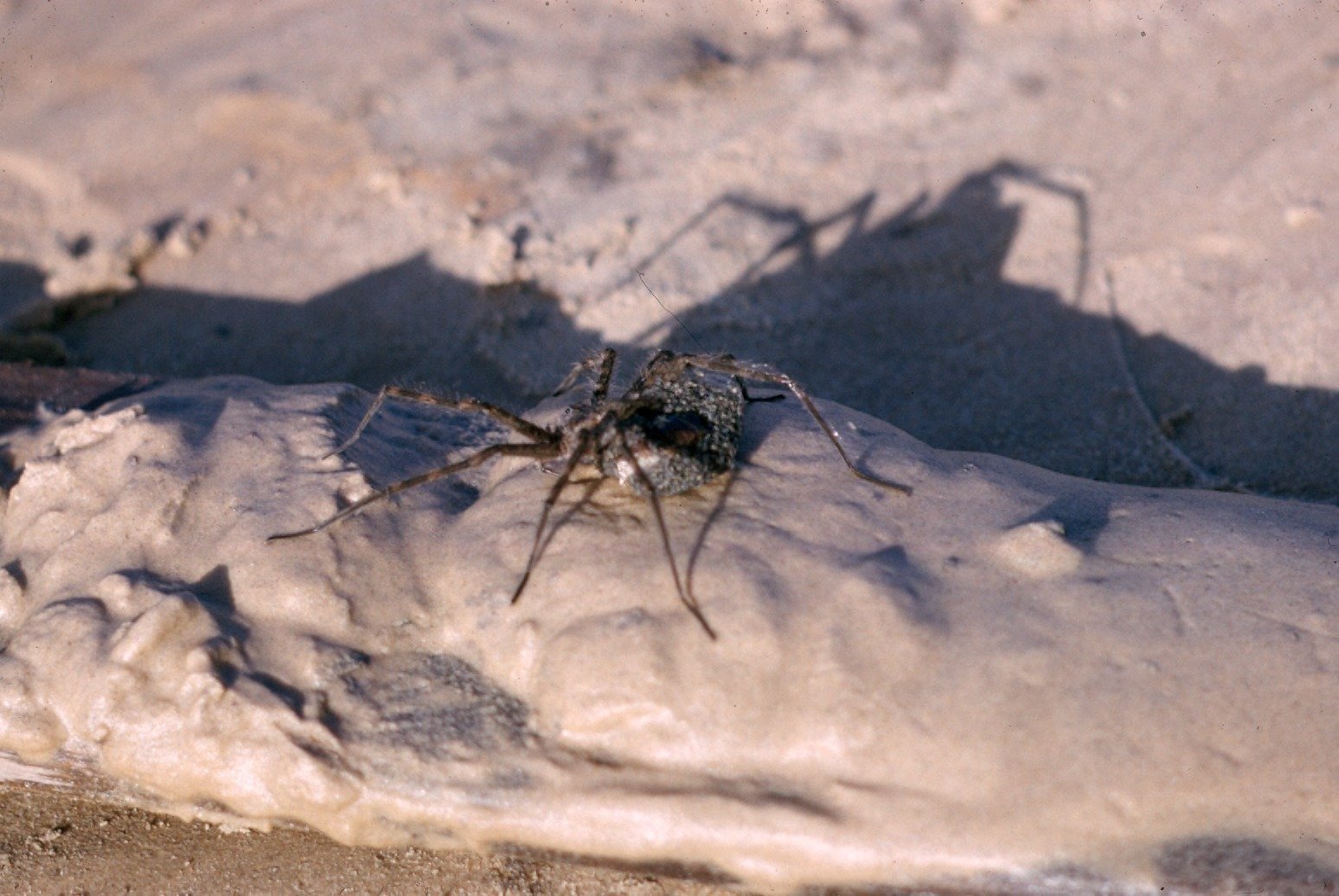
Scientists continue to investigate many aspects of net-casting spider biology that remain poorly understood. Current research focuses on the exact mechanisms of their vibration detection systems and how they integrate multiple sensory inputs during hunting.
Climate change effects on their hunting behavior and reproductive success represent important areas for future study. Understanding how these specialized predators adapt to changing environmental conditions will be crucial for conservation efforts.
Technological applications inspired by their hunting behavior and silk properties offer exciting possibilities for biomimetic engineering. Future research may lead to innovations in robotics, materials science, and sensor technology based on their remarkable adaptations.
Conclusion: The Gladiators’ Lasting Legacy
Net-casting spiders represent one of nature’s most remarkable examples of evolutionary innovation, combining extraordinary sensory abilities with precision hunting techniques that rival any human technology. Their ability to actively hunt using silk nets demonstrates the incredible diversity of solutions that evolution can produce for the fundamental challenge of finding food.
These spider gladiators remind us that the natural world continues to harbor secrets and surprises that can inspire scientific discovery and technological innovation. Their specialized hunting behavior represents millions of years of evolutionary refinement, resulting in predators perfectly adapted to their nocturnal forest environments.
As we face increasing environmental challenges, protecting the habitats where net-casting spiders thrive becomes not just about preserving individual species, but about maintaining the complex ecosystems that support such remarkable evolutionary achievements. Understanding and appreciating these incredible hunters helps us recognize the intricate connections that bind all life together in the web of existence.
The next time you walk through a forest at night, remember that above you, silent gladiators may be waiting with their nets ready, demonstrating hunting skills that have been perfected over millions of years. What other secrets might be hiding in the darkness, waiting for curious minds to discover them?