Nature has been playing the ultimate game of hide-and-seek with us for millions of years. While we’re busy marveling at the obvious champions like cheetahs and eagles, countless creatures are quietly performing feats that would make comic book heroes jealous. These aren’t the animals you see in documentaries or zoo exhibits – they’re the unsung heroes of the natural world, each possessing abilities so extraordinary they seem almost fictional.
From microscopic organisms that can survive in the vacuum of space to fish that generate their own electricity, our planet is teeming with biological marvels that push the boundaries of what we thought possible. These creatures have evolved solutions to problems we’re still trying to figure out with our most advanced technology.
The Tardigrade: Nature’s Indestructible Microscopic Tank
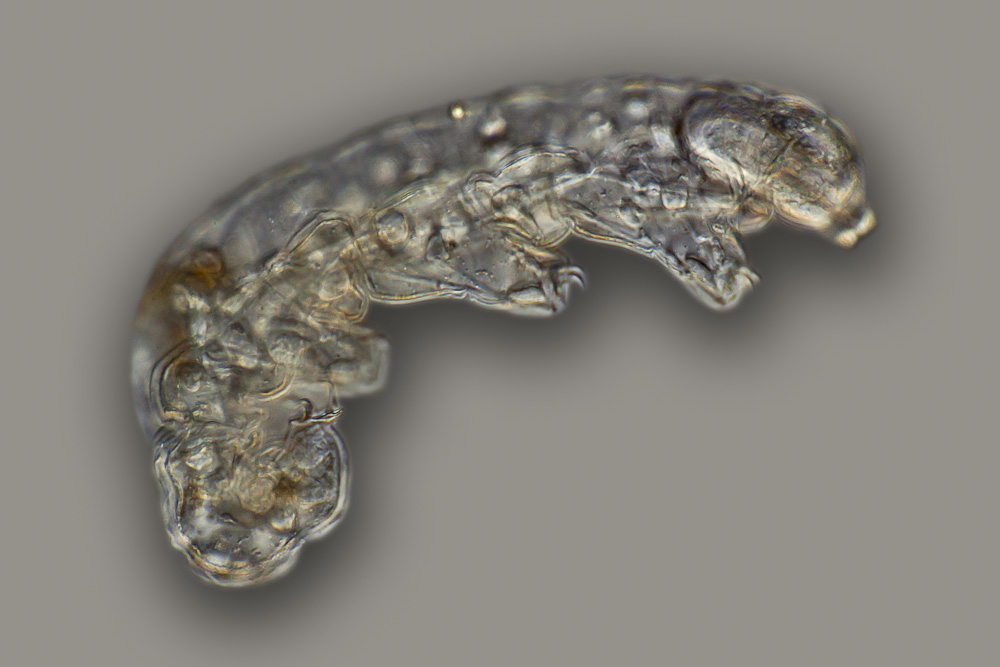
Tardigrades, also known as water bears, are perhaps the most resilient creatures on Earth. These microscopic animals can survive extreme conditions that would instantly kill almost any other life form. When faced with deadly environments, they enter a state called cryptobiosis, essentially pausing their biological processes and becoming virtually indestructible.
These tiny warriors can withstand temperatures from -458°F to 300°F, pressures six times greater than the deepest ocean trenches, and radiation levels 1,000 times higher than would kill a human. They’ve even survived the vacuum of space during experiments aboard satellites. Scientists have revived tardigrades after being frozen for over 30 years, proving that their superpower isn’t just survival – it’s time travel through suspended animation.
The Mantis Shrimp: The Ocean’s Living Missile System
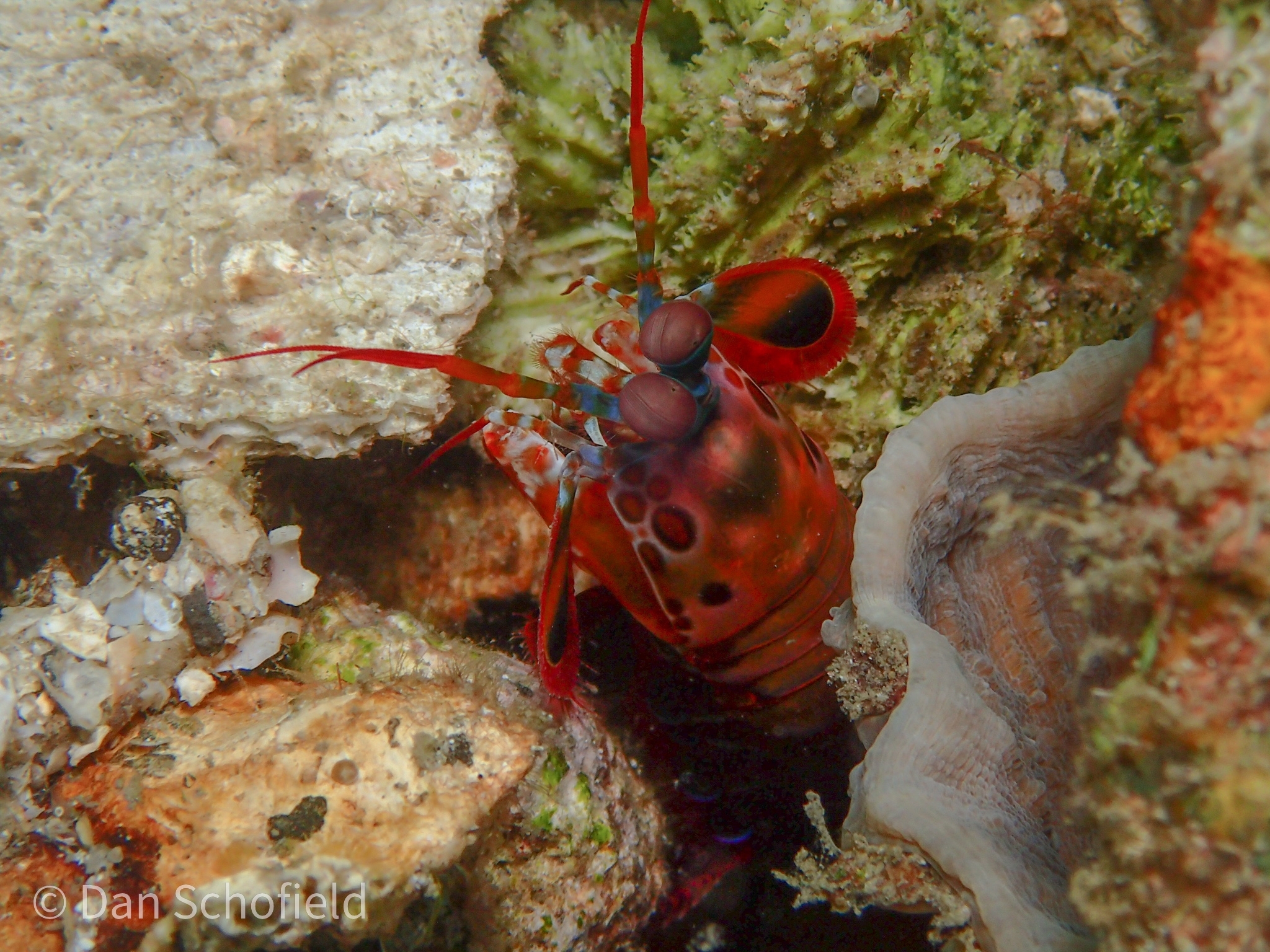
The mantis shrimp possesses one of the most devastating weapons in the animal kingdom. Its specialized club-like appendages can strike with the force of a bullet, creating cavitation bubbles that collapse with temperatures reaching those found on the sun’s surface. This punch is so powerful it can shatter aquarium glass and has been known to break fingers of unwary divers.
But their superpowers don’t stop at devastating strikes. Mantis shrimp have the most complex eyes in the animal kingdom, capable of seeing 16 types of color receptors compared to our measly three. They can detect ultraviolet, visible, and polarized light simultaneously, essentially seeing a world we can’t even imagine. Their eyes can move independently, giving them 360-degree vision while hunting or defending themselves.
The Immortal Jellyfish: The Ultimate Fountain of Youth
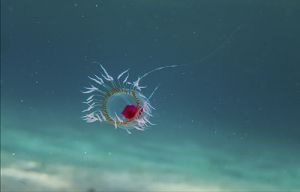
Turritopsis dohrnii has achieved what humans have dreamed of for millennia – biological immortality. When this small jellyfish faces stress, injury, or old age, it doesn’t die like other creatures. Instead, it reverses its aging process and returns to its juvenile state, essentially hitting the reset button on its life.
This remarkable process, called transdifferentiation, allows the jellyfish to cycle between adult and juvenile forms indefinitely. Scientists are studying this phenomenon intensively, hoping to unlock secrets that could revolutionize our understanding of aging. The jellyfish has spread across oceans worldwide, creating populations of potentially immortal creatures that could, theoretically, live forever if not eaten by predators.
The Bombardier Beetle: Nature’s Chemical Warfare Expert
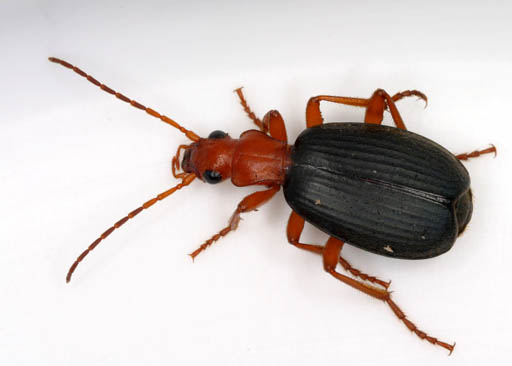
The bombardier beetle has evolved its own chemical defense system that would make military engineers envious. When threatened, it mixes two chemicals in a special chamber in its abdomen, creating a boiling hot spray that reaches temperatures of 212°F. This explosive mixture is fired with pinpoint accuracy at predators, creating a deterrent that’s both painful and effective.
The chemical reaction happens so quickly that it creates an audible pop, startling attackers while delivering a burning spray that can kill smaller predators outright. The beetle can fire this biological weapon up to 20 times in succession, adjusting the direction with remarkable precision. Scientists have studied this mechanism for applications in rocket propulsion and pest control, proving that nature’s solutions often surpass human engineering.
The Lyrebird: The Master of Sonic Deception

The Australian lyrebird possesses perhaps the most sophisticated vocal abilities in the animal kingdom. These remarkable birds can perfectly mimic almost any sound they hear, from other bird calls to chainsaws, car alarms, and even human speech. Their syrinx, the bird equivalent of vocal cords, is so advanced that they can produce two different sounds simultaneously.
Male lyrebirds create elaborate acoustic performances to attract mates, often incorporating dozens of different sounds into complex compositions. They’ve been recorded mimicking camera shutters, mobile phone ringtones, and construction equipment with such accuracy that other animals are completely fooled. Their ability to learn and reproduce new sounds throughout their lives makes them living libraries of their acoustic environment.
The Electric Fish: Living Power Generators
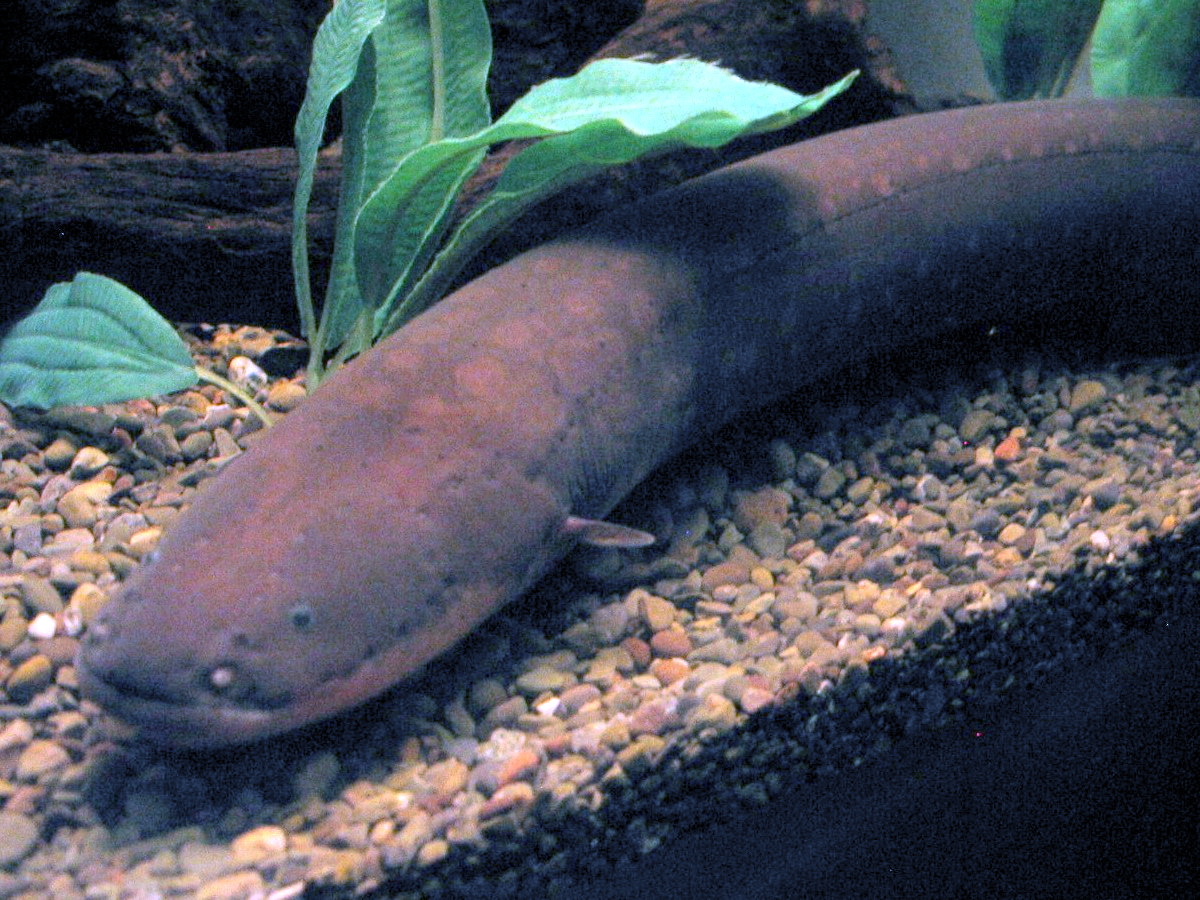
Several species of fish have evolved the ability to generate electricity, but the electric eel takes this superpower to shocking extremes. These South American predators can produce electrical discharges up to 600 volts – enough to stun a horse or power a small household appliance. They use specialized cells called electrocytes that work like biological batteries, stacking to create powerful electrical currents.
Electric eels use their power for navigation, communication, and hunting in the murky waters of the Amazon basin. They can adjust their electrical output from gentle pulses for navigation to devastating shocks for stunning prey. This bioelectricity is so precise that they can detect the electrical fields of other living creatures, essentially giving them a sixth sense that works in complete darkness.
The Gecko: The Master of Anti-Gravity Movement

Geckos have solved one of physics’ most challenging problems – how to stick to any surface without leaving residue. Their feet are covered in millions of tiny hairs called setae, which interact with surfaces at the molecular level through van der Waals forces. This allows them to walk on walls, hang upside down from ceilings, and even stick to wet surfaces.
Each gecko foot can support the animal’s entire body weight, yet they can detach and reattach their feet 15 times per second while running. This incredible gripping system works on virtually any material, from glass to Teflon, making geckos the ultimate climbers. Scientists are developing gecko-inspired adhesives for everything from medical bandages to space equipment, proving that nature’s solutions often surpass our best technologies.
The Archerfish: The Aquatic Sniper
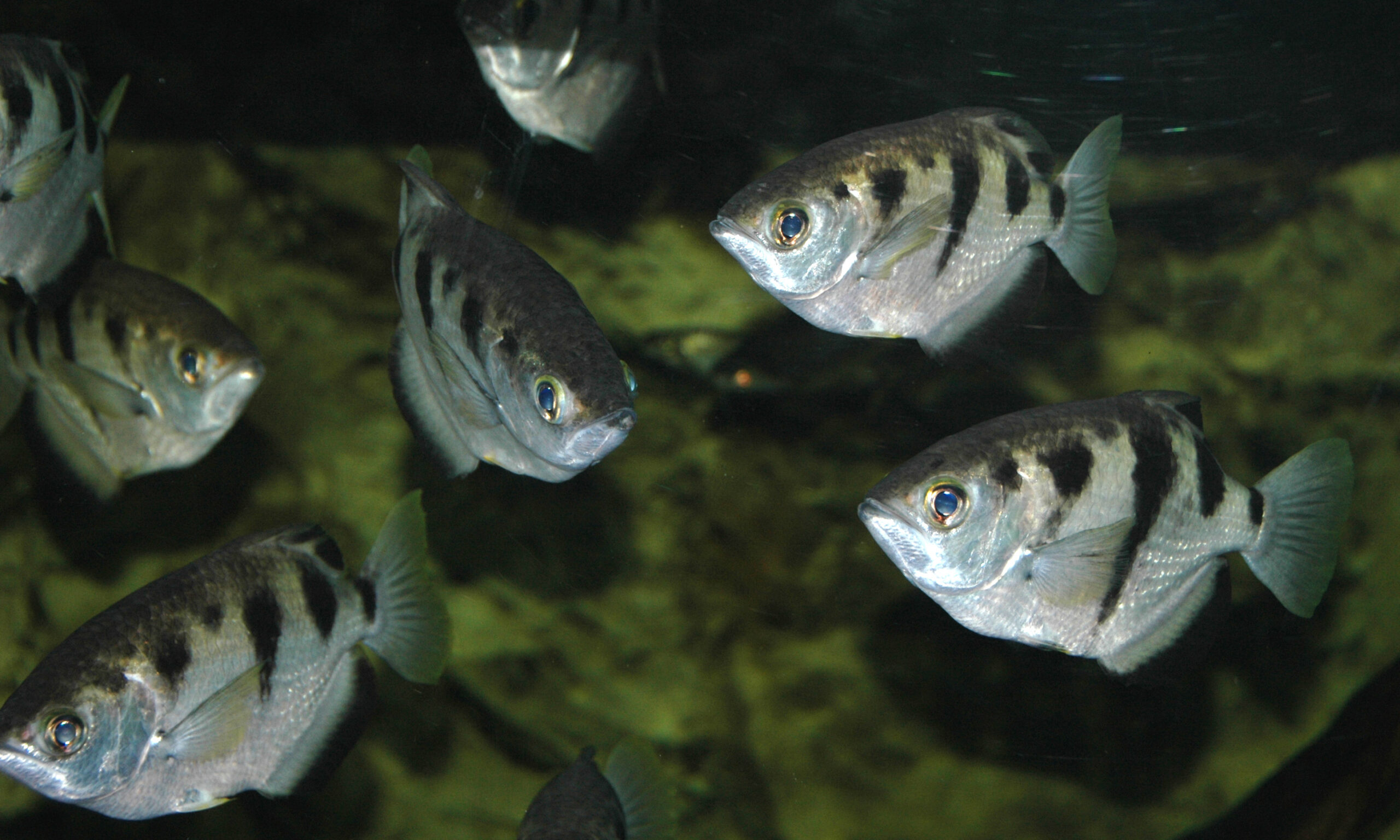
The archerfish has mastered the art of precision shooting from underwater. These remarkable fish can accurately fire jets of water up to six feet to knock insects and small animals off branches above the water’s surface. They compensate for light refraction, target movement, and gravity – calculations that would challenge a trained marksman.
Young archerfish learn this skill through practice, improving their accuracy over time like human athletes. They can hit moving targets and adjust their aim based on the size and distance of their prey. The fish even work in groups, with multiple individuals firing simultaneously to increase their chances of success. This aquatic marksmanship represents one of the most sophisticated hunting strategies in the animal kingdom.
The Pistol Shrimp: The Ocean’s Sonic Boom Creator
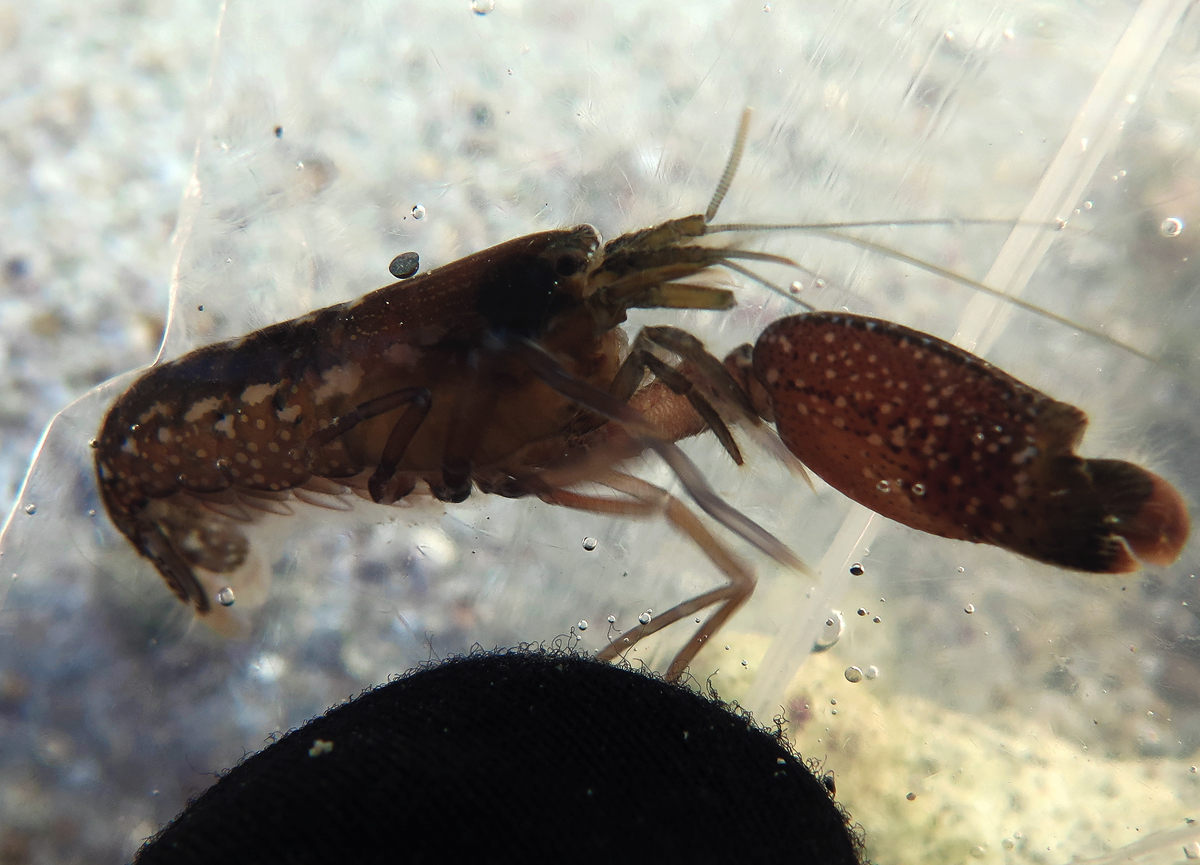
The pistol shrimp creates one of the loudest sounds in the ocean using nothing but its specialized claw. When it snaps its enlarged claw shut, it creates a cavitation bubble that collapses with such force it produces a sound reaching 218 decibels – louder than a gunshot. This sonic boom can stun or kill small fish and crustaceans instantly.
The collapsing bubble briefly reaches temperatures of over 8,000°F, creating a flash of light called sonoluminescence. This biological weapon is so powerful that it can crack aquarium glass and interfere with submarine sonar systems. Despite being only a few inches long, the pistol shrimp’s sonic superpower makes it one of the ocean’s most formidable predators.
The Mimic Octopus: The Ultimate Shape-Shifter
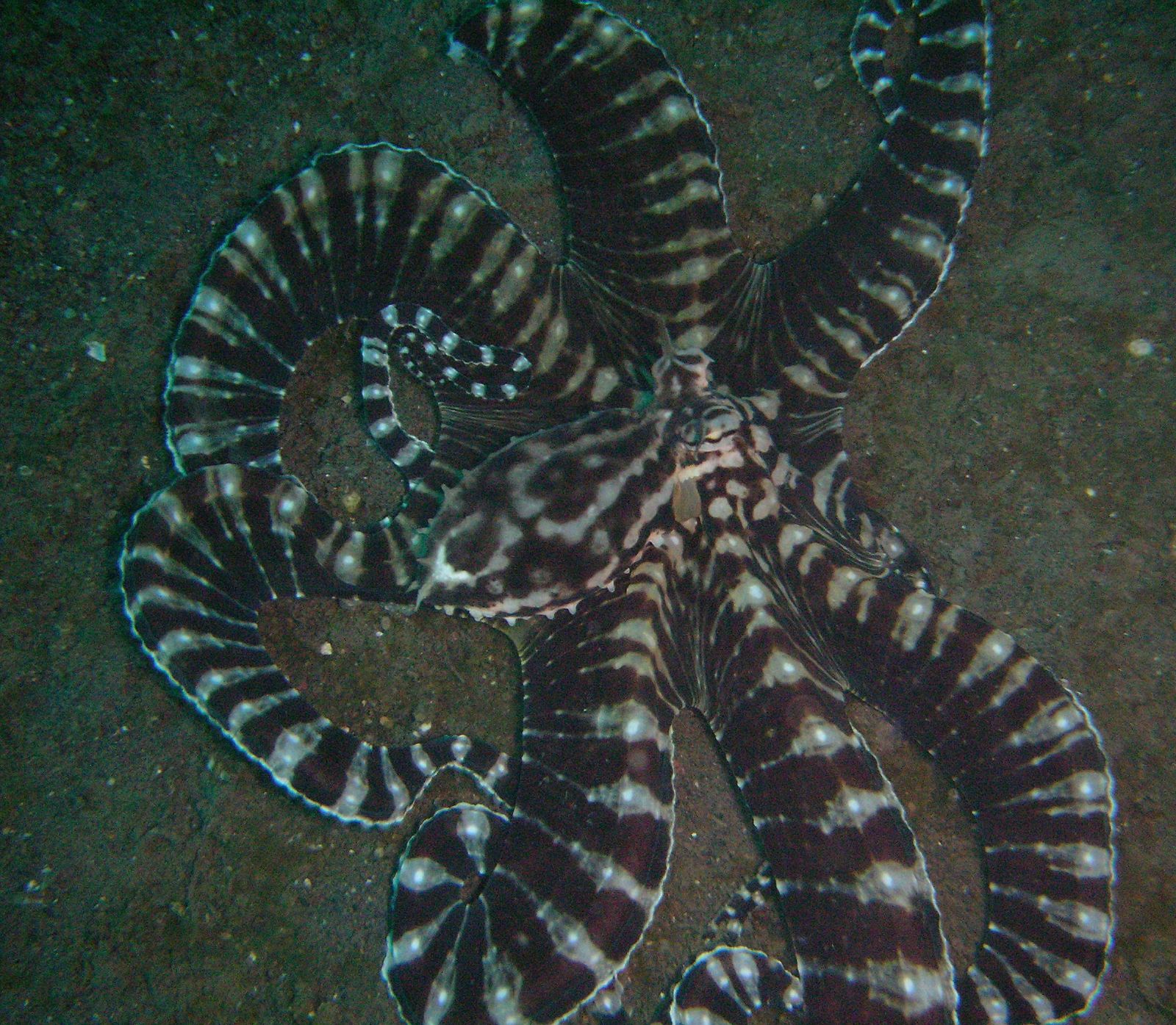
The mimic octopus has taken camouflage to an entirely new level by actively impersonating other sea creatures. This Indonesian species can change its shape, color, and behavior to mimic at least 15 different marine animals, including flatfish, lionfish, and sea snakes. It’s like having a master actor who can instantly transform into any character.
The octopus studies its environment and chooses which animal to mimic based on the situation and potential threats. When threatened by a damselfish, it might mimic a flatfish and glide away along the seafloor. If faced with a different predator, it could transform into a venomous sole or an aggressive lionfish. This behavioral flexibility combined with rapid physical transformation makes it one of nature’s most sophisticated con artists.
The Leafy Sea Dragon: The Living Piece of Seaweed
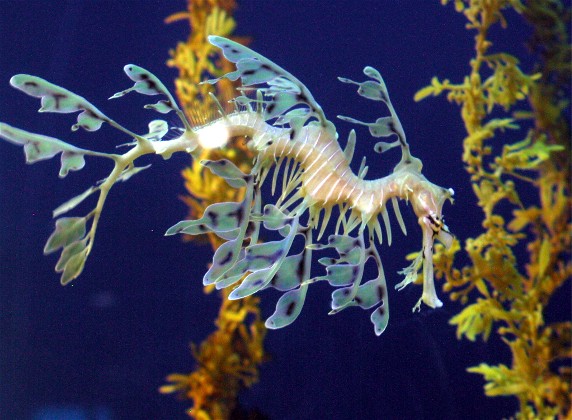
The leafy sea dragon has achieved perfect camouflage through evolution, becoming virtually indistinguishable from the seaweed it calls home. Its elaborate leaf-like appendages aren’t just for show – they create the perfect illusion of drifting kelp. This camouflage is so effective that divers often swim right past them without noticing.
Unlike its seahorse relatives, the leafy sea dragon moves with gentle, wave-like motions that perfectly mimic swaying seaweed. It lacks a prehensile tail, instead relying entirely on its camouflage for protection. Males carry the eggs during breeding season, with the bright orange eggs providing the only splash of color that might give away their location to observant predators.
The Vampire Squid: The Deep Sea’s Ultimate Survivor

The vampire squid lives in one of Earth’s most hostile environments – the oxygen minimum zone of the deep ocean. In waters where most creatures would suffocate, this living fossil has evolved unique adaptations that allow it to thrive with minimal oxygen. Its metabolism is so efficient that it can survive on oxygen levels that would kill most marine life.
When threatened, the vampire squid can turn itself inside out, displaying photophores that create a defensive light show. It can also eject a cloud of bioluminescent mucus that disorients predators while it escapes. This deep-sea survivor has remained virtually unchanged for millions of years, representing a living link to ancient ocean ecosystems.
The Glasswing Butterfly: The Invisible Aerial Acrobat
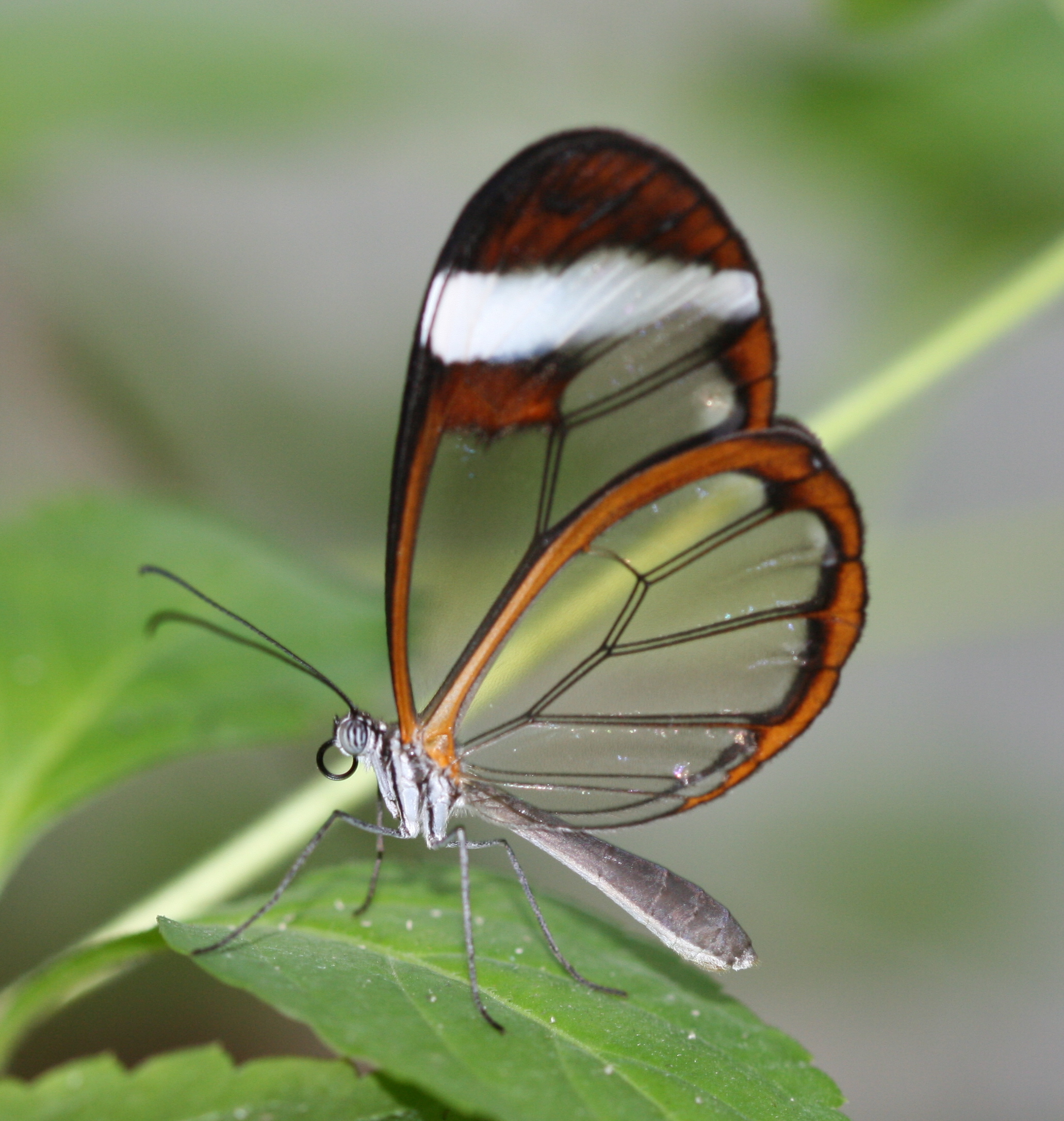
The glasswing butterfly has achieved near-invisibility through transparent wings that make it almost impossible to spot while flying. The wings lack the colored scales found on other butterflies, instead having a microscopic structure that eliminates reflection and reduces visibility to almost zero. This transparency provides perfect camouflage against the varied backgrounds of its rainforest habitat.
The butterfly’s transparency is so effective that it can hover near flowers and potential mates without being detected by predators. Its wings are also incredibly durable despite their delicate appearance, allowing for precise flight maneuvers through dense vegetation. This combination of invisibility and aerial agility makes it one of the most elusive creatures in the Amazon rainforest.
The Olm: The Eternal Cave Dweller
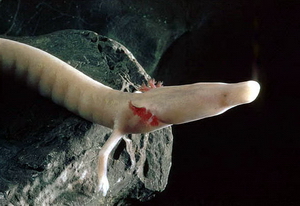
The olm, a blind salamander found in European caves, has evolved to live in complete darkness for over 100 years. This pale, snake-like creature has developed heightened senses of hearing, smell, and electroreception to navigate its pitch-black environment. It can detect electrical fields from other animals and sense minute water movements with incredible precision.
Perhaps most remarkably, the olm can survive without food for up to 10 years by dramatically slowing its metabolism. It moves very little, breathes slowly, and has one of the longest lifespans of any amphibian. This extreme adaptation to cave life makes it a living example of how life can thrive in seemingly impossible conditions.
The Blobfish: The Pressure-Resistant Deep Sea Dweller
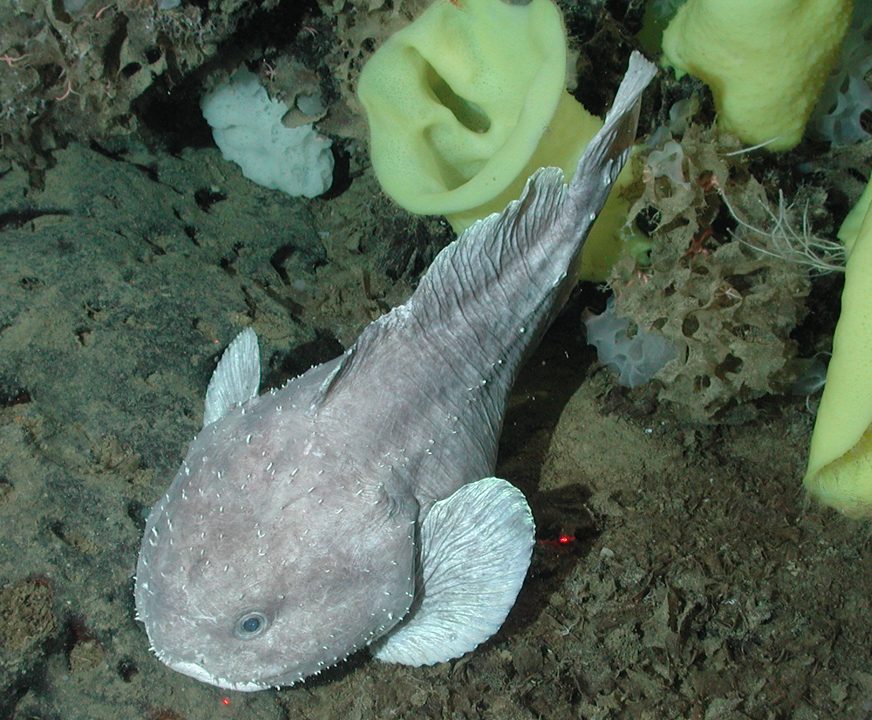
The blobfish, despite its unflattering appearance at the surface, possesses an incredible adaptation to deep-sea life. Its gelatinous body is perfectly adapted to withstand crushing pressures 80 times greater than at sea level. At depth, it looks like a normal fish, but this pressure adaptation comes at a cost – it can’t survive in shallow water.
The blobfish’s body is made of a gelatinous material that’s slightly less dense than water, allowing it to float above the seafloor without expending energy. It doesn’t have a swim bladder like other fish, which would be crushed at such depths. This unique body composition makes it perfectly suited for life in one of Earth’s most extreme environments.
Conclusion: Nature’s Secret Arsenal

These remarkable creatures remind us that evolution has produced solutions far more creative and effective than anything we’ve engineered. From the tardigrade’s indestructibility to the mantis shrimp’s devastating punch, nature has been quietly developing superpowers that make science fiction seem mundane. Each species represents millions of years of refinement, trial, and adaptation to specific challenges.
The study of these biological marvels continues to inspire new technologies and medical breakthroughs. As we explore deeper into our planet’s most remote environments, we’re discovering that extraordinary abilities aren’t rare exceptions – they’re everywhere, waiting to be uncovered. These creatures prove that the most incredible superpowers aren’t found in comic books, but in the hidden corners of our own world.
What other biological superpowers might be lurking in the depths of our oceans or the remotest corners of our planet, waiting to challenge everything we think we know about the limits of life?