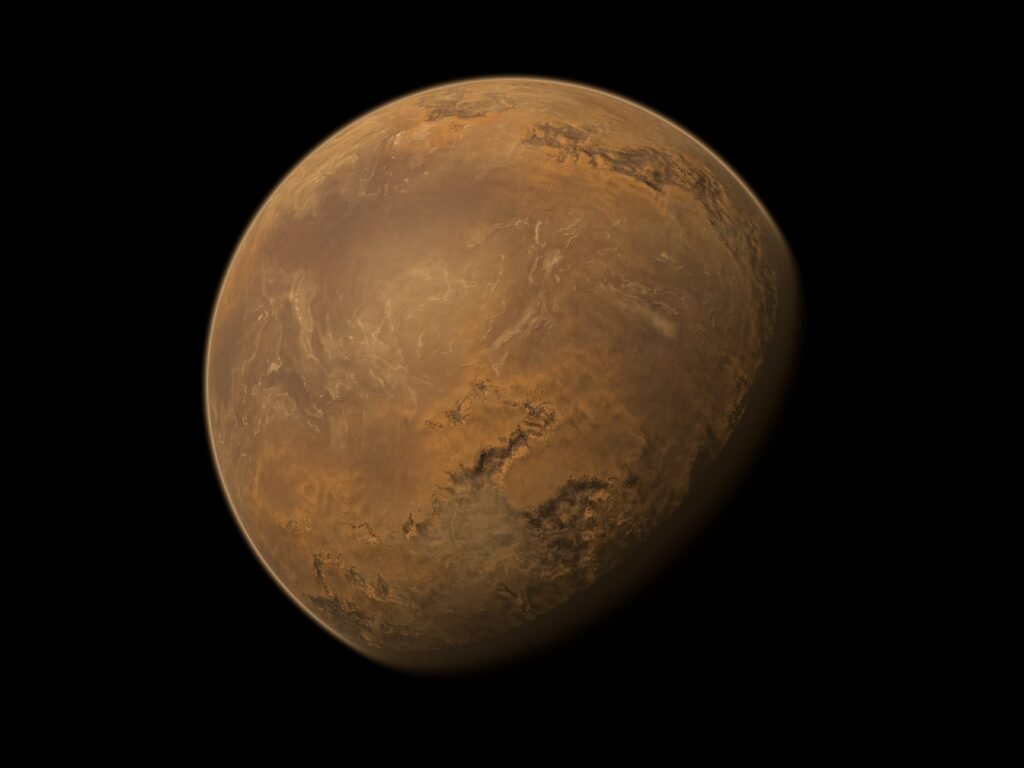

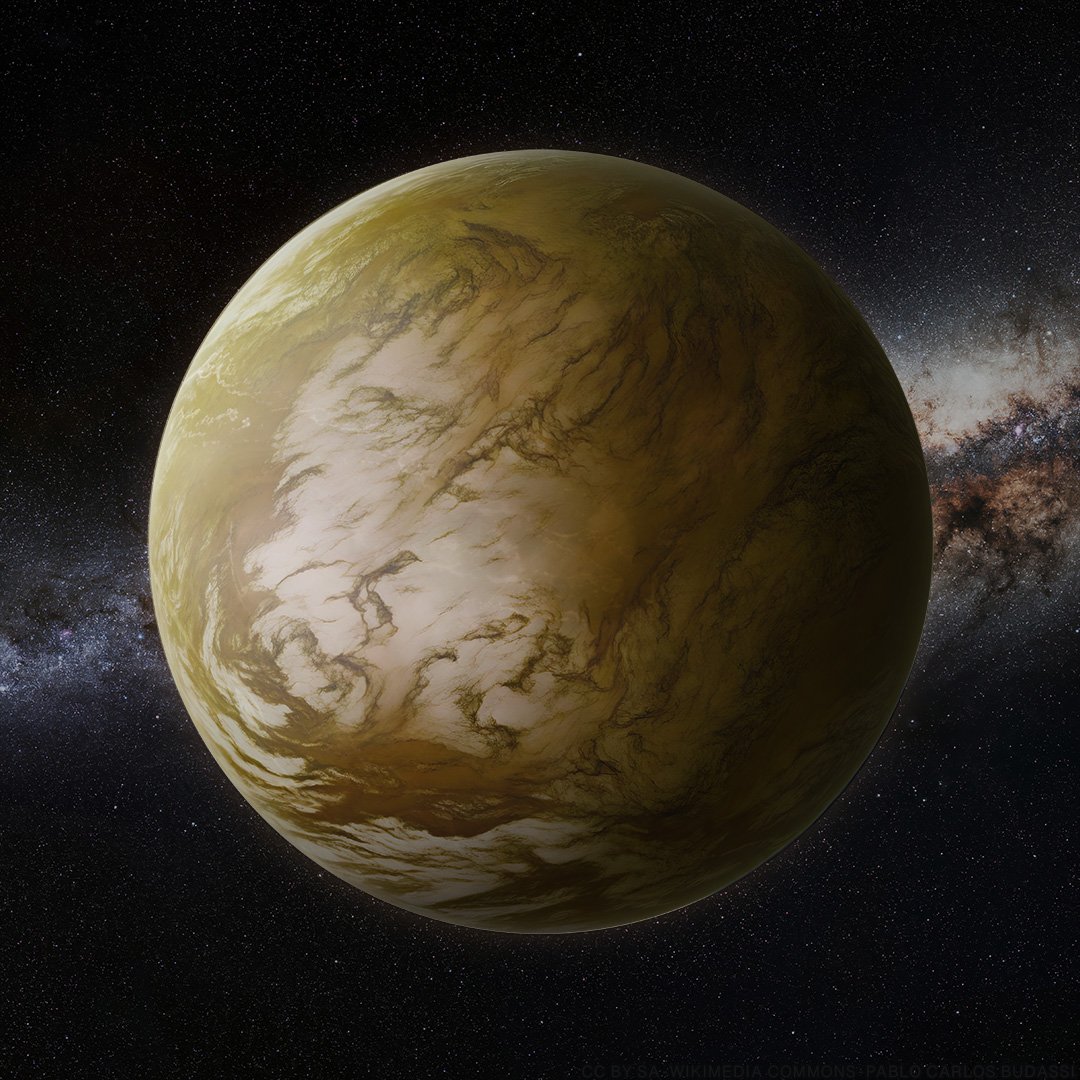
Picture this: you wake up one morning and instead of the familiar blue sky, you see a thick, yellowish haze stretching endlessly above you. The air is so dense it feels like swimming through liquid mercury, and the temperature outside could literally melt lead. This isn’t some dystopian nightmare – this is what life would be like if humans had evolved on Venus instead of Earth. Our neighboring planet, often called Earth’s twin, presents one of the most extreme environments in our solar system. What would it take for us to survive there, and how would our entire existence be transformed by such a radically different world?
The Hellish Reality of Venus’s Surface
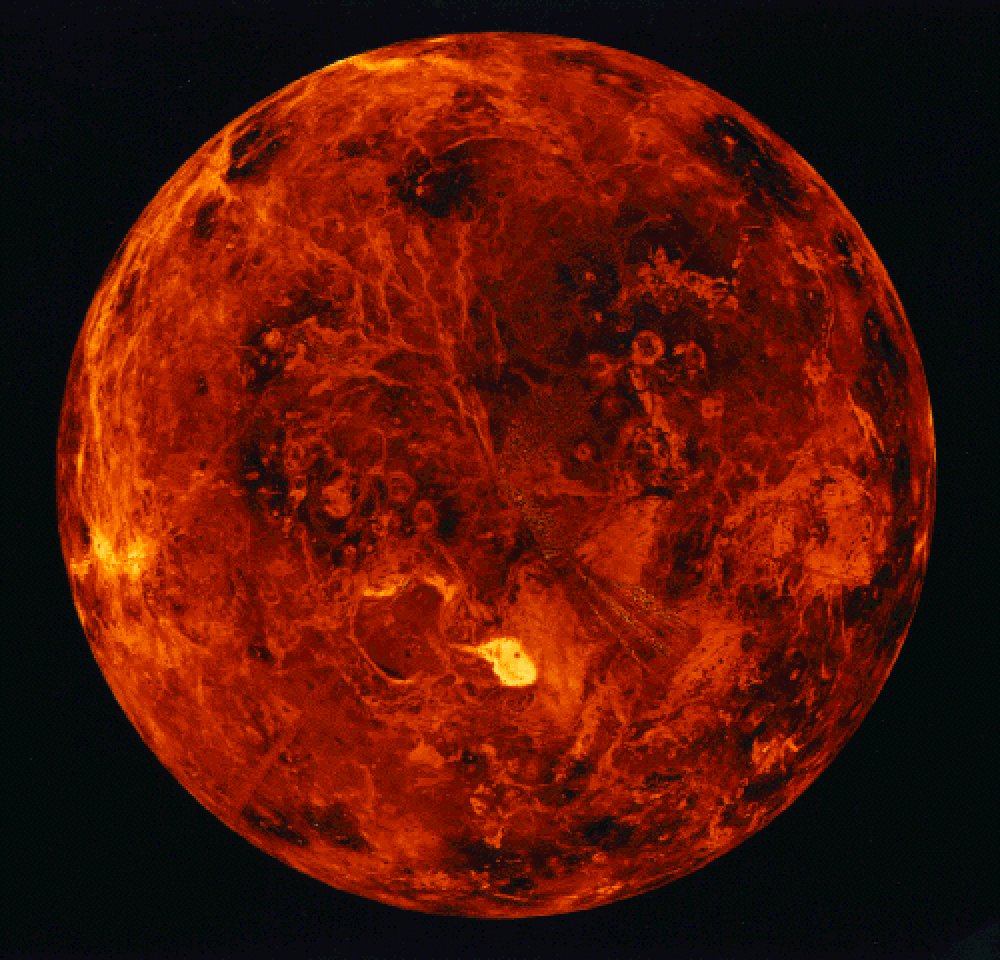
Venus isn’t just hot – it’s absolutely scorching in ways that would make Death Valley feel like a refreshing vacation. The surface temperature reaches a staggering 900 degrees Fahrenheit, hot enough to melt zinc and make copper glow red-hot. This isn’t because Venus is particularly close to the Sun, but because of its incredibly thick atmosphere that traps heat like a planetary greenhouse gone berserk.
The atmospheric pressure on Venus is 92 times greater than Earth’s, equivalent to being crushed under nearly a mile of ocean water. Walking on Venus’s surface would feel like being squeezed in a cosmic vice while being roasted alive. The combination of extreme heat and pressure creates an environment so hostile that even the most robust spacecraft have survived only hours on the surface.
Breathing in an Atmosphere of Poison

If somehow we could survive the crushing pressure and melting heat, we’d still face the challenge of breathing pure poison. Venus’s atmosphere is 96% carbon dioxide with thick clouds of sulfuric acid that rain down continuously. These acid clouds are so corrosive they would dissolve human skin in minutes, making stepping outside without protection literally a death sentence.
The remaining 4% of the atmosphere consists of nitrogen and trace amounts of other gases, but absolutely no oxygen. Every breath would require advanced life support systems or radical biological modifications. The very air that surrounds us would be trying to kill us in multiple ways simultaneously.
How Human Bodies Would Need to Adapt

Living on Venus would require human evolution to take some pretty extreme turns. Our bones would need to be incredibly dense and strong to withstand the crushing atmospheric pressure, possibly resembling the bone structure of deep-sea creatures. Our skin would need to be thick, acidic-resistant, and capable of handling temperatures that would normally cook us from the inside out.
Our respiratory system would need a complete overhaul. We’d either need to develop internal oxygen storage systems like whales, or find ways to process carbon dioxide directly. Our cardiovascular system would need to be incredibly robust to pump blood through a body under such extreme pressure. Essentially, we’d need to become biological submarines designed for the most hostile environment imaginable.
The Architecture of Survival

Forget about cozy wooden houses or even concrete buildings – Venus would demand architecture that resembles something between a nuclear bunker and a space station. Every structure would need to be pressurized, climate-controlled, and built from materials that can withstand sulfuric acid and extreme heat. Think titanium shells with multiple layers of insulation and cooling systems.
Cities would likely be built underground or in floating platforms high in the atmosphere where conditions are slightly more manageable. The concept of opening a window or having a garden would be completely foreign. Every building would be a sealed environment with complex air filtration and recycling systems.
Transportation between buildings would require protective suits or enclosed tunnels. The idea of walking casually from one place to another would be as impossible as taking a leisurely stroll on the ocean floor.
Energy and Power in a Greenhouse World

The thick atmosphere of Venus blocks most sunlight from reaching the surface, making solar panels virtually useless at ground level. However, the extreme heat presents unique opportunities for geothermal energy. The planet’s surface is essentially one giant heat source, providing unlimited thermal energy for those clever enough to harness it.
Wind patterns in Venus’s upper atmosphere are incredibly powerful, with speeds reaching 200 miles per hour. Floating cities could potentially harness these winds for energy generation. The key would be developing technology that can operate in such extreme conditions while remaining efficient and reliable.
What We’d Eat on the Planet of Fire
Traditional agriculture would be completely impossible on Venus. No plant known to Earth could survive the surface conditions, and even if they could, the lack of water would make growing anything a fantasy. Food production would need to be entirely artificial, relying on synthetic nutrients and possibly genetically engineered organisms designed specifically for Venus’s environment.
Protein sources might come from specially designed microorganisms that can process the available chemicals in Venus’s atmosphere. The concept of fresh fruits, vegetables, or even meat as we know it would be replaced by carefully crafted nutritional supplements. Every meal would essentially be space food, designed for survival rather than pleasure.
The Social Structure of Extreme Survival

Living on Venus would fundamentally change human society. The extreme danger of the environment would make cooperation and resource sharing not just beneficial, but absolutely essential for survival. Individual freedom would be severely limited by the need for constant protection from the environment.
Communities would be small and highly integrated, with everyone playing a crucial role in maintaining life support systems. The concept of privacy would be nearly non-existent, as every person’s actions could potentially affect the survival of the entire group. Social conflicts would need to be resolved quickly and efficiently, as there would be no option to simply leave or start over somewhere else.
Leadership would likely be based on technical expertise rather than charisma or wealth, as the most valuable individuals would be those who can keep everyone alive in such a hostile environment.
Transportation and Movement

Getting around on Venus would be like navigating through a corrosive pressure cooker. Vehicles would need to be completely sealed and heavily armored to protect occupants from the crushing atmosphere and acid rain. Think of something more like a submarine than a car, with thick walls and complex life support systems.
Long-distance travel would be incredibly risky and expensive in terms of resources. Most people would likely spend their entire lives in relatively small areas, with travel being reserved for essential purposes only. The concept of vacation travel or exploration for pleasure would be completely foreign.
Aircraft would face the unique challenge of flying through dense, corrosive clouds while dealing with extreme turbulence and limited visibility. Most transportation would probably occur on the ground through protected tunnels or extremely robust surface vehicles.
Water: The Most Precious Resource

Venus has almost no water vapor in its atmosphere, making water more precious than gold. Every drop would need to be carefully recycled and conserved, with water systems operating at near-perfect efficiency. The concept of long showers, swimming pools, or even washing dishes with running water would be luxuries beyond imagination.
Water would likely be produced through chemical processes rather than being collected from natural sources. Advanced recycling systems would need to extract water from human waste, atmospheric processing, and possibly even from the chemical reactions within life support systems. The technology required would be incredibly sophisticated and absolutely critical for survival.
The Psychology of Living in Hell

The mental health challenges of living on Venus would be unprecedented. Never seeing natural sunlight, being constantly aware that the environment outside is trying to kill you, and living in cramped, artificial spaces would create psychological pressures unlike anything humans have experienced. Depression, anxiety, and claustrophobia would be constant concerns.
The lack of natural beauty – no trees, flowers, animals, or even blue skies – would create a sterile, oppressive environment that could drive people to madness. Virtual reality and artificial environments would become not just entertainment, but essential tools for maintaining sanity.
The constant danger would create a society where stress and vigilance are the normal state of being. The psychological toll of knowing that a single equipment failure could kill everyone would weigh heavily on every person’s mind every single day.
Technology That Keeps Us Alive

Living on Venus would require technology so advanced it would seem like magic to us today. Every piece of equipment would need to be designed to operate in conditions that would destroy most materials we currently use. Computers, communication systems, and machinery would need to be built from exotic materials and designed with multiple redundancies.
Maintenance and repair would be incredibly challenging, as taking equipment outside for any reason would expose it to conditions that could destroy it in minutes. Everything would need to be designed for repair and maintenance in controlled environments, with modular components that can be replaced without exposing the entire system.
The failure of any critical system would be catastrophic, so backup systems would need backup systems, creating incredibly complex and expensive infrastructure just to maintain basic survival.
Communication with the Outside Universe

Venus’s thick atmosphere would make communication with Earth or other planets incredibly difficult. Radio signals would be severely attenuated, and the constant atmospheric interference would make maintaining contact a significant challenge. The delay in communication would also be substantial, making real-time conversation impossible.
This isolation would create a unique culture where Venus inhabitants would develop their own identity separate from Earth-based humanity. News and information from other worlds would be precious commodities, arriving infrequently and often outdated by the time it reaches Venus.
The psychological impact of being so isolated from the rest of humanity would be profound, potentially leading to the development of a completely different branch of human civilization with its own values, beliefs, and ways of thinking.
The Economics of Extreme Survival

Traditional economic systems would be completely irrelevant on Venus. The concept of money, profit, or individual wealth would be secondary to the primary goal of group survival. Resources would be allocated based on need and survival requirements rather than market forces or individual purchasing power.
Every resource would be precious and nothing could be wasted. The idea of disposable items or planned obsolescence would be not just wasteful, but potentially fatal. Everything would need to be designed for maximum durability and reusability.
Trade with other planets would be incredibly expensive and limited to only the most essential items that cannot be produced locally. Venus would need to be as self-sufficient as possible, as relying on outside resources would be both costly and dangerous.
Recreation and Entertainment in an Artificial World

Finding ways to enjoy life on Venus would require incredible creativity and advanced technology. Traditional outdoor activities would be impossible, so entertainment would need to be entirely indoor and artificial. Virtual reality would probably be the primary form of recreation, allowing people to experience environments and activities that would be impossible in reality.
Sports and physical activities would be limited by the confined spaces and need to conserve resources. Games and competitions would likely focus on mental challenges rather than physical ones, as physical exertion would put additional strain on life support systems.
Art and culture would take on new forms, possibly focusing on the unique aesthetic of living in such an artificial environment. The shared experience of surviving in such extreme conditions would create bonds and cultural expressions unlike anything in human history.
Medical Care in the Pressure Cooker

Healthcare on Venus would face challenges that would make modern medicine seem primitive by comparison. Every medical procedure would need to be performed in controlled environments with perfect life support systems. The concept of emergency medical care would be completely different, as there would be no option to rush someone to a hospital through normal transportation.
Medical conditions related to living under extreme pressure and in artificial environments would require entirely new fields of medicine. Bone density issues, cardiovascular problems from constant pressure, and psychological conditions from isolation would all need specialized treatment.
The inability to evacuate critically ill patients to Earth would mean that Venus colonies would need to be completely self-sufficient in medical care, requiring highly advanced medical technology and expertise that could handle any possible emergency.
The Evolution of Human Relationships
Personal relationships on Venus would be intensely important but also incredibly stressful. The small, isolated communities would mean that everyone would know everyone else intimately, making privacy and personal space nearly impossible. Conflicts between individuals could threaten the survival of the entire group.
Romance and family formation would be carefully managed to ensure genetic diversity and community stability. The concept of choosing a partner based purely on attraction or compatibility would be secondary to the practical needs of the community.
Child-rearing would be a community responsibility, as the survival skills and knowledge required to live on Venus would be too important to leave to chance. Children would be raised with an intense focus on cooperation, technical skills, and survival knowledge.
The Future of Venusian Humanity

After generations of living on Venus, humans would likely evolve into something quite different from our Earth-based ancestors. The extreme selective pressures would favor traits that help with survival in the harsh environment. Over time, Venusian humans might develop thicker skin, stronger bones, more efficient cardiovascular systems, and possibly even internal modifications for processing the hostile atmosphere.
The technological capabilities required for survival would likely lead to rapid advancement in certain fields, possibly making Venusian humans more technologically advanced than their Earth counterparts. The necessity of perfect recycling and resource management would make them experts in sustainability and efficiency.
Eventually, Venusian humans might become so adapted to their environment that they could no longer survive on Earth, creating a permanently separate branch of humanity. This could lead to the development of a civilization that is both more technologically advanced and more socially cooperative than anything we can imagine today.
Conclusion: A World That Would Reshape Everything

Living on Venus would fundamentally transform every aspect of human existence, from our biology and psychology to our social structures and technology. The extreme environment would create a civilization focused entirely on survival and cooperation, where individual desires would be secondary to group needs. While the challenges would be almost insurmountable, the result might be a form of humanity that is more resilient, more technologically advanced, and more socially unified than anything we see on Earth today.
The harsh reality is that Venus would strip away all the luxuries and conveniences we take for granted, forcing us to confront the basic requirements of survival in their most extreme form. Yet in doing so, it might also reveal human potential we never knew existed. Would such a transformation be worth the cost, or would we lose something essential about what makes us human?