Picture this: a dolphin floating motionless near the surface of the ocean, one eye closed, the other vigilantly scanning for predators. Is it sleeping? The answer might surprise you more than you’d expect. Sleep, something we take for granted as humans, becomes a fascinating puzzle when we dive into the underwater world. Marine creatures have evolved some of the most extraordinary sleeping strategies on Earth, from half-brain slumber to complete motionless states that would make any insomniac jealous.
The Ocean’s Greatest Sleep Mystery

Scientists have spent decades trying to understand how creatures living in a three-dimensional water world manage to get their rest. Unlike land animals that can simply lie down and close their eyes, marine life faces unique challenges that have shaped their sleep patterns in remarkable ways.
The biggest challenge? Breathing. Most marine mammals must surface regularly to breathe air, making traditional sleep nearly impossible. This fundamental need has led to some of the most creative biological solutions nature has ever devised.
What’s even more intriguing is that sleep deprivation affects marine animals just as severely as it does humans. When researchers prevented dolphins from sleeping properly, they showed decreased cognitive function and slower reaction times.
Dolphins and the Half-Brain Sleep Revolution
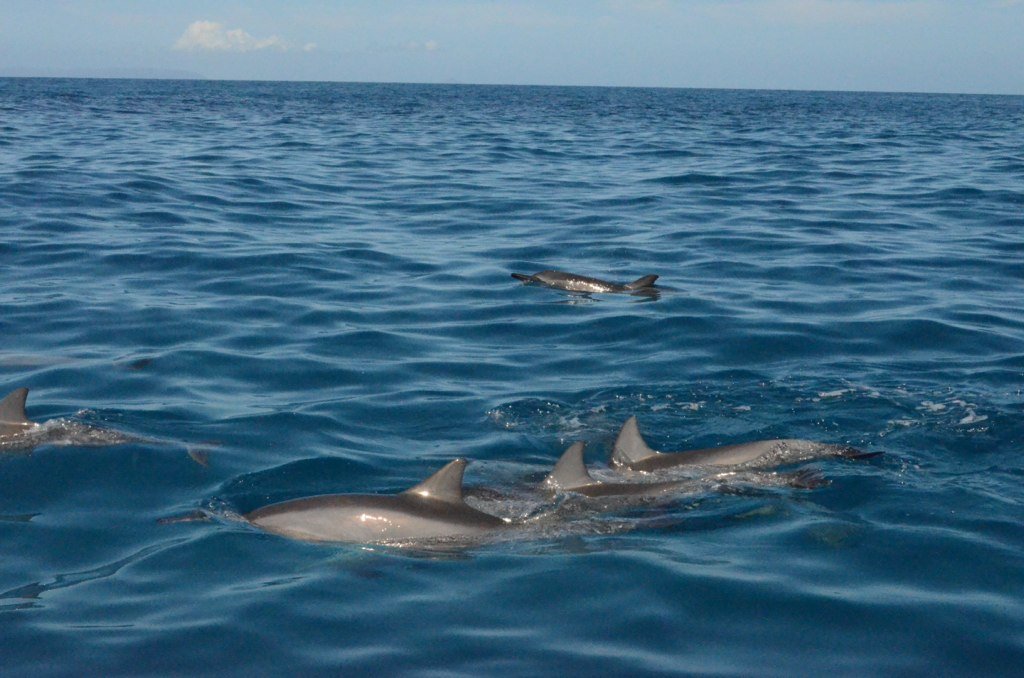
Dolphins have mastered what scientists call “unihemispheric slow-wave sleep” – essentially sleeping with half their brain while keeping the other half alert. This incredible adaptation allows them to continue swimming, breathing, and watching for threats while getting the rest they need.
During this state, dolphins typically swim slowly in circles or float near the surface. The sleeping half of their brain gets the restorative benefits of sleep, while the wakeful half maintains essential functions. They can even keep one eye open, connected to the alert side of their brain.
This sleep pattern typically lasts for periods of 15 to 20 minutes, and dolphins can alternate which side of their brain sleeps. It’s like having a built-in shift system that ensures they’re never completely vulnerable.
Whales: The Giants Who Power Nap

Whales take a different approach to underwater slumber, often engaging in what researchers call “logging” – floating vertically or horizontally at the surface like a log. During these periods, they remain motionless for 10 to 15 minutes, appearing almost lifeless.
Sperm whales have been observed sleeping in vertical positions, with their heads pointing toward the surface. This position allows them to quickly surface for air when needed. Scientists believe this behavior represents the deepest sleep state observed in marine mammals.
Recent studies using underwater cameras have revealed that whales can sleep both at the surface and while slowly swimming. The depth of their sleep varies depending on their environment and the presence of potential threats.
Sharks: The Restless Predators
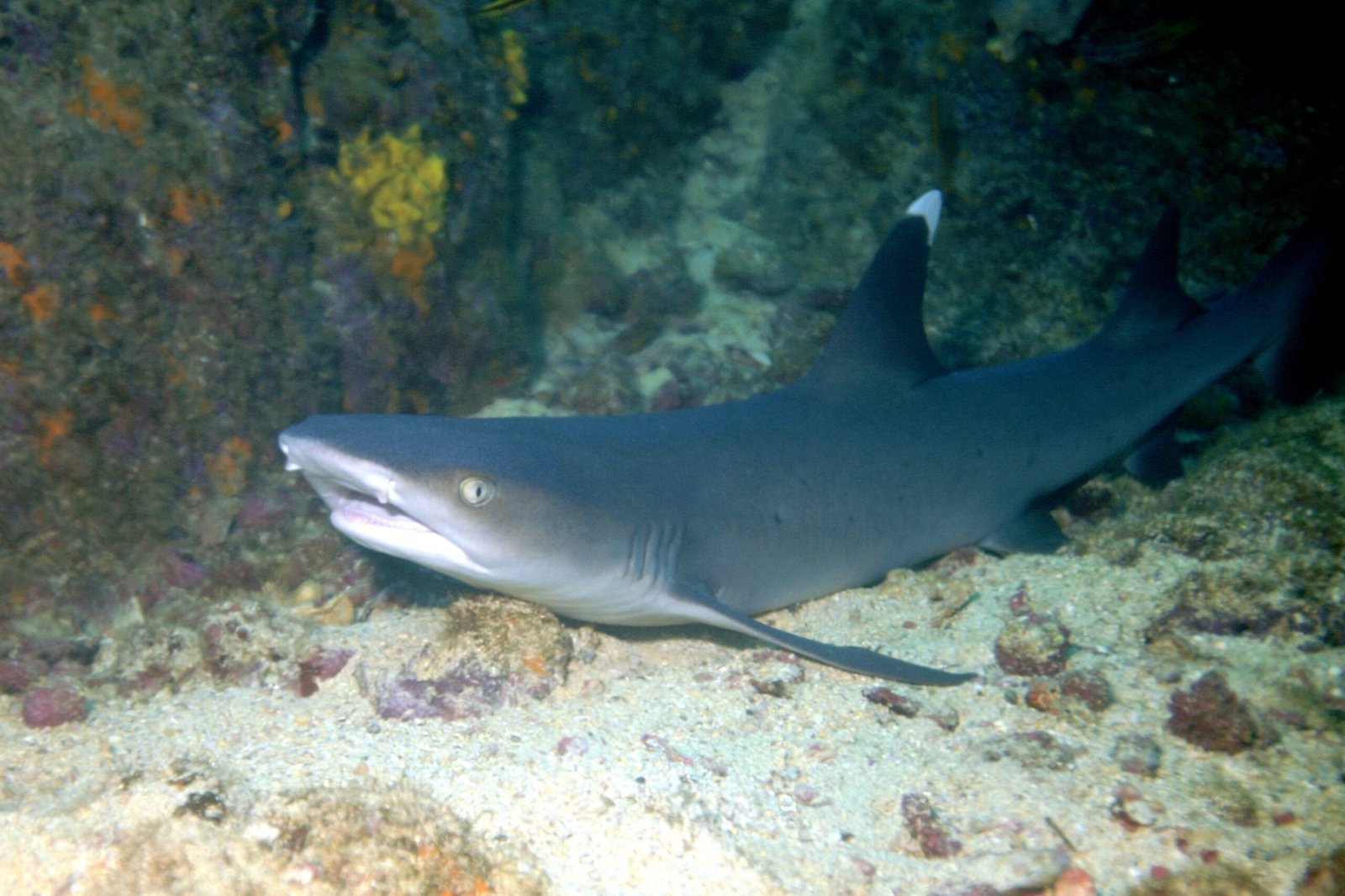
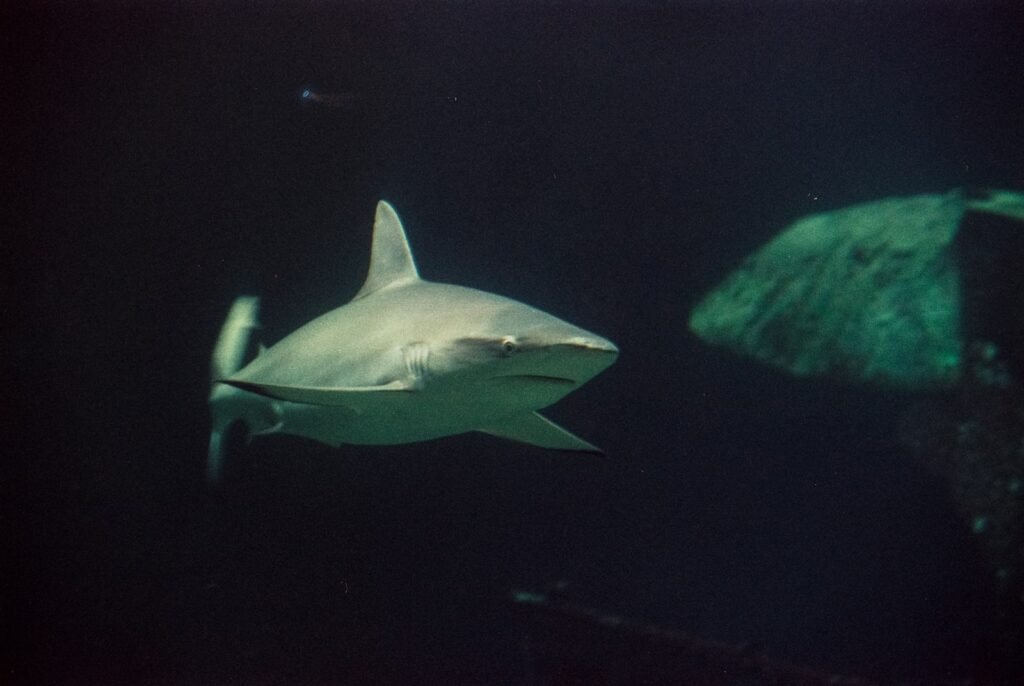
The idea of a sleeping shark might seem contradictory, but these apex predators do indeed rest. Many shark species must keep moving to force water over their gills for oxygen extraction, making traditional sleep impossible.
Some sharks have developed “yo-yo swimming” patterns during rest periods, slowly rising and falling in the water column while maintaining minimal movement. Others seek out underwater caves or currents where they can remain stationary while still getting oxygen-rich water flowing over their gills.
Nurse sharks represent an exception to this rule, as they can pump water over their gills while stationary. These sharks often stack on top of each other in underwater caves during daylight hours, resembling a sleepy pile of predators.
Fish Schools and Collective Slumber

Many fish species that travel in schools have developed synchronized resting patterns that benefit the entire group. During these periods, some fish in the school remain more alert while others enter deeper rest states.
Parrotfish create one of the most fascinating sleep setups in the ocean by secreting a mucus cocoon around themselves before settling down for the night. This protective barrier helps mask their scent from predators and provides a safe space for vulnerable sleep.
Coral reef fish often seek shelter in crevices or under coral formations during their rest periods. These locations provide protection while allowing them to maintain awareness of their surroundings through reduced but functional sensory input.
Octopuses: The Color-Changing Dreamers

Octopuses exhibit some of the most intriguing sleep behaviors in the ocean, including rapid color changes during their rest periods. Scientists have observed octopuses cycling through different colors and patterns while sleeping, suggesting they might actually be dreaming.
These intelligent cephalopods typically sleep in dens or hidden locations, using their remarkable camouflage abilities to blend seamlessly with their surroundings. Their sleep consists of two distinct phases: a quiet phase and an active phase characterized by dramatic color changes.
During the active sleep phase, octopuses’ skin patterns shift rapidly, their eyes move behind closed lids, and their arms occasionally twitch. This behavior is remarkably similar to REM sleep in mammals, raising fascinating questions about consciousness in marine invertebrates.
Sea Turtles: Floating in Peaceful Slumber

Sea turtles have perfected the art of sleeping while floating, often wedging themselves under coral ledges or in underwater caves. They can hold their breath for hours while sleeping, dramatically slowing their metabolism to conserve oxygen.
Green sea turtles have been observed sleeping on sandy bottoms in shallow waters, sometimes for several hours at a time. Their ability to remain motionless while sleeping makes them appear almost statue-like on the ocean floor.
During sleep, sea turtles’ heart rates drop significantly, and their breathing reflex becomes less frequent. This adaptation allows them to stay submerged for extended periods without surfacing for air.
Seals: Masters of Aquatic and Terrestrial Sleep
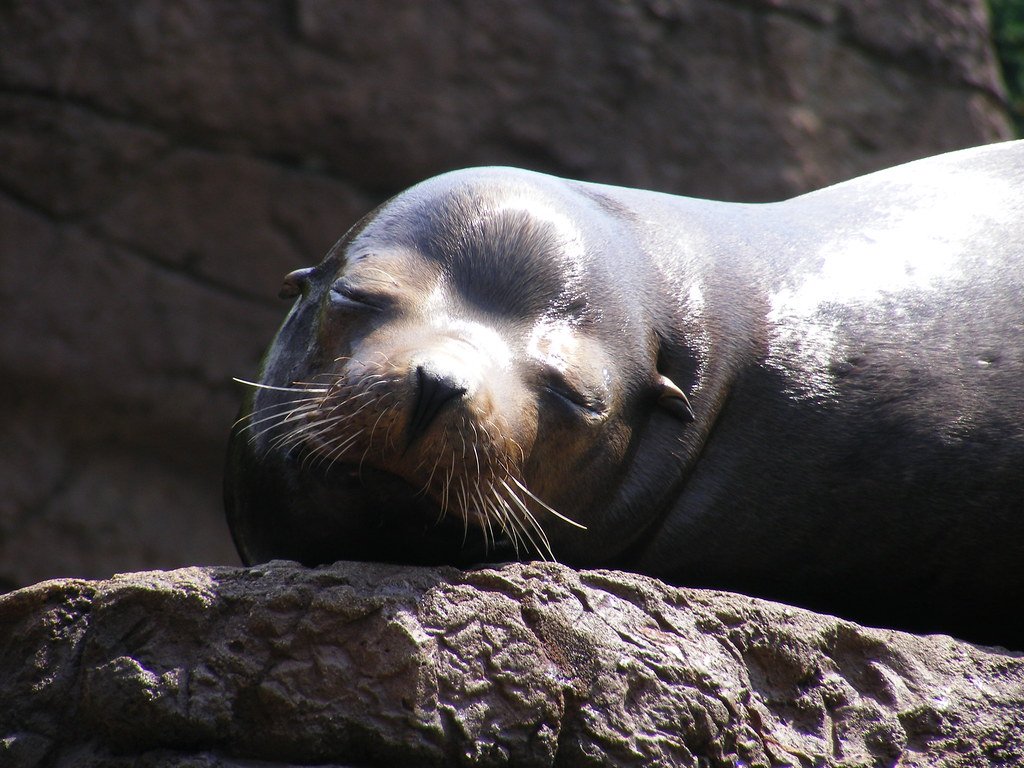
Seals face the unique challenge of sleeping both on land and in water, requiring different strategies for each environment. When sleeping in water, they exhibit unihemispheric sleep similar to dolphins, allowing them to surface for air when needed.
On land, seals can enjoy the luxury of traditional bilateral sleep, where both brain hemispheres rest simultaneously. This deeper sleep state is crucial for their recovery and overall health, making their terrestrial rest periods essential.
Some seal species have been observed sleeping underwater while holding their breath for up to 20 minutes. They often choose sleeping locations near the surface to minimize the energy required for breathing trips.
Jellyfish: The Pulse of Sleep

Even jellyfish, creatures without brains, appear to have sleep-like states. Research on upside-down jellyfish has revealed that they become less active during certain periods and are harder to arouse, suggesting a form of sleep behavior.
These simple creatures reduce their pulsing activity during rest periods, and when disturbed during these times, they take longer to respond to stimuli. This behavior meets the basic criteria that scientists use to define sleep in more complex animals.
The discovery of sleep-like states in jellyfish has profound implications for our understanding of sleep evolution, suggesting that this behavior may have appeared much earlier in evolutionary history than previously thought.
Coral Reef Communities: Synchronized Sleep Cycles

Entire coral reef ecosystems follow day-night cycles that create periods of collective rest and activity. As daylight fades, many fish species seek shelter while nocturnal creatures begin their active periods.
This natural rhythm creates distinct shifts in reef activity, with some species becoming more active while others enter rest states. The timing of these cycles is crucial for maintaining the delicate balance of reef ecosystems.
Cleaner fish, which provide grooming services to other fish during the day, cease their activities at night and seek shelter in crevices. This behavior shows how sleep patterns can be intricately linked to ecological relationships.
Deep Sea Creatures: Sleep in the Abyss
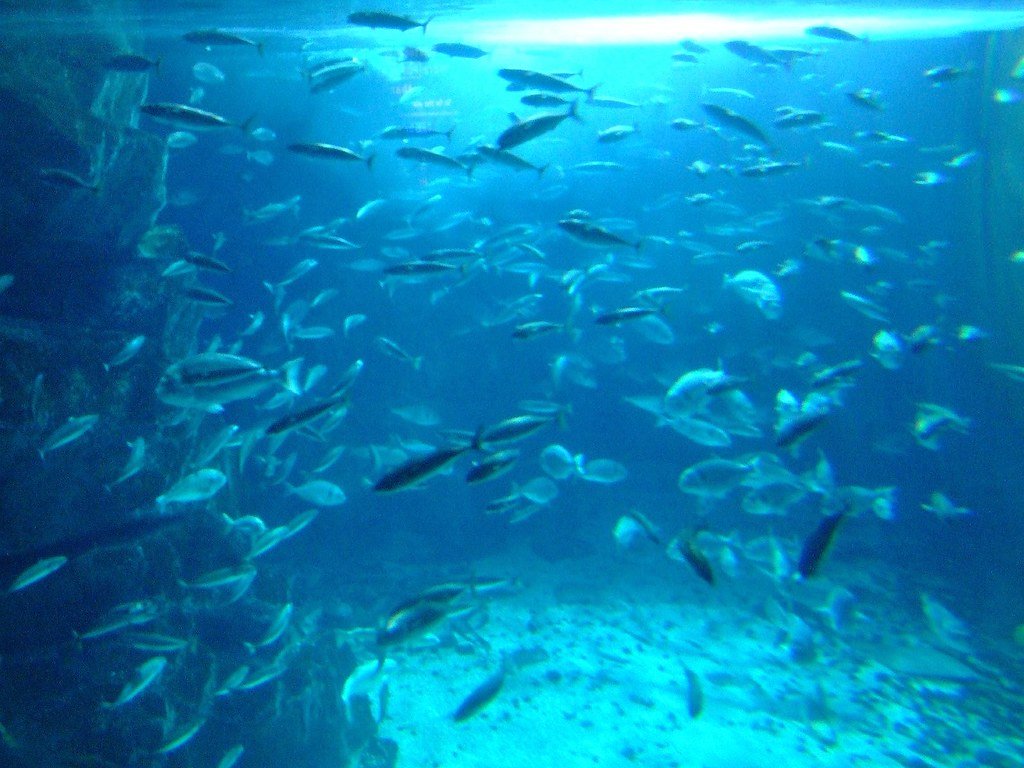
In the perpetual darkness of the deep ocean, creatures have developed sleep patterns that don’t rely on sunlight cues. Many deep-sea fish follow internal biological rhythms that govern their rest and activity cycles.
Some deep-sea creatures migrate vertically through the water column daily, rising to shallower waters to feed and returning to deeper waters to rest. This behavior, known as diel vertical migration, represents one of the largest daily movements of biomass on Earth.
The extreme pressure and cold temperatures of the deep sea create unique challenges for sleep, but these creatures have adapted with slower metabolisms and extended rest periods that conserve precious energy.
Marine Mammals: The Breathing Dilemma

All marine mammals face the fundamental challenge of being air-breathing creatures living in water. This constraint has shaped their sleep patterns more than any other factor, leading to incredible adaptations.
Manatees can sleep while floating at the surface, surfacing to breathe approximately every 20 minutes without fully waking. Their slow lifestyle and warm-water habitat allow for this relaxed approach to sleep.
Polar bears, when swimming long distances, can enter a state called “swimming hibernation” where they maintain forward motion while reducing their metabolic rate and entering a sleep-like state.
The Evolution of Underwater Sleep

The evolution of sleep in marine environments represents millions of years of adaptation to the unique challenges of underwater life. These adaptations showcase the incredible flexibility of biological systems in solving complex survival problems.
Scientists believe that the ancestor of all marine mammals was a land-dwelling creature that had to adapt its sleep patterns when returning to the ocean. This evolutionary pressure created the diverse sleep strategies we observe today.
The study of marine sleep patterns provides insights into the fundamental nature of sleep itself, helping scientists understand what aspects of sleep are universal and which are specific to particular environments.
How Scientists Study Sleep in the Ocean

Studying sleep in marine creatures requires innovative approaches and specialized equipment. Researchers use underwater cameras, accelerometers, and EEG devices to monitor brain activity and behavior patterns.
One of the biggest challenges is distinguishing between true sleep and simple resting behavior. Scientists look for specific criteria including reduced responsiveness to stimuli, specific postures, and the ability to quickly return to full alertness.
New technologies like satellite tags and underwater drones are revolutionizing our understanding of marine sleep patterns, allowing researchers to observe natural behavior without disturbing the animals.
The Impact of Human Activity on Marine Sleep

Human activities increasingly disrupt natural marine sleep patterns through noise pollution, artificial lighting, and habitat destruction. Ship traffic, offshore drilling, and coastal development can all interfere with normal rest cycles.
Light pollution from coastal cities can disrupt the natural day-night cycles that many marine creatures rely on for their sleep patterns. This disruption can affect feeding, reproduction, and overall health.
Climate change is also affecting marine sleep patterns by altering ocean temperatures and currents, forcing creatures to adapt their behavior or face increased stress and reduced survival rates.
Conservation Implications of Marine Sleep Research

Understanding marine sleep patterns is crucial for developing effective conservation strategies. Protected areas need to consider the sleeping requirements of marine life, ensuring that critical rest sites remain undisturbed.
Shipping routes and underwater construction projects should account for the sleep needs of marine mammals, potentially scheduling activities to minimize disruption during critical rest periods.
The protection of coral reefs and other marine habitats becomes even more important when we consider their role as essential resting places for countless species.
Future Discoveries in Marine Sleep Science

As technology continues to advance, scientists are uncovering new aspects of marine sleep that challenge our understanding of consciousness and rest. The field of marine sleep research is rapidly expanding, with new discoveries emerging regularly.
Future research may reveal even more complex sleep behaviors in marine creatures, potentially discovering new types of sleep states that don’t exist in terrestrial animals. These findings could revolutionize our understanding of sleep biology.
The implications of marine sleep research extend beyond marine biology, potentially influencing human sleep medicine and our understanding of consciousness itself.
Conclusion: The Endless Mystery of Ocean Sleep

The underwater world continues to amaze us with its ingenious solutions to the challenge of sleep. From dolphins that sleep with half their brain to jellyfish that pulse more slowly during rest, marine creatures have evolved remarkable strategies for getting the rest they need while surviving in their aquatic environment.
These adaptations remind us that sleep is not just a human necessity but a fundamental biological process that has been shaped by millions of years of evolution. The diversity of sleep patterns in marine life demonstrates nature’s incredible ability to find solutions to seemingly impossible challenges.
As we continue to explore and study these fascinating behaviors, we gain deeper insights into the nature of consciousness, the importance of rest, and the incredible adaptability of life on Earth. What other sleep secrets might the ocean still be hiding from us?