Imagine walking through what looks like rolling farmland in southern Illinois, surrounded by gentle hills that seem perfectly natural. Yet beneath your feet lies one of history’s most remarkable secrets – the remains of a massive city that once rivaled London in size and complexity. Welcome to Cahokia, North America’s forgotten metropolis that flourished a thousand years ago, long before Columbus ever dreamed of crossing the Atlantic.
The Rise of a Prehistoric Giant
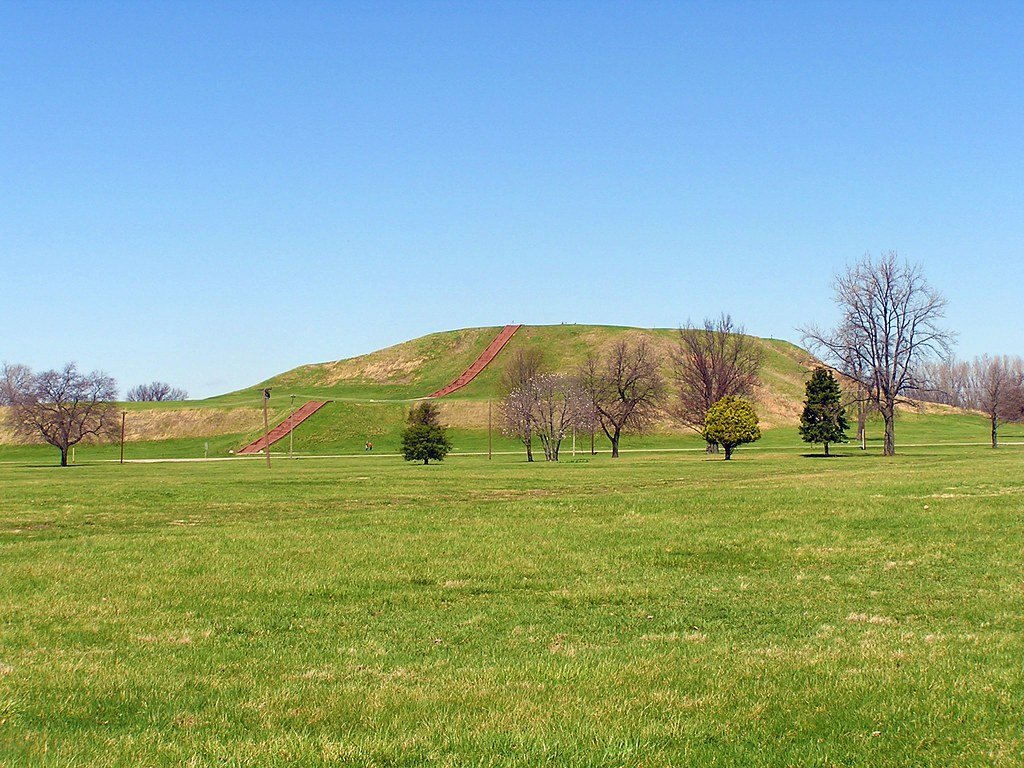
Around 1050 CE, something extraordinary happened in the Mississippi River valley. A small settlement began transforming into what would become the largest urban center north of Mexico. This wasn’t just any ordinary Native American village – Cahokia grew into a bustling metropolis that housed between 10,000 to 20,000 people at its peak.
The city’s rapid growth defied everything we thought we knew about pre-Columbian North America. Archaeological evidence suggests that Cahokia’s population exploded within just a few decades, drawing people from hundreds of miles away. Think of it as the medieval equivalent of a gold rush, except instead of precious metals, people were drawn by fertile land, strategic trade routes, and perhaps most importantly, powerful religious and political leadership.
Monks Mound: The Colossal Heart of Cahokia

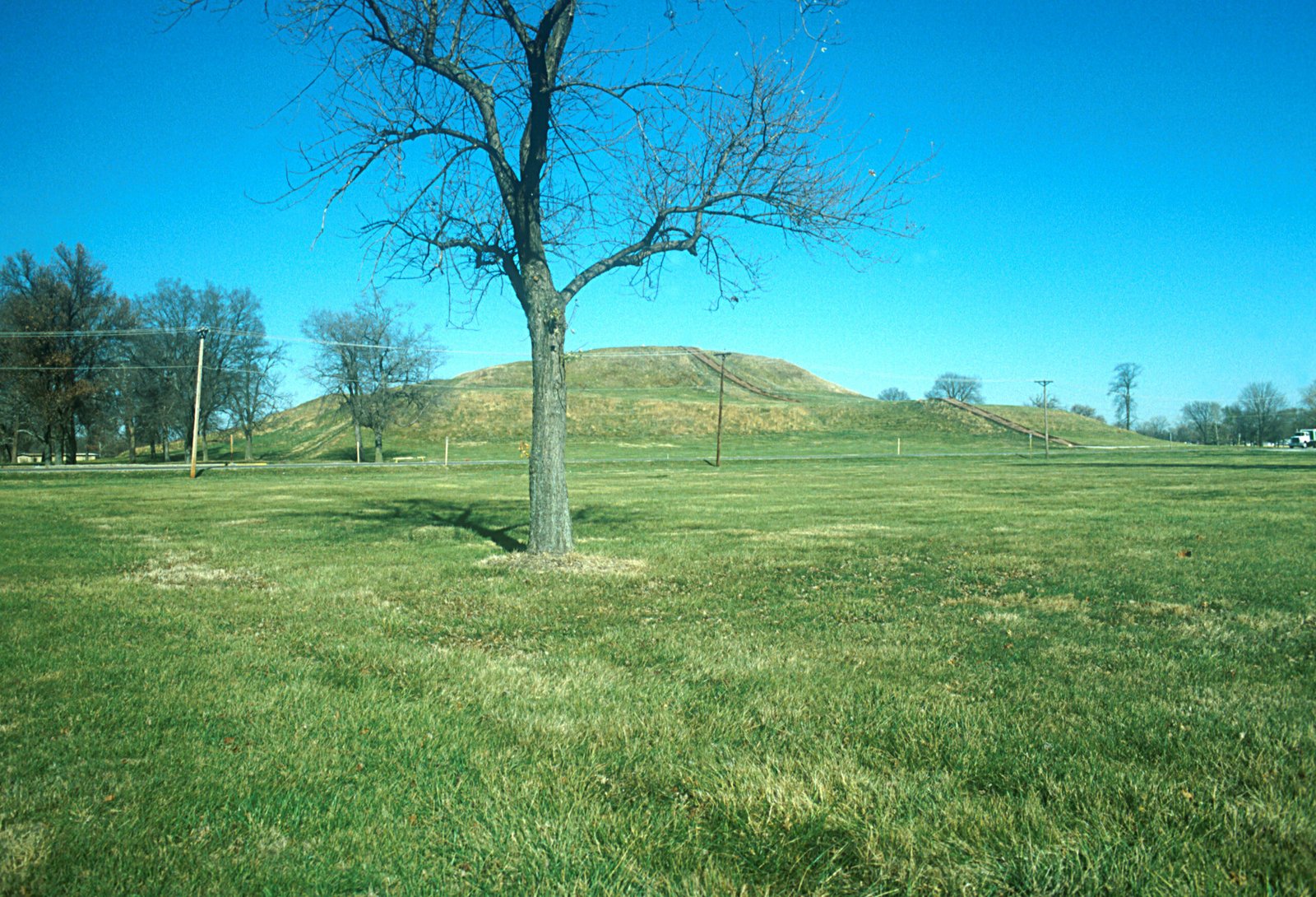
At the center of this ancient city stands Monks Mound, a earthen pyramid so massive it makes you question everything you thought you knew about ancient American engineering. Rising 100 feet into the sky and covering 14 acres at its base, this monument contains approximately 22 million cubic feet of earth – more material than the Great Pyramid of Giza.
French monks who later settled in the area gave the mound its name, but they had no idea they were living atop one of the greatest architectural achievements in prehistoric America. The mound served as the foundation for the ruler’s residence and possibly temples, creating a sacred space that could be seen for miles across the Mississippi floodplain.
The Mysterious Builders: Who Were the Cahokians?

Despite Cahokia’s monumental scale, the identity of its builders remains one of archaeology’s most intriguing puzzles. These weren’t the ancestors of any single modern tribe, but rather a complex society that drew from multiple cultural traditions across the Midwest and Southeast. They belonged to what archaeologists call the Mississippian culture, named after the river system that connected their far-flung communities.
The Cahokians were master farmers who transformed the landscape through sophisticated agricultural techniques. They cultivated corn, beans, squash, and sunflowers, creating food surpluses that supported their urban population. Their success wasn’t just about farming – they were skilled craftspeople, traders, and engineers who created one of the most complex societies in prehistoric North America.
A City of Neighborhoods and Social Hierarchy
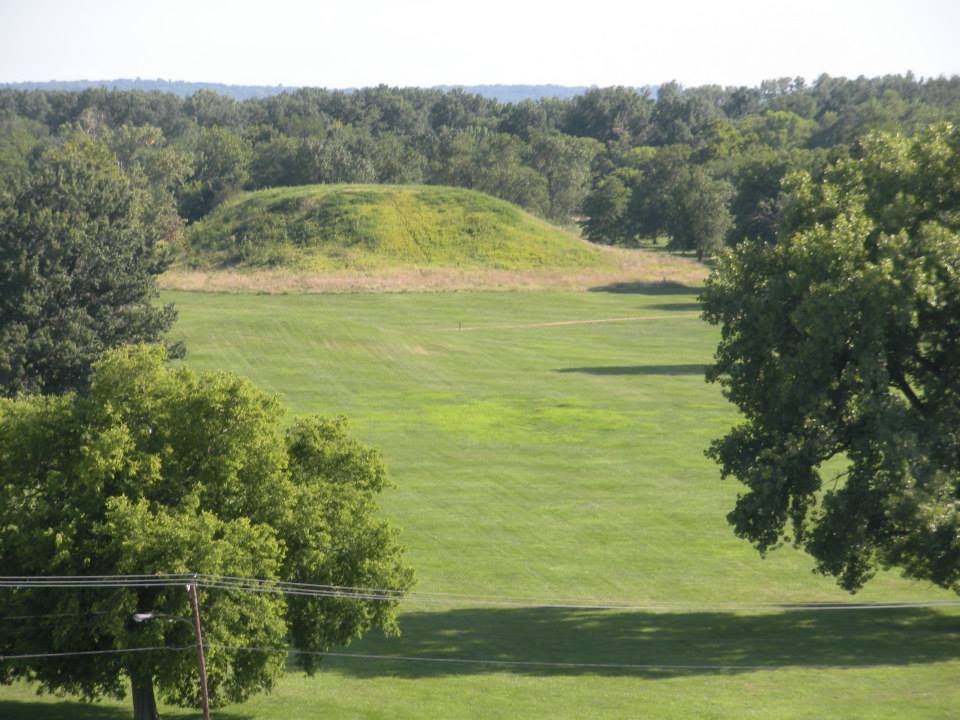
Cahokia wasn’t just a random collection of mounds scattered across the landscape. Archaeological mapping reveals a carefully planned urban center with distinct neighborhoods, each serving different functions within the larger community. The city’s layout suggests a highly stratified society where your social status determined not just where you lived, but how you lived.
Elite families occupied the areas closest to Monks Mound, living in large, well-constructed houses with easy access to the city’s ceremonial center. Common people lived in smaller structures on the outskirts, creating a clear visual representation of social hierarchy. This urban planning was revolutionary for its time, demonstrating a level of social organization that wouldn’t be seen again in North America until European colonization.
The Grand Plaza: Ancient America’s Times Square
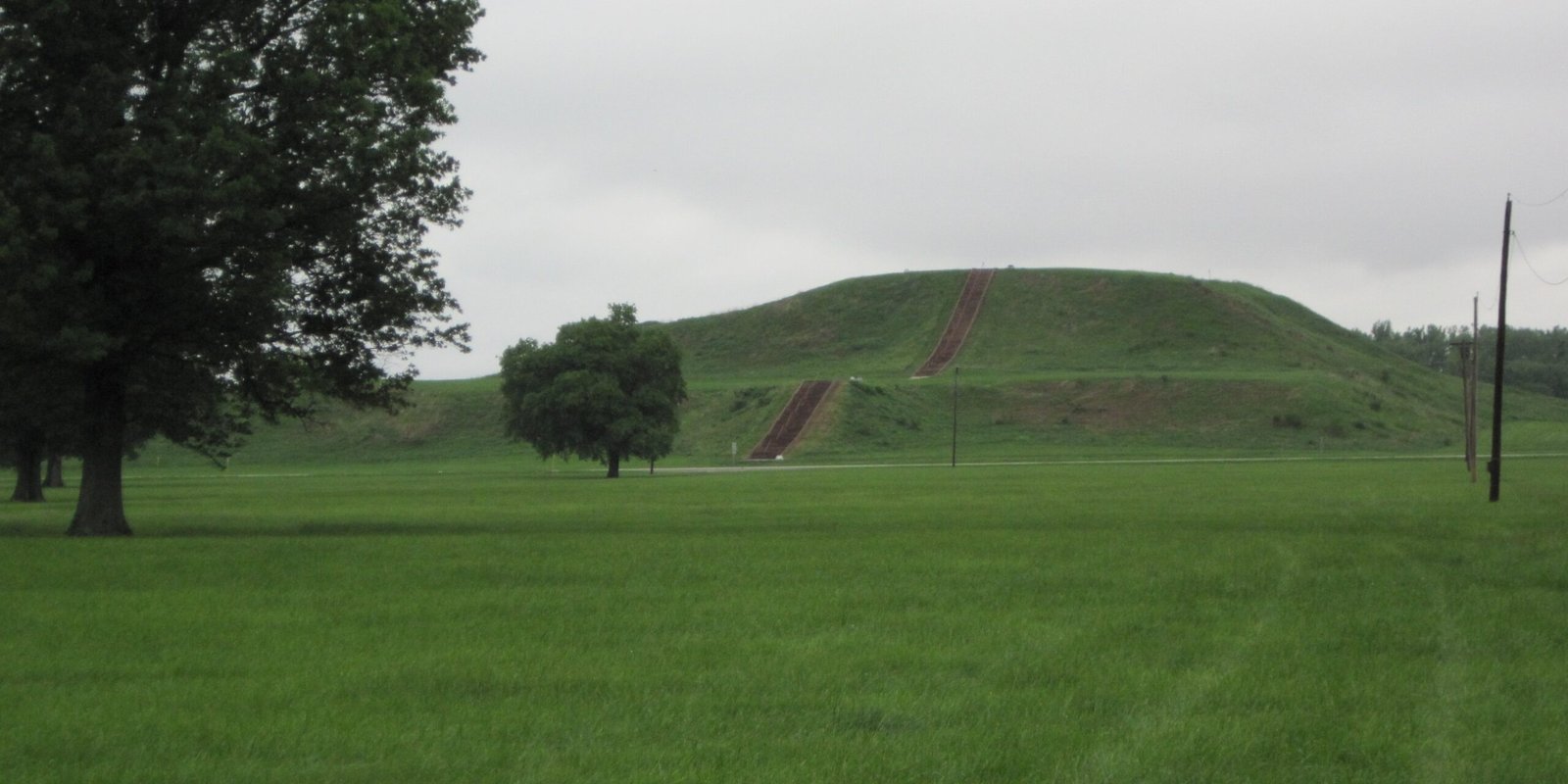
Stretching south of Monks Mound lies the Grand Plaza, a massive open space covering 50 acres that served as the beating heart of Cahokian life. This wasn’t just an empty field – it was a carefully engineered gathering place where thousands of people came together for ceremonies, markets, and public events. The plaza was artificially leveled and covered with sand and clay, creating a smooth surface that could accommodate large crowds.
Imagine the spectacle during major festivals: thousands of people dressed in elaborate costumes, dancers performing sacred rituals, and the air filled with the sounds of drums, flutes, and chanting. The Grand Plaza was where Cahokia’s diverse population came together, reinforcing social bonds and shared identity across different ethnic and tribal groups.
Engineering Marvels: Moving Mountains of Earth

The scale of Cahokia’s construction projects defies belief when you consider the technology available to its builders. Without metal tools, wheels, or large domesticated animals, the Cahokians moved an estimated 55 million cubic feet of earth to create their mounds. This required unprecedented levels of organization, planning, and community cooperation.
Each basketload of earth was carried by hand, often from distances of several miles. The logistics alone would challenge modern project managers – coordinating thousands of workers, managing food supplies, and maintaining quality control over decades of construction. The fact that they accomplished this while maintaining a functioning city demonstrates remarkable leadership and social cohesion.
Trade Networks That Spanned a Continent

Cahokia’s wealth didn’t come from gold or silver, but from its strategic position at the confluence of major river systems. The city sat at the crossroads of ancient trade routes that connected the Great Lakes to the Gulf of Mexico, and the Rocky Mountains to the Atlantic coast. Archaeological evidence reveals a stunning array of exotic materials that flowed through Cahokian markets.
Copper from the Great Lakes, shells from the Gulf Coast, obsidian from the Rocky Mountains, and mica from the Appalachians all found their way to Cahokia. The city’s craftspeople transformed these raw materials into beautiful objects that were traded throughout the continent. This wasn’t just commerce – it was cultural exchange on a massive scale, spreading Cahokian influence far beyond the Mississippi valley.
Religious Beliefs and Ritual Practices

Religion permeated every aspect of Cahokian life, from the orientation of buildings to the timing of agricultural activities. The city’s layout appears to be aligned with astronomical events, particularly the summer and winter solstices. This wasn’t accidental – the Cahokians saw their city as a reflection of the cosmos, with earthly structures mirroring heavenly patterns.
Ritual deposits found throughout the site reveal complex religious practices involving human sacrifice, elaborate burials, and offerings of precious materials. One of the most haunting discoveries is Mound 72, where archaeologists uncovered mass burials including what appears to be ritual executions. These findings suggest that Cahokian religion involved powerful ceremonies that reinforced social hierarchy and political authority.
The Woodhenge: Ancient Observatory and Calendar
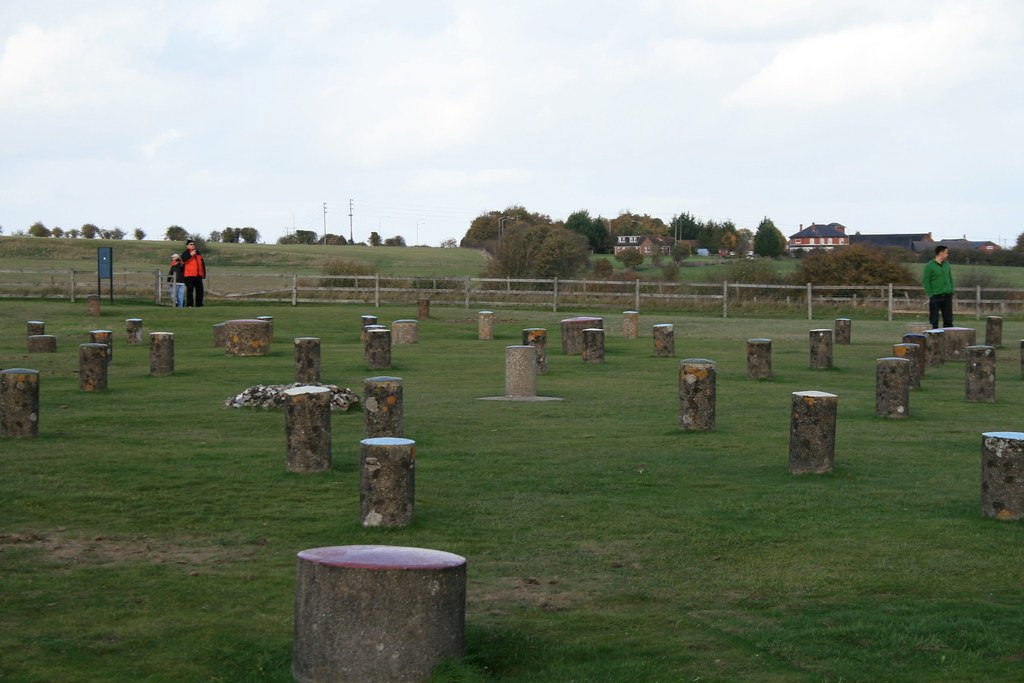
Perhaps one of Cahokia’s most remarkable features is its “Woodhenge” – a series of timber circles that functioned as astronomical observatories. These wooden posts, arranged in precise patterns, allowed Cahokian astronomers to track the movements of the sun, moon, and stars with remarkable accuracy. The largest circle contained 48 posts arranged in a 410-foot diameter, creating a sophisticated calendar system.
From the center of the circle, specific posts aligned with sunrise on the equinoxes and solstices, allowing priests to predict seasons and plan agricultural activities. This wasn’t just practical – it was a source of immense power, as the ability to predict celestial events gave religious leaders authority over both spiritual and temporal matters.
Daily Life in the Ancient Metropolis
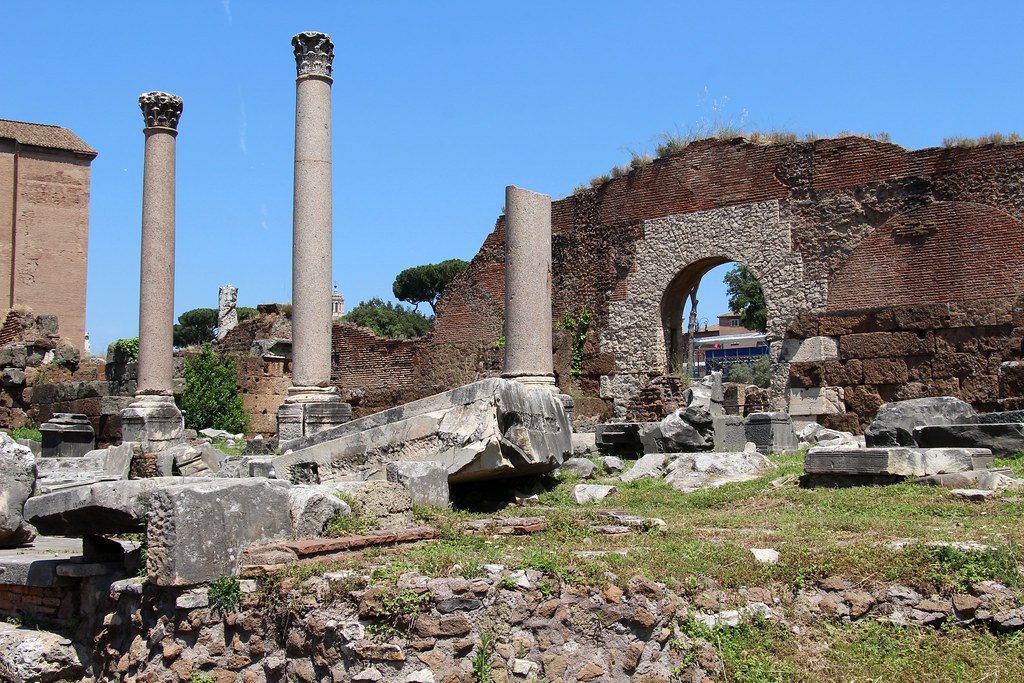
Life in Cahokia was far from primitive. Archaeological evidence paints a picture of a sophisticated urban society with specialized craftspeople, organized markets, and complex social institutions. Families lived in rectangular houses with walls made of wooden posts and covered with woven mats and clay plaster. These weren’t temporary shelters – they were permanent homes designed for comfort and durability.
The city’s residents enjoyed a varied diet that included not just agricultural products, but also fish from the Mississippi River, game from surrounding forests, and wild plants gathered from the prairies. Specialized craftspeople created beautiful pottery, intricate shell jewelry, and elaborate ceremonial objects that reflected the city’s wealth and artistic sophistication.
The Fascinating Discovery of Cahokia’s Suburbs

Recent archaeological discoveries have revealed that Cahokia was even larger than previously imagined. The main urban center was surrounded by dozens of smaller settlements that functioned as suburbs, connected to the central city through a network of roads and waterways. These outlying communities specialized in different aspects of the economy – some focused on agriculture, others on craft production or resource extraction.
One of the most significant discoveries is the East St. Louis site, located across the Mississippi River from the main city. This settlement appears to have been a major center for tool production, with evidence of large-scale manufacturing of stone implements that were traded throughout the Cahokian sphere of influence. The discovery of these suburban areas has doubled estimates of Cahokia’s total population and influence.
Environmental Challenges and Adaptation
Cahokia’s success came with environmental costs that ultimately contributed to its decline. The city’s massive population put enormous pressure on local resources, leading to deforestation, soil erosion, and depletion of game animals. Archaeological evidence shows that the Cahokians responded to these challenges through technological innovation and landscape management.
They developed sophisticated water management systems, including constructed wetlands and fish weirs that helped maintain fish populations in local streams. The city’s farmers pioneered intensive agricultural techniques, including the use of raised fields in flood-prone areas and the development of new crop varieties adapted to local conditions. These innovations allowed Cahokia to support its large population for several centuries.
The Art and Symbolism of Cahokian Culture

Cahokian artists created some of the most sophisticated artwork in prehistoric North America. Their pottery featured intricate geometric designs and naturalistic representations of animals and humans. Stone sculptures depicted birds, serpents, and human figures engaged in ritual activities, providing insights into Cahokian religious beliefs and social practices.
One of the most striking examples is the “Birger figurine,” a small stone sculpture of a woman engaged in agricultural activities. This piece, along with others like it, suggests that Cahokian society may have had a more egalitarian approach to gender roles than many other ancient civilizations. The artwork also reveals a sophisticated understanding of human anatomy and artistic proportion that rivals contemporary European art.
Political Organization and Leadership

Cahokia’s political structure remains one of its greatest mysteries. The city’s scale and complexity suggest a highly centralized government, possibly ruled by a paramount chief or king who controlled not just the urban center but also the surrounding region. This leader would have commanded immense resources and wielded both political and religious authority.
Evidence for this centralized authority comes from the city’s monumental architecture, the organization of labor for massive construction projects, and the presence of elite burials with exotic grave goods. Some archaeologists believe Cahokia may have been the capital of a confederation of chiefdoms that extended across much of the Midwest and Southeast, making it one of the most politically complex societies in prehistoric North America.
The Role of Women in Cahokian Society

Archaeological evidence suggests that women played important roles in Cahokian society, possibly holding positions of religious and political authority. Several elite burials contain women buried with symbols of power, including elaborate jewelry and ceremonial objects. The “Birger figurine” and other artistic representations show women engaged in important economic activities, particularly agriculture.
Some researchers propose that Cahokian society may have been matrilineal, with descent and inheritance passing through female lines. This would have given women significant social and economic power, making them key players in the city’s political and religious institutions. The evidence is still debated, but it challenges traditional assumptions about gender roles in ancient Native American societies.
Warfare and Defense in the Ancient City
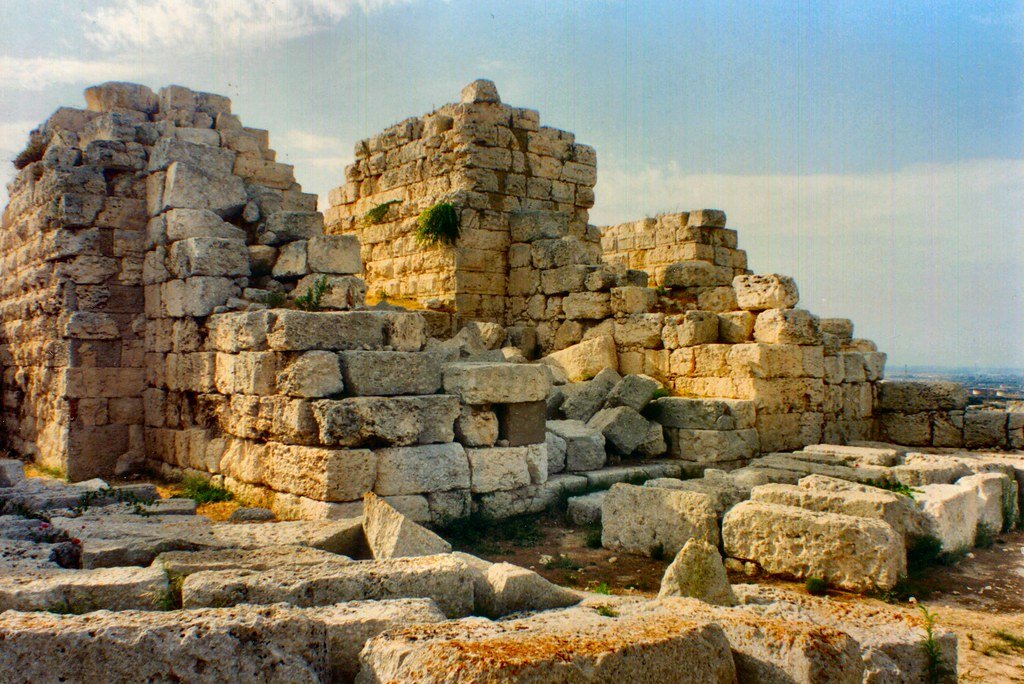
Despite its peaceful appearance today, Cahokia was a city that knew conflict. Archaeological evidence reveals a massive wooden palisade that surrounded the central core of the city, complete with bastions and defensive towers. This fortification was rebuilt multiple times, suggesting that warfare was a persistent threat throughout the city’s history.
The defensive walls required enormous resources to construct and maintain, involving thousands of wooden posts arranged in multiple rows. The fortifications enclosed not just the ceremonial center but also residential areas, indicating that protecting the population was a major concern. Evidence of burned structures and violent deaths in some areas suggests that these defenses were not just symbolic but were actually tested in battle.
The Mysterious Decline and Abandonment

Perhaps the greatest mystery surrounding Cahokia is why such a successful city was abandoned. By 1300 CE, the once-thriving metropolis was virtually empty, its massive monuments slowly being reclaimed by nature. The reasons for this decline remain hotly debated among archaeologists, with theories ranging from environmental degradation to political upheaval to climate change.
One leading theory suggests that Cahokia’s success ultimately led to its downfall. The city’s large population may have exhausted local resources, leading to food shortages and social unrest. Climate data indicates that the region experienced a period of cooling and increased flooding around 1200 CE, which could have disrupted agricultural production and made the area less attractive for settlement.
Archaeological Methods and Modern Discoveries
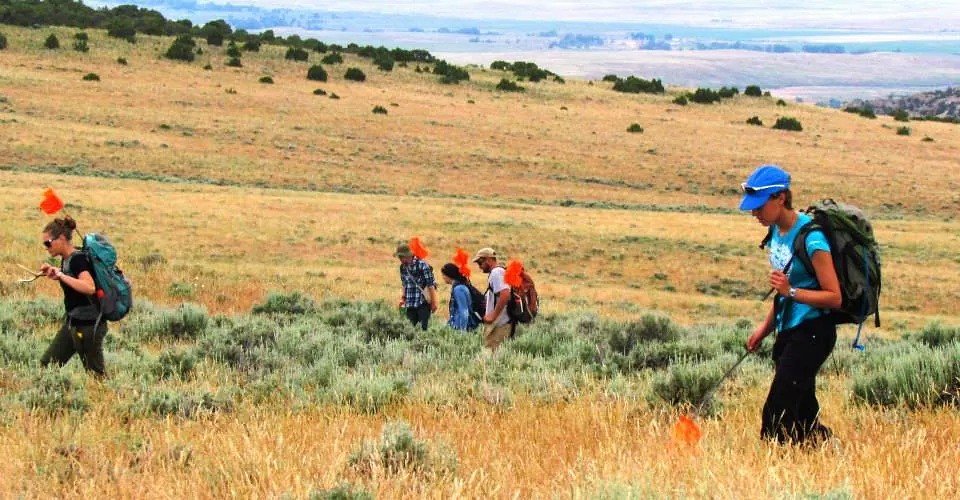
Modern archaeology has revolutionized our understanding of Cahokia through sophisticated techniques that would have been impossible just a few decades ago. Ground-penetrating radar has revealed buried structures without excavation, while LiDAR technology has identified previously unknown mounds hidden beneath centuries of soil and vegetation.
Isotope analysis of human remains has provided insights into diet, migration patterns, and social organization. DNA studies are beginning to reveal genetic connections between Cahokians and modern Native American populations. These new technologies continue to yield surprising discoveries, suggesting that many of Cahokia’s secrets remain buried beneath the Illinois prairie.
Cultural Legacy and Modern Connections
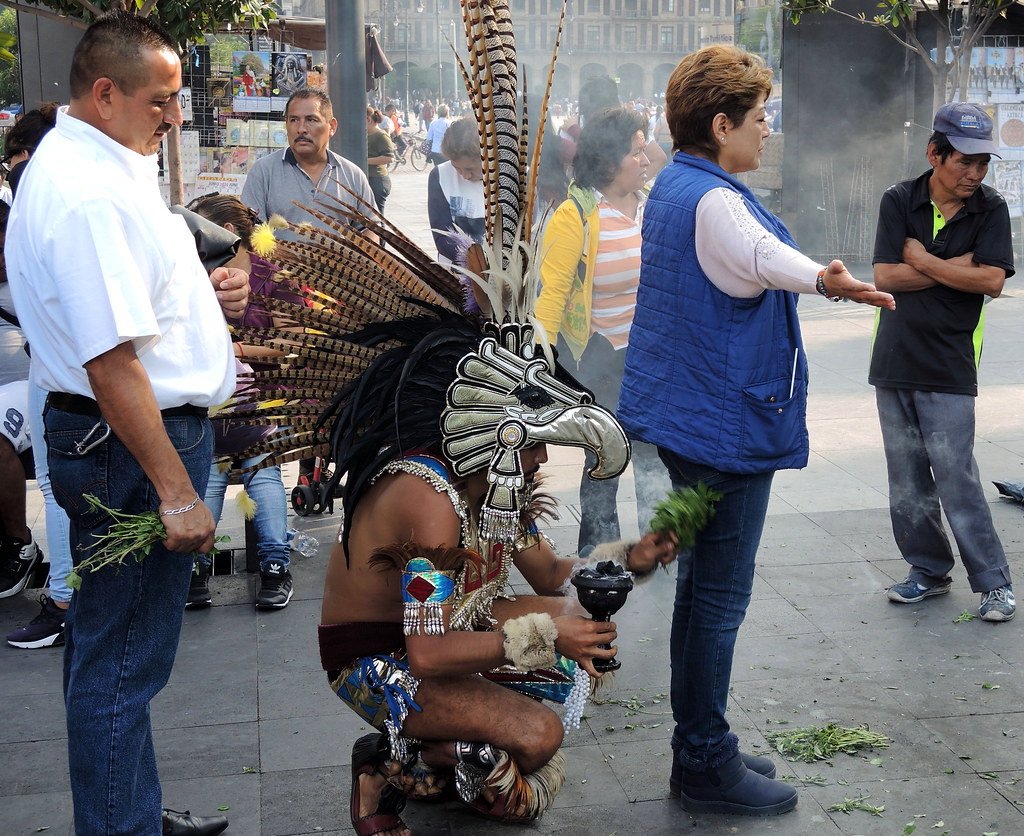
Although Cahokia was abandoned centuries before European contact, its cultural legacy lived on through the descendants of its inhabitants. Many of the artistic styles, religious practices, and social institutions that developed at Cahokia can be traced in later Native American societies throughout the Southeast and Midwest.
Modern tribal nations including the Osage, Pawnee, and various groups within the Sioux confederation maintain oral traditions that may preserve memories of Cahokia and its builders. These connections remind us that Cahokia wasn’t just an isolated archaeological site but part of a continuous cultural tradition that extends to the present day.
Preservation Efforts and Ongoing Challenges
Today, Cahokia Mounds State Historic Site preserves only a fraction of the original city, with many mounds destroyed by farming and urban development over the past two centuries. The site faces ongoing challenges from modern development pressure, climate change, and the need for expensive conservation measures to protect the remaining earthworks.
Recent efforts have focused on using advanced technology to document and preserve the site for future generations. 3D scanning and digital modeling are creating detailed records of the mounds and their contents, while community outreach programs work to educate the public about the site’s significance. These efforts are crucial for ensuring that future generations can continue to learn from this remarkable archaeological treasure.
The story of Cahokia challenges everything we thought we knew about ancient North America. This wasn’t a continent of simple hunter-gatherers waiting for European “civilization” – it was home to sophisticated societies that built monumental cities, engaged in continental trade networks, and developed complex religious and political institutions. Cahokia stands as testament to the ingenuity, creativity, and organizational abilities of its builders, reminding us that human achievement knows no cultural boundaries. What other lost cities might still be waiting beneath America’s prairies, hidden by centuries of soil and our own assumptions about the past?