Picture this: on a peaceful farm morning, thousands of cows graze quietly in green pastures, their gentle mooing creating a symphony of rural tranquility. Yet beneath this idyllic scene lies one of agriculture’s most pressing environmental challenges. Every single cow on that farm is essentially a walking methane factory, producing more greenhouse gases than your average car. This isn’t just about farming anymore—it’s about the future of our planet, and the numbers are more staggering than you might imagine.
The Hidden Truth About Bovine Methane Production

What if we told you that cows are responsible for producing more methane than all the world’s transportation combined? This shocking reality stems from their unique digestive system, which transforms grass and feed into a potent greenhouse gas through a process called enteric fermentation.
A single cow can produce between 250 to 500 liters of methane per day, depending on its size, diet, and breed. To put this in perspective, that’s enough gas to power a small car for about 2 miles daily. When you multiply this by the world’s billion-plus cattle population, the environmental impact becomes truly mind-boggling.
Understanding the Cow’s Digestive System

The cow’s stomach isn’t just one chamber—it’s a complex four-compartment system that works like a biological fermentation plant. The rumen, the largest compartment, houses billions of microbes that break down cellulose from grass and hay. These microbes are the real culprits behind methane production, creating the gas as a byproduct of their digestive work.
Think of it like a massive sourdough starter that never stops working. The microbes feast on plant matter, producing volatile fatty acids that nourish the cow, but they also generate methane as waste. This process is so efficient that about 6-7% of the energy a cow consumes gets converted into methane and released into the atmosphere.
Methane’s Climate Impact Compared to Carbon Dioxide

Here’s where things get truly alarming: methane is roughly 25 times more potent than carbon dioxide when it comes to trapping heat in the atmosphere. While CO2 gets most of the attention in climate discussions, methane acts like a supercharged greenhouse gas, absorbing infrared radiation with devastating efficiency.
The silver lining? Methane breaks down much faster than CO2, typically lasting about 9 years in the atmosphere compared to CO2’s centuries-long persistence. This means that reducing methane emissions could have relatively quick climate benefits, making cattle management a crucial short-term strategy for climate action.
Global Cattle Population and Its Environmental Scale

The world currently hosts approximately 1 billion cattle, with countries like India, Brazil, and the United States leading the herd. These numbers represent more than just statistics—they’re a massive biological machine pumping greenhouse gases into our atmosphere 24/7.
Consider this: if all the world’s cattle formed their own country, they’d rank as the third-largest greenhouse gas emitter after China and the United States. The dairy industry alone maintains about 270 million dairy cows globally, each one contributing to both our food security and our climate crisis simultaneously.
The Milk Production Equation
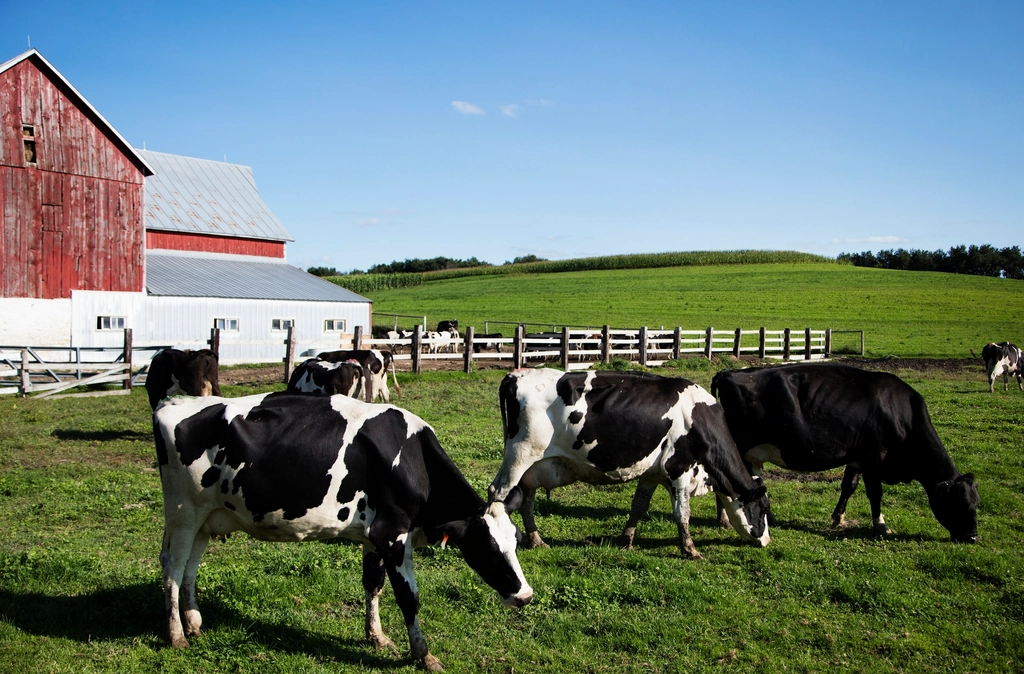
Here’s a perspective that might surprise you: producing just one gallon of milk requires approximately 1,000 gallons of water and generates about 17.6 pounds of CO2 equivalent emissions. This includes everything from feed production to processing and transportation, but the cow’s own methane production accounts for a significant portion of this footprint.
Modern dairy cows are incredible milk machines, producing up to 6-7 gallons per day during peak lactation. However, this productivity comes at an environmental cost that extends far beyond the farm gate, rippling through entire ecosystems and contributing to global warming patterns.
Regional Variations in Cattle Farming Impact
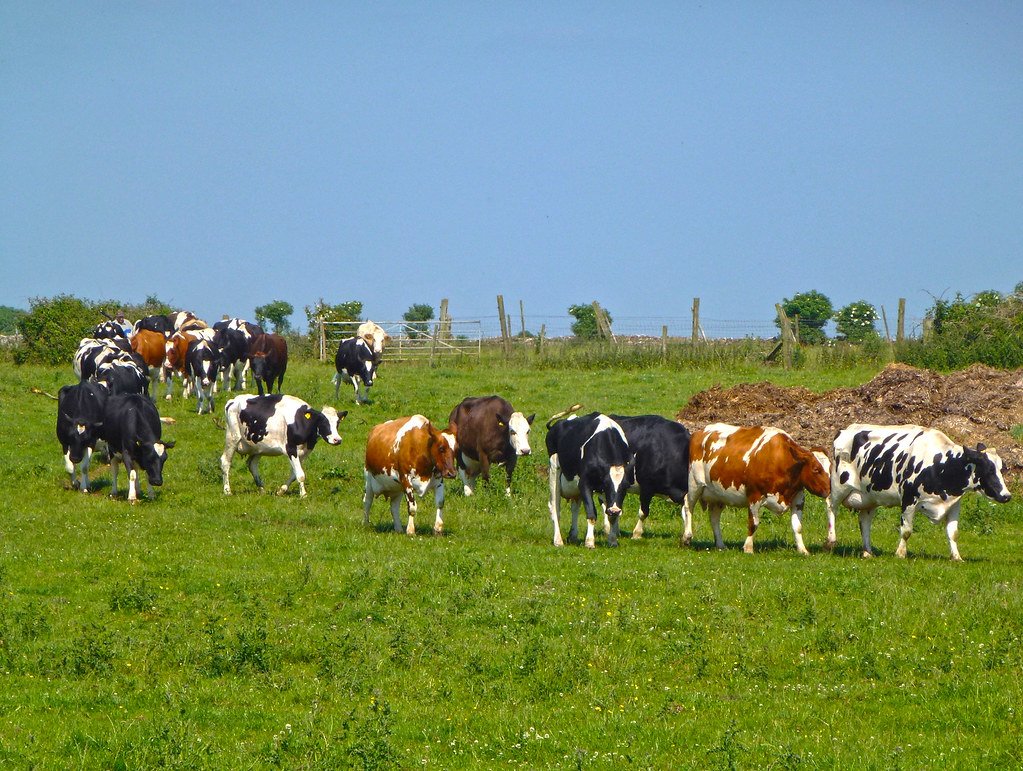
Not all cattle farming is created equal when it comes to environmental impact. In New Zealand, where cattle graze on natural pastures year-round, the methane output per cow tends to be lower than in intensive feedlot systems. Conversely, cattle operations in regions like the American Midwest, where corn-based diets are common, can produce significantly higher methane emissions per animal.
Climate also plays a crucial role—cows in hotter regions tend to eat less and produce slightly less methane, while those in cooler climates consume more feed and generate more gas. These regional differences highlight why one-size-fits-all solutions won’t work for reducing cattle’s environmental footprint.
Feed Types and Their Methane Influence
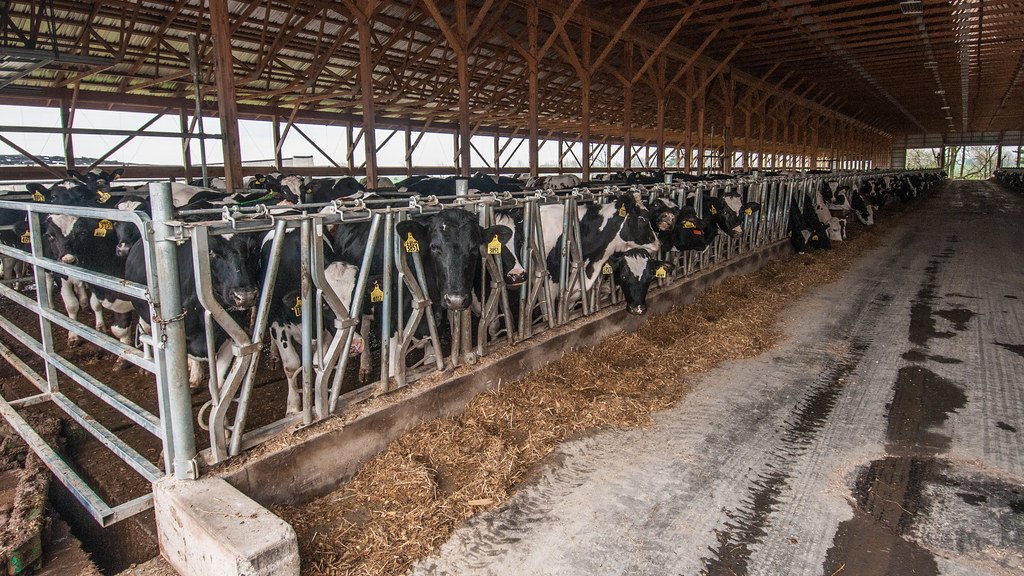
The phrase “you are what you eat” applies dramatically to cattle methane production. Cows fed high-quality, easily digestible feeds like corn and soybeans produce less methane per unit of milk than those eating low-quality roughage. It’s like the difference between a high-performance sports car and an old truck—both get you there, but one burns fuel much more efficiently.
Grass-fed cattle, while often considered more environmentally friendly, actually produce more methane per pound of beef or gallon of milk than grain-fed cattle. This counterintuitive fact occurs because grass is harder to digest, requiring more microbial fermentation and thus more methane production.
Innovative Solutions in Cattle Feed
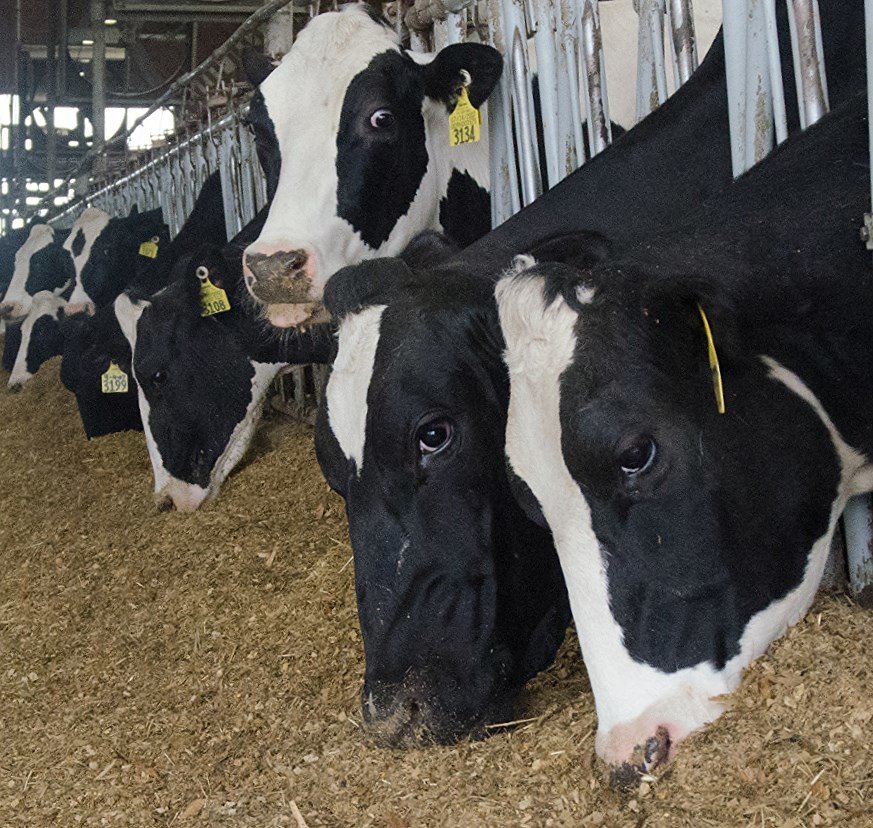
Scientists are developing groundbreaking feed additives that could revolutionize cattle farming’s environmental impact. Seaweed-based supplements, particularly red algae species like Asparagopsis, can reduce methane emissions by up to 80% when added to cattle diets. This marine solution works by disrupting the specific enzymes that produce methane in the cow’s rumen.
Other promising innovations include essential oils, tannins, and even specially designed probiotics that can alter the rumen’s microbial balance. These solutions offer hope that we might be able to have our milk and drink it too, without the crushing environmental guilt.
Breeding for Lower Emissions
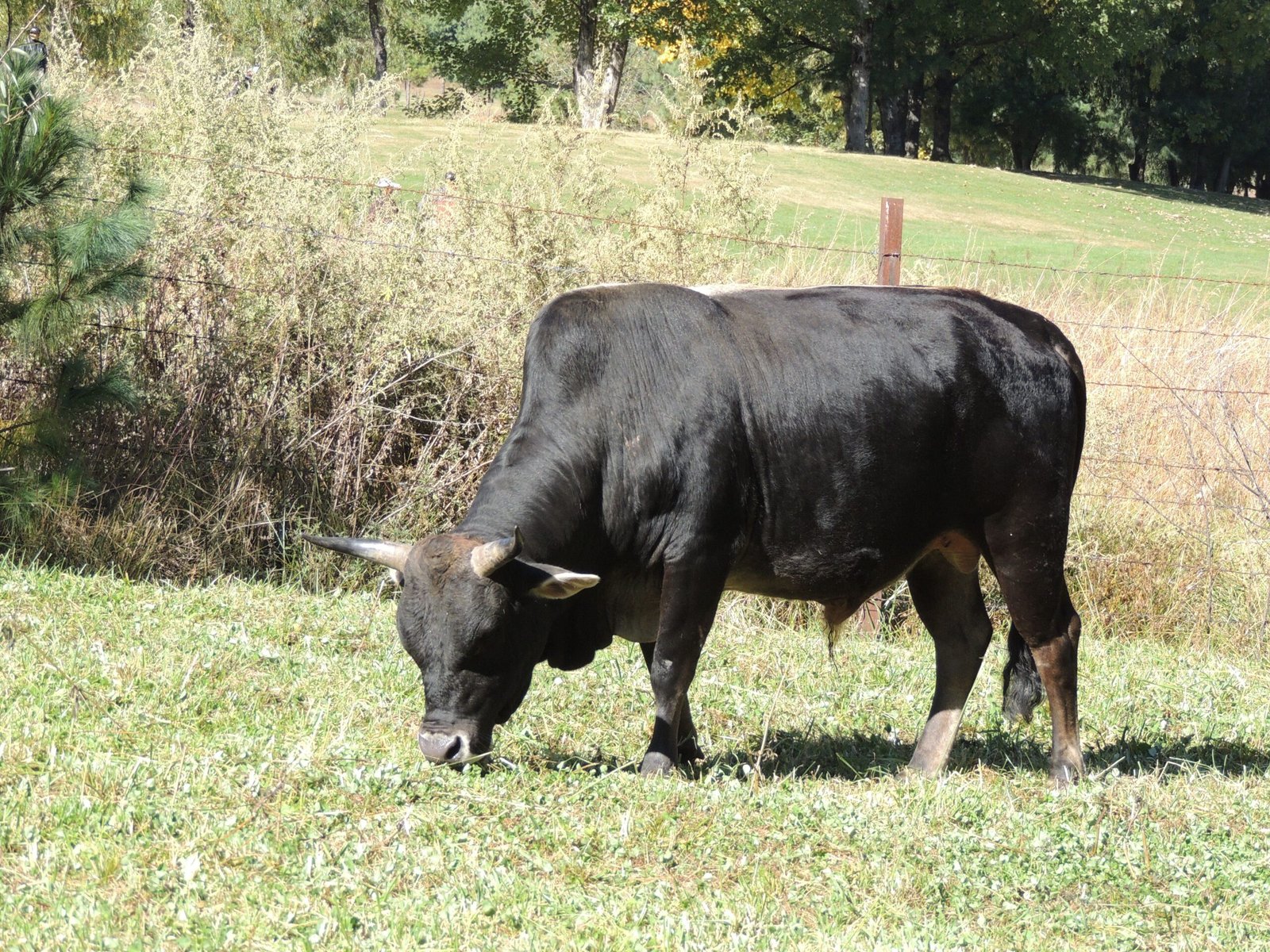
Genetic selection is emerging as a powerful tool for reducing cattle’s environmental footprint. Some cows are naturally more efficient at converting feed to milk, producing less methane per gallon of milk produced. These “low-emission” cattle are becoming increasingly valuable as breeders select for traits that combine productivity with environmental responsibility.
Australian researchers have identified genetic markers associated with lower methane production, potentially allowing farmers to breed herds that are both productive and environmentally friendlier. This approach could reduce emissions by 10-15% over several generations without compromising milk production.
The Role of Pasture Management

How cattle are managed on pasture dramatically affects their environmental impact. Rotational grazing systems, where cattle are moved frequently between pastures, can actually help sequester carbon in soil while reducing methane emissions per unit of land. This approach mimics natural grazing patterns and promotes healthier grassland ecosystems.
Well-managed pastures can become carbon sinks, absorbing more CO2 from the atmosphere than the cattle produce in methane. This creates a fascinating paradox where proper grazing management can make cattle farming carbon-negative, turning a climate problem into a climate solution.
Technology’s Role in Emission Monitoring

Modern technology is transforming how we measure and manage cattle emissions. Smart sensors can now detect methane levels in real-time, allowing farmers to identify high-emitting animals and adjust their management accordingly. Some farms are even using satellite imagery to monitor pasture health and optimize grazing patterns for minimal environmental impact.
Wearable devices for cattle, similar to fitness trackers for humans, can monitor everything from rumination patterns to methane production. This data helps farmers make informed decisions about feeding, breeding, and herd management that balance productivity with environmental responsibility.
Water Usage in Cattle Operations

Beyond methane, cattle farming consumes enormous amounts of water—a resource becoming increasingly scarce in many regions. A single dairy cow drinks 30-50 gallons of water daily, and when you factor in water used for cleaning facilities, irrigating feed crops, and processing milk, the total water footprint becomes staggering.
Efficient water management systems, including recycling and precision irrigation for feed crops, can significantly reduce the overall environmental impact of cattle operations. Some innovative farms are achieving 50% reductions in water usage through better technology and management practices.
Land Use and Deforestation Concerns

Cattle ranching is a leading cause of deforestation worldwide, particularly in regions like the Amazon rainforest. The conversion of forests to pasture land releases stored carbon and destroys biodiversity hotspots. Each hamburger has been calculated to cost approximately 55 square feet of rainforest, a sobering statistic that highlights the true environmental cost of beef production.
However, cattle can also be part of sustainable land management when integrated properly into agroforestry systems. Silvopasture, where trees, grass, and cattle coexist, can actually increase carbon sequestration while maintaining productive livestock operations.
Alternative Protein Sources and Market Shifts
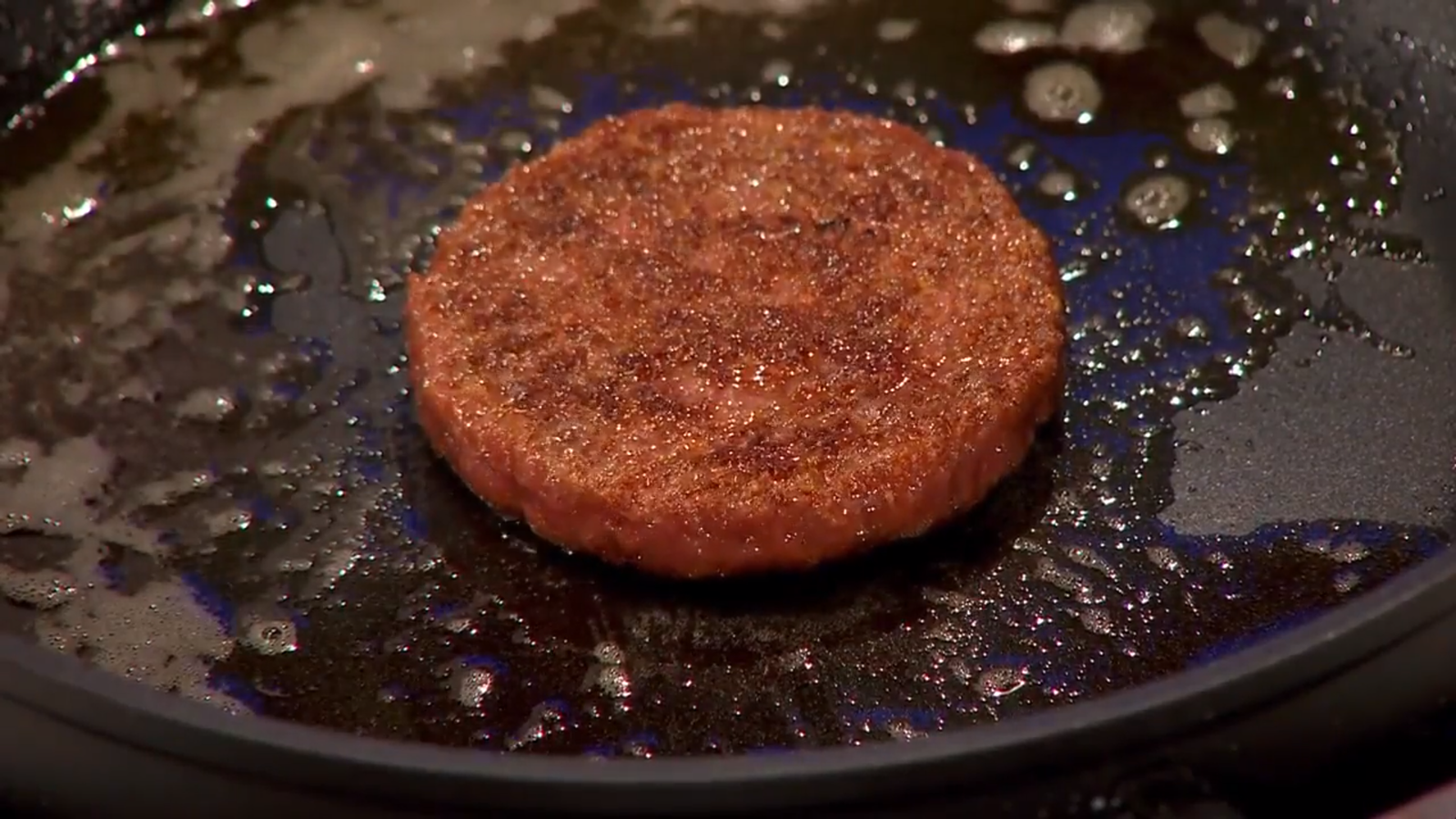
The rise of plant-based milk alternatives and lab-grown meat is reshaping the conversation around cattle’s environmental impact. Companies like Beyond Meat and Impossible Foods are creating products that taste remarkably similar to traditional animal products while generating a fraction of the greenhouse gas emissions.
Lab-grown or cultured meat, produced from animal cells without raising entire animals, could potentially reduce cattle-related emissions by 90% while using 95% less land and water. Though still in early stages, this technology represents a potential game-changer for the industry.
Economic Implications of Environmental Regulations

As governments worldwide implement carbon pricing and environmental regulations, cattle farmers face increasing economic pressure to reduce their emissions. New Zealand’s proposed “burp tax” on cattle methane emissions signals a shift toward making environmental costs part of the economic equation.
However, these regulations also create opportunities for forward-thinking farmers who invest in emission-reduction technologies. Carbon credit markets are beginning to reward farmers for implementing practices that sequester carbon or reduce methane emissions, potentially creating new revenue streams.
Consumer Behavior and Sustainable Choices

Consumer awareness of cattle’s environmental impact is driving significant changes in purchasing behavior. Milk sales have declined in many developed countries as consumers switch to plant-based alternatives, while demand for grass-fed, organic, and locally-produced dairy products continues to grow.
This shift in consumer preferences is forcing the industry to adapt, with many dairy companies investing heavily in sustainability initiatives and marketing their environmental credentials. The companies that successfully reduce their environmental footprint while maintaining product quality are positioning themselves for long-term success.
Future Innovations and Research Directions
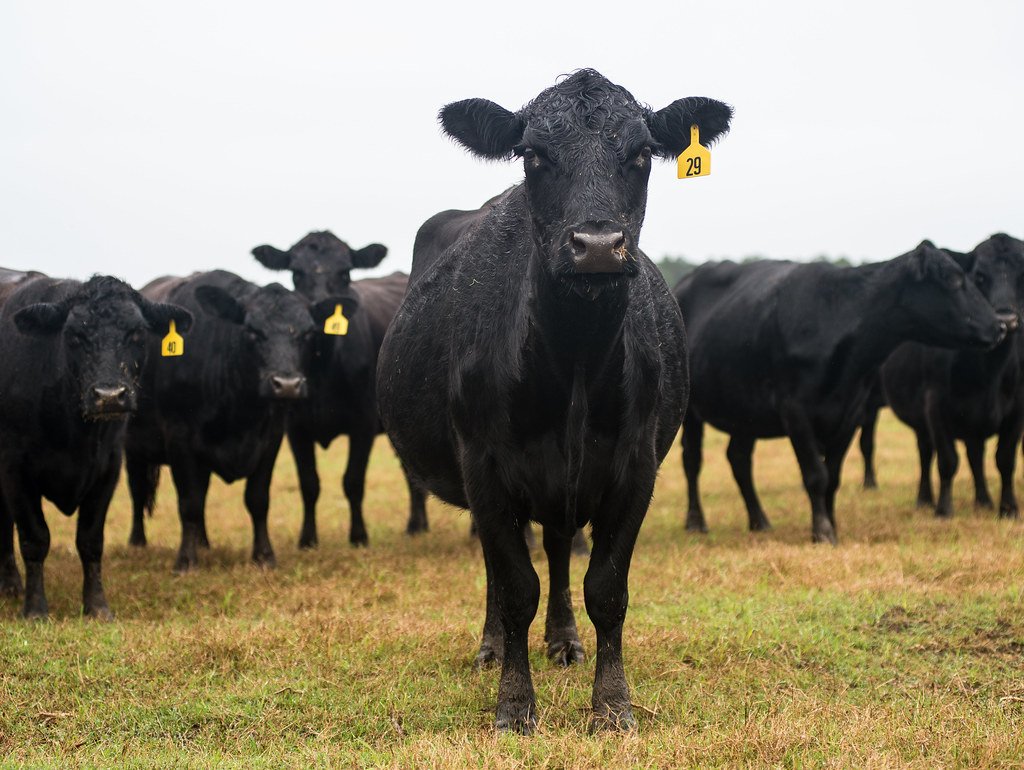
The future of cattle farming lies in precision agriculture and biotechnology. Researchers are exploring everything from methane-capturing barn systems to genetically modified bacteria that could be introduced into cow stomachs to reduce methane production. Some scientists are even investigating whether changing the microbial composition of cattle rumen could permanently reduce emissions.
Virtual fencing systems, powered by GPS and artificial intelligence, could optimize grazing patterns to minimize environmental impact while maximizing productivity. These innovations promise to transform cattle farming from an environmental liability into a sustainable agricultural practice.
Global Policy and Climate Commitments

International climate agreements are increasingly focusing on agricultural emissions, with countries setting specific targets for reducing livestock-related greenhouse gas emissions. The European Union’s Farm to Fork strategy aims to reduce agricultural emissions by 50% by 2030, largely through changes in livestock management.
These policy shifts are creating both challenges and opportunities for cattle farmers worldwide. Those who adapt early to new regulations and adopt sustainable practices may find themselves at a competitive advantage as environmental standards become more stringent.
The Path Forward

The relationship between cattle, milk production, and environmental impact represents one of agriculture’s most complex challenges. While cows will likely remain important for food security and rural livelihoods, the industry must fundamentally transform to align with climate goals. The solutions exist—from innovative feed additives to precision grazing management—but implementing them requires collaboration between farmers, scientists, policymakers, and consumers.
The choices we make today about how we raise cattle and consume their products will determine whether this industry becomes part of the climate solution or remains a significant contributor to global warming. The technology and knowledge exist to dramatically reduce cattle’s environmental footprint while maintaining productive agricultural systems. The question isn’t whether we can solve this challenge, but whether we have the collective will to implement the solutions at the scale and speed required.
Every glass of milk, every piece of cheese, and every farming decision represents a choice about the kind of planet we want to leave for future generations. What will your choice be?