

Picture this: a massive sperm whale, weighing as much as 12 elephants, suddenly disappears beneath the ocean’s surface. For the next hour, maybe even longer, this colossal creature will remain in complete darkness, hunting in the crushing depths where the pressure could flatten a human instantly. No breathing. No surfacing. Just pure survival in one of Earth’s most hostile environments.
This isn’t science fiction – it’s the daily reality for sperm whales, nature’s most accomplished deep-sea divers. While we humans struggle to hold our breath for more than a few minutes, these marine giants have evolved extraordinary biological superpowers that allow them to thrive in conditions that would kill almost any other air-breathing animal on the planet.
The Incredible Physics of Sperm Whale Diving
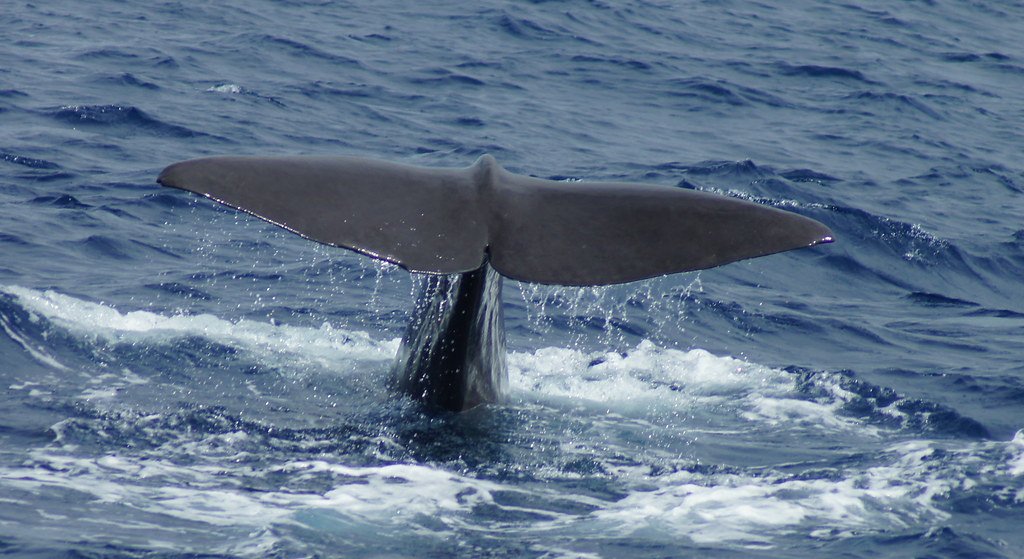
When a sperm whale begins its descent, it’s embarking on a journey that defies everything we know about mammalian limitations. These magnificent creatures routinely dive to depths of 2,000 feet, but some have been tracked plunging down to an astonishing 7,000 feet below the surface. At these depths, the water pressure reaches crushing levels – imagine having the weight of a small car pressing down on every square inch of your body.
The physics alone should make such dives impossible for any mammal. Yet sperm whales navigate these extreme conditions with remarkable ease, spending up to 90 minutes in the abyss before returning to breathe. Their diving abilities make human free-diving records look like child’s play – even the most skilled human divers can only reach depths of about 400 feet and hold their breath for around 11 minutes.
Blood: The Ultimate Oxygen Storage System

The secret to sperm whales’ incredible diving prowess starts with their blood – and they have lots of it. A sperm whale’s blood volume is proportionally much larger than that of land mammals, creating a massive oxygen reservoir that would make any scuba diver envious. This blood is packed with red blood cells at concentrations that would be considered dangerously high in humans.
Each red blood cell in a sperm whale’s body is like a tiny oxygen tank, loaded with hemoglobin that greedily binds to oxygen molecules. When these whales take their final breath before diving, they’re essentially filling up millions of microscopic storage containers with precious oxygen. Think of it as having a built-in life support system that can keep vital organs functioning for over an hour without a single breath.
Muscle Power: Myoglobin’s Oxygen Treasure Trove

While blood serves as the primary oxygen highway, sperm whale muscles contain another secret weapon: myoglobin. This protein is like hemoglobin’s muscle-bound cousin, designed specifically to store and release oxygen within muscle tissue. Sperm whales have myoglobin concentrations that are off the charts compared to other mammals – their muscle tissue is practically saturated with this oxygen-hoarding protein.
The myoglobin in sperm whale muscles is so concentrated that it gives their meat a distinctly dark, almost black color. This isn’t just for show – it’s a biological adaptation that allows their muscles to function normally even when oxygen levels in the blood begin to drop. It’s like having a backup generator that kicks in when the main power supply starts to fail.
The Heart’s Strategic Shutdown

Perhaps one of the most fascinating adaptations is how sperm whales manipulate their own cardiovascular system during dives. As they descend, their heart rate drops dramatically – from a surface rate of about 20 beats per minute to as low as 3-5 beats per minute. This isn’t a sign of distress; it’s a calculated biological strategy to conserve oxygen.
By slowing their heart rate, sperm whales reduce the oxygen demand of their cardiovascular system while still maintaining circulation to critical organs. It’s like switching from a gas-guzzling sports car to an ultra-efficient hybrid vehicle – the destination remains the same, but the fuel consumption plummets dramatically.
Selective Blood Flow: Priority Organ Protection

During extended dives, sperm whales employ a remarkable survival strategy called peripheral vasoconstriction. This fancy term describes how these whales essentially redirect blood flow away from non-essential organs and tissues, channeling precious oxygen-rich blood to only the most critical systems: the brain, heart, and lungs.
Muscles, digestive organs, and other tissues that can temporarily function without constant oxygen supply are essentially put on standby mode. This biological triage system ensures that the whale’s most vital organs continue receiving oxygen while less critical systems switch to anaerobic metabolism. It’s nature’s version of emergency rationing during a crisis.
The Spleen’s Hidden Oxygen Reserve

Sperm whales possess an enlarged spleen that serves as a secret oxygen reservoir – a biological ace up their sleeve. This organ acts like a blood bank, storing concentrated red blood cells that can be released into circulation when oxygen levels begin to drop. During deep dives, the spleen contracts and squeezes these stored red blood cells into the bloodstream, providing an emergency oxygen boost.
This splenic oxygen reserve is so significant that it can increase a whale’s blood oxygen capacity by up to 20% during critical moments of a dive. Imagine having a hidden oxygen tank that automatically activates when you need it most – that’s essentially what the spleen provides for these incredible marine mammals.
Lung Collapse: A Counterintuitive Survival Mechanism
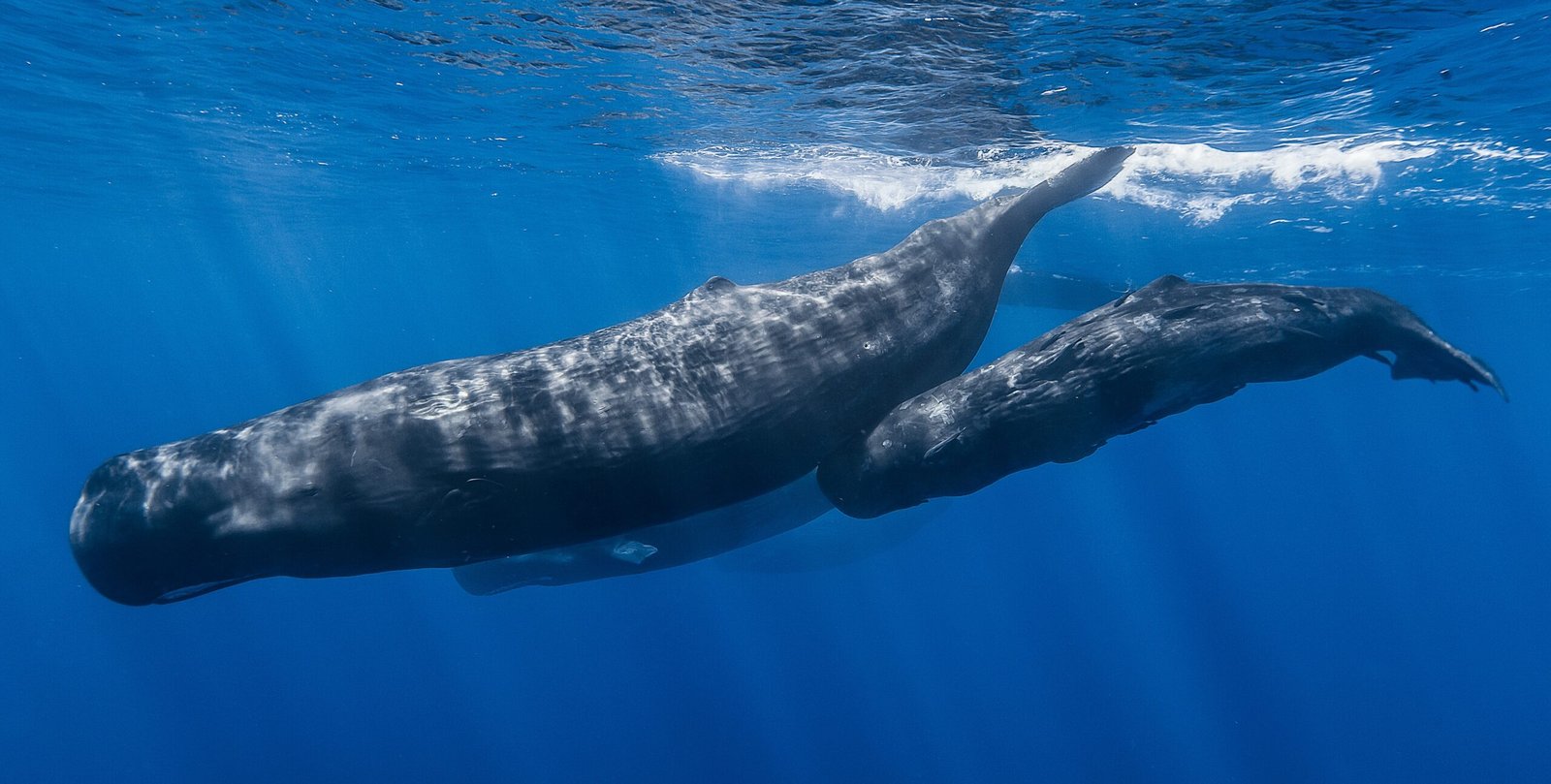
Here’s where sperm whale diving gets truly mind-bending: their lungs actually collapse during deep dives, and this is a good thing. Unlike human lungs, which would be catastrophically damaged by such pressure, sperm whale lungs are designed to compress and collapse safely. This prevents nitrogen from dissolving into their blood and causing decompression sickness – the same condition that can kill human divers who ascend too quickly.
When their lungs collapse, the remaining air gets pushed into rigid, non-compressible parts of their respiratory system. This means that no gas exchange occurs during the deepest parts of their dives, forcing them to rely entirely on the oxygen already stored in their blood and muscles. It’s like holding your breath while your lungs are temporarily out of commission.
Metabolic Slow-Down: The Art of Conservation
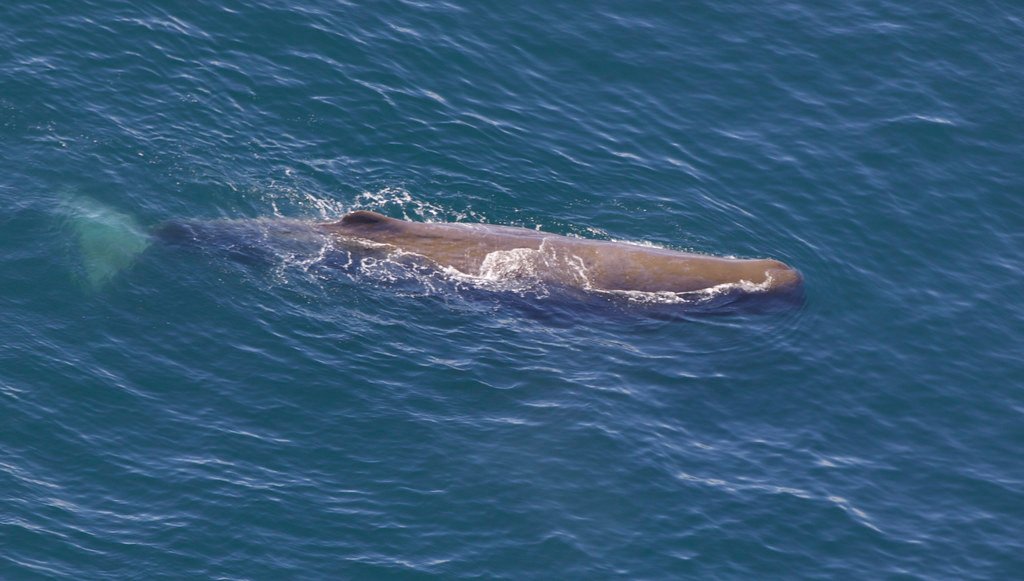
Sperm whales have mastered the art of metabolic conservation during their marathon dives. Their metabolic rate drops significantly, reducing the overall oxygen consumption of their entire body. This isn’t just about swimming slowly – it’s about cellular processes throughout their body operating at reduced intensity to maximize oxygen efficiency.
Body temperature also plays a crucial role in this metabolic adjustment. In the frigid depths of the ocean, sperm whales’ body temperature drops slightly, which naturally slows down cellular metabolism. Cold temperatures require less oxygen to maintain basic biological functions, giving these whales even more time to hunt and navigate in the depths.
The Power of Anaerobic Metabolism

When oxygen stores finally begin to run low, sperm whales can switch to anaerobic metabolism – generating energy without oxygen. This backup system allows muscles and other tissues to continue functioning even when oxygen becomes scarce. However, this comes with a cost: anaerobic metabolism produces lactic acid, which can cause muscle fatigue and other complications.
Sperm whales have evolved enhanced systems for processing and clearing lactic acid buildup, allowing them to tolerate higher levels of this metabolic byproduct than most mammals. This adaptation extends their diving time even further, giving them precious extra minutes to locate and capture prey in the deep ocean.
Brain Protection: The Ultimate Priority

The sperm whale’s brain is absolutely massive – weighing up to 17 pounds, it’s the largest brain of any animal on Earth. Protecting this crucial organ during extended dives is paramount, and sperm whales have evolved specialized mechanisms to ensure their brain receives priority access to oxygen supplies.
Blood flow to the brain is maintained even when other organs are essentially shut down. Additionally, the brain’s position within the whale’s enormous head provides some protection from pressure changes. The spermaceti organ, filled with waxy oil, may also help regulate pressure around the brain during rapid depth changes.
The Mysterious Spermaceti Organ

The spermaceti organ is perhaps one of the most fascinating and mysterious adaptations in the animal kingdom. This massive organ, located in the whale’s head, contains up to 500 gallons of waxy oil that can change from liquid to solid depending on temperature. Scientists believe this organ may help sperm whales control their buoyancy during dives, acting like a biological ballast system.
When the whale wants to dive, it may cool the spermaceti oil, making it denser and helping the whale sink. To ascend, the whale might warm the oil, reducing its density and providing buoyancy. This system could help sperm whales conserve energy during their vertical migrations, making their incredible diving feats even more efficient.
Echolocation: Hunting in Total Darkness

At the depths where sperm whales hunt, sunlight never penetrates. These waters are pitch black, yet sperm whales navigate and hunt with incredible precision using their sophisticated echolocation system. They produce powerful clicking sounds that travel through the water, bouncing off objects and returning as echoes that create detailed mental maps of their surroundings.
This biological sonar system is so advanced that sperm whales can locate and identify prey from considerable distances. They can distinguish between different types of squid, determine the size and movement patterns of potential prey, and even detect objects buried in the seafloor sediment. It’s like having superhuman hearing combined with the ability to see with sound.
The Giant Squid Hunt
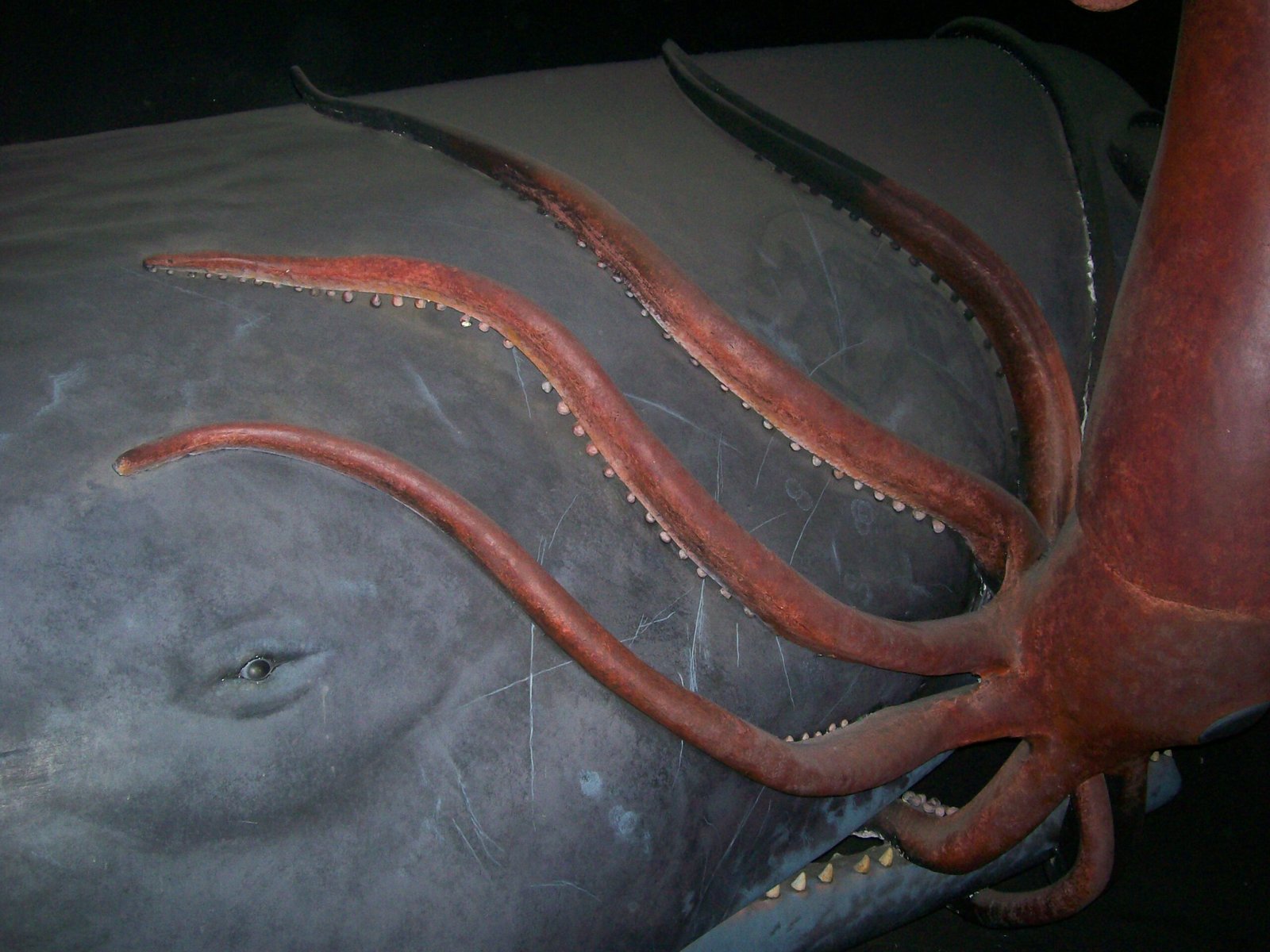
The primary target of most sperm whale dives is the elusive giant squid, creatures that can grow to lengths of 40 feet or more. These deep-sea monsters live in the same abyssal depths that sperm whales call their hunting grounds. The battle between sperm whale and giant squid is one of nature’s most epic confrontations, taking place in complete darkness under crushing pressure.
Sperm whales bear the scars of these encounters – circular marks left by giant squid tentacles are commonly found on their skin. These battles can last for extended periods, requiring the whales to maintain their breath-holding abilities while engaged in physical combat with creatures that can fight back with powerful tentacles lined with sharp hooks.
Energy Economics: The Cost of Deep Diving
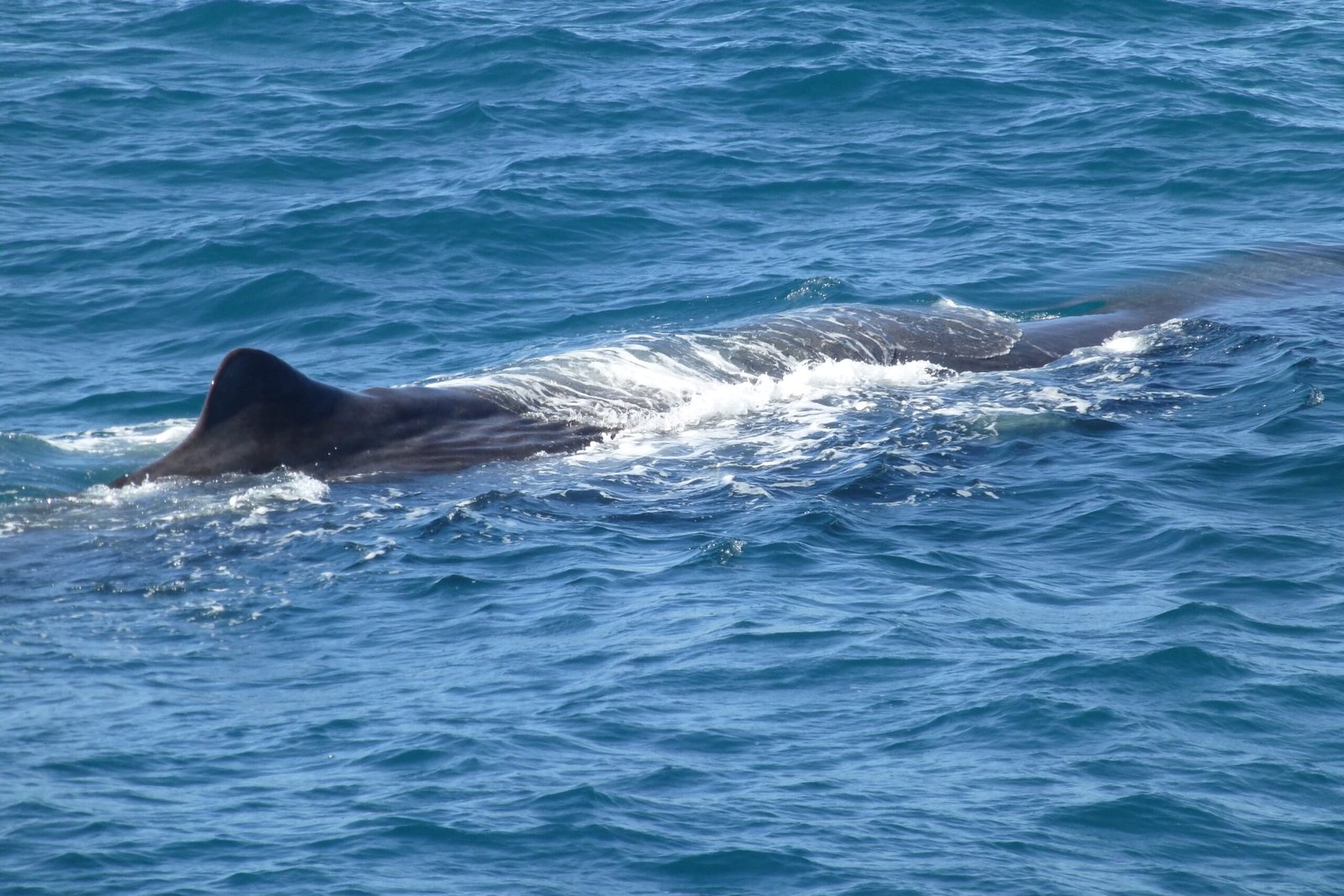
Every dive represents a massive energy investment for sperm whales. The physical effort required to reach extreme depths, hunt successfully, and return to the surface demands incredible energy reserves. These whales must balance the energy cost of diving against the nutritional value of their prey – it’s a high-stakes biological gambling game where the stakes are survival.
Successful deep dives can yield enormous caloric payoffs. A single giant squid can provide thousands of calories, making the energy expenditure worthwhile. However, unsuccessful dives represent a significant loss of energy with no return on investment. This energy equation has shaped every aspect of sperm whale diving behavior over millions of years of evolution.
Social Aspects of Diving Behavior

Sperm whales are social creatures, and their diving behavior reflects this social structure. Female sperm whales often dive in coordinated groups, with some individuals remaining closer to the surface to watch over calves while others dive to extreme depths. This cooperative behavior ensures that the pod’s young are protected while still allowing for efficient hunting.
Adult males, which can dive even deeper than females, often hunt alone and can remain submerged for longer periods. Their larger size and greater oxygen storage capacity allow them to access prey that might be beyond the reach of smaller pod members. This division of labor maximizes the hunting efficiency of the entire whale community.
Climate Change and Diving Behavior

Modern sperm whales face new challenges that their ancestors never encountered. Climate change is altering ocean temperatures and currents, potentially affecting the distribution of their prey. As deep-sea ecosystems shift, sperm whales may need to dive deeper or for longer periods to find adequate food sources.
Ocean acidification and pollution also pose threats to the deep-sea food web that sperm whales depend on. These environmental changes could force sperm whales to push their diving abilities to even greater extremes, testing the limits of their remarkable physiological adaptations. The whales that have survived for millions of years now face rapidly changing conditions that could challenge their ancient survival strategies.
What This Means for Human Medicine

Scientists studying sperm whale diving abilities are discovering insights that could revolutionize human medicine. Understanding how these whales manage oxygen storage and distribution could lead to new treatments for conditions like heart attacks, strokes, and other situations where oxygen supply to vital organs is compromised.
Research into sperm whale blood chemistry might help develop better methods for preserving organs for transplant or treating patients with severe anemia. Their ability to function under extreme pressure could also inform treatments for decompression sickness and other pressure-related medical conditions. These marine mammals might hold keys to medical breakthroughs that could save countless human lives.
Conservation Challenges

Despite their incredible adaptations, sperm whales face mounting threats from human activities. Ship strikes, fishing net entanglement, and noise pollution from shipping and sonar interfere with their ability to hunt and communicate. Plastic pollution in the deep ocean means that sperm whales are increasingly ingesting debris that can block their digestive systems.
These magnificent creatures have survived ice ages, volcanic eruptions, and countless natural disasters over millions of years. Yet they now face their greatest challenge from a species that has existed for only a fraction of their evolutionary history. The irony is stark – the same intelligence that allows us to marvel at their abilities also threatens their very existence.
The Future of Sperm Whale Research
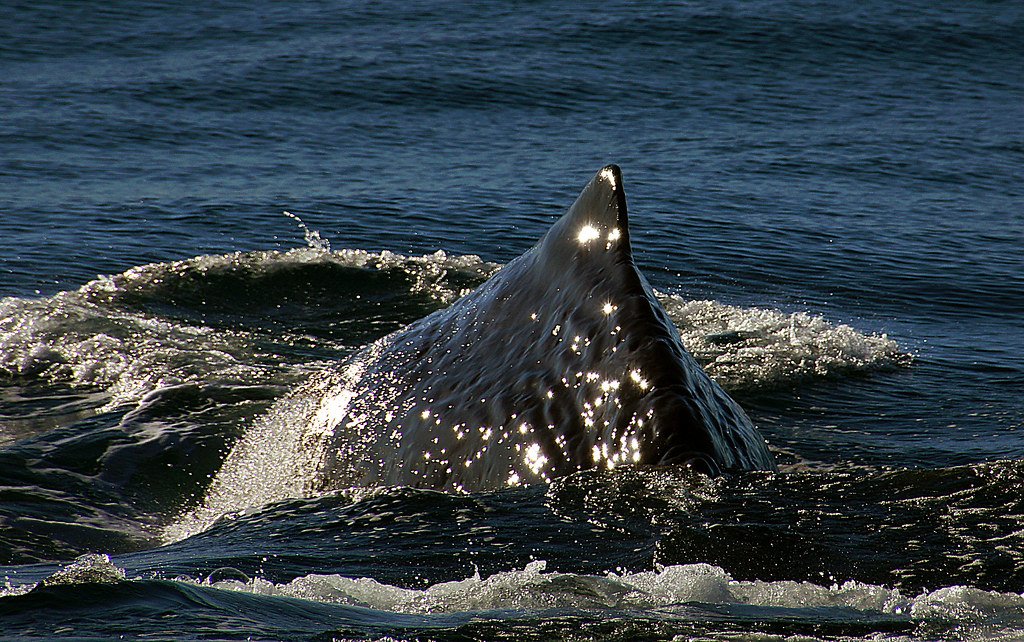
Advanced technology is opening new windows into the secret lives of sperm whales. Satellite tracking tags, underwater cameras, and sophisticated monitoring equipment are revealing details about their diving behavior that were previously impossible to observe. Scientists can now track individual whales for months, recording every dive and surfacing event.
This research is revealing that sperm whale diving abilities are even more remarkable than previously thought. Some individuals have been recorded diving to depths exceeding 10,000 feet and remaining submerged for over two hours. Each new discovery adds another layer to our understanding of these incredible marine mammals and their extraordinary adaptations.
The next time you take a deep breath, remember that somewhere in the world’s oceans, a sperm whale is beginning a dive that will last longer than most movies. These incredible creatures have mastered the art of survival in conditions that would instantly kill most life on Earth, using biological adaptations that seem almost magical in their efficiency. Their ability to thrive in the deep ocean depths represents one of evolution’s most remarkable achievements – a testament to the incredible power of adaptation and the endless creativity of life itself. What other secrets might these gentle giants of the deep still be hiding in the darkness below?