Have you ever watched a snake glide effortlessly across sand without legs, or marveled at an eagle soaring thousands of feet above without flapping its wings? Nature’s transportation methods seem almost magical, yet they’re rooted in millions of years of evolutionary engineering. From the microscopic cilia that propel tiny organisms through water to the massive wings that carry albatrosses across oceans, animal locomotion represents one of evolution’s most spectacular achievements.
The Physics Behind Slithering Motion

When a snake moves across the ground, it’s performing a complex dance of physics that would make any engineer jealous. The serpent’s body creates waves that push against tiny irregularities in the surface, generating forward momentum through what scientists call lateral undulation. This isn’t random wiggling – it’s a precisely coordinated movement where each section of the snake’s body follows the exact path of the section ahead.
The secret lies in the snake’s incredibly flexible spine, which can contain up to 400 vertebrae compared to our measly 24. Each vertebra connects to ribs that help distribute the animal’s weight and create the perfect balance between flexibility and strength. This design allows snakes to navigate through spaces barely wider than their own bodies.
Masters of Aquatic Sliding

Fish have turned sliding into an art form, but their method is far more sophisticated than simply “swimming.” The torpedo-shaped bodies of most fish are evolutionary marvels designed to minimize drag while maximizing propulsion. Their scales aren’t just protective armor – they’re tiny engineering components that reduce friction and create microscopic vortices that actually help propel the fish forward.
The most remarkable sliders might be penguins, who can rocket through water at speeds that would make many fish envious. Their wing-bones have evolved into perfect underwater propellers, while their streamlined bodies cut through water with minimal resistance. When they breach the surface, they’re essentially flying through a denser medium.
The Aerodynamics of Soaring

True soaring – staying aloft without flapping – requires a deep understanding of air currents that puts human pilots to shame. Birds like albatrosses and vultures have mastered the art of reading invisible highways in the sky. They use thermals, updrafts, and even the wind patterns created by waves to stay airborne for hours without expending energy.
The key to soaring lies in wing design and loading. Birds with high aspect ratios (long, narrow wings) can glide efficiently over long distances, while those with broader wings excel at riding thermals in tight spirals. It’s like having different types of aircraft for different missions, all built into living creatures.
Evolutionary Pressure and Locomotion
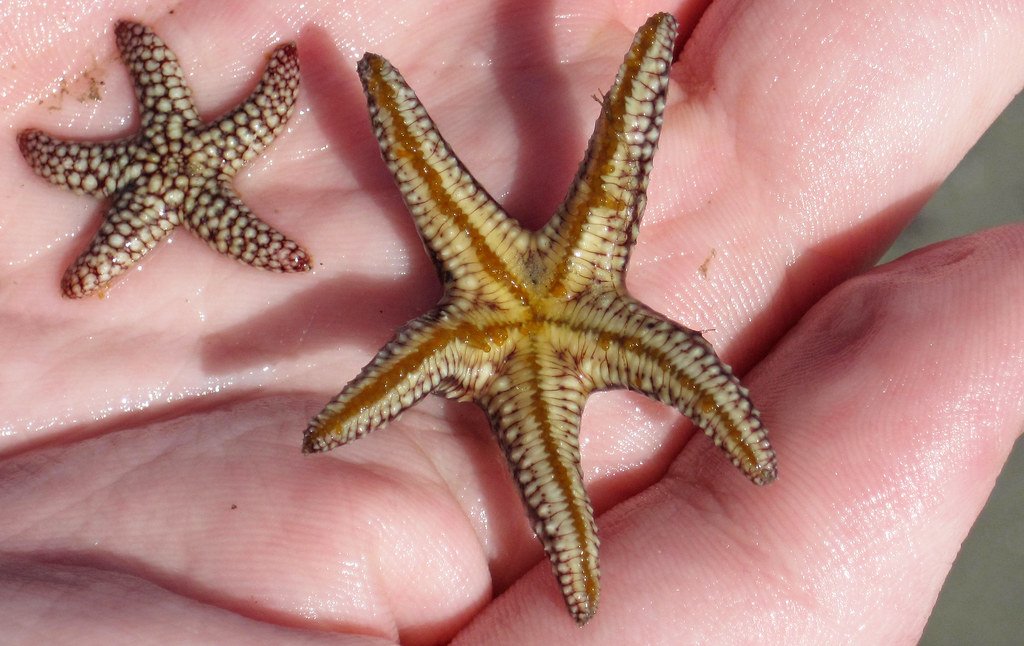
Animals didn’t choose their movement methods randomly – they were shaped by millions of years of evolutionary pressure. Predators needed speed and agility to catch prey, while prey animals developed escape mechanisms that often involved entirely different types of movement. This arms race created the incredible diversity of locomotion we see today.
Environmental challenges played a huge role too. Animals living in dense forests developed different movement strategies than those in open grasslands or aquatic environments. Each habitat demanded specific solutions, leading to the specialized movement we observe across different species.
The Role of Body Structure in Movement

An animal’s skeleton is essentially its movement blueprint. The length of bones, the angle of joints, and the attachment points of muscles all determine how efficiently an animal can move. Birds have hollow bones that reduce weight without sacrificing strength, while fish have flexible spines that allow for the undulating motion crucial for swimming.
Muscle fiber types also play a crucial role. Fast-twitch muscles provide explosive power for sudden movements, while slow-twitch muscles offer the endurance needed for long-distance travel. The distribution of these muscle types varies dramatically between species based on their movement needs.
Energy Efficiency in Animal Movement

Nature abhors waste, and this principle is nowhere more evident than in animal locomotion. Every movement strategy represents a careful balance between energy expenditure and practical benefit. Migrating birds, for instance, have evolved flight patterns that minimize energy consumption over vast distances, often flying in formations that reduce wind resistance.
Some animals have taken efficiency to extraordinary levels. The Arctic tern makes the longest migration of any animal, traveling roughly 44,000 miles annually, yet it accomplishes this feat through masterful use of wind patterns and energy conservation techniques that human engineers are still trying to fully understand.
Adaptations for Different Environments
Desert animals face unique challenges that have led to remarkable movement adaptations. Sidewinder rattlesnakes move in a distinctive S-shaped pattern that minimizes contact with hot sand while maximizing forward momentum. This movement style prevents the snake from sinking into loose sand while reducing the amount of body surface exposed to extreme temperatures.
Arctic animals have developed their own specialized movement strategies. Polar bears have partially webbed paws that act like snowshoes, while their powerful swimming ability allows them to travel between ice floes. These adaptations showcase how environment directly influences the evolution of movement strategies.
The Mechanics of Flight

Flight represents perhaps the most complex form of animal locomotion, requiring precise coordination of multiple systems. Birds must generate lift through wing shape and movement, create thrust through wing beats, and maintain stability through constant micro-adjustments. The mathematics involved in bird flight are so complex that early aviation pioneers spent decades trying to understand them.
Different birds have evolved distinct flight styles based on their ecological needs. Hummingbirds can hover and fly backwards through rapid wing beats, while eagles use their broad wings to catch thermals and soar with minimal effort. Each style represents a different solution to the challenge of controlled flight.
Underwater Propulsion Systems

Marine animals have developed propulsion systems that rival any human-made submarine. Dolphins use their powerful tail flukes to generate thrust while their streamlined bodies reduce drag to almost nothing. Their skin even has special properties that prevent turbulence, allowing them to slip through water with remarkable efficiency.
Squid and octopuses employ jet propulsion, shooting water through their bodies to achieve rapid acceleration. This system allows them to escape predators with sudden bursts of speed while maintaining the ability to move slowly and precisely when hunting.
Ground-Based Movement Strategies

Not all impressive movement happens in the air or water. Land animals have developed incredible strategies for terrestrial locomotion. Cheetahs can accelerate from 0 to 60 mph in just three seconds, faster than most sports cars, through a combination of flexible spine, powerful legs, and specialized claws that grip the ground.
On the opposite end of the spectrum, elephants move with surprising grace despite their massive size. Their unique walking gait keeps at least two feet on the ground at all times, distributing their weight effectively while maintaining momentum. This walking style is so efficient that elephants can travel long distances without excessive energy expenditure.
The Science of Slithering

Slithering might look simple, but it’s actually one of the most mechanically complex forms of locomotion. Snakes use four different types of movement depending on the terrain and situation. Lateral undulation works best on rough surfaces, while rectilinear motion allows large snakes to move straight forward using their belly scales.
The most impressive slithering technique might be sidewinding, used by desert snakes to move across loose sand. This motion looks like the snake is throwing its body sideways, but it’s actually a sophisticated method of maintaining traction on unstable surfaces while minimizing energy expenditure.
Metabolic Costs of Different Movement Types
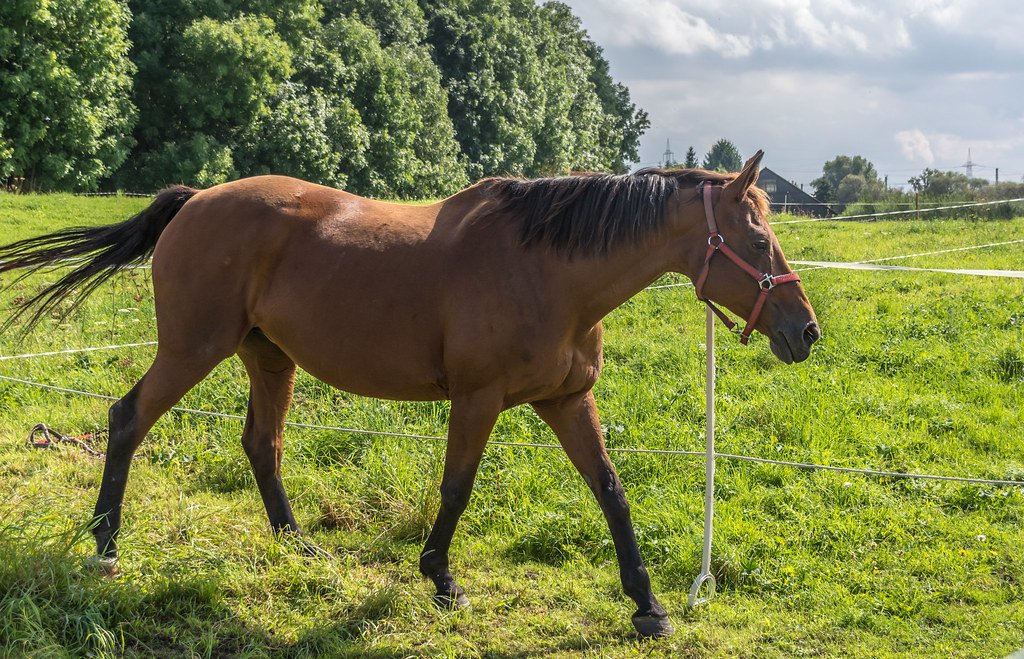
Every movement strategy comes with metabolic costs, and animals have evolved to minimize these expenses. Flying is generally the most energy-efficient way to travel long distances, which explains why birds can migrate thousands of miles. Swimming ranks second in efficiency, while running and walking on land require significantly more energy per mile traveled.
Some animals have developed remarkable energy-saving techniques. Kangaroos actually use less energy when hopping faster due to the elastic properties of their tendons, which store and release energy like springs. This biological engineering allows them to travel efficiently across Australia’s vast landscapes.
Sensory Systems and Movement

Movement isn’t just about muscles and bones – it requires sophisticated sensory systems to navigate effectively. Birds use magnetic fields, polarized light, and even infrasound to navigate during migration. Their ability to process these subtle environmental cues allows them to find their way across thousands of miles with remarkable precision.
Bats have perhaps the most sophisticated navigation system of any animal, using echolocation to build detailed three-dimensional maps of their environment in complete darkness. This biological sonar system is so precise that bats can catch insects in flight while avoiding obstacles like tree branches.
Biomechanics of Jumping and Leaping

Some animals have turned jumping into their primary mode of locomotion. Kangaroo rats can leap 45 times their body length, equivalent to a human jumping the length of a football field. This incredible ability comes from specialized leg muscles and tendons that store elastic energy like a biological spring.
Fleas represent the ultimate jumping champions relative to their size, able to leap 150 times their body length. They achieve this through a unique mechanism involving resilin, a protein that stores energy more efficiently than rubber. This biological engineering allows them to jump with acceleration forces that would be lethal to larger animals.
The Physics of Gliding
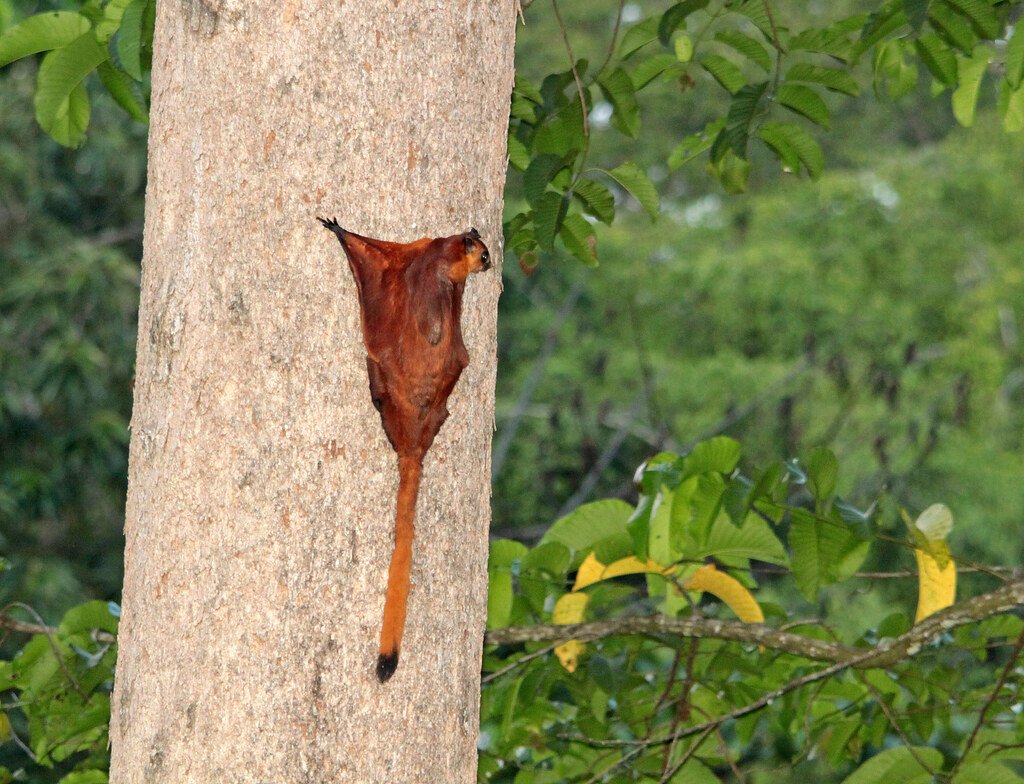
Gliding represents a compromise between the energy cost of powered flight and the limitations of terrestrial movement. Flying squirrels, sugar gliders, and other gliding animals have evolved membrane wings that allow them to travel between trees with minimal energy expenditure. Their gliding ability isn’t just about having wing-like membranes – it requires precise control of body position and angle of attack.
Some gliding animals have achieved remarkable efficiency. The Malayan flying lemur can glide over 100 meters while losing only 12 meters of altitude, giving it a glide ratio that rivals some aircraft. This efficiency allows it to travel through forest canopies with minimal energy cost.
Seasonal Movement Adaptations

Many animals completely change their movement strategies based on seasonal conditions. Arctic foxes grow different fur and even change their gait during winter months to better traverse snow and ice. Their summer movement patterns focus on efficiency across tundra, while winter adaptations prioritize stability and insulation.
Some animals take seasonal adaptation to extremes. Caribou completely alter their movement patterns during migration, switching from scattered foraging behavior to coordinated herd movement covering thousands of miles. These seasonal changes represent some of the most dramatic behavioral adaptations in the animal kingdom.
The Future of Understanding Animal Movement

Modern technology is revolutionizing our understanding of animal locomotion. High-speed cameras, GPS tracking, and computer modeling are revealing movement details that were previously impossible to observe. Scientists are now able to track individual animals across their entire migration routes and analyze the precise mechanics of movement in ways that were unimaginable just decades ago.
This research isn’t just satisfying curiosity – it’s leading to practical applications in robotics, transportation, and engineering. Understanding how animals move efficiently is helping engineers design better vehicles, robots, and even prosthetics that mimic nature’s solutions to movement challenges.
Conclusion

The diversity of movement strategies in the animal kingdom represents millions of years of evolutionary experimentation and refinement. From the snake’s elegant slither to the albatross’s effortless soar, each movement style reflects a unique solution to the challenges of survival and reproduction. These biological solutions often surpass human engineering in efficiency, elegance, and effectiveness.
As we continue to study and understand these natural movement systems, we gain not only scientific knowledge but also inspiration for solving human challenges. The next time you watch a bird soar overhead or a fish glide through water, remember that you’re witnessing the result of evolutionary engineering that took millions of years to perfect. What other secrets of movement might nature still have to teach us?