For centuries, practitioners of witchcraft have turned to the natural world for their most potent ingredients, creating mysterious brews and potions from plants that seem to possess supernatural powers. But what if these ancient practices weren’t just superstition? What if there’s actually solid science behind the seemingly mystical properties of these botanical ingredients? Modern research is revealing that many plants traditionally used in occult practices contain powerful chemical compounds that can dramatically alter human consciousness, heal ailments, and even influence behavior in ways that our ancestors could only describe as magical.
The Chemical Alchemy of Belladonna
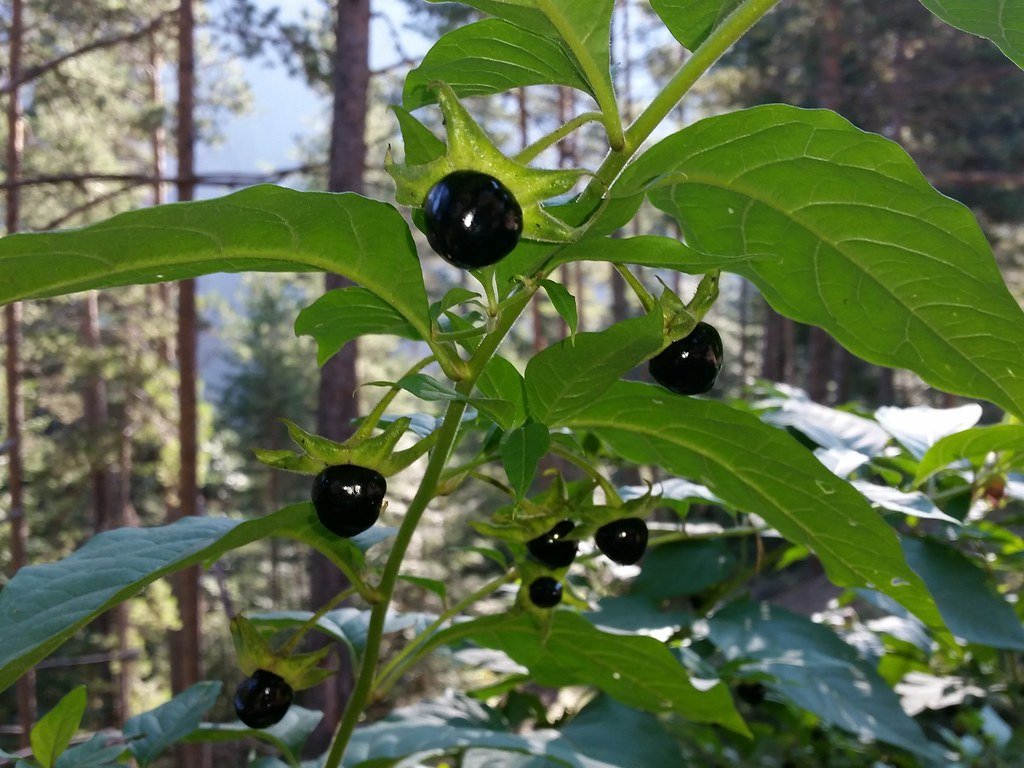
Belladonna, known as “deadly nightshade,” has been a staple in witch’s gardens for good reason. This seemingly innocent plant contains tropane alkaloids like atropine and scopolamine, which can cause vivid hallucinations and out-of-body experiences. These compounds block acetylcholine receptors in the brain, leading to altered states of consciousness that medieval practitioners interpreted as spiritual visions.
The plant’s name literally means “beautiful lady” in Italian, referencing its historical use as a cosmetic to dilate pupils for an alluring appearance. However, the same compounds that created beauty also created danger. Just a few berries contain enough toxins to cause delirium, convulsions, and death.
Modern medicine has found legitimate uses for belladonna’s active compounds in treating motion sickness, muscle spasms, and even as a pre-anesthetic medication. The witch’s brew has become the doctor’s prescription, proving that ancient wisdom often had scientific foundations.
Mandrake: The Screaming Root’s Neurological Secrets

The mandrake root, with its uncanny resemblance to a human figure, has terrified and fascinated people for millennia. Legend claimed it would scream when uprooted, killing anyone who heard its cry. While the screaming is pure mythology, the plant’s psychoactive properties are scientifically documented.
Mandrake contains the same tropane alkaloids found in belladonna, but in different concentrations. These compounds can induce powerful hallucinations, cataleptic states, and profound changes in perception. Ancient practitioners used mandrake as an anesthetic for surgical procedures, long before modern medicine understood how these alkaloids affect the nervous system.
Archaeological evidence suggests mandrake was used in fertility rituals and love potions across multiple cultures. The plant’s ability to alter consciousness and reduce inhibitions likely contributed to its reputation as an aphrodisiac, though its toxic nature made it an extremely dangerous choice for romantic endeavors.
Wormwood: The Green Fairy’s Psychoactive Properties
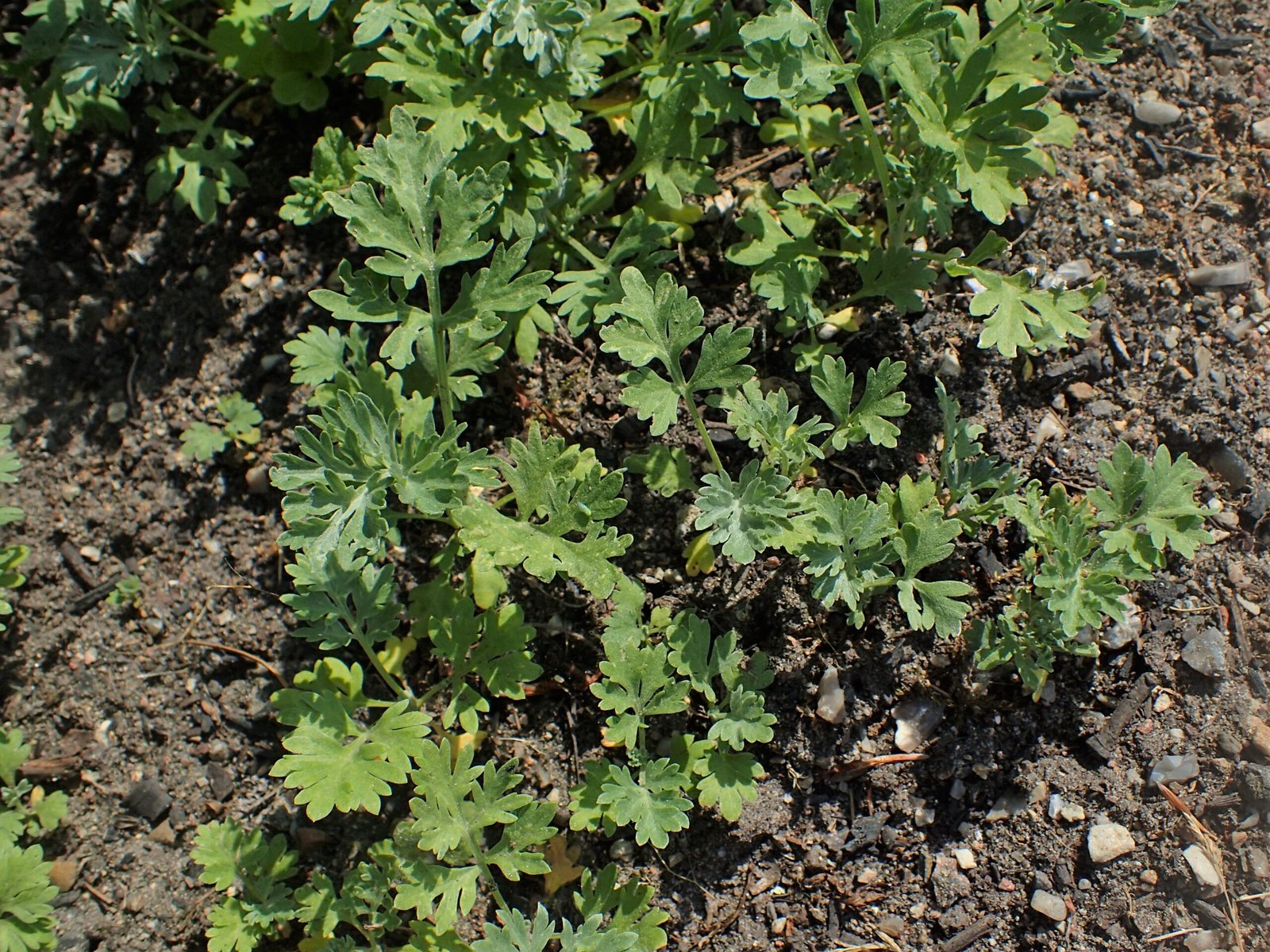
Wormwood, the primary ingredient in the notorious drink absinthe, has been associated with artistic inspiration and spiritual visions for centuries. The plant contains thujone, a monoterpene that affects GABA receptors in the brain, potentially causing hallucinations and altered states of consciousness.
Medieval witches used wormwood in divination rituals and protection spells, believing it could ward off evil spirits and enhance psychic abilities. Modern neuroscience suggests that thujone’s interaction with brain chemistry might indeed alter perception and cognitive function, though not in the supernatural ways once believed.
The plant’s bitter compounds also make it effective against intestinal parasites, explaining its traditional use in folk medicine. What ancient practitioners saw as magical cleansing was actually antiparasitic activity, demonstrating how empirical observation led to effective treatments long before the underlying mechanisms were understood.
Henbane: The Sorcerer’s Sleep-Inducing Sedative
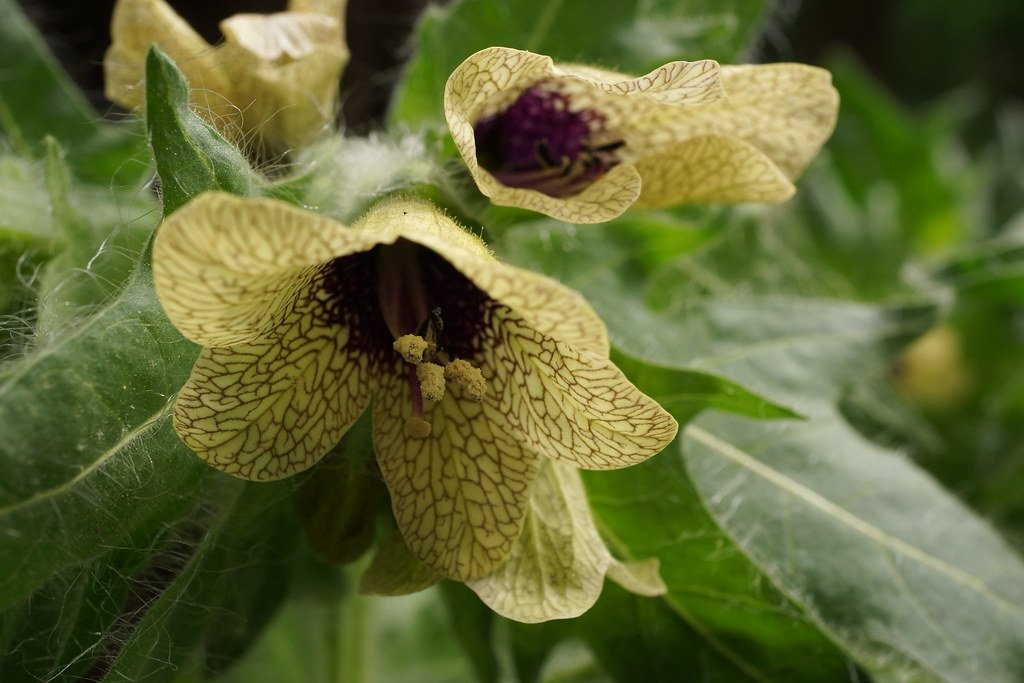
Henbane, another member of the nightshade family, was historically known as “the sorcerer’s herb” for its powerful psychoactive effects. The plant contains high levels of hyoscyamine and scopolamine, compounds that can induce deep sleep, amnesia, and vivid dreams.
Ancient practitioners used henbane to create “flying ointments” that were rubbed on the skin to induce out-of-body experiences. Modern analysis reveals that these preparations could indeed cause hallucinations and sensations of flight through transdermal absorption of the active alkaloids.
The plant’s sedative properties made it valuable in medieval medicine for treating insomnia and anxiety. Contemporary research has confirmed that henbane’s alkaloids can effectively suppress nervous system activity, though their toxicity makes them unsuitable for modern therapeutic use.
Datura: The Devil’s Trumpet and Delirium

Datura, known by names like devil’s trumpet and jimsonweed, produces some of the most intense and dangerous psychoactive experiences in the plant kingdom. Its large, trumpet-shaped flowers and spiny seed pods have made it a fixture in witch gardens worldwide.
The plant contains extremely high concentrations of tropane alkaloids, particularly scopolamine, which can cause complete dissociation from reality. Users report vivid hallucinations that are indistinguishable from reality, making datura particularly dangerous and unpredictable.
Indigenous shamans across the Americas have used datura in spiritual ceremonies for thousands of years, despite its risks. Modern pharmacology has revealed that the plant’s alkaloids can completely suppress REM sleep while causing waking dreams, explaining the profound spiritual experiences reported by traditional users.
Foxglove: The Fairy Flower’s Cardiac Magic
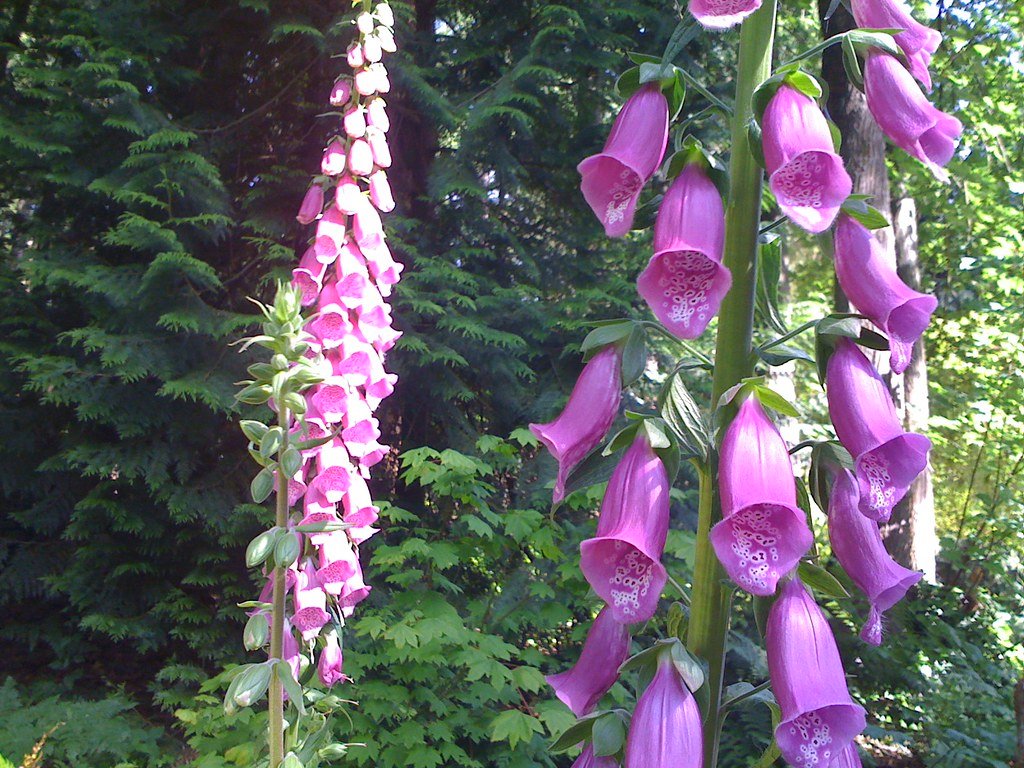
Foxglove, with its tall spikes of bell-shaped flowers, has been called “fairy gloves” and “dead man’s bells” throughout history. While not traditionally psychoactive, this plant contains cardiac glycosides that can dramatically affect heart rhythm and blood pressure.
Witches used foxglove in love potions and healing brews, likely observing its ability to cause flushing, palpitations, and changes in breathing that might be mistaken for romantic excitement. The plant’s active compounds, particularly digitoxin, can indeed cause these physiological changes.
Modern medicine has embraced foxglove’s cardiac effects, using purified digitalis compounds to treat heart conditions. The witch’s love potion became one of the most important medications in cardiology, saving countless lives through its ability to regulate heart rhythm and strengthen cardiac contractions.
Vervain: The Sacred Herb’s Neurological Impact
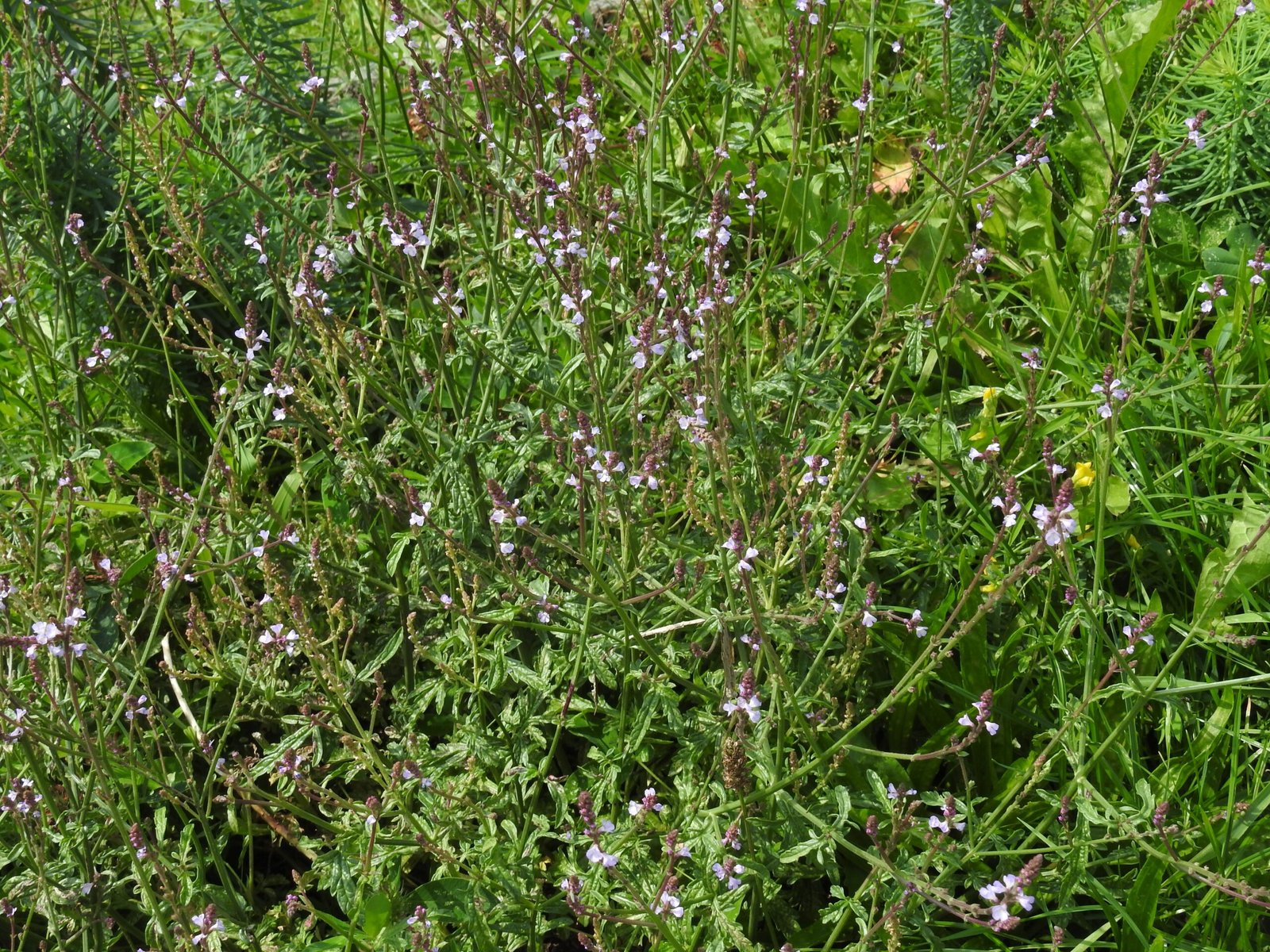
Vervain, considered sacred by druids and witches alike, was believed to possess powerful protective and purifying properties. While its effects are more subtle than the nightshade family, modern research has revealed interesting neurological activities.
The plant contains iridoid glycosides and flavonoids that can affect neurotransmitter systems, particularly those involving GABA and serotonin. These compounds may explain vervain’s traditional use in treating anxiety, insomnia, and nervous disorders.
Archaeological evidence suggests vervain was used in ancient Roman religious ceremonies and Celtic rituals. Its mild sedative and anxiolytic properties would have made it valuable for creating calm, focused states of mind during spiritual practices.
Mugwort: The Dream Herb’s Oneiric Chemistry
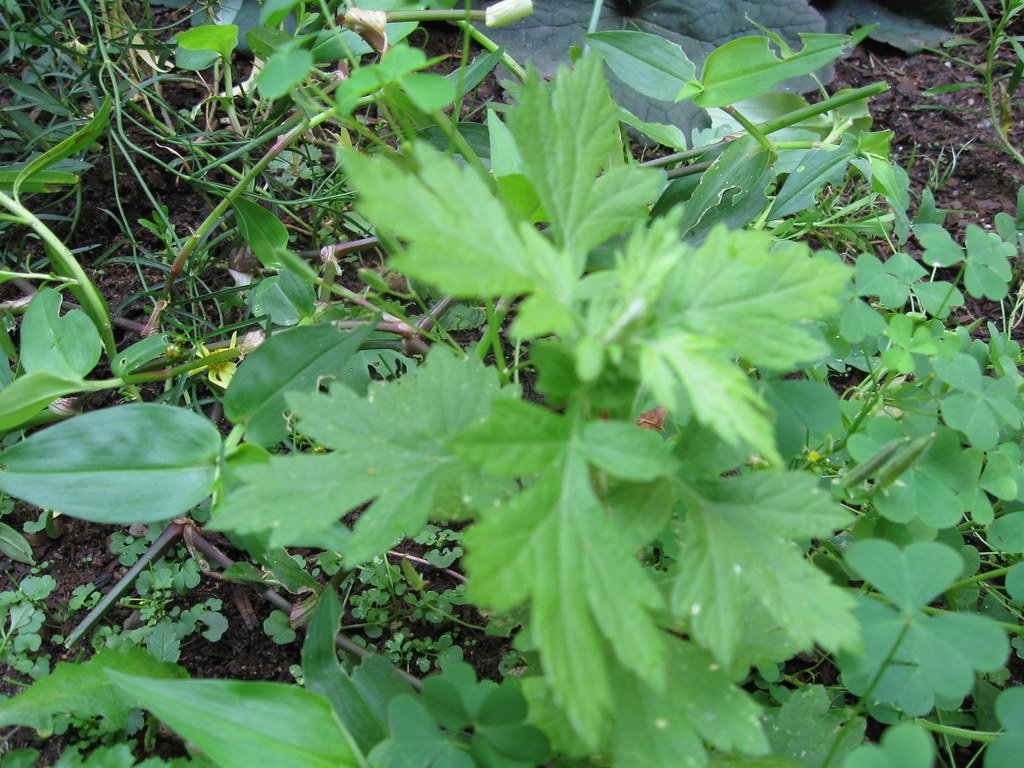
Mugwort has been revered across cultures as a powerful dream enhancer and divination aid. Practitioners would burn it as incense or place it under pillows to induce prophetic dreams and lucid dreaming experiences.
The plant contains thujone, cineole, and other volatile compounds that can affect sleep architecture and dream recall. Modern sleep research suggests that these compounds may influence REM sleep patterns and memory consolidation during dreaming.
Traditional Chinese medicine has used mugwort for thousands of years in moxibustion treatments, burning it on acupuncture points to promote healing. The plant’s anti-inflammatory compounds and warming properties provide a scientific basis for these ancient therapeutic applications.
Yarrow: The Battlefield Healer’s Molecular Medicine

Yarrow, known as “soldier’s woundwort,” has been used in healing magic and divination for millennia. Its delicate white flowers hide powerful medicinal compounds that can stop bleeding, reduce inflammation, and promote wound healing.
The plant contains azulene, flavonoids, and tannins that provide genuine therapeutic benefits. Azulene gives yarrow its anti-inflammatory properties, while tannins help constrict blood vessels and reduce bleeding.
Medieval practitioners used yarrow in love divination rituals, believing it could reveal future romantic partners. While the romantic predictions were purely superstition, the plant’s mild psychoactive compounds may have enhanced dream recall and imagination during ritual practices.
Rosemary: The Herb of Remembrance and Cognitive Enhancement
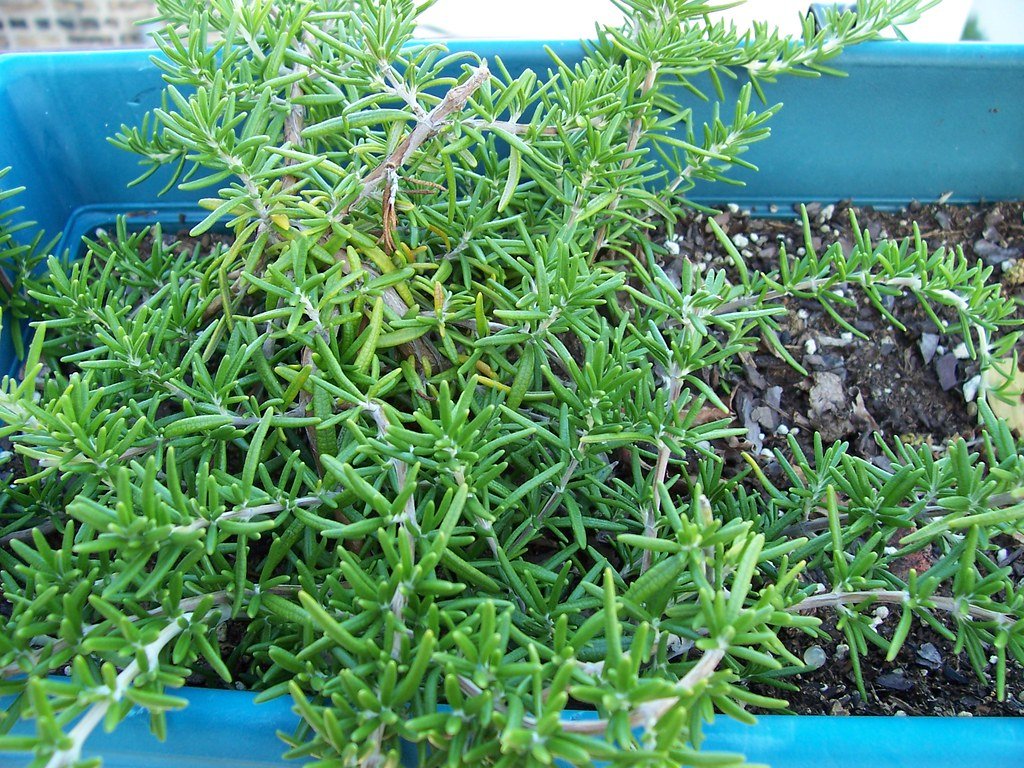
Rosemary has been associated with memory, fidelity, and protection in magical traditions spanning continents. Shakespeare wrote that “rosemary is for remembrance,” and modern neuroscience is proving this ancient wisdom remarkably accurate.
The plant contains compounds like rosmarinic acid and carnosol that can cross the blood-brain barrier and enhance cognitive function. These natural nootropics can improve memory formation, increase alertness, and protect against neurodegeneration.
Research has shown that simply smelling rosemary can improve memory performance by up to 75%, validating its traditional use in mental enhancement rituals. The herb’s ability to increase acetylcholine levels in the brain provides a scientific explanation for its memory-boosting reputation.
Sage: The Purifying Smoke’s Antimicrobial Action

Sage burning has been a cornerstone of purification rituals in countless cultures, believed to cleanse spaces of negative energy and evil spirits. Modern research reveals that sage smoke actually does purify the air, though through antimicrobial rather than supernatural means.
The plant contains compounds like thujone, camphor, and cineole that have potent antibacterial and antifungal properties. When burned, sage smoke can reduce airborne bacteria by up to 94%, effectively sterilizing indoor environments.
Indigenous American traditions have used white sage for spiritual cleansing ceremonies for thousands of years. The plant’s ability to actually remove harmful microorganisms from the air provides a scientific foundation for these ancient purification practices.
Lavender: The Calming Flower’s Neurochemical Soothing

Lavender has been treasured in love magic and healing rituals for its ability to promote peace, tranquility, and emotional balance. The plant’s distinctive fragrance contains over 100 chemical compounds that can directly affect the nervous system.
The primary active compound, linalool, binds to GABA receptors in the brain, producing genuine anxiolytic and sedative effects. This explains why lavender has been consistently used across cultures to treat anxiety, insomnia, and nervous disorders.
Modern aromatherapy research confirms that lavender can reduce cortisol levels, lower blood pressure, and promote relaxation. The witch’s calming herb has become a scientifically validated treatment for stress and anxiety disorders.
Valerian: The Sleep Root’s Pharmaceutical Precursor

Valerian root has been called “nature’s valium” for its powerful sedative effects, used in medieval times to treat insomnia, anxiety, and nervous conditions. The plant’s distinctive earthy smell comes from volatile compounds that directly affect brain chemistry.
The root contains valerenic acid and other compounds that enhance GABA activity in the brain, producing genuine sedative and anxiolytic effects. These natural compounds work through the same pathways as modern anti-anxiety medications.
Clinical trials have confirmed valerian’s effectiveness in treating sleep disorders and anxiety, with some studies showing it performs comparably to prescription medications. The ancient sleep remedy has earned recognition as a legitimate therapeutic intervention in modern medicine.
Calendula: The Healing Flower’s Regenerative Compounds
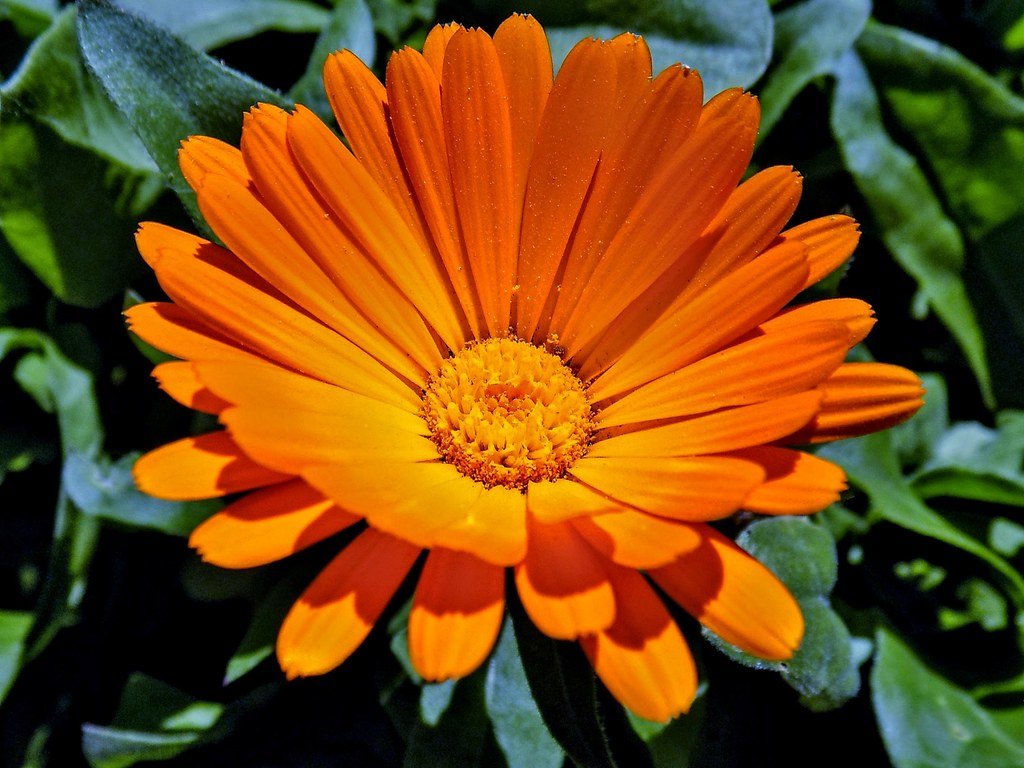
Calendula, known as marigold, has been used in healing magic and skin treatments for centuries. Its bright orange petals contain powerful anti-inflammatory and wound-healing compounds that provide genuine therapeutic benefits.
The plant contains flavonoids, saponins, and carotenoids that can accelerate tissue repair and reduce inflammation. These compounds stimulate collagen production and promote new cell growth, explaining calendula’s effectiveness in treating wounds and skin conditions.
Modern dermatology has embraced calendula for treating various skin conditions, from minor cuts to chronic dermatitis. The witch’s healing flower has become a standard ingredient in natural skincare products worldwide.
Chamomile: The Gentle Sedative’s Molecular Tranquility
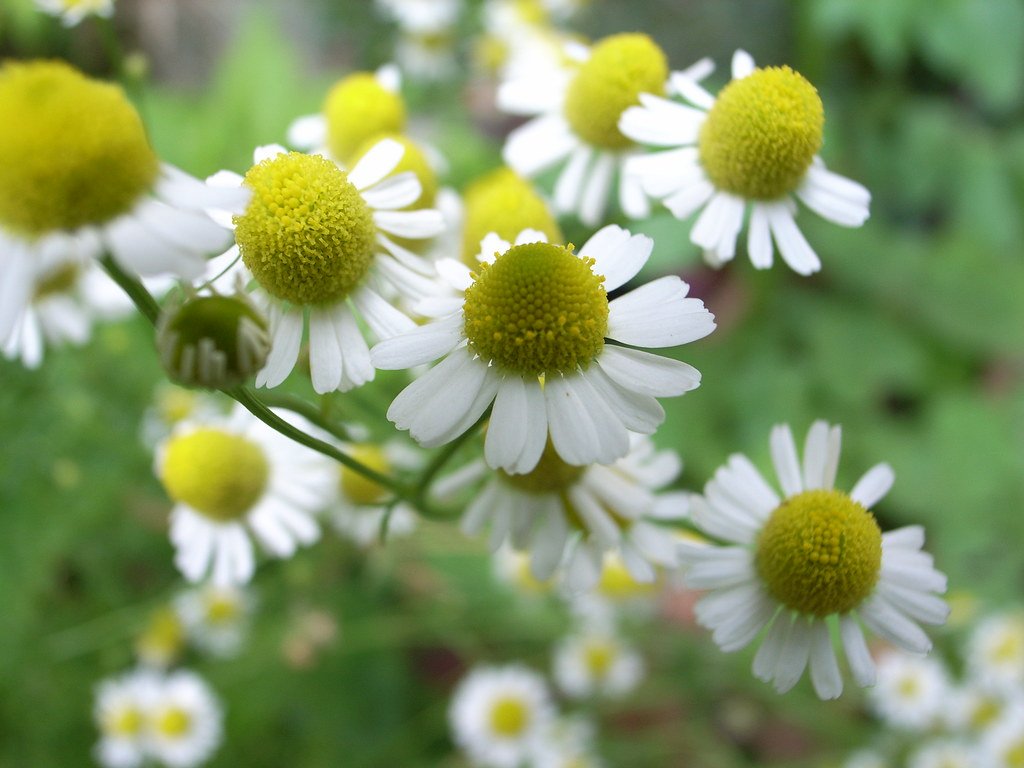
Chamomile has been beloved for its gentle calming effects and use in sleep magic for thousands of years. The small daisy-like flowers contain compounds that can genuinely promote relaxation and improve sleep quality.
The plant’s primary active compound, apigenin, binds to benzodiazepine receptors in the brain, producing mild sedative effects without the risks associated with pharmaceutical alternatives. This explains chamomile’s consistent use as a natural sleep aid across cultures.
Clinical research has validated chamomile’s effectiveness in treating anxiety and insomnia, with studies showing it can reduce anxiety symptoms by up to 50%. The ancient bedtime tea has earned scientific recognition as a legitimate therapeutic intervention.
Jasmine: The Night-Blooming Mood Enhancer

Jasmine has been treasured in love magic and mood enhancement rituals for its intoxicating fragrance and purported aphrodisiac properties. The plant’s volatile compounds can indeed affect mood and emotional states through olfactory pathways to the brain.
The flower contains benzyl acetate and other aromatic compounds that can stimulate the release of neurotransmitters like serotonin and dopamine. These natural mood elevators provide a scientific basis for jasmine’s traditional use in emotional healing and romantic rituals.
Modern research has shown that jasmine fragrance can improve mood, reduce stress hormones, and enhance cognitive performance. The plant’s ability to influence neurochemistry validates its historical use in mood enhancement practices.
Blackthorn: The Protective Bark’s Bitter Medicine
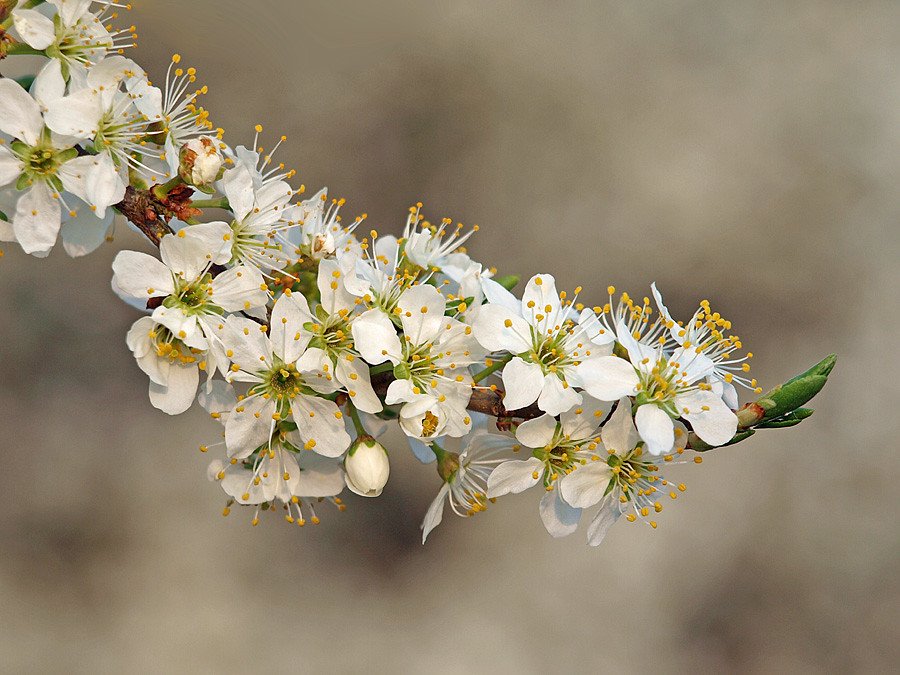
Blackthorn, known for its vicious thorns and dark berries, has been used in protection magic and healing rituals throughout European folklore. The plant’s bark and berries contain compounds that provide genuine medicinal benefits.
The bark contains tannins and glycosides that have anti-inflammatory and antimicrobial properties. These compounds can help treat digestive issues and respiratory conditions, explaining blackthorn’s traditional use in folk medicine.
The plant’s thorns were believed to offer magical protection, and while this is purely symbolic, the physical barrier they create does provide real defensive benefits. Modern pharmacology has confirmed that blackthorn extracts have legitimate therapeutic applications.
Elder: The Witch Tree’s Immune-Boosting Power
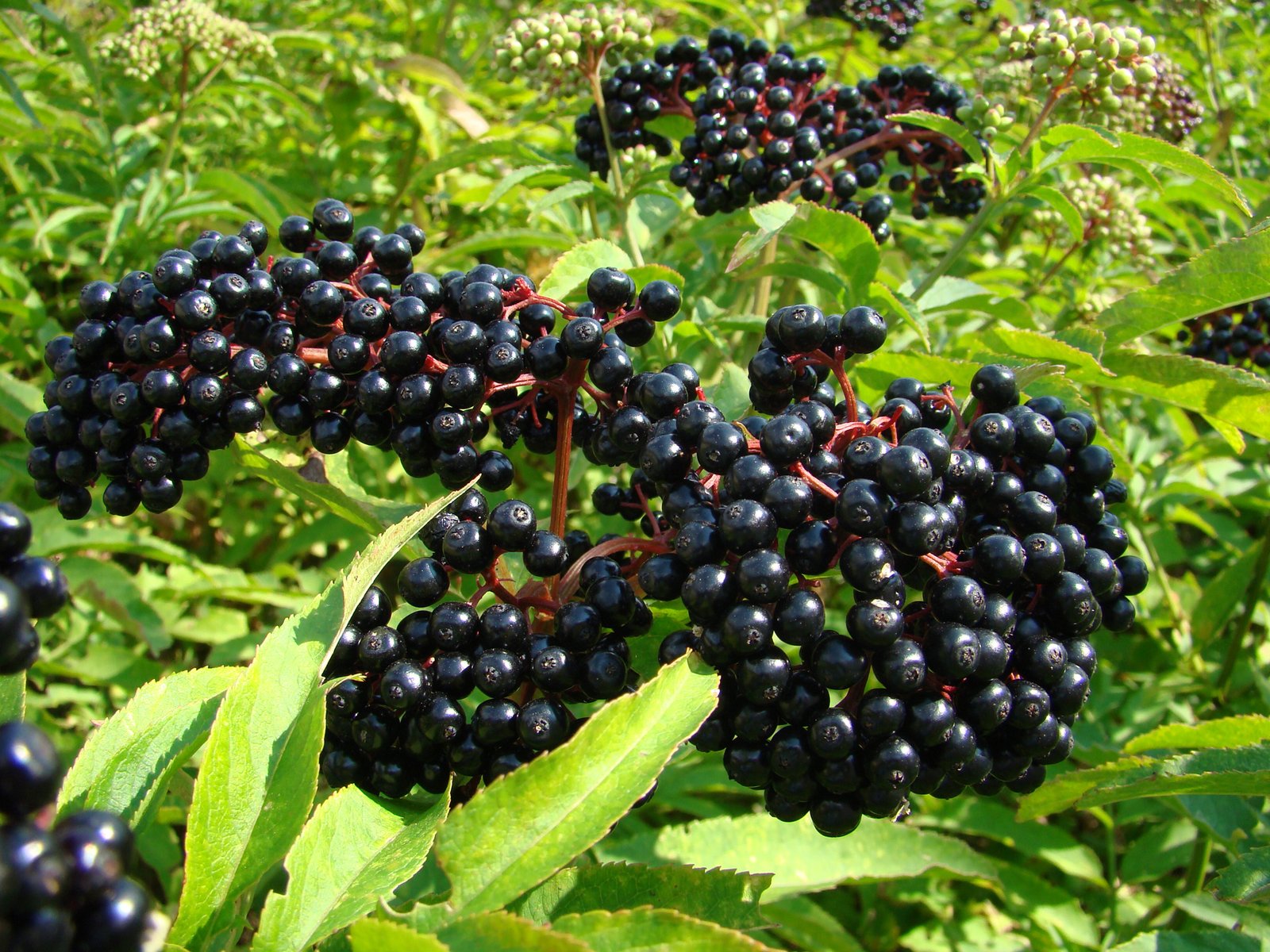
Elder has been called the “witch tree” for its association with magic and folklore, but its berries and flowers contain powerful immune-boosting compounds that provide genuine health benefits. The plant has been used medicinally for thousands of years across multiple cultures.
Elder berries contain high levels of anthocyanins and other antioxidants that can stimulate immune function and reduce inflammation. These compounds have been shown to reduce the duration and severity of cold and flu symptoms.
Modern research has validated elder’s antiviral properties, with studies showing elderberry extract can inhibit influenza viruses and boost immune response. The witch’s healing tree has become a scientifically recognized immune system supporter.
Conclusion: Where Ancient Wisdom Meets Modern Science

The intersection of traditional witchcraft and modern science reveals a fascinating truth: many plants used in occult practices do possess genuine psychoactive, medicinal, and physiological effects that our ancestors could only describe in mystical terms. From belladonna’s mind-altering alkaloids to sage’s antimicrobial properties, these botanical ingredients demonstrate that ancient practitioners were skilled observers of nature’s pharmacy.
While we now understand the molecular mechanisms behind these effects, the empirical knowledge of traditional herbalists remains remarkably accurate. The witch’s garden was, in many ways, humanity’s first laboratory for exploring the complex relationship between plants and human consciousness.
Today’s research continues to validate ancient wisdom while revealing new therapeutic applications for these mysterious plants. As we advance our understanding of plant chemistry and neuroscience, we gain deeper appreciation for the sophisticated knowledge systems our ancestors developed through careful observation and experimentation.
The next time you encounter a plant with occult associations, remember that behind the mystical reputation often lies genuine scientific activity. What other secrets might nature’s pharmacy still hold, waiting for modern science to unlock their ancient mysteries?