Close your eyes and think about your most vivid dream. You probably remember seeing faces, hearing voices, maybe even feeling the sensation of falling or flying. But when was the last time you woke up remembering a specific smell from your dream? The absence of olfactory experiences in our dream world is one of the most fascinating mysteries of human consciousness, and the answer lies deep within the intricate workings of our sleeping brain.
The Silent Sense During Sleep

While we’re busy creating elaborate visual narratives and emotional storylines in our dreams, our sense of smell remains remarkably quiet. This isn’t because smells are less important in our waking lives – quite the opposite. Our olfactory system can distinguish between trillions of different scent combinations and triggers some of our most powerful memories and emotions.
The mystery deepens when we consider that dreams often incorporate our other senses. We hear conversations, feel textures, and even taste foods in our sleep. Yet smell, one of our most primal and emotionally connected senses, seems to take a backseat during our nightly mental adventures.
The Neuroscience Behind Smell Processing

Understanding why we don’t dream in smells requires a deep dive into how our brain processes scent information. Unlike other senses that travel through the thalamus before reaching the cortex, smell takes a direct route to the limbic system. This ancient pathway connects directly to areas responsible for emotion and memory, which explains why a single whiff can instantly transport us to childhood memories.
During REM sleep, when most vivid dreaming occurs, the brain’s activity patterns change dramatically. The visual cortex fires intensely, creating the rich imagery we experience in dreams. However, the olfactory cortex shows significantly reduced activity during these same sleep stages.
This reduction in olfactory processing isn’t accidental – it’s a carefully orchestrated shutdown that serves important biological functions during sleep.
REM Sleep and Sensory Suppression

REM sleep brings with it a fascinating phenomenon called sensory gating, where the brain essentially closes the doors to external sensory input. This protective mechanism prevents us from waking up every time we hear a sound or feel a breeze. However, the olfactory system experiences an even more complete shutdown than other senses.
Brain imaging studies reveal that during REM sleep, the primary olfactory cortex shows minimal activity compared to the robust firing patterns seen in visual and auditory processing areas. This selective suppression suggests that our dreaming brain prioritizes certain types of sensory experiences over others.
The Evolutionary Advantage of Smell-Free Dreams

From an evolutionary perspective, the absence of smell in dreams might actually be a survival advantage. Imagine if our dreams were filled with the scent of predators or the aroma of food – we might wake up in a panic or with intense hunger every night. The brain’s decision to mute olfactory input during sleep helps maintain the restorative nature of our rest.
Additionally, many of the smells that would be most relevant to our survival – like smoke from fire or the scent of dangerous animals – are exactly the kinds of stimuli that would disrupt the deep sleep our bodies need for repair and memory consolidation.
Memory Consolidation and Smell

While we might not actively smell things in our dreams, the olfactory system plays a crucial role in memory consolidation during sleep. The hippocampus, which processes smell information, is also central to forming and strengthening memories. During sleep, these regions work together to transfer important information from short-term to long-term storage.
This process happens largely below the threshold of conscious awareness, which might explain why we don’t experience active smelling in dreams even though smell-related memories are being processed and stored.
Research has shown that exposure to certain scents during learning and then again during sleep can actually enhance memory consolidation, suggesting that our olfactory system remains active in ways we don’t consciously perceive.
The Role of Noradrenaline in Dream Scents

One of the key players in dream smell suppression is noradrenaline, a neurotransmitter that’s almost completely absent during REM sleep. This chemical messenger is crucial for olfactory processing in the waking brain, and its absence during dreaming creates a neurochemical environment where smell processing becomes nearly impossible.
The shutdown of noradrenaline during REM sleep affects multiple brain systems, but the olfactory system seems particularly dependent on this neurotransmitter for normal function. Without it, the neural circuits responsible for smell processing remain dormant, even when other sensory systems are creating vivid dream experiences.
Anatomical Differences in Smell Processing
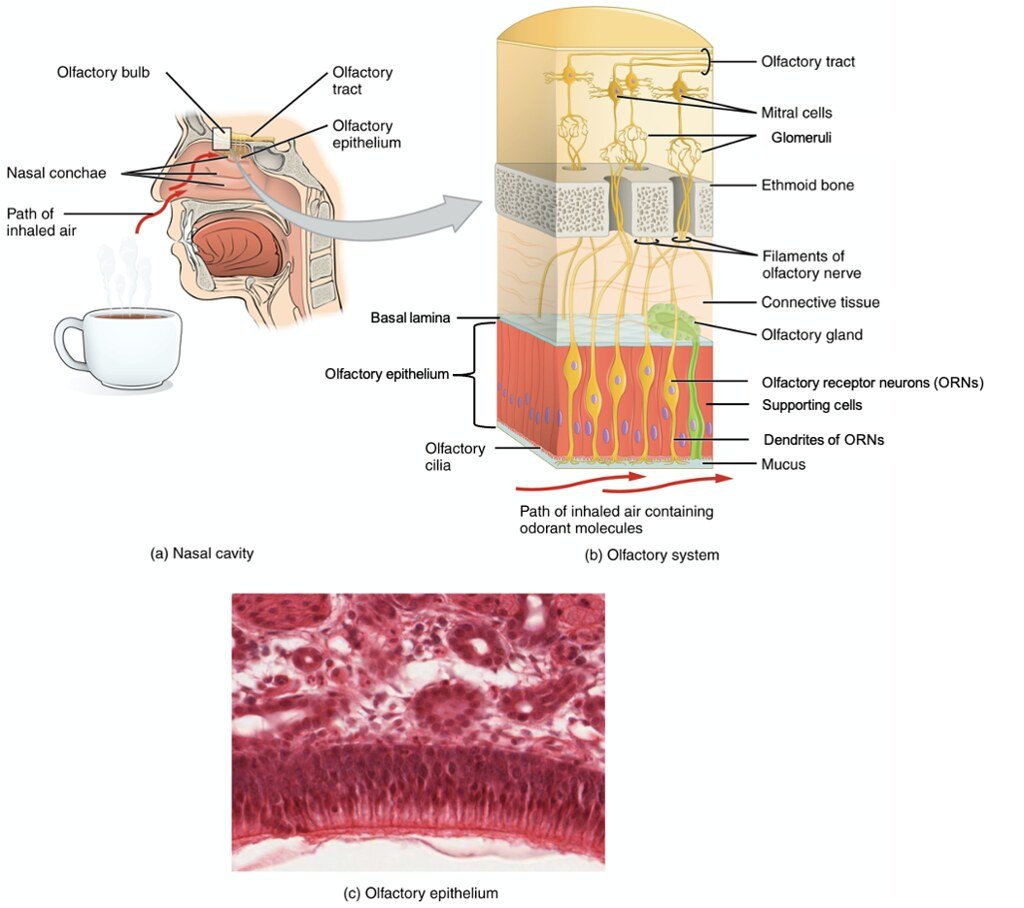
The unique anatomy of our olfactory system contributes significantly to its absence in dreams. Unlike vision or hearing, which have dedicated pathways to the thalamus and then to the cortex, smell receptors connect directly to the olfactory bulb and then to limbic structures. This direct connection, while powerful for emotional and memory associations, also makes the system more vulnerable to the neurochemical changes that occur during sleep.
The olfactory bulb itself shows reduced activity during REM sleep, effectively cutting off the primary pathway for smell processing. This anatomical bottleneck means that even if dream scenarios might logically include smells, the neural machinery simply isn’t available to generate those experiences.
Cultural and Individual Variations

Interestingly, the absence of smell in dreams appears to be a universal human experience, transcending cultural boundaries and individual differences. Whether you’re from a culture that relies heavily on aromatic spices or one where scent plays a less prominent role in daily life, the dream experience remains remarkably similar in its lack of olfactory content.
However, some individuals report rare instances of smelling in dreams, though these accounts are often associated with sleep disorders or unusual neurological conditions. These exceptional cases actually support the general rule by highlighting how unusual smell experiences in dreams really are.
The Connection Between Smell and Emotion

The deep connection between smell and emotion in waking life makes its absence in dreams even more intriguing. Scents can trigger powerful emotional responses and vivid memories, yet our emotionally charged dreams seem to manage perfectly well without this sensory input. This suggests that the brain has alternative pathways for accessing emotional memories during sleep.
Dreams often recreate emotional states and memories associated with specific smells, but they do so through visual and narrative elements rather than direct olfactory experience. A dream about your grandmother’s kitchen might evoke all the emotional warmth of her cooking without actually including the smell of her famous apple pie.
This emotional translation demonstrates the brain’s remarkable ability to convey meaning and feeling through multiple sensory channels, even when one is temporarily offline.
Sleep Disorders and Olfactory Dreams

People with certain sleep disorders sometimes report unusual sensory experiences in dreams, including occasional smell sensations. These cases provide valuable insights into the normal suppression of olfactory processing during sleep. When the usual sleep architecture is disrupted, the typical sensory gating mechanisms may not function properly.
Sleep apnea, narcolepsy, and other sleep disorders can alter the normal patterns of REM sleep and neurotransmitter regulation, potentially allowing smell experiences to slip through the usual barriers. These instances are rare but scientifically significant for understanding the mechanisms behind dream sensory processing.
The Phantom Smell Phenomenon

Some people experience phantom smells – detecting odors that aren’t actually present – during waking hours, a condition called phantosmia. Interestingly, this phenomenon rarely extends into dreams, further supporting the idea that dream smell suppression is a robust and fundamental aspect of sleep neurobiology.
The contrast between phantom smells during waking and their absence in dreams highlights the specific neurochemical conditions required for olfactory processing. The brain states that allow phantom smells in waking life are precisely the conditions that are absent during normal dreaming sleep.
Comparative Analysis with Other Mammals

Research on other mammals suggests that the suppression of smell in dreams might be unique to humans or at least more pronounced in our species. Dogs and other animals with superior olfactory abilities show different patterns of brain activity during sleep, with less complete suppression of smell-processing regions.
This difference might reflect the evolution of human cognition and our decreased reliance on smell for survival compared to other mammals. As our visual and auditory processing became more dominant, the need to maintain smell processing during sleep may have diminished.
The comparative data suggests that dream smell suppression might be one of the unique features of human sleep architecture, shaped by our evolutionary history and cognitive development.
The Future of Dream Research

Advances in neuroscience technology are opening new possibilities for understanding dream sensory processing. Brain imaging techniques are becoming more sophisticated, allowing researchers to monitor multiple brain regions simultaneously during sleep. These tools might eventually help us understand whether smell information is processed during dreams but simply not remembered upon waking.
Scientists are also exploring whether it might be possible to artificially stimulate smell experiences in dreams through targeted brain stimulation or pharmaceutical interventions. While this remains largely theoretical, the research could provide insights into the fundamental nature of sensory processing during sleep.
Practical Implications for Sleep Science

Understanding why we don’t dream in smells has practical applications for sleep medicine and therapy. Sleep disorders that disrupt normal sensory processing patterns might be detected through changes in dream content, including unusual sensory experiences. This knowledge could lead to better diagnostic tools and treatment approaches.
Additionally, the research has implications for understanding how different types of sensory memories are processed during sleep. This could inform strategies for learning and memory enhancement that take advantage of sleep’s natural memory consolidation processes.
The absence of smell in dreams also provides a unique window into the selective nature of consciousness and how our brains prioritize different types of information during various states of awareness.
The Mystery of Dream Logic

Perhaps the most fascinating aspect of smell-free dreams is how seamlessly our sleeping minds accept this absence. In dreams, we can walk through a flower garden, cook elaborate meals, or encounter situations that should logically involve strong odors, yet we never question the missing olfactory dimension. This acceptance reveals something profound about the nature of dream consciousness and how our brains construct coherent experiences from incomplete sensory information.
The brain’s ability to create meaningful dream narratives without smell demonstrates the remarkable plasticity of consciousness and how different states of awareness can operate under completely different rules. What seems like a limitation might actually be a sophisticated adaptation that allows for more efficient and restorative sleep.
Personal Implications and Awareness

Recognizing the absence of smell in dreams can actually enhance our appreciation for both our waking sensory experiences and the remarkable complexity of sleep. The next time you encounter a powerful scent that triggers a memory or emotion, you might pause to consider how unique and precious these waking olfactory experiences truly are.
This awareness can also help us understand the different ways our brains process and store sensory information. While we might not smell our grandmother’s perfume in dreams, the emotional and visual memories associated with that scent can still appear in our sleep narratives, demonstrating the brain’s ability to preserve the essence of experiences through multiple channels.
Understanding dream sensory processing might also help us become more mindful of how we use our senses during waking hours, appreciating the full spectrum of sensory information that shapes our conscious experience.
The Broader Context of Consciousness

The absence of smell in dreams opens up broader questions about the nature of consciousness itself. If our brains can create vivid, emotionally rich experiences without one of our primary senses, what does this tell us about the relationship between sensory input and conscious experience? The phenomenon suggests that consciousness is far more flexible and adaptive than we might initially assume.
This flexibility has implications for understanding altered states of consciousness, meditation, and even conditions like sensory deprivation. The brain’s ability to maintain coherent experiences while selectively shutting down sensory processing reveals the sophisticated mechanisms underlying all conscious states.
The study of dream smell suppression thus contributes to our broader understanding of how consciousness works and how the brain creates our subjective experience of reality.
Conclusion

The absence of smell in our dreams reflects one of the most elegant solutions our brains have evolved for managing sleep and consciousness. Through the coordinated shutdown of olfactory processing during REM sleep, our minds create space for the visual and emotional storytelling that characterizes our dream experiences while protecting the restorative functions of sleep.
This phenomenon reveals the remarkable selectivity of consciousness and how our brains can create meaningful experiences while operating under completely different neurochemical conditions than waking life. The next time you wake up from a vivid dream, take a moment to appreciate not just what you experienced, but also what your brain chose to leave out.
What other aspects of our dream world might we be taking for granted without realizing how extraordinary they truly are?