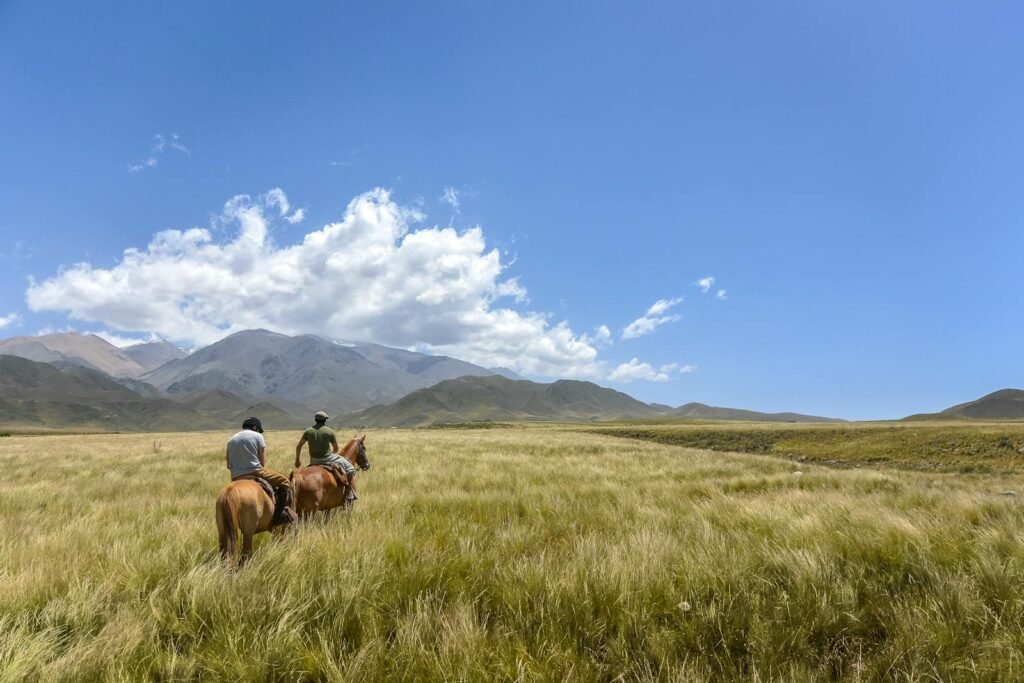
The Midwest was once a sea of grass. Imagine standing in the heart of Illinois or Iowa two centuries ago, surrounded by towering prairie grasses that stretched beyond the horizon like ocean waves frozen in time. These weren’t just pretty meadows – they were complex ecosystems that supported an incredible diversity of life, from tiny soil microorganisms to massive bison herds. Today, less than 1% of the original tallgrass prairie remains, but something remarkable is happening across the American heartland. Native grasses are making a comeback, and they’re bringing entire ecosystems back to life in ways that scientists are only beginning to understand.
The Original Prairie Giants

Before European settlement, the Midwest was dominated by three major prairie types: tallgrass, mixed-grass, and shortgrass prairies. The tallgrass prairie alone covered over 170 million acres, with big bluestem grass reaching heights of up to 8 feet and developing root systems that extended 15 feet deep into the soil. These grasslands weren’t monotonous fields but rather intricate communities where hundreds of plant species coexisted in perfect harmony.
The diversity was staggering – a single acre of healthy prairie could contain over 200 different plant species, compared to just 20-30 species in a typical corn or soybean field. Prairie dropseed, Indian grass, and switchgrass formed the backbone of these ecosystems, while colorful wildflowers like purple coneflower and black-eyed Susan added splashes of color throughout the growing season.
The Great Transformation

The conversion of prairie to farmland happened with breathtaking speed. Between 1830 and 1890, settlers plowed under millions of acres of native grassland, drawn by the incredibly fertile soil that had been building for thousands of years. The famous “prairie breaker” plows, designed specifically to cut through the dense root systems of native grasses, turned the landscape upside down – literally.
What took nature millennia to create was destroyed in just a few decades. The deep, carbon-rich prairie soils were perfect for agriculture, but this success came at an enormous ecological cost. Entire ecosystems disappeared, taking with them countless species of plants, insects, birds, and mammals that had evolved together over thousands of years.
The Hidden Network Beneath Our Feet
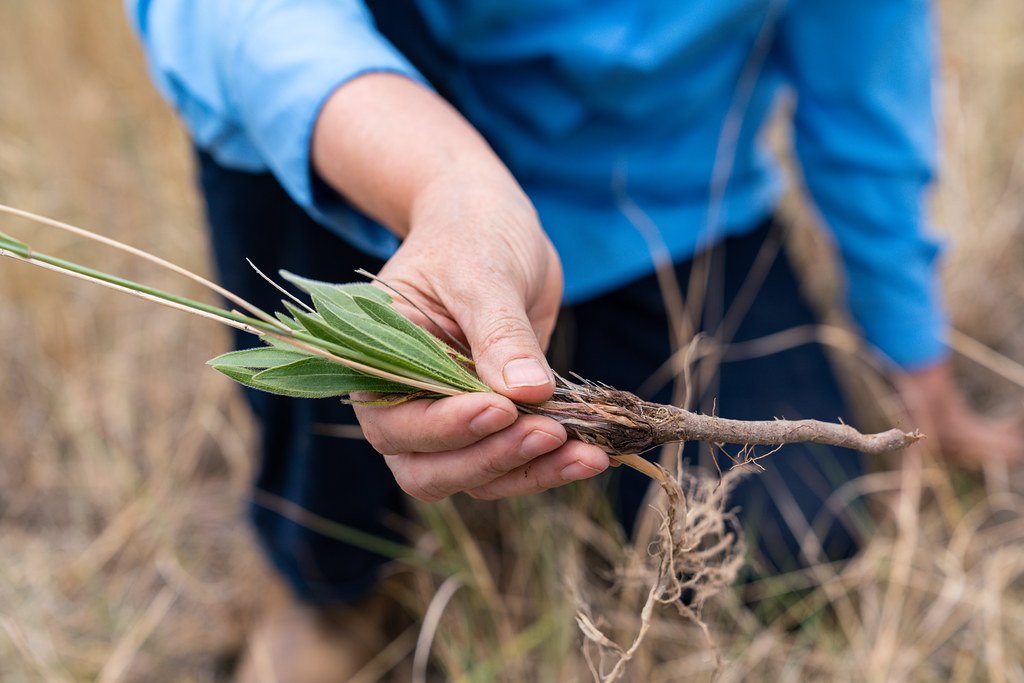
The real magic of prairie ecosystems happens underground, in a world most people never see. Native prairie grasses develop extensive root systems that can account for up to 80% of the plant’s total biomass. These roots don’t just anchor the plants – they create a living network that transforms the soil itself.
Big bluestem roots can extend down 15 feet, while some forbs like lead plant send their roots down an incredible 30 feet. This deep root system allows prairie plants to access water and nutrients that shallow-rooted crops simply can’t reach. More importantly, these roots are constantly growing, dying, and decomposing, pumping carbon deep into the soil and creating the rich, dark prairie soils that made the Midwest so valuable for agriculture.
Carbon Sequestration Powerhouses
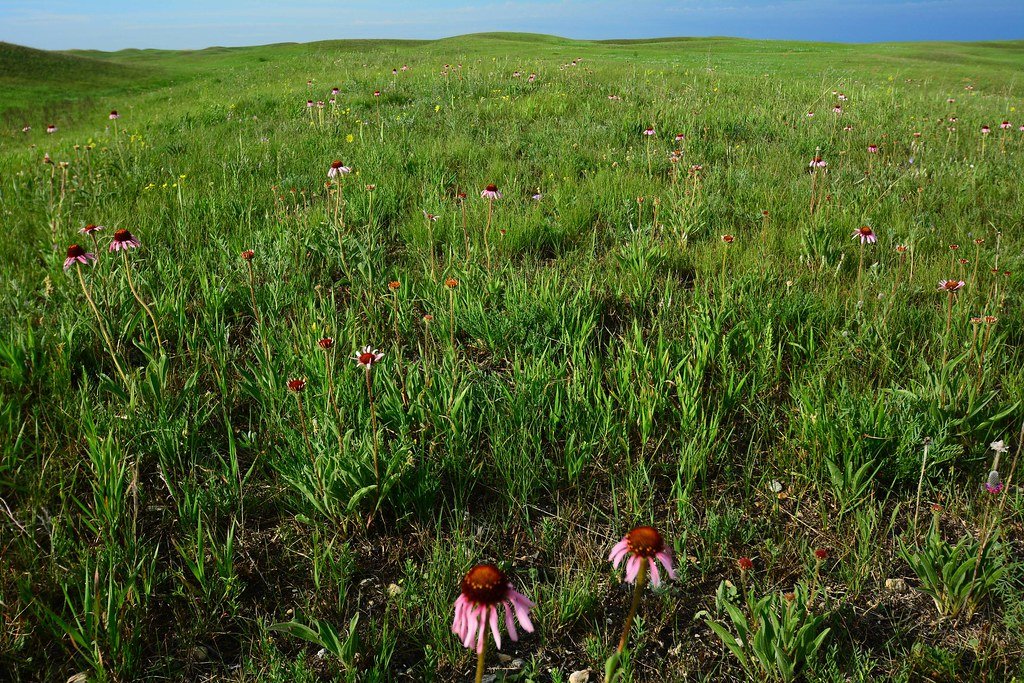
Scientists are discovering that restored prairie grasslands are among the most effective carbon sequestration systems on Earth. A single acre of healthy prairie can store between 3-5 tons of carbon per year, with some estimates suggesting that prairie soils can sequester carbon for decades or even centuries. This makes prairie restoration a powerful tool in the fight against climate change.
The process works through a combination of photosynthesis and root decomposition. Prairie grasses are incredibly efficient at capturing CO2 from the atmosphere and converting it into plant material. When roots die and decompose, they leave behind stable organic compounds that can remain in the soil for hundreds of years, effectively locking away carbon that would otherwise contribute to greenhouse gas levels.
Water Warriors of the Midwest
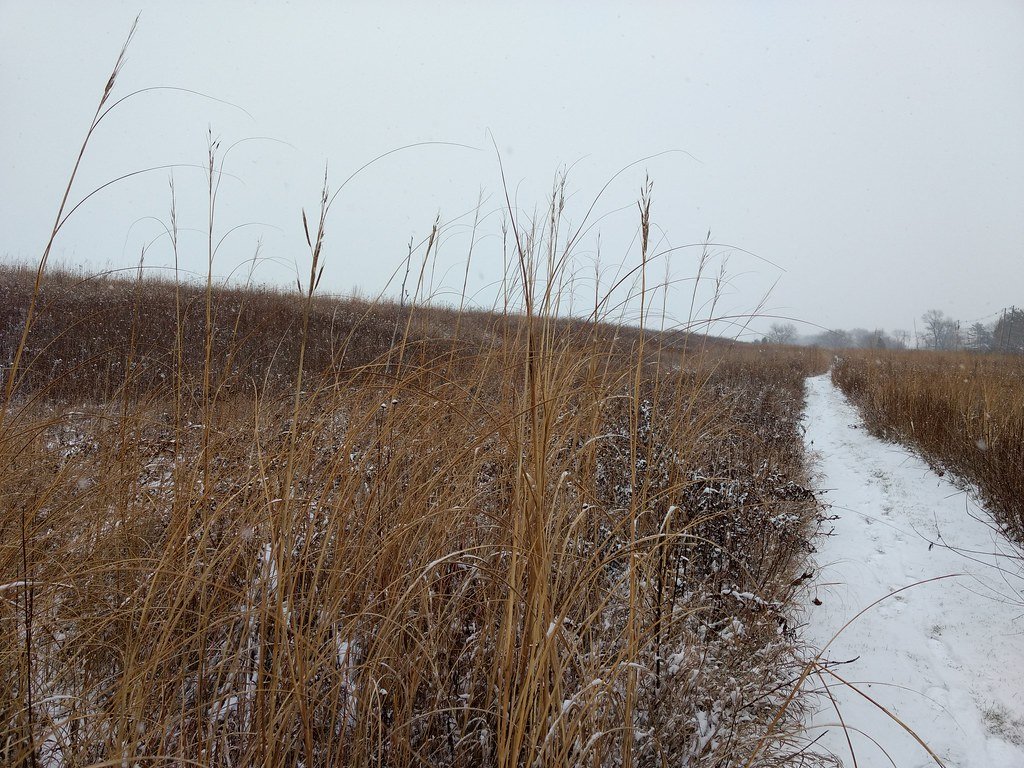
Native prairie grasses are natural water management systems that put human-engineered solutions to shame. The deep root systems of prairie plants create channels in the soil that allow water to infiltrate quickly and deeply, reducing surface runoff and preventing erosion. During heavy rains, prairies can absorb water at rates up to 7 inches per hour, compared to just 1-2 inches per hour for typical agricultural fields.
This water-holding capacity is becoming increasingly important as the Midwest faces more extreme weather events. Restored prairies act like giant sponges, soaking up excess water during floods and slowly releasing it during droughts. This natural water management system helps protect downstream communities from flooding while maintaining groundwater levels during dry periods.
The Pollinator Paradise
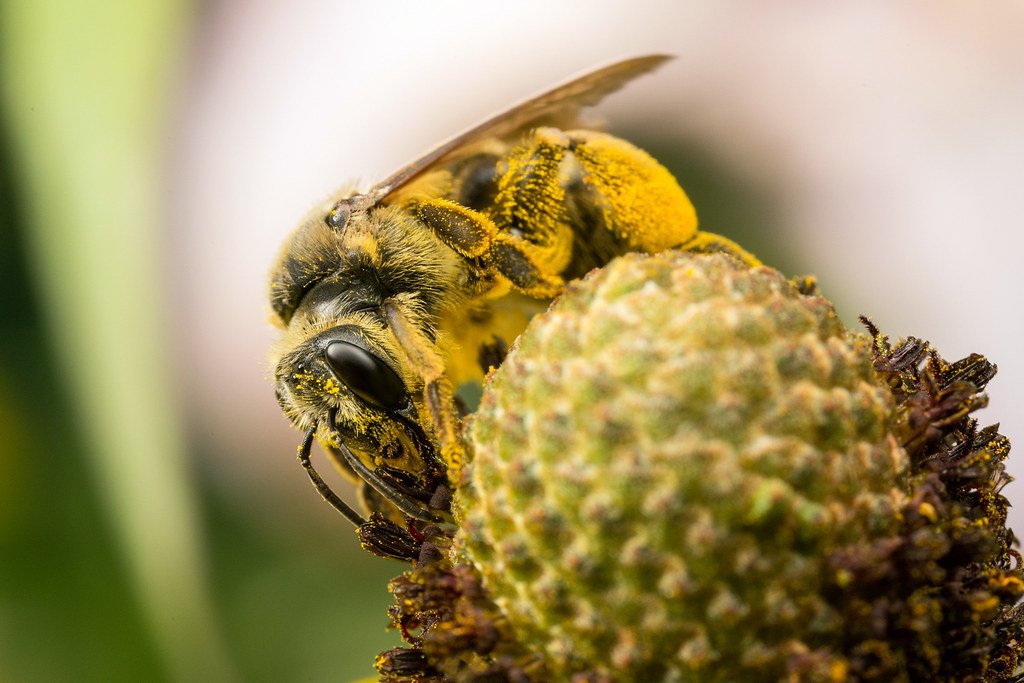
Prairie restoration is creating vital habitat for struggling pollinator populations across the Midwest. A diverse prairie community can support over 200 species of bees, butterflies, and other pollinators, providing nectar and pollen throughout the growing season. Unlike agricultural monocultures that might bloom for just a few weeks, prairie communities offer a continuous buffet of flowers from early spring through late fall.
Native bees, in particular, have evolved alongside prairie plants for thousands of years, creating specialized relationships that benefit both species. The endangered rusty patched bumble bee, once common across the upper Midwest, depends on prairie flowers for survival. As prairie restoration efforts expand, these critical pollinators are finding new homes and hope for recovery.
Bringing Back the Birds
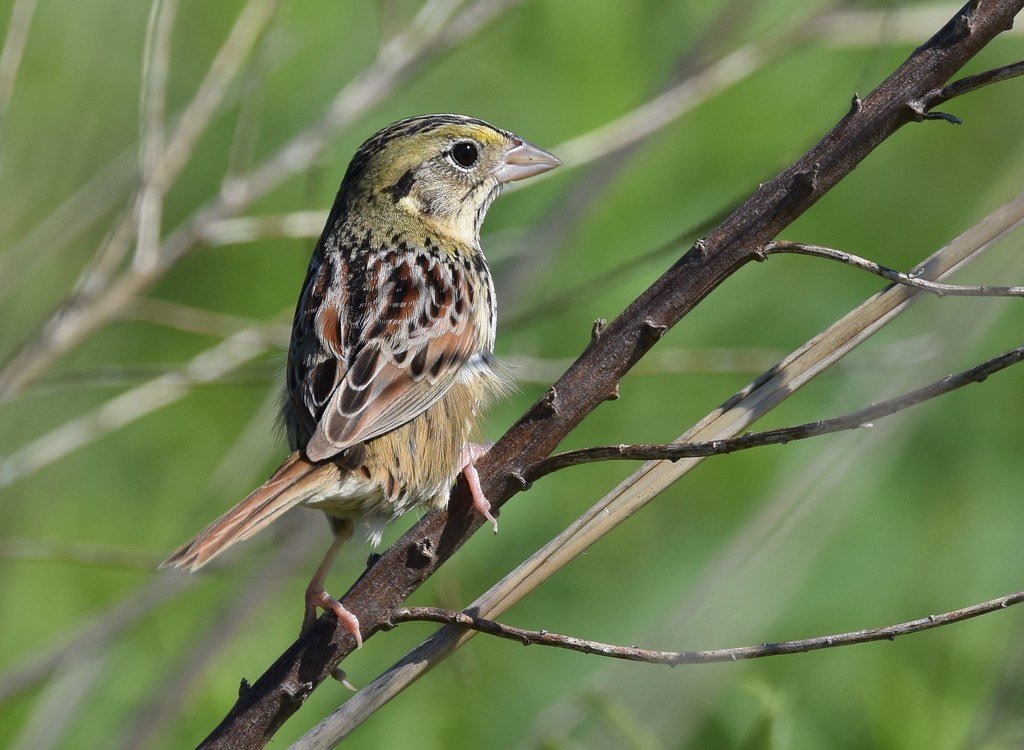
The return of native grasses is creating a renaissance for grassland bird populations that have been in steep decline for decades. Bobolinks, sedge wrens, and Henslow’s sparrows are finding new homes in restored prairies, while raptors like northern harriers hunt over expansive grasslands once again. These birds aren’t just pretty additions to the landscape – they’re indicators of ecosystem health.
Grassland birds have specific habitat requirements that only native prairies can provide. They need large, continuous areas of grassland with varying heights and densities of vegetation. The complex structure of prairie communities, with their mix of grasses, forbs, and open areas, creates the perfect nesting and foraging habitat for these specialized species.
The Soil Builders
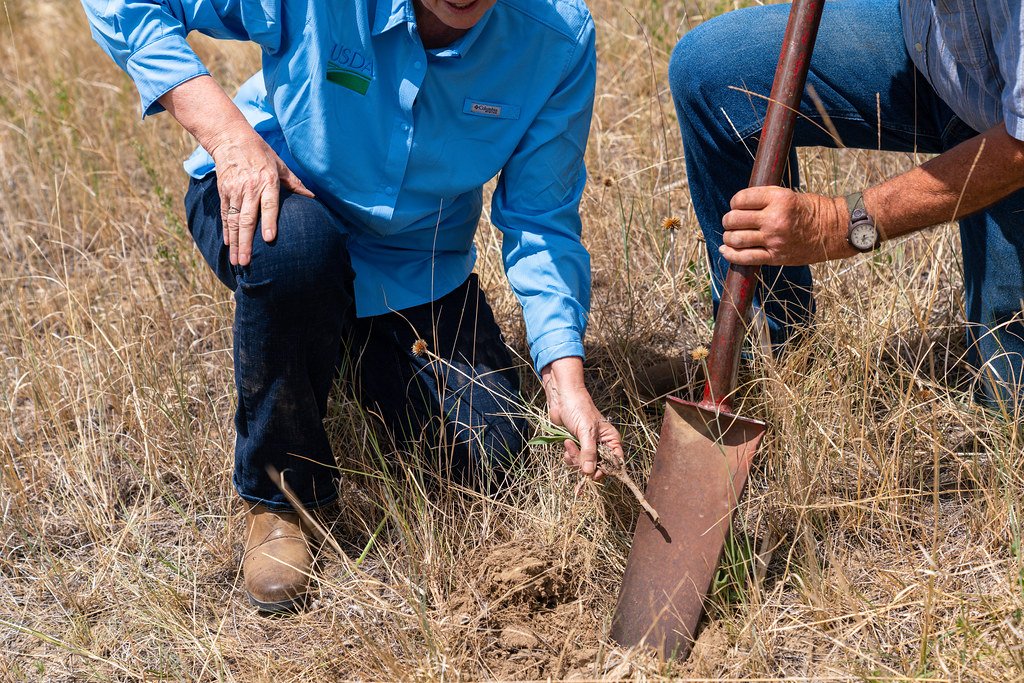
Prairie restoration is literally rebuilding the soil from the ground up. The deep root systems of native grasses create networks of channels that improve soil structure and increase water infiltration. As roots decompose, they add organic matter to the soil, improving its fertility and water-holding capacity. This process takes time – typically 5-10 years for significant improvements – but the results are remarkable.
Restored prairie soils show increased levels of beneficial microorganisms, including mycorrhizal fungi that form symbiotic relationships with plant roots. These fungi extend the effective root system of plants, helping them access nutrients and water while receiving sugars in return. This underground network is so extensive that some scientists refer to it as the “wood wide web” of the prairie.
Fighting Invasive Species

Established prairie communities are remarkably effective at resisting invasive species that plague other ecosystems. The dense root systems and competitive nature of native grasses make it difficult for invasive plants to establish themselves. When invasive species do appear, the diversity of the prairie community often provides natural checks and balances that prevent any single species from dominating.
This natural resistance is becoming increasingly important as climate change and global trade continue to introduce new invasive species to Midwest ecosystems. Reed canary grass, purple loosestrife, and autumn olive are just a few of the aggressive invaders that struggle to establish in healthy prairie communities, while thriving in disturbed or simplified ecosystems.
The Economics of Prairie Restoration

The financial benefits of prairie restoration are becoming impossible to ignore. While the initial establishment costs can be significant – ranging from $500-2000 per acre depending on the method – the long-term economic benefits often outweigh these investments. Restored prairies require minimal inputs once established, eliminating the need for fertilizers, pesticides, and frequent replanting.
Many landowners are discovering that prairie restoration can provide steady income through programs like the Conservation Reserve Program (CRP), which pays farmers to convert environmentally sensitive land to native vegetation. Additionally, restored prairies are increasingly valuable for ecotourism, hunting, and other recreational activities that bring money to rural communities.
Climate Change Adaptation
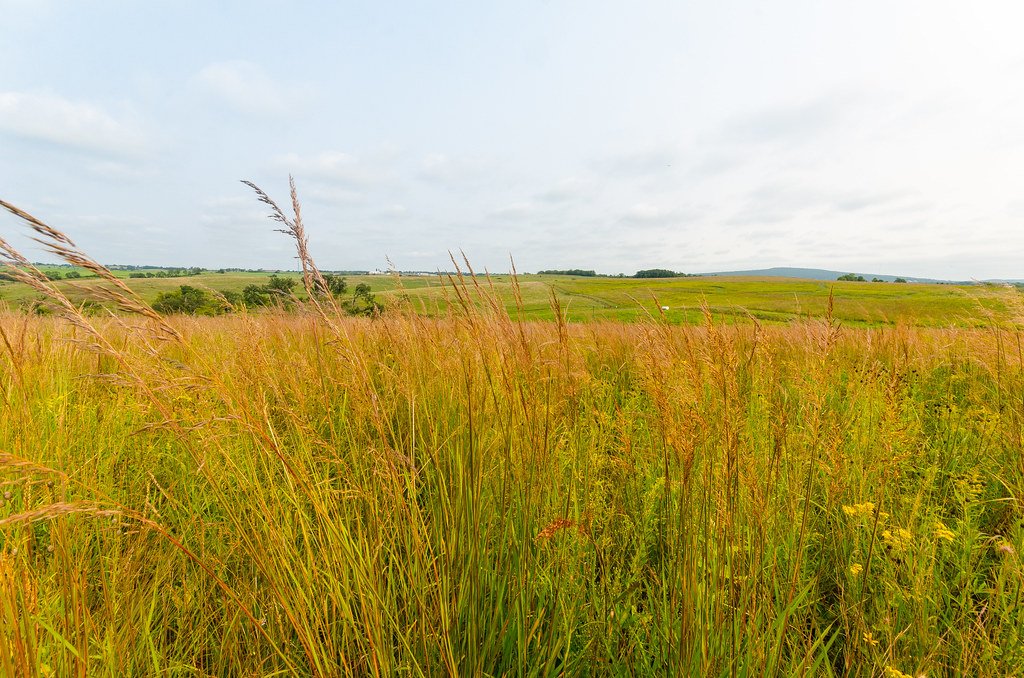
As the Midwest faces increasingly unpredictable weather patterns, native prairie grasses are proving to be remarkably adaptable. These plants evolved over thousands of years to survive droughts, floods, fires, and extreme temperatures. Their deep root systems allow them to access water during droughts, while their flexible stems can bend without breaking in severe storms.
Research shows that diverse prairie communities are more resilient to climate extremes than simplified ecosystems. When one species struggles during a particular year, others can fill the gap, maintaining ecosystem function even under stress. This resilience is becoming increasingly valuable as farmers and land managers look for sustainable ways to adapt to changing conditions.
Fire: The Prairie’s Best Friend
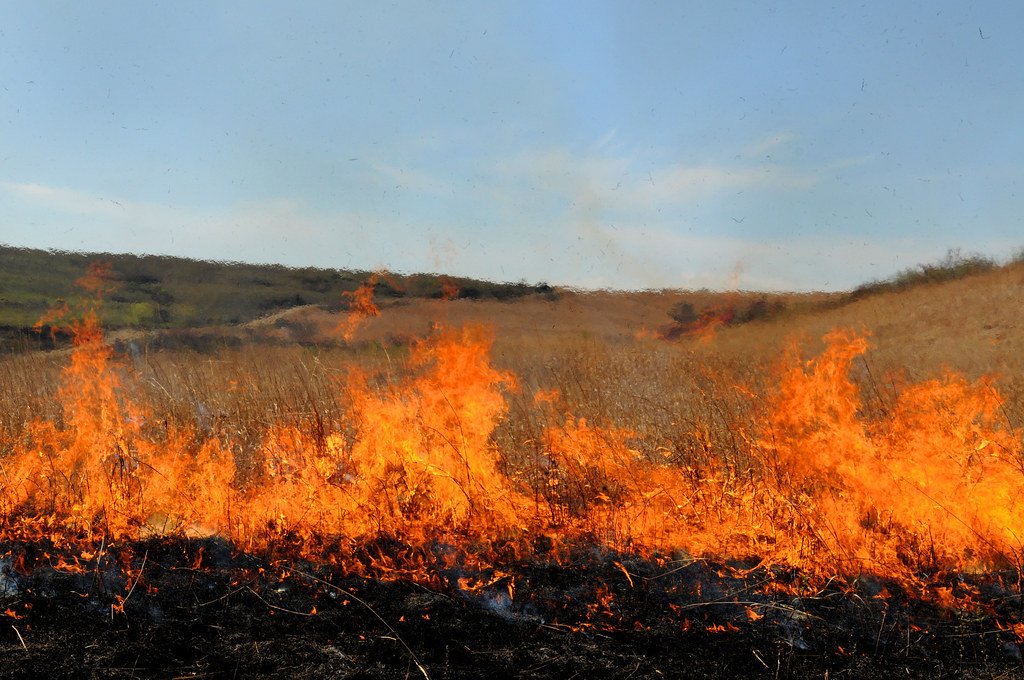
Fire is returning to the Midwest landscape as land managers rediscover this essential tool for prairie maintenance. Native prairie plants evolved with fire, and many species actually require periodic burning to remain healthy and competitive. Fire removes accumulated dead plant material, recycles nutrients, and gives native species a competitive advantage over many invasive plants and woody species.
Prescribed burns are now a regular part of prairie management, typically conducted every 2-4 years during spring or fall. These controlled fires might look destructive, but they’re actually acts of renewal. Within weeks of a burn, prairie plants begin sending up new shoots, often more vigorous than before. The timing and frequency of burns can be adjusted to favor different species and maintain the diversity that makes prairie ecosystems so valuable.
Technology Meets Tradition

Modern prairie restoration is benefiting from advances in technology that make establishment more successful and cost-effective. GPS-guided seeders can plant native seeds with precision, while drone technology helps monitor restoration success and identify problem areas. Genetic research is helping identify the best local seed sources and understand how different plant populations are adapted to specific conditions.
At the same time, restoration practitioners are learning from traditional knowledge, including techniques used by Native American tribes who managed prairie ecosystems for thousands of years. This combination of modern science and traditional wisdom is creating more successful restoration projects that better mimic natural prairie communities.
The Ripple Effects
The benefits of prairie restoration extend far beyond the restored areas themselves. Adjacent agricultural fields often see reduced pest pressure as restored prairies provide habitat for beneficial insects that control crop pests. Water quality improves in nearby streams and lakes as prairie vegetation filters runoff and prevents erosion.
Rural communities are experiencing economic benefits as prairie restoration creates jobs in seed collection, site preparation, and maintenance. The growing native seed industry is providing new income opportunities for farmers and rural entrepreneurs. Some estimates suggest that the prairie restoration industry now generates hundreds of millions of dollars annually in economic activity across the Midwest.
Challenges and Obstacles
Despite the many benefits, prairie restoration faces significant challenges. The initial establishment period is critical, and many restoration projects fail due to poor seed quality, inappropriate timing, or inadequate site preparation. Competition from aggressive weeds during the first few years can overwhelm native seedlings if not properly managed.
The high cost of native seeds remains a barrier for many landowners, with some native seed mixes costing $200-500 per acre. Additionally, the fragmented nature of the modern landscape makes it difficult to create the large, continuous prairie areas that many species require. Urban development and infrastructure continue to consume potential restoration sites, making every successful project more valuable.
Seeds of Success
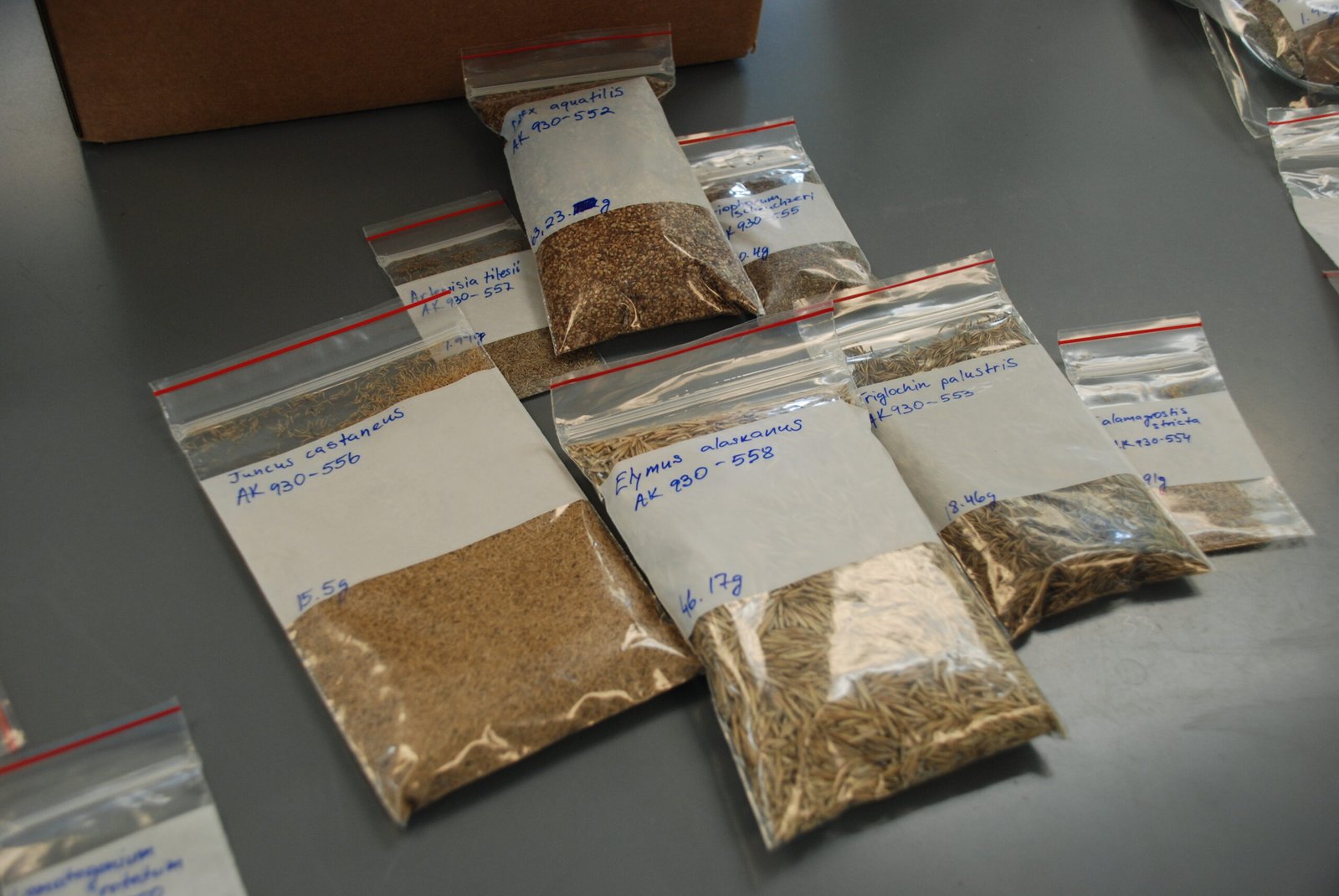
The native seed industry has exploded in recent years, with specialized growers producing high-quality, locally adapted seeds for restoration projects. These seeds aren’t just commodities – they’re genetic libraries that preserve the adaptations of local plant populations. Many seed producers are small, family-owned operations that have become experts at growing and harvesting native plants.
Seed collection has become both an art and a science, with collectors learning to identify the optimal timing for harvesting different species. Some seeds need to be collected within a narrow window of just a few days, while others can be harvested over several weeks. The quality of the seed – its genetics, viability, and dormancy characteristics – largely determines the success of restoration projects.
Looking Forward
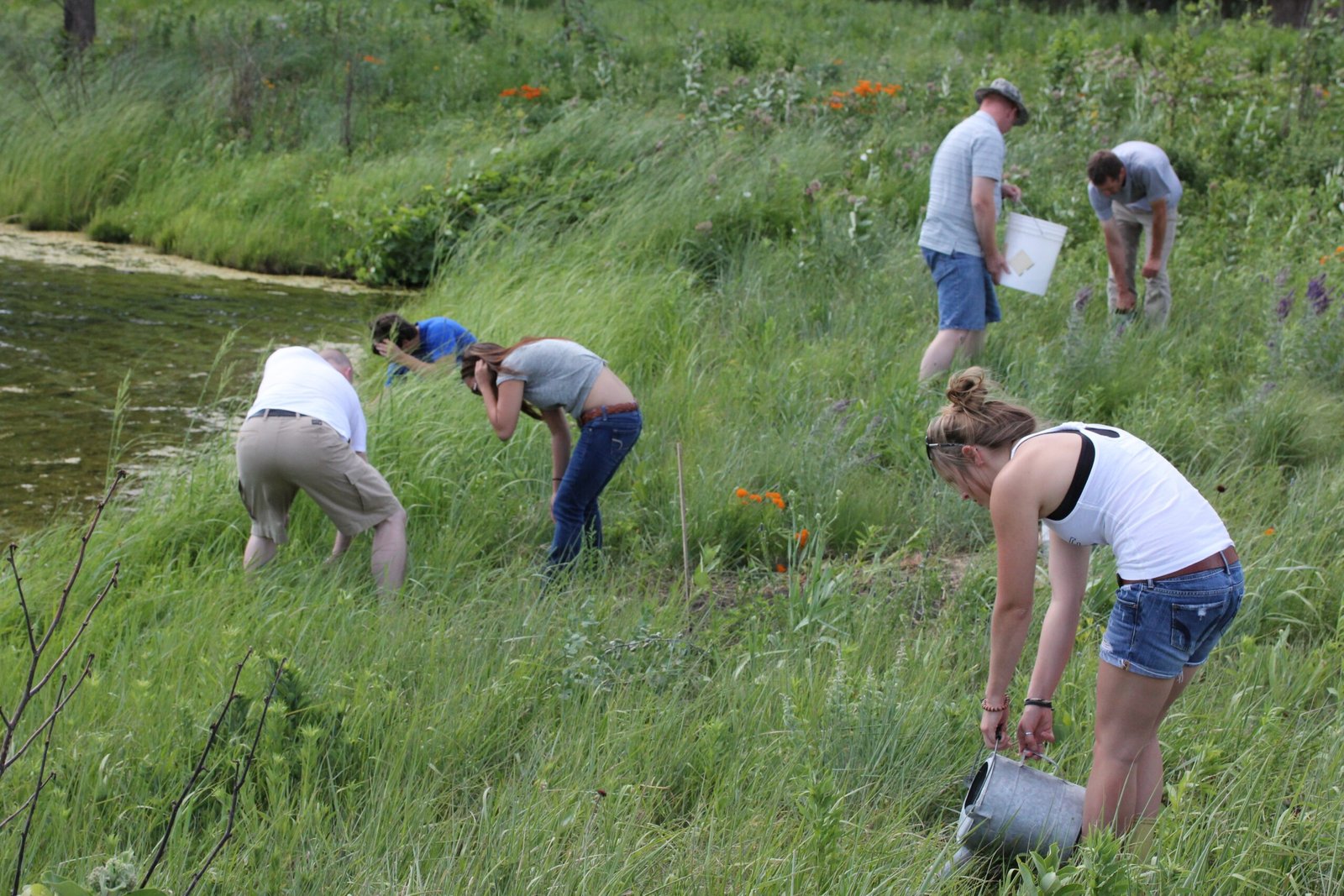
The future of prairie restoration in the Midwest looks brighter than it has in over a century. Government programs are providing increasing support for restoration projects, while private landowners are recognizing the economic and environmental benefits of native grasslands. Climate change is creating new urgency around ecosystem restoration as communities look for natural solutions to environmental challenges.
Research continues to improve restoration techniques and our understanding of prairie ecology. Scientists are exploring how different management practices affect carbon sequestration, water quality, and biodiversity. New partnerships between farmers, conservation organizations, and government agencies are creating innovative approaches to landscape-scale restoration that benefits both agriculture and wildlife.
The New Prairie Renaissance
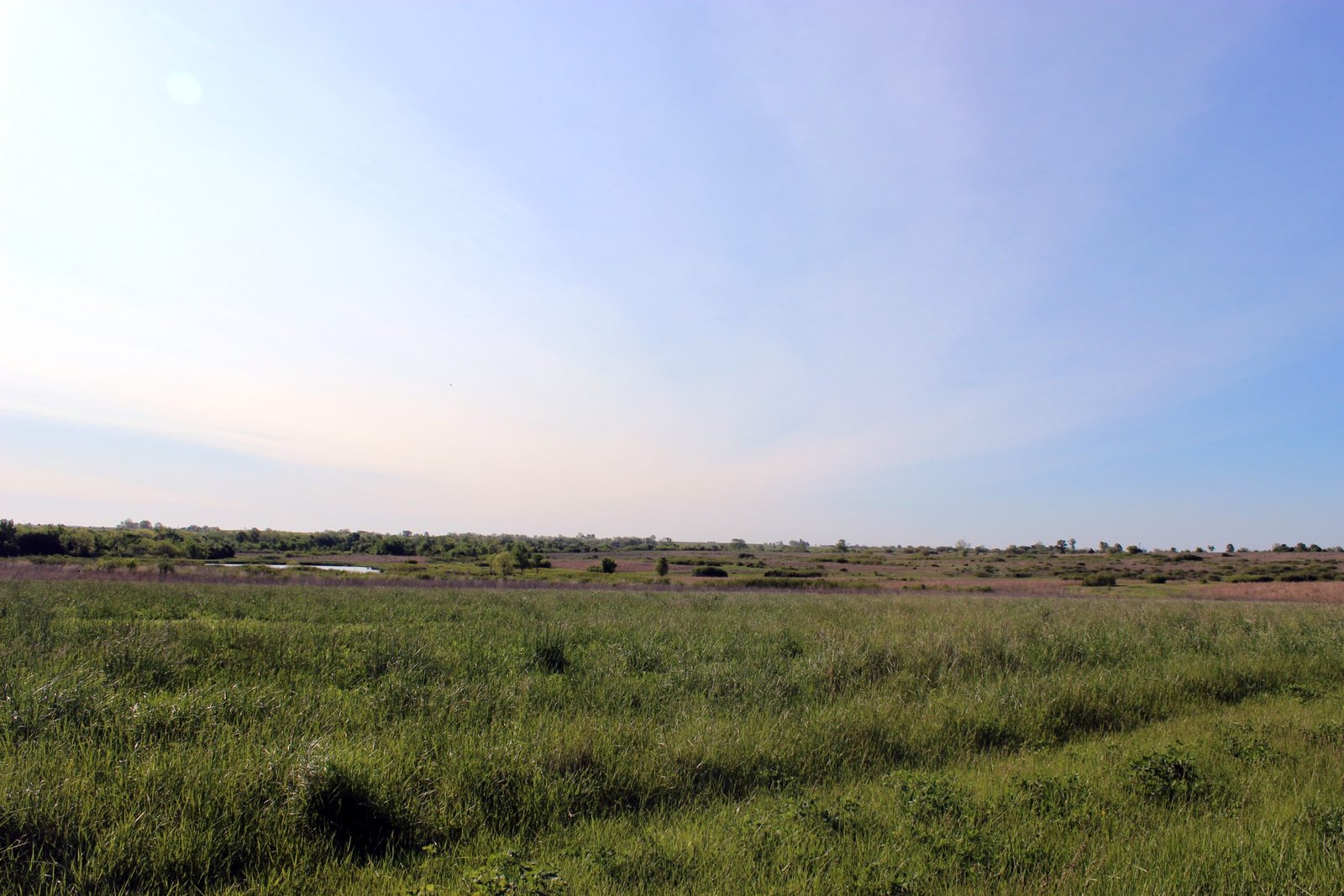
What we’re witnessing across the Midwest isn’t just ecological restoration – it’s a fundamental shift in how we think about land use and ecosystem management. Prairie restoration is proving that we can have productive, profitable landscapes that also provide essential ecosystem services. The deep roots of native grasses are literally rebuilding the foundation of Midwest ecosystems, creating healthier soils, cleaner water, and more resilient communities.
Every restored acre represents a victory against the homogenization of the American landscape. These projects are reconnecting us with the natural heritage of the Midwest and providing hope for a more sustainable future. As native grasses spread across the landscape once again, they’re carrying with them the promise of ecosystems that can thrive for generations to come.
The prairie is coming home. After more than a century of absence, native grasses are reclaiming their rightful place in the Midwest landscape, bringing with them a cascade of ecological benefits that scientists are only beginning to understand. From carbon sequestration to pollinator habitat, from flood control to soil building, these restoration projects are proving that sometimes the best solutions are the ones that nature perfected long ago. As we face the challenges of climate change and environmental degradation, the humble prairie grasses of the Midwest are showing us a path forward – one that leads back to the wisdom of deep roots and diverse communities. What would our landscape look like if we gave nature just a little more room to heal?