Standing majestically against the African savanna, giraffes tower over every other land animal on Earth, their elegant necks reaching heights that would make even the tallest skyscrapers jealous. Yet beneath their graceful exterior lies one of nature’s most challenging engineering problems – a cardiovascular system that defies every rule of physics and biology. These gentle giants face a daily battle against gravity that would literally kill any other mammal, making their very existence a testament to evolution’s incredible problem-solving abilities.
The Gravity-Defying Heart of Giants
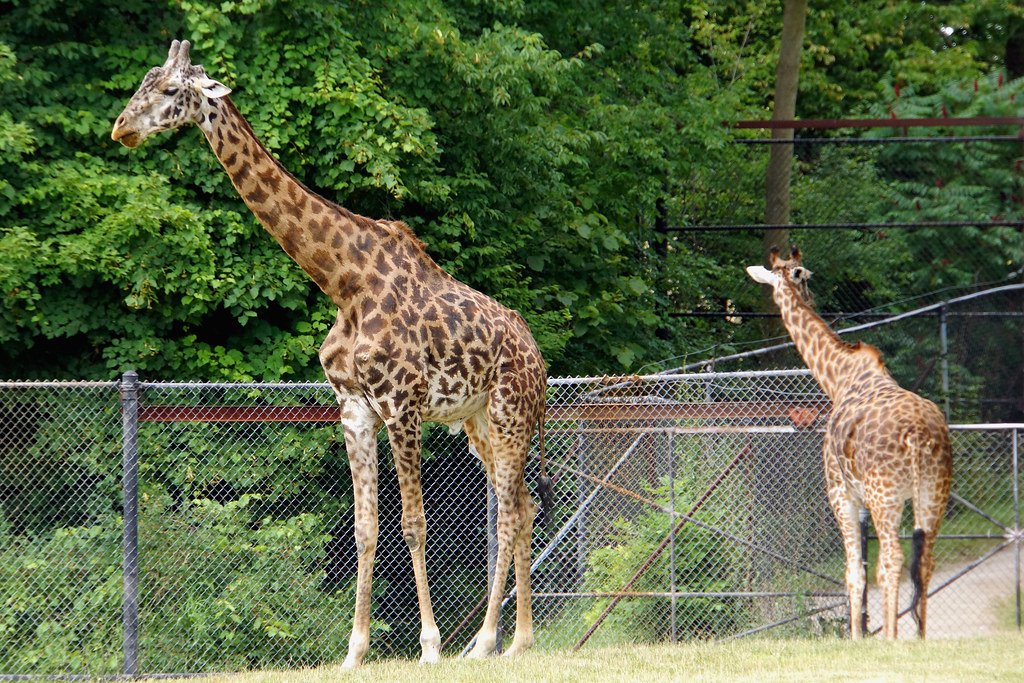
A giraffe’s heart isn’t just big – it’s absolutely massive, weighing up to 25 pounds and measuring two feet long. This powerhouse organ pumps blood with such tremendous force that it generates blood pressure readings that would be fatal to humans. The systolic pressure can reach 280 mmHg, nearly three times higher than what doctors consider dangerous in people.
This extraordinary pressure is necessary because blood must travel an incredible 10 feet upward from the heart to reach the brain. Without this intense pumping action, giraffes would simply faint every time they lifted their heads. The heart beats around 60 times per minute when resting, but each beat delivers an enormous volume of blood through specialized thick-walled arteries.
When Bending Down Becomes a Death Trap

Imagine if lowering your head to pick up a dropped pen could literally cause your brain to explode. For giraffes, this terrifying scenario is a constant reality they must navigate with extreme caution. When a giraffe bends down to drink water or graze, all that high-pressure blood comes rushing toward their brain like a tsunami.
The sudden surge of blood pressure during head-lowering movements can increase by 100 mmHg or more. This dramatic spike would cause massive brain hemorrhages in humans, yet giraffes have evolved intricate mechanisms to handle these deadly pressure swings. They move their heads slowly and deliberately, never making sudden movements that could prove fatal.
Nature’s Built-in Pressure Regulation System

Evolution has equipped giraffes with one of the most sophisticated blood pressure regulation systems in the animal kingdom. A complex network of blood vessels called the rete mirabile acts like a natural shock absorber, cushioning the brain from dangerous pressure fluctuations. This intricate web of tiny vessels creates a buffer zone that prevents catastrophic blood pressure spikes.
Additionally, giraffes possess incredibly tight skin around their legs and lower body that functions like a pilot’s G-suit. This natural compression garment prevents blood from pooling in their extremities when they bend down. The skin is so tight that it literally squeezes blood back toward the heart, maintaining proper circulation throughout their towering frame.
The Incredible Journey of Blood Through a Giraffe’s Body

Blood circulation in giraffes is like running a marathon uphill every single heartbeat. From the moment blood leaves the heart, it faces an uphill battle against gravity that would defeat any ordinary circulatory system. The carotid arteries that carry blood to the brain are reinforced with extra muscle fibers and elastic tissue to handle the immense pressure.
The return journey is equally challenging, as blood must somehow make its way back down from the brain to the heart. Giraffes have developed enlarged jugular veins with special one-way valves that prevent blood from flowing backward. These valves work like tiny gates, opening and closing in perfect synchronization to ensure blood flows in only one direction.
Why Giraffes Don’t Get Dizzy Like Humans

Standing up quickly from a seated position can make humans feel lightheaded, but giraffes routinely move their heads 15 feet up and down without any dizziness. This remarkable ability comes from their specialized inner ear structure and enhanced balance mechanisms. Their semicircular canals are proportionally larger than other mammals, providing superior equilibrium control.
The giraffe’s nervous system has also adapted to handle rapid changes in blood flow and pressure. Special sensors throughout their circulatory system instantly detect pressure changes and trigger compensatory responses. This lightning-fast feedback system allows giraffes to maintain perfect balance even during dramatic head movements that would incapacitate other animals.
The Phenomenal Strength of Giraffe Blood Vessels

The walls of giraffe arteries are incredibly thick and muscular, built to withstand pressures that would burst ordinary blood vessels. These reinforced tubes are lined with multiple layers of smooth muscle and elastic fibers that can stretch and contract like high-performance rubber bands. The thickness of their arterial walls is proportionally much greater than any other mammal.
Even their capillaries – the tiniest blood vessels – are specially reinforced to handle the extreme pressures. These microscopic tubes have thicker walls and specialized structures that prevent them from rupturing under the intense pressure required to push blood through their massive circulatory system. It’s like having bulletproof glass at the cellular level.
Sleep Challenges for the World’s Tallest Mammals

Getting a good night’s sleep is nearly impossible when your circulatory system is constantly fighting gravity. Giraffes sleep for only 30 minutes to 2 hours per day, making them one of the shortest-sleeping animals on Earth. Their unique sleeping position – often with their heads resting on their hindquarters – helps reduce the cardiovascular strain of maintaining circulation to the brain.
During these brief rest periods, their heart rate drops significantly, but the blood pressure remains elevated compared to other mammals. Even in sleep, their circulatory system never truly gets a break from the enormous task of pumping blood against gravity. This constant cardiovascular workout may contribute to their relatively short lifespans compared to other large mammals.
The Drinking Water Dilemma

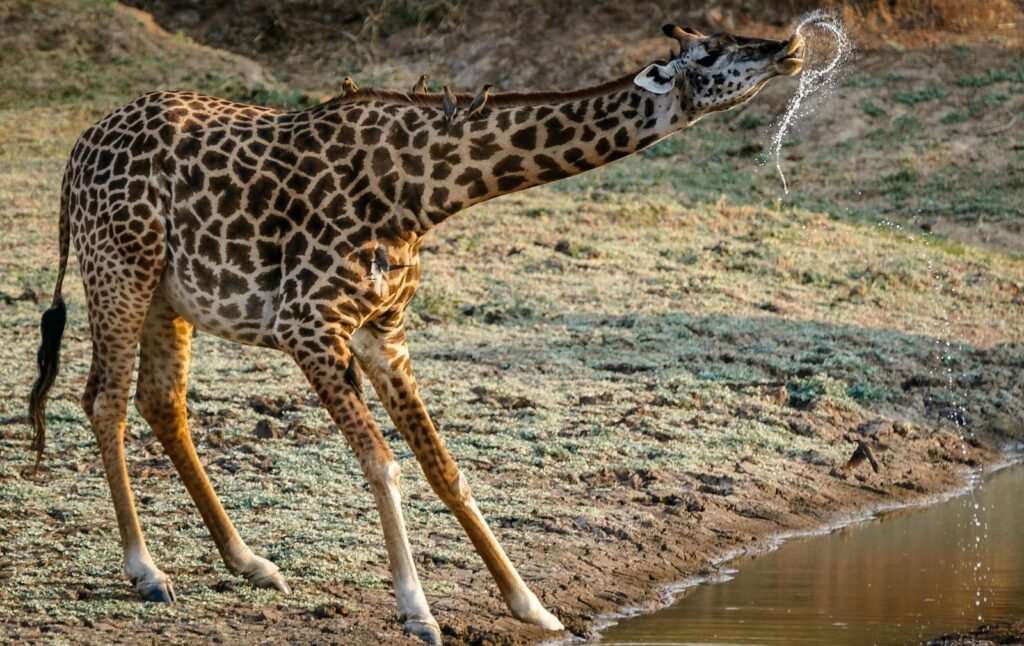
Watching a giraffe drink water is like witnessing a carefully choreographed dance with death. They must spread their front legs wide and awkwardly bend their necks down to reach water sources, creating a vulnerable position that predators often exploit. But the real danger comes from the massive blood pressure surge that occurs during this awkward posture.
The entire drinking process must be completed quickly to minimize the time spent in this dangerous position. Giraffes can drink up to 10 gallons of water in a single session, but they do so in rapid gulps rather than leisurely sips. Their specialized esophagus and stomach are designed to handle these large volumes of water consumed in short bursts.
How Baby Giraffes Survive the Ultimate Birth Drop
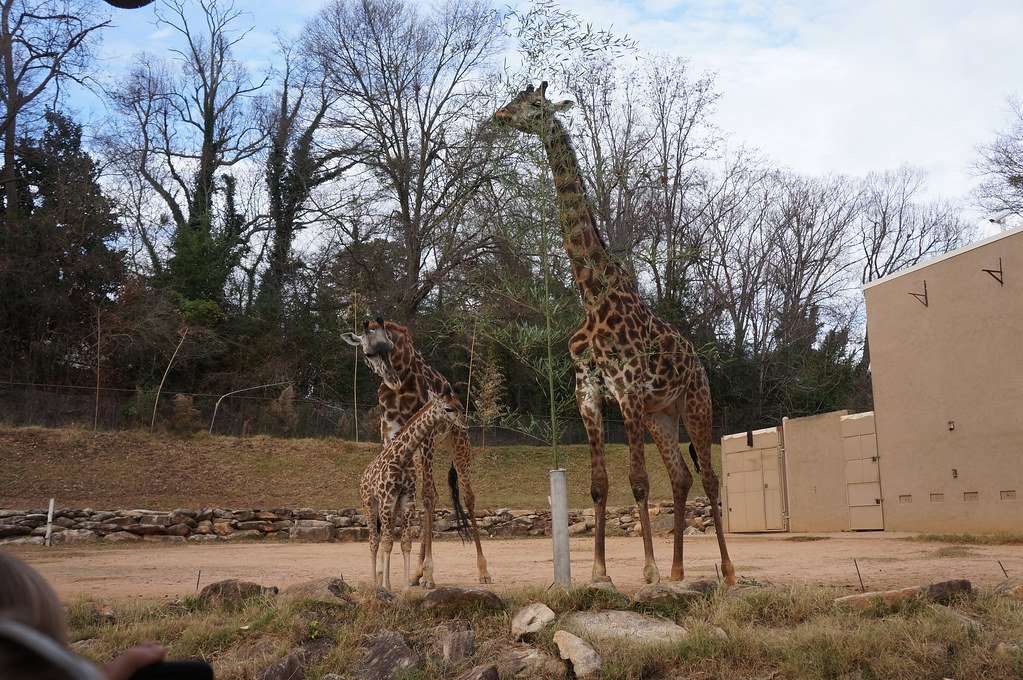
Baby giraffes enter the world with one of the most dramatic births in the animal kingdom – a 6-foot drop to the ground. This shocking entrance serves an important purpose for their circulatory system development. The impact helps stimulate their cardiovascular system and forces their first breath, kickstarting the complex circulation patterns they’ll need for survival.
From the moment they hit the ground, baby giraffes must immediately cope with the same gravitational challenges that affect adults. Their circulatory systems are remarkably well-developed at birth, with many of the specialized adaptations already in place. Within hours of birth, they can raise and lower their heads with the same precision as adult giraffes.
The Evolutionary Arms Race Against Gravity

Giraffes represent millions of years of evolutionary refinement in the battle against gravity. Their ancestors likely faced increasing pressure to reach higher food sources, driving the development of longer necks and more sophisticated circulatory systems. Each generation that survived passed on slightly better adaptations for handling extreme blood pressure variations.
This evolutionary pressure created a feedback loop where longer necks required better circulation, which enabled even longer necks, and so on. The result is a creature that pushes the absolute limits of what’s physically possible for a land animal. Their circulatory system represents one of evolution’s most impressive engineering achievements.
Comparing Giraffe Hearts to Human Hearts

If humans had hearts proportional to giraffes, they would weigh about 25 pounds and require a ribcage the size of a small car. The giraffe heart generates about 2.5 times more pressure per beat than a human heart, while pumping roughly 16 gallons of blood per minute. This extraordinary output is necessary to maintain adequate blood flow to their brain and extremities.
The electrical system controlling the giraffe heart is also more complex than humans, with specialized conduction pathways that coordinate the powerful contractions needed to overcome gravity. Their heart muscle fibers are denser and more efficient than human cardiac tissue, allowing for maximum force generation with each beat.
The Hidden Costs of Extreme Height

Being the tallest animal on Earth comes with significant physiological costs that affect every aspect of a giraffe’s life. Their metabolic rate is higher than similarly-sized animals because their cardiovascular system works so much harder. This increased energy demand means they must spend more time feeding and require more calories to maintain their extraordinary circulatory system.
The constant high blood pressure also takes a toll on their organs over time. Their kidneys, liver, and other organs must be specially adapted to function under conditions that would quickly damage human organs. This physiological stress may contribute to various health issues and affects their overall lifespan compared to other large mammals.
Special Adaptations in Giraffe Legs

A giraffe’s legs are like natural compression stockings, with incredibly tight skin that prevents blood from pooling in their extremities. The skin around their lower legs is so tight that it’s almost like wearing a permanent tourniquet. This compression is essential for maintaining proper blood flow back to the heart against the pull of gravity.
The muscle structure in their legs is also specially designed to help pump blood upward. Each step acts as a muscular pump, squeezing blood vessels and forcing blood back toward the heart. This walking motion is crucial for maintaining healthy circulation, which is why giraffes rarely remain completely still for extended periods.
How Giraffes Handle Extreme Weather

Temperature changes pose unique challenges for giraffes because their circulatory system must maintain consistent performance regardless of environmental conditions. During hot weather, their blood vessels must dilate to help cool the body, but this conflicts with the need to maintain high pressure for brain circulation. They’ve developed sophisticated thermoregulation mechanisms that balance these competing demands.
Cold weather presents the opposite challenge, as blood vessels naturally constrict to preserve heat. Giraffes have specialized blood flow patterns that ensure critical organs receive adequate circulation even when surface blood vessels are constricted. Their cardiovascular system continuously adjusts to maintain optimal function across a wide range of temperatures.
The Science Behind Giraffe Neck Movements
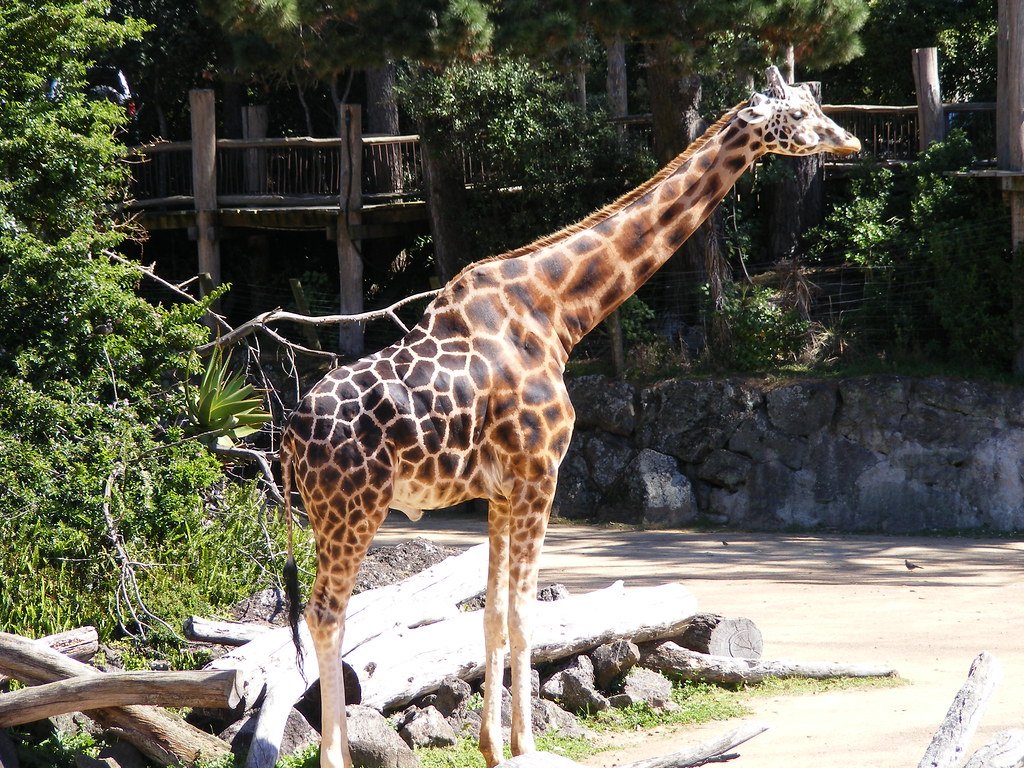
Every movement of a giraffe’s neck is a carefully calculated maneuver that must account for massive changes in blood pressure and circulation. Their nervous system has evolved sophisticated control mechanisms that predict and compensate for these pressure changes before they occur. This predictive capability prevents dangerous blood pressure spikes that could cause brain damage.
The speed and direction of neck movements are precisely controlled by specialized muscle groups and neural pathways. Giraffes cannot make sudden, jerky movements like other animals because their circulatory system requires smooth, gradual changes to maintain stable blood flow. This constraint affects their behavior patterns and movement strategies in ways that other animals don’t experience.
Medical Mysteries That Giraffes Could Solve

Scientists study giraffe circulation to understand human cardiovascular diseases and develop new treatments. Their natural ability to handle extreme blood pressure variations could provide insights into treating human hypertension and stroke prevention. The mechanisms they use to prevent blood clots and maintain vessel health under extreme pressure are of particular interest to medical researchers.
Research into giraffe circulation has already contributed to advances in artificial heart design and blood pressure medications. Their unique adaptations offer a natural laboratory for understanding how circulatory systems can be optimized to handle extreme conditions. This research may eventually lead to breakthrough treatments for human cardiovascular diseases.
The Future of Giraffe Conservation

Understanding giraffe circulation is crucial for conservation efforts as these magnificent animals face increasing threats from habitat loss and climate change. Their specialized physiological needs make them particularly vulnerable to environmental changes that might not affect other species. Conservation programs must account for their unique circulatory requirements when designing protected habitats and breeding programs.
Climate change poses specific threats to giraffes because their circulatory adaptations are finely tuned to current environmental conditions. Changes in temperature patterns, water availability, and food distribution could stress their already-challenged cardiovascular systems beyond their adaptive limits. Protecting these evolutionary marvels requires understanding both their ecological needs and their extraordinary physiological constraints.
Conclusion: Nature’s Most Impressive Circulatory Achievement

Giraffes represent one of evolution’s most remarkable success stories, having solved circulation problems that would be impossible for any other land animal. Their extraordinary adaptations demonstrate the incredible ingenuity of natural selection in overcoming seemingly insurmountable physical challenges. Every heartbeat is a testament to millions of years of evolutionary refinement that pushed the boundaries of what’s biologically possible.
These gentle giants remind us that nature’s solutions often exceed our wildest engineering dreams. Their circulatory system operates under conditions that would destroy human-made pumps and pressure vessels, yet they perform this feat effortlessly every day. The next time you see a giraffe gracefully moving its head up and down, remember that you’re witnessing one of the most sophisticated hydraulic systems ever created.
What other secrets might these towering marvels be hiding in their remarkable biology?