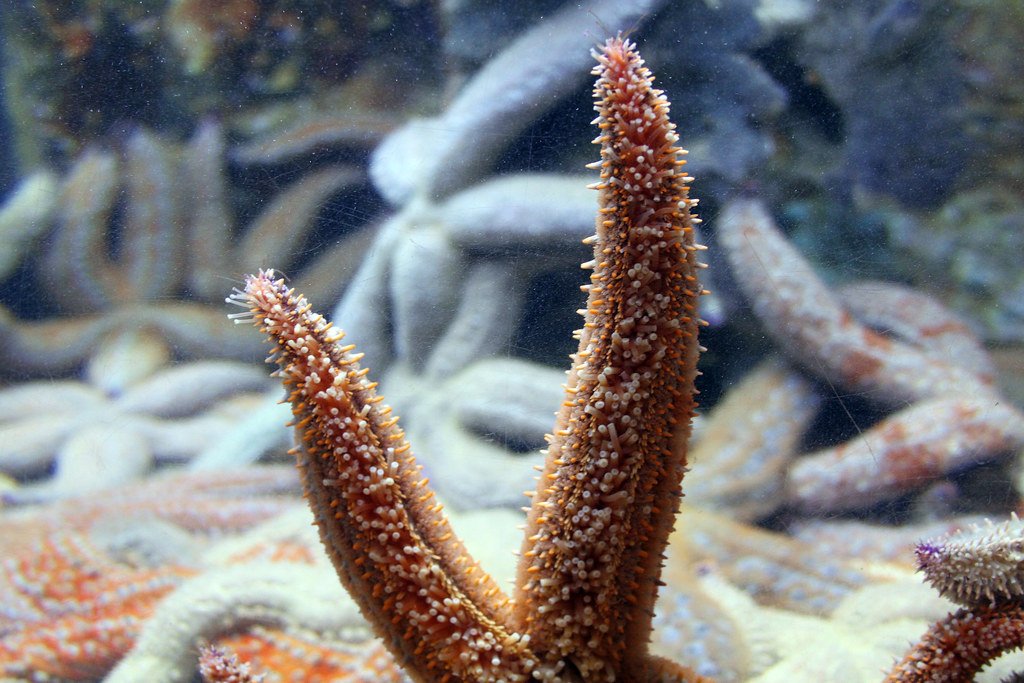

Picture this: you’re standing at the edge of a tide pool, watching a bright orange starfish cling to a rock. Suddenly, you wonder about one of nature’s most incredible superpowers. What would actually happen if this creature lost every single one of its arms? The answer isn’t just fascinating – it’s absolutely mind-blowing and challenges everything we think we know about survival.
The Shocking Truth About Starfish Survival
Here’s something that’ll make your jaw drop: a starfish can actually survive having all its arms cut off, but only under very specific conditions. This isn’t some fantasy – it’s cold, hard science that sounds like it belongs in a superhero comic book.
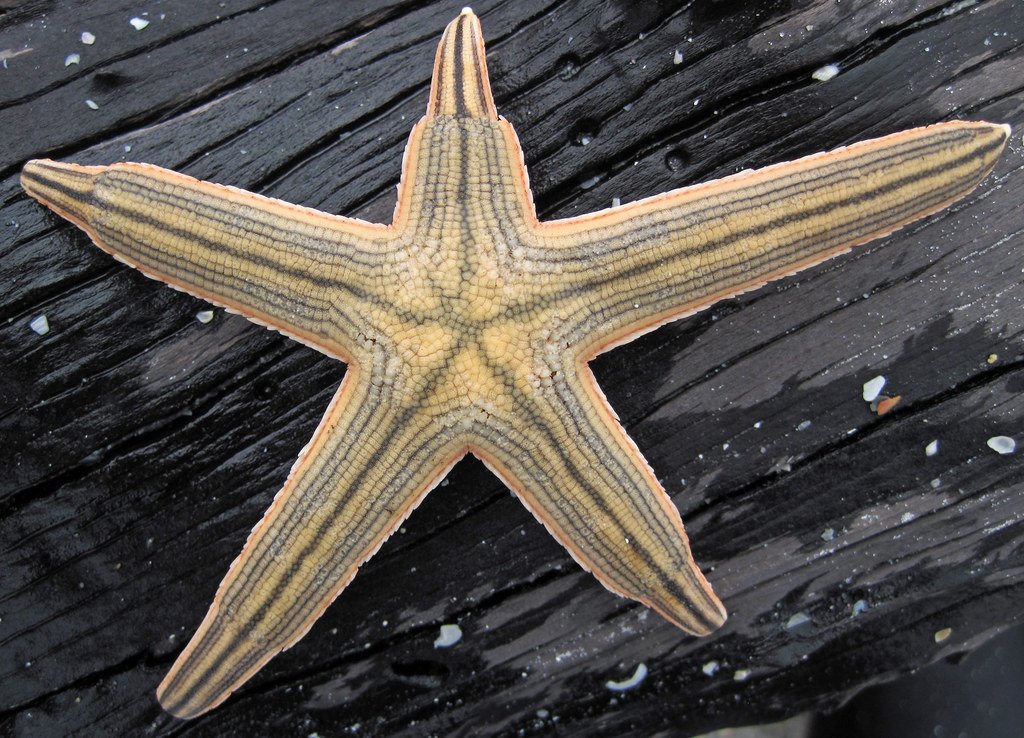
The key lies in what scientists call the “central disc” – that’s the starfish’s body center where all the arms connect. If even a tiny portion of this central disc remains attached to one arm, that single piece can regenerate an entirely new starfish. It’s like growing a whole human from just a finger, except this actually works in the starfish world.
However, if you remove every single arm and leave only the bare central disc, the outcome becomes much more dramatic and uncertain. The starfish enters what researchers describe as a “critical survival phase” where its fate hangs in the balance.
The Central Disc: A Starfish’s Most Vital Component
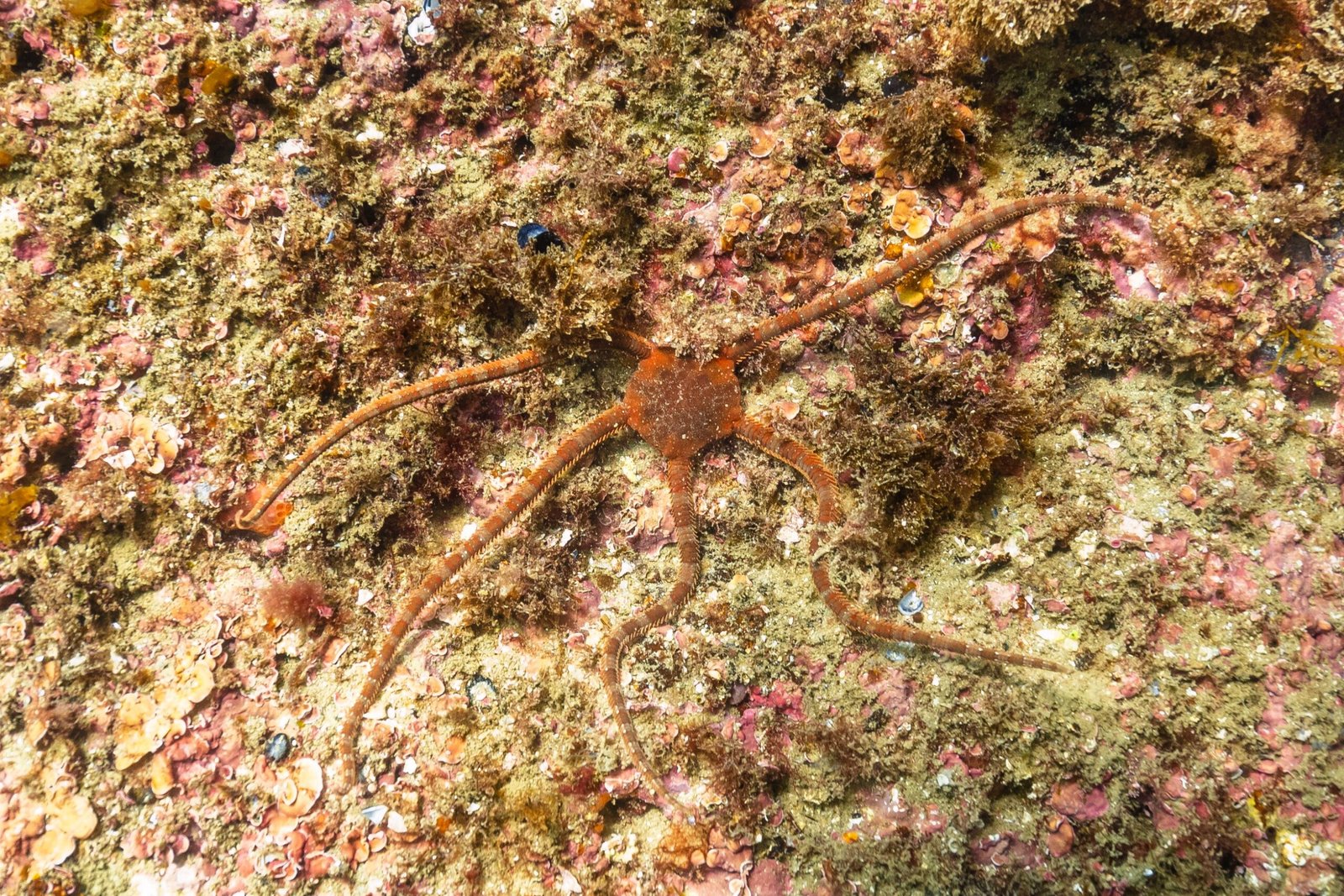
Think of the central disc as the starfish’s command center – it’s where all the magic happens. This small, often overlooked part contains the stomach, reproductive organs, and most crucially, the nerve ring that controls the entire creature.
When all arms are removed, the central disc becomes like a biological time bomb. It contains enough stored energy and essential organs to potentially survive, but it’s racing against the clock. The disc needs to quickly begin the regeneration process before its limited resources run out.
What makes this even more incredible is that the central disc is typically only about 10-20% of the starfish’s total body mass. Imagine if humans could survive and regrow their entire body from just their torso – that’s essentially what we’re talking about here.
The Science Behind Starfish Regeneration
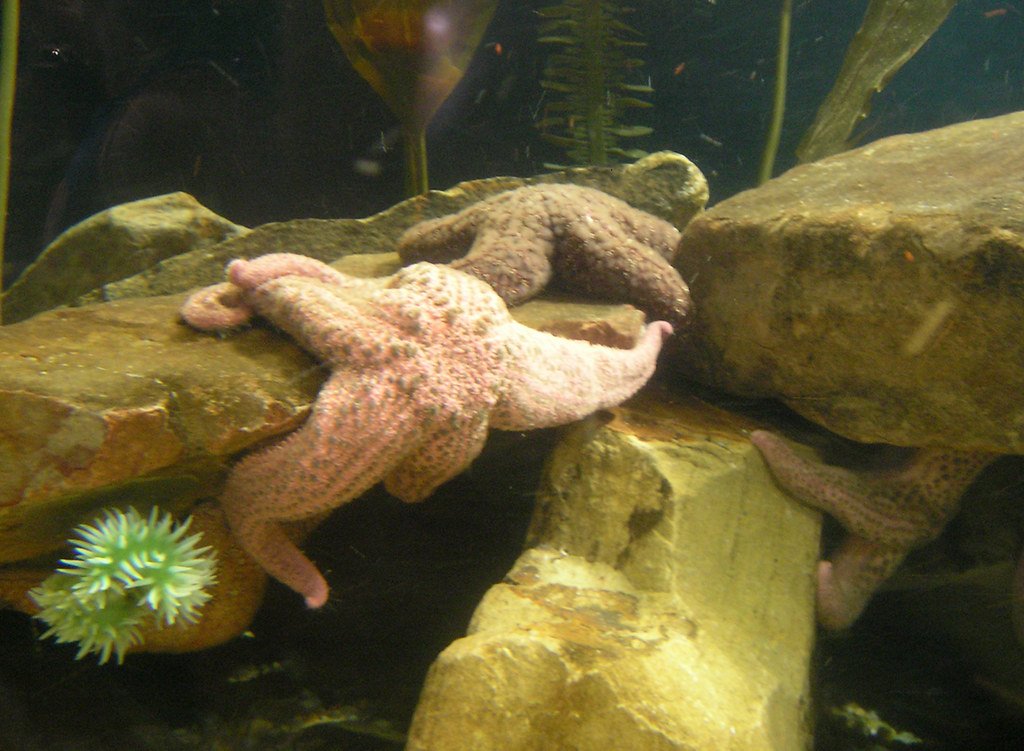
Starfish regeneration operates on principles that would make any science fiction writer jealous. The process involves something called “dedifferentiation” – specialized cells actually reverse their development and become stem-like cells again.
These newly flexible cells then receive chemical signals telling them what to become: muscle, nerve, skin, or internal organs. It’s like having a construction crew that can instantly switch between being electricians, plumbers, and carpenters based on what the building needs.
The regeneration process typically takes anywhere from several months to over a year, depending on the species and environmental conditions. During this time, the starfish is incredibly vulnerable – it can’t move effectively, hunt properly, or defend itself from predators.
Survival Odds: The Brutal Reality

Let’s be brutally honest here – the survival rate for a starfish with all arms removed is dramatically lower than one with even a single arm remaining. Studies suggest that survival rates can drop to as low as 10-30% when the central disc alone must carry the regeneration burden.
The odds depend heavily on the species, the health of the starfish before the trauma, water temperature, food availability, and the precision of the amputation. A clean cut heals better than a ragged tear, just like with human wounds.
Environmental stress factors like pollution, temperature fluctuations, or disease can turn an already challenging situation into a death sentence. The starfish essentially becomes a patient in intensive care, where every external factor matters enormously.
The Regeneration Timeline: A Month-by-Month Journey
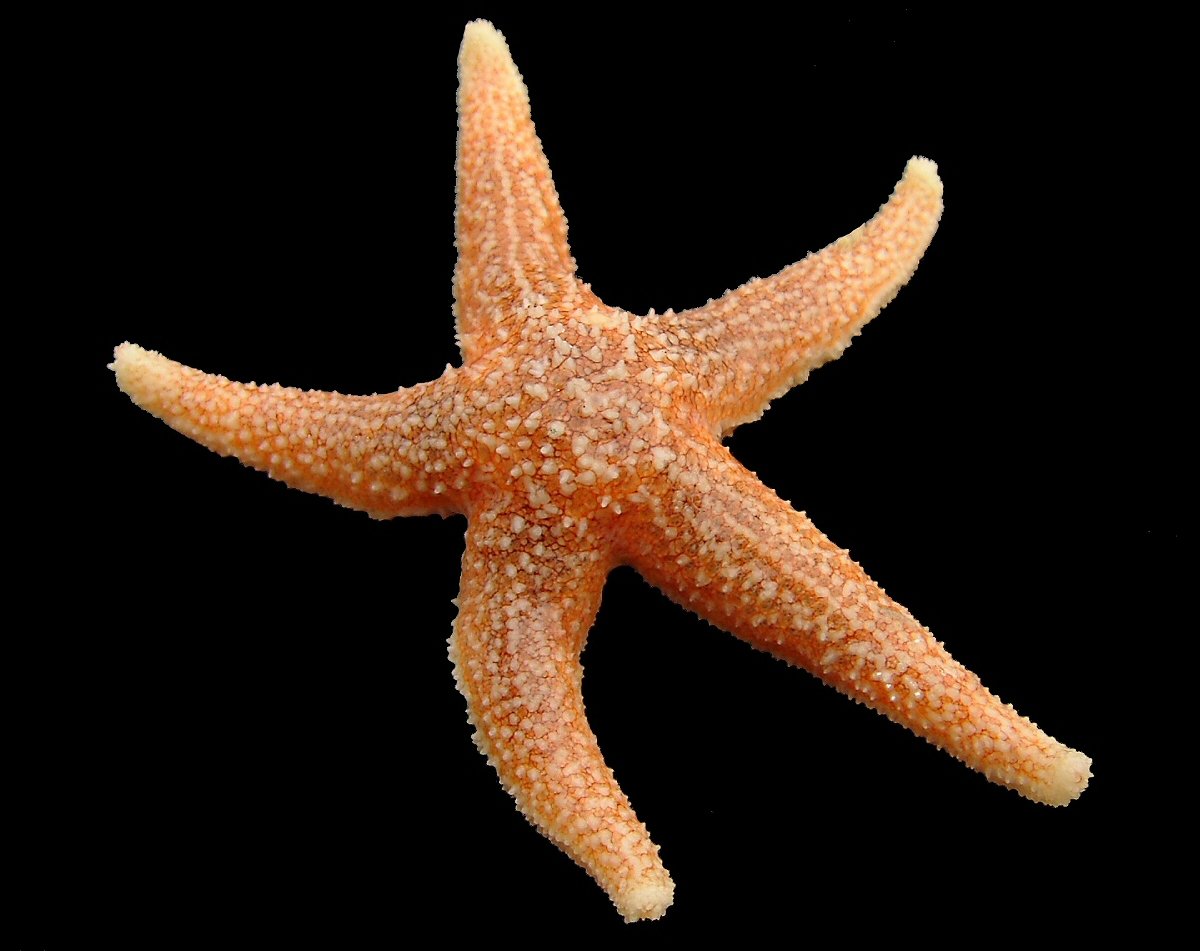
The first few days are absolutely critical – this is when the starfish must successfully seal its wounds and prevent infection. Think of it as emergency surgery where the patient is also the surgeon.
Within the first month, tiny arm buds begin to appear if the regeneration process is successful. These look like small bumps and grow incredibly slowly at first. By month three, these buds start to resemble miniature starfish arms.
The complete regeneration process can take up to two years for larger species. During this entire time, the starfish remains significantly smaller and more vulnerable than its original size, making it an easy target for predators and environmental challenges.
Species Differences: Not All Starfish Are Created Equal
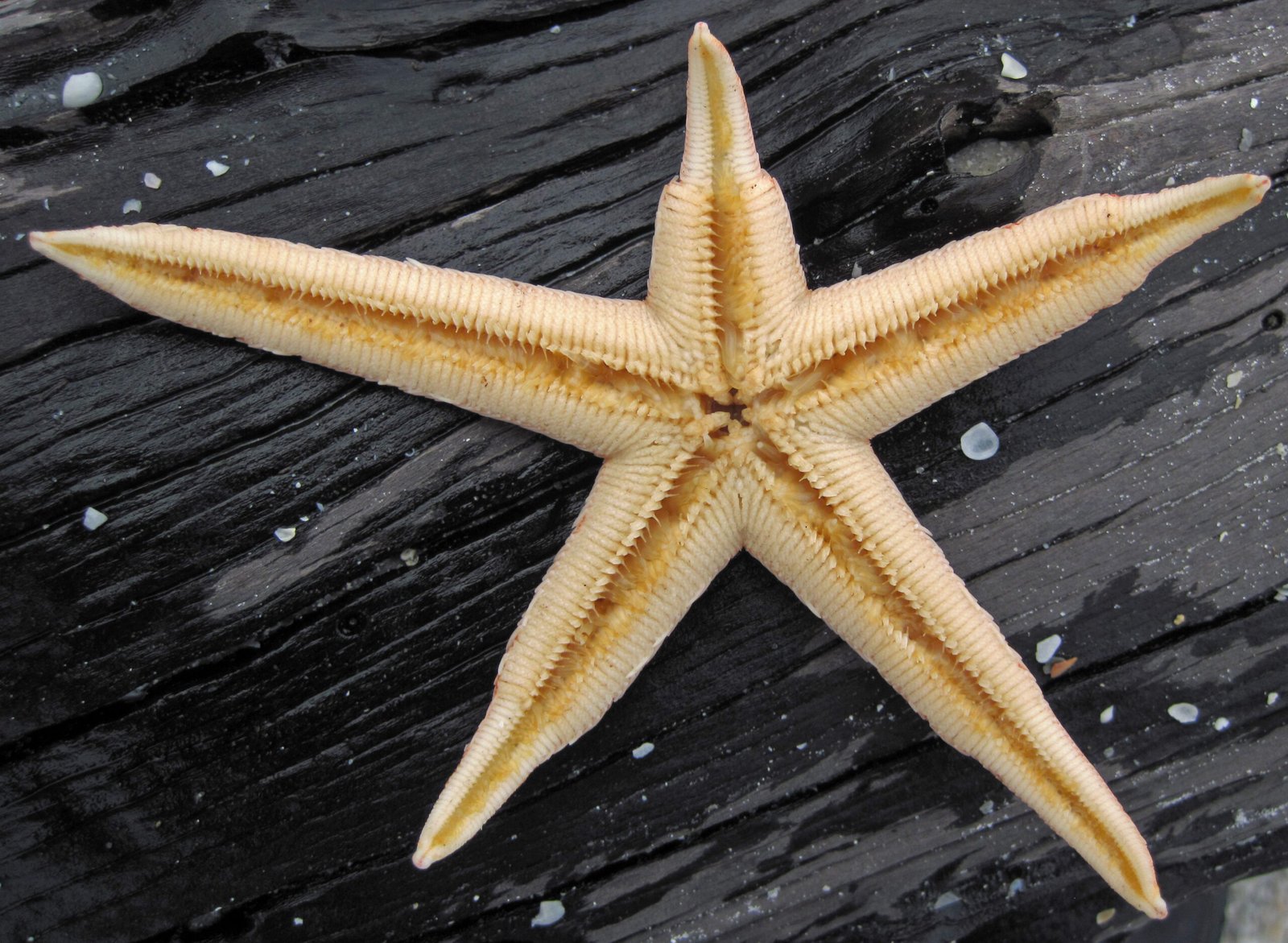
Some starfish species are regeneration superstars, while others struggle even with minor injuries. The common five-armed sea star (Asterias rubens) shows remarkable resilience, while more specialized species like the crown-of-thorns starfish have varying regeneration abilities.
Smaller species often regenerate faster than their giant cousins, possibly because they require less total tissue replacement. It’s like the difference between rebuilding a cottage versus reconstructing a mansion – both are possible, but one takes considerably more resources and time.
Some tropical species have evolved enhanced regeneration abilities as a survival strategy in their predator-rich environments, while Arctic species tend to regenerate more slowly due to their cold-water metabolism.
The Energy Crisis: Fueling Regeneration
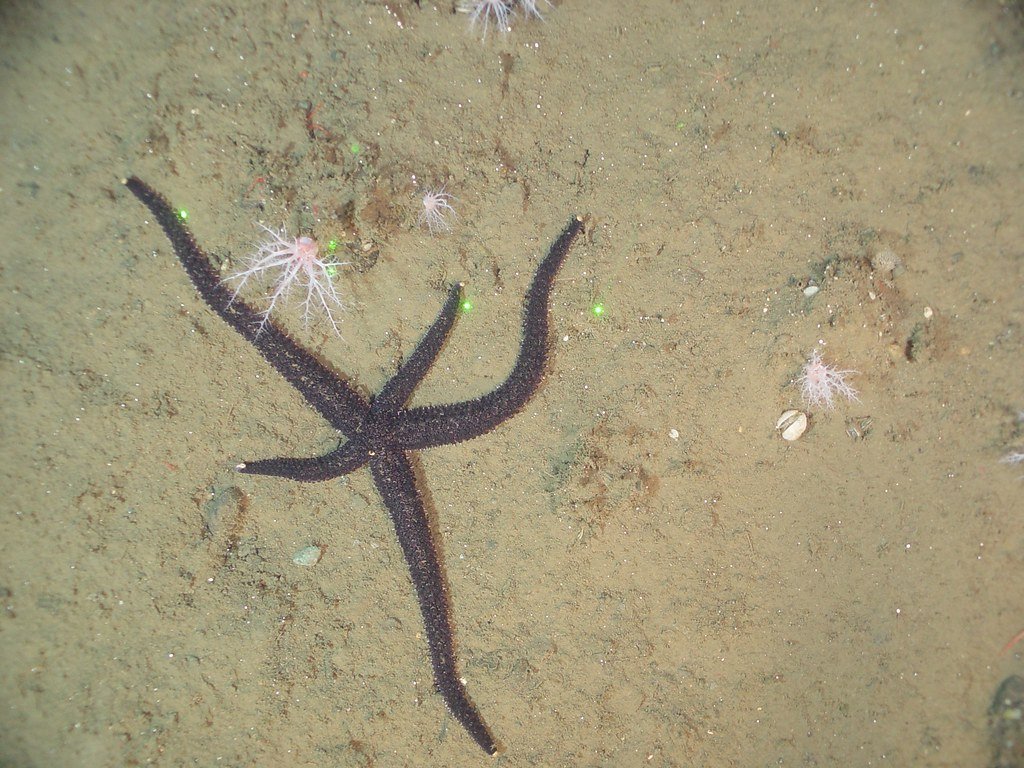
Regenerating an entire body is like running five marathons while building a house – it requires enormous amounts of energy. A starfish without arms faces a cruel paradox: it needs energy to regenerate, but it has lost its primary tools for obtaining food.
The central disc contains some stored nutrients, but these reserves are limited and must be carefully rationed. The starfish essentially goes into a biological hibernation mode, slowing down all non-essential functions to conserve energy for regeneration.
This energy crisis explains why many armless starfish don’t survive – they simply run out of fuel before completing the regeneration process. It’s nature’s version of a race against time with life-or-death stakes.
Feeding Challenges: How Does an Armless Starfish Eat?
Here’s where things get really interesting and a bit disturbing. Starfish are notorious for their unusual feeding method – they actually push their stomach outside their body to digest prey externally. Without arms, this process becomes nearly impossible.
An armless starfish can still potentially feed on very small particles that drift directly to its central disc, but it can’t hunt, manipulate prey, or position itself for optimal feeding. It’s like trying to eat dinner with your hands tied behind your back – technically possible but extremely challenging.
Some species can absorb dissolved nutrients directly through their skin, which becomes crucial during the armless regeneration period. This backup feeding method is incredibly inefficient but can provide just enough sustenance to keep the regeneration process going.
Mobility Issues: Life Without Locomotion
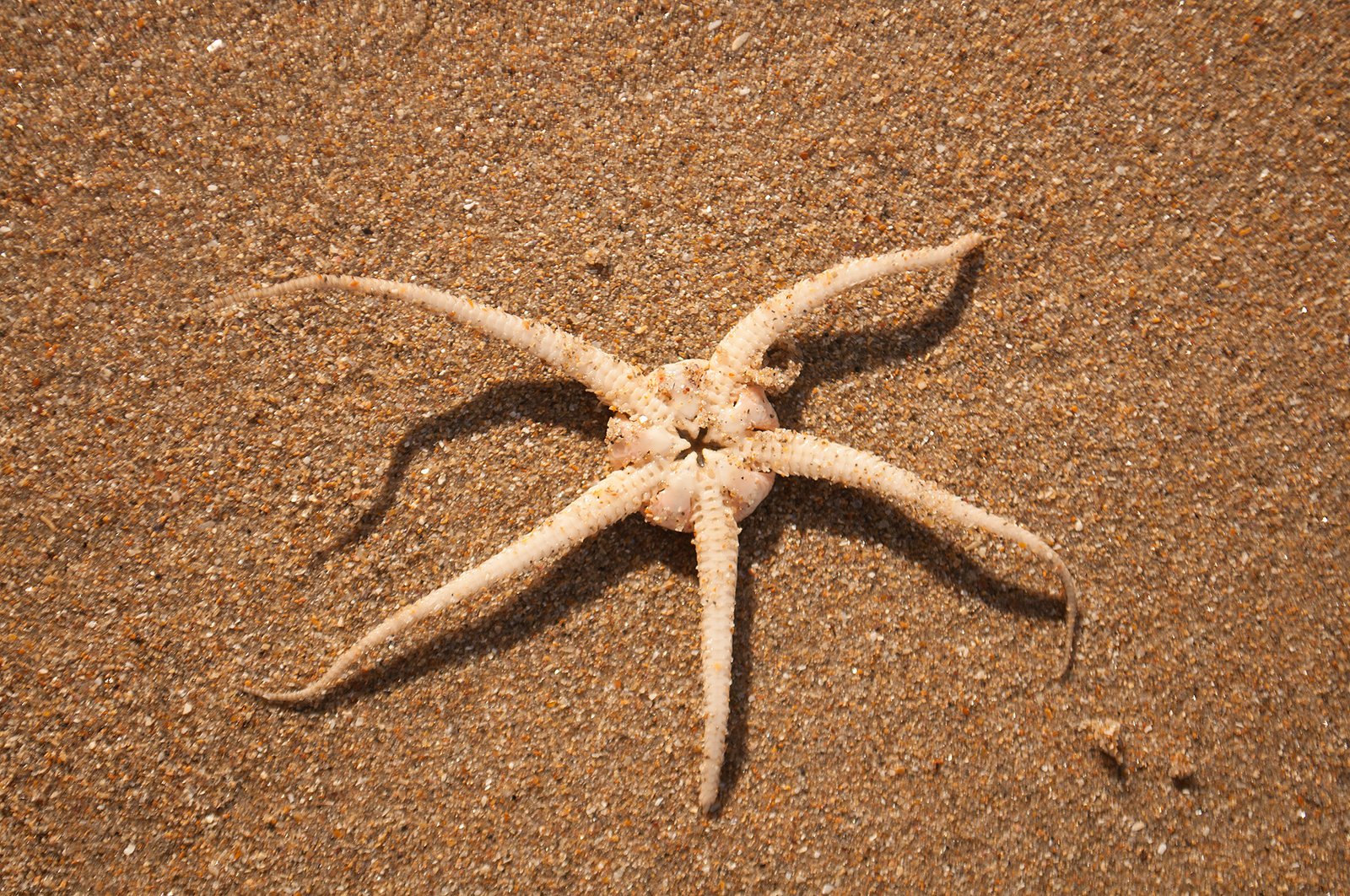
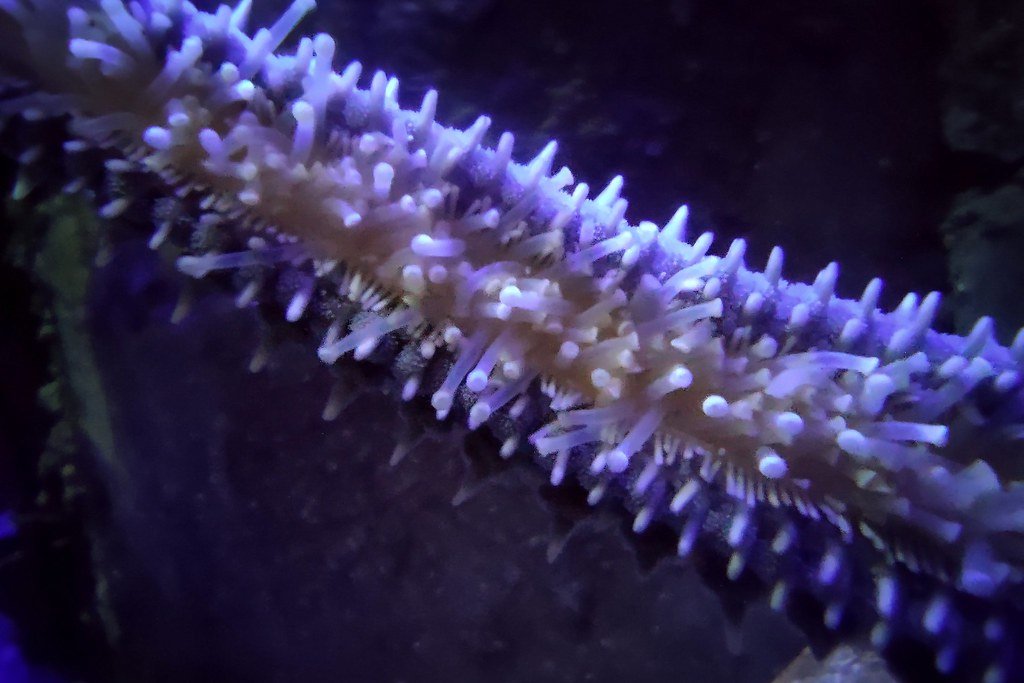
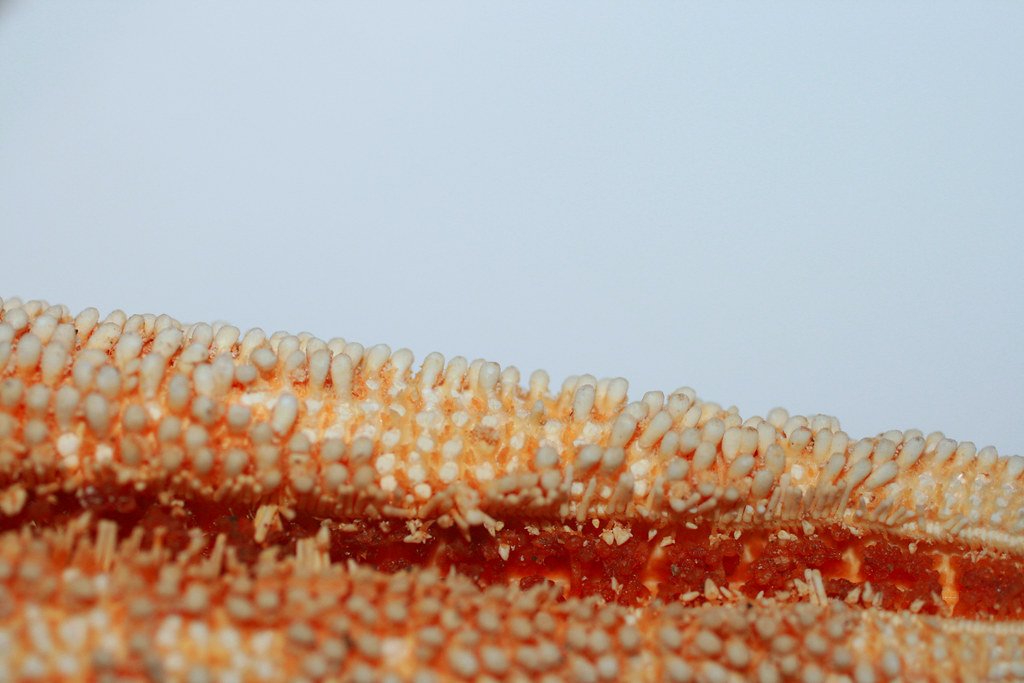
Starfish move using hundreds of tiny tube feet located along their arms – no arms means no movement. An armless starfish becomes essentially a living rock, completely dependent on water currents for any change in position.
This immobility creates a cascade of survival problems. The starfish can’t escape from predators, move to areas with better food sources, or position itself in optimal water conditions. It’s stuck wherever it happens to be when the arms are lost.
The psychological impact might seem irrelevant, but even simple creatures experience stress responses to their inability to control their environment. This stress can actually slow down the regeneration process, creating another barrier to survival.
Predator Vulnerability: A Sitting Duck
Without arms, a starfish becomes like a buffet table for predators. Crabs, fish, and other marine creatures that might normally avoid a healthy starfish suddenly see easy prey. The usual defensive strategies – gripping tightly to surfaces, changing body position, or even self-amputation as a distraction – are all impossible.
The regenerating central disc is also incredibly fragile. Even a small bite from a curious fish or a bump from a passing crab can damage the delicate regeneration process and potentially kill the starfish.
Some starfish species try to burrow into sand or hide in crevices during regeneration, but without arms, even these basic survival behaviors become extremely difficult or impossible to execute effectively.
Water Quality: The Make-or-Break Factor

Clean, well-oxygenated water becomes absolutely critical for an armless starfish. The regeneration process requires optimal conditions, and any pollution, temperature stress, or oxygen depletion can quickly overwhelm the creature’s limited reserves.
Ocean acidification, warming waters, and chemical pollutants hit regenerating starfish particularly hard. They’re like patients in intensive care – what might be a minor environmental stress for a healthy starfish can be fatal for one trying to regrow its entire body.
Interestingly, some starfish seem to have a better chance of survival in deeper, more stable waters where temperature and chemical conditions remain consistent. Shallow, fluctuating environments present additional challenges during the vulnerable regeneration period.
The Cellular Miracle: What Actually Happens at the Microscopic Level

At the cellular level, starfish regeneration is absolutely extraordinary. Specialized cells called neoblasts migrate to the amputation sites and begin forming what scientists call “regeneration blastemas” – basically cellular construction zones where new tissue develops.
These cellular workers don’t just randomly build new tissue; they follow complex genetic blueprints that tell them exactly how to recreate the lost arms. It’s like having a construction crew with perfect architectural plans and the ability to manufacture their own building materials.
The most mind-blowing part is that these cells can actually communicate with each other across long distances within the starfish body, coordinating the regeneration of multiple arms simultaneously. It’s biological teamwork at its finest.
Historical Attempts: What Researchers Have Discovered
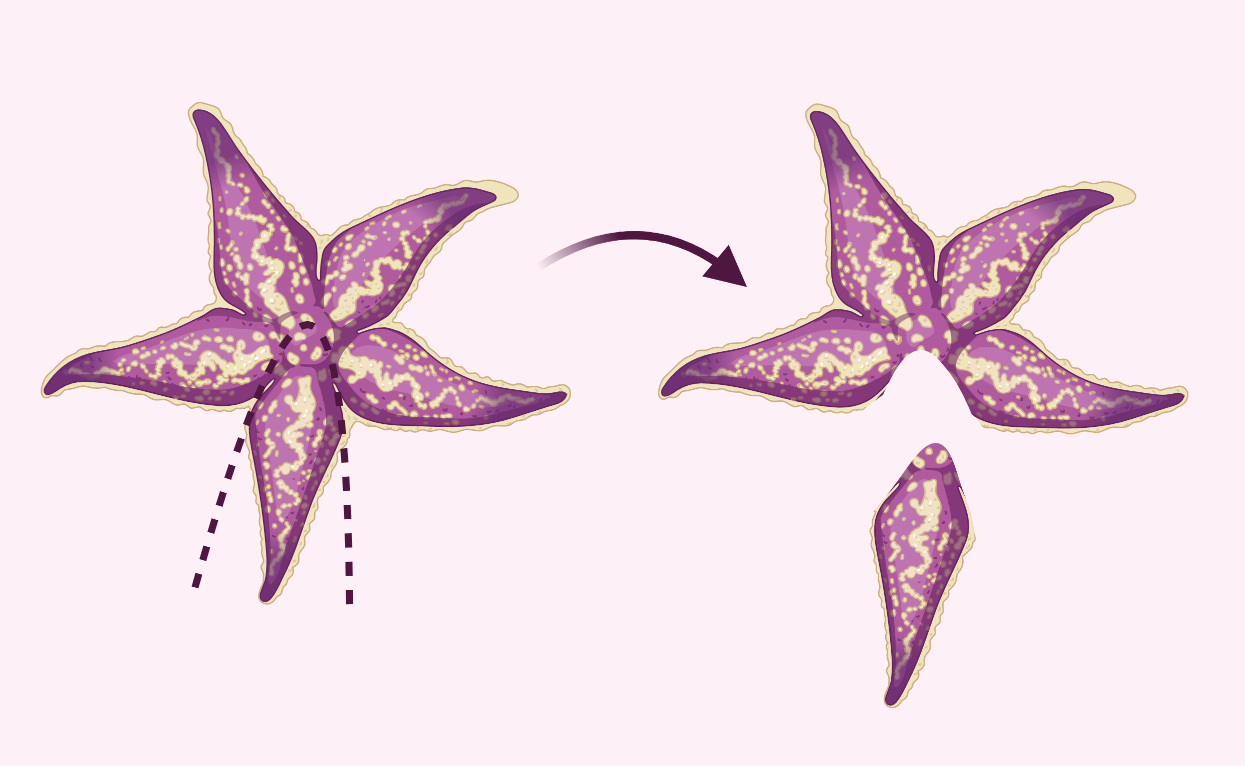
Scientists have been deliberately removing starfish arms for over a century to study regeneration. Early experiments in the 1900s first revealed that starfish could survive extreme amputations, sparking decades of research into this remarkable ability.
Modern laboratory studies using controlled conditions show significantly higher survival rates than what likely occurs in nature. In sterile, temperature-controlled environments with optimal nutrition, some species can achieve survival rates of 60-80% even after complete arm removal.
These experiments have revealed that the timing of amputation, the method used, and immediate post-amputation care dramatically influence survival outcomes. It’s taught researchers that regeneration success isn’t just about biology – environmental factors play an enormous role.
Evolutionary Advantages: Why This Ability Exists
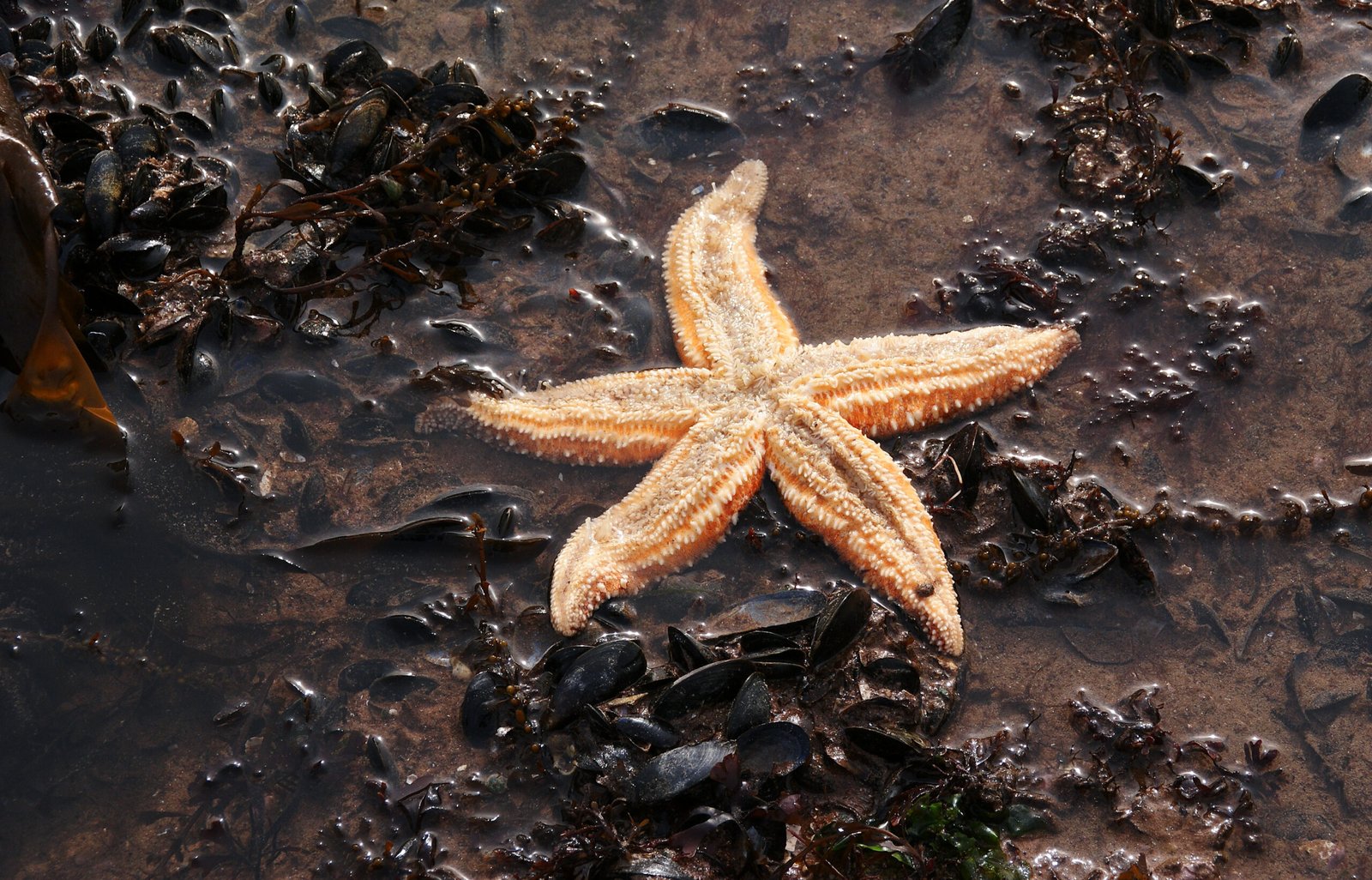
The ability to regenerate from extreme damage didn’t evolve by accident – it’s a powerful survival strategy in the harsh marine environment. Starfish face constant threats from predators, storms, and environmental hazards that can cause severe injuries.
In evolutionary terms, even a small chance of surviving complete arm loss provides a significant advantage over species that would simply die from such injuries. It’s like having an ultimate insurance policy that occasionally pays off in spectacular fashion.
This regeneration ability also allows starfish to use self-amputation as a defensive strategy. When grabbed by a predator, they can intentionally shed arms to escape – knowing they have a chance to regrow them later.
Medical Implications: What Starfish Teach Us About Healing
The regeneration abilities that allow starfish to potentially survive complete arm loss are revolutionizing human medicine. Researchers are studying starfish genes and cellular processes to develop new treatments for human injuries and diseases.
Understanding how starfish cells dedifferentiate and redifferentiate could lead to breakthroughs in treating spinal cord injuries, organ damage, and even certain cancers. It’s like having a master class in biological repair from nature’s own experts.
Current research focuses on identifying the specific molecular signals that trigger and control regeneration. Scientists hope to eventually apply these discoveries to help humans regenerate damaged tissues and organs.
Environmental Impact: When Nature Gets Aggressive
Interestingly, humans have historically tried to control starfish populations by cutting them up, not realizing this could actually increase their numbers. Frustrated fishermen would chop up starfish eating their oyster beds, only to potentially create more starfish through regeneration.
This backfire effect led to better understanding of starfish biology and more effective population control methods. It also highlighted how little we initially understood about these creatures’ remarkable survival abilities.
Today, climate change and ocean acidification are creating new challenges for starfish regeneration. Environmental stresses that didn’t exist historically are making it harder for injured starfish to successfully complete the regeneration process.
The Regeneration Race: Speed Matters
Time is absolutely critical when a starfish loses all its arms. The faster regeneration begins, the better the survival chances. Some species can start showing regeneration signs within days, while others take weeks to begin the process.
Temperature plays a huge role in regeneration speed. Warmer waters generally accelerate the process, but too much heat can stress the starfish and actually slow things down. It’s a delicate balance that varies by species and location.
The “golden window” for successful regeneration appears to be the first two weeks after amputation. If a starfish can survive this critical period and begin showing regeneration signs, its long-term survival chances improve dramatically.
Practical Survival Tips: Maximizing Recovery Chances

If you ever encounter an armless starfish in nature, there are actually ways to help improve its survival odds. Moving it to a protected area with good water flow and minimal predator activity can make a significant difference.
Avoiding further disturbance is crucial – handling a regenerating starfish can damage delicate new tissue and set back the recovery process by weeks or months. Sometimes the best help is leaving the creature alone to focus its energy on regeneration.
In aquarium settings, providing optimal water conditions, gentle filtration, and protection from aggressive tank mates can dramatically improve survival rates. It’s like creating a recovery room for a patient undergoing major surgery.
The starfish’s ability to potentially survive the loss of all its arms represents one of nature’s most remarkable survival stories. While the odds are challenging and the journey is fraught with danger, the very possibility challenges our understanding of what constitutes fatal injury in the natural world. These creatures demonstrate that with the right biological tools and environmental conditions, even seemingly impossible recoveries can occur. The next time you see a starfish clinging to a rock, remember that you’re looking at one of evolution’s most incredible regeneration machines – a living testament to life’s extraordinary resilience and adaptability.