Picture this: a mother elephant in the African savanna communicates with her calf through subtle trunk movements, while thousands of miles away, an AI system captures and analyzes every gesture with precision no human observer could match. This isn’t science fiction anymore. We’re living in an era where artificial intelligence is revolutionizing how we understand, study, and interact with the animal kingdom in ways that seemed impossible just a decade ago.
Machine Learning Meets the Wild

The fusion of artificial intelligence with animal behavior research has created unprecedented opportunities to decode the mysteries of wildlife communication and social structures. Machine learning algorithms can now process thousands of hours of animal footage in minutes, identifying patterns that would take human researchers years to discover.
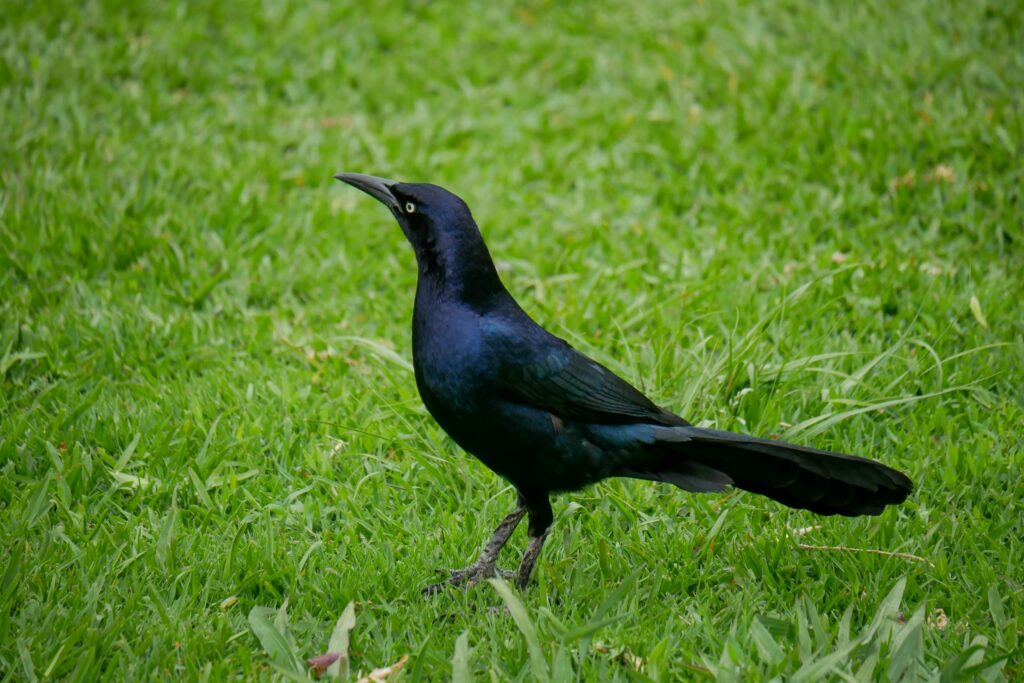
This technological breakthrough is particularly striking when we consider how it mirrors the way animals themselves learn. Just as a young bird learns to sing by listening to countless repetitions from its parents, AI systems learn to recognize animal behaviors through exposure to massive datasets. The difference? AI never gets tired, never loses focus, and can simultaneously track dozens of individuals across vast territories.
Research teams worldwide are deploying these systems to study everything from honeybee dance languages to wolf pack hierarchies. The results are already reshaping our understanding of animal intelligence and social complexity in profound ways.
Computer Vision Transforms Wildlife Monitoring

Traditional wildlife monitoring relied heavily on human observers who could only track a limited number of animals for short periods. Computer vision technology has shattered these limitations, enabling researchers to monitor entire ecosystems 24/7 with unprecedented accuracy.
Advanced cameras equipped with AI processors can now distinguish between individual animals based on unique markings, behavioral patterns, and even subtle differences in movement styles. Think of it like having a photographic memory that never forgets a face, except it works with stripes, spots, and scars instead of human features.
These systems have proven especially valuable in studying nocturnal species and animals in remote locations where human presence would be disruptive or dangerous. The technology is so sophisticated that it can detect stress behaviors in animals before human observers would even notice something was wrong.
Acoustic Analysis Unlocks Animal Languages

The world of animal communication is far richer than most people realize, and AI is helping us crack codes that have remained mysterious for centuries. Sophisticated acoustic analysis software can now isolate individual animal calls from complex soundscapes, identifying not just species but individual animals and their emotional states.
Dolphins, for instance, have signature whistles that function like names, and AI systems can now track these vocal signatures across vast ocean territories. Similarly, researchers studying bird migration patterns use AI to analyze calls that reveal information about flock coordination, navigation decisions, and even weather predictions.
The implications extend far beyond academic curiosity. Understanding animal communication patterns could help us predict natural disasters, as many species exhibit distinct vocal behaviors before earthquakes, storms, or other environmental changes.
GPS Tracking Gets an AI Upgrade

While GPS collars have been used in wildlife research for decades, AI has transformed them from simple location trackers into sophisticated behavioral analysis tools. Modern AI-enhanced GPS systems don’t just tell us where an animal is – they predict where it’s going and why.
These smart tracking systems can identify hunting patterns, territorial behaviors, and social interactions with remarkable precision. For example, AI can determine whether a predator is actively hunting or simply traveling based on subtle changes in movement speed and direction patterns.
Conservation efforts have been revolutionized by this technology, as researchers can now predict human-wildlife conflict situations before they occur. This predictive capability has already saved countless lives on both sides of the species divide.
Behavioral Pattern Recognition Reveals Hidden Secrets

Animals follow behavioral patterns that are often invisible to human observers but crystal clear to AI systems trained to recognize them. These patterns can reveal everything from emotional states to health conditions, mating readiness to social hierarchies.
Consider how a trained AI system can identify signs of illness in livestock days before symptoms become apparent to farmers. By analyzing subtle changes in movement patterns, feeding behaviors, and social interactions, the technology provides early warning systems that can prevent disease outbreaks.
Wildlife researchers are using similar pattern recognition to study complex social behaviors like alliance formation in primates, cooperative hunting strategies in carnivores, and decision-making processes in migratory species. The insights gained are fundamentally changing how we view animal intelligence and social organization.
Sensor Networks Create Living Laboratories

Imagine turning entire ecosystems into sophisticated research laboratories where every interaction is monitored and analyzed in real-time. That’s exactly what’s happening with AI-powered sensor networks that can track everything from temperature and humidity to animal movements and vocalizations.
These networks consist of hundreds or thousands of interconnected sensors that communicate with each other and central AI systems. When a wolf howls in Yellowstone, sensors across the park can triangulate the location, identify the individual wolf, and even determine the purpose of the call based on contextual data.
The technology has revealed surprising discoveries about ecosystem interconnectedness. For instance, researchers discovered that beaver dam construction in one area can influence bird migration patterns miles away, connections that would have been impossible to identify without comprehensive sensor networks.
Facial Recognition for the Animal Kingdom

Just as facial recognition technology helps identify humans in crowds, AI systems can now distinguish between individual animals with extraordinary accuracy. This capability has proven invaluable for long-term behavioral studies that require tracking specific individuals over months or years.
The technology works differently for different species. For tigers, AI focuses on stripe patterns that are as unique as human fingerprints. For elephants, the systems analyze ear shapes and wrinkle patterns. Primates are identified through facial features remarkably similar to human recognition systems.
This individual identification capability has transformed wildlife conservation efforts. Park rangers can now instantly identify poached animals, track breeding success rates, and monitor the health status of endangered populations with unprecedented precision. The emotional impact is profound when you realize that each data point represents a unique individual with its own story and relationships.
Predictive Analytics for Conservation Planning
AI’s ability to predict future scenarios based on current data patterns is revolutionizing conservation strategy development. These predictive models can forecast everything from population trends to habitat requirements, helping conservationists make informed decisions about resource allocation and protection priorities.
Climate change modeling has become particularly sophisticated, with AI systems predicting how shifting weather patterns will affect animal migration routes, breeding cycles, and food availability. These predictions are already informing corridor planning for wildlife crossings and protected area expansion projects.
The technology has also proven invaluable in anti-poaching efforts. By analyzing historical poaching patterns, ranger patrol routes, and environmental conditions, AI systems can predict where illegal activities are most likely to occur and deploy resources accordingly.
Real-Time Behavioral Interventions

Perhaps one of the most exciting applications of AI in animal behavior studies is the ability to intervene in real-time when animals face immediate threats or challenges. Smart collars equipped with AI processors can detect distress signals and automatically alert rescue teams or trigger deterrent systems.
Marine mammals wearing AI-enabled tags can transmit distress signals when they become entangled in fishing nets or approach dangerous shipping lanes. The systems can even automatically activate lights or sounds to guide animals away from hazardous areas without human intervention.
This real-time intervention capability represents a fundamental shift from passive observation to active protection. It’s like having a guardian angel for every tracked animal, constantly monitoring their wellbeing and ready to call for help when needed.
Training Algorithms on Animal Data

The process of teaching AI systems to understand animal behavior requires massive amounts of carefully annotated data. Researchers spend countless hours labeling behaviors, identifying individuals, and verifying AI predictions to ensure accuracy and reliability.
This training process itself has become a valuable research tool. As scientists work to teach AI systems what constitutes normal versus abnormal behavior, they often discover subtle behavioral patterns they had previously overlooked. It’s a symbiotic relationship where human expertise enhances AI capabilities, while AI analysis reveals new insights for human researchers.
The quality of AI predictions depends entirely on the quality of training data, which has led to new standards for data collection and analysis in animal behavior research. Every observation must be precise, every label accurate, because the AI system will learn to replicate whatever patterns it’s shown.
Cross-Species Communication Studies

One of the most fascinating applications of AI in animal behavior research involves studying communication between different species. These interspecies interactions were previously too complex and subtle for human researchers to fully analyze, but AI systems can track multiple communication channels simultaneously.
Research has revealed that many species engage in sophisticated cross-species communication. Birds and mammals often share alarm calls that warn other species about predators. Some plants even communicate with animals through chemical signals that attract beneficial insects while repelling harmful ones.
Understanding these communication networks is crucial for ecosystem management. When we protect one species, we need to understand how that decision will affect the entire web of relationships within the ecosystem. AI helps us map these invisible connections with unprecedented detail.
Emotion Recognition in Animal Subjects

The question of whether animals experience emotions has fascinated humans for centuries, and AI is providing new tools to explore this complex topic. Advanced emotion recognition systems can identify physiological and behavioral markers associated with different emotional states in various species.
Facial expression analysis in primates has revealed emotional complexity that rivals human experience. AI systems can detect subtle changes in facial muscles that indicate everything from joy and playfulness to anxiety and grief. The technology has documented mourning behaviors in elephants and celebration behaviors in dolphins with scientific precision.
These emotional insights are transforming animal welfare standards across industries. Zoos, farms, and research facilities are using AI emotion recognition to ensure animal wellbeing and identify stress factors that might not be apparent to human caretakers. The ethical implications are profound when we consider how this technology might change our relationship with the animal kingdom.
Migration Pattern Analysis Through AI

Animal migration represents one of nature’s most spectacular phenomena, and AI is revealing the incredible complexity behind these epic journeys. Traditional tracking methods could only provide snapshots of migration routes, but AI systems can now analyze the decision-making processes that guide these remarkable travels.
Weather pattern analysis combined with animal movement data shows how migrating species make real-time navigation decisions based on environmental conditions. Birds adjust their flight paths to take advantage of favorable winds, while marine animals navigate using magnetic fields and ocean currents in ways that researchers are only beginning to understand.
Climate change is disrupting traditional migration patterns, and AI models are predicting how species will adapt to these changes. Some migrations are happening earlier in the year, while others are taking entirely new routes. This information is crucial for protecting critical habitat areas and ensuring migration corridors remain viable.
Social Network Analysis in Animal Communities
Just like humans, animals form complex social networks with relationships that influence behavior, survival, and reproduction. AI systems can map these social structures with remarkable detail, revealing the hidden hierarchies and alliances that govern animal communities.
Elephant herds, for example, have sophisticated matriarchal societies where experience and knowledge are passed down through generations. AI analysis of social interactions shows how younger elephants learn essential survival skills by observing and mimicking older family members. These social learning networks are far more complex than previously understood.
The implications extend to conservation efforts, as protecting key individuals in social networks can have disproportionate impacts on entire communities. When AI identifies the most influential members of animal societies, conservation resources can be allocated more effectively to protect these crucial individuals.
Automated Data Collection in Remote Environments

Many of the world’s most interesting animal behaviors occur in locations where human presence is impossible or inadvisable. AI-powered systems are revolutionizing research in these remote environments by providing continuous, automated data collection without human intervention.
Deep ocean research platforms equipped with AI can operate for months underwater, collecting data on marine life behaviors that occur thousands of feet below the surface. Similarly, high-altitude weather balloons with AI sensors track bird migration patterns through atmospheric layers that are inaccessible to traditional research methods.
These automated systems are particularly valuable in extreme environments like polar regions, where traditional research seasons are limited by weather conditions. AI systems can operate continuously through arctic winters, collecting data on how animals adapt to extreme conditions and seasonal changes.
Precision Agriculture Meets Animal Welfare

The agricultural industry is embracing AI-powered animal monitoring systems that prioritize both productivity and welfare. These systems represent a fundamental shift from traditional farming methods toward more humane and sustainable practices.
Smart farming systems can monitor individual animals within large herds, identifying health issues, nutritional needs, and behavioral abnormalities before they become serious problems. The technology can detect lameness in dairy cows days before it becomes visible to human observers, allowing for early intervention that prevents suffering and improves productivity.
The economic benefits are substantial, but the welfare improvements are equally important. AI systems ensure that each animal receives individualized care based on its specific needs and circumstances. This personalized approach represents a revolution in how we think about the relationship between technology, agriculture, and animal welfare.
Collaborative AI Research Networks

The complexity of animal behavior research has led to the development of collaborative AI networks where researchers worldwide share data, algorithms, and insights. These networks are accelerating discovery by combining expertise and resources from institutions across the globe.
Standardized data formats and analysis protocols allow researchers to combine datasets from different locations and species, creating comprehensive databases that reveal global patterns in animal behavior. A study of bird migration in North America can be enhanced by incorporating data from European and Asian research teams.
Open-source AI tools are democratizing animal behavior research, allowing smaller institutions and developing countries to participate in cutting-edge studies. This collaborative approach is essential for addressing global conservation challenges that require international cooperation and shared resources.
Future Frontiers in AI Animal Research

The future of AI in animal behavior studies promises even more remarkable breakthroughs as technology continues to advance. Quantum computing could enable analysis of incredibly complex ecosystems in real-time, while advances in miniaturization will make it possible to study even the smallest species without interference.
Brain-computer interfaces designed for animals could provide direct insights into animal cognition and decision-making processes. Imagine being able to understand what an animal is thinking as it makes crucial survival decisions or interacts with its environment.
The integration of AI with genetic research is opening new frontiers in understanding how behavior is influenced by both nature and nurture. These insights could revolutionize conservation breeding programs and help us understand how species might adapt to rapidly changing environments.
Ethical Considerations and Responsible AI

As AI becomes more powerful in animal research, ethical considerations become increasingly important. The technology that enables us to study animals more effectively also raises questions about privacy, consent, and the impact of constant monitoring on natural behaviors.
Researchers are developing ethical guidelines for AI use in animal studies that balance scientific benefits with animal welfare concerns. These guidelines address issues like data ownership, research transparency, and the responsibility to use insights gained from AI research for conservation and welfare improvements.
The goal is to ensure that AI serves animals’ interests as well as human curiosity. Every technological advancement should ultimately contribute to better understanding, protection, and coexistence with the species we share this planet with.
The Revolution Is Just Beginning

We’re witnessing the dawn of a new era in animal behavior research, where artificial intelligence is not just enhancing our understanding but fundamentally transforming how we relate to the natural world. From individual animal emotions to ecosystem-wide communication networks, AI is revealing the incredible complexity and beauty of animal life in ways we never thought possible.
The implications extend far beyond academic research. This technology is reshaping conservation strategies, improving animal welfare standards, and helping us navigate the challenges of human-wildlife coexistence in an increasingly crowded world. As AI systems become more sophisticated and accessible, we can expect even more groundbreaking discoveries that will change how we see ourselves within the broader community of life on Earth.
The marriage of technology and biology is creating opportunities for deeper empathy and understanding between humans and animals. Every algorithm trained, every behavior decoded, and every insight gained brings us closer to a world where we can truly appreciate the rich inner lives of our fellow creatures. What discoveries await us as this technological revolution continues to unfold?