Imagine witnessing a fish casually stroll across your backyard, gasping for air just like you do after a morning jog. Sounds like something out of a science fiction movie, right? Well, prepare to have your mind blown because this incredible phenomenon isn’t fiction at all – it’s happening right now in muddy mangroves, shallow streams, and even suburban drainage ditches around the world.
The Mudskipper Phenomenon: Nature’s Amphibious Marvel
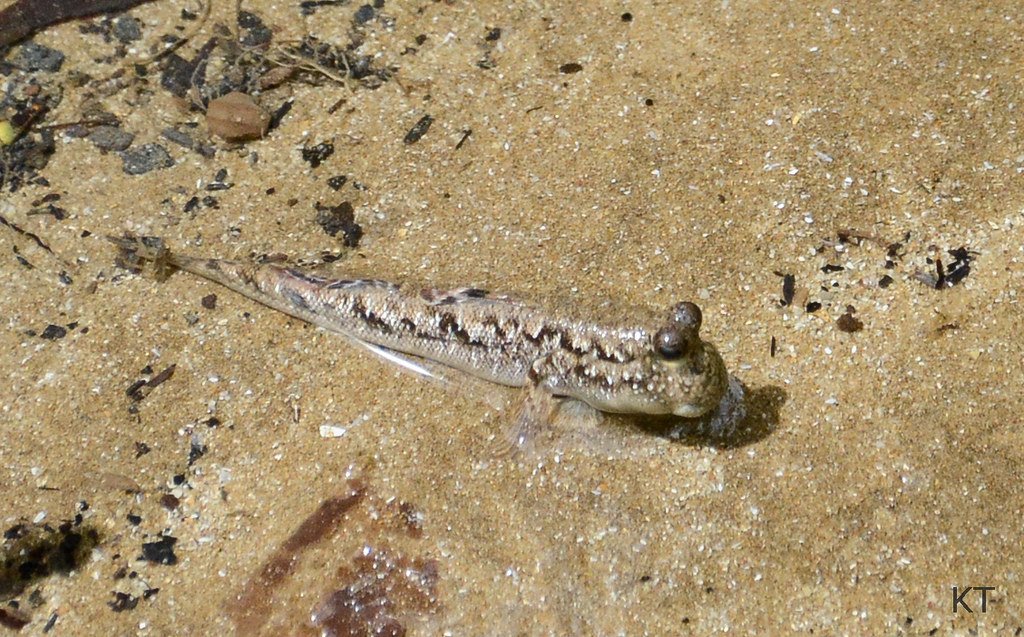
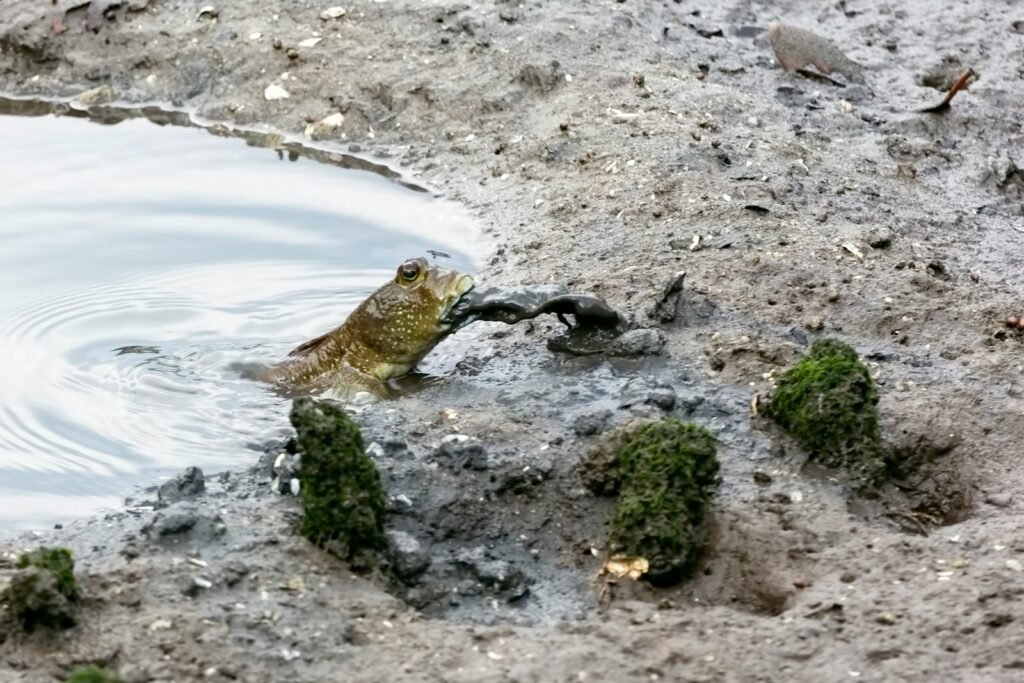
The mudskipper stands as nature’s most successful land-walking fish, defying everything we thought we knew about aquatic life. These remarkable creatures spend up to 90% of their time out of water, using their powerful pectoral fins like tiny legs to hop, skip, and even climb vertical surfaces.
What makes this even more astonishing is that mudskippers aren’t just surviving on land – they’re thriving. Males build elaborate mud towers to attract mates, engage in territorial battles that would make any land animal proud, and hunt insects with the precision of seasoned predators.
How These Amazing Fish Actually Breathe Air
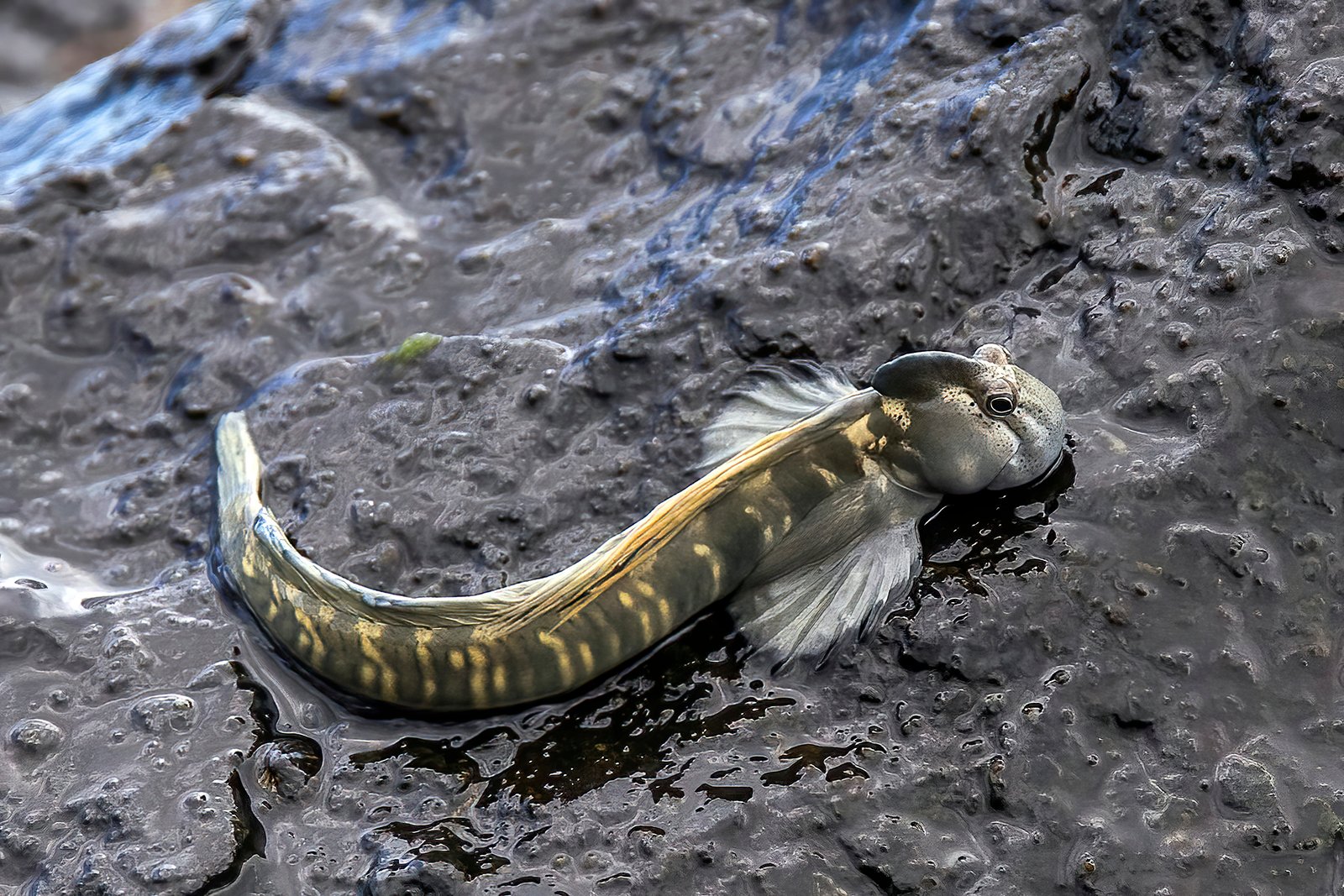
The secret to their land-dwelling success lies in their extraordinary respiratory system that puts even our own lungs to shame. Mudskippers have developed enlarged gill chambers that trap water, essentially creating portable underwater breathing apparatus that they carry wherever they go.
But here’s where it gets truly mind-blowing: they can also absorb oxygen directly through their skin and the lining of their mouth. This triple-threat breathing system allows them to stay active on land for hours, sometimes even days, without returning to water.
Think of it like having a scuba tank, snorkel, and backup oxygen supply all built into your body – that’s essentially what these incredible fish have evolved over millions of years.
The Walking Fish Arsenal: Fins That Function as Limbs

Their pectoral fins aren’t just swimming appendages anymore – they’ve transformed into muscular, arm-like structures that can support their entire body weight. These fins contain specialized muscles and joints that allow for surprisingly sophisticated movement patterns.
Mudskippers can actually “walk” using alternating fin movements, much like we use our arms and legs. Some species can even perform what scientists call “crutching,” where they prop themselves up on their fins and swing their tail forward, covering impressive distances with each stride.
The Climbing Champions of the Fish World
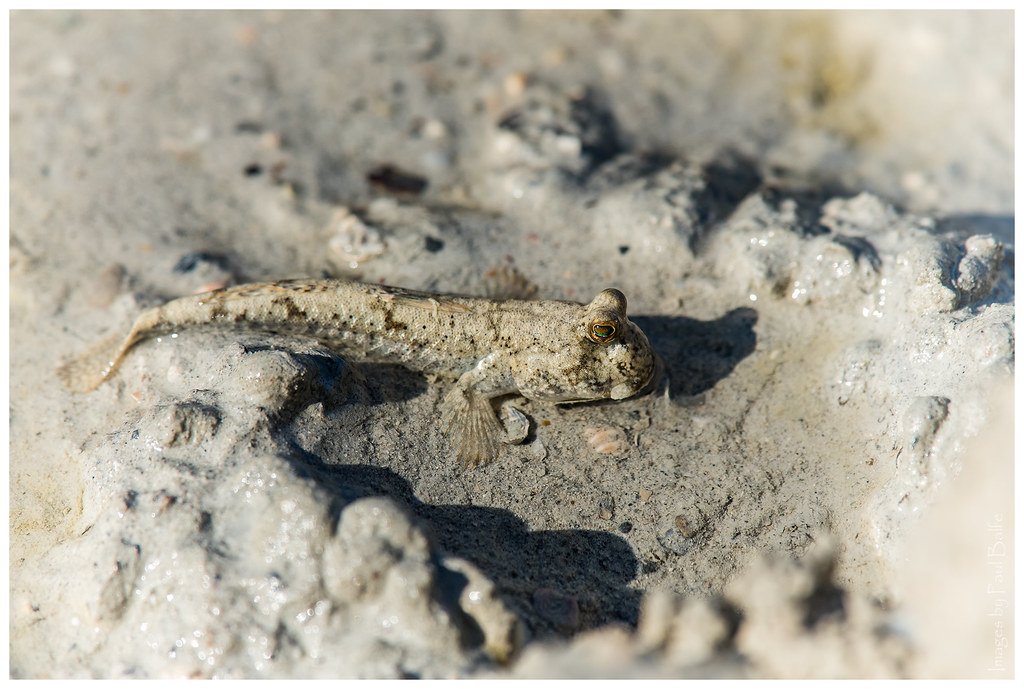
If walking wasn’t impressive enough, many mudskipper species are accomplished climbers that would make mountain goats jealous. They scale mangrove roots, rocks, and even vertical concrete walls using a combination of fin power and suction created by their specialized pelvic fins.
The giant mudskipper can climb heights of over six feet, essentially turning any shoreline into their personal jungle gym. They use their tail as a support brace and their fins as grappling hooks, creating a climbing technique that’s both efficient and surprisingly graceful.
Beyond Mudskippers: Other Land-Walking Fish Species
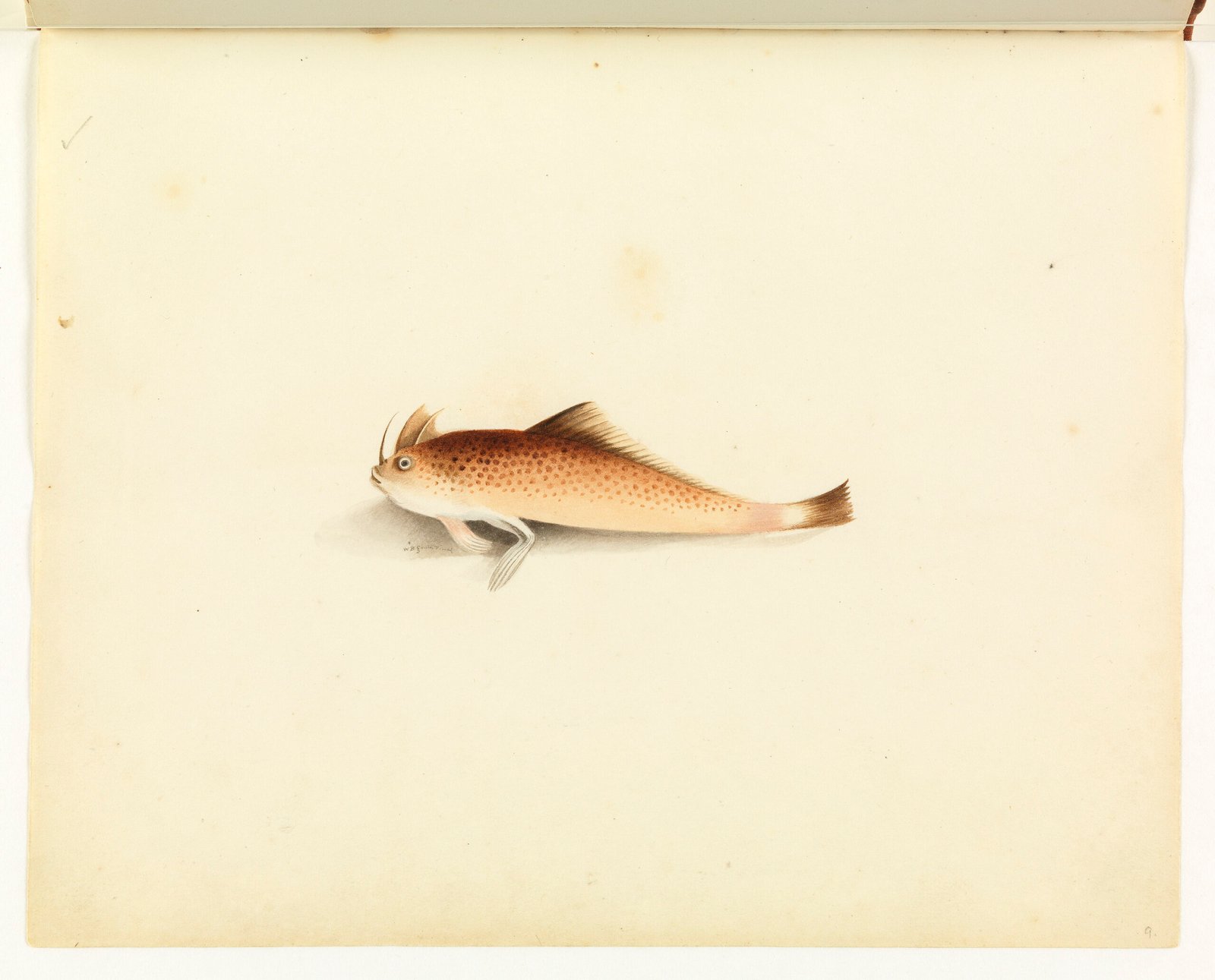
While mudskippers steal most of the spotlight, they’re not the only fish that have mastered the art of terrestrial travel. The walking catfish of Southeast Asia can traverse considerable distances overland, especially during monsoon seasons when they migrate between water bodies.
Climbing perch are another fascinating example, using their gill covers and fins to “walk” across dry land in search of new habitats. These fish have been documented traveling over half a mile on land, proving that the ability to walk isn’t exclusive to mudskippers.
The Evolutionary Journey: From Water to Land

The evolution of land-walking fish represents one of nature’s most remarkable adaptive success stories. Scientists believe these abilities developed as a response to challenging environmental conditions, including drought, competition for resources, and the need to escape predators.
Over millions of years, certain fish populations faced increasing pressure to survive in shallow, oxygen-poor waters that frequently dried up. Those with slightly better air-breathing capabilities and stronger fins had survival advantages, leading to the extraordinary adaptations we see today.
This evolutionary journey mirrors the transition that led to the very first vertebrates leaving water to colonize land over 400 million years ago.
Territorial Battles and Land-Based Social Behavior

These walking fish don’t just use land as a temporary refuge – they’ve developed complex social behaviors that rival those of many terrestrial animals. Male mudskippers establish territories on mudflats and defend them aggressively against intruders, engaging in fin-wrestling matches and spectacular jumping displays.
During breeding season, males construct elaborate burrow systems and mud structures to attract females. They’ll spend hours perfecting their architectural masterpieces, proving that even fish can be house-proud when they put their fins to it.
The Incredible Hunting Strategies on Dry Land
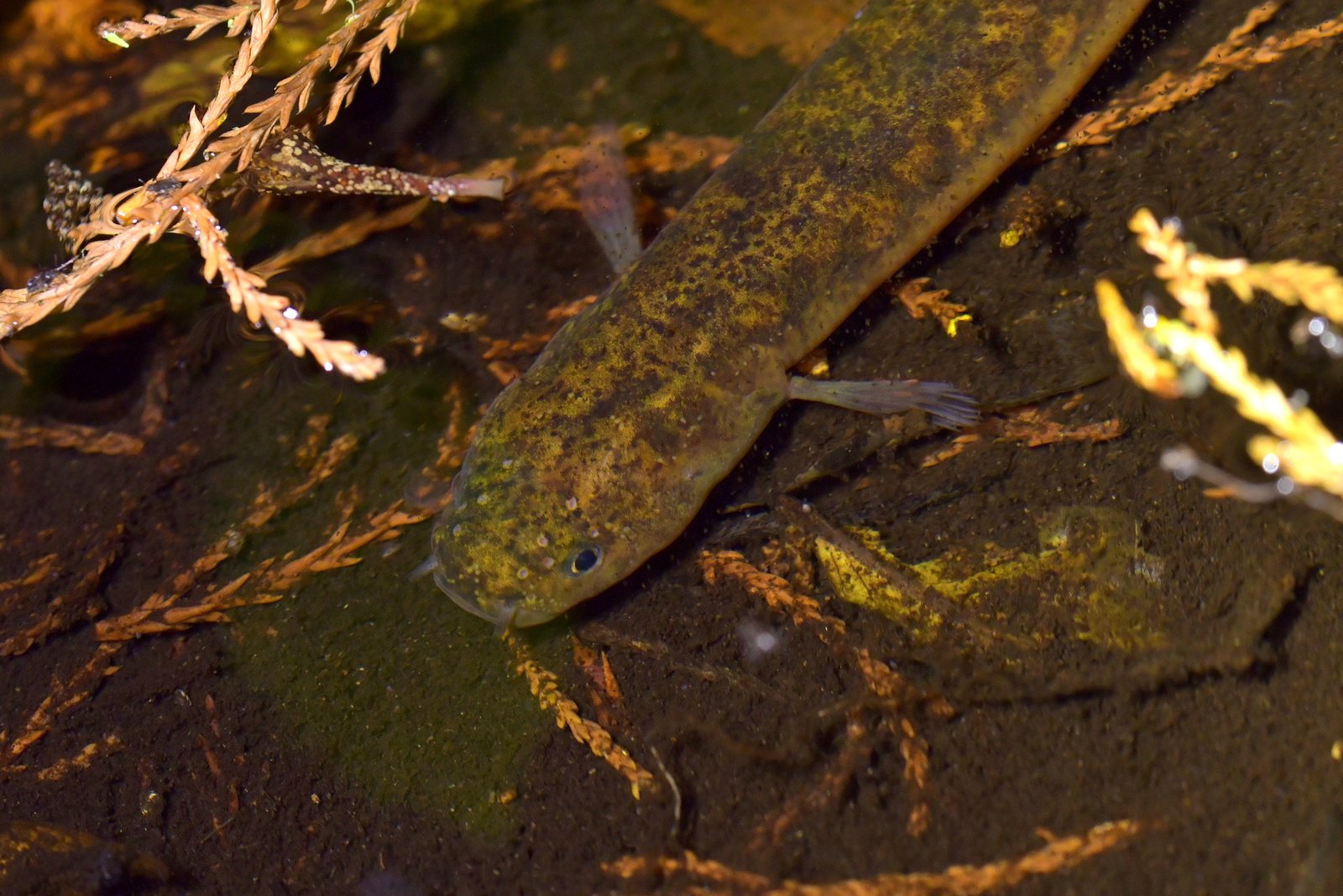
Perhaps most surprisingly, these fish have become efficient terrestrial hunters, preying on insects, spiders, and small crustaceans with remarkable success. They use their protruding eyes to track prey movements and can strike with lightning-fast precision.
Some species have developed the ability to leap several times their body length to catch flying insects, essentially turning themselves into land-based missile systems. Their hunting success rate on land often exceeds their efficiency in water, showing just how well-adapted they’ve become to terrestrial life.
Surviving Extreme Conditions: Drought Champions
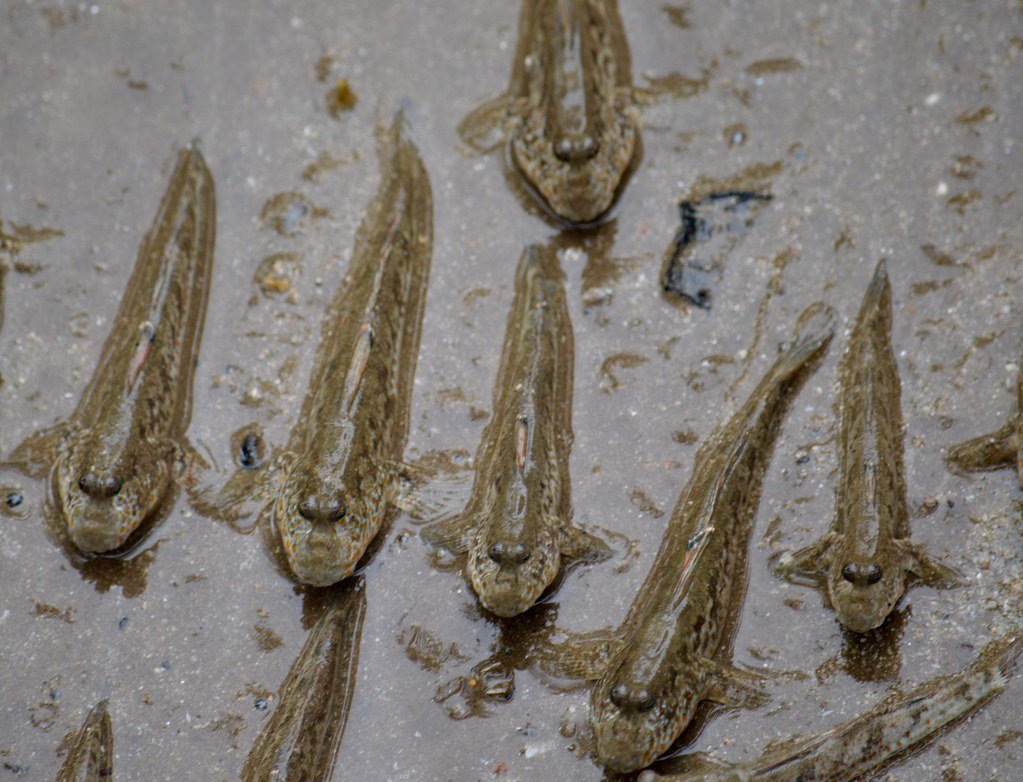
These remarkable fish have evolved to survive conditions that would be fatal to most aquatic life. During severe droughts, mudskippers can burrow into mud and enter a state similar to hibernation, slowing their metabolism and conserving moisture for weeks or even months.
Their skin produces special mucus that helps prevent dehydration, while their modified swim bladder can store extra oxygen for extended periods. This combination of adaptations allows them to outlast environmental challenges that eliminate most other aquatic species from affected areas.
The Secret of Their Super-Vision

Life on land demands excellent vision, and walking fish have developed some of the most sophisticated eyes in the aquatic world. Their eyes can move independently, allowing them to monitor threats and opportunities in multiple directions simultaneously.
Many species have developed enhanced color vision and depth perception that surpasses that of many land animals. This visual acuity is crucial for their terrestrial hunting success and helps them navigate complex three-dimensional environments with remarkable precision.
Parenting Above Water: Unique Breeding Behaviors
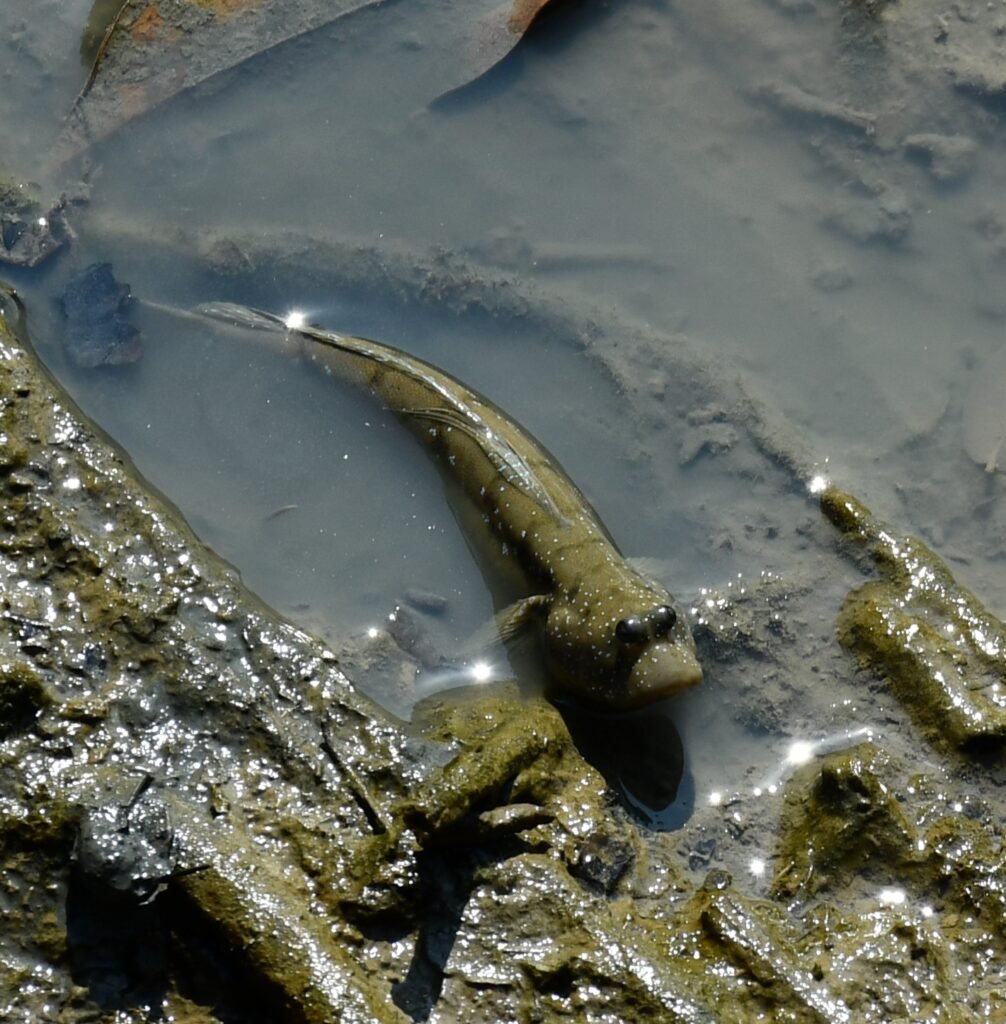
The breeding behaviors of land-walking fish often take place primarily on land, representing a dramatic departure from typical fish reproduction. Males create elaborate nesting sites in muddy burrows or shallow pools, where they court females with intricate displays and territorial demonstrations.
After mating, many species show remarkable parental care, with males guarding eggs and fry in specially constructed nurseries. Some fathers will even carry their young in their mouths during dangerous overland migrations to safer waters.
The Global Distribution: Where to Find Walking Fish

Walking fish inhabit tropical and subtropical regions around the world, from the mangrove swamps of Southeast Asia to the tidal flats of West Africa. The highest diversity occurs in the Indo-Pacific region, where over 30 species of mudskippers alone call the intertidal zones home.
Climate change and coastal development threaten many populations, but some species have proven remarkably adaptable to human-modified environments. Urban mudskippers have been spotted in city drainage systems, proving their incredible resilience and adaptability.
Scientific Research: Unlocking the Secrets
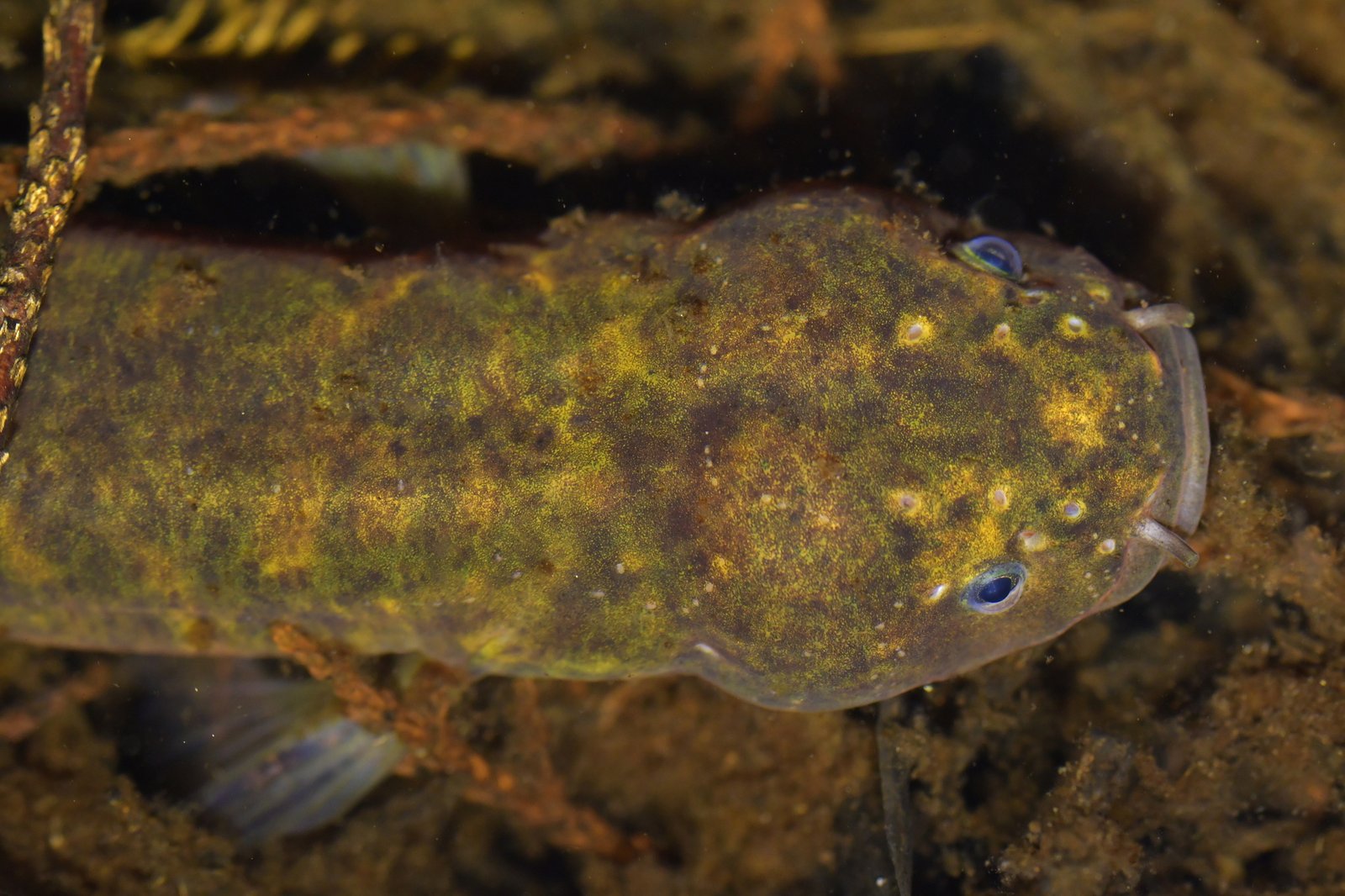
Modern research into walking fish has revealed insights that could revolutionize our understanding of evolution, respiratory biology, and even robotics. Scientists are studying their locomotion patterns to develop better amphibious robots and underwater vehicles.
Their unique respiratory adaptations are providing clues for developing better artificial gills and breathing apparatus for human use. Medical researchers are particularly interested in their ability to regulate oxygen levels in extreme conditions.
Conservation Challenges and Habitat Threats

Despite their remarkable adaptability, walking fish face significant conservation challenges. Coastal development, pollution, and climate change are rapidly destroying the delicate intertidal habitats these species depend on for survival.
Many populations have declined dramatically over the past few decades, with some species facing local extinction. The loss of mangrove forests alone has eliminated thousands of acres of critical walking fish habitat across their range.
The Future of Land-Walking Fish
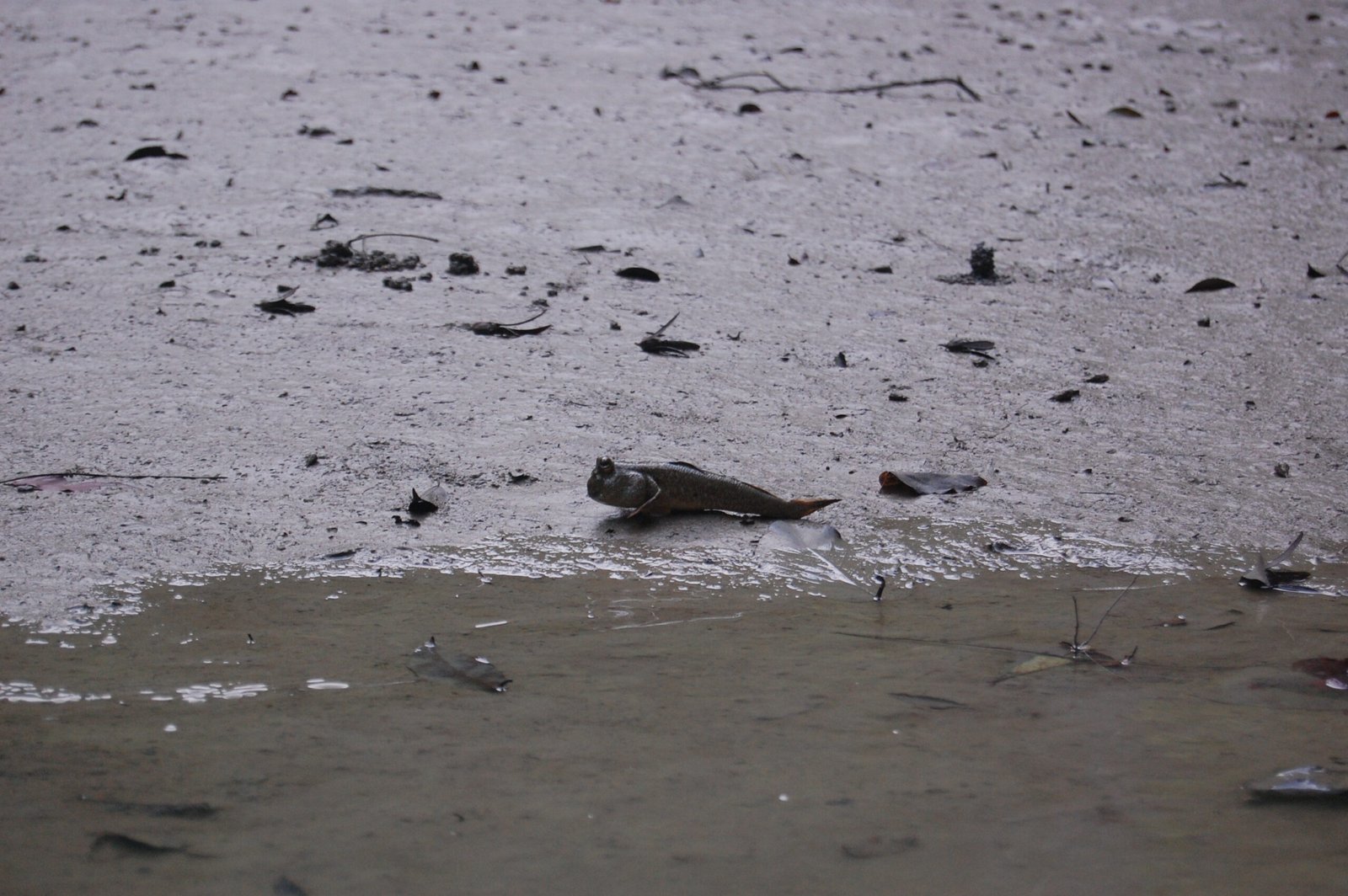
As sea levels rise and coastal environments continue to change, walking fish may actually have evolutionary advantages over purely aquatic species. Their ability to move between habitats and survive in varying conditions could make them some of the most successful vertebrates in a changing world.
Ongoing research suggests that these remarkable adaptations might become even more pronounced in future generations, potentially leading to fish that are equally at home on land and in water. The future might hold even more surprises from these evolutionary marvels.
What This Means for Our Understanding of Life
The existence of land-walking, air-breathing fish challenges our fundamental assumptions about the boundaries between aquatic and terrestrial life. These remarkable creatures represent living proof that evolution continues to push the boundaries of what’s possible in the natural world.
Their success story reminds us that life finds a way to adapt, survive, and even thrive in the most challenging conditions. As we face our own environmental challenges, perhaps we can learn something from these incredible fish about resilience, adaptation, and the power of evolutionary innovation.
The next time you’re walking along a muddy shoreline or tidal flat, keep your eyes peeled – you might just spot one of nature’s most remarkable success stories taking a casual stroll. Who knows, you might even witness a fish teaching us that the impossible is often just evolution waiting to happen.