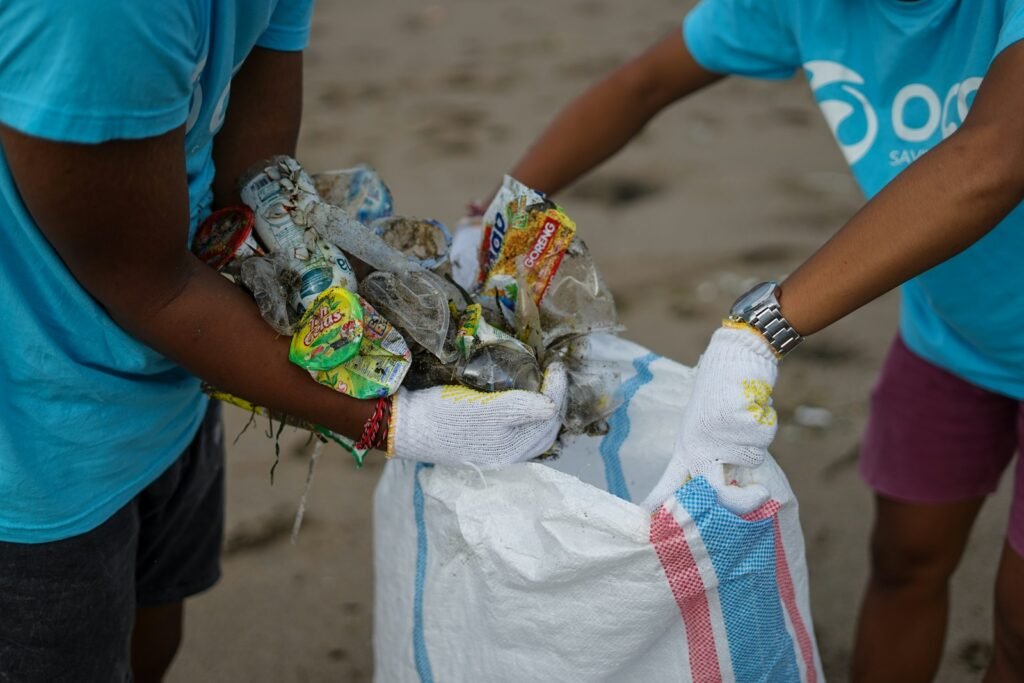
Imagine a world where every drop of ocean water contains fragments of your morning coffee cup, where sea turtles mistake plastic bags for jellyfish, and where the tiniest organisms at the base of our food chain are slowly suffocating on microscopic debris. This isn’t science fiction – it’s happening right now in our oceans. Every minute, the equivalent of a garbage truck full of plastic waste enters our marine ecosystems, creating a cascade of destruction that reaches from the ocean’s surface to its deepest trenches.
The Scale of Ocean Plastic Contamination
The numbers are staggering and grow more alarming each year. Scientists estimate that over 8 million tons of plastic waste flow into our oceans annually, creating massive garbage patches that span areas larger than entire countries. The Great Pacific Garbage Patch alone covers an area roughly twice the size of Texas, containing an estimated 80,000 metric tons of plastic debris.
But the visible floating debris represents only a fraction of the problem. For every piece of plastic floating on the surface, countless more particles drift through the water column or settle on the ocean floor. These plastics don’t simply disappear – they break down into smaller and smaller fragments, creating an invisible pollution crisis that penetrates every level of marine life.
Microplastics: The Invisible Threat

Microplastics, defined as plastic particles smaller than 5 millimeters, have become the most pervasive form of ocean pollution. These tiny fragments come from the breakdown of larger plastic items, synthetic clothing fibers, and microbeads from cosmetic products. They’re so small that they can pass through most filtration systems and are nearly impossible to remove from the marine environment once they’re there.
Recent studies have found microplastics in every ocean sample tested, from Arctic ice to the deepest ocean trenches. They float in the water column, settle into sediments, and even become airborne through sea spray. The concentration of these particles is particularly high in areas where ocean currents converge, creating plastic hotspots that trap marine life in contaminated zones.
How Marine Microbes Encounter Plastic Pollution

At the very foundation of ocean life, microscopic organisms face an unprecedented challenge from plastic pollution. Marine bacteria, phytoplankton, and other microbes encounter plastic particles that are often similar in size to their natural food sources. This creates a case of mistaken identity that can have fatal consequences for these tiny but crucial organisms.
When microbes ingest plastic particles, they can suffer from blocked digestive systems, reduced feeding efficiency, and impaired reproduction. Some bacteria have even been observed trying to break down plastic polymers, which can alter their metabolism and affect their role in ocean chemistry. Since these microorganisms form the base of the marine food web, their contamination sends ripple effects throughout the entire ecosystem.
Plankton: The Foundation Under Attack

Plankton, the drifting organisms that serve as the ocean’s primary producers and primary consumers, are particularly vulnerable to plastic pollution. Zooplankton, tiny animals that feed on even smaller organisms, regularly consume microplastic particles that they mistake for food. Laboratory studies have shown that plastic-contaminated plankton produce fewer offspring and have reduced survival rates.
The impact on phytoplankton, the microscopic plants that produce much of Earth’s oxygen, is equally concerning. These organisms can become entangled in plastic fibers or have their cellular processes disrupted by chemical additives leaching from plastic particles. Since phytoplankton form the base of most marine food chains and play a crucial role in global climate regulation, their contamination threatens the stability of entire ocean ecosystems.
Small Fish: Caught in the Plastic Web

Small fish species, including anchovies, sardines, and juvenile fish of larger species, face a double threat from plastic pollution. Not only do they directly consume microplastic particles, but they also eat contaminated plankton, creating a bioaccumulation effect where plastic concentrations increase as they move up the food chain.
Research has documented plastic particles in the stomachs of fish species worldwide, from tropical coral reefs to Arctic waters. These fish often show signs of malnutrition despite having full stomachs, as plastic takes up space that should be occupied by nutritious food. The chemical additives in plastics can also disrupt their hormonal systems, affecting growth, reproduction, and behavior patterns that are crucial for species survival.
Coral Reefs: Plastic Pollution in Paradise

Coral reefs, often called the rainforests of the sea, are experiencing a plastic pollution crisis that compounds the stress they already face from climate change and other human activities. Plastic debris settles on coral surfaces, blocking sunlight needed for photosynthesis and creating wounds that make corals vulnerable to disease and bleaching.
Marine biologists have observed that plastic pollution can increase the likelihood of coral disease by up to 22 times. The chemicals leaching from plastics can disrupt the delicate symbiotic relationship between corals and the algae that live within their tissues. Additionally, plastic debris can physically damage coral structures, breaking off branches and creating openings for pathogens to enter.
Sea Turtles: Ancient Mariners in Modern Peril

Sea turtles have survived for over 100 million years, but plastic pollution presents a threat unlike any they’ve faced in their evolutionary history. These ancient mariners are particularly vulnerable because they often feed on jellyfish, and plastic bags floating in the water look remarkably similar to their preferred prey.
When sea turtles consume plastic, it can cause intestinal blockages that prevent them from eating real food, leading to malnutrition and death. Plastic debris can also become entangled around their necks, flippers, or shells, restricting movement and causing injuries that can be fatal. Young sea turtles are especially at risk, as their smaller size makes them more likely to encounter plastic debris relative to their body size.
Seabirds: Diving Into Danger

Seabirds are among the most visible victims of plastic pollution, with over 90% of seabird species estimated to have plastic in their stomachs. These birds often mistake colorful plastic fragments for fish, squid, or other prey items, leading to internal injuries and blocked digestive systems that can prove fatal.
The impact extends beyond individual birds to entire colonies and species. Parents feeding plastic to their chicks can cause developmental problems and reduced survival rates in young birds. Some seabird species have been observed regurgitating plastic items instead of food, disrupting their natural feeding behaviors and weakening their ability to care for their offspring.
Marine Mammals: Giants Facing Microscopic Threats

Whales, dolphins, seals, and other marine mammals face plastic pollution threats that range from massive ghost nets to microscopic particles. Baleen whales, which filter-feed on small organisms, are particularly vulnerable to ingesting large quantities of microplastics along with their natural prey.
Entanglement in plastic debris, particularly abandoned fishing gear, causes injuries, infections, and death in marine mammals worldwide. The weight and drag of attached plastic can exhaust these animals, making it difficult for them to surface, breathe, feed, or mate. Chemical pollutants from plastics can also accumulate in their tissues, affecting their immune systems and reproductive health.
Deep Sea: Pollution in the Abyss

The deep ocean, once thought to be pristine and isolated from human influence, has become a final resting place for plastic pollution. Plastic debris sinks through the water column and accumulates in deep-sea sediments, where it can persist for centuries or even millennia.
Deep-sea creatures, adapted to a world of scarcity, are particularly vulnerable to plastic pollution because they tend to consume anything that might be food. Plastic has been found in the stomachs of deep-sea fish, crustaceans, and other organisms living in some of the most remote parts of our planet. The slow metabolism of deep-sea life means that plastic remains in their systems longer, potentially causing more severe health impacts.
Chemical Contamination: Toxic Hitchhikers

Plastic pollution isn’t just a physical threat – it’s also a chemical one. Plastic items contain numerous additives, including plasticizers, flame retardants, and colorants, many of which are toxic to marine life. These chemicals can leach out of plastic debris and into the surrounding water or the tissues of animals that consume it.
Additionally, plastic particles act like magnets for other pollutants in seawater, including pesticides, heavy metals, and persistent organic pollutants. When marine animals consume plastic, they’re also exposed to concentrated doses of these harmful chemicals. This chemical contamination can disrupt endocrine systems, impair reproduction, and compromise immune function across multiple species.
Food Web Disruption: Cascading Effects

The impact of plastic pollution doesn’t stop with individual species – it creates cascading effects throughout entire marine food webs. When plastic contamination reduces the health and reproduction of organisms at the base of the food chain, it affects all the species that depend on them for food.
Predator species may find their food sources depleted or contaminated, forcing them to expend more energy hunting or to consume less nutritious alternatives. This can lead to population declines in top predators, which can then affect the abundance of their prey species, creating unpredictable changes in ecosystem structure and function.
Arctic Ice: Plastic in the Last Frontier

Even the Arctic, one of Earth’s most remote regions, is not immune to plastic pollution. Sea ice samples from the Arctic Ocean contain some of the highest concentrations of microplastics ever recorded, with up to 12,000 particles per liter of melted ice.
As climate change causes Arctic ice to melt at accelerating rates, trapped plastic particles are being released into Arctic waters in unprecedented quantities. Arctic wildlife, including polar bears, seals, and Arctic birds, are encountering plastic pollution in an environment where they have no evolutionary experience with such contaminants. This makes them particularly vulnerable to the health impacts of plastic ingestion and chemical exposure.
Breeding and Reproduction: Future Generations at Risk

Plastic pollution poses a particular threat to marine species during their most vulnerable life stages. Young animals are often more susceptible to plastic ingestion because their smaller size means that even small plastic particles can cause significant blockages or health problems.
Chemical pollutants from plastics can also interfere with reproductive hormones, affecting fertility rates and offspring survival. Some species have shown altered mating behaviors, reduced egg production, or developmental abnormalities in their young when exposed to plastic-related chemicals. These reproductive impacts threaten the long-term survival of many marine species and could lead to population collapses in the most affected areas.
Ocean Cleanup Challenges: Why It’s Not Simple
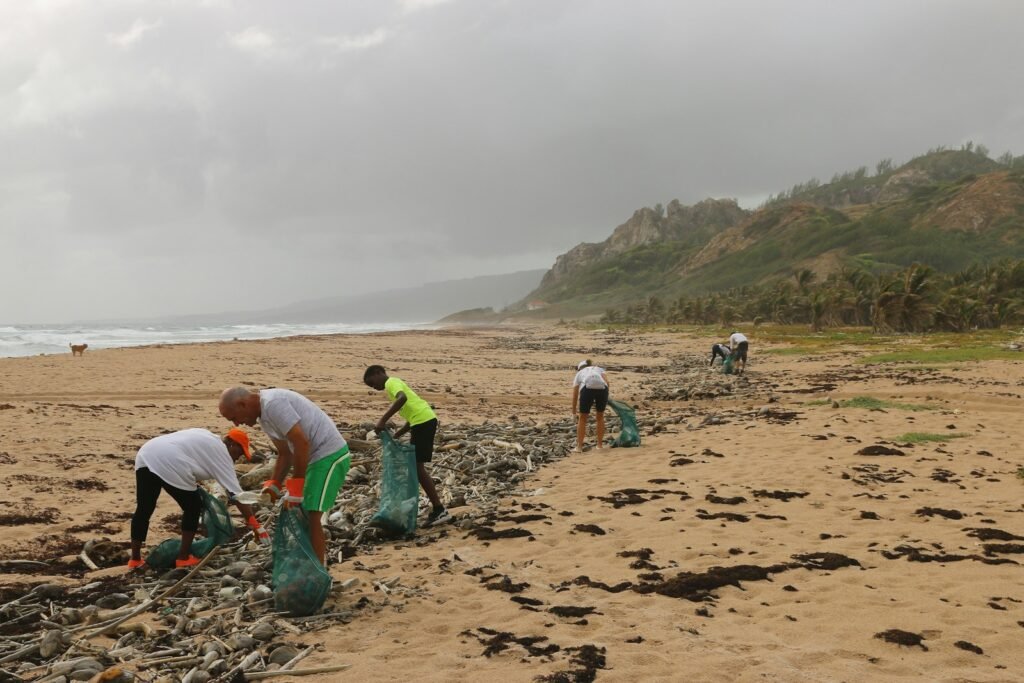
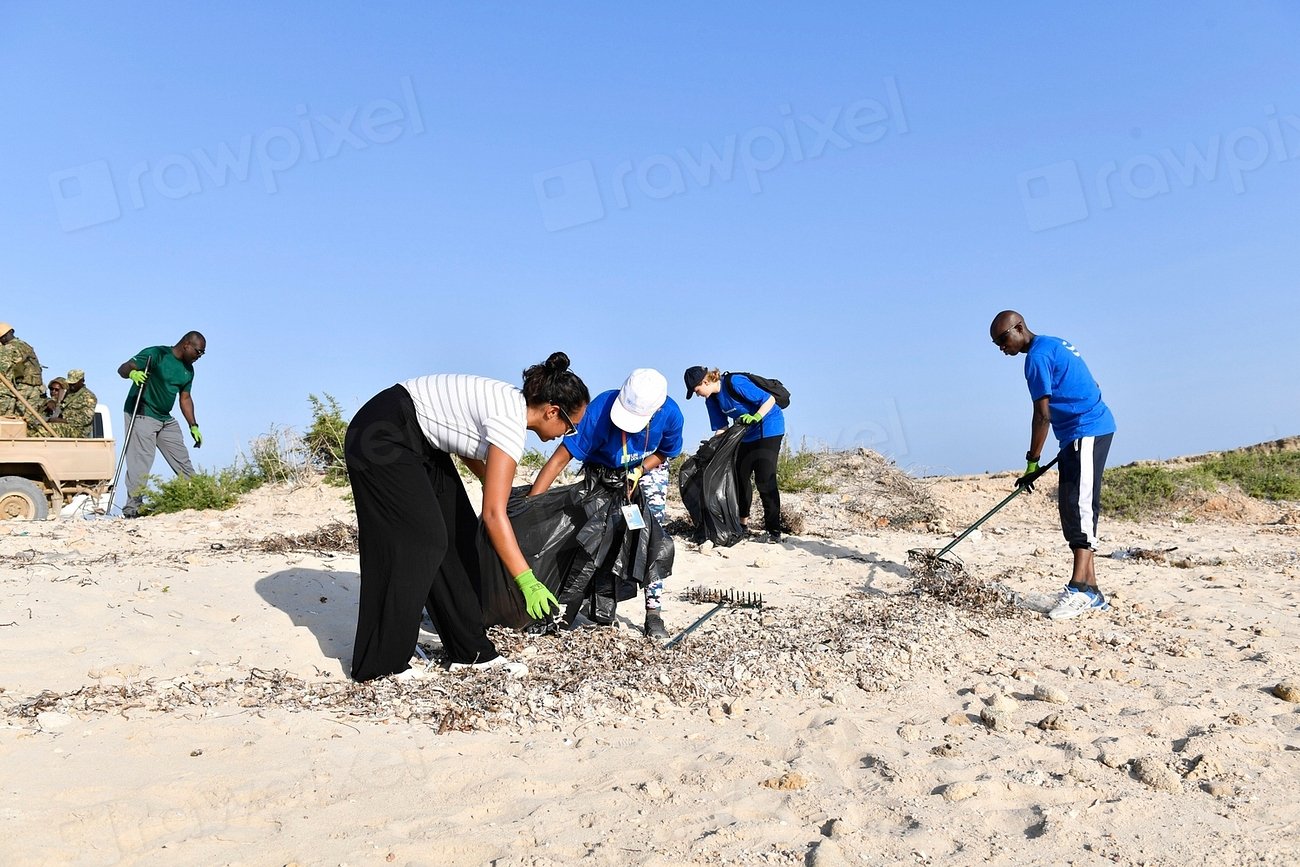
While the scale of plastic pollution in our oceans is overwhelming, efforts to clean it up face significant technical and environmental challenges. Most plastic debris is either too small to efficiently collect or has become integrated into marine ecosystems in ways that make removal potentially harmful to wildlife.
Current cleanup technologies can only address a fraction of ocean plastic, and they often require careful implementation to avoid accidentally capturing marine life along with the debris. The cost and energy requirements of large-scale ocean cleanup operations are enormous, leading many scientists to conclude that prevention is far more effective than cleanup. Additionally, removing plastic from the ocean doesn’t address the continuous influx of new plastic waste, making prevention strategies crucial for long-term success.
Ecosystem Recovery: Signs of Hope

Despite the severity of plastic pollution impacts, marine ecosystems have shown remarkable resilience when plastic inputs are reduced. Areas that have implemented effective plastic reduction policies have documented improvements in marine wildlife health and abundance within just a few years.
Some marine species have also demonstrated behavioral adaptations to plastic pollution, learning to avoid certain types of debris or changing their feeding patterns to reduce plastic ingestion. While these adaptations don’t solve the underlying problem, they provide hope that marine life can adjust to some degree while we work to address the root causes of plastic pollution.
The Path Forward: Solutions in Sight

The fight against marine plastic pollution requires action at every level, from individual choices to international policy changes. Reducing single-use plastics, improving waste management systems, and developing biodegradable alternatives are all crucial steps in addressing this crisis.
Innovation in materials science is producing new biodegradable plastics and alternative materials that could replace traditional plastics in many applications. At the same time, policy changes like plastic bag bans, bottle deposit programs, and extended producer responsibility laws are reducing the amount of plastic entering the environment. The challenge is implementing these solutions quickly and broadly enough to make a meaningful difference for marine ecosystems.
The story of plastic pollution in our oceans is ultimately a story about consequences – the unintended results of human innovation and consumption that have rippled through marine ecosystems in ways we’re only beginning to understand. From the tiniest bacteria to the largest whales, every level of ocean life now carries the burden of our plastic legacy. Yet this crisis also represents an opportunity for unprecedented global cooperation and innovation in finding solutions that can restore the health of our marine environments. The question isn’t whether we can solve this problem, but whether we’ll act quickly enough to prevent irreversible damage to the ocean systems that sustain all life on Earth. What will future generations find when they look into the depths of our oceans?