Right now, as you read these words, you’re taking in oxygen that was likely produced not by the towering oak tree outside your window or the lush Amazon rainforest, but by microscopic creatures floating in the ocean. These tiny organisms, invisible to the naked eye, are working around the clock to keep our planet breathing. Every second breath you take owes its existence to marine plankton – the unsung heroes of our atmosphere.
The Invisible Giants of Our Oceans

When most people think about oxygen production, they picture vast forests and green meadows. But the real powerhouses are so small you’d need a microscope to see them. Marine phytoplankton, single-celled organisms that drift through ocean waters, produce between 50 to 85 percent of the world’s oxygen.
These microscopic marvels outnumber every other living organism on Earth combined. A single drop of seawater can contain thousands of these tiny oxygen factories. Despite their size, their collective impact dwarfs that of all terrestrial plants combined.
How These Ocean Drifters Make the Air We Breathe

Phytoplankton use photosynthesis just like land plants, but they do it on an absolutely massive scale. They absorb carbon dioxide from seawater and sunlight from above, converting these ingredients into organic compounds and releasing oxygen as a byproduct. This process happens continuously across roughly 139 million square miles of ocean surface.
The efficiency of this system is staggering. While a single tree might produce enough oxygen for two people per day, the ocean’s phytoplankton collectively produce enough oxygen to support all life on Earth. Think of the ocean as one giant lung, constantly exhaling the life-giving gas we depend on.
The Tiny Titans: Meet the Main Players

Not all phytoplankton are created equal when it comes to oxygen production. Diatoms, with their intricate glass-like shells, are among the most prolific oxygen producers. These beautiful organisms create stunning geometric patterns while pumping out the air we breathe.
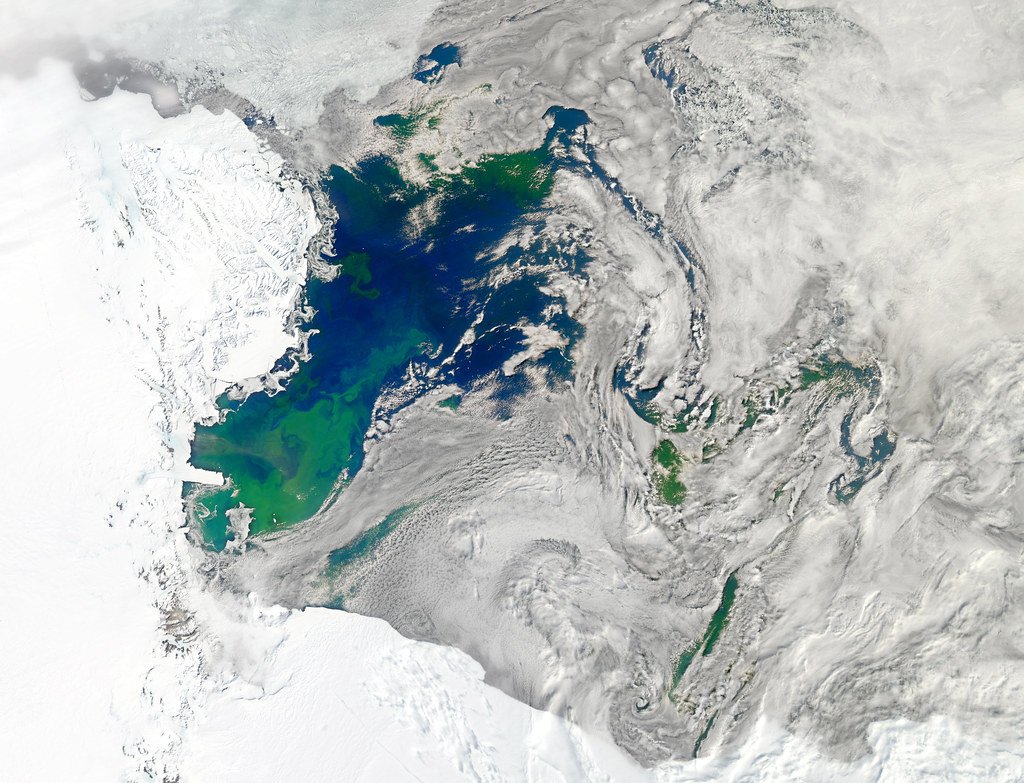
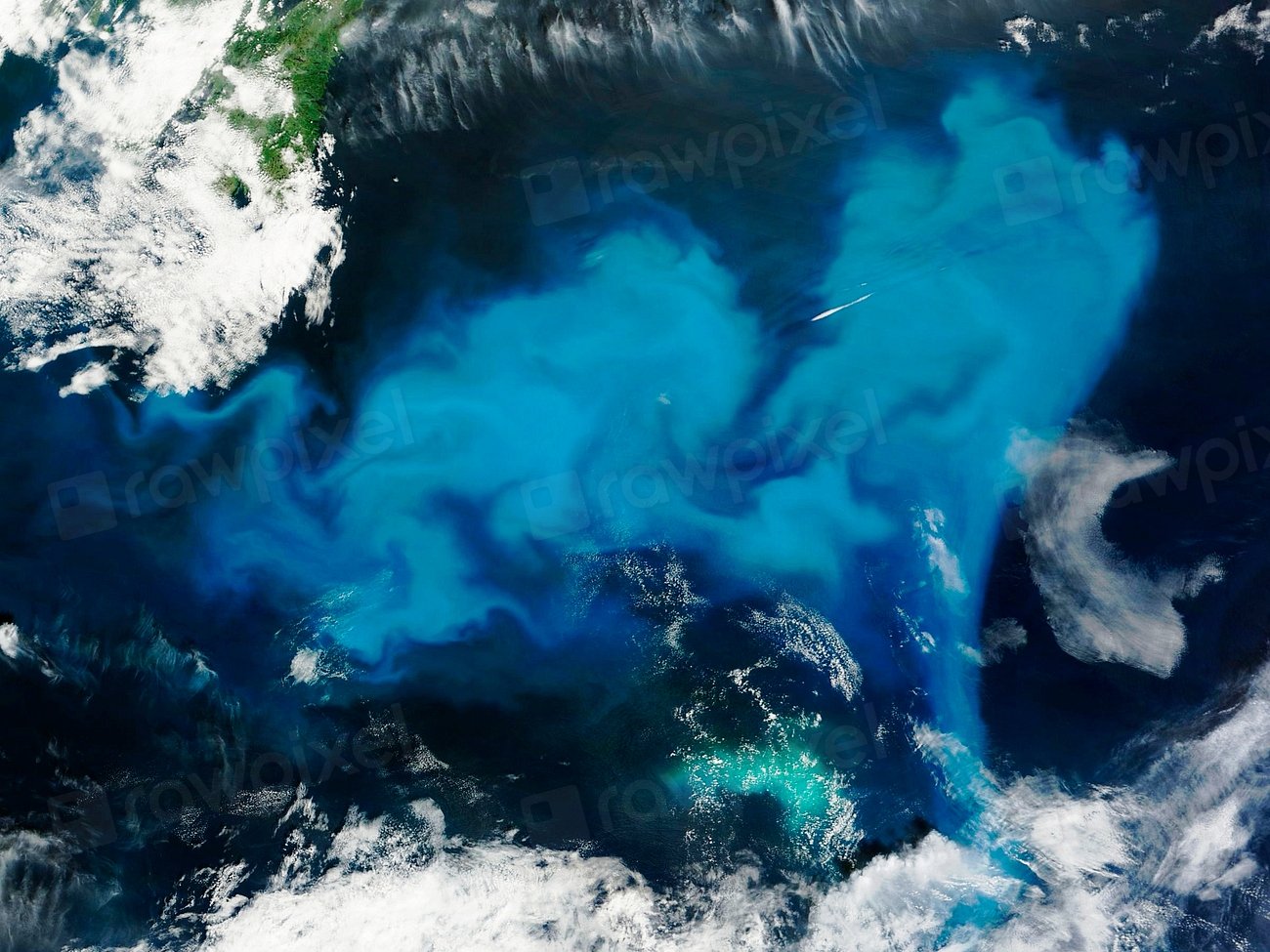
Cyanobacteria, also known as blue-green algae, are the ancient masters of this process. They’ve been producing oxygen for over 2.5 billion years, literally creating the atmosphere that made complex life possible. Coccolithophores, covered in tiny calcium carbonate plates, add their own contribution while creating some of the ocean’s most spectacular blooms visible from space.
The Great Oxygen Revolution That Changed Everything

About 2.4 billion years ago, cyanobacteria triggered what scientists call the Great Oxidation Event. Before this, Earth’s atmosphere contained virtually no oxygen. These pioneering organisms began pumping out so much oxygen that it fundamentally transformed our planet’s chemistry and atmosphere.
This wasn’t initially good news for most life forms at the time – oxygen was actually toxic to the anaerobic organisms that dominated early Earth. But this “oxygen catastrophe” paved the way for all the oxygen-breathing life we see today, including us.
Why Ocean Oxygen Beats Forest Oxygen

While forests are important, they’re actually net-zero oxygen producers when you consider their full lifecycle. Trees consume oxygen when they decompose, essentially returning what they produced during their lifetime. The ocean’s phytoplankton, however, create a net positive oxygen output.
When marine organisms die, many sink to the ocean floor, effectively removing carbon from the atmosphere permanently. This process, called the biological pump, ensures that the oxygen produced by phytoplankton represents a true addition to our atmospheric oxygen supply.
The Seasonal Symphony of Ocean Breathing
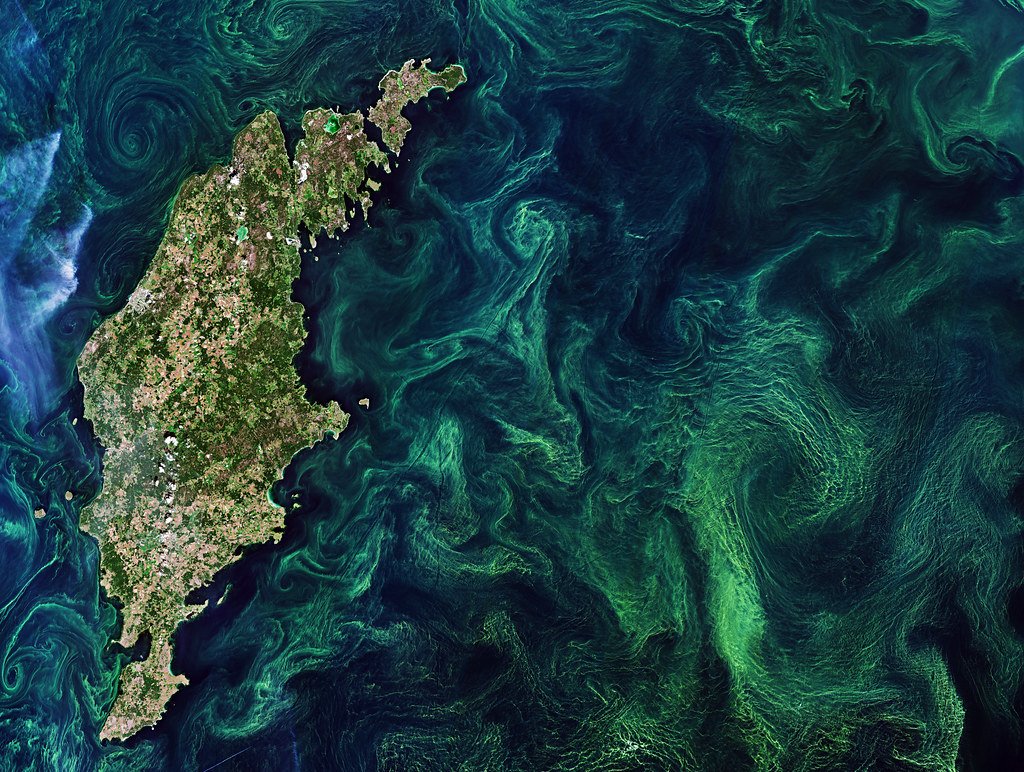
Ocean oxygen production isn’t constant – it follows dramatic seasonal patterns that mirror the rhythm of life itself. Spring brings massive phytoplankton blooms as nutrients mix with warming waters and increasing sunlight. These blooms are so large they can be seen from satellites, appearing as swirling green clouds across vast ocean areas.
During peak bloom periods, oxygen production can increase by several hundred percent in affected regions. It’s like the ocean takes a deep breath and exhales pure life into our atmosphere. Summer maintains steady production, while winter sees a natural decline as light decreases and waters cool.
Climate Change and Our Oxygen Supply
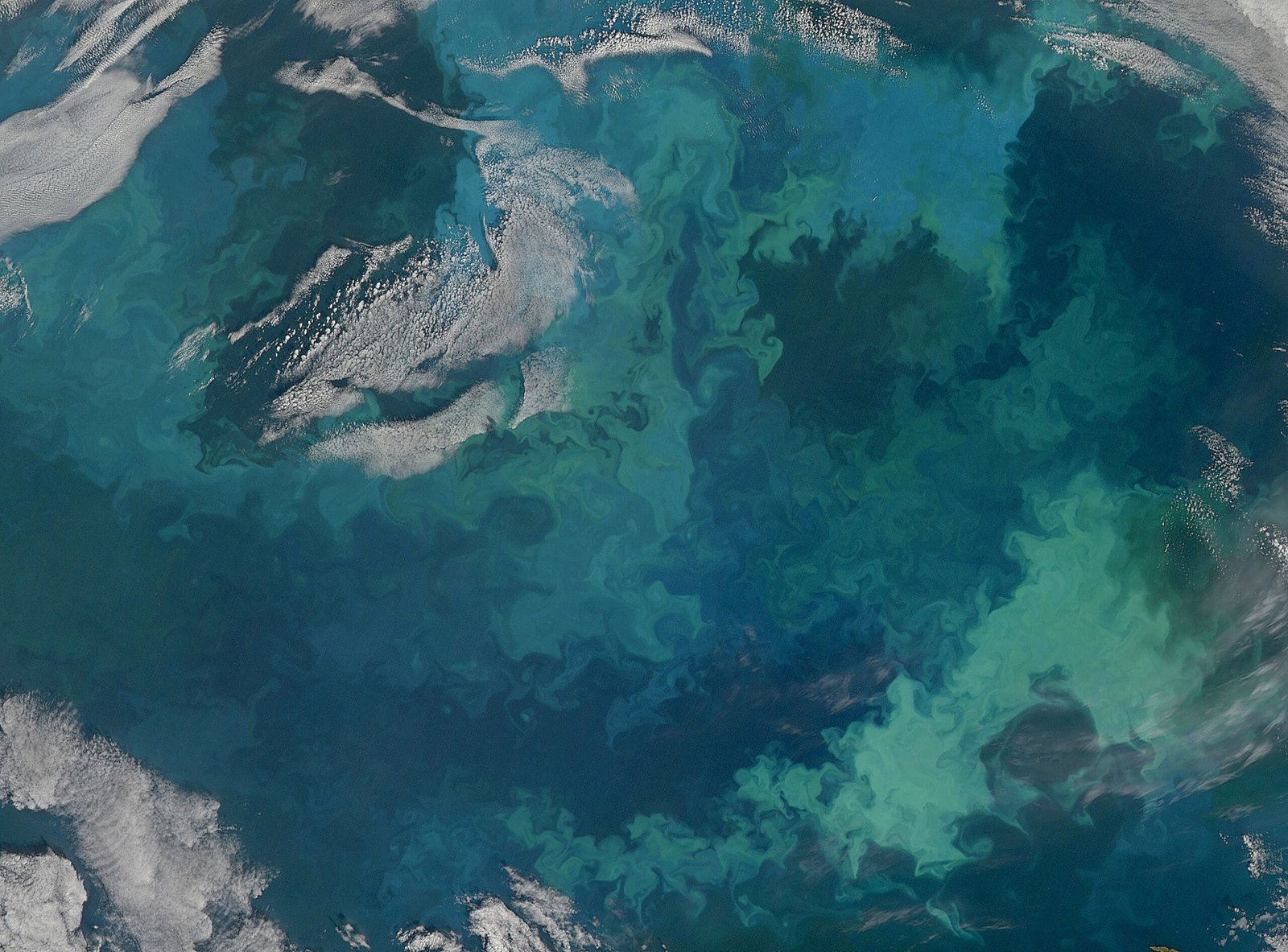
Rising ocean temperatures are creating concerning changes in phytoplankton populations and distribution. Warmer waters hold less dissolved nutrients, which these organisms need to thrive. Some species are migrating toward the poles, while others are declining in numbers.
Scientists have observed a measurable decrease in ocean oxygen levels over recent decades. This “ocean deoxygenation” threatens not just marine life, but potentially our entire atmospheric oxygen supply. The warming waters are literally making it harder for our planet to breathe.
Ocean Acidification: The Silent Threat

As oceans absorb more carbon dioxide from the atmosphere, they become increasingly acidic. This chemical change makes it harder for many phytoplankton species to build their protective shells and carry out photosynthesis effectively. It’s like asking someone to work while slowly poisoning their environment.
Coccolithophores are particularly vulnerable, as acidic water dissolves their calcium carbonate shells. The loss of these major oxygen producers could have cascading effects on global oxygen levels that we’re only beginning to understand.
The Iron Connection: Feeding Ocean Gardens

Many ocean regions are like deserts – not because they lack water, but because they lack iron. Phytoplankton need iron to photosynthesize, and in many areas, this essential nutrient is incredibly scarce. Dust storms from continents carry iron particles thousands of miles out to sea, literally fertilizing these microscopic gardens.
When iron-rich dust settles on the ocean surface, it can trigger massive phytoplankton blooms almost overnight. Scientists have even experimented with artificial iron fertilization, though the long-term effects remain uncertain and controversial.
Pollution’s Double-Edged Impact

Human pollution affects ocean oxygen production in contradictory ways. Agricultural runoff and sewage can over-fertilize coastal waters, creating massive algae blooms that initially boost oxygen production. However, when these blooms die and decompose, they consume so much oxygen that they create “dead zones” where nothing can survive.
Plastic pollution poses another threat. Microplastics can interfere with phytoplankton’s ability to photosynthesize, while larger plastic debris blocks sunlight from reaching these organisms. Chemical pollutants can also disrupt their cellular processes, reducing their oxygen-producing capacity.
The Antarctic Powerhouse

Some of the most productive oxygen-generating waters on Earth surround Antarctica. The Southern Ocean’s cold, nutrient-rich waters support massive phytoplankton populations, particularly during the Antarctic summer. These polar waters act like a global oxygen reservoir, helping to balance atmospheric levels worldwide.
The unique circulation patterns around Antarctica help distribute this oxygen-rich water throughout the world’s oceans. Climate change threatens these circulation patterns, potentially disrupting this crucial oxygen distribution system.
Coral Reefs: Underwater Oxygen Oases

While coral reefs cover less than one percent of the ocean floor, they support disproportionately high levels of phytoplankton activity. The complex ecosystem creates perfect conditions for oxygen production, with nutrients cycling efficiently between different organisms. Think of coral reefs as underwater cities where oxygen production happens at maximum efficiency.
Coral bleaching events, driven by rising water temperatures, don’t just kill corals – they disrupt entire oxygen-producing ecosystems. When reefs die, they take with them countless microscopic oxygen producers that depend on the reef environment.
The Deep Ocean’s Hidden Contributors

Most people assume oxygen production only happens near the surface where sunlight penetrates. However, scientists have discovered that even the deep ocean contributes to oxygen levels through unique processes. Some deep-sea organisms can produce oxygen through chemosynthesis, using chemical energy instead of sunlight.
Deep ocean currents also play a crucial role in distributing oxygen produced at the surface to the deepest parts of our seas. This global conveyor belt of water circulation ensures that oxygen reaches every corner of our planet’s oceans.
Technology Reveals Ocean Secrets
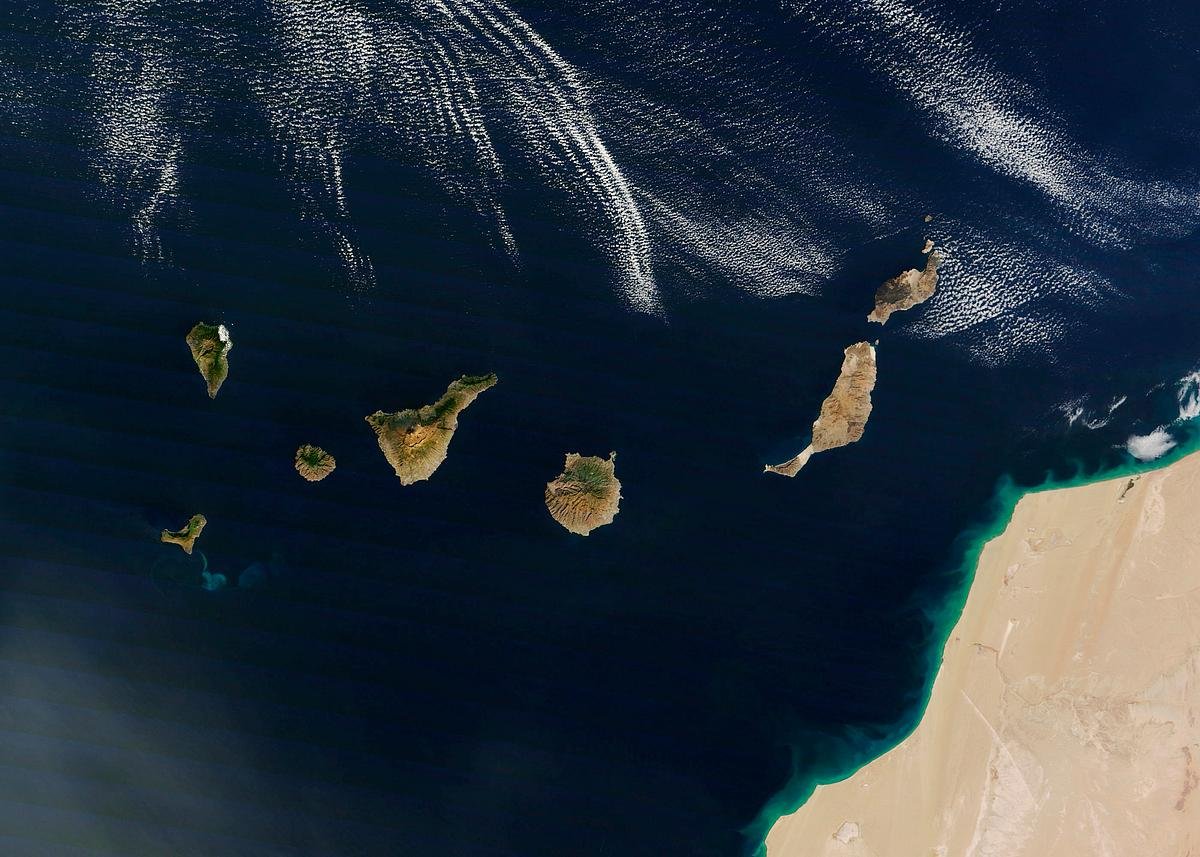
Modern satellite technology has revolutionized our understanding of ocean oxygen production. Scientists can now track phytoplankton blooms in real-time, measuring chlorophyll concentrations from space. These observations reveal patterns and changes that would be impossible to detect from ships alone.
Autonomous underwater vehicles and floating sensors provide continuous data on oxygen levels throughout the water column. This technology helps scientists understand how ocean oxygen varies daily, seasonally, and over longer climate cycles.
The Economics of Breathing
If we had to pay for the oxygen service that phytoplankton provide for free, the cost would be astronomical. Scientists estimate that the economic value of ocean oxygen production exceeds trillions of dollars annually. No human technology could replicate this service at any reasonable cost.
Industries from fishing to tourism depend entirely on the ocean’s oxygen-producing capacity. When phytoplankton populations decline, it affects everything from fish stocks to coastal economies, creating ripple effects throughout human society.
What Happens When the Ocean Stops Breathing

Geological history shows us what Earth looks like when ocean oxygen production fails. During past extinction events, ocean dead zones expanded dramatically, and atmospheric oxygen levels plummeted. These periods, called oceanic anoxic events, resulted in mass extinctions that reshaped life on Earth.
While we’re not facing immediate oxygen depletion, current trends show concerning parallels to these historical events. Ocean warming, acidification, and pollution are creating conditions similar to those that preceded past oxygen crises.
Hope in Human Innovation
Scientists and engineers are developing innovative approaches to support ocean oxygen production. Ocean alkalinization projects aim to reduce acidification, while marine protected areas give phytoplankton populations space to recover. Some researchers are even exploring ways to enhance natural iron fertilization processes.
Artificial intelligence helps predict and monitor phytoplankton populations, allowing for early intervention when problems arise. These technologies offer hope that we can protect and even enhance the ocean’s oxygen-producing capacity.
Your Connection to Ocean Breath
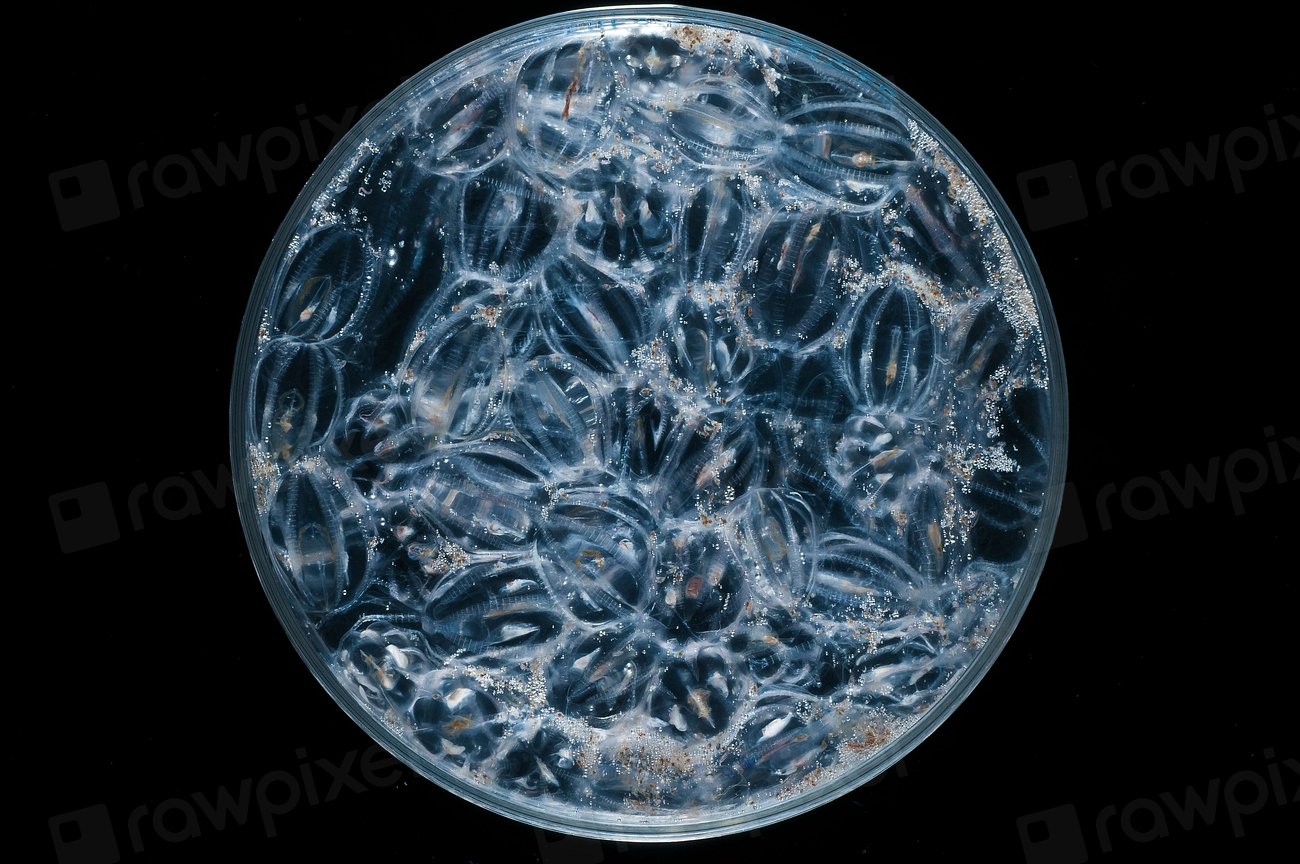
Every breath you take connects you directly to the vast ocean ecosystem and its microscopic inhabitants. The oxygen in your lungs may have been produced by a diatom in the Pacific, a cyanobacterium in the Atlantic, or a coccolithophore in the Indian Ocean. You are literally breathing the ocean’s gift to our planet.
Understanding this connection changes how we think about ocean conservation. Protecting marine environments isn’t just about saving whales or coral reefs – it’s about preserving the very air we breathe. The health of ocean plankton directly impacts the health of every oxygen-breathing organism on Earth.
The next time you take a deep breath, remember that you’re participating in a process that connects you to the smallest organisms in the vast ocean. These microscopic marvels have been quietly sustaining life on Earth for billions of years, working tirelessly to maintain the delicate balance that makes our existence possible. Their story is our story, and their future is inextricably linked to ours. What would you do differently if you truly understood that your next breath depends on the health of creatures you’ve never seen?