Imagine standing in the middle of the vast Kazakh steppe, where endless grasslands stretch toward the horizon under an impossibly wide sky. Now picture this serene landscape suddenly erupting in thunderous roars and brilliant flames as humanity’s greatest adventure begins. This is Baikonur Cosmodrome – a place where dreams literally took flight and where the impossible became routine. Hidden in the heart of Kazakhstan, this legendary launch site has witnessed some of the most pivotal moments in human history, from Yuri Gagarin’s first journey beyond Earth to countless missions that continue to push the boundaries of what we thought possible.
The Birth of a Space Giant
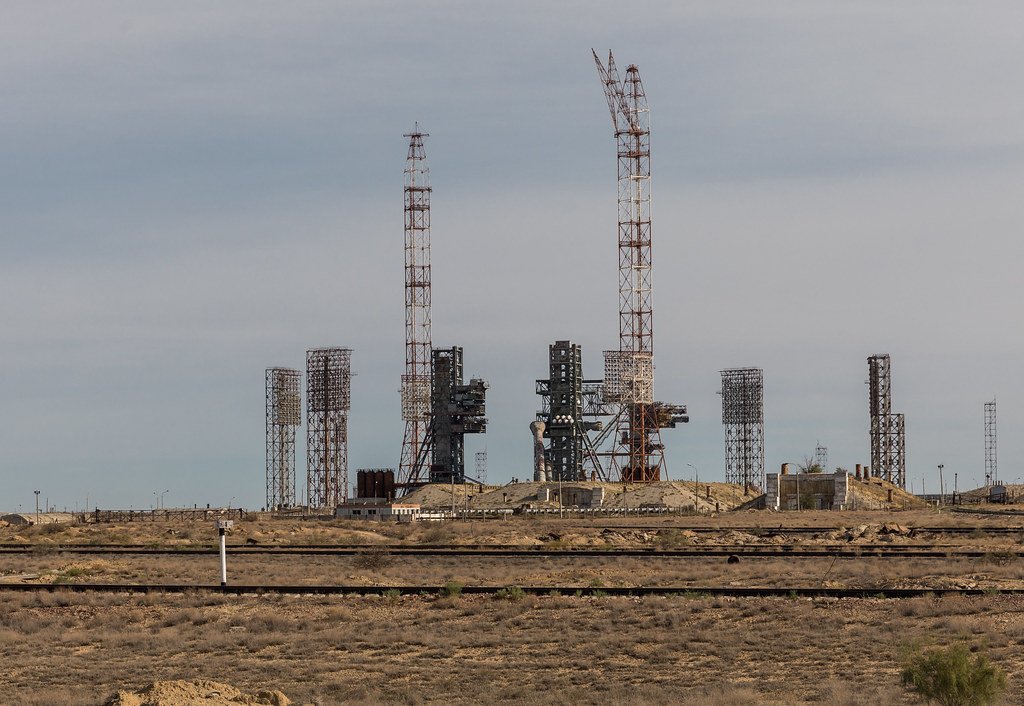
The story of Baikonur begins in the 1950s, when the Soviet Union desperately needed a launch site for their ambitious space program. Soviet engineers scoured the vast territories of their nation, searching for the perfect location that could accommodate their revolutionary rocket designs. The remote steppes of Kazakhstan offered exactly what they needed – endless flat terrain, sparse population, and crucially, proximity to the equator for maximum launch efficiency.
Construction began in 1955 under a veil of absolute secrecy. Workers arrived from across the Soviet Union, not knowing they were about to build humanity’s gateway to the stars. The harsh climate and isolation made construction incredibly challenging, with temperatures swinging from scorching summers to brutal winters that could freeze equipment solid.
Why Kazakhstan’s Steppe Became Space Central
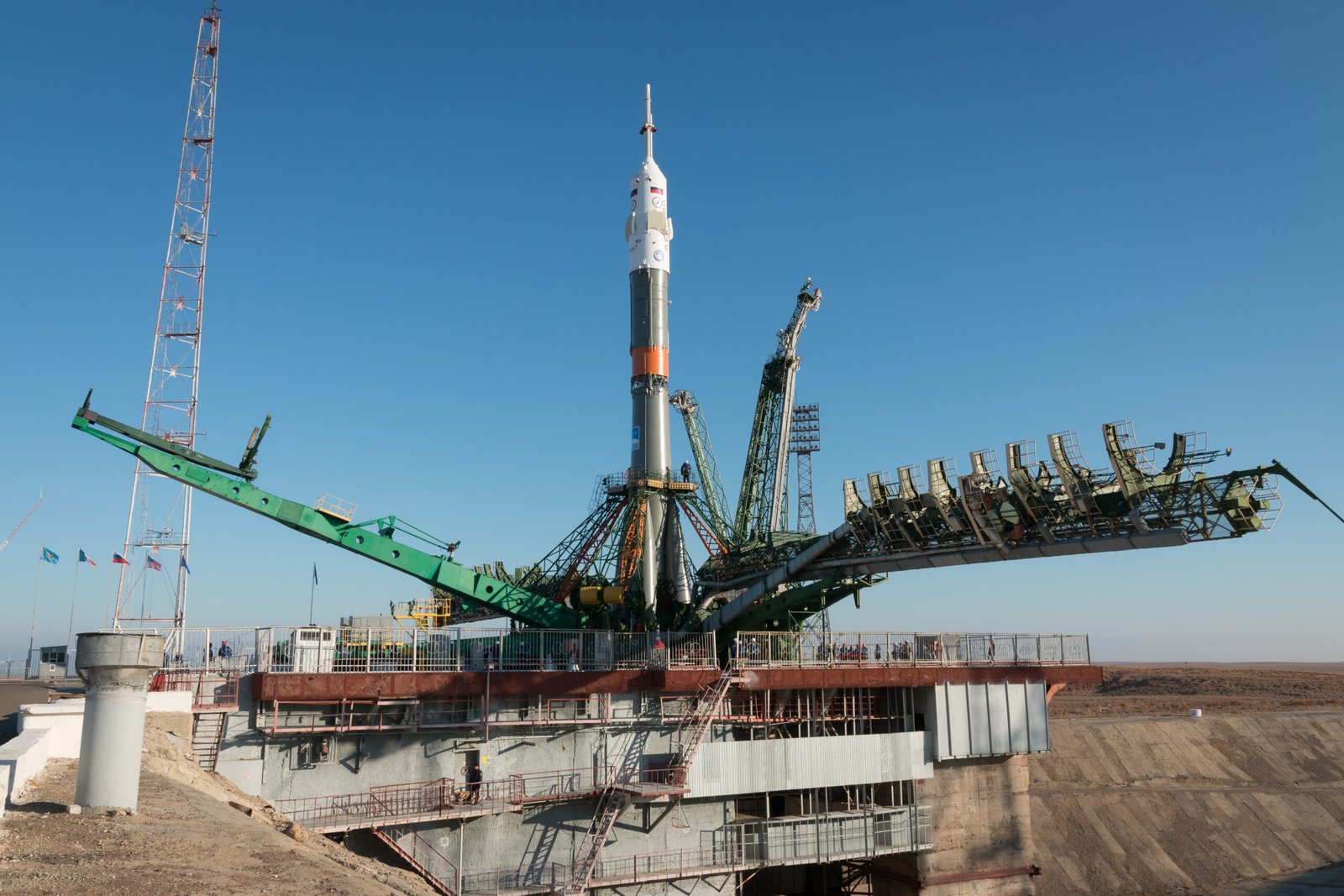
Location matters tremendously in rocket science, and Baikonur’s position at 45.9 degrees north latitude provides significant advantages over higher-latitude launch sites. Rockets launched from here benefit from Earth’s rotation, gaining extra velocity that translates into fuel savings and increased payload capacity. This might seem like a small detail, but in space exploration, every kilogram counts.
The surrounding terrain also played a crucial role in the site selection. The flat, sparsely populated steppes provided clear flight paths in multiple directions, essential for different orbital trajectories. Unlike coastal launch sites that are limited by ocean boundaries, Baikonur could accommodate launches in almost any direction needed for various missions.
Safety considerations were equally important. The vast empty spaces around the cosmodrome meant that spent rocket stages could fall harmlessly to Earth without endangering populated areas. This safety buffer extends for hundreds of kilometers in all directions, making it one of the world’s safest launch environments.
Gagarin’s Historic Launch Pad 1
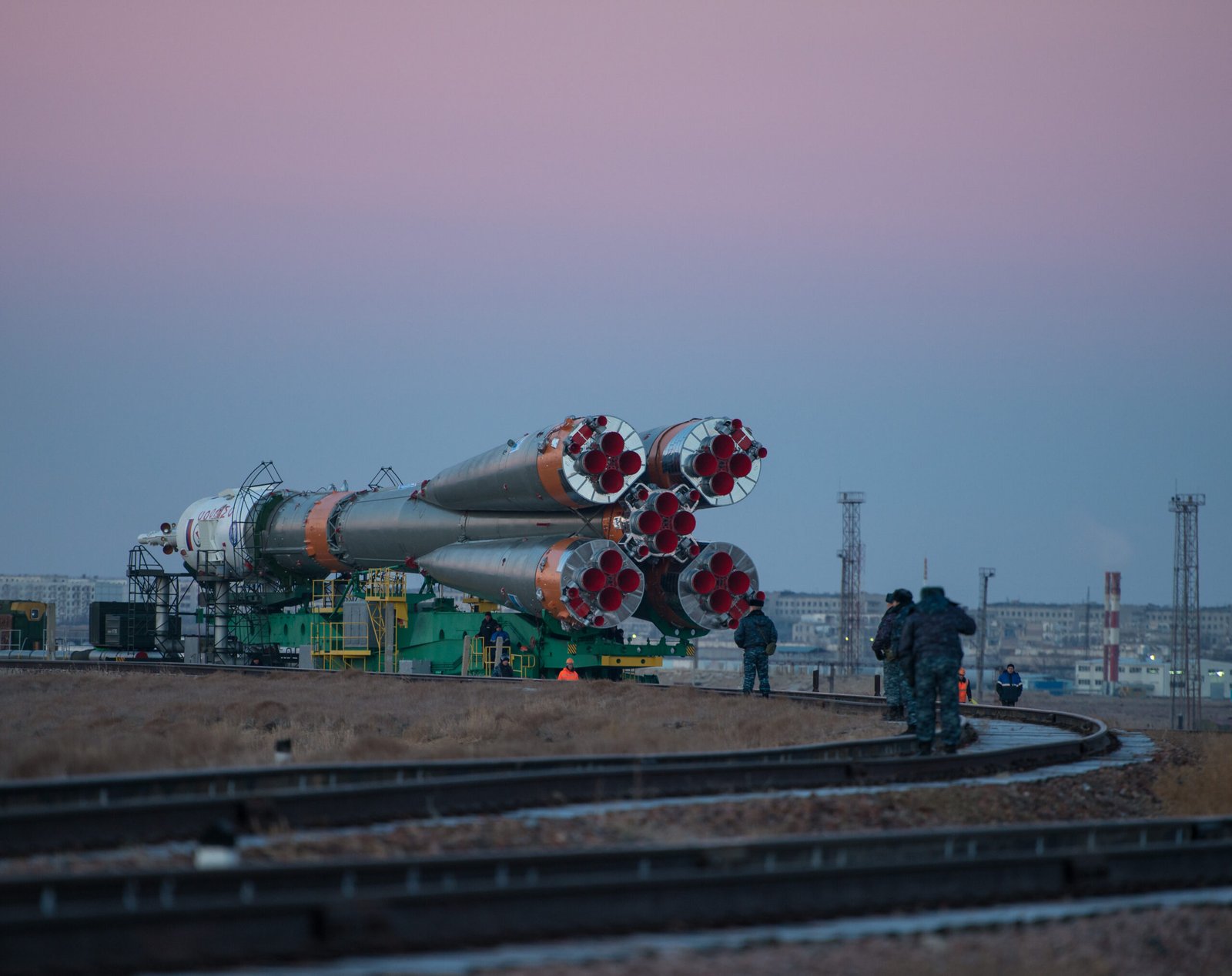
Launch Pad 1 at Baikonur holds a special place in human history as the exact spot where Yuri Gagarin began his legendary journey on April 12, 1961. This unassuming concrete structure became the most important few square meters on Earth when Gagarin’s Vostok 1 spacecraft lifted off, carrying the first human into space. The moment changed everything we understood about human potential and our place in the universe.
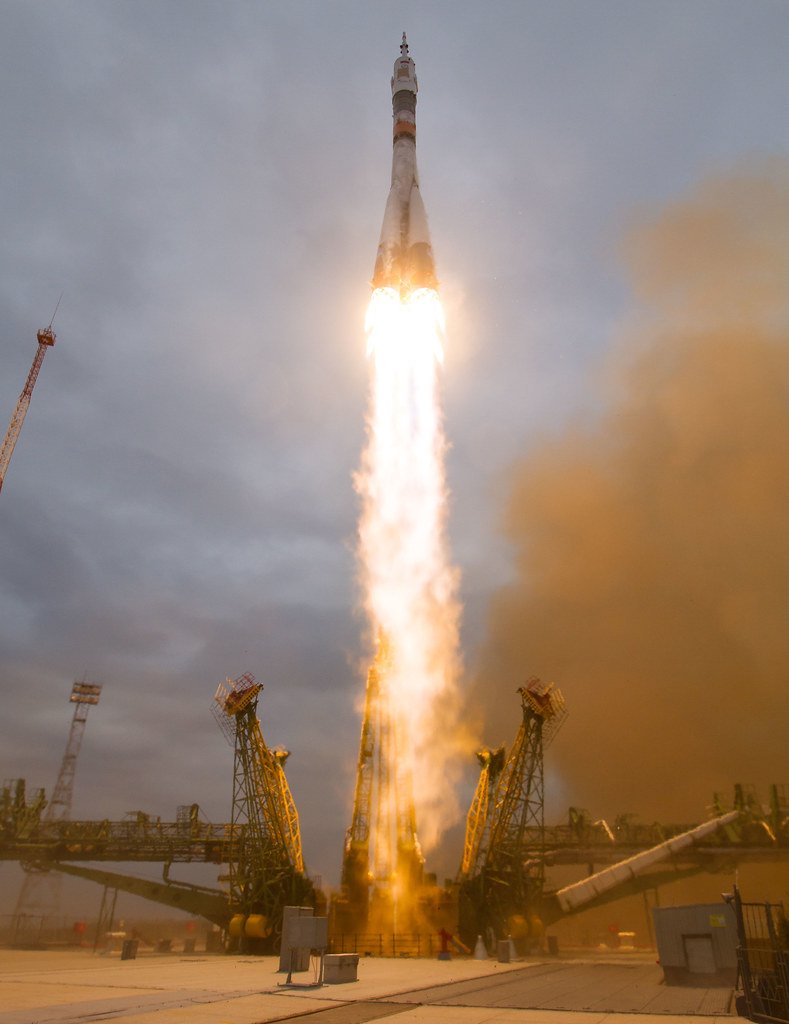
The launch pad itself is surprisingly modest compared to modern facilities. Built specifically for the R-7 rocket family, it features a distinctive four-armed support structure that cradles the rocket until liftoff. These arms swing away dramatically just before launch, creating the iconic image that has become synonymous with Soviet space achievements.
Today, Launch Pad 1 remains active and is reverently called “Gagarin’s Start” by cosmonauts and space enthusiasts worldwide. Every crew that launches from this pad continues a tradition that began with that first brave soul who looked down at Earth from the cosmos and forever changed human perspective.
The Secret City That Never Existed

For decades, Baikonur operated under complete secrecy, officially not existing on any maps. The Soviet government created an elaborate deception, claiming launches originated from a small village called Baikonur, located hundreds of kilometers away from the actual site. This misdirection was so successful that Western intelligence agencies spent years searching for the real location of Soviet space launches.
The actual facility was known by various code names, including “Scientific Research Test Range No. 5” and “Tyuratam,” named after the nearest railway station. Workers and their families lived in a closed city called Leninsk, which later became known as Baikonur city. This community was completely isolated from the outside world, with its own schools, hospitals, and entertainment facilities.
The secrecy extended to every aspect of operations. Cosmonauts used pseudonyms, mission details were classified for decades, and even the most basic information about launches was treated as state secrets. This culture of secrecy created an almost mythical atmosphere around the facility that persists even today.
Engineering Marvels in the Middle of Nowhere
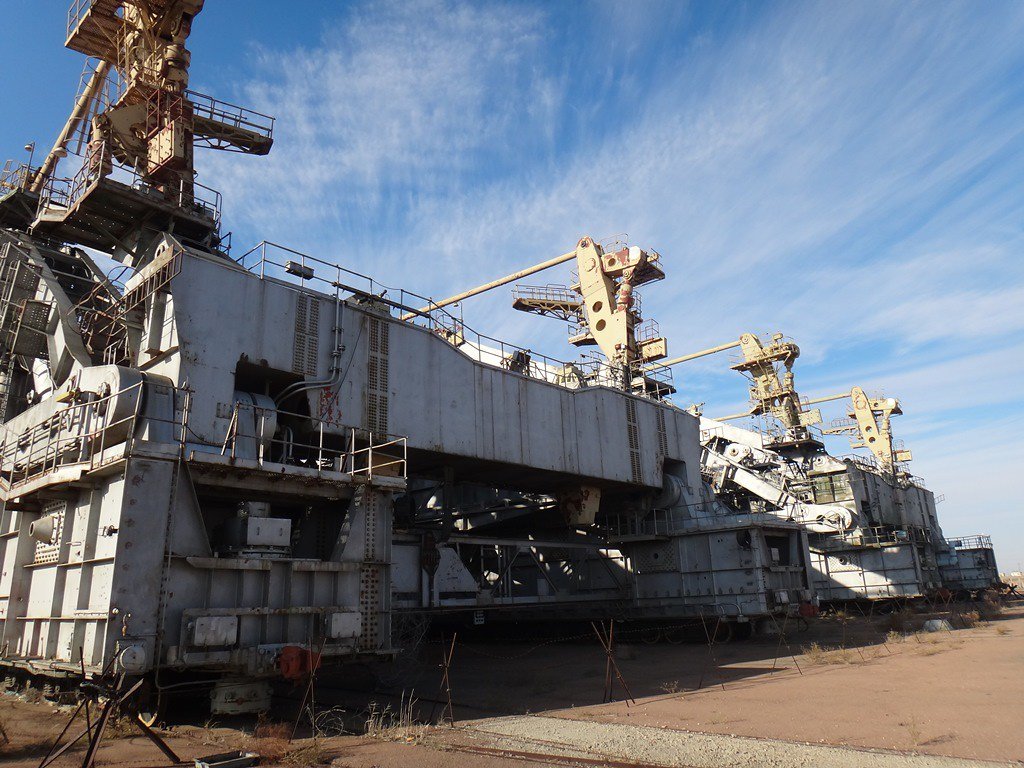
Building a world-class space facility in one of Earth’s most remote locations required extraordinary engineering solutions. Every piece of equipment, every construction material, and every drop of fuel had to be transported across vast distances to reach the site. The logistics alone were staggering, involving specially built railways, roads, and even airports to support the massive undertaking.
The facility’s infrastructure includes some of the most impressive engineering achievements of the 20th century. The rocket assembly buildings, known as MIKs (Assembly and Testing Buildings), are massive structures that can house multiple rockets simultaneously. These cathedral-like spaces are so large that weather can form inside them, with clouds and even light precipitation occurring near the ceiling during certain conditions.
The underground fuel storage and distribution systems represent another marvel of engineering. Massive tanks buried deep in the earth store thousands of tons of rocket propellants, connected by an intricate network of pipes and pumps that can fuel multiple rockets simultaneously. The system is designed to operate flawlessly in Kazakhstan’s extreme climate, from desert heat to arctic cold.
The R-7 Rocket Family Legacy
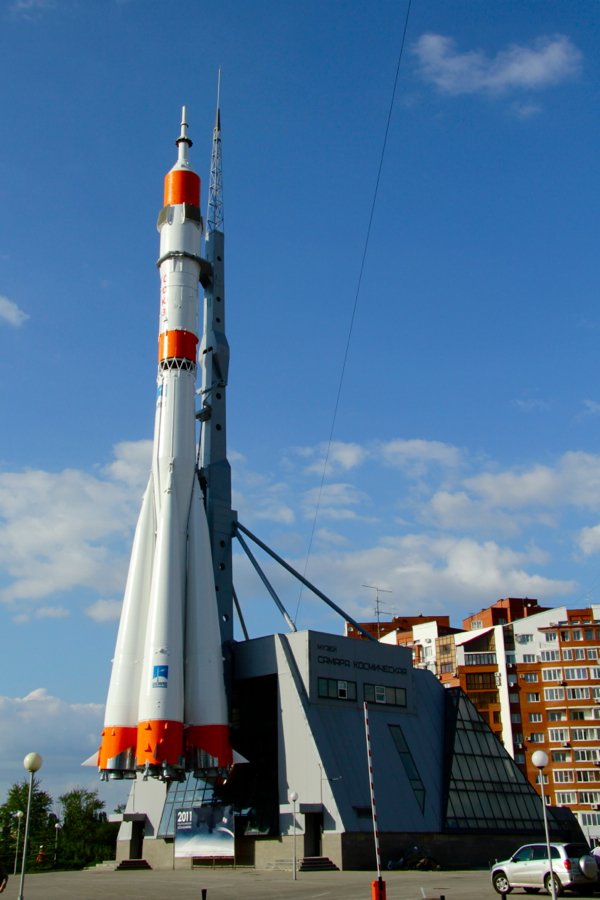
The backbone of Baikonur’s success has been the remarkable R-7 rocket family, originally designed as an intercontinental ballistic missile but later adapted for space exploration. This rocket design has proven so reliable and effective that variants are still in use today, more than 60 years after its first flight. The basic configuration has launched everything from tiny satellites to massive space station modules.
What makes the R-7 family special is its unique design philosophy. Instead of stacking stages vertically like most rockets, the R-7 uses a cluster of engines that fire simultaneously, with four boosters strapped around a central core. This configuration creates the distinctive “Korolev Cross” pattern when the boosters separate, named after chief designer Sergei Korolev.
The reliability of R-7 variants is legendary in the space industry. The Soyuz rocket, a direct descendant of the original R-7, has achieved a success rate that exceeds 97% over thousands of launches. This remarkable record has made it the workhorse of human spaceflight, carrying crews to the International Space Station with almost routine reliability.
Cosmonauts and Their Superstitions

The high-stakes nature of space travel has created a rich culture of traditions and superstitions among cosmonauts launching from Baikonur. These rituals might seem odd to outsiders, but they serve important psychological functions for people about to risk their lives in one of humanity’s most dangerous endeavors. Many of these traditions have become as much a part of the launch process as technical preparations.
One of the most famous traditions involves cosmonauts stopping to urinate on the right rear tire of the bus that takes them to the launch pad. This custom began with Yuri Gagarin and continues today, even for female crew members who participate symbolically. The tradition is seen as essential good luck, and no crew has ever skipped this ritual.
Tree planting represents another cherished tradition. Every crew plants a tree at their training facility before launch, creating a living memorial to their mission. Over the decades, these trees have grown into a substantial forest, each one representing human courage and the dreams that carry us beyond Earth’s atmosphere.
The Space Race Theater
Baikonur became the primary stage for the dramatic space race between the Soviet Union and the United States during the 1960s and 1970s. Every launch from this facility was a statement of technological prowess and national pride, carefully orchestrated to demonstrate Soviet superiority in space exploration. The propaganda value of successful launches was enormous, often overshadowing the scientific achievements themselves.
The facility witnessed both triumphant successes and devastating failures during this intense period. While the world celebrated Soviet firsts like the first satellite, first human in space, and first spacewalk, Baikonur also saw catastrophic explosions and tragic accidents that were hidden from public view for decades. The pressure to maintain the Soviet Union’s space reputation led to risks that would be unthinkable today.
Competition drove innovation at an incredible pace. Engineers worked around the clock to develop new technologies and achieve increasingly ambitious goals. This pressure cooker environment produced some of the most creative solutions in aerospace history, many of which remain relevant to modern space exploration.
Surviving the Soviet Collapse
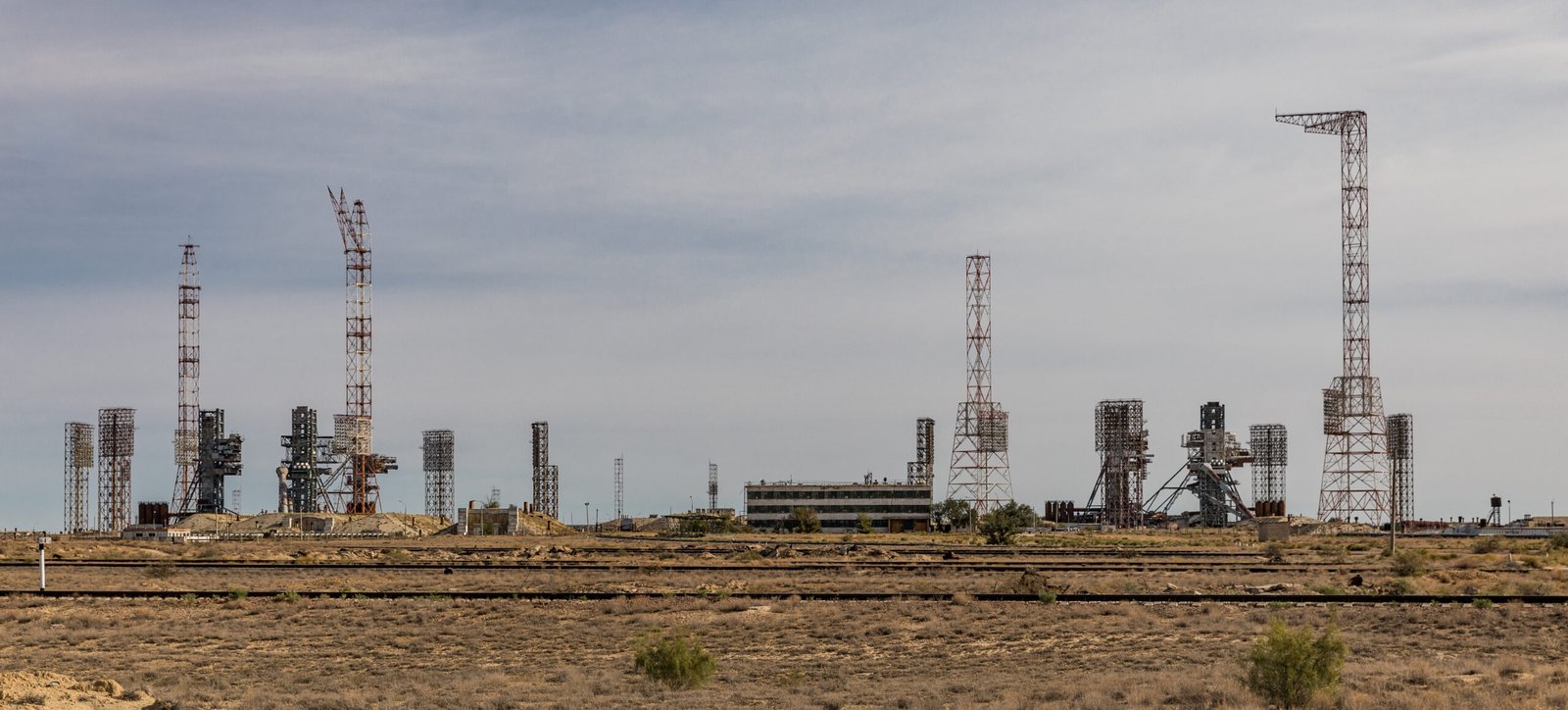
The dissolution of the Soviet Union in 1991 created an existential crisis for Baikonur. Suddenly, this crown jewel of Soviet space technology found itself in the newly independent nation of Kazakhstan, while the Russian space program that depended on it remained in Moscow. The transition could have ended decades of space exploration progress, but instead led to an unprecedented international cooperation agreement.
Kazakhstan and Russia negotiated a complex lease arrangement that allowed continued Russian operation of the facility while respecting Kazakh sovereignty. This agreement, regularly renewed and updated, has become a model for international space cooperation. The arrangement provides Kazakhstan with significant rental payments while ensuring continued access to space for Russian missions.
The post-Soviet period brought new challenges, including brain drain as experienced personnel left for better opportunities elsewhere. Many facilities fell into disrepair as funding dried up, and some launch pads were abandoned entirely. However, the core capability remained intact, and the facility gradually adapted to new economic realities.
International Space Station Lifeline

Following the retirement of the Space Shuttle program in 2011, Baikonur became humanity’s only gateway to the International Space Station. This remarkable transformation saw a former Soviet military facility become the world’s most important civilian space transportation hub. Every astronaut and cosmonaut traveling to the ISS must launch from these historic launch pads.
The responsibility of being the sole crew transportation provider has brought both prestige and pressure to Baikonur operations. Launch schedules must be maintained with precision to ensure continuous crew rotation on the ISS. Any significant delays or failures could leave the space station understaffed or force emergency evacuations.
This role has also brought unprecedented international cooperation to the facility. NASA astronauts, European Space Agency personnel, Japanese astronauts, and crew members from other nations regularly train and launch from Baikonur. The sight of different national flags side by side has become a powerful symbol of peaceful cooperation in space exploration.
The Soyuz Spacecraft Manufacturing Marvel
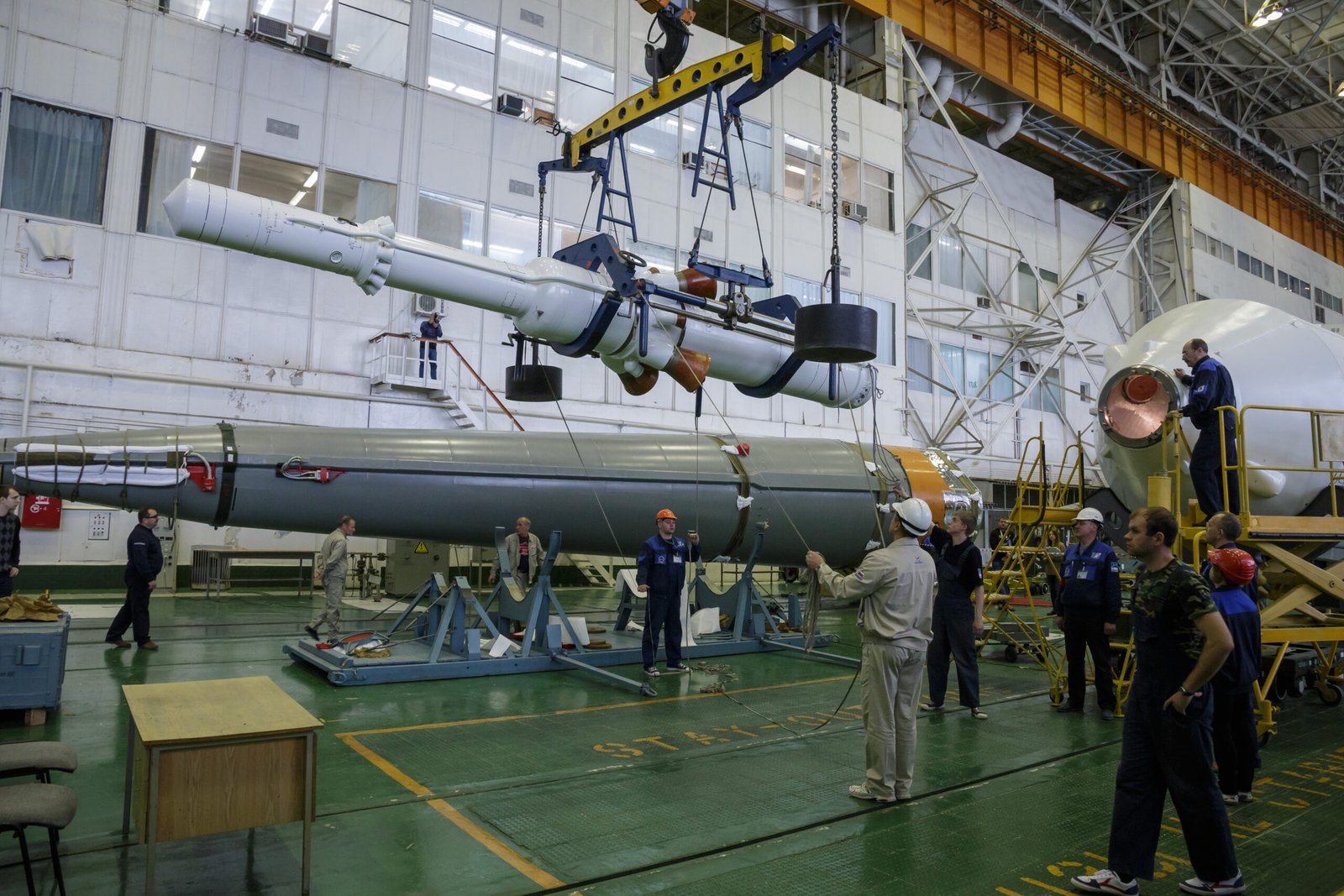
The Soyuz spacecraft, manufactured specifically for Baikonur launches, represents one of the most successful human-rated vehicles in space history. These robust, no-frills capsules have carried more people to space than any other vehicle design, establishing a safety record that remains unmatched in the industry. The spacecraft’s design philosophy prioritizes reliability over comfort, reflecting the practical Soviet approach to engineering.
Manufacturing Soyuz spacecraft requires extraordinary precision and quality control. Every component must function flawlessly in the harsh environment of space, where the nearest repair shop is hundreds of kilometers away. The production process involves thousands of specialized workers, each responsible for critical systems that must work together seamlessly.
The spacecraft’s three-module design has remained essentially unchanged for decades, a testament to the original engineering excellence. The orbital module provides extra space during flight, the descent module brings crews safely home, and the service module contains life support and propulsion systems. This time-tested configuration continues to prove its worth with every successful mission.
Modern Commercial Space Revolution
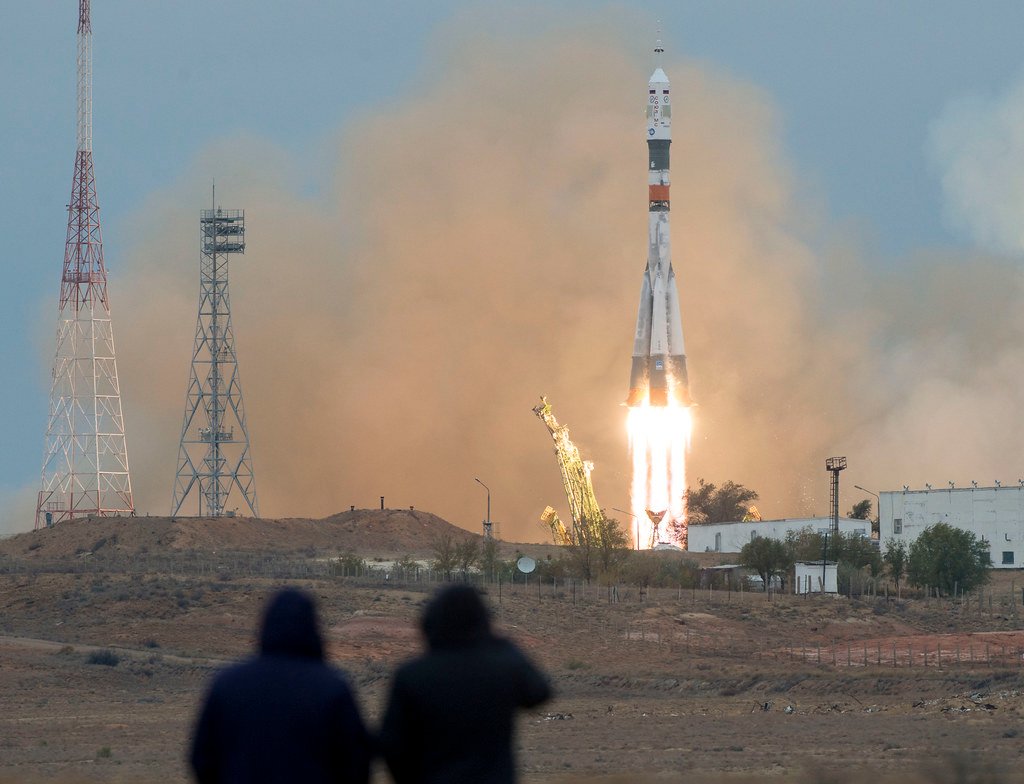
Recent years have brought significant changes to Baikonur as commercial space companies seek access to this historic facility. Companies from around the world recognize the advantages of launching from Kazakhstan’s steppe, including the geographic benefits and decades of operational experience. This commercial interest has breathed new life into facilities that might otherwise have become historical monuments.
The integration of commercial operations with traditional government missions has required careful coordination and new safety protocols. Private companies must meet the same exacting standards that have made Baikonur famous for reliability, while adapting to modern business practices that emphasize efficiency and cost-effectiveness.
New launch vehicles designed for commercial markets are being tested and deployed from Baikonur, expanding the facility’s capabilities beyond traditional Russian rockets. This diversification helps ensure the cosmodrome’s long-term viability in an increasingly competitive global space market.
Environmental Impact and Conservation
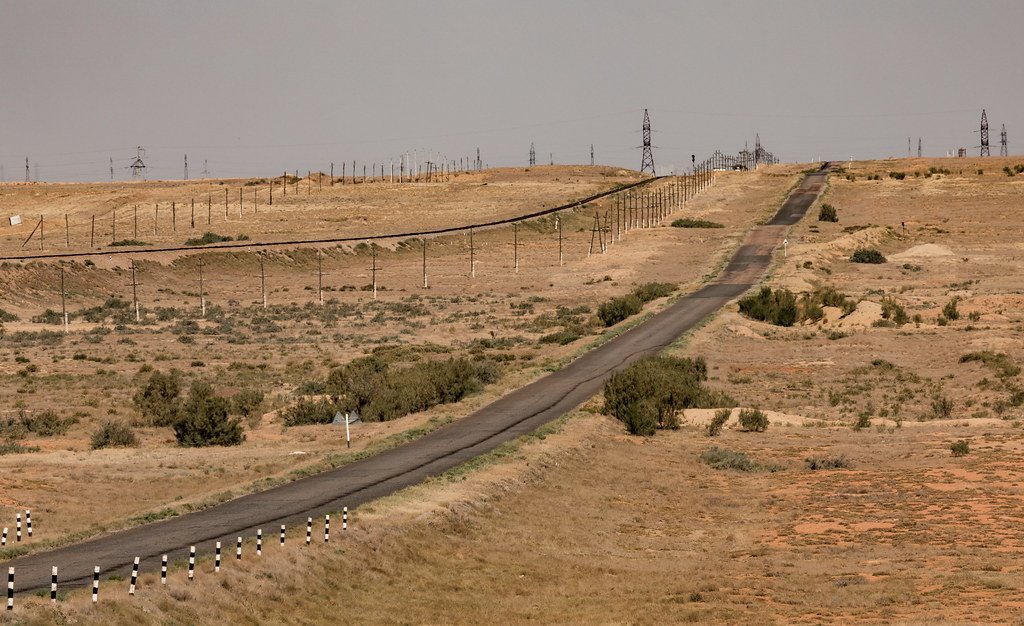
Operating one of the world’s busiest launch facilities in a pristine natural environment creates significant environmental responsibilities. The Kazakh steppe surrounding Baikonur supports unique ecosystems that have remained largely unchanged for millennia. Balancing space exploration activities with environmental protection requires constant vigilance and innovative solutions.
Rocket launches inevitably affect the local environment through noise, exhaust products, and the impact of falling debris. However, the vast empty spaces around Baikonur minimize these effects compared to launches from more densely populated areas. Ongoing environmental monitoring ensures that space activities don’t permanently damage the delicate steppe ecosystem.
Wildlife in the area has shown remarkable adaptability to space operations. Some species have even benefited from the protected status of the cosmodrome territory, which prevents hunting and development. The result is an unusual sanctuary where cutting-edge technology coexists with ancient natural processes.
Training Cosmonauts in the Desert
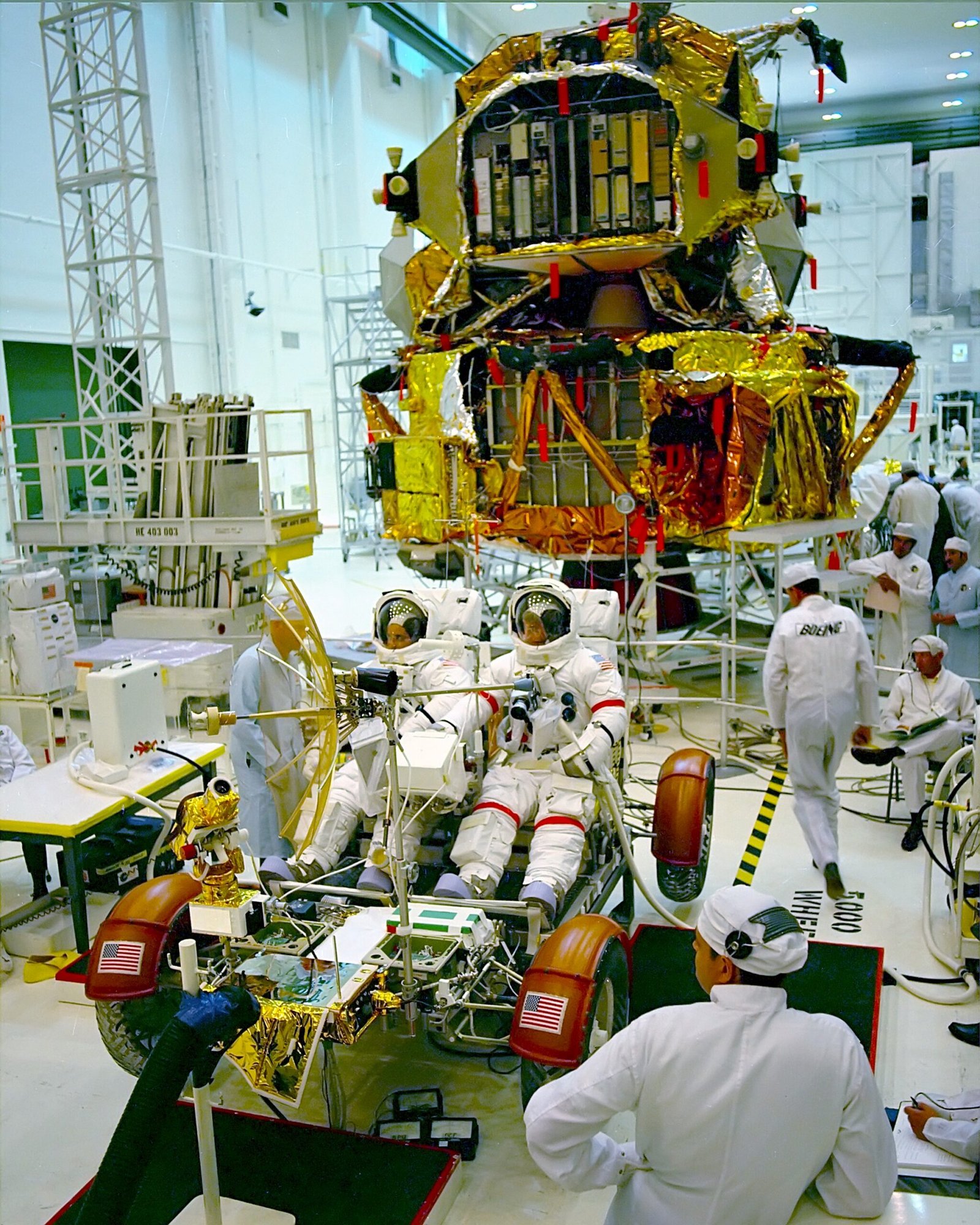
The remote location of Baikonur makes it an ideal training ground for cosmonauts who must be prepared for any emergency situation. The harsh climate and isolation mirror some of the challenges that space travelers might face if forced to make an emergency landing in a remote location. Training exercises often involve survival scenarios in the unforgiving steppe environment.
Cosmonaut training at Baikonur includes everything from technical spacecraft operations to basic survival skills. Trainees learn to operate in extreme temperatures, find water in arid conditions, and signal for rescue across vast distances. These skills have proven invaluable in actual emergency situations throughout the program’s history.
The psychological aspects of training are equally important. Living and working in Baikonur’s isolated environment helps prepare space travelers for the mental challenges of extended missions in space. The facility’s unique combination of high-tech operations and primitive conditions creates an ideal preparation environment.
The Future of Human Spaceflight
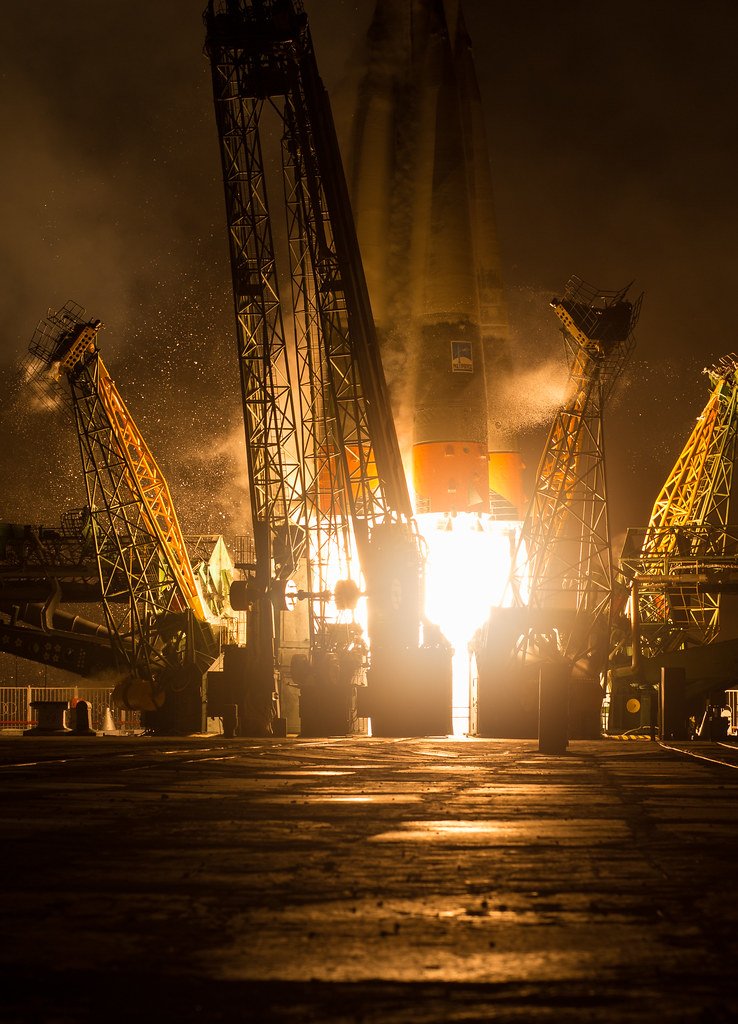
As private space companies develop new crew vehicles and space agencies plan missions to the Moon and Mars, Baikonur’s role in human spaceflight continues to evolve. The facility’s proven track record and strategic location make it valuable for future missions, even as new launch sites come online around the world. Plans for facility upgrades and new launch pads demonstrate continued confidence in Baikonur’s importance.
Next-generation spacecraft being developed for deep space missions may require the unique capabilities that Baikonur offers. The facility’s ability to handle large, complex vehicles and its experience with long-duration missions make it an attractive option for ambitious future programs. International partnerships will likely play an increasingly important role in these developments.
The lessons learned from decades of operations at Baikonur provide invaluable guidance for future space facilities. From engineering solutions adapted to extreme environments to international cooperation models, the cosmodrome’s experience offers a roadmap for expanding human presence beyond Earth.
Cultural Impact and Legacy
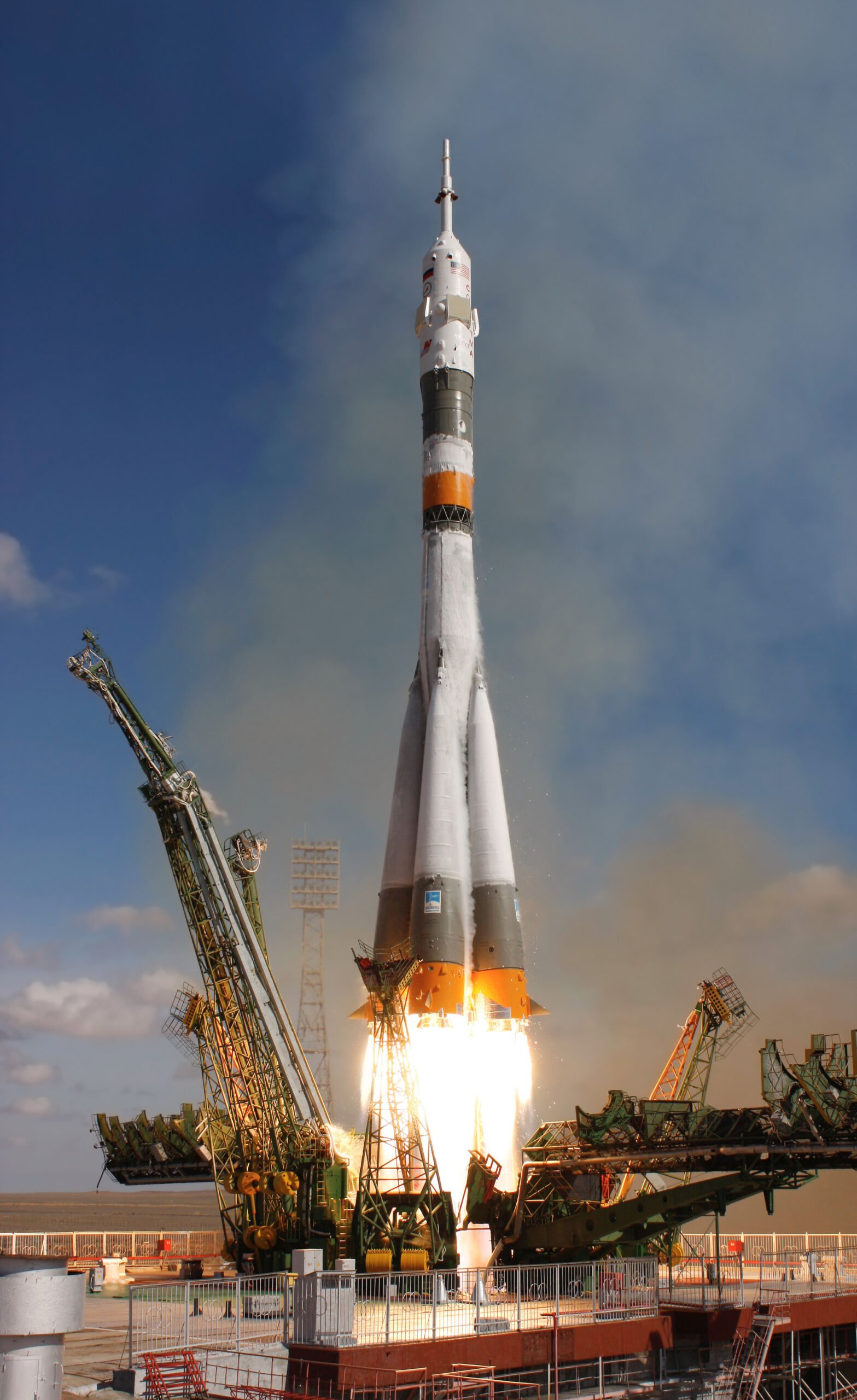
Baikonur Cosmodrome has transcended its role as a launch facility to become a powerful symbol of human achievement and international cooperation. The images of rockets rising from the Kazakh steppe have inspired generations of scientists, engineers, and dreamers around the world. Museums, documentaries, and countless books have celebrated the facility’s contributions to human knowledge and exploration.
The cultural significance extends far beyond space enthusiasts. For Kazakhstan, Baikonur represents a connection to humanity’s greatest adventure and a source of national pride. The facility attracts visitors from around the world, contributing to local economic development and international understanding.
Educational programs based on Baikonur’s history and operations inspire young people to pursue careers in science, technology, engineering, and mathematics. The facility serves as a tangible reminder that seemingly impossible dreams can become reality through dedication, cooperation, and innovative thinking.
Conclusion
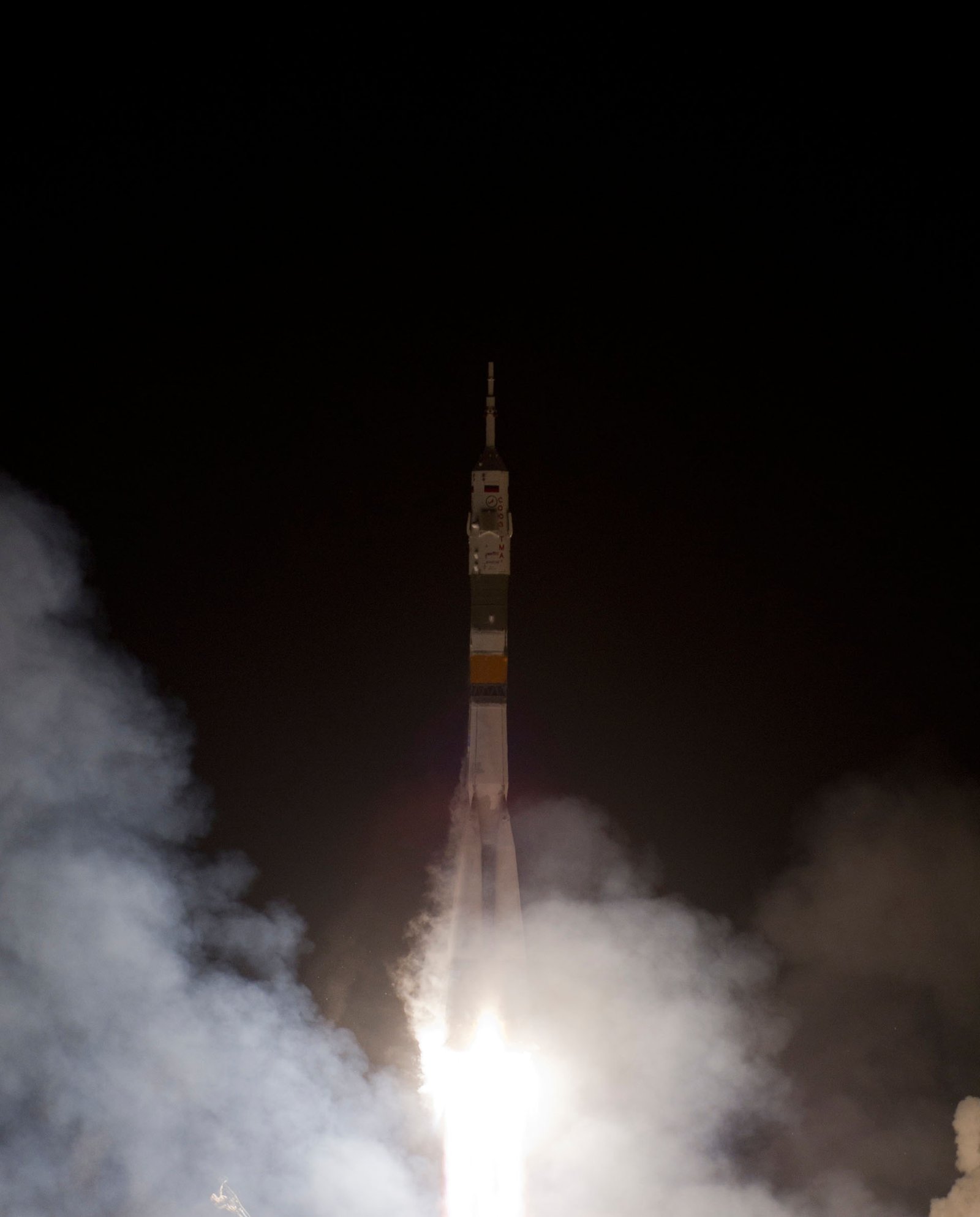
From its secretive beginnings in the 1950s to its current role as humanity’s primary gateway to space, Baikonur Cosmodrome has witnessed and enabled some of our species’ most remarkable achievements. This remote facility in the heart of Kazakhstan has launched more humans into space than any other location on Earth, serving as the launching point for dreams that once seemed impossible.
The cosmodrome’s story reflects humanity’s best qualities – our willingness to cooperate across national boundaries, our determination to push beyond known limits, and our ability to achieve extraordinary things when we work together toward common goals. As we stand on the threshold of a new era in space exploration, with missions to Mars and beyond on the horizon, Baikonur remains a testament to what we can accomplish when we dare to reach for the stars.
Every rocket that roars to life from these launch pads carries with it the hopes and dreams of our entire species, reminding us that we are capable of transcending the boundaries that once seemed absolute. What dreams will take flight from this legendary launch site next?