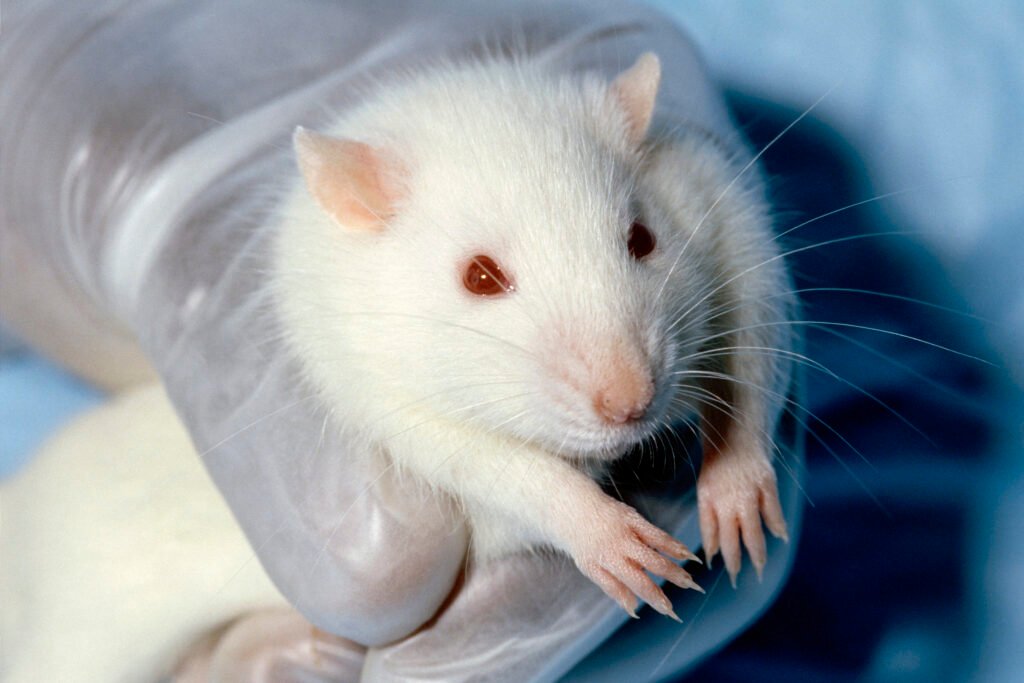

The tiny paws scurrying across laboratory floors carry secrets that might fundamentally change how we view intelligence itself. For decades, we’ve dismissed rats as simple creatures driven purely by instinct, yet groundbreaking research is revealing cognitive abilities that rival those of much larger mammals. These remarkable rodents are solving complex puzzles, showing empathy for their companions, and even demonstrating what can only be described as strategic thinking. The implications of these discoveries extend far beyond the confines of research facilities, challenging our understanding of consciousness and raising profound questions about the nature of intelligence across species.
The Memory Masters: How Rats Navigate Complex Mental Maps

Recent neurological studies have uncovered that rats possess spatial memory capabilities that would impress even the most skilled human navigators. When researchers created elaborate maze systems with multiple pathways and hidden rewards, rats didn’t just stumble through randomly. Instead, they built detailed mental maps of their environment, remembering not only where food was located but also the most efficient routes to reach multiple destinations.
What’s truly fascinating is how rats update these mental maps in real-time. When scientists moved obstacles or changed reward locations, the rodents quickly adapted their strategies within just a few trials. This level of cognitive flexibility suggests they’re not simply following memorized patterns but actively processing and analyzing their environment.
Brain imaging technology has revealed that rat hippocampi fire in patterns remarkably similar to those found in human brains during spatial navigation tasks. This neural similarity hints at shared evolutionary mechanisms for processing complex environmental information that we’re only beginning to understand.
Emotional Intelligence: When Rats Show Genuine Empathy

Perhaps the most surprising discovery in rat research involves their capacity for empathy, a trait once thought to be uniquely human or limited to higher primates. In carefully controlled experiments, researchers placed rats in situations where they could help distressed companions escape from uncomfortable conditions, even when there was no direct benefit to themselves.
The results were remarkable. Rats consistently chose to free their trapped cage-mates, often prioritizing rescue over accessing food rewards. Even more telling, they showed signs of emotional distress when unable to help, with stress hormone levels rising significantly during these scenarios.
These empathetic behaviors weren’t limited to familiar companions either. Rats demonstrated helping behaviors toward strangers of their species, suggesting an innate capacity for compassion that challenges our assumptions about emotional sophistication in small mammals.
Problem-Solving Prodigies: Tool Use and Innovation

Traditional views of intelligence often center on tool use, and rats are proving they deserve recognition in this arena. Laboratory observations have documented rats fashioning simple tools from available materials to reach otherwise inaccessible food sources. They’ve been seen using sticks to extract treats from narrow tubes and even modifying objects to better suit their needs.
What sets rat tool use apart is their ability to plan ahead. Unlike reactive tool use seen in many animals, rats have been observed selecting and preparing tools before encountering the problems they’re designed to solve. This forward-thinking approach suggests complex cognitive processes involving imagination and predictive reasoning.
The innovation doesn’t stop there. Individual rats have been documented teaching their tool-use techniques to others, creating what researchers describe as “cultural transmission” of knowledge within rat communities.
Social Strategists: The Complex World of Rat Politics

Rat societies operate on levels of complexity that would make political scientists take notice. These rodents engage in sophisticated social behaviors including alliance formation, cooperative hunting strategies, and even what appears to be deliberate deception. Dominant rats have been observed allowing subordinates to find food first, seemingly as a way to maintain group harmony and ensure continued cooperation.
Research has revealed that rats can recognize dozens of individual companions and remember their relationships with each one. They adjust their behavior based on past interactions, showing forgiveness to former aggressors who’ve changed their ways while maintaining wariness toward consistently aggressive individuals.
The social intelligence extends to communication as well. Rats use a variety of vocalizations, body language cues, and even scent marking to convey complex information about everything from food sources to potential threats, creating rich information networks within their communities.
Language Learning: Rats That Understand Grammar Rules

One of the most groundbreaking discoveries in rat cognition involves their ability to learn basic grammatical structures. Researchers trained rats to distinguish between different sound patterns that followed specific rules, similar to how human languages organize words into meaningful sequences.
The rats not only learned to recognize the patterns they were taught but could also identify violations of these rules in new sound combinations they’d never heard before. This suggests they weren’t simply memorizing specific sequences but actually grasping the underlying grammatical principles.
Brain activity during these tasks showed activation in areas analogous to language processing regions in human brains. While rats certainly aren’t developing full languages, their capacity to understand rule-based communication systems provides new insights into the evolutionary foundations of language itself.
Decision-Making Under Pressure: Risk Assessment Experts

When faced with complex decisions involving risk and reward, rats demonstrate sophisticated cost-benefit analysis that would impress any economist. Laboratory studies have shown them carefully weighing immediate versus delayed gratification, adjusting their choices based on probability calculations that seem almost mathematical in their precision.
In gambling-style experiments, rats learn to avoid high-risk, high-reward options when safer alternatives provide better long-term outcomes. They show individual personality differences in risk tolerance, with some rats consistently preferring conservative strategies while others embrace more adventurous approaches.
Perhaps most impressively, rats can adapt their decision-making strategies based on changing circumstances. When environmental conditions shift, they quickly recalibrate their risk assessments and modify their behavior accordingly, showing a flexibility that many humans struggle to match.
Time Travelers: Planning for Future Events

The ability to plan for future events was once considered a uniquely human cognitive achievement, but rats are proving this assumption wrong. In controlled experiments, rats have demonstrated the ability to select tools today that they’ll need tomorrow, even when those tools serve no immediate purpose.
This future-planning ability extends beyond simple tool selection. Rats have been observed caching food in locations they’ll visit later, taking into account their future travel routes and nutritional needs. The sophistication of these planning behaviors suggests they can mentally simulate future scenarios and prepare accordingly.
Neurological studies during planning tasks show increased activity in prefrontal cortex regions associated with executive function, indicating that rats engage similar brain networks to those humans use when contemplating future events.
Metacognition: Rats That Know What They Know

Perhaps the most philosophically intriguing discovery involves rats demonstrating metacognition—the ability to think about their own thinking. In specially designed experiments, rats can indicate when they’re uncertain about a decision, choosing to “opt out” of difficult tasks when they recognize they lack sufficient information.
This self-awareness extends to memory tasks, where rats accurately assess their own confidence levels in remembering specific information. They’re more likely to seek additional clues when they’re uncertain and more willing to commit to answers when they’re confident, showing remarkable insight into their own mental states.
The implications are profound. If rats possess even basic forms of self-awareness and can monitor their own cognitive processes, it suggests consciousness may be far more widespread in the animal kingdom than previously imagined.
Creative Problem Solvers: Innovation in Action

Creativity, long considered a hallmark of human intelligence, appears in surprising ways within rat behavior. When presented with novel challenges that require unconventional solutions, rats demonstrate remarkable inventiveness. They’ve been observed combining unrelated objects in creative ways to solve problems, showing flexibility that goes beyond simple trial-and-error learning.
Individual rats develop unique problem-solving styles, with some preferring methodical approaches while others favor more intuitive, sudden-insight solutions. These differences suggest personality traits that influence cognitive approaches, much like the diverse thinking styles found in humans.Researchers have documented cases where rats seemingly experience “eureka moments,” suddenly discovering solutions after periods of apparent contemplation. Brain activity during these breakthrough moments shows patterns similar to those associated with creative insights in human studies.
Mathematical Minds: Number Sense and Counting Abilities
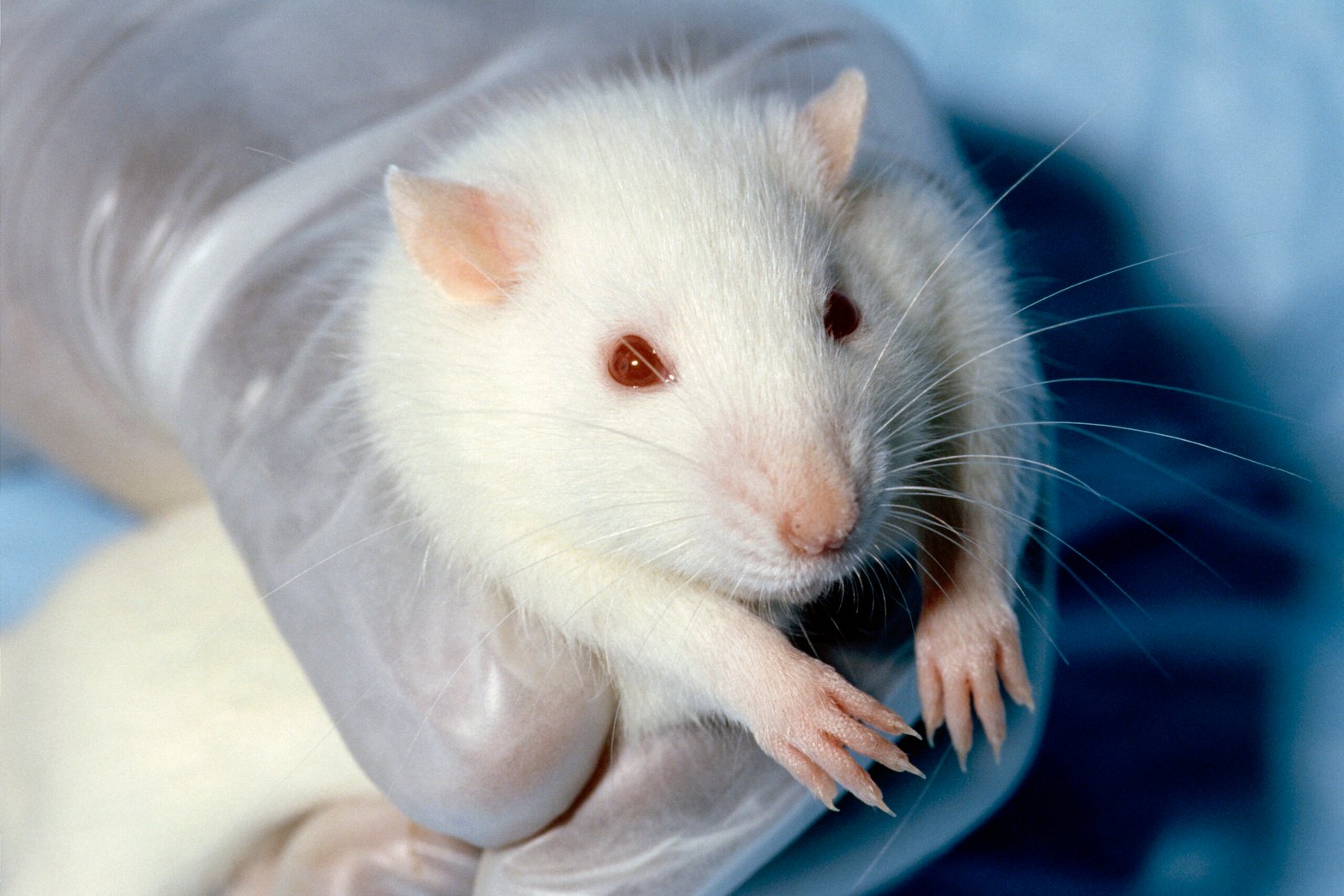
Rats possess surprising mathematical abilities that extend well beyond simple quantity discrimination. They can learn to count up to specific numbers, responding differently to sets containing precise quantities of objects. This numerical competence isn’t limited to small numbers either—some rats have demonstrated counting abilities up to eight or nine items.
Even more impressive is their understanding of mathematical relationships. Rats can learn rules like “choose the larger set” or “select the middle quantity,” applying these concepts to new situations they’ve never encountered before. This abstract mathematical thinking suggests cognitive processes that were once thought to require human-level intelligence.
The mathematical abilities extend to timing as well. Rats can estimate durations with remarkable accuracy, timing their behaviors to coincide with predictable events. This temporal mathematics plays crucial roles in their foraging strategies and social interactions.
Memory Athletes: Extraordinary Retention Capabilities

The memory capabilities of rats extend far beyond simple spatial navigation, encompassing what researchers call “episodic-like memory”—the ability to remember specific events in their personal history. Rats can recall not just where something happened, but when it occurred and what else was happening at the time.
Long-term memory studies have shown rats remembering complex information for months or even years. They can recognize individual humans they haven’t seen for extended periods and recall training procedures learned long ago. This retention ability rivals that of many animals considered more intelligent.
Working memory—the ability to hold and manipulate information temporarily—also shows remarkable sophistication in rats. They can juggle multiple pieces of information simultaneously while solving complex tasks, demonstrating cognitive flexibility that supports their problem-solving abilities.
Emotional Complexity: Beyond Simple Fear and Pleasure

Research into rat emotions has revealed a complexity that challenges simplistic views of animal emotional life. Rats experience what can only be described as joy, engaging in playful behaviors that serve no obvious survival function but appear to be pursued for pure enjoyment.
They also demonstrate what researchers term “emotional contagion,” becoming distressed when witnessing the suffering of others and showing elevated mood when surrounded by happy companions. This emotional synchronization suggests sophisticated social-emotional intelligence.
Perhaps most remarkably, rats show signs of regret—a complex emotion requiring the ability to imagine alternative outcomes. When given choices between different options, rats that select poorly show behavioral and neurological patterns consistent with regret about their decisions.
Learning Specialists: Mastering Complex Skills

The learning abilities of rats extend far beyond simple conditioning, encompassing complex skill acquisition that resembles human learning processes. They can master multi-step procedures involving dozens of sequential actions, each requiring precise timing and execution.
Rats demonstrate remarkable transfer learning, applying skills learned in one context to completely different situations. This cognitive flexibility allows them to adapt quickly to new environments and challenges, showing a learning efficiency that maximizes survival advantages.
Individual differences in learning styles are pronounced, with some rats excelling at visual tasks while others prefer auditory or tactile learning. These preferences remain consistent across different types of tasks, suggesting stable cognitive profiles that influence how each rat processes information.
Communication Networks: Sophisticated Information Exchange

Rat communication systems operate with a complexity that rivals many larger mammals. They use ultrasonic vocalizations inaudible to human ears to convey detailed information about emotional states, territorial boundaries, and social relationships. These vocal communications show regional dialects, with rat populations in different geographic areas developing distinct “accents.”
Chemical communication through scent marking creates rich information networks that persist over time. Rats can determine the identity, reproductive status, health condition, and emotional state of others through scent alone, accessing a wealth of social information unavailable to humans.
Body language and posturing add another layer to rat communication, with subtle movements conveying intentions and emotions. The integration of these multiple communication channels creates a sophisticated information exchange system that supports their complex social behaviors.
Stress Management: Coping Strategies and Resilience

Rats have developed sophisticated strategies for managing stress and adversity that demonstrate remarkable psychological resilience. They engage in what researchers term “displacement behaviors”—activities that help reduce anxiety and maintain emotional equilibrium during challenging situations.
Social support plays a crucial role in rat stress management. Rats actively seek comfort from companions during difficult times and provide support to others experiencing distress. This mutual aid system creates psychological benefits that extend beyond immediate stress relief.
The ability to recover from traumatic experiences shows impressive adaptation. While rats certainly experience lasting effects from severe stress, many demonstrate remarkable recovery capabilities, developing new coping strategies and returning to normal behavior patterns over time.
Parental Genius: Teaching and Learning Across Generations

Rat parenting involves sophisticated teaching behaviors that ensure knowledge transmission across generations. Mother rats don’t simply provide food and protection—they actively demonstrate foraging techniques, safety behaviors, and social skills to their offspring.
The teaching process shows intentionality, with parent rats modifying their demonstrations based on their pups’ learning progress. Slow learners receive more repetition and simplified examples, while quick learners advance to more complex lessons more rapidly.
Cultural transmission extends beyond parent-child relationships to include peer learning and community knowledge sharing. Young rats learn not only from their parents but from older community members, creating multi-generational knowledge networks that preserve and enhance survival strategies.
Neuroplasticity Champions: Adapting Brain Structure

The rat brain demonstrates extraordinary plasticity, literally rewiring itself in response to new experiences and challenges. Rats raised in enriched environments with complex toys, social interaction, and learning opportunities develop larger brain regions associated with problem-solving and memory.
This neuroplasticity continues throughout life, not just during development. Adult rats learning new skills show measurable increases in relevant brain areas, with neural connections strengthening and multiplying to support enhanced cognitive abilities.
The implications for understanding human brain plasticity are profound. Rat studies have provided crucial insights into how experience shapes neural structure and function, informing treatments for brain injuries and cognitive decline in humans.
Environmental Engineers: Modifying Their World
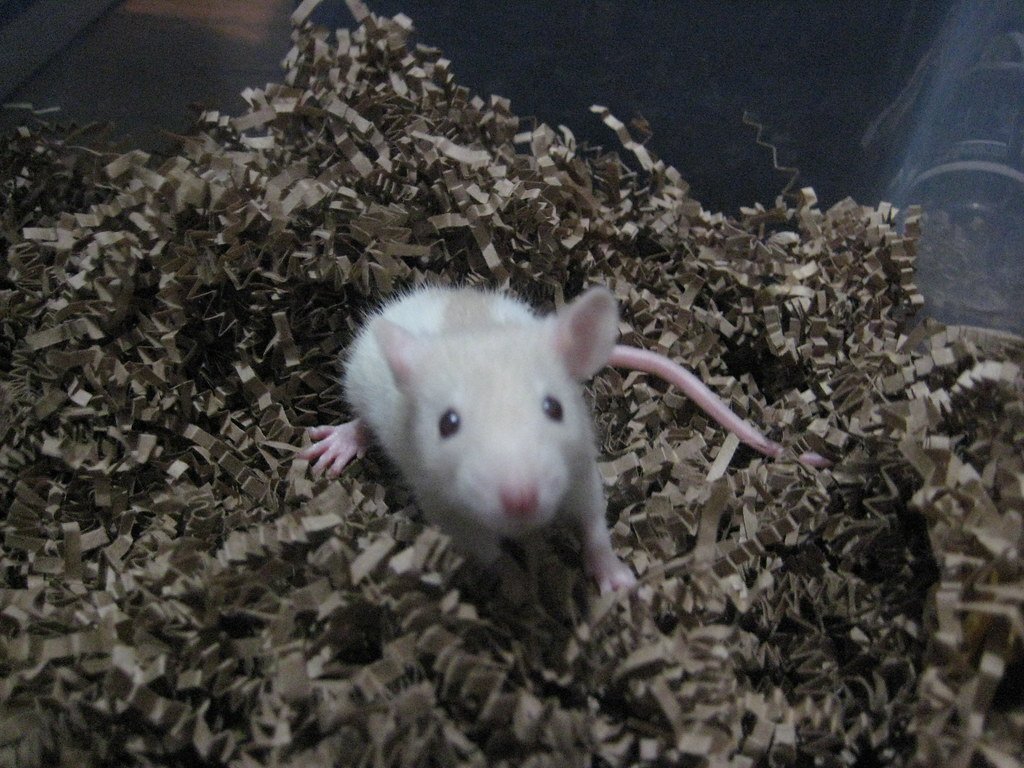
Rats actively modify their environments in ways that demonstrate forward-thinking and engineering capabilities. They construct elaborate burrow systems with multiple chambers serving different functions—sleeping areas, food storage, waste disposal, and nurseries for young.
These constructions show planning and architectural thinking, with rats considering factors like drainage, ventilation, and escape routes. The complexity of their engineering projects rivals that of many animals considered more intelligent, yet receives little recognition.
Urban rats have shown remarkable adaptability in human environments, developing new behavioral strategies and even modifying human infrastructure to better serve their needs. This environmental manipulation demonstrates cognitive flexibility and innovation in real-world settings.
The evidence is overwhelming: rats possess cognitive abilities that challenge our fundamental assumptions about intelligence and consciousness. From their sophisticated problem-solving skills to their capacity for empathy and future planning, these remarkable creatures demonstrate mental capabilities that rival those of animals we traditionally consider far more intelligent. Their ability to learn languages, use tools, experience complex emotions, and engage in creative thinking forces us to reconsider the boundaries of animal consciousness.
These discoveries have profound implications beyond academic curiosity. If rats—creatures we’ve long dismissed as simple pests—possess such remarkable cognitive abilities, what other species might harbor unexpected intelligence? The research challenges us to approach the animal kingdom with greater humility and respect, recognizing that intelligence may be far more widespread and diverse than we ever imagined.
Perhaps the most important takeaway is that intelligence isn’t a single, linear scale with humans at the top. Instead, it appears to be a rich tapestry of cognitive abilities that different species have evolved to match their ecological needs. Rats have developed their remarkable mental capabilities not to impress human researchers, but to thrive in complex environments where quick thinking and social cooperation mean the difference between survival and extinction.
What other hidden geniuses might be scurrying past us unnoticed every day?