Imagine walking into a Victorian nobleman’s private garden, where exotic animals paced behind ornate iron bars for the entertainment of wealthy guests. Now picture yourself in a modern zoo, watching endangered rhinos graze in a carefully crafted habitat designed to mirror their African homeland, while researchers collect data that could save their species from extinction. The transformation between these two scenes represents one of the most dramatic shifts in how humans interact with wildlife – a journey that spans centuries and continues to reshape our understanding of animal care, conservation, and our role as stewards of the natural world.
The Ancient Roots of Animal Collections

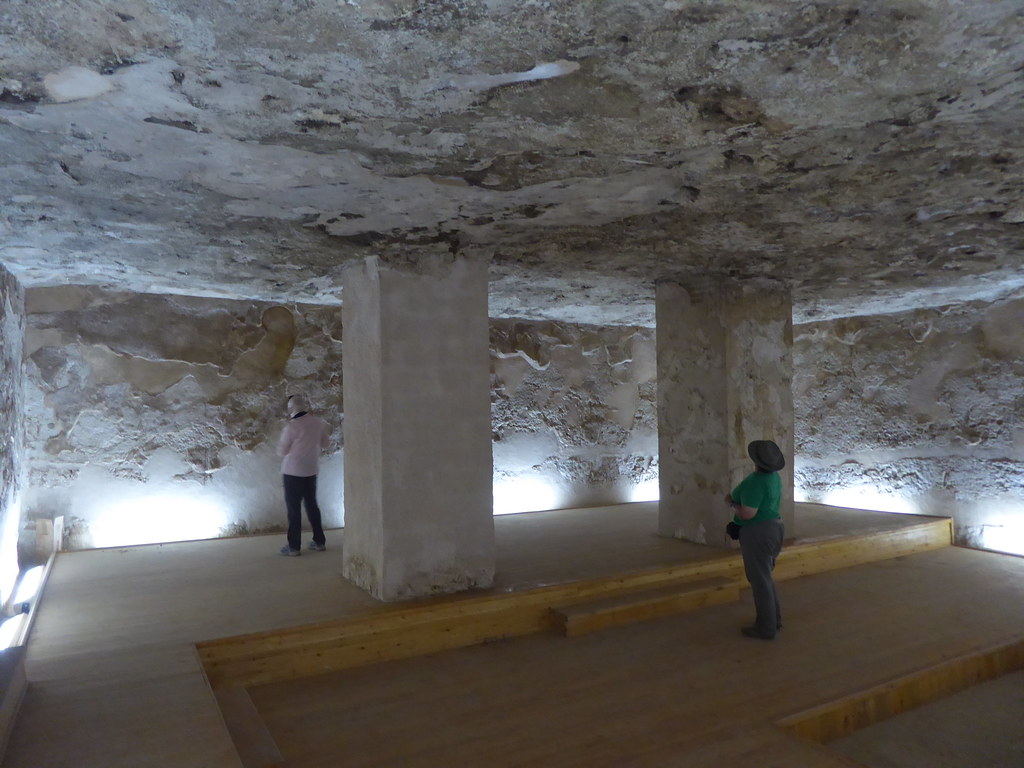
Long before the first public zoo opened its gates, powerful rulers collected exotic animals as symbols of their wealth and dominance. Ancient Egyptian pharaohs kept sacred animals in temple complexes, while Chinese emperors maintained elaborate menageries filled with rare creatures from across their vast empire. These early collections served dual purposes – they demonstrated the ruler’s power to obtain the impossible and provided entertainment for the elite. The famous Hanging Gardens of Babylon allegedly housed not just exotic plants but also rare animals, creating what might have been history’s first themed animal display. Archaeological evidence suggests that even prehistoric humans captured and kept wild animals, though likely for practical rather than entertainment purposes.
Medieval Menageries and Royal Spectacles
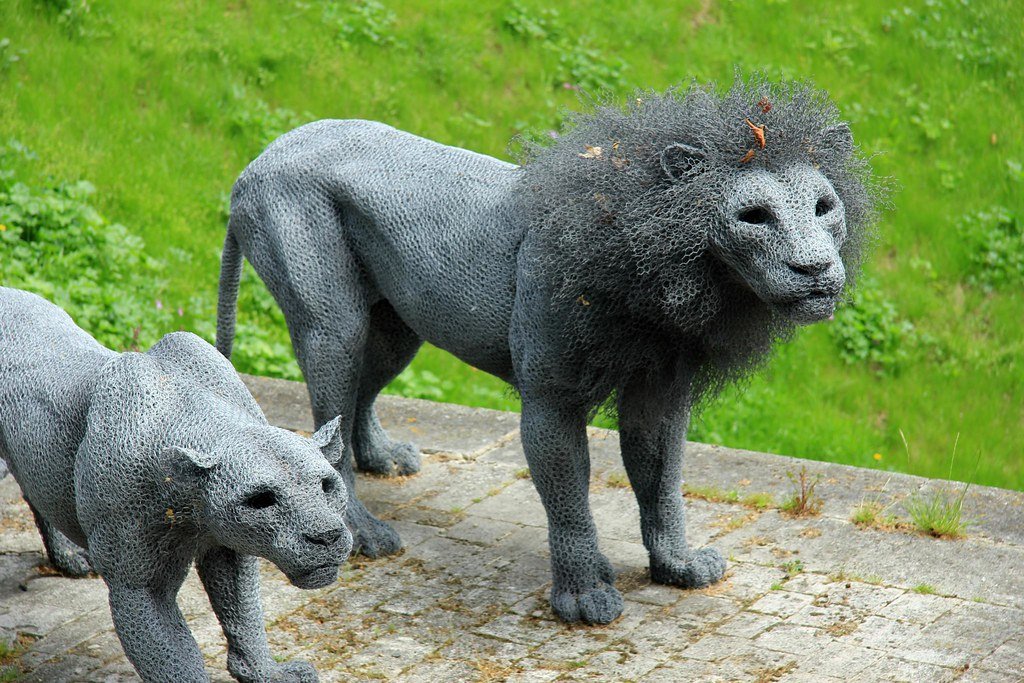
During the medieval period, European nobility elevated animal collecting to new heights of extravagance and cruelty. The Tower of London’s menagerie, established in the 13th century, became legendary for housing lions, elephants, and polar bears in conditions that would horrify modern visitors. These animals were often gifts between royal families, used as diplomatic tools to strengthen political alliances. Public executions sometimes featured wild animals, turning these creatures into unwilling participants in brutal spectacles. The famous menagerie at Versailles showcased Louis XIV’s power through its collection of exotic birds and mammals, though many animals died quickly due to poor understanding of their needs. French nobles competed to acquire the most unusual specimens, leading to a thriving trade in captured wildlife.
The Birth of Public Zoos
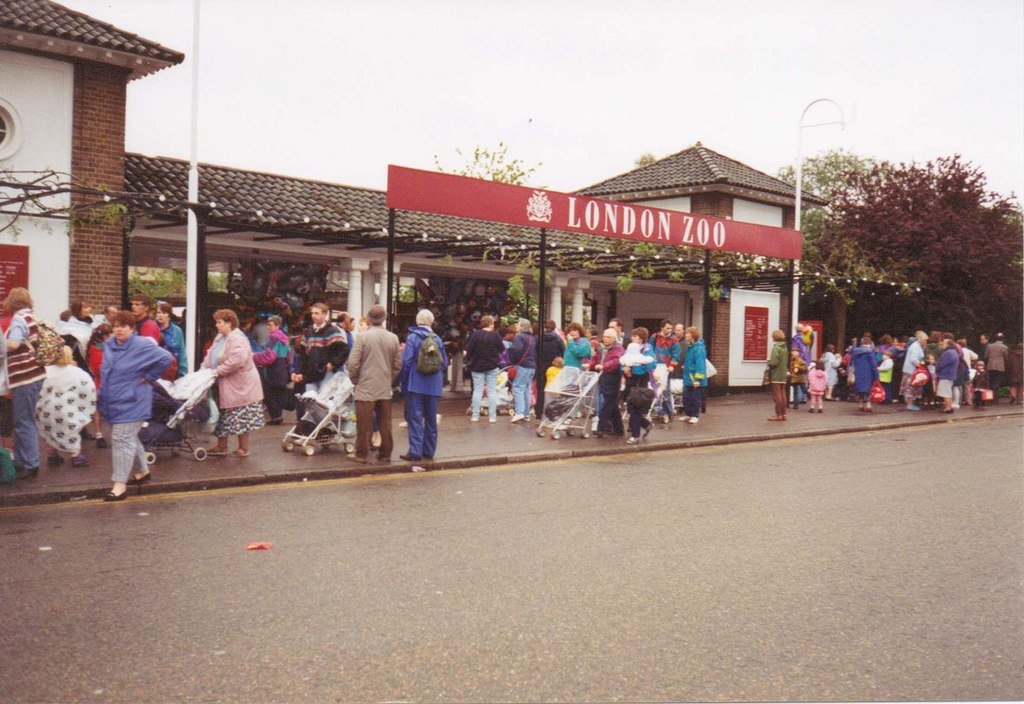
The concept of making animal collections accessible to ordinary people emerged during the Enlightenment, when scientific curiosity began to overshadow pure entertainment. London Zoo, which opened in 1828, marked a revolutionary shift from private menageries to public institutions dedicated to education and research. This pioneering zoo introduced innovative features like specialized buildings for different species and systematic record-keeping of animal behavior. The admission fees helped fund scientific research, making zoos self-sustaining educational institutions rather than expensive royal hobbies. Visitors flocked to see animals they had only heard about in stories, creating a new form of popular entertainment that combined education with wonder. The success of London Zoo inspired similar institutions across Europe and America, establishing the foundation for modern zoological gardens.
Victorian Spectacle and Human Exhibitions

The Victorian era transformed zoos into elaborate entertainment venues that reflected the period’s colonial attitudes and racial prejudices. Zoos during this time didn’t just display animals – they also exhibited people from colonized territories in degrading “human zoos” that reinforced racist stereotypes. These exhibitions drew massive crowds who came to gawk at both exotic animals and indigenous peoples, treating both as curiosities rather than living beings deserving respect. The architecture of Victorian zoos emphasized spectacle over animal welfare, with ornate buildings designed to impress visitors rather than provide appropriate habitats. Many zoos featured elaborate elephant houses, monkey palaces, and bird aviaries that looked impressive but failed to meet the basic needs of their inhabitants. The popularity of these institutions reflected society’s fascination with the exotic and unknown, but also revealed troubling attitudes about dominance and cultural superiority.
The Age of Concrete Cages

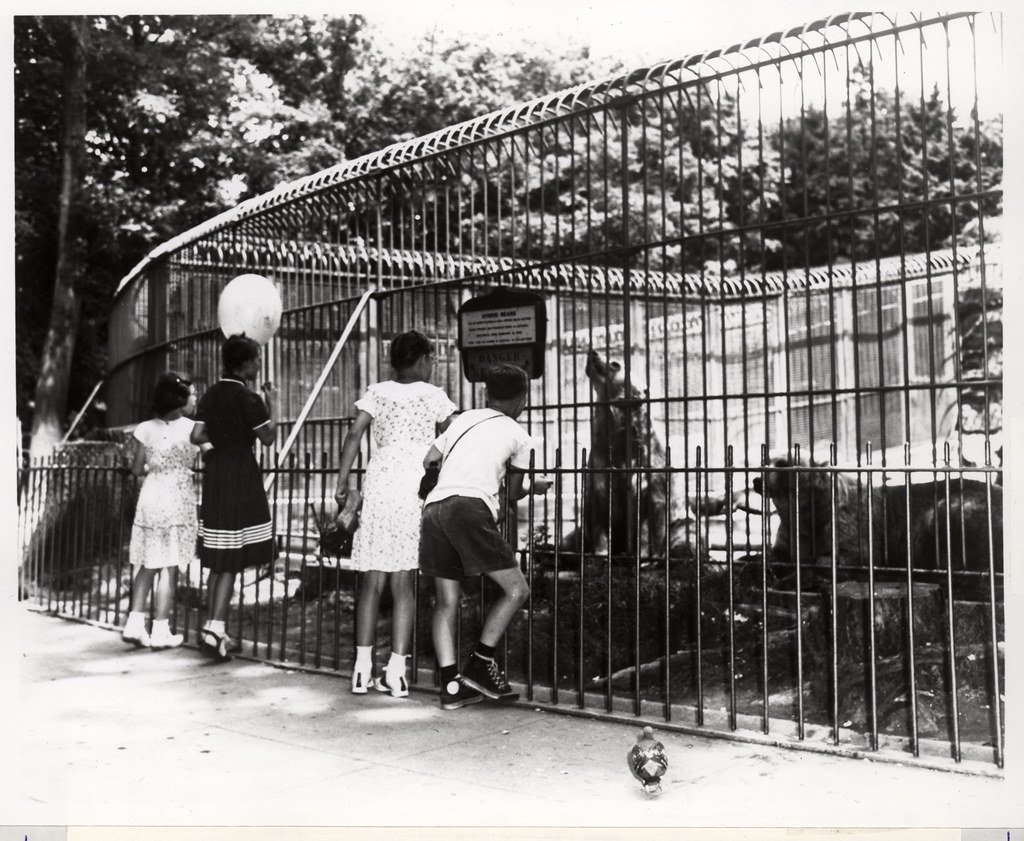
The early to mid-20th century represented perhaps the darkest period in zoo history, when animals were housed in sterile concrete enclosures that prioritized ease of cleaning over animal welfare. These barren environments, often called “bathroom tile zoos,” stripped away any semblance of natural habitat and focused solely on keeping animals alive rather than helping them thrive. Visitors could easily view the animals through iron bars, but the psychological toll on the creatures was immense, leading to repetitive behaviors and obvious signs of distress. Many zoos resembled prisons more than educational institutions, with small cells arranged in rows like a maximum-security facility. The post-World War II boom in suburban development led to the construction of numerous roadside zoos and animal parks with even lower standards than established institutions. Despite growing criticism from animal welfare advocates, these outdated designs persisted well into the 1970s at many facilities.
Scientific Awakening and Behavioral Studies

The 1960s and 1970s marked a turning point as scientists began studying animal behavior more seriously, leading to shocking discoveries about the psychological needs of captive animals. Researchers like Jane Goodall and Dian Fossey revolutionized our understanding of primate intelligence and social structures, making it impossible to ignore the suffering of animals in inadequate enclosures. Zoos started hiring trained animal behaviorists and veterinarians who pushed for more naturalistic habitats and species-appropriate care. The field of animal psychology emerged, revealing that many species experienced complex emotions and required mental stimulation to remain healthy in captivity. Studies on elephant behavior showed that these intelligent giants needed large social groups and extensive space to roam, forcing zoos to reconsider their traditional approaches. This scientific revolution laid the groundwork for the modern zoo movement, emphasizing animal welfare as equally important to visitor education.
The Rise of Conservation Breeding Programs
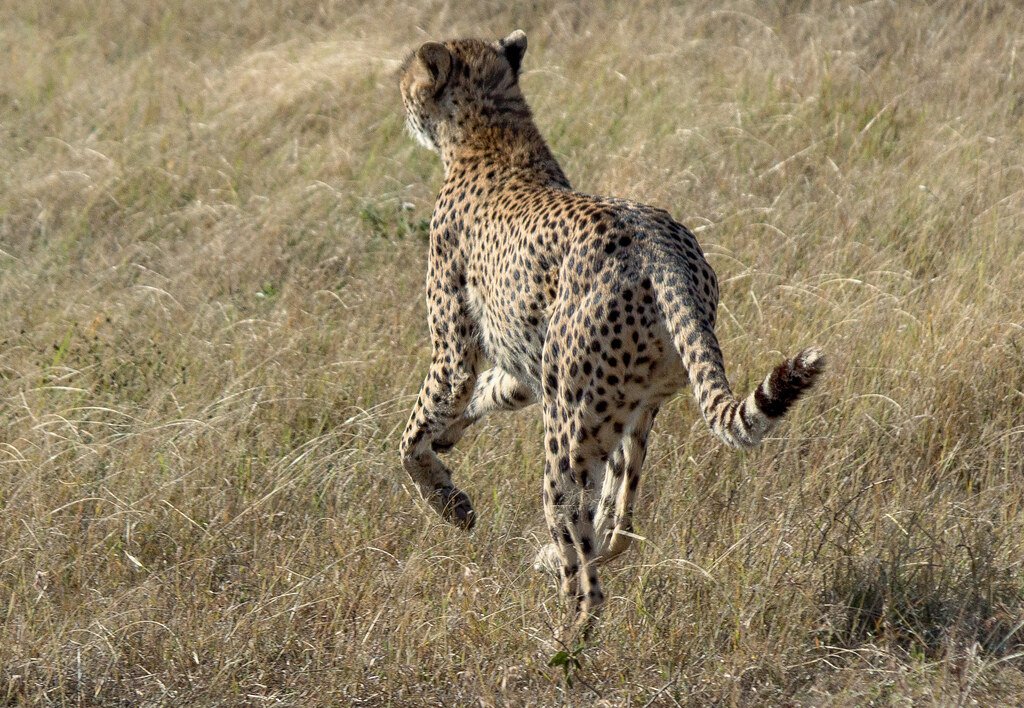
As wildlife populations crashed due to habitat destruction and hunting, zoos transformed from entertainment venues into modern arks for endangered species. The California condor breeding program became a landmark success story, bringing the species back from just 27 individuals to over 500 birds today. Zoos developed sophisticated genetic management systems to maintain healthy breeding populations and prevent inbreeding in small captive groups. The Species Survival Plan (SSP) coordinated breeding efforts across multiple institutions, ensuring genetic diversity and creating insurance populations for species facing extinction. These programs required unprecedented cooperation between zoos worldwide, sharing animals, expertise, and resources to achieve conservation goals. The Arabian oryx, Przewalski’s horse, and black-footed ferret all owe their survival to dedicated zoo breeding efforts that kept their species alive when wild populations disappeared.
Immersive Habitat Design Revolution
Modern zoo design philosophy completely abandoned the concrete cage model in favor of immersive habitats that benefit both animals and visitors. Landscape architects began working closely with animal behaviorists to create environments that encouraged natural behaviors while providing educational opportunities for guests. The Woodland Park Zoo in Seattle pioneered the bioclimatic zone concept, organizing animals by their natural ecosystems rather than taxonomic classifications. Moated exhibits replaced bars and fences, creating the illusion that visitors were observing animals in the wild while maintaining necessary safety barriers. These new designs incorporated complex environmental features like waterfalls, varied terrain, and seasonal vegetation changes that enriched the animals’ daily experiences. The goal shifted from simply displaying animals to creating meaningful encounters that inspired visitors to care about wildlife conservation.
Technology Integration and Animal Welfare
Twenty-first century zoos embrace cutting-edge technology to monitor animal health, behavior, and welfare in ways previously impossible. GPS tracking systems allow researchers to study animal movement patterns within large exhibits, providing insights into habitat preferences and social dynamics. Thermal imaging cameras detect health problems before they become visible, enabling early veterinary intervention that saves lives. Interactive touchscreen displays give visitors access to real-time information about the animals they’re observing, including behavioral data and conservation status updates. Some zoos use artificial intelligence to analyze thousands of hours of video footage, identifying subtle changes in animal behavior that might indicate stress or illness. Virtual reality experiences allow visitors to “travel” to the animals’ natural habitats, creating deeper connections between zoo animals and their wild counterparts.
Global Conservation Partnerships

Modern zoos extend their impact far beyond their physical boundaries through international conservation partnerships that protect wild habitats and species. The Association of Zoos and Aquariums coordinates field conservation projects in over 100 countries, funding everything from anti-poaching efforts to community education programs. Zoo-based researchers work directly with local communities in biodiversity hotspots, combining scientific expertise with traditional ecological knowledge. These partnerships recognize that successful conservation requires addressing human needs alongside wildlife protection, leading to programs that provide alternative livelihoods for former poachers and habitat destroyers. The revenue generated by zoo visitors directly funds these international efforts, making every admission ticket a contribution to global conservation. Some zoos have adopted specific wild areas or species, creating long-term commitments that ensure sustained protection for critical ecosystems.
Education as Conservation Tool
Today’s zoos function as powerful educational platforms that transform casual visitors into passionate conservation advocates through carefully designed learning experiences. Interactive exhibits engage multiple senses, allowing visitors to hear rainforest sounds, feel animal fur samples, and smell different habitats while observing live animals. Zookeepers serve as conservation ambassadors, sharing personal stories about individual animals that create emotional connections between visitors and wildlife. School programs reach millions of children annually, introducing them to conservation concepts through hands-on activities and up-close animal encounters. Many zoos track the long-term impact of their educational programs, finding that zoo visits during childhood significantly increase the likelihood of pursuing environmental careers or supporting conservation causes as adults. These institutions have evolved into sophisticated behavior-change organizations that use proven psychological techniques to inspire pro-environmental actions.
Research Powerhouses

Contemporary zoos conduct groundbreaking research that directly benefits wild animal populations and advances our understanding of animal biology, behavior, and psychology. Reproductive research at zoos has perfected artificial insemination techniques for dozens of species, enabling genetic rescue of fragmented wild populations. Nutritional studies optimize diets for captive animals while informing wildlife management decisions in natural habitats. Behavioral research reveals previously unknown aspects of animal cognition, communication, and social structures that reshape conservation strategies. Veterinary advances developed for zoo animals often translate directly to treating injured or sick wildlife in rehabilitation settings. Many zoo research programs publish their findings in peer-reviewed journals, contributing to the global scientific understanding of animal welfare and conservation biology.
Ethical Debates and Evolving Standards

The modern zoo industry grapples with ongoing ethical questions about animal captivity, leading to continuously evolving standards and practices that prioritize animal welfare. Professional accreditation organizations like the Association of Zoos and Aquariums impose strict standards for animal care, habitat design, and conservation contributions. Zoos that fail to meet these standards lose accreditation and professional support, creating powerful incentives for continuous improvement. Public opinion surveys show growing expectations for zoos to justify their existence through measurable conservation outcomes rather than entertainment value alone. Some institutions have made difficult decisions to phase out exhibits for species that don’t adapt well to captivity, even when these animals are popular with visitors. The debate continues about which species belong in zoos and under what conditions, driving innovation in animal welfare science and habitat design.
Species Recovery Success Stories

Zoo-based conservation programs have achieved remarkable success in bringing species back from the brink of extinction, proving that well-managed captive populations can serve as effective insurance policies for wildlife. The California condor program remains the gold standard, transforming a species with just 27 surviving individuals into a viable population that now soars over Grand Canyon and Big Sur. Arabian oryx, once extinct in the wild, now graze in protected areas across the Middle East thanks to zoo breeding programs that maintained the species for decades. The black-footed ferret recovery program has released over 300 zoo-bred individuals into the wild, establishing multiple breeding populations across the American Great Plains. Przewalski’s horses, extinct in the wild for over 40 years, now roam free in Mongolia after successful reintroduction efforts coordinated by international zoo networks. These success stories demonstrate that zoos can serve as modern arks, preserving species until wild habitats can be restored and protected.
Climate Change Response

As climate change accelerates habitat loss and species extinction, zoos are adapting their conservation strategies to address these unprecedented challenges. Seed banks and genetic repositories at zoos preserve the biological diversity that may be lost as ecosystems shift and collapse. Ex-situ conservation programs focus on species particularly vulnerable to climate change, such as polar bears, penguins, and coral reef organisms. Zoos are redesigning exhibits to prepare animals for changing conditions, gradually acclimating them to temperature and humidity ranges they may encounter in altered wild habitats. Climate refugia projects create protected spaces where endangered species can survive while wild habitats undergo restoration or migration to more suitable areas. Educational programs increasingly focus on climate change impacts on wildlife, helping visitors understand the urgency of conservation action and their personal role in addressing this global crisis.
Community Conservation Programs
Modern zoos recognize that lasting conservation success requires engaging local communities as partners rather than treating them as obstacles to wildlife protection. Community-based conservation programs provide alternative livelihoods for people living near critical wildlife habitats, reducing pressure on natural resources while improving human welfare. Zoos fund education programs in developing countries that teach sustainable farming techniques, reducing the need to clear wildlife habitat for agriculture. Ecotourism initiatives supported by zoos create economic incentives for local communities to protect rather than exploit wildlife resources. These programs often employ former poachers as wildlife guides and conservation officers, transforming destroyers into protectors through economic opportunity. The most successful community conservation efforts combine traditional ecological knowledge with modern conservation science, creating solutions that work for both people and wildlife.
The Digital Zoo Experience
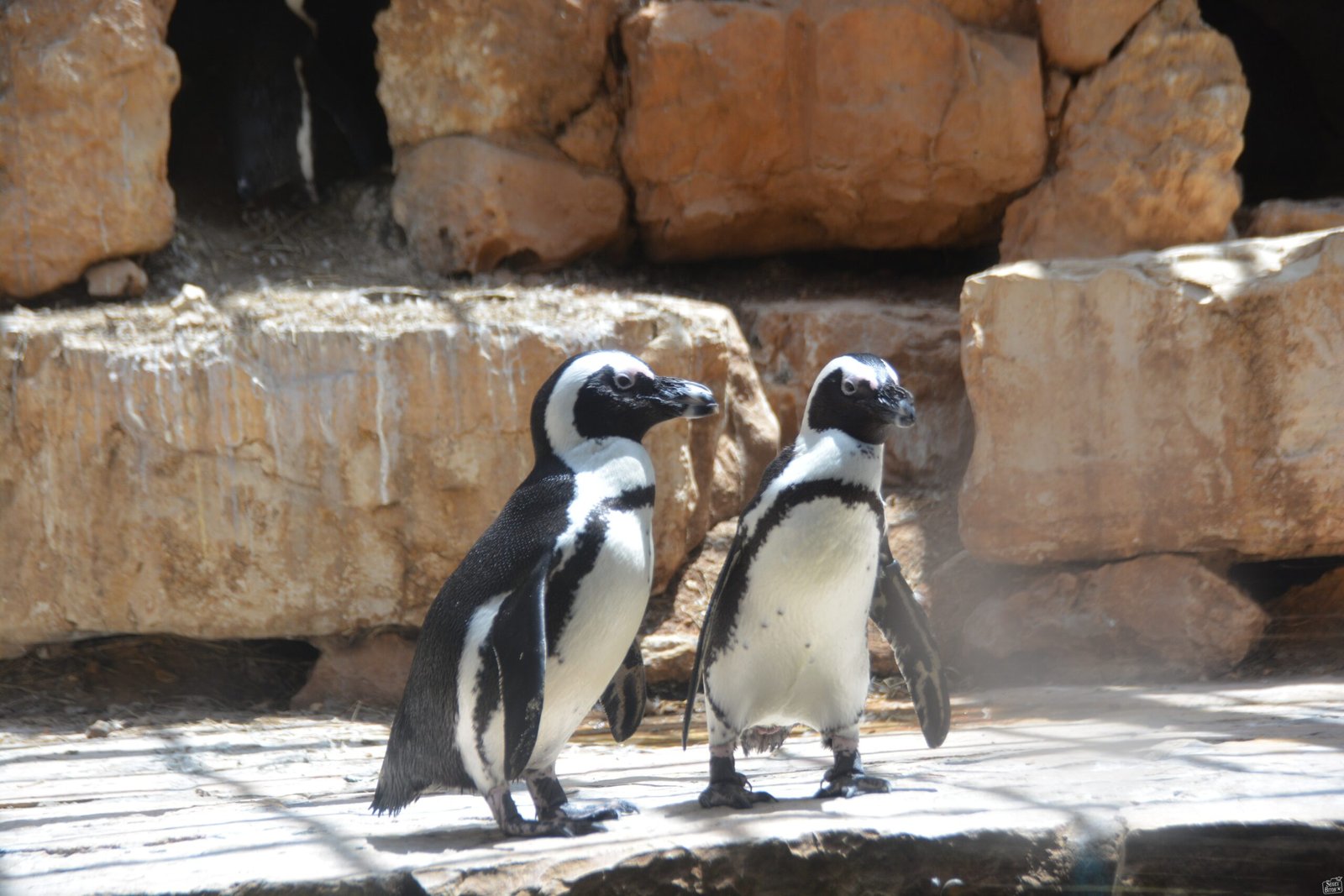
Technology is revolutionizing how zoos connect with audiences, extending their educational and conservation impact far beyond physical visitors through digital platforms and virtual experiences. Live webcams allow millions of online viewers to observe animal behavior in real-time, creating global communities of wildlife enthusiasts who support conservation efforts. Virtual reality programs transport users to wild habitats, showing them exactly what zoo conservation programs are working to protect. Social media campaigns leverage viral content to raise awareness about endangered species and conservation successes, reaching younger audiences who might never visit a physical zoo. Online educational programs serve remote schools and homeschooling families, democratizing access to high-quality conservation education. These digital innovations ensure that zoo conservation messages reach global audiences, multiplying their impact on wildlife protection efforts worldwide.
Future Visions
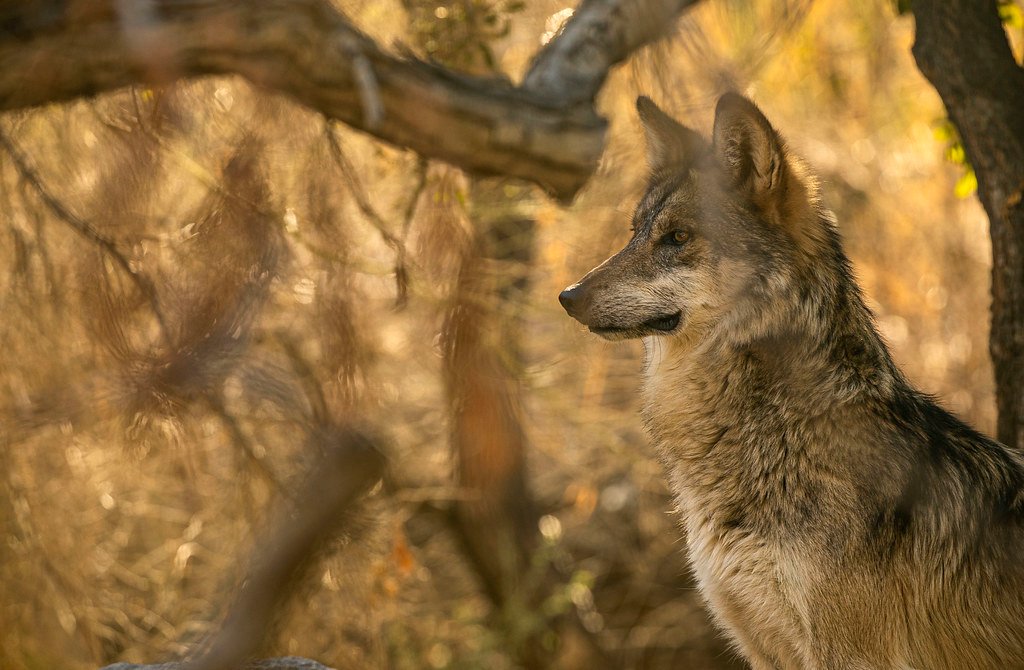
The zoos of tomorrow will likely look radically different from today’s institutions, incorporating advanced technologies and revolutionary approaches to animal care and conservation. Artificial habitats may use holographic environments and climate control systems that perfectly replicate wild conditions while providing unprecedented research opportunities. Genetic rescue techniques could allow zoos to restore extinct species using preserved DNA, potentially bringing back recently lost animals like the northern white rhinoceros. Bioparks may replace traditional zoos, featuring massive enclosed ecosystems that support entire communities of interacting species in near-natural conditions. Advanced transportation systems could allow animals to move freely between connected facilities, creating continent-spanning habitat networks managed cooperatively by multiple institutions. These future zoos will likely function more as research stations and conservation headquarters than public attractions, though they will continue serving crucial educational roles through immersive virtual experiences.
The journey from royal menageries to modern conservation centers represents humanity’s evolving relationship with the natural world – from exploitation to stewardship, from entertainment to education, from captivity to conservation. Today’s accredited zoos stand as testaments to our capacity for positive change, proving that institutions once defined by their failures can transform into powerful forces for wildlife protection. As we face an extinction crisis that threatens to reshape Earth’s biodiversity forever, these modern arks carry both the responsibility and the hope for preserving the magnificent diversity of life that shares our planet. What role will you play in supporting these conservation efforts?