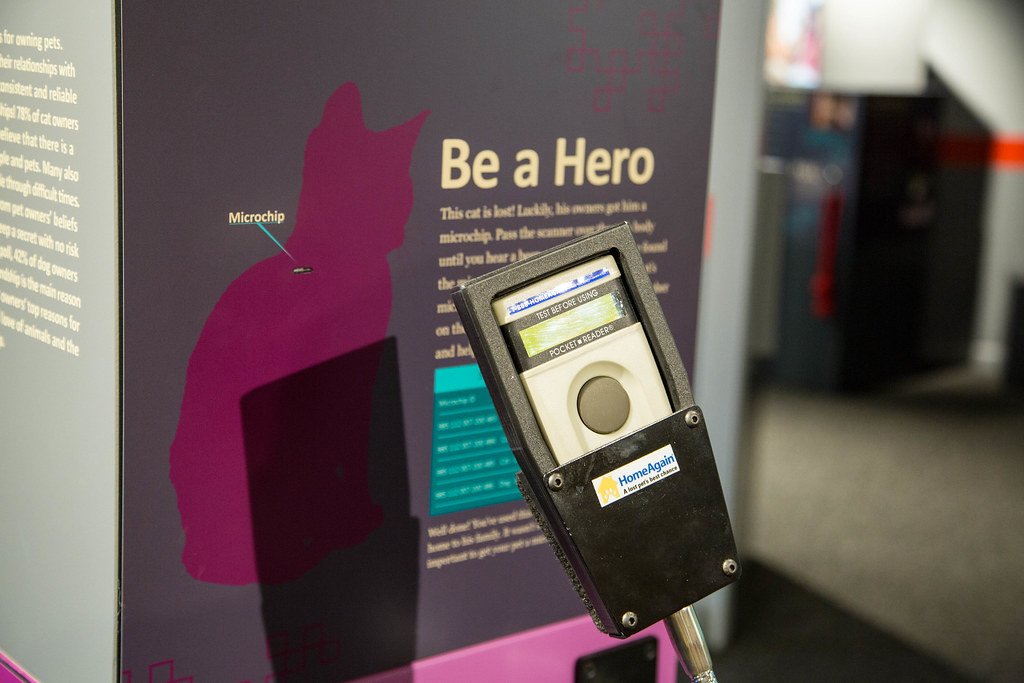
When Luna, a tabby cat from Oregon, disappeared during a camping trip, her family thought they’d never see her again. Three months later, a wildlife rescue center 200 miles away found her injured near a protected forest. The tiny microchip under her skin didn’t just reunite a family – it revealed something remarkable about how domestic animals interact with wild ecosystems.
The Invisible Technology That’s Changing Pet Safety Forever
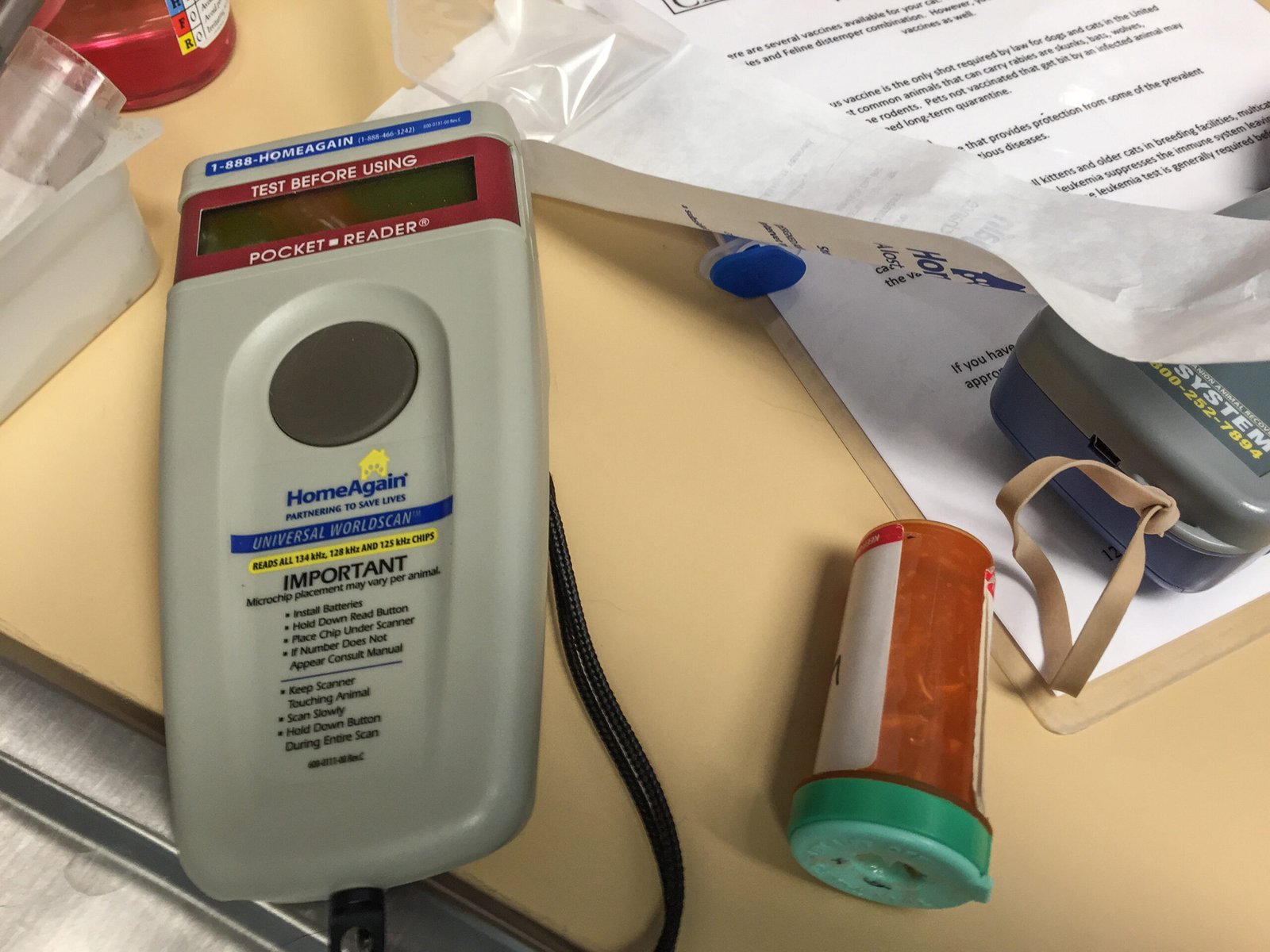
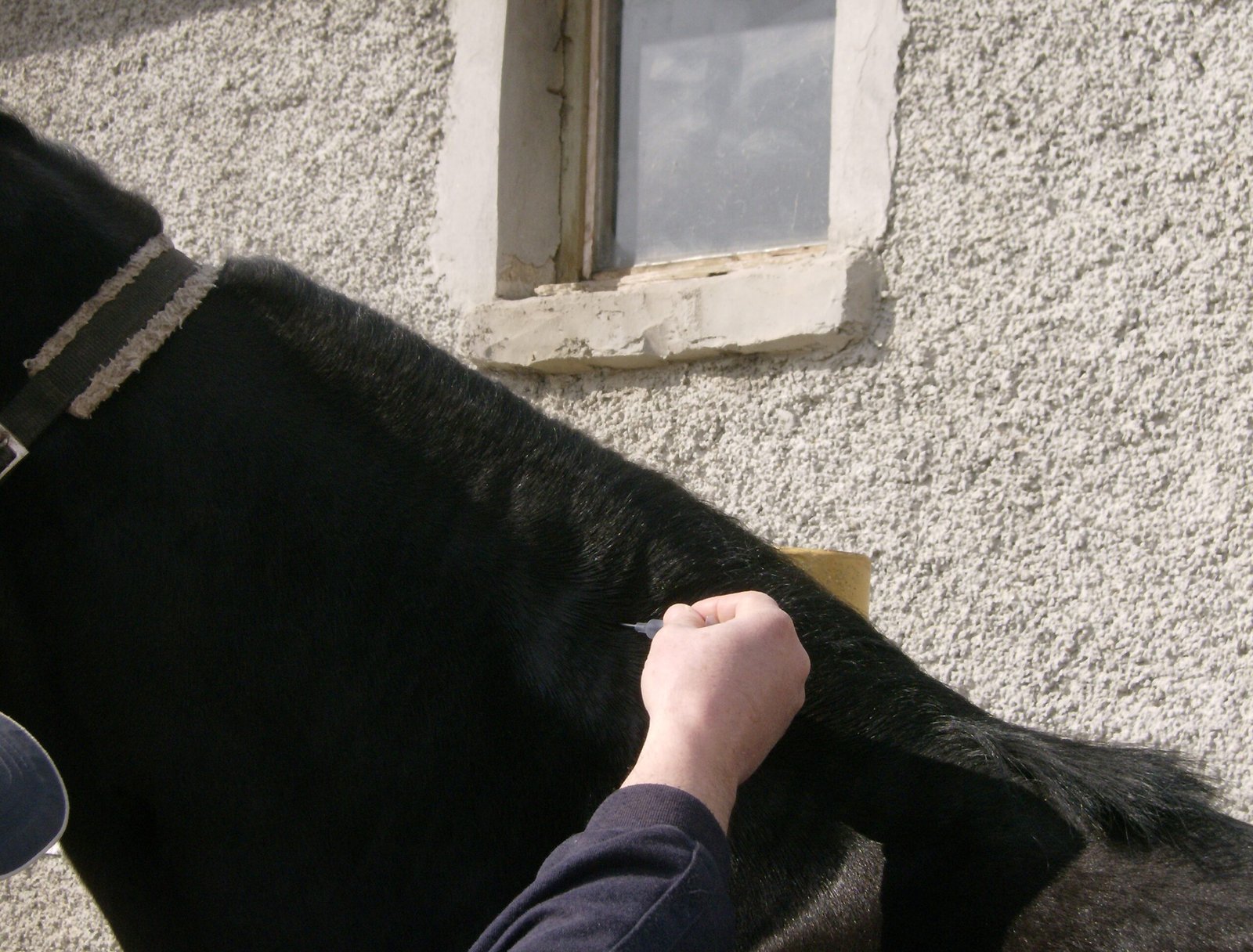
Microchipping might sound like science fiction, but it’s actually simpler than you think. A veterinarian injects a rice-grain-sized chip between your pet’s shoulder blades using a needle only slightly larger than those used for routine vaccinations. The entire process takes seconds and causes about as much discomfort as getting a shot. Once implanted, this tiny device becomes your pet’s permanent ID card, readable by special scanners found in veterinary offices, animal shelters, and wildlife rehabilitation centers worldwide. The chip contains a unique number that links to your contact information in a database, creating an unbreakable connection between you and your furry friend.
When Collars Fail, Microchips Deliver
Traditional ID tags and collars seem foolproof until they’re not. Dogs can slip out of even the tightest collar during a moment of panic, while cats are notorious escape artists who can wiggle out of anything that feels restrictive. Weather, rough play, or simple wear and tear can fade or destroy tags, leaving your pet without identification when they need it most. Microchips solve these problems by staying permanently with your pet, weathering every adventure and mishap. Unlike external identification that can be lost, stolen, or damaged, a microchip provides lifelong security that grows with your pet from puppyhood to their golden years.
The Shocking Statistics Behind Lost Pet Recovery

The numbers tell a story that every pet owner needs to hear. Only about 2% of lost cats without microchips ever make it home, while microchipped cats have a return rate of over 38%. Dogs fare better, but the gap is still dramatic – roughly 22% of non-chipped dogs return home compared to an astounding 52% of microchipped ones. These aren’t just statistics; they represent thousands of families reunited with their beloved companions each year. Animal shelters across the country report that microchips are often the difference between a happy reunion and a heartbreaking goodbye, especially when pets travel far from home or end up in unfamiliar territory.
How Wildlife Researchers Accidentally Discovered Pet Migration Patterns

Wildlife biologists studying animal movement patterns started noticing something unexpected in their data. Microchipped pets were showing up in remote wilderness areas, national parks, and protected habitats far from residential zones. This accidental discovery revealed that domestic animals travel much farther than anyone imagined when they go missing. Some cats have been found over 500 miles from home, while dogs have turned up in completely different states. These findings changed how we think about pet behavior and highlighted the importance of having permanent identification that works regardless of where an animal ends up.
The Wildlife Connection You Never Knew Existed
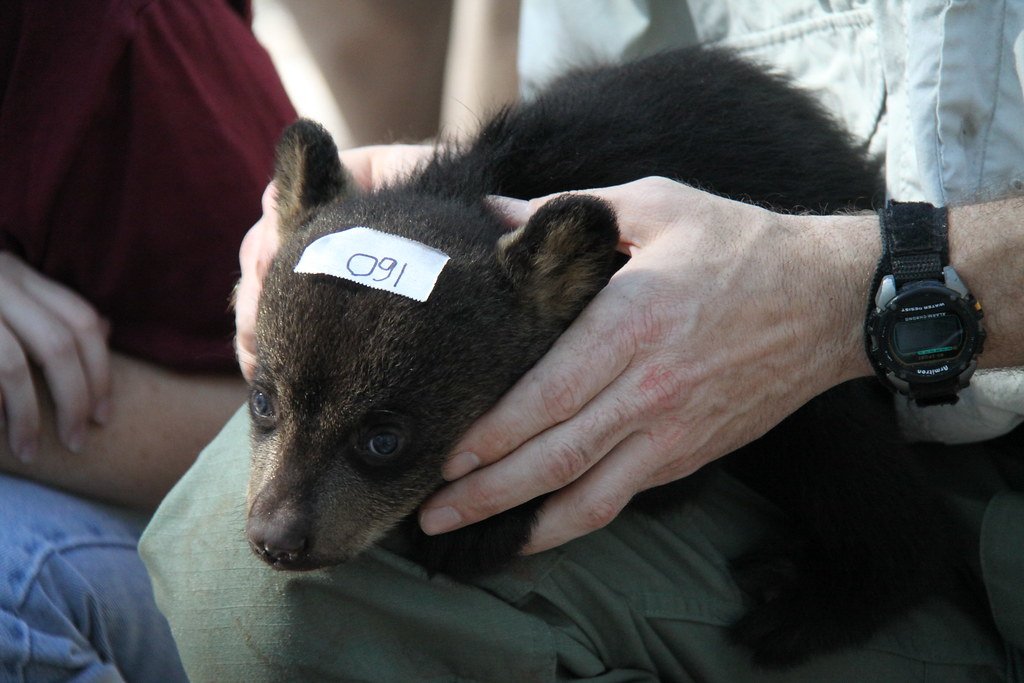
Here’s where the story gets really interesting. When microchipped pets are found in wildlife areas, they provide valuable data about human-wildlife interactions and ecosystem health. Wildlife rehabilitation centers can track patterns of domestic animal intrusion into protected habitats, helping scientists understand how pets might impact local wildlife populations. This information is crucial for conservation efforts, as domestic cats alone kill billions of birds and small mammals annually in North America. By tracking where pets end up, researchers can identify wildlife corridors that need better protection and areas where pet containment efforts should be focused.
The Hidden Environmental Impact of Lost Pets
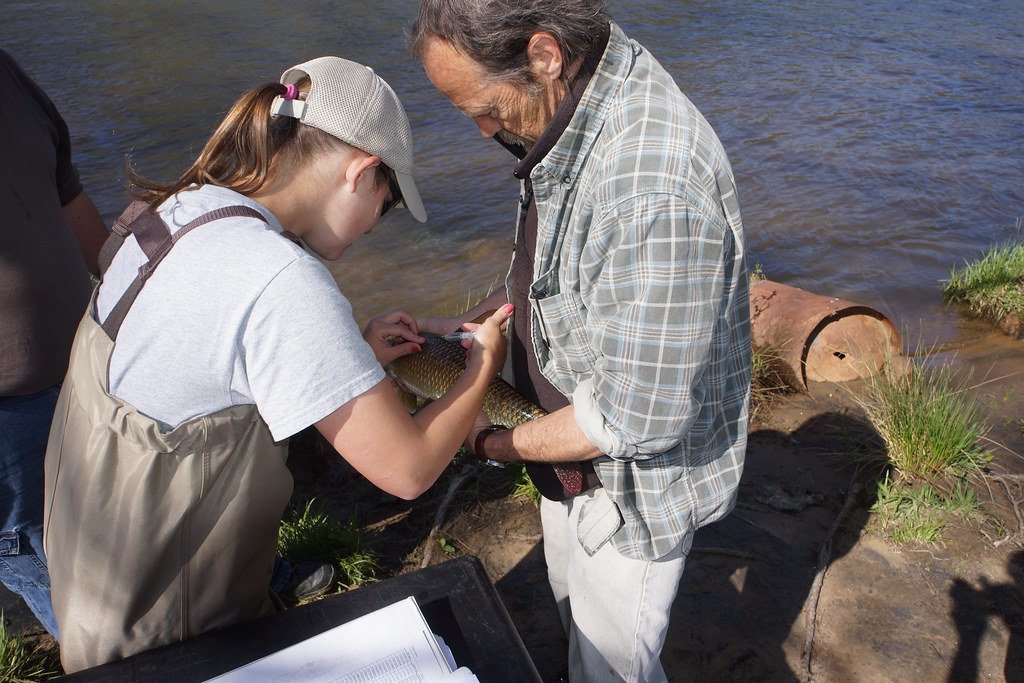
Lost pets don’t just disappear into thin air – they become part of complex ecological webs, often in ways that disrupt natural balance. Domestic cats that go feral can devastate local bird populations, while lost dogs may chase or stress wildlife, affecting breeding and feeding patterns. Even well-fed pets can trigger predator responses in wildlife, causing animals to abandon territory or alter their behavior. Microchipping helps reduce the number of pets that become permanent fixtures in wild spaces by enabling faster recovery and return to homes. When pets are quickly reunited with families, they spend less time impacting sensitive ecosystems.
Technology That Speaks Every Language
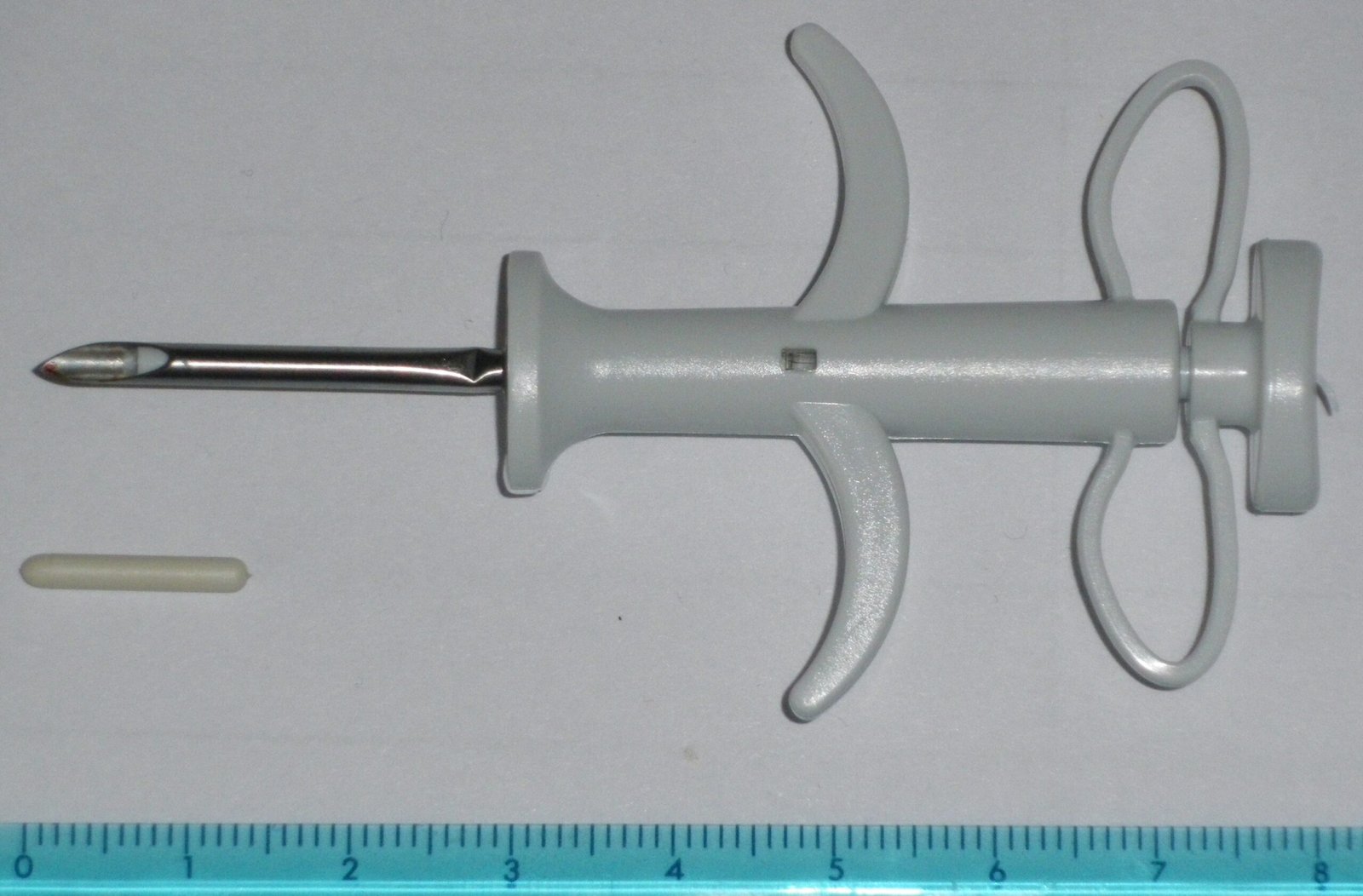
One of the most remarkable aspects of microchip technology is its universal nature. The same scanner that reads chips in New York will work in Tokyo, London, or Sydney. This global compatibility has saved countless pets during international moves, natural disasters, and travel mishaps. Pet microchips follow international standards, meaning a cat chipped in Canada will be identifiable in Mexico or any other country with modern veterinary infrastructure. This universal system has become particularly important as people travel more frequently with their pets and as animal rescue organizations coordinate international efforts.
The Surprising Role in Disaster Response
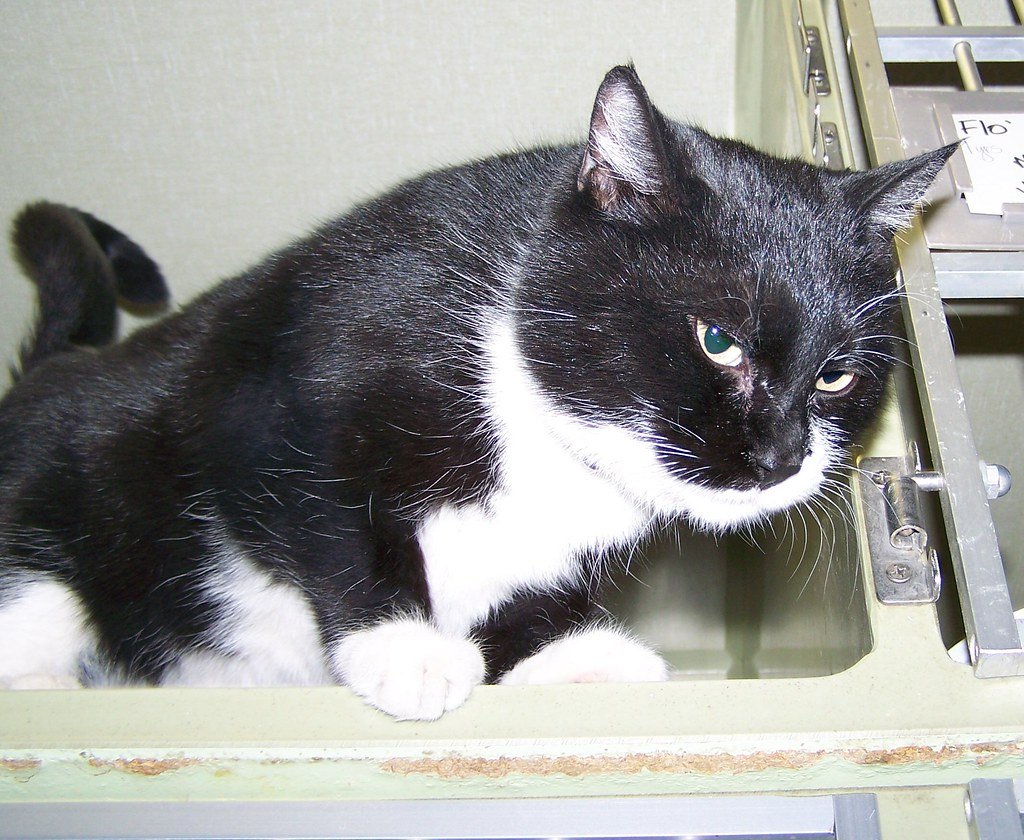
Natural disasters reveal the true value of microchipping in ways most pet owners never consider. During hurricanes, wildfires, floods, and earthquakes, pets often become separated from their families in the chaos of evacuation. Emergency shelters and temporary animal care facilities rely heavily on microchip scanners to identify displaced pets and reconnect them with worried owners. After Hurricane Katrina, microchips were instrumental in reuniting thousands of pets with families who had been relocated hundreds of miles away. Disaster response teams now consider microchip scanners essential equipment, right alongside medical supplies and communication devices.
Wildlife Rehabilitation Centers as Unexpected Heroes
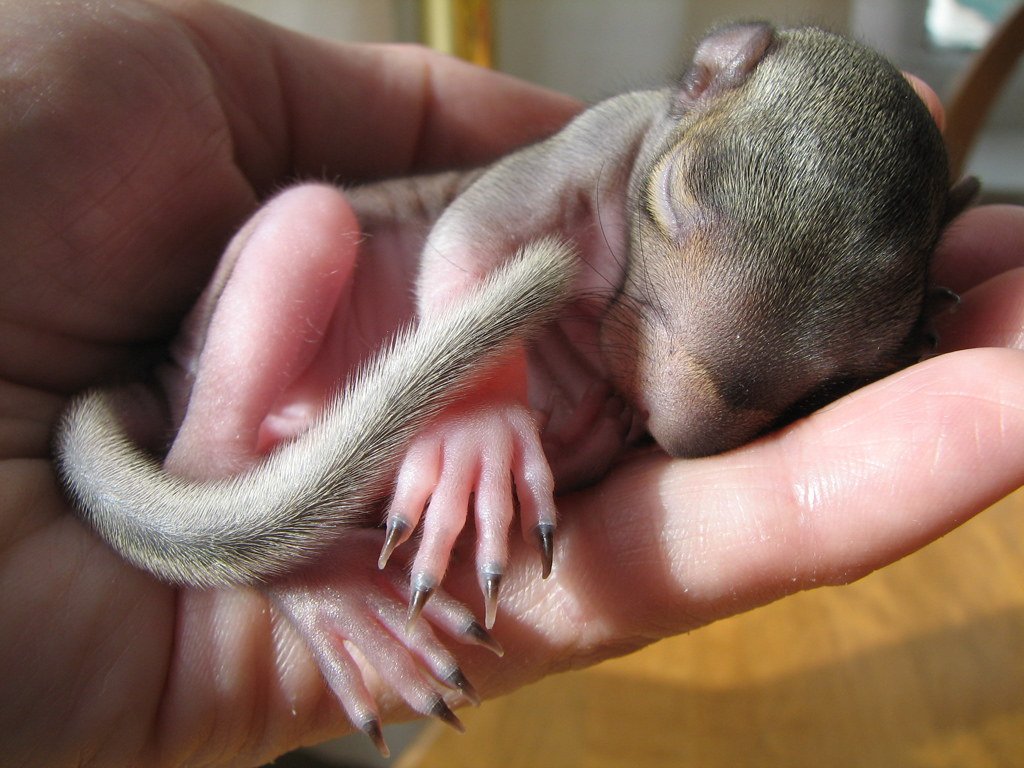
Wildlife rehabilitation centers have become unlikely heroes in pet recovery stories. These facilities, designed to care for injured wild animals, frequently encounter domestic pets that have wandered into wilderness areas. Staff members routinely scan every animal that comes through their doors, often discovering that the “wild” animal is actually someone’s beloved pet. This practice has led to thousands of unexpected reunions and has highlighted the important role these centers play beyond wildlife care. The collaboration between wildlife rehabilitators and pet recovery has created an informal network that spans continents.
The Economics of Microchipping vs. Searching
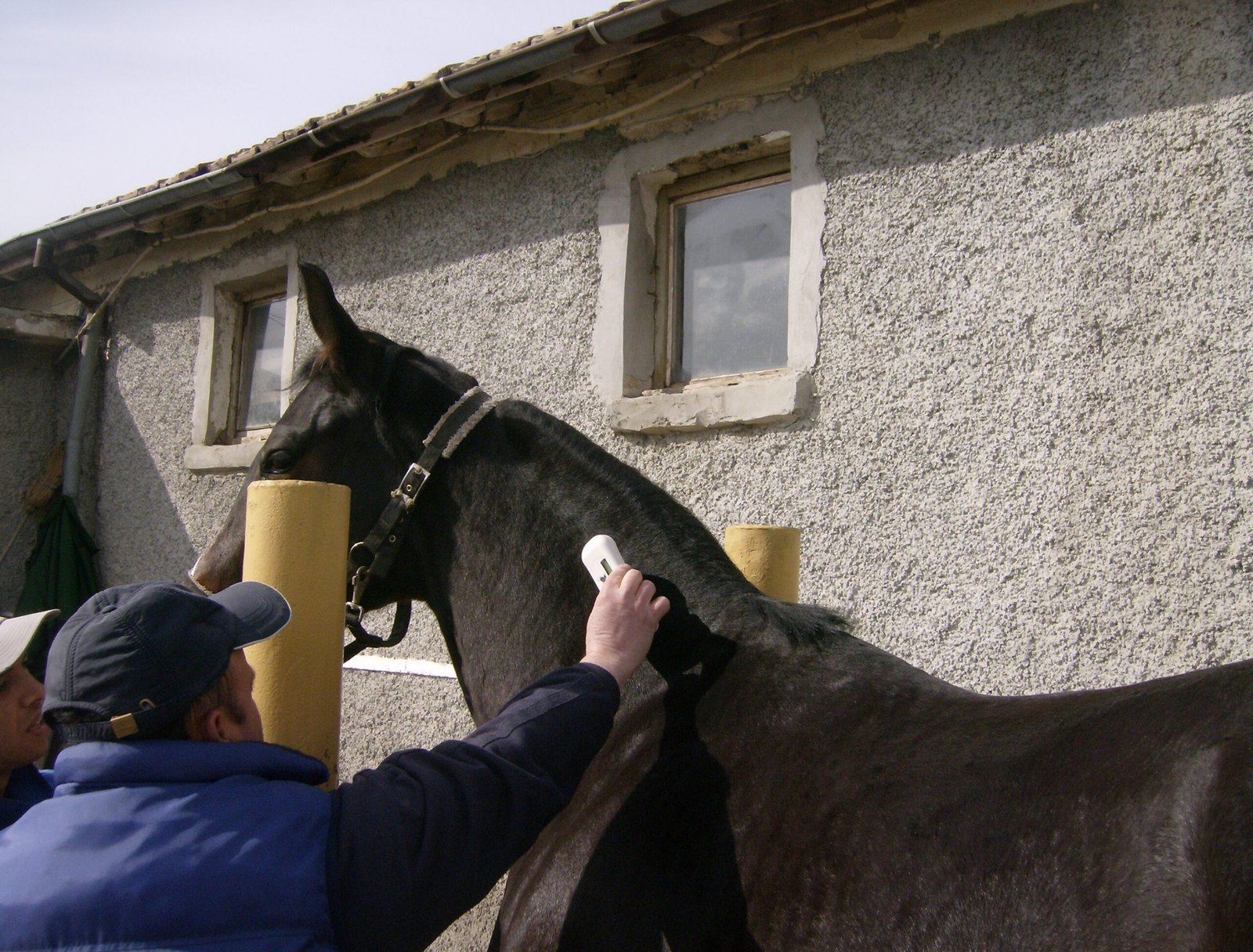
The financial argument for microchipping is compelling when you consider the alternatives. A one-time microchipping procedure typically costs between $25 and $50, while searching for a lost pet can quickly escalate into hundreds or thousands of dollars in reward money, flyers, and advertising fees. Many pet owners spend more on a single month of premium pet food than they would on permanent identification that lasts a lifetime. Professional pet recovery services charge substantial fees, and there’s no guarantee of success. When you factor in the emotional cost of losing a beloved companion, microchipping becomes one of the most cost-effective investments any pet owner can make.
Debunking Myths That Keep Pets at Risk
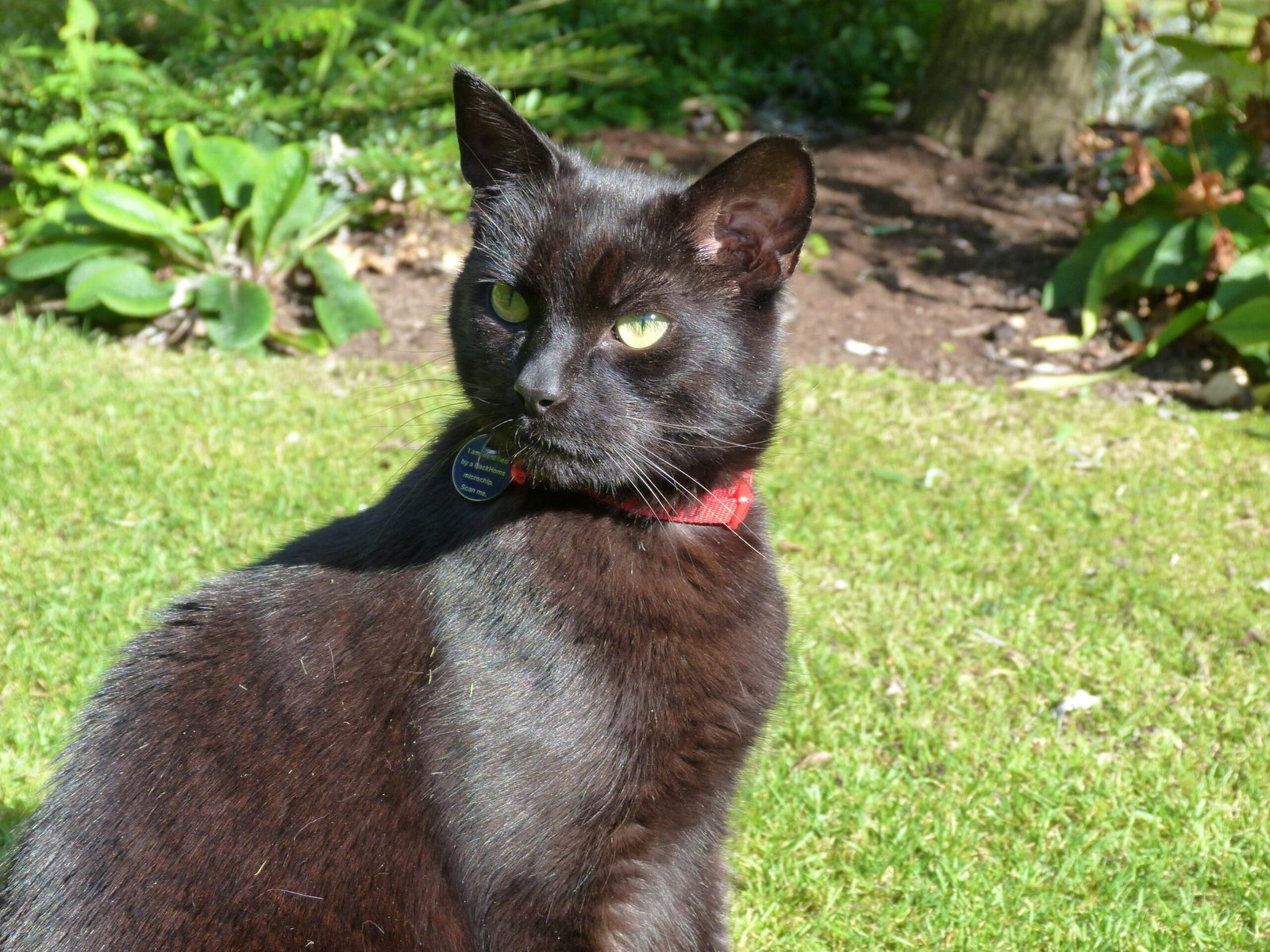
Several persistent myths prevent pet owners from microchipping their animals, and these misconceptions literally cost lives. Some people worry that microchips can cause cancer, but extensive research shows no increased cancer risk in microchipped animals. Others believe that chips can be used to track their pet’s location like GPS, which is false – microchips only provide identification when scanned. The fear that microchipping is painful also prevents some owners from protecting their pets, despite the fact that the procedure is no more uncomfortable than routine vaccinations. These myths continue to circulate despite overwhelming evidence of microchipping’s safety and effectiveness.
How Microchips Are Revolutionizing Wildlife Research

Scientists have discovered that data from pet microchips can contribute to wildlife research in unexpected ways. When pets are found in specific wilderness areas, they help researchers map habitat corridors and understand how human development affects animal movement patterns. The presence of domestic animals in certain areas can indicate ecosystem stress or changes in wildlife behavior. Some research projects now specifically look for microchipped pets as indicators of human-wildlife interaction zones. This crossover between pet identification and wildlife science has opened new avenues for understanding how domestic and wild animals share increasingly fragmented landscapes.
The International Pet Passport Revolution
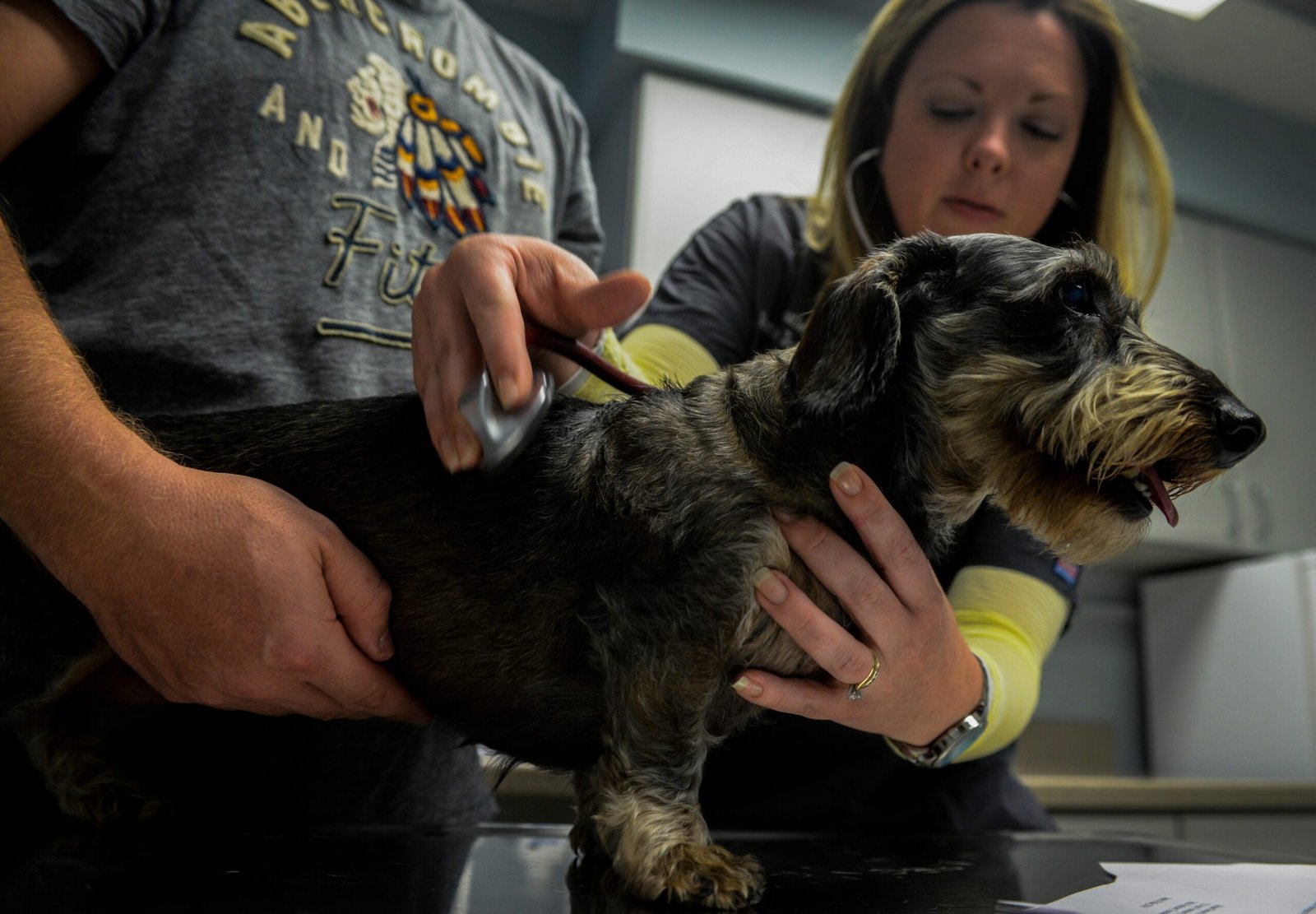
Microchipping has become the foundation of international pet travel, creating what’s essentially a global pet passport system. Countries around the world now require microchips for pet importation, making it impossible to travel internationally with an unchipped animal. This requirement has standardized pet identification globally and created a comprehensive database that helps prevent pet trafficking and ensures animal welfare. The European Union pioneered many of these requirements, and other regions have followed suit. For pet owners who dream of international adventures with their companions, microchipping isn’t just recommended – it’s mandatory.
The Speed of Modern Pet Recovery
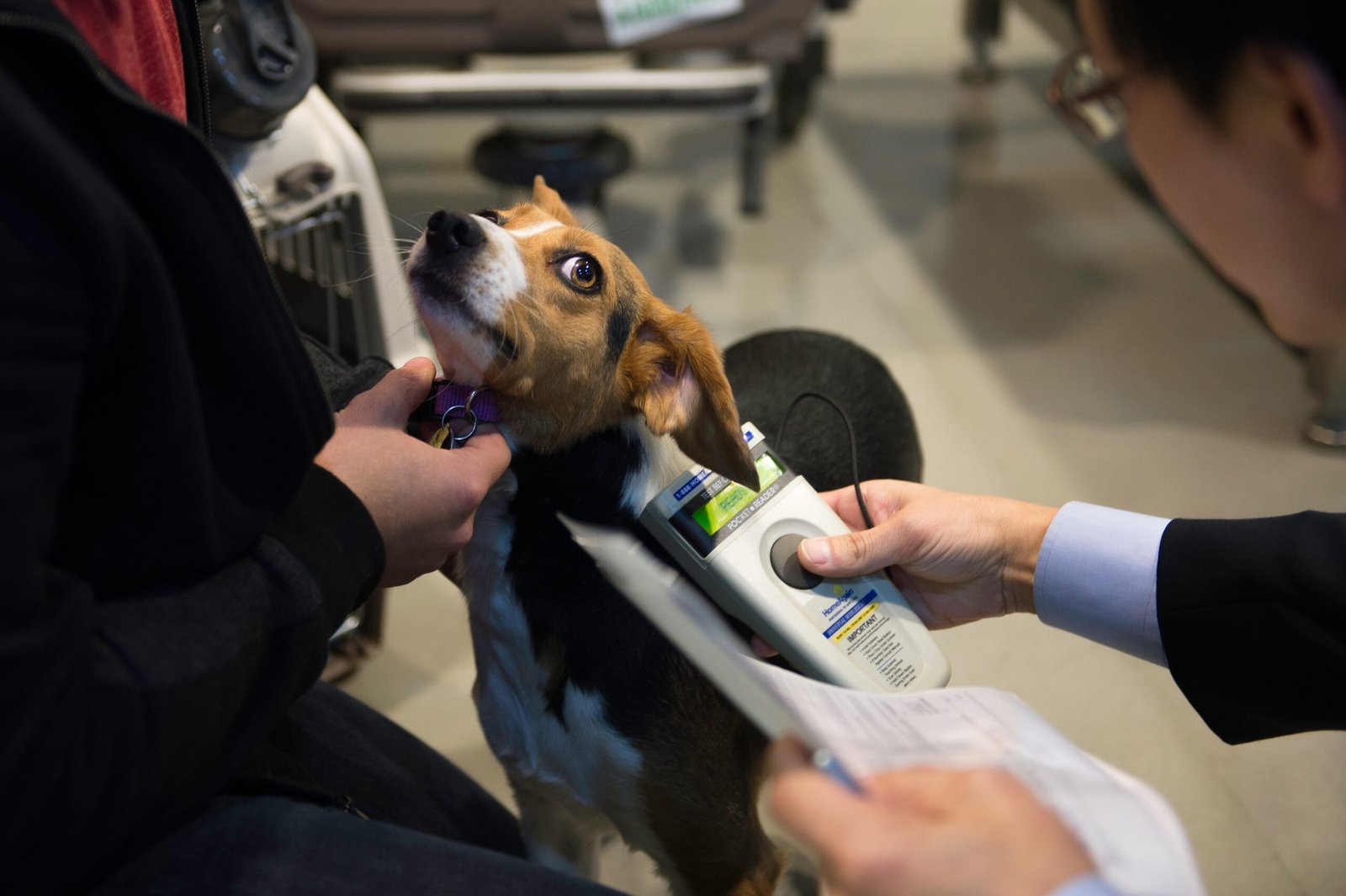
Technology has accelerated pet recovery in ways that seemed impossible just a decade ago. Modern scanners can read microchips instantly, and many facilities can access owner information within minutes through online databases. Social media integration allows immediate posting of found pets to recovery networks that reach thousands of people. Some microchip companies now offer 24/7 hotlines that can dispatch alerts to veterinary clinics and shelters in the area where a pet was found. This speed is particularly crucial for animals that need immediate medical attention or are in dangerous situations near highways or in extreme weather.
Environmental Conservation Through Better Pet Management
The connection between microchipping and environmental conservation might not be obvious, but it’s profound. Better pet identification leads to fewer feral animals, which reduces pressure on wildlife populations. When pets are quickly returned to their families, they don’t have time to establish territories in natural areas or disrupt breeding seasons for vulnerable species. Conservation organizations have begun advocating for microchipping as part of broader wildlife protection strategies. The logic is simple: the faster we can remove domestic animals from wild spaces, the better we can protect native species and ecosystem integrity.
The Psychology Behind Pet Owner Resistance

Understanding why some pet owners resist microchipping reveals interesting insights into human psychology and pet relationships. Many people view their pets as permanently attached to home and can’t imagine scenarios where identification would be needed. Others suffer from optimism bias, believing that bad things happen to other people’s pets but not their own. Some owners worry that microchipping suggests they’re not responsible pet parents or that they’re planning for their pet to get lost. These psychological barriers often dissolve when owners hear real stories of pet recovery or experience the fear of a missing animal themselves.
Future Technology and What’s Coming Next

The future of pet identification extends far beyond current microchip technology. Researchers are developing biodegradable chips that dissolve harmlessly if never activated, addressing concerns about foreign objects in pets’ bodies. Smart chips that can monitor basic health parameters are in development, potentially alerting owners to medical issues before symptoms appear. GPS integration remains a holy grail for pet technology, though current battery limitations make this challenging for permanent implants. Some companies are experimenting with blockchain technology to create tamper-proof ownership records that could revolutionize pet identification and help combat pet theft.
The Ripple Effect on Community Safety

Microchipping creates safety benefits that extend beyond individual pets to entire communities. Stray animals pose risks to public health, traffic safety, and property damage, while microchipped pets can be quickly removed from dangerous situations before problems escalate. Animal control officers report that microchips significantly reduce the time animals spend in shelters, freeing up resources for more serious cases. Communities with higher microchipping rates experience fewer wildlife conflicts, as domestic animals spend less time roaming free in natural areas. This community-wide benefit makes microchipping a public health measure as much as a personal choice.
Success Stories That Changed Everything

Some pet recovery stories have become legendary in the microchipping community, inspiring thousands of others to protect their animals. There’s Max, the German Shepherd who was found eight years after disappearing, still healthy and living with a family who didn’t know he was lost. Whiskers, a cat who survived two hurricanes and was identified by her chip after being found 1,200 miles from home. These stories spread through social media and veterinary offices, creating a powerful network of advocacy for microchipping. Each successful reunion generates more success stories, as newly convinced pet owners spread the word to friends and family members.
A Simple Choice With Lasting Impact
The decision to microchip your pet extends far beyond personal peace of mind. It connects your family to a global network of animal welfare, wildlife conservation, and scientific research that benefits countless species. Every microchipped pet contributes to data that helps us understand animal behavior, protect wild habitats, and improve emergency response systems. The technology that seems so simple – a tiny chip smaller than a grain of rice – has become a bridge between domestic animal care and wildlife conservation efforts worldwide. When you microchip your pet, you’re not just protecting one animal; you’re participating in a system that helps protect ecosystems and wildlife for future generations. Isn’t it amazing how such a small decision can have such far-reaching effects?