The rooster crows at dawn, bats emerge as darkness falls, and somewhere in between, humans stumble around looking for their first cup of coffee. But what if I told you that your preference for staying up late or rising early isn’t just a quirky personality trait—it’s written into your DNA and shared with creatures across the entire animal kingdom? From tiny fruit flies to massive elephants, every living being on Earth dances to the rhythm of an internal biological clock that’s been ticking for millions of years.
The Ancient Timekeeper Within Us All

Deep inside every cell of your body sits a molecular clock more precise than any Swiss timepiece. This circadian rhythm, derived from the Latin words “circa” meaning “around” and “dies” meaning “day,” governs when you feel sleepy, when your body temperature peaks, and even when your liver produces the most enzymes to break down that late-night snack. Scientists have discovered that this biological timekeeper isn’t unique to humans—it exists in everything from single-celled bacteria to blue whales. What’s truly mind-blowing is that this internal clock evolved independently multiple times throughout Earth’s history, suggesting that keeping time isn’t just useful—it’s absolutely essential for survival. Even plants have circadian rhythms, opening their flowers at specific times to attract the right pollinators.
Why Some Birds Really Are Early Risers

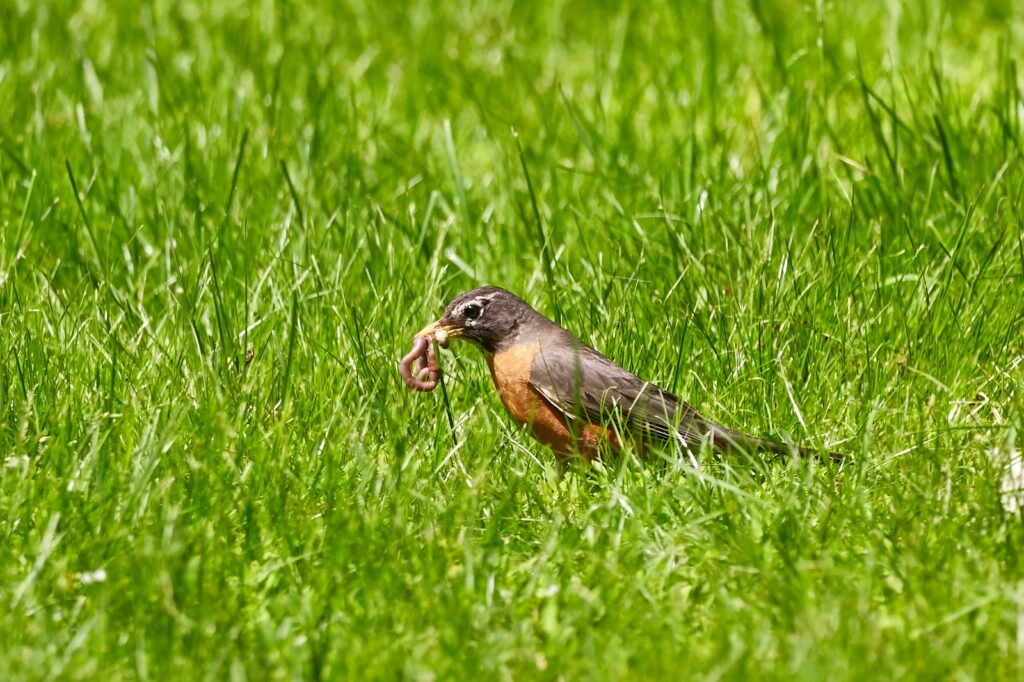
When we call someone an “early bird,” we’re actually paying homage to one of nature’s most remarkable timekeeping phenomena. Songbirds like robins and wrens begin their dawn chorus not because they’re naturally cheerful, but because their circadian clocks are fine-tuned to take advantage of the best acoustic conditions of the day. In the early morning, there’s less wind, fewer competing sounds, and sound travels farther through the cool, dense air. This gives male birds the perfect opportunity to broadcast their territorial claims and attract mates with maximum efficiency. Some species, like the European robin, have even adapted their sleep schedules based on urban environments, singing earlier in cities where artificial lights disrupt their natural rhythms. Research shows that birds living near streetlights often start their morning songs up to an hour and a half earlier than their countryside cousins.
The Night Shift Workers of the Animal Kingdom
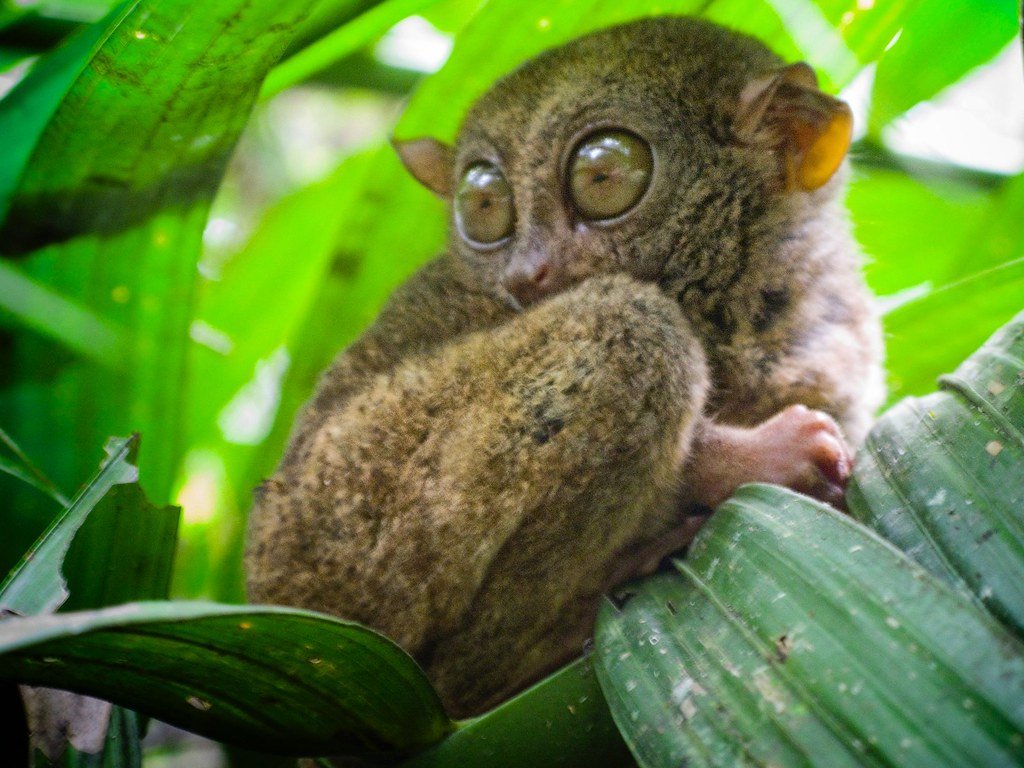
While birds dominate the morning shift, an entirely different crew takes over when the sun goes down. Bats, owls, and countless other nocturnal creatures have evolved to thrive in darkness, developing extraordinary sensory abilities that would make any superhero jealous. These night owls didn’t choose the dark side randomly—they’re avoiding competition for food and shelter while taking advantage of cooler temperatures and increased humidity. Moths, for instance, have evolved intricate wing patterns and flight behaviors specifically to avoid the echolocation calls of hunting bats. It’s like an evolutionary arms race playing out every single night in your backyard, with each species adapting its biological clock to gain the upper hand in this ancient game of survival.
Marine Creatures and Their Underwater Clocks

Beneath the ocean’s surface, where sunlight barely penetrates, you might think biological clocks would be irrelevant. However, marine life has developed some of the most sophisticated timing systems on the planet. Many deep-sea creatures migrate vertically through the water column each day, following a pattern called diel vertical migration—the largest migration on Earth that most people have never heard of. Tiny zooplankton rise to surface waters at night to feed on phytoplankton, then descend to deeper, safer waters during the day to avoid predators. This massive movement of biomass happens every 24 hours like clockwork, involving trillions of organisms and transferring nutrients between different ocean layers. Even coral reefs, which might seem stationary, coordinate their spawning events with lunar cycles and specific times of day, releasing billions of eggs and sperm simultaneously in one of nature’s most spectacular synchronized events.
How Plants Tell Time Without Brains
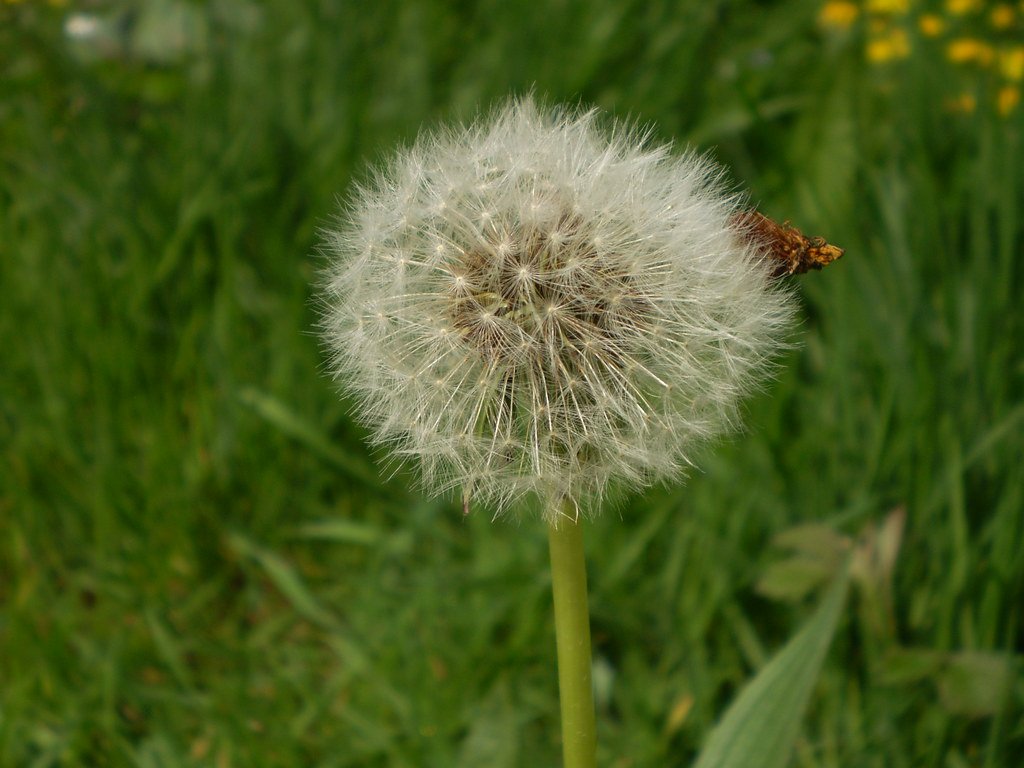
Plants might not have nervous systems, but they’re surprisingly good at keeping time. Sunflowers famously track the sun’s movement across the sky, a behavior called heliotropism, but this is just the tip of the iceberg when it comes to plant chronobiology. Many flowers open and close at specific times of day—morning glories unfurl at dawn while four o’clocks wait until late afternoon, creating what botanists call a “floral clock.” Carl Linnaeus, the famous Swedish botanist, was so impressed by this precision that he designed a garden where you could tell time just by observing which flowers were open. Plants use their internal clocks to coordinate everything from photosynthesis to the release of fragrances that attract specific pollinators. Some trees even prepare for seasonal changes months in advance, gradually adjusting their metabolism based on day length rather than temperature.
Insects: The Ultimate Time Management Experts
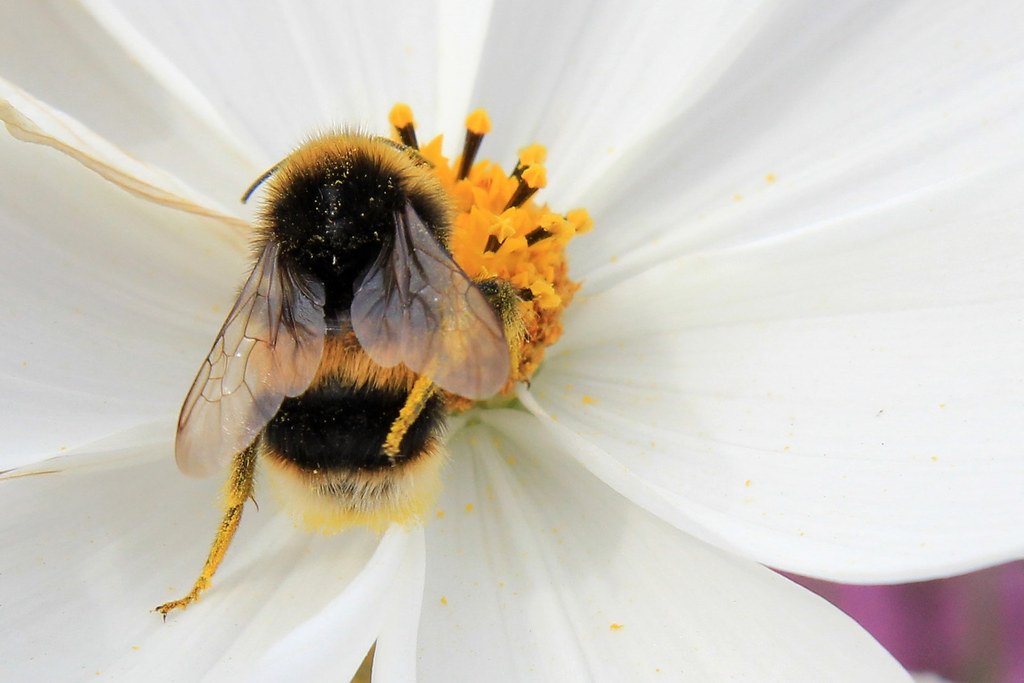
If you want to see chronobiology in action, look no further than your local insect population. Honeybees are perhaps the most famous timekeepers in the insect world, using their internal clocks to coordinate foraging trips and communicate the location of food sources through their waggle dance. But they’re not alone in their temporal precision. Cicadas emerge from underground in massive synchronized swarms after spending 13 or 17 years underground—prime numbers that help them avoid predators with shorter life cycles. Fruit flies, despite their tiny brains, have such precise circadian rhythms that scientists use them as model organisms to study human sleep disorders. Even ants adjust their activity patterns based on the time of day, with different castes taking shifts to ensure the colony operates efficiently around the clock.
Mammals and Their Flexible Schedules
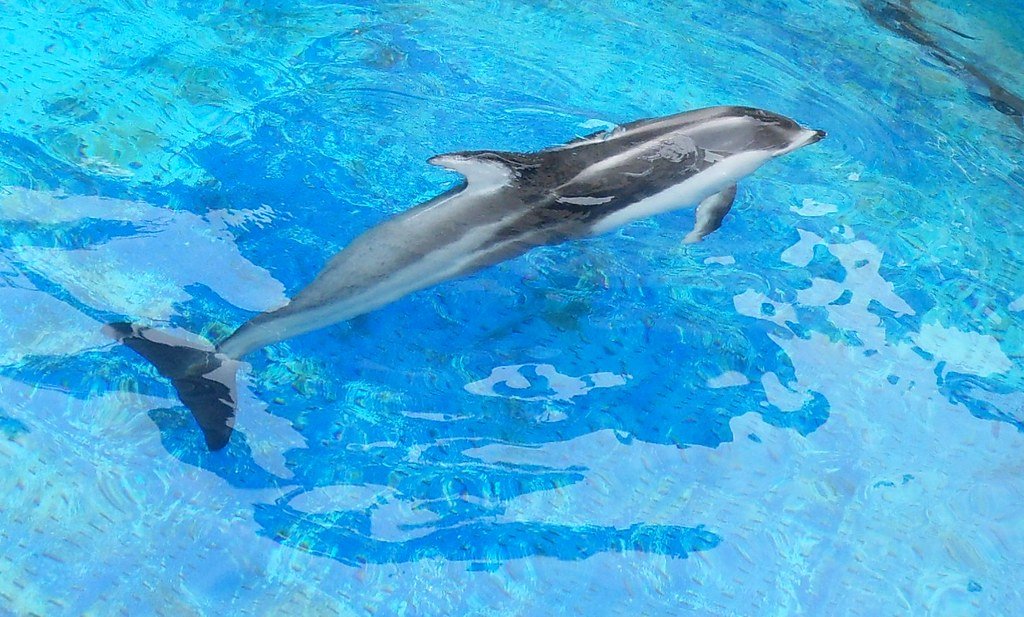
Mammals showcase some of the most diverse and adaptable chronotypes in the animal kingdom. While humans often struggle with their sleep schedules, other mammals have mastered the art of temporal flexibility. Dolphins and whales practice unihemispheric slow-wave sleep, where one half of their brain sleeps while the other half stays alert—imagine being able to literally sleep with one eye open! Many large herbivores like elephants and giraffes sleep only 2-4 hours per day, breaking their rest into short naps while remaining vigilant for predators. On the opposite end of the spectrum, sloths can sleep up to 20 hours a day, moving so slowly that algae grows on their fur as camouflage. Arctic mammals face the ultimate chronobiological challenge, living in environments where the sun doesn’t set for months during summer or rise during winter.
The Genetic Code of Time

The discovery of “clock genes” revolutionized our understanding of how biological rhythms work at the molecular level. These genes, with names like Period, Clock, and Cryptochrome, create feedback loops that oscillate with remarkable precision over roughly 24-hour periods. What’s fascinating is that these same genes appear across incredibly diverse species, from fruit flies to humans, suggesting they evolved early in life’s history and were so useful that natural selection preserved them. Mutations in these genes can completely disrupt an organism’s sense of time—mice with defective Period genes lose their ability to maintain normal sleep-wake cycles, while plants with broken clock genes can’t properly time their flowering. Scientists have even found that these molecular clocks continue ticking in isolated cells grown in laboratory dishes, proving that timekeeping is truly fundamental to life itself.
Environmental Cues That Reset Our Internal Clocks
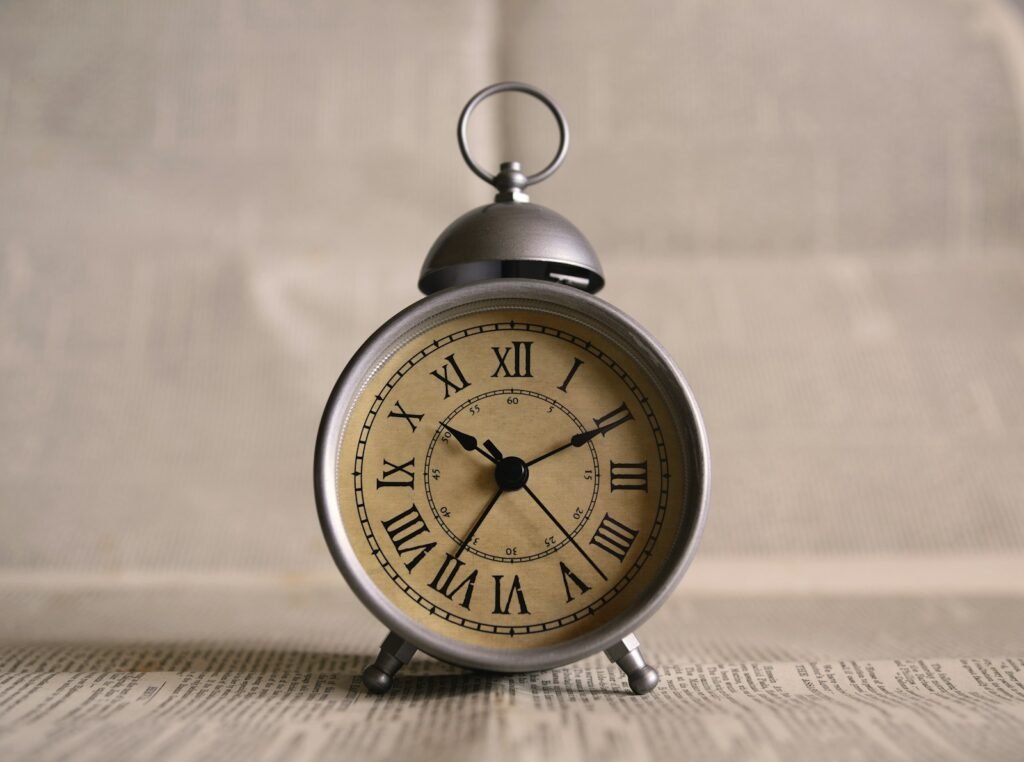
While internal clocks are remarkably accurate, they need constant fine-tuning to stay synchronized with the real world. Light is the most powerful environmental cue, but it’s not the only one that can reset biological rhythms. Temperature changes, food availability, social interactions, and even magnetic fields can influence circadian clocks. Arctic terns, which migrate from Arctic to Antarctic and back each year, use multiple environmental cues to navigate and time their journeys across thousands of miles. Some animals have backup systems—if one timing cue fails, others can compensate. This redundancy explains why jet lag affects different people differently and why some species adapt to new environments faster than others. Interestingly, artificial light from cities is creating new evolutionary pressures, forcing urban wildlife to adapt their timing systems to survive in our 24/7 illuminated world.
Seasonal Rhythms: Nature’s Annual Calendar

Beyond daily rhythms, many species follow annual cycles that would put any human calendar to shame. These circannual rhythms help animals time migrations, reproduction, hibernation, and other seasonal behaviors with incredible precision. Arctic ground squirrels begin preparing for hibernation months before winter arrives, gradually slowing their metabolism and building up fat reserves. Some animals can predict weather patterns better than meteorologists—woolly bear caterpillars can forecast harsh winters by growing thicker coats, while migratory birds adjust their departure dates based on subtle environmental changes. Bears emerging from hibernation, birds returning from migration, and flowers blooming all follow intricate timing patterns that have evolved over millions of years. Climate change is now disrupting these ancient rhythms, creating mismatches between animal behavior and environmental conditions that can have devastating consequences for entire ecosystems.
The Social Aspects of Biological Timing

Chronobiology isn’t just about individual organisms—it’s also about how groups coordinate their activities in time. Social synchronization helps explain why humans naturally tend to wake up and go to sleep at similar times, even without alarm clocks. Many animals use social cues to fine-tune their biological rhythms, creating collective behaviors that benefit the entire group. Fireflies synchronize their flashing patterns across entire trees, creating spectacular light shows that help individuals find mates more efficiently. Vampire bats coordinate their feeding schedules, sharing blood meals with colony members who were unsuccessful in their nightly hunts. Even bacteria can synchronize their activities through chemical communication, releasing toxins or forming protective biofilms at specific times when they’re most likely to be effective against host immune systems.
Evolutionary Advantages of Proper Timing

Having the right chronotype—whether you’re naturally diurnal, nocturnal, or somewhere in between—can mean the difference between life and death in the wild. Animals that are active at optimal times for their species have better access to food, safer conditions for reproduction, and reduced exposure to predators. This creates evolutionary pressure for precise biological timing systems. Prey species often evolve activity patterns that minimize overlap with their predators, while predators evolve to match their hunting times with prey availability. Plants time their reproduction to coincide with the most favorable conditions for seed dispersal and pollinator activity. These evolutionary arms races have created an incredible diversity of chronotypes across species, with each one representing millions of years of fine-tuning for optimal survival in specific ecological niches.
Disrupted Rhythms and Their Consequences

When biological clocks get disrupted, the consequences can be severe across all species. Artificial light pollution affects millions of animals worldwide, interfering with migration patterns, reproduction cycles, and predator-prey relationships. Sea turtle hatchlings, which naturally navigate toward the brightest horizon (historically the ocean reflecting moonlight), now become confused by coastal lighting and crawl toward roads instead of water. Migratory birds can become disoriented by city lights, sometimes circling illuminated buildings until they collapse from exhaustion. Even plants suffer from light pollution, with some species flowering at inappropriate times or failing to shed their leaves when they should. Climate change adds another layer of disruption, shifting seasonal cues and creating mismatches between biological rhythms and environmental conditions that have remained stable for millennia.
Underwater Chronobiology: Tides and Timing

Marine environments present unique chronobiological challenges that have led to fascinating adaptations. Many coastal organisms follow tidal rhythms in addition to circadian ones, creating complex multi-layered timing systems. Fiddler crabs change color with both daily and tidal cycles, becoming darker during the day and lighter at night while also coordinating their activity with high and low tides. Some fish species migrate vertically in the water column following both solar and tidal patterns, maximizing feeding opportunities while minimizing predation risk. Coral reefs demonstrate perhaps the most spectacular example of marine chronobiology during mass spawning events, where multiple species simultaneously release reproductive cells during specific moon phases and times of night. This synchronization ensures maximum fertilization success and overwhelms predators that would otherwise consume most of the gametes.
The Evolution of Sleep Across Species

Sleep represents one of the most mysterious aspects of chronobiology, and its evolution across different species reveals fascinating insights about biological timing. While all animals appear to have some form of rest period, sleep patterns vary dramatically across species based on ecological pressures and evolutionary history. Predators generally sleep more than prey animals—lions can sleep up to 20 hours a day while zebras manage only 2-3 hours in short naps. Aquatic mammals have evolved unique sleep strategies, with seals able to sleep both on land (like terrestrial mammals) and in water (using unihemispheric sleep like dolphins). Some animals, like migrating birds, can sleep while flying, using specialized brain states that allow them to rest while maintaining flight control. The diversity of sleep patterns across species suggests that this seemingly passive state actually serves multiple critical functions that vary depending on an organism’s ecological niche.
Chronobiology in Extreme Environments

Life in extreme environments has pushed chronobiology to its limits, creating some of the most remarkable adaptations in the natural world. Polar bears living in the Arctic must cope with months of continuous daylight or darkness, developing internal rhythms that can function independently of solar cues. Deep-cave animals often lose their circadian rhythms entirely, living in a world without time where energy conservation becomes more important than temporal coordination. Desert animals face the challenge of extreme temperature fluctuations, often shifting their activity patterns seasonally to avoid the hottest parts of the day or year. High-altitude animals must coordinate their rhythms with oxygen availability and temperature extremes that change dramatically with elevation. These extreme environments serve as natural laboratories for understanding how biological clocks can adapt to conditions that would challenge even our most sophisticated artificial timing systems.
The Future of Chronobiology Research

As our understanding of biological rhythms deepens, we’re discovering applications that could revolutionize everything from medicine to agriculture to space exploration. Scientists are developing new treatments for sleep disorders based on how different animals manage their rest cycles, while farmers are using knowledge of plant chronobiology to optimize crop yields and reduce pesticide use. The study of extremophile organisms is helping us understand how biological clocks might function during long-duration space flights to Mars, where astronauts will face unusual light cycles and isolation from Earth’s environmental cues. Climate change research increasingly incorporates chronobiological data to predict how species will adapt to shifting environmental conditions. Perhaps most importantly, studying the incredible diversity of biological timing systems across species is helping us understand what makes us uniquely human while also revealing our deep connections to all life on Earth.
From the tiniest bacterial cell to the largest whale, every living thing on our planet participates in an ancient dance of time that connects us all. Your tendency to stay up late or wake up early isn’t just a personal quirk—it’s part of a biological symphony that has been playing for billions of years, with each species contributing its own unique rhythm to the melody of life. Whether you’re a confirmed night owl or an enthusiastic early bird, you’re carrying on a tradition as old as life itself. What time of day do you feel most alive, and what does that say about your place in this incredible chronobiological tapestry?