
Picture this: a dolphin gracefully leaping through hoops at a marine park, its trainer beaming with pride as thousands of spectators applaud. Behind that seemingly magical moment lies a complex web of psychological principles, behavioral conditioning, and sometimes, troubling ethical questions that most audiences never consider. What starts as a simple click of a training device can evolve into something far more profound—and potentially problematic—than we might imagine.
The Birth of Modern Animal Training

The journey from wild animal to performing companion didn’t happen overnight. Early animal trainers relied heavily on dominance and punishment, believing that fear was the most effective motivator. This approach often led to stressed, unpredictable animals and dangerous situations for both trainer and creature. The breakthrough came when scientists began applying laboratory research on learning to real-world animal training. Suddenly, trainers discovered they could achieve remarkable results using positive reinforcement rather than intimidation. This shift revolutionized everything from circus performances to military working dogs, proving that cooperation worked better than coercion.
Classical Conditioning: Pavlov’s Legacy Lives On

Ivan Pavlov’s famous experiments with dogs didn’t just change psychology textbooks—they transformed how we understand animal learning. When Pavlov’s dogs began salivating at the sound of a bell, he revealed something fundamental about how brains create associations. Modern animal trainers use this same principle every day, pairing neutral sounds or signals with things animals naturally want. A clicker becomes associated with food, a whistle signals playtime, and even subtle hand gestures can trigger complex behaviors. The beauty of classical conditioning lies in its predictability; once an association forms, it becomes almost automatic. However, this same reliability can become problematic when animals develop unwanted associations with stress or fear.
Operant Conditioning: The Power of Consequences

B.F. Skinner took Pavlov’s work several steps further by discovering that consequences shape behavior more powerfully than simple associations. Animals don’t just respond to signals—they learn to modify their actions based on what happens afterward. When a dolphin receives fish for jumping through a hoop, it’s experiencing positive reinforcement that makes the behavior more likely to occur again. Conversely, when a behavior leads to something unpleasant being removed, that’s negative reinforcement, which also strengthens the action. Trainers quickly learned that timing is everything; a reward given even seconds too late might reinforce the wrong behavior entirely. This precision requirement explains why professional animal training demands such skill and patience.
The Clicker Revolution

The humble clicker transformed animal training by solving a critical timing problem that had plagued trainers for centuries. Before clickers, trainers struggled to deliver rewards at exactly the right moment, especially with fast-moving or distant animals. The click sound became a “bridge” between the desired behavior and the eventual reward, allowing trainers to mark precise moments with split-second accuracy. Marine mammal trainers were among the first to embrace this technology, finding they could shape incredibly complex behaviors by breaking them into tiny, clickable steps. Today, clicker training has spread far beyond professional facilities into homes, dog parks, and even therapeutic settings. The psychological principle behind the clicker—immediate feedback—taps into fundamental learning mechanisms shared by virtually all vertebrates.
Shaping: Building Complexity Step by Step

Imagine trying to teach an elephant to paint a picture or a seal to balance a ball on its nose. These complex behaviors don’t happen through simple repetition—they require a sophisticated training technique called shaping. Trainers begin by rewarding any movement in the right direction, then gradually raise their standards as the animal improves. An elephant might first get rewarded for touching a paintbrush, then for holding it, then for moving it toward canvas, and finally for creating actual brushstrokes. This process requires incredible patience and observation skills from trainers who must recognize and reward tiny improvements. The psychological beauty of shaping lies in its ability to build behaviors that would never occur naturally, essentially expanding an animal’s behavioral repertoire beyond its instincts.
The Stress Response: When Training Goes Wrong
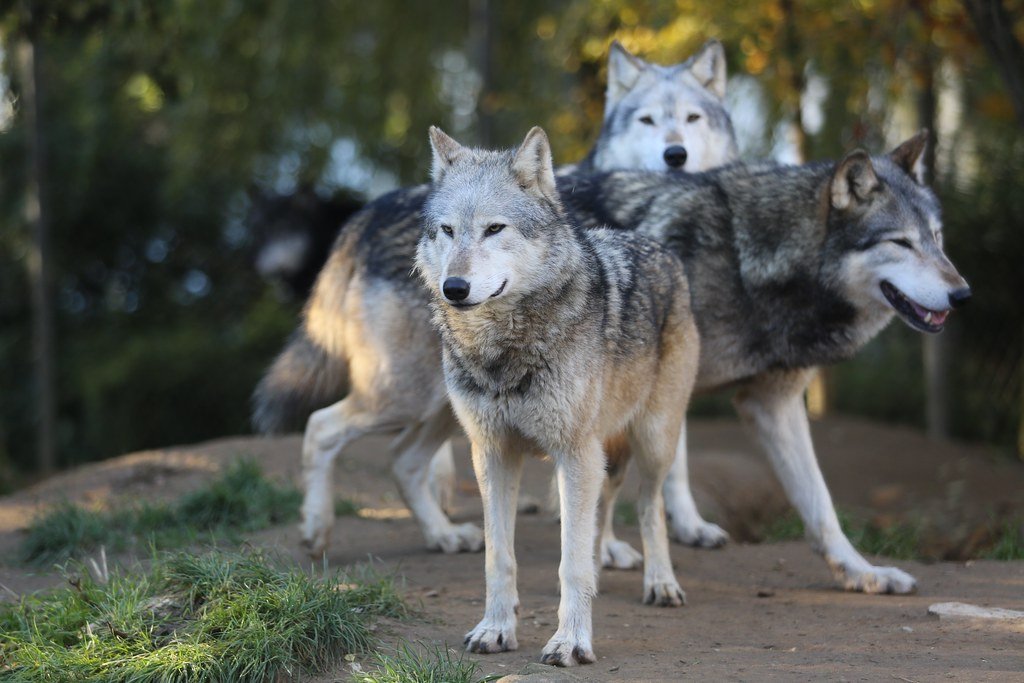
Not all animal training stories have happy endings, and understanding why requires examining the darker side of conditioning psychology. When animals experience chronic stress during training, their bodies flood with cortisol and other stress hormones that can impair learning and damage health. Stressed animals often develop stereotypic behaviors—repetitive, purposeless actions like pacing or self-grooming that signal psychological distress. These behaviors serve as warning signs that training methods may have crossed ethical boundaries. Some animals become so anxious about making mistakes that they stop trying altogether, a phenomenon psychologists call “learned helplessness.” Recognizing these stress signals requires trainers to understand animal psychology beyond simple behavior modification.
Species-Specific Learning Patterns

Every species brings its own learning style to the training relationship, shaped by millions of years of evolution. Dolphins, for instance, are naturally curious and playful, making them eager participants in training sessions. However, their intelligence also means they can become bored with repetitive tasks and may even create their own variations on trained behaviors. Elephants possess remarkable memories that allow them to retain complex routines for decades, but they’re also highly social creatures that may refuse to perform if separated from their family groups. Big cats present unique challenges because their predatory instincts can override training cues when they’re aroused or stressed. Understanding these species-specific traits isn’t just helpful—it’s essential for creating effective and humane training programs.
The Role of Trust in Animal-Human Relationships

Behind every successful animal training program lies an invisible foundation of trust that takes years to build and seconds to destroy. Animals constantly evaluate whether their human partners are predictable, fair, and safe to be around. This trust forms through countless small interactions—consistent feeding times, gentle handling, and reliable responses to the animal’s needs. When trust breaks down, training becomes exponentially more difficult as animals become defensive, unpredictable, or simply uncooperative. Some animals, particularly those with complex social structures like primates and marine mammals, form such strong bonds with specific trainers that they may refuse to work with anyone else. This emotional dimension of training reveals that successful programs involve far more than mechanical conditioning—they require genuine relationships.
Environmental Enrichment: Beyond Basic Training

Modern animal psychology recognizes that training shouldn’t exist in isolation from an animal’s broader environmental needs. Enrichment programs provide mental stimulation, physical challenges, and opportunities for natural behaviors that complement formal training sessions. A sea lion that spends time solving puzzle feeders and exploring varied pool environments often performs better during training than one kept in a barren enclosure. This connection exists because enriched environments reduce stress, increase cognitive flexibility, and provide outlets for instinctual behaviors that might otherwise interfere with training. Smart facilities now design enrichment programs that actually support training goals, creating environments where learning happens naturally rather than being forced.
The Ethics Debate: Entertainment vs. Education

The most heated discussions in animal training today center on the fundamental question of whether using animals for human entertainment can ever be truly ethical. Critics argue that any training that prioritizes human desires over animal welfare crosses moral boundaries, regardless of the techniques used. They point to evidence of psychological stress, shortened lifespans, and behavioral abnormalities in performing animals as proof that the entertainment industry exploits creatures for profit. Defenders counter that well-designed programs can actually enhance animal welfare by providing mental stimulation, physical exercise, and enriched social relationships. They argue that educational presentations help people develop emotional connections with animals that translate into conservation support. This debate reflects deeper questions about the nature of animal consciousness and our responsibilities toward other species.
Cognitive Abilities: What Animals Really Understand

Recent research has revolutionized our understanding of animal intelligence, revealing cognitive abilities that challenge traditional training assumptions. Dolphins can recognize themselves in mirrors, understand symbolic communication, and even teach behaviors to other dolphins without human intervention. Elephants demonstrate remarkable problem-solving skills and emotional intelligence that rivals that of young children. Great apes can learn sign language, use tools creatively, and engage in deceptive behaviors that suggest sophisticated mental planning. These discoveries raise uncomfortable questions about whether highly intelligent animals can truly consent to training or if they’re simply complying due to their dependence on human caretakers. The more we learn about animal minds, the more complex the ethical landscape becomes.
Stress Indicators: Reading the Silent Signals

Animals rarely vocalize distress during training sessions, but their bodies tell stories that observant trainers learn to read. Elevated breathing rates, excessive drooling, repetitive movements, and changes in appetite all signal psychological stress that may not be immediately obvious. Some species develop species-specific stress behaviors—dolphins may beach themselves repeatedly, while elephants might sway rhythmically for hours. These subtle indicators require trainers to become expert observers of normal versus abnormal behavior patterns for each individual animal. Unfortunately, in high-pressure entertainment environments, these warning signs are sometimes ignored or misinterpreted as training resistance rather than psychological distress. Learning to recognize and respond appropriately to stress signals represents one of the most crucial skills in ethical animal training.
The Neuroscience of Learning

Brain imaging technology has opened fascinating windows into what actually happens inside animal minds during training sessions. Researchers can now observe in real-time how neural pathways strengthen when animals learn new behaviors and how stress hormones interfere with memory formation. The brain chemistry of learning involves complex interactions between neurotransmitters like dopamine, which creates feelings of pleasure and motivation, and stress hormones like cortisol, which can impair memory and learning ability. These discoveries explain why positive reinforcement training tends to be more effective than punishment-based methods—pleasurable experiences literally rewire the brain in ways that enhance future learning. Understanding this neuroscience helps trainers optimize their techniques and recognize when training sessions should be modified or ended.
Individual Personalities: No Two Animals Are Alike

Just as human students have different learning styles and personalities, every animal brings unique psychological characteristics to the training relationship. Some dolphins are naturally bold and experimental, readily trying new behaviors, while others are cautious and need extensive trust-building before attempting unfamiliar tasks. Individual elephants may be social butterflies who thrive on attention or introverts who prefer working in smaller groups. These personality differences aren’t just charming quirks—they fundamentally affect how training should be approached. A technique that works beautifully with one animal may be completely inappropriate for another, even within the same species. Successful trainers become skilled at reading individual personalities and adapting their methods accordingly, treating each animal as a unique psychological individual rather than a generic representative of its species.
Technology and Modern Training Methods

Digital technology is transforming animal training in ways that would have seemed like science fiction just decades ago. Heart rate monitors can provide real-time feedback about an animal’s stress levels during training sessions. Video analysis software can detect subtle behavioral changes that human eyes might miss. Some facilities now use underwater speakers and LED systems to create complex sensory environments that support training goals. Virtual reality systems are being tested to help trainers practice techniques without stressing live animals. However, technology also raises new ethical questions about the extent to which we should manipulate animal environments and experiences. The challenge lies in using these powerful tools to enhance rather than exploit the human-animal relationship.
Conservation Training: When Psychology Meets Purpose

Some of the most compelling animal training programs focus on conservation rather than entertainment, using psychological principles to save species from extinction. Captive breeding programs rely on training techniques to encourage natural mating behaviors and successful parenting in animals that might otherwise struggle to reproduce. Rehabilitation centers use conditioning methods to help injured wildlife overcome trauma and fear of humans before returning to the wild. These programs demonstrate how training psychology can serve animals’ interests rather than merely human desires. Success in conservation training requires understanding not just individual psychology but also the social structures, mating systems, and survival behaviors that define each species. When done thoughtfully, this work represents animal psychology at its most meaningful and ethical.
The Future of Animal-Human Relationships

As our understanding of animal psychology continues to evolve, the future of training relationships stands at a crossroads between exploitation and collaboration. Emerging research on animal consciousness, emotions, and cognitive abilities is forcing us to reconsider fundamental assumptions about what we have the right to ask of other species. Some experts predict a future where animal training focuses primarily on medical care and conservation, with entertainment applications becoming increasingly rare. Others envision new forms of collaboration where animals have more agency in choosing whether and how to participate in human activities. The rise of animal welfare science as a distinct discipline suggests that future training programs will be held to increasingly rigorous standards of psychological and physical well-being.
Breaking the Cycle: Toward Ethical Alternatives

The growing awareness of psychological complexity in animals has sparked innovative approaches that prioritize animal agency and choice. Zoos and aquariums are experimenting with programs where animals can opt out of training sessions or choose from multiple activity options throughout their day. Sanctuaries are developing models that provide enriching environments without the pressure to perform for human audiences. Some facilities are exploring whether technology like animatronics and virtual reality could satisfy human curiosity about animals without requiring live performers. These alternatives represent attempts to break the traditional cycle where human entertainment demands drive animal training programs. Whether these new models can be economically sustainable while maintaining high standards of animal welfare remains an open question that will likely shape the industry’s future.
The journey from simple clicker training to complex ethical debates reveals how much our understanding of animal psychology has evolved. What once seemed like straightforward behavior modification now appears as intricate relationships involving trust, stress, individual personalities, and sophisticated cognitive abilities. The challenge ahead lies in applying this knowledge to create programs that truly serve both human and animal interests, rather than simply dressing up exploitation in scientific language. Perhaps the most important lesson from decades of animal training research is that these relationships work best when they’re built on respect, understanding, and genuine care for the psychological well-being of our non-human partners. Did you expect that our simple training clickers could open such a complex world of ethical questions?