When you think of astronaut training, you probably picture high-tech simulators and sterile laboratories. But what if I told you that some of the most crucial preparation for lunar missions happens in the frozen volcanic landscapes of Iceland? This Nordic island nation has become NASA’s secret weapon in preparing astronauts for the harsh realities of space exploration, particularly the mysterious world of lunar caves.
Why Iceland Mirrors the Moon’s Surface

Iceland’s landscape looks like something straight out of a science fiction movie, and that’s exactly why NASA chose it as their training ground. The country’s volcanic terrain, formed by millions of years of eruptions and geological activity, creates an environment that’s surprisingly similar to what astronauts will encounter on the Moon. The barren lava fields, rocky outcrops, and harsh weather conditions provide a perfect analog for lunar exploration. You won’t find trees or green grass in many parts of Iceland’s interior, just like the Moon’s desolate surface. The similarity is so striking that when Neil Armstrong and Buzz Aldrin first stepped onto the Moon, many people compared the footage to Iceland’s volcanic deserts.
The Science Behind Lava Tube Formation
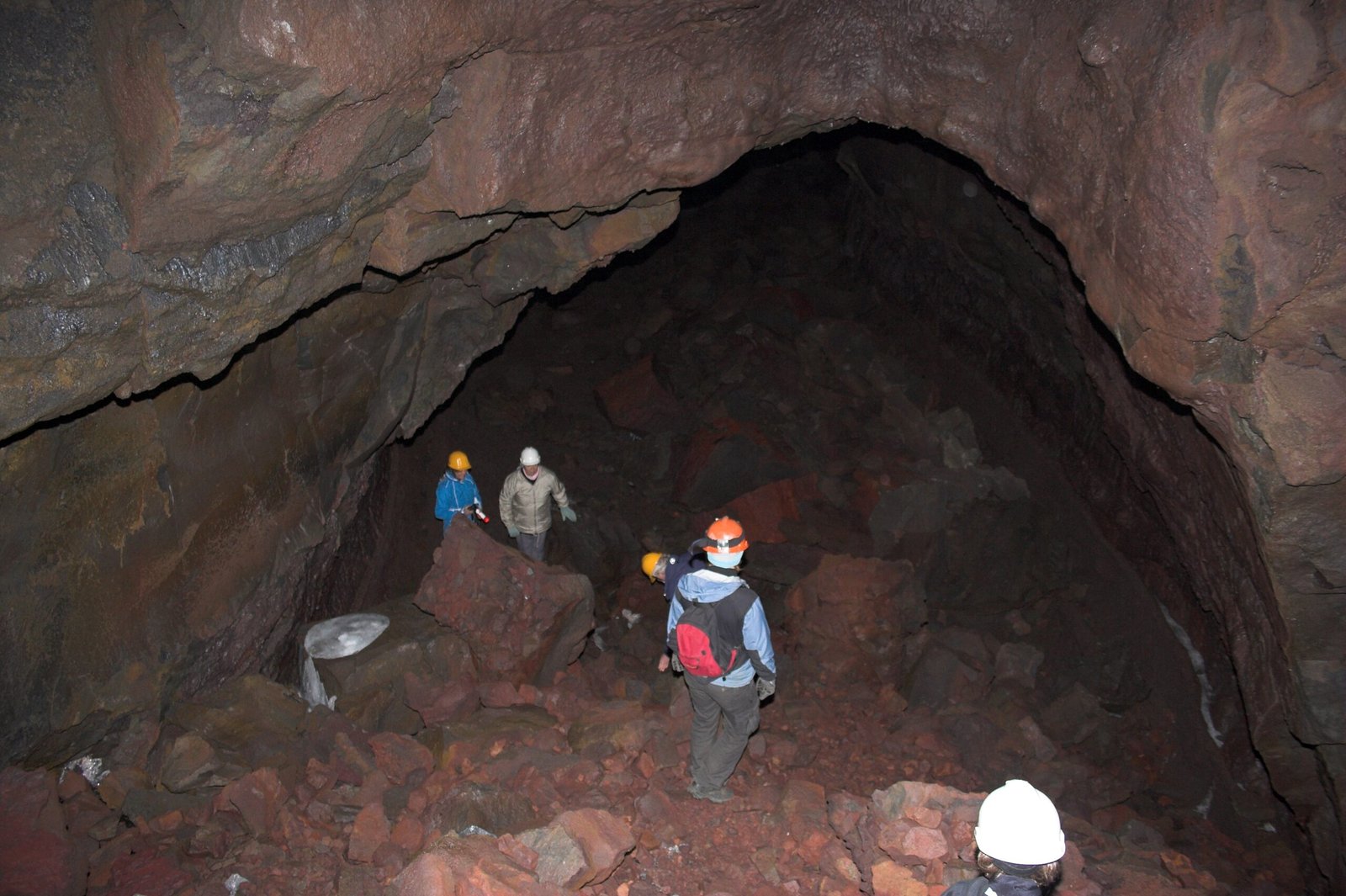
Lava tubes are nature’s underground highways, created when molten rock flows beneath a hardened crust. When the lava drains away, it leaves behind hollow tunnels that can stretch for miles underground. These geological formations exist both on Earth and on the Moon, making them perfect training grounds for future lunar explorers. Iceland’s lava tubes formed during volcanic eruptions thousands of years ago, creating a network of caves that scientists believe closely resemble what astronauts will find beneath the Moon’s surface. The process is like when you drink a milkshake through a straw and the liquid inside disappears, leaving the outer shell intact. Understanding how these caves form helps scientists predict what kinds of challenges astronauts might face when exploring similar structures on the Moon.
NASA’s Partnership with Icelandic Research Teams
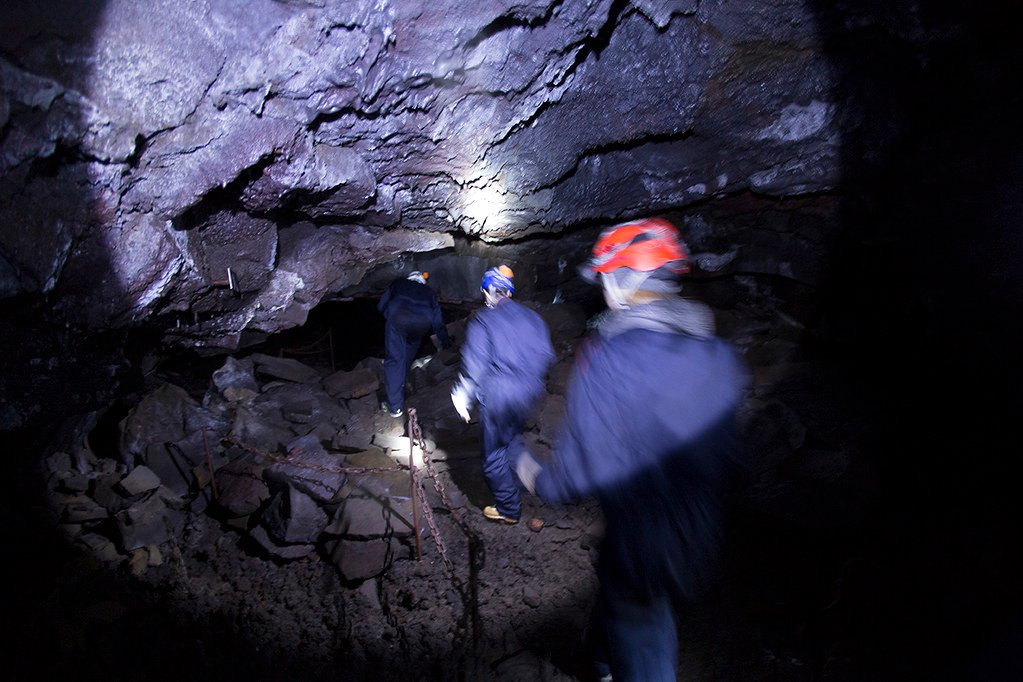
NASA didn’t just show up in Iceland and start training astronauts. The space agency has built strong partnerships with Icelandic universities and research institutions over the past two decades. These collaborations have led to groundbreaking research that benefits both lunar exploration and our understanding of Earth’s geology. Icelandic scientists bring decades of experience studying their country’s unique volcanic landscape, while NASA provides cutting-edge space technology and exploration techniques. Together, they’ve created training programs that push the boundaries of what’s possible in extreme environment preparation. The partnership has become so successful that other space agencies from Europe and Asia have started sending their astronauts to Iceland for similar training experiences.
The Harsh Reality of Lunar Cave Exploration
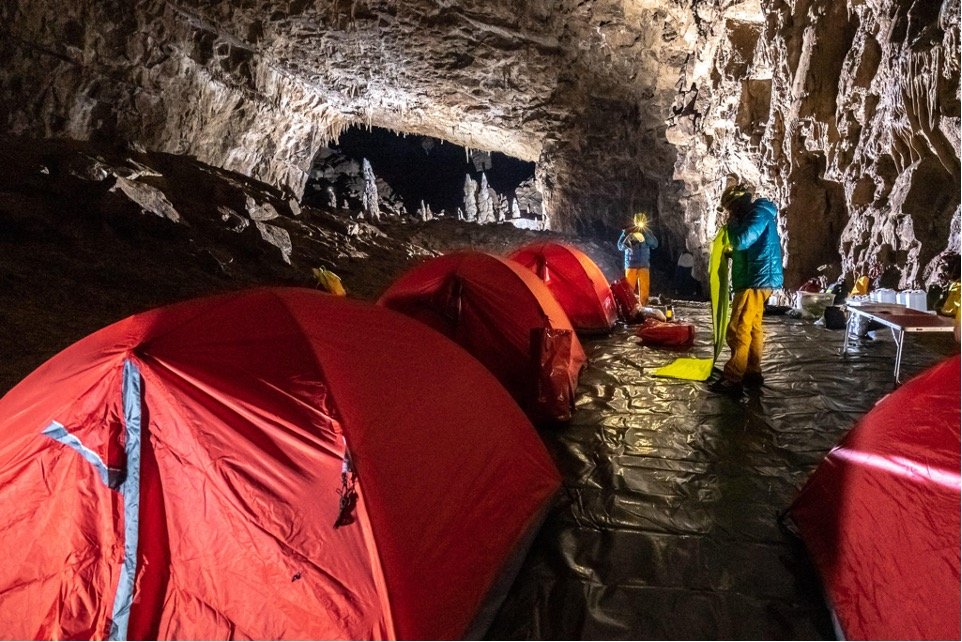
Exploring caves on the Moon won’t be a casual stroll through underground passages. Astronauts will face complete darkness, extreme temperature variations, and the constant threat of equipment failure in an environment where rescue is impossible. The Moon’s lower gravity might sound like it would make cave exploration easier, but it actually creates new challenges in movement and balance. Sharp volcanic rock can easily tear spacesuits, and communication with Earth becomes nearly impossible once astronauts venture deep underground. Iceland’s caves provide a safe environment to practice these dangerous scenarios, allowing astronauts to experience the psychological pressure of being trapped in dark, confined spaces far from help. The training is so intense that some astronauts compare it to military survival courses.
Advanced Equipment Testing in Extreme Conditions

Iceland’s caves serve as the perfect testing ground for space equipment that needs to work flawlessly in the harshest conditions imaginable. NASA engineers bring prototype rovers, communication systems, and life support equipment to these underground laboratories to see how they perform in real-world conditions. The caves’ natural electromagnetic interference helps test how well equipment will function on the Moon, where solar radiation and cosmic rays can disrupt sensitive electronics. Temperature fluctuations in Icelandic caves mirror the extreme hot and cold cycles that equipment will experience in lunar caves. If a piece of equipment can survive months of testing in Iceland’s brutal underground environment, it has a much better chance of working perfectly when astronauts need it most on the Moon.
Psychological Training for Isolation and Confinement
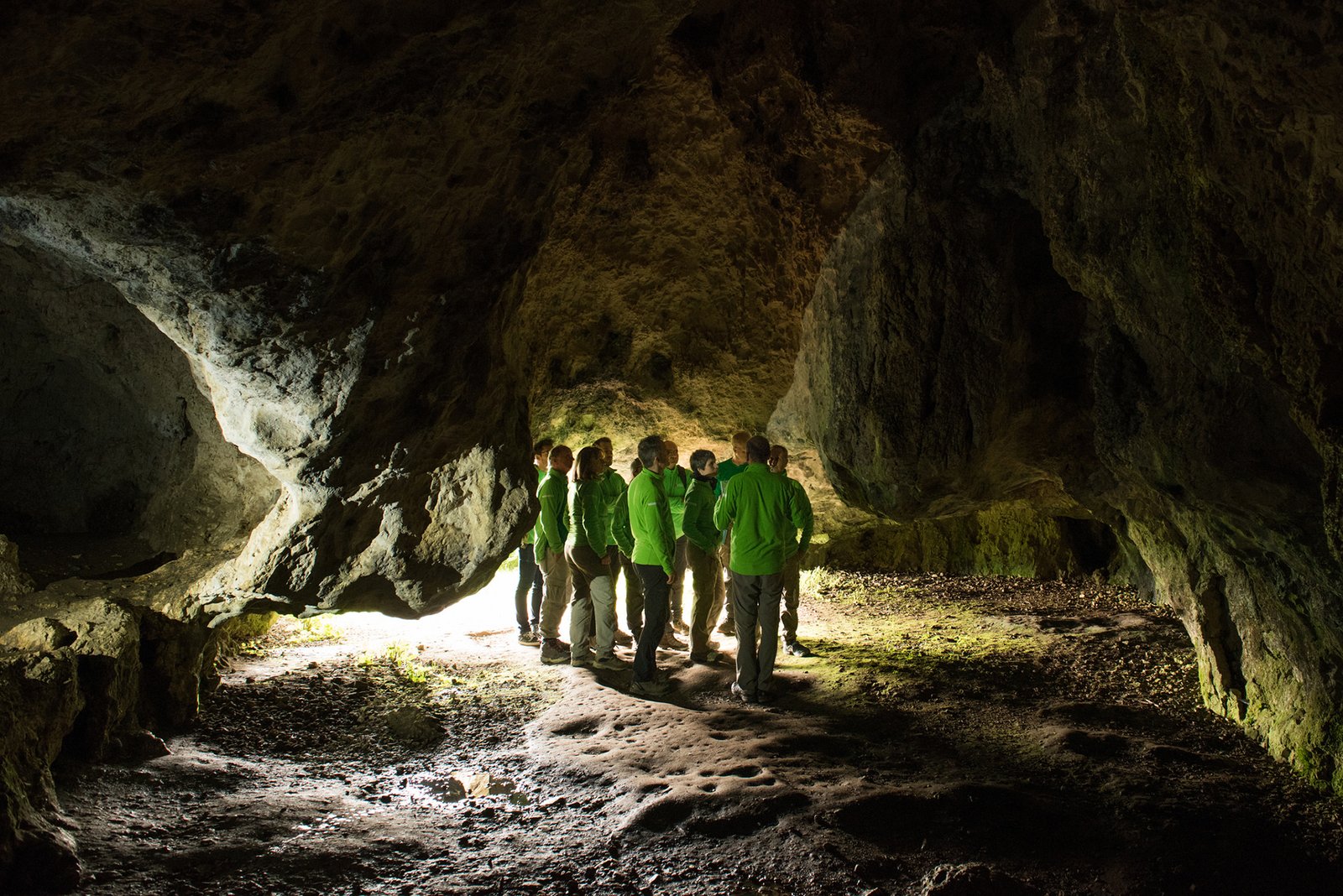
The mental challenges of space exploration are just as important as the physical ones, and Iceland’s caves provide the perfect environment for psychological training. Astronauts spend days or even weeks in these underground spaces, learning to cope with isolation, darkness, and the claustrophobic feeling of being trapped far from the surface. The experience helps them develop mental resilience and team cooperation skills that will be crucial during actual lunar missions. Many astronauts report that the psychological pressure of cave training is more intense than they expected, even though they knew they could always return to the surface. This training helps identify potential mental health issues before they become problems during actual space missions, where the consequences could be catastrophic.
Communication Challenges in Underground Environments

One of the biggest challenges astronauts face in lunar caves is maintaining communication with their surface teams and mission control on Earth. Iceland’s caves provide the perfect testing ground for new communication technologies that need to work through solid rock and in environments with high electromagnetic interference. Traditional radio signals often can’t penetrate the thick rock walls of caves, forcing engineers to develop creative solutions like relay stations and mesh networks. Astronauts practice using these communication systems in Iceland’s caves, learning how to troubleshoot problems and maintain contact even when equipment fails. The training is so realistic that astronauts sometimes lose communication with their support teams for hours, forcing them to rely on their training and each other to navigate dangerous situations.
The Role of Robotics in Cave Exploration
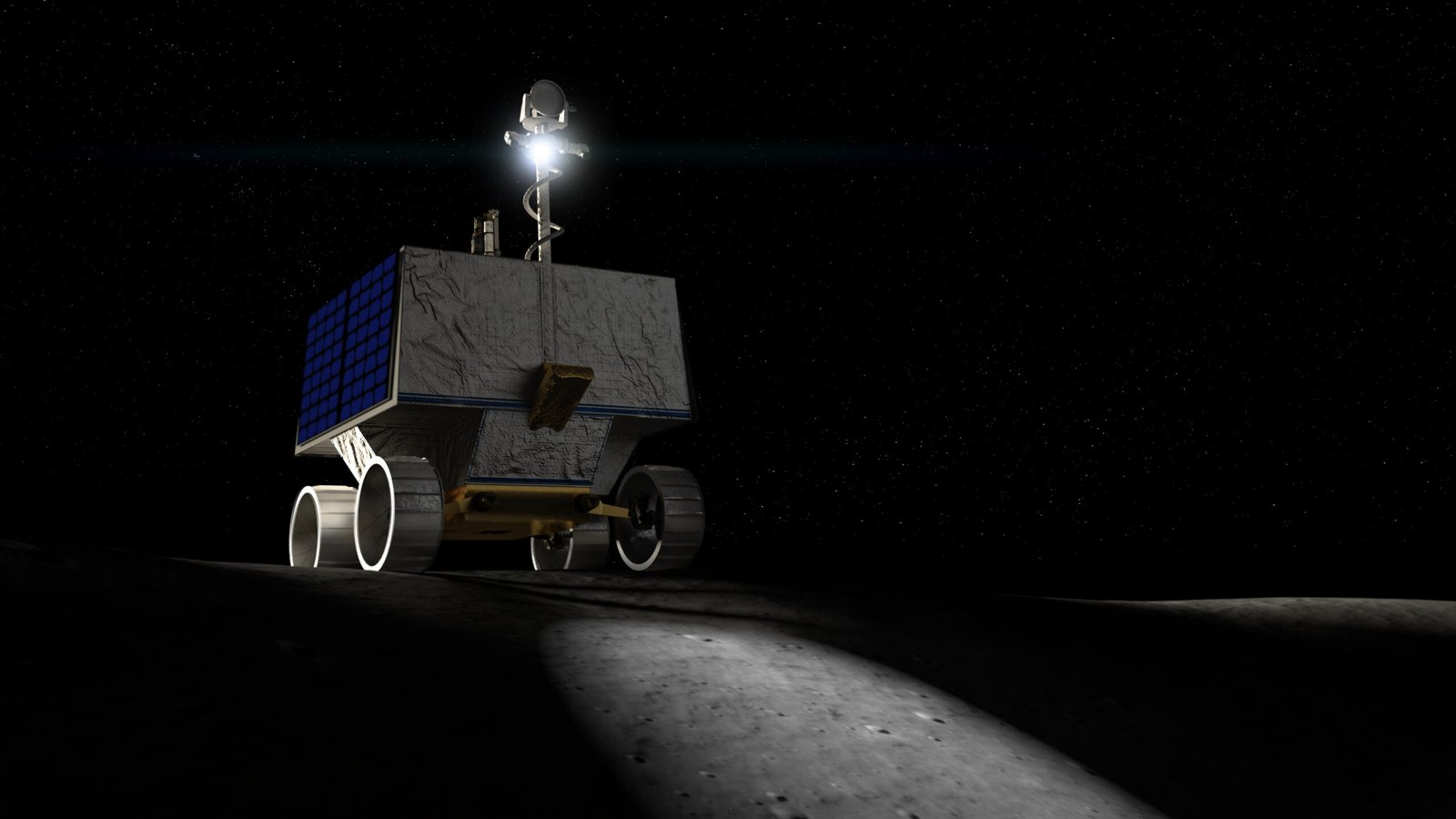
Future lunar cave exploration will likely involve a combination of human astronauts and advanced robotic systems working together. Iceland’s caves provide the perfect environment to test these human-robot partnerships and develop new technologies for remote exploration. Engineers test everything from small reconnaissance drones that can scout ahead of astronauts to large rovers capable of carrying equipment and supplies through narrow cave passages. The robots must be able to navigate in complete darkness, climb over rocky obstacles, and provide real-time data to human operators. Iceland’s unpredictable cave environments help engineers identify weaknesses in robotic systems and develop solutions before they’re needed on the Moon. The collaboration between humans and robots in these training exercises often leads to breakthrough discoveries about the caves themselves.
Emergency Response and Rescue Procedures
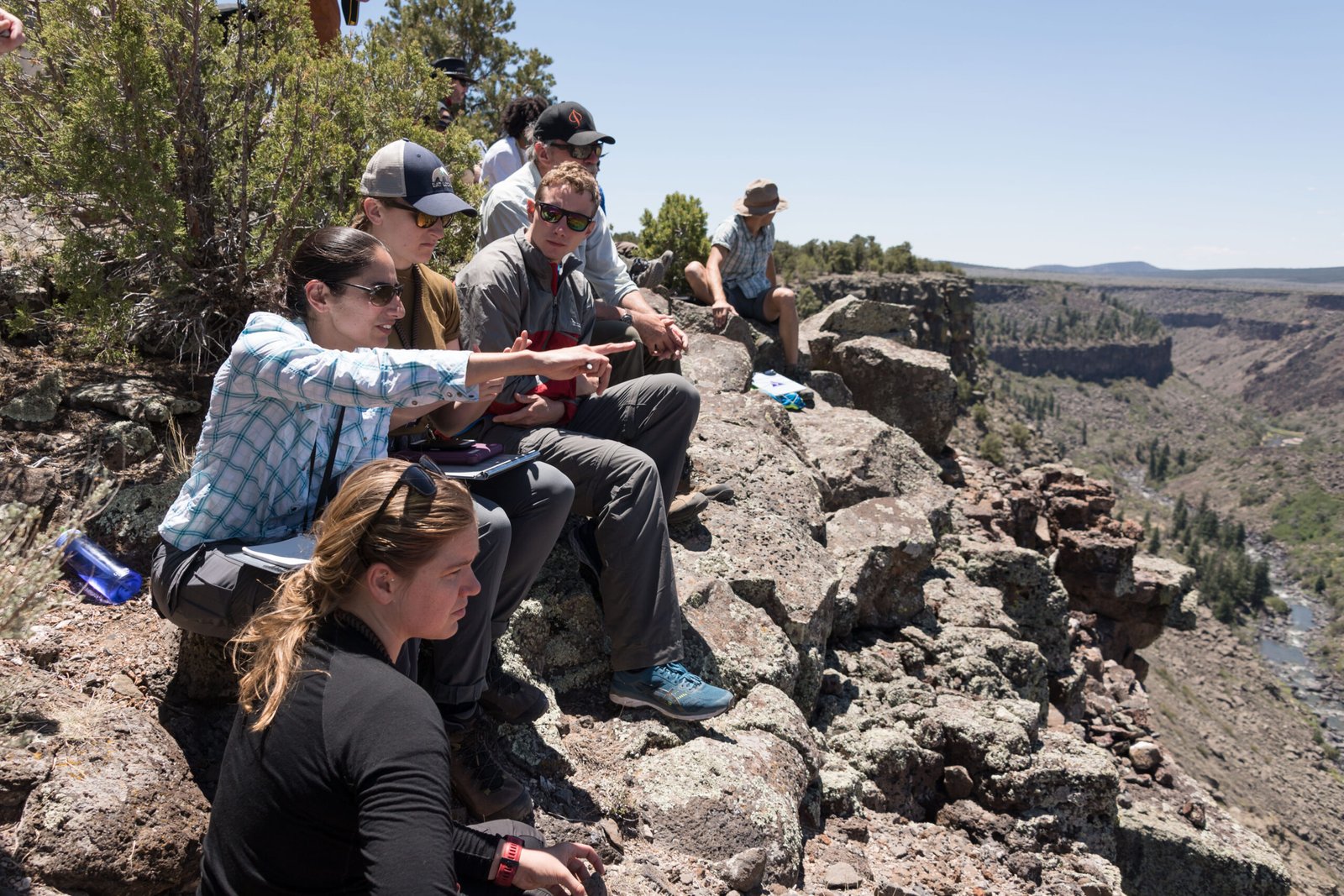
When something goes wrong in a lunar cave, there won’t be a rescue team standing by to help. That’s why NASA uses Iceland’s caves to train astronauts in emergency response procedures that could mean the difference between life and death. Astronauts practice everything from treating injuries with limited medical supplies to repairing damaged equipment in complete darkness. The training scenarios are designed to be as realistic and stressful as possible, often involving multiple system failures and time-critical decisions. Teams learn to work together under extreme pressure, developing the split-second decision-making skills they’ll need when facing real emergencies millions of miles from Earth. The psychological impact of these emergency drills is so intense that many astronauts consider them the most valuable part of their cave training experience.
Geological Sampling and Scientific Research
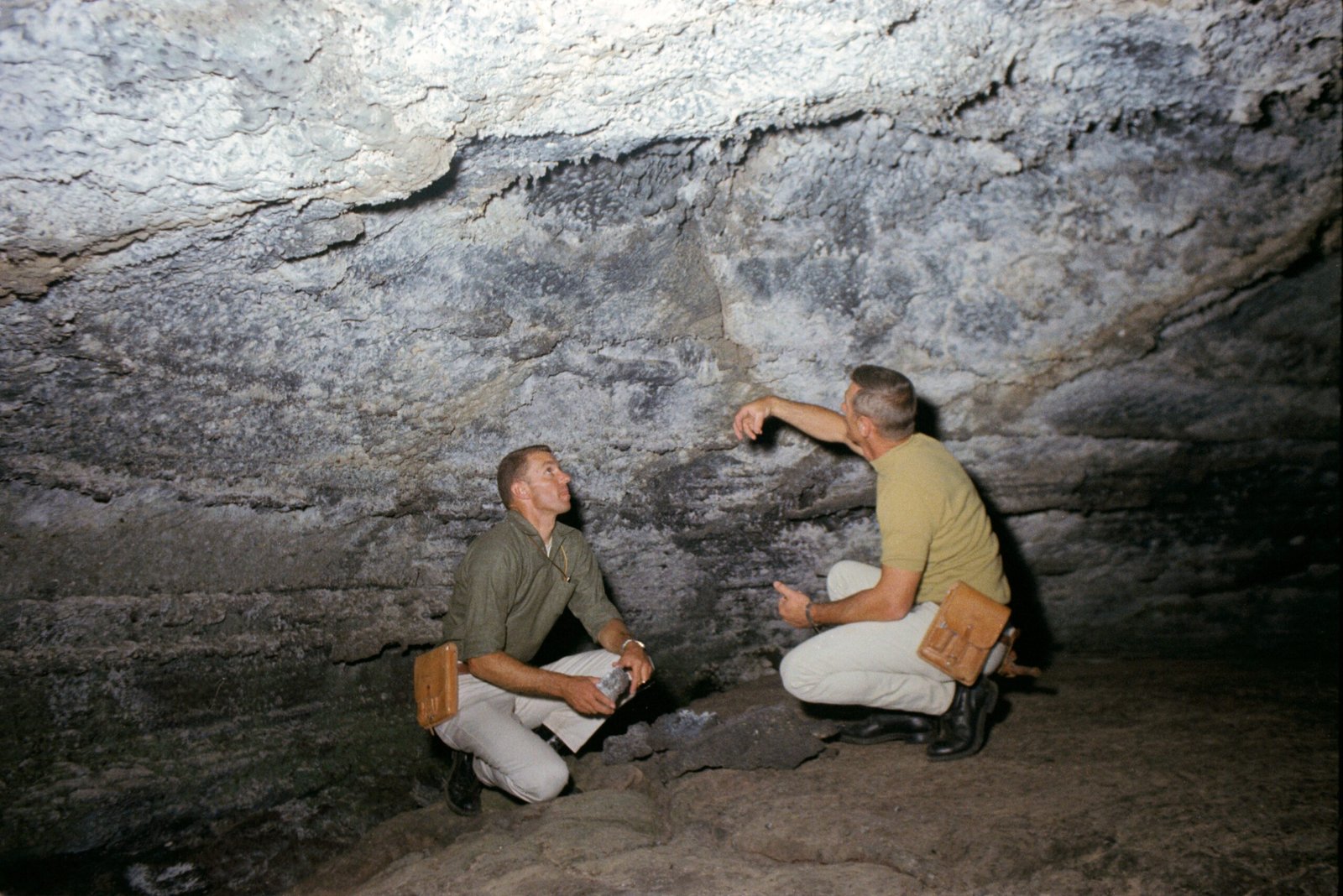
Astronauts visiting lunar caves won’t just be exploring for the sake of adventure – they’ll be conducting crucial scientific research that could unlock secrets about the Moon’s formation and history. Iceland’s caves provide the perfect training ground for learning geological sampling techniques and operating scientific equipment in challenging underground environments. Astronauts practice identifying different types of rock formations, collecting samples without contaminating them, and operating complex scientific instruments while wearing bulky spacesuits. The skills they develop in Iceland’s caves directly translate to the work they’ll do on the Moon, where every sample collected could provide valuable insights into the solar system’s history. Many of the techniques developed during Iceland training have already been used successfully on Mars rover missions and International Space Station experiments.
Life Support Systems in Confined Spaces
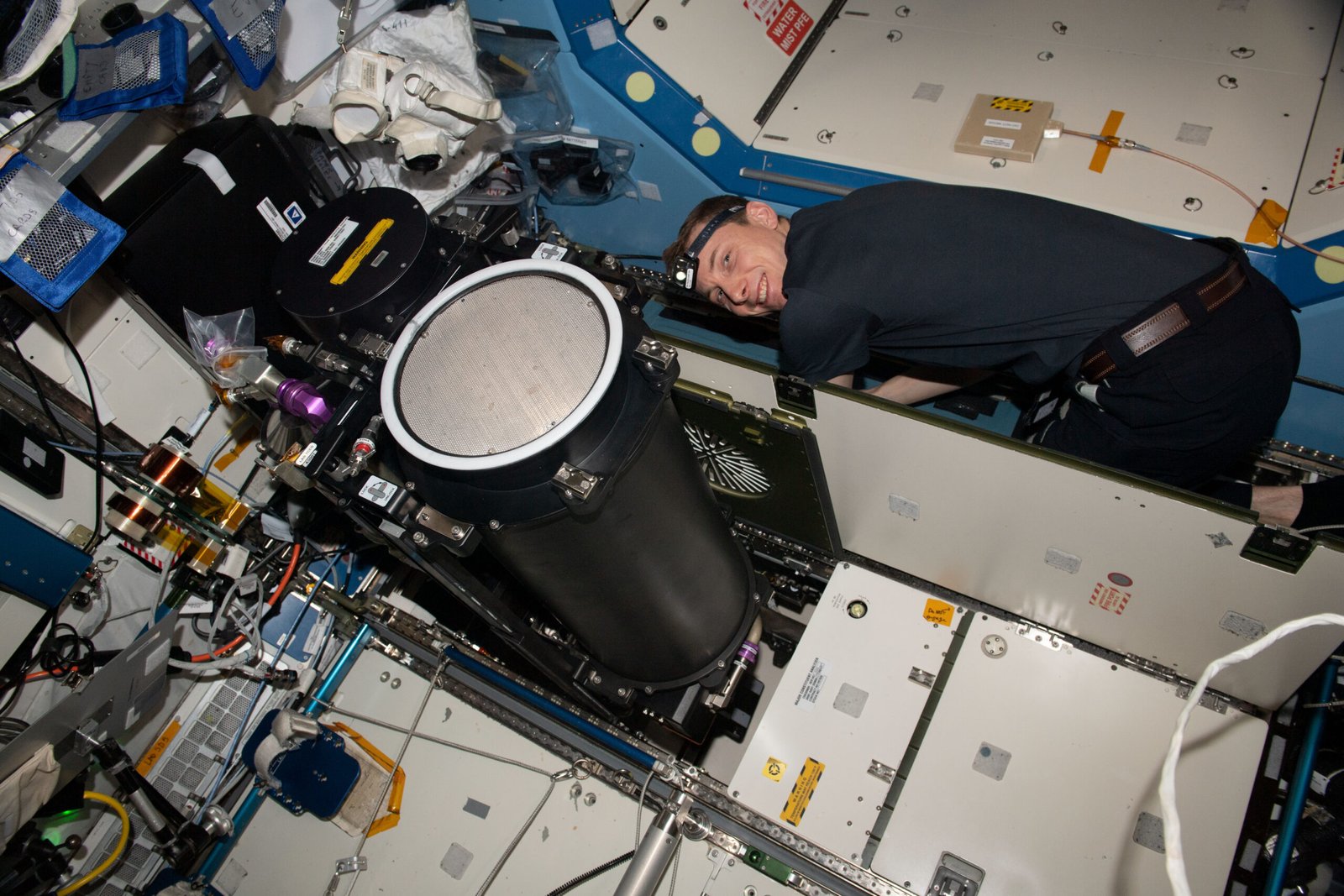
Keeping astronauts alive in the confined space of a lunar cave requires life support systems that work flawlessly under extreme conditions. Iceland’s caves provide the perfect testing environment for these critical systems, where engineers can safely test how well they perform in real-world conditions. The caves’ natural carbon dioxide buildup and oxygen depletion help simulate the atmospheric challenges astronauts will face in lunar caves. Air filtration systems, oxygen generators, and carbon dioxide scrubbers all get put through their paces in Iceland’s underground laboratories. Engineers also test backup systems and emergency procedures, because failure of life support equipment in a lunar cave would be catastrophic. The data collected from these tests helps improve system reliability and gives astronauts confidence in the equipment that will keep them alive during lunar missions.
Navigation Without GPS or Landmarks
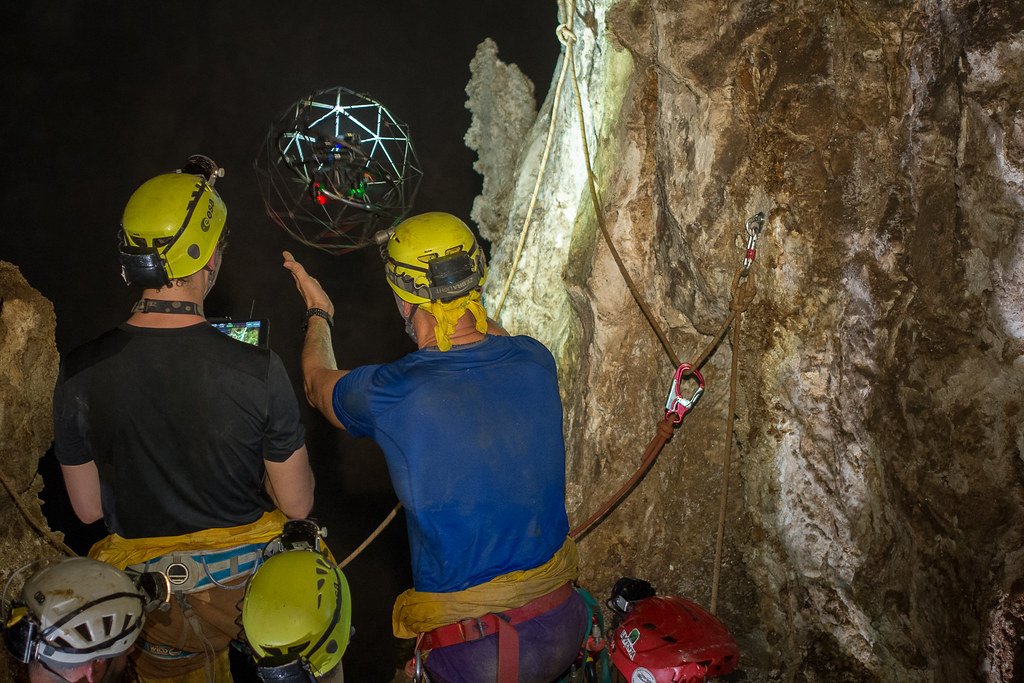
On Earth, we rely on GPS satellites and familiar landmarks to navigate, but these tools won’t be available in lunar caves. Iceland’s cave systems provide the perfect training ground for learning to navigate using only basic instruments and dead reckoning techniques. Astronauts learn to create detailed maps as they explore, using techniques that haven’t changed much since the early days of cave exploration on Earth. They practice using compass bearings, counting steps, and identifying unique rock formations that can serve as navigation markers. The psychological challenge of not knowing exactly where you are or how to get back to the entrance creates stress that helps prepare astronauts for the reality of lunar exploration. Many astronauts report that navigation training in Iceland’s caves is more challenging than they expected, even with modern technology to help them.
Temperature Management and Thermal Protection
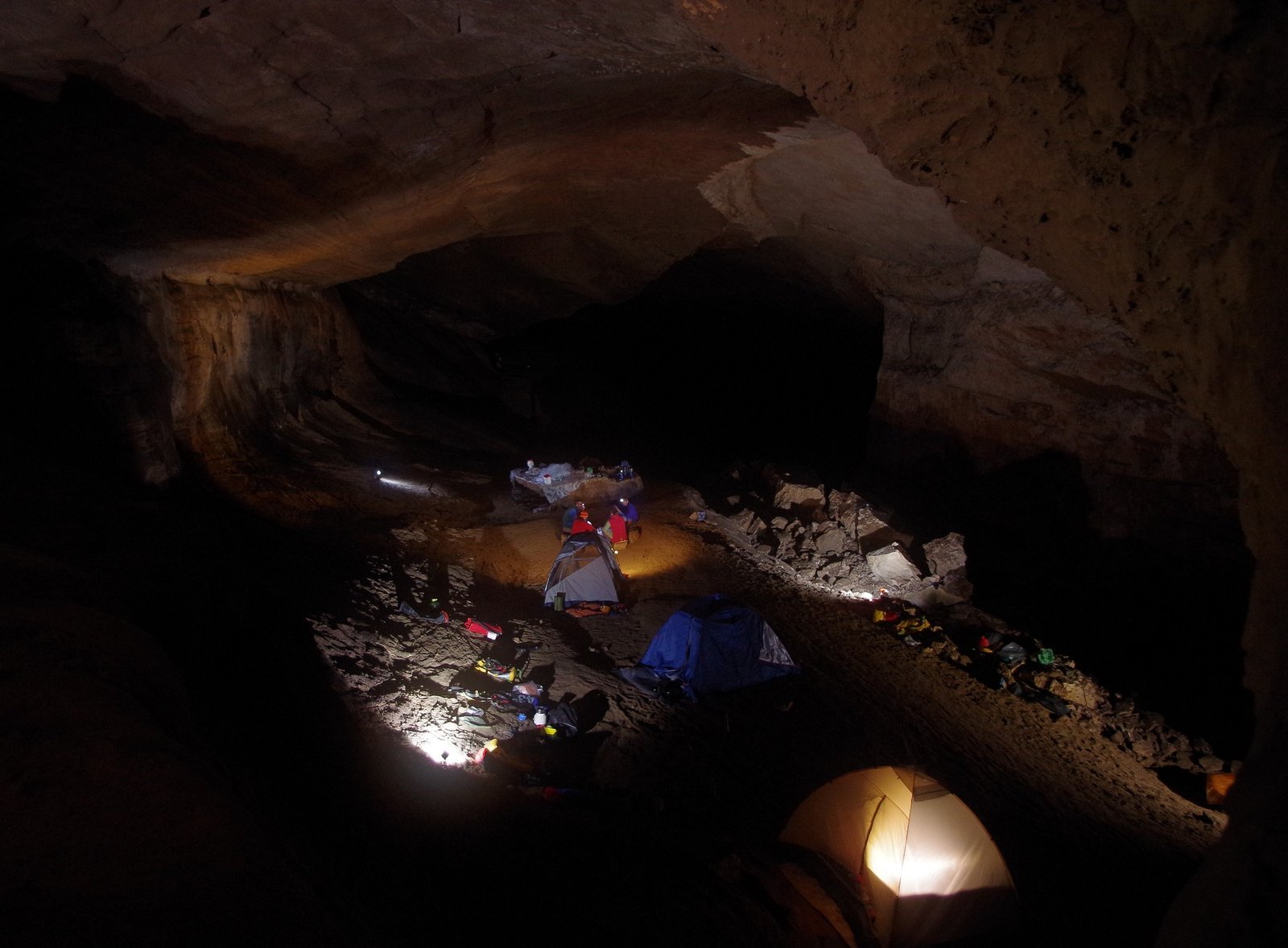
Lunar caves experience extreme temperature variations that can damage equipment and threaten astronaut safety. Iceland’s caves provide a natural laboratory for testing thermal protection systems and learning to manage temperature-related challenges. While not as extreme as lunar conditions, Iceland’s caves can range from near-freezing to surprisingly warm, depending on geothermal activity and depth below the surface. Astronauts learn to recognize signs of equipment overheating or freezing, and practice techniques for maintaining optimal body temperature in challenging conditions. The training includes everything from managing spacesuit thermal systems to protecting sensitive scientific equipment from temperature damage. Engineers use data from Iceland testing to improve thermal protection systems and develop better strategies for managing temperature in space environments.
Lighting and Vision in Complete Darkness
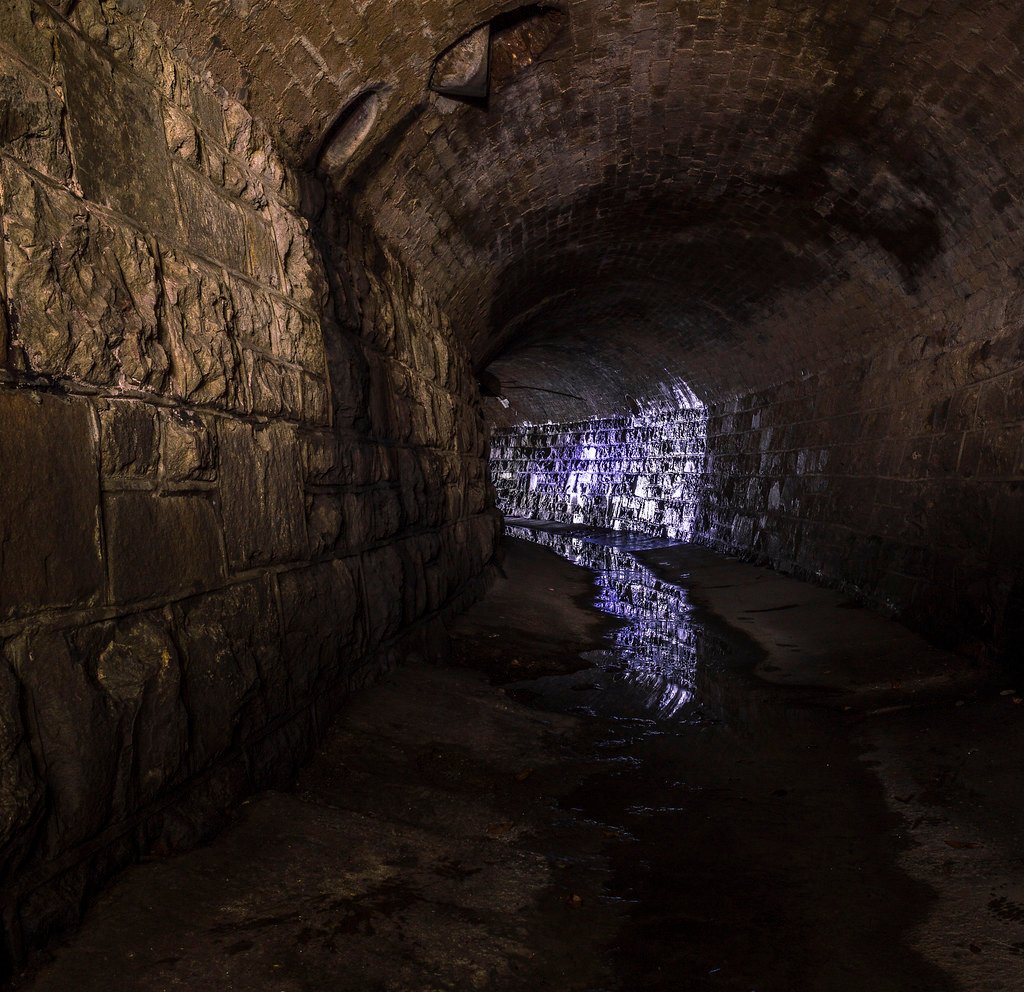
The complete darkness of lunar caves presents unique challenges that astronauts must be prepared to face. Iceland’s caves provide the perfect environment for testing lighting systems and training astronauts to work effectively in total darkness. Traditional flashlights and headlamps must be supplemented with advanced lighting systems that can illuminate large areas without creating dangerous shadows or blind spots. Astronauts learn to conserve battery power while maintaining adequate visibility for safe movement and scientific work. The psychological impact of working in complete darkness is something that many astronauts underestimate until they experience it firsthand in Iceland’s caves. Night vision technology and infrared imaging systems get thorough testing in these underground environments, helping engineers develop better tools for lunar exploration.
Water and Resource Management

Water is one of the most precious resources in space, and managing it effectively in the confined environment of a lunar cave requires careful planning and advanced technology. Iceland’s caves provide a unique training environment where astronauts can practice water conservation techniques and test water recycling systems in realistic conditions. The caves’ natural humidity and occasional water seepage help simulate some of the challenges astronauts might face in lunar caves, where water ice deposits could provide both opportunities and challenges. Astronauts learn to identify potential water sources, test water quality, and operate complex water purification systems while wearing spacesuits. The training also includes emergency procedures for dealing with water system failures, which could be life-threatening during extended stays in lunar caves.
Team Dynamics and Leadership Under Pressure

Successful lunar cave exploration will depend on effective teamwork and leadership under extreme stress. Iceland’s caves provide the perfect environment for developing these crucial interpersonal skills through realistic training scenarios. Teams of astronauts spend extended periods together in confined spaces, learning to resolve conflicts, make group decisions, and support each other through challenging situations. The psychological pressure of cave exploration often reveals personality traits and team dynamics that might not emerge during other types of training. Leadership skills are put to the test when teams face equipment failures, navigation challenges, or emergency situations that require quick decision-making. Many astronauts report that the team-building aspects of Iceland cave training are just as valuable as the technical skills they develop.
Future Missions and Long-term Exploration Plans
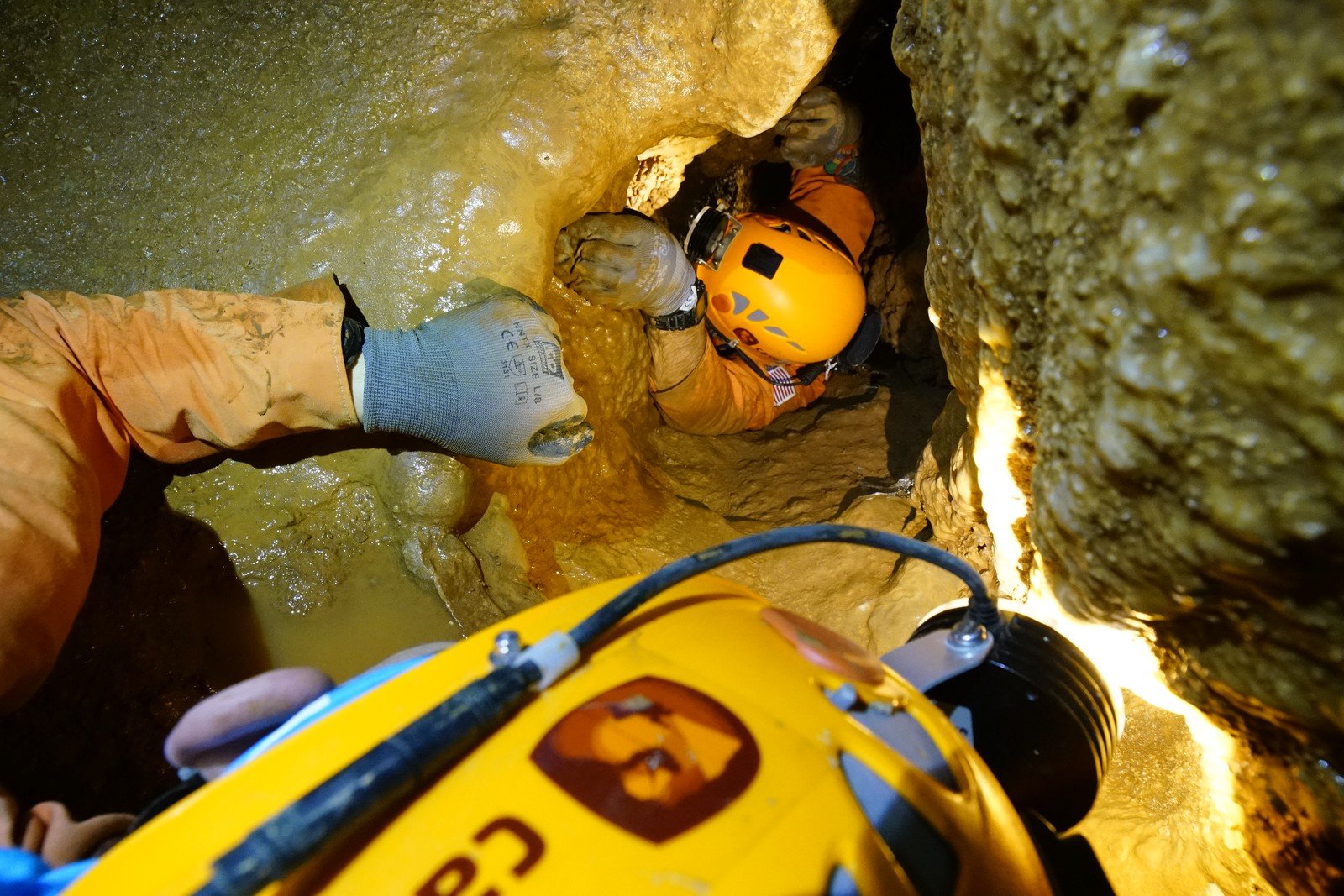
The training that astronauts receive in Iceland’s caves is preparing them for increasingly ambitious lunar exploration missions. NASA’s plans for permanent lunar bases and extended stays on the Moon will require astronauts who are comfortable working in underground environments for weeks or months at a time. Iceland’s caves provide the perfect testing ground for developing the skills and technologies that will make these long-term missions possible. The lessons learned from Iceland training are already being applied to mission planning for Mars exploration, where similar cave systems might provide shelter for future astronauts. As space exploration technology continues to advance, Iceland’s unique geological features will remain crucial for preparing astronauts for the challenges they’ll face on other worlds.
Scientific Discoveries Made During Training
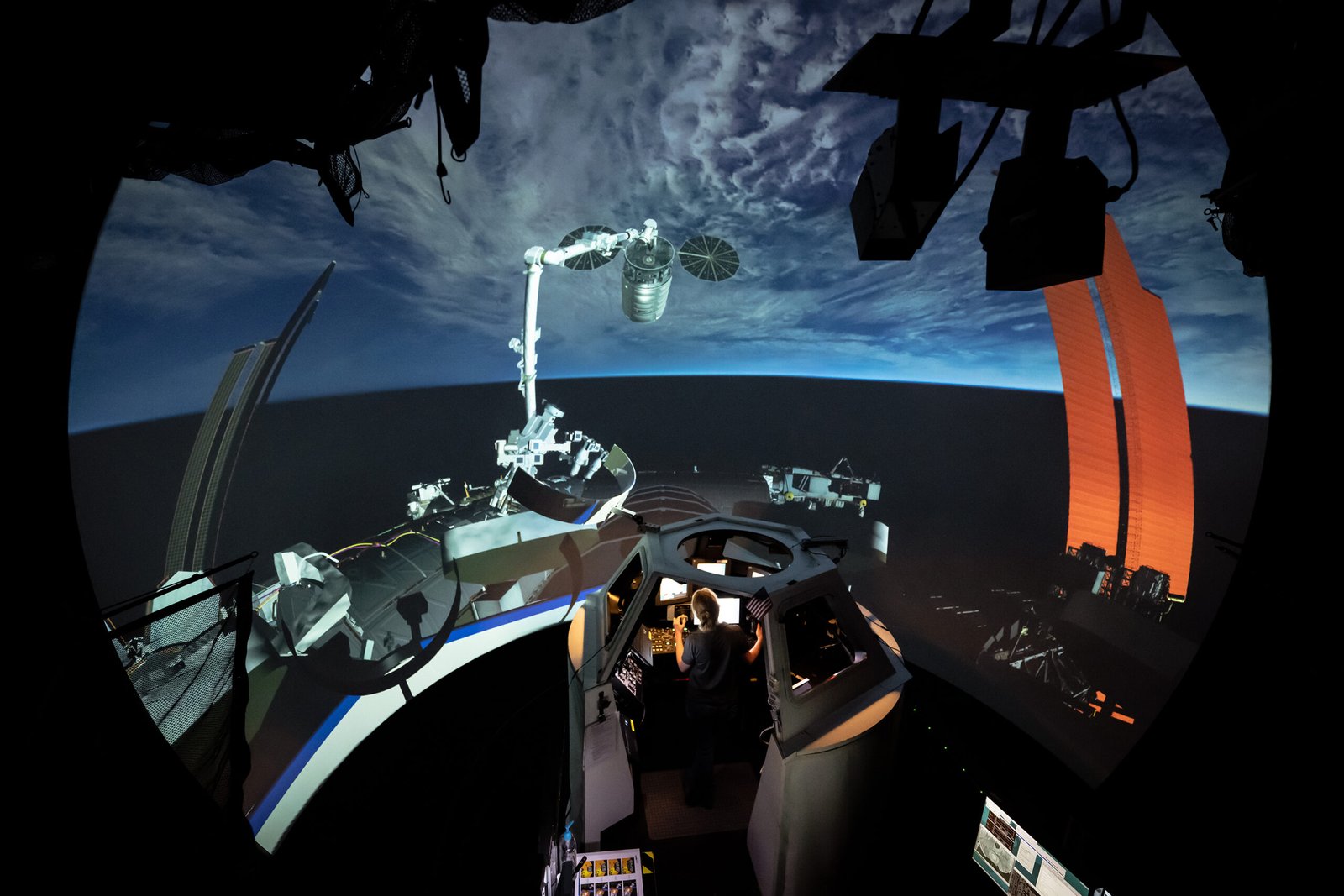
The astronaut training programs in Iceland have led to unexpected scientific discoveries that benefit both space exploration and our understanding of Earth’s geology. Researchers have discovered new species of extremophile bacteria in Iceland’s caves that could provide insights into the possibility of life on other planets. Advanced imaging techniques developed for lunar exploration have revealed previously unknown cave systems and geological formations in Iceland. The combination of space technology and terrestrial cave exploration has created new opportunities for scientific research that wouldn’t have been possible otherwise. These discoveries demonstrate that astronaut training programs can have benefits far beyond their original purpose, contributing to our understanding of life in extreme environments and the geological processes that shape planets.
The Global Impact of Iceland’s Cave Training Program

Iceland’s role as a training ground for lunar exploration has had far-reaching effects on international space cooperation and scientific research. Space agencies from around the world now send their astronauts to Iceland for cave training, creating opportunities for international collaboration and knowledge sharing. The success of the Iceland program has inspired similar training initiatives in other countries with unique geological features, expanding the global network of astronaut training facilities. Local Icelandic communities have benefited from the increased scientific activity and international attention, leading to new educational opportunities and economic development. The program has also raised awareness about the importance of preserving Iceland’s unique geological heritage for future generations of scientists and explorers.
Iceland’s moon-like caves have become humanity’s classroom for space exploration, teaching us that sometimes the best way to prepare for the future is to explore the extraordinary landscapes of our own planet. These underground laboratories continue to shape how we approach the challenges of lunar exploration, proving that the path to the stars often begins in the depths of Earth. What other secrets might these ancient volcanic chambers reveal as we prepare for humanity’s next giant leap?