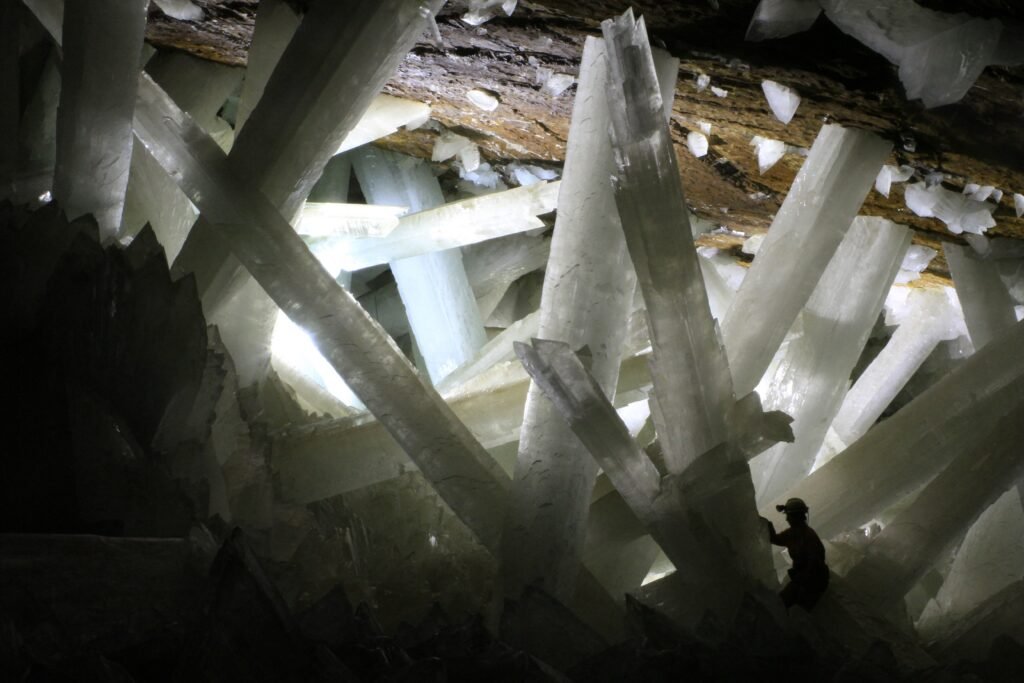
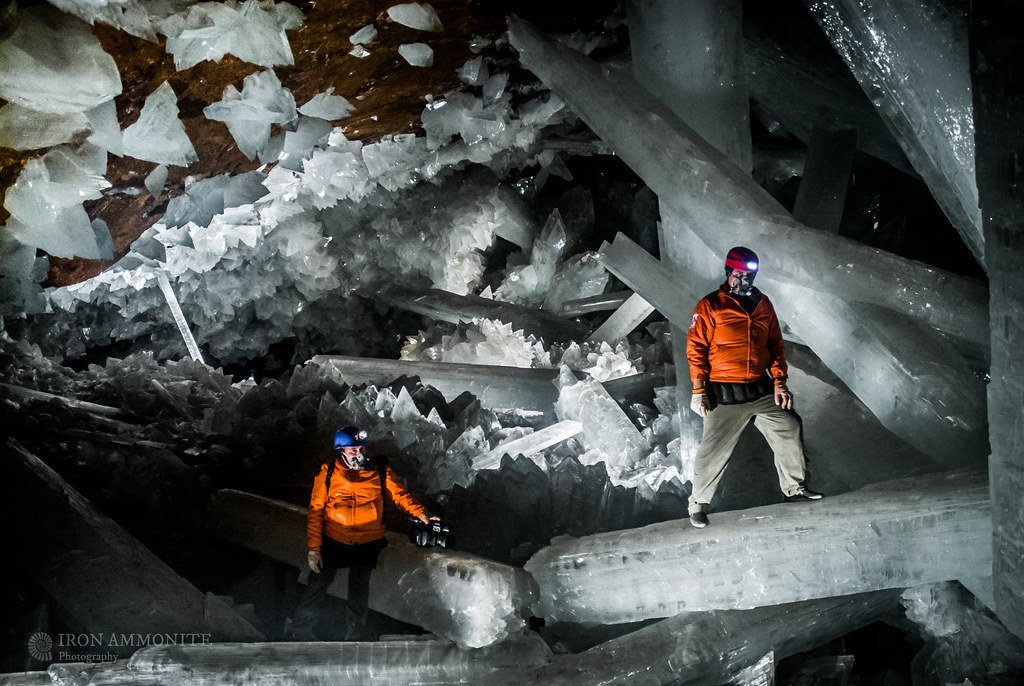
Deep beneath the desert of Chihuahua, Mexico, lies a natural wonder so breathtaking and so deadly that it exists at the very edge of human survival. The Cave of Crystals in Naica is a geological masterpiece where massive selenite crystals, some weighing over 55 tons and reaching lengths of 39 feet, create an otherworldly cathedral of translucent white beauty. Yet this stunning underground realm harbors conditions so extreme that even with full protective gear, humans can survive only minutes inside. It’s a place where science meets danger, where natural beauty becomes a death trap, and where the Earth reveals one of its most spectacular yet forbidden treasures.
A Discovery That Changed Everything
In the year 2000, two miners named Eloy and Javier Delgado were drilling a new tunnel 980 feet below ground when they broke through into something that defied belief. What they found wasn’t just another cave – it was a crystalline paradise that looked like it belonged on another planet. The brothers had stumbled upon what would become known as the largest natural crystals ever discovered on Earth. Their discovery sent shockwaves through the scientific community and captured the imagination of people worldwide. However, the euphoria of discovery was quickly tempered by a harsh reality: this beautiful cave was trying to kill anyone who dared to enter.
The Killer Heat That Guards the Crystals
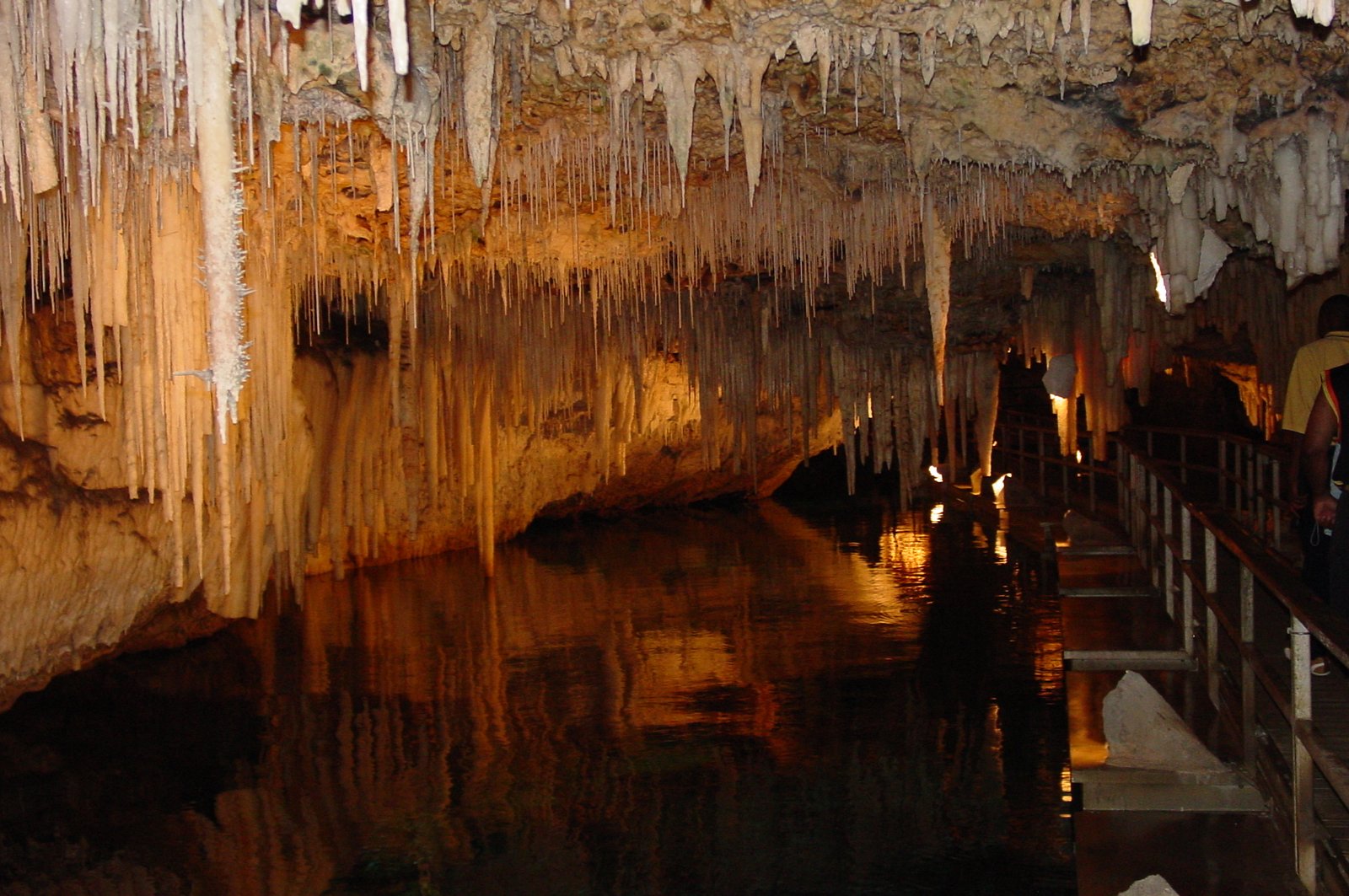
The Cave of Crystals maintains a constant temperature of 136°F (58°C), making it one of the hottest natural environments accessible to humans on Earth. This isn’t just uncomfortable heat – it’s potentially lethal within minutes of exposure. The human body begins to shut down when core temperature rises above 104°F, and in this cave, that critical threshold can be reached in less than ten minutes. Scientists have compared entering the cave to stepping into a giant oven, where the air itself becomes a weapon against human survival. The extreme temperature is caused by the cave’s proximity to an underground magma chamber, which has been slowly cooking the surrounding rock for hundreds of thousands of years.
Humidity That Suffocates
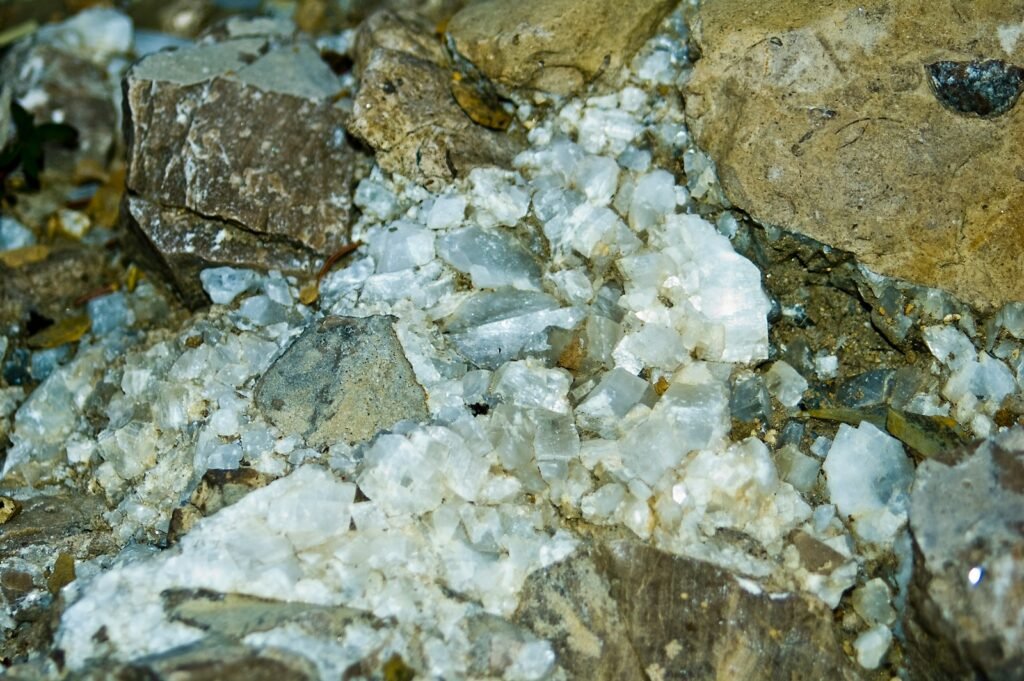
If the heat wasn’t deadly enough, the Cave of Crystals maintains 99% humidity, creating conditions that make breathing feel like drowning in hot soup. This near-saturated air prevents the human body’s natural cooling mechanism – sweating – from working effectively. Instead of evaporating and cooling the skin, sweat simply pools on the body, trapping heat and accelerating the path to heat stroke. The combination of extreme heat and humidity creates what scientists call a “wet bulb temperature” that exceeds the limit of human survival without protective equipment. Even with cooling suits, researchers can only spend 20 minutes inside before risking their lives.
The Science Behind the Crystal Giants
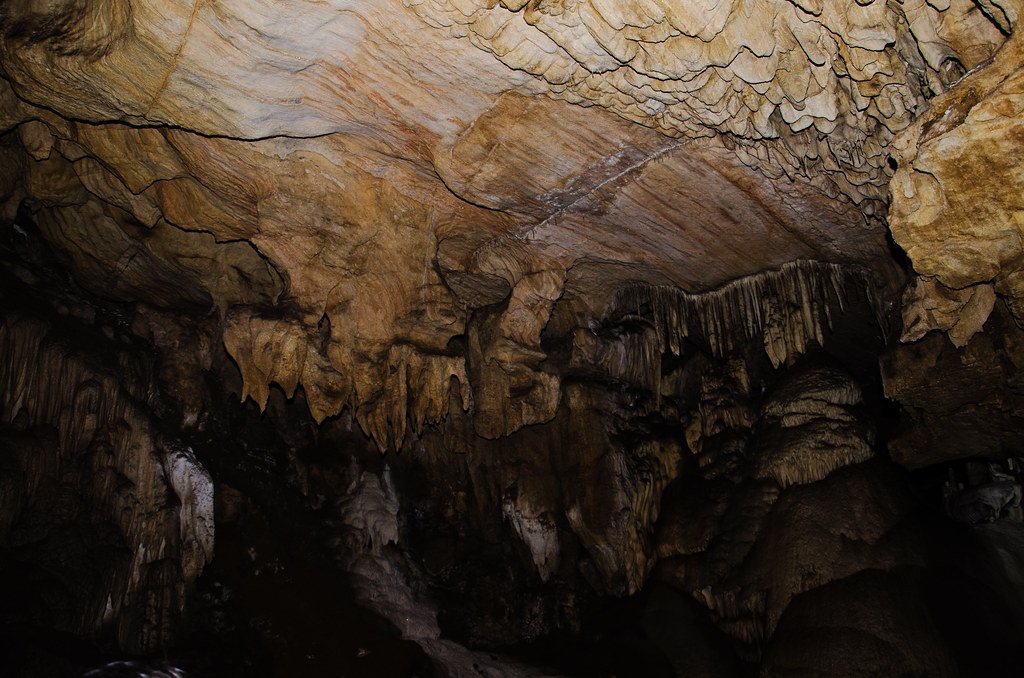
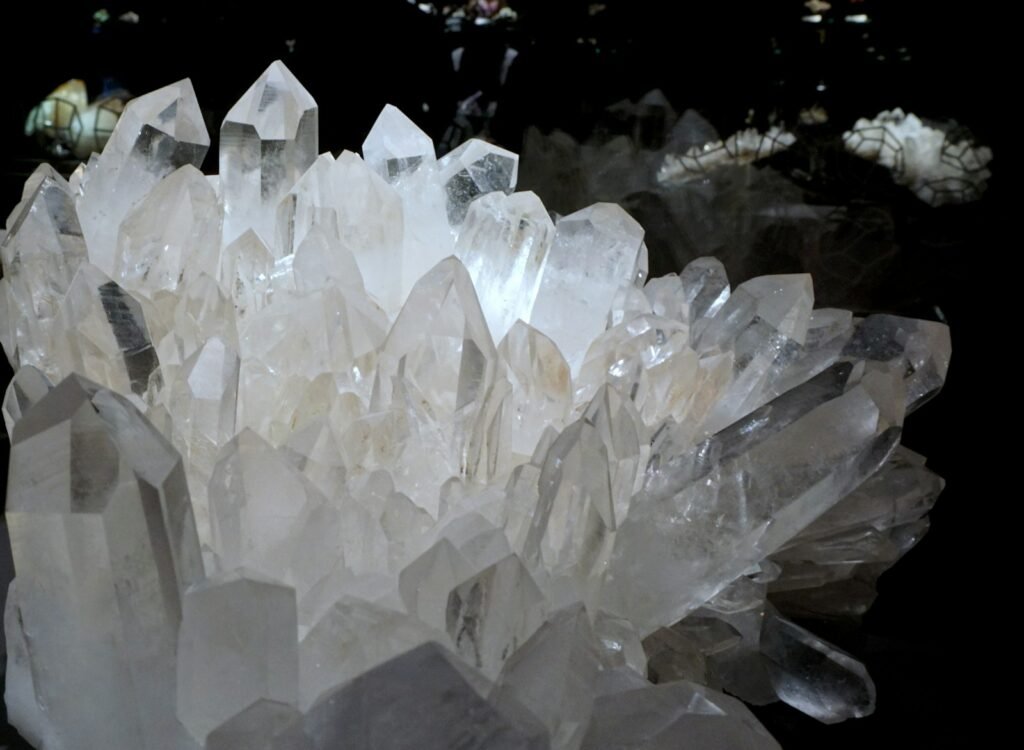
These magnificent selenite crystals didn’t form overnight – they’re the product of an incredibly slow and precise geological process spanning over 500,000 years. The crystals grew in a cave filled with mineral-rich water heated to exactly 136°F by the underlying magma chamber. At this precise temperature, calcium sulfate dissolved perfectly in the water, then slowly precipitated out to form the massive selenite structures we see today. The process was so gradual that the crystals had time to grow into their enormous, perfectly formed shapes without fractures or imperfections. It’s like nature’s version of a slow-cooking recipe, where patience created perfection over millennia.
Crystals Bigger Than Telephone Poles
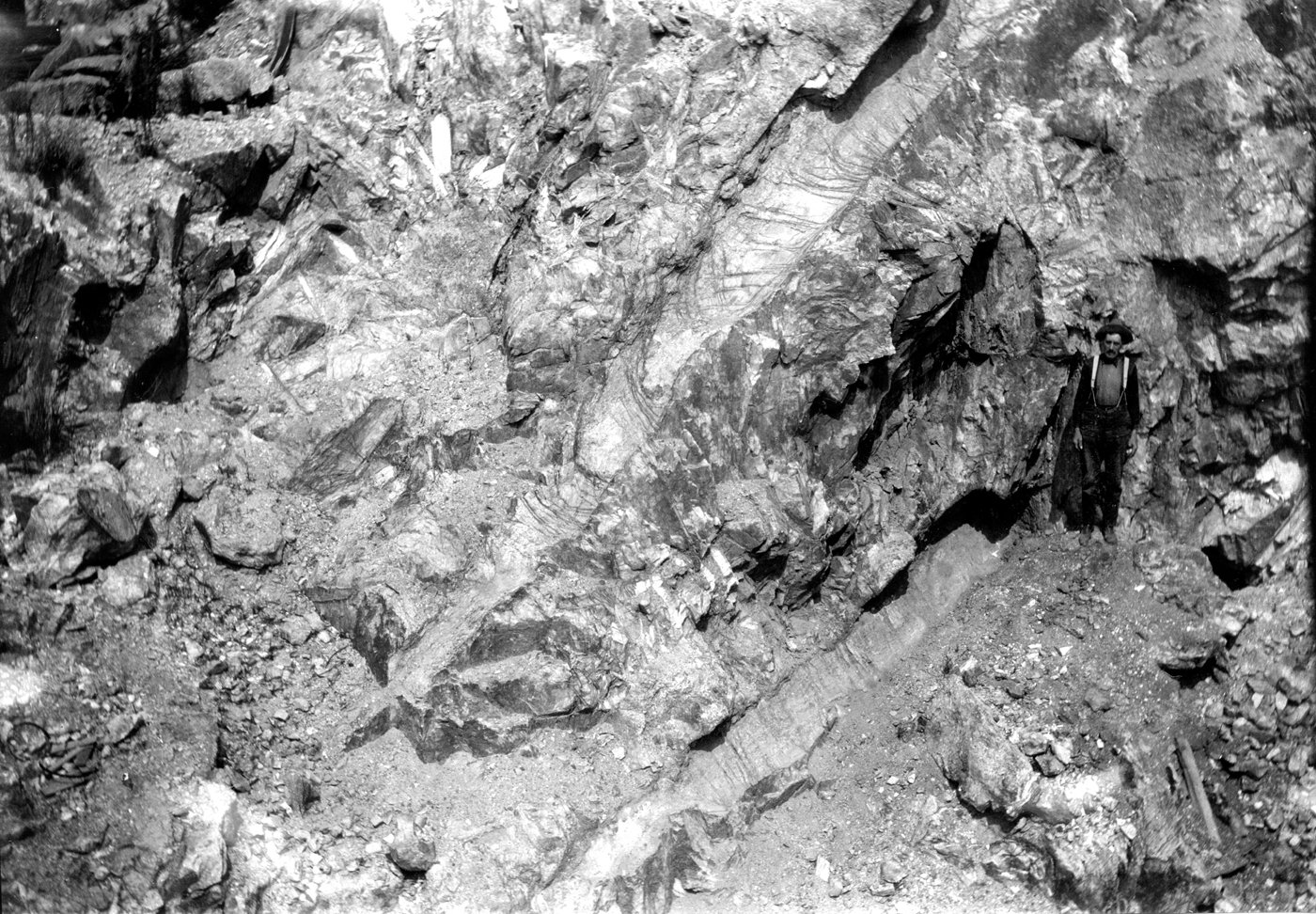
The sheer size of these crystals defies human comprehension and challenges our understanding of what nature can create. The largest crystals measure up to 39 feet in length and 13 feet in diameter, making them larger than most trees and heavier than school buses. Some individual crystals weigh over 55 tons – equivalent to about 10 elephants stacked together. To put this in perspective, these crystals are so large that a person could lie down lengthwise along one and still not reach from end to end. Walking among them is like navigating a forest of translucent white giants, each one a testament to the incredible power of geological time.
The Underground Sauna of Death

Scientists have dubbed the Cave of Crystals “the most beautiful death trap on Earth,” and for good reason. The combination of extreme heat and humidity creates conditions similar to being trapped inside a steam room set to maximum temperature with no way out. Within minutes of entering without protection, the human body begins to experience heat exhaustion, followed rapidly by heat stroke and potential organ failure. Even experienced cavers and scientists with decades of underground exploration describe the cave as uniquely hostile to human life. The beautiful crystals seem to mock visitors, offering incredible beauty while simultaneously threatening to kill anyone who admires them too long.
Protective Suits That Look Like Space Gear
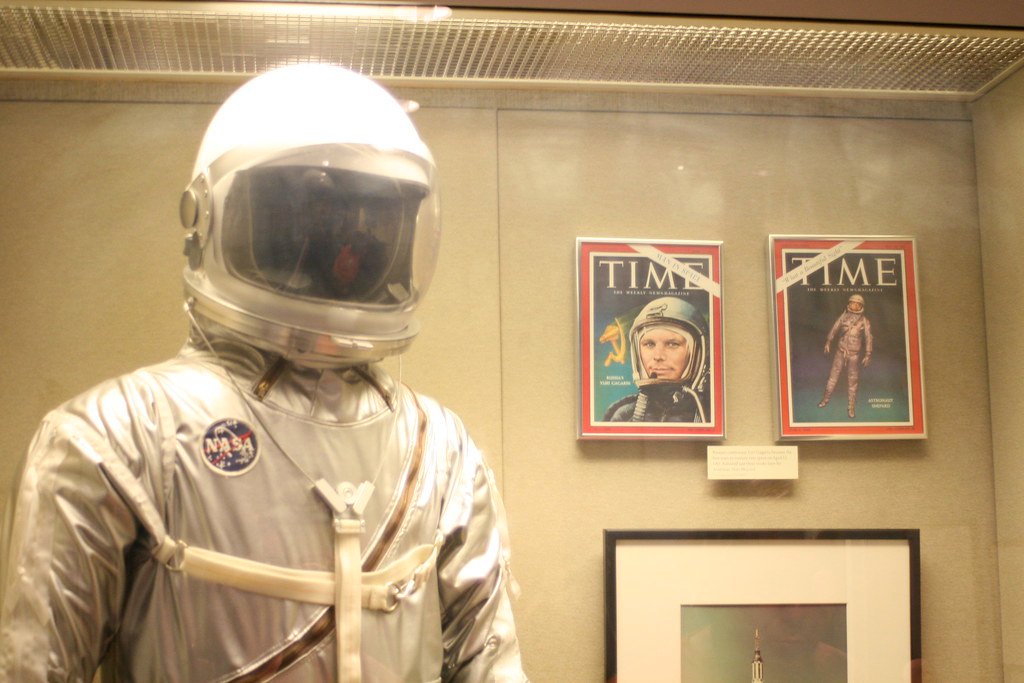
Entering the Cave of Crystals requires specialized cooling suits that make researchers look like they’re preparing for a space mission rather than cave exploration. These custom-made suits circulate ice-cold water through tubes running along the body, maintaining core temperature in the deadly environment. The suits are connected to external cooling units that must be carefully monitored and maintained throughout each expedition. Even with this high-tech protection, researchers are limited to 20-minute visits, and many describe feeling like they’re fighting for their lives the entire time. The suits cost tens of thousands of dollars and require extensive training to operate safely.
The Magma Chamber Below
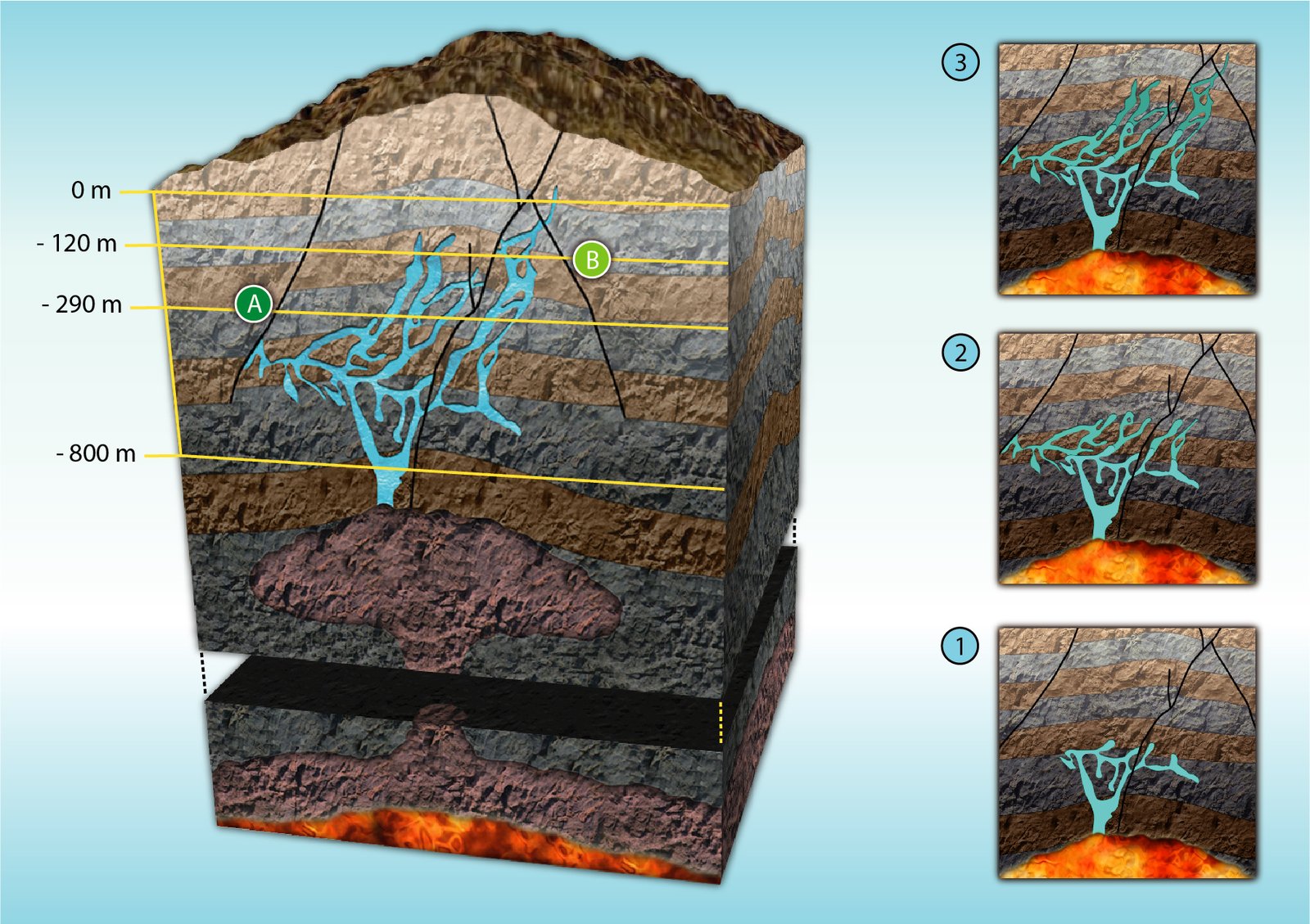
Beneath the Cave of Crystals lies a massive magma chamber that acts like Earth’s own furnace, continuously heating the cave system. This underground reservoir of molten rock sits relatively close to the surface, creating the perfect conditions for both crystal formation and human discomfort. The magma chamber has remained active for hundreds of thousands of years, maintaining the consistent temperature that allowed the crystals to grow to their incredible size. Geologists believe this same magma chamber could remain active for thousands more years, meaning the cave will continue to be both deadly and spectacular. The heat from below also creates subtle air currents that can be felt even through protective suits.
A Cave That Was Once Underwater
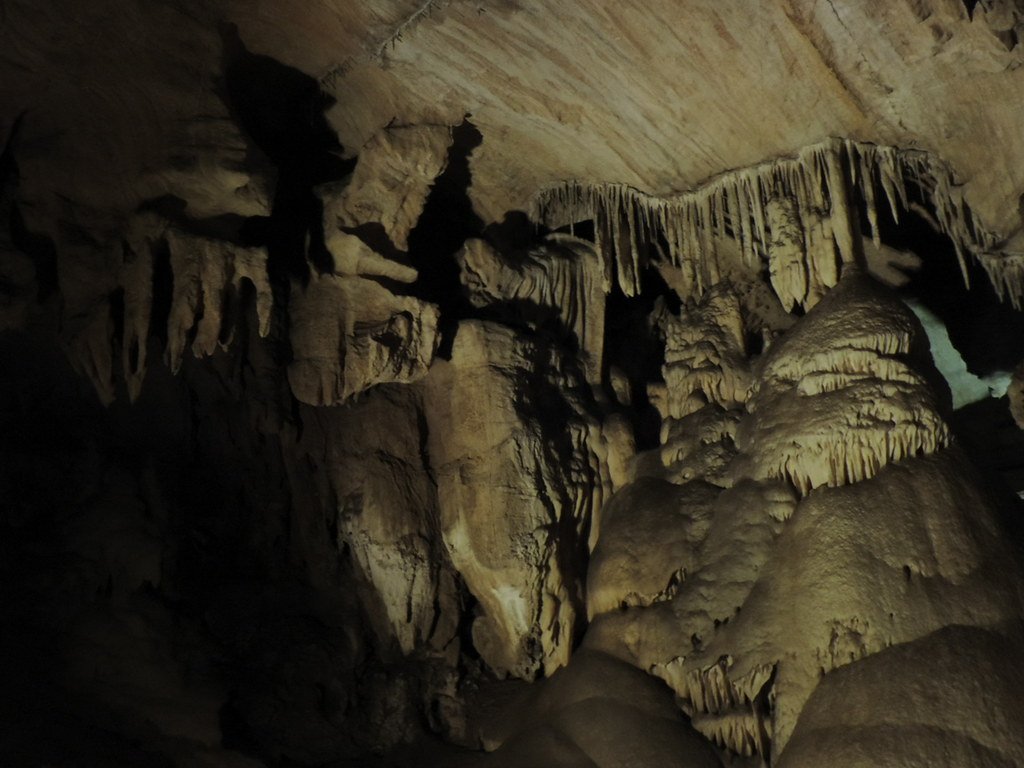
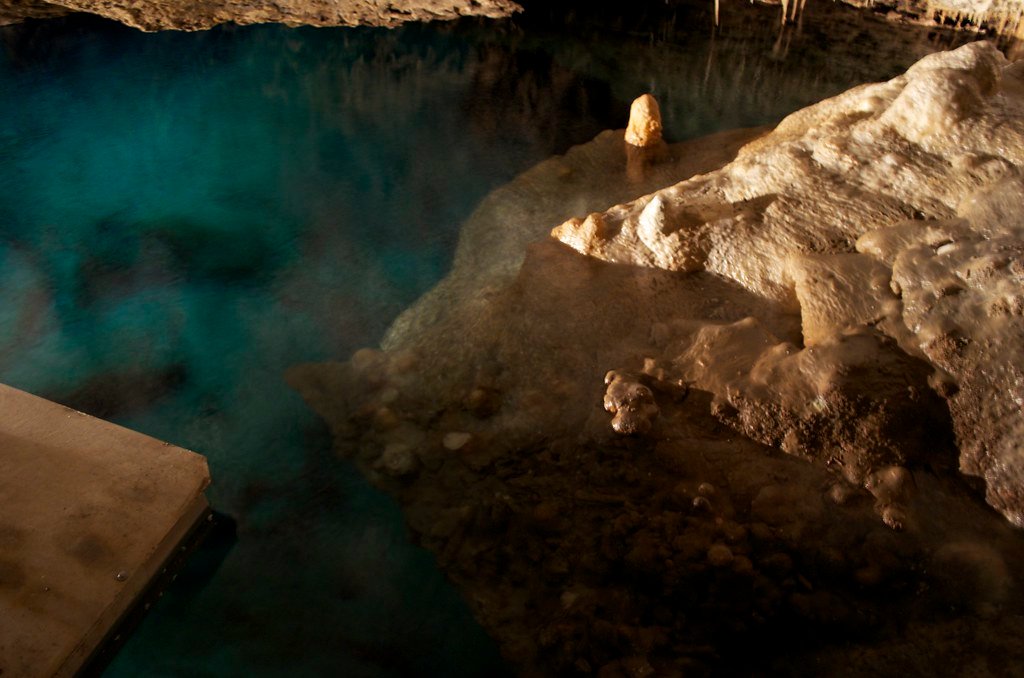
For hundreds of thousands of years, the Cave of Crystals was completely flooded with mineral-rich groundwater, creating the aquatic environment necessary for crystal growth. The Naica mining operation pumped out this water in the 1980s and 1990s, accidentally exposing the crystals to air for the first time in geological history. This drainage was what made the 2000 discovery possible, but it also started a countdown clock for the crystals’ survival. Without the protective water environment, the crystals began experiencing thermal shock and minor damage from temperature fluctuations. The mining company continues to pump water to keep the cave accessible, but when mining operations eventually cease, the cave will likely flood again.
Crystals Under Attack by Air

Since their exposure to air, the pristine crystals have begun showing signs of deterioration that worry scientists worldwide. The change from a stable underwater environment to fluctuating air conditions has caused some crystals to develop small cracks and surface changes. Temperature variations, even small ones, cause the massive crystals to expand and contract slightly, creating stress fractures over time. Some researchers compare it to taking an ice cube from the freezer and placing it in warm air – the thermal shock creates damage. The race is now on to study and document these crystals before they potentially suffer irreversible damage from their new aerial environment.
The Impossible Photography Challenge
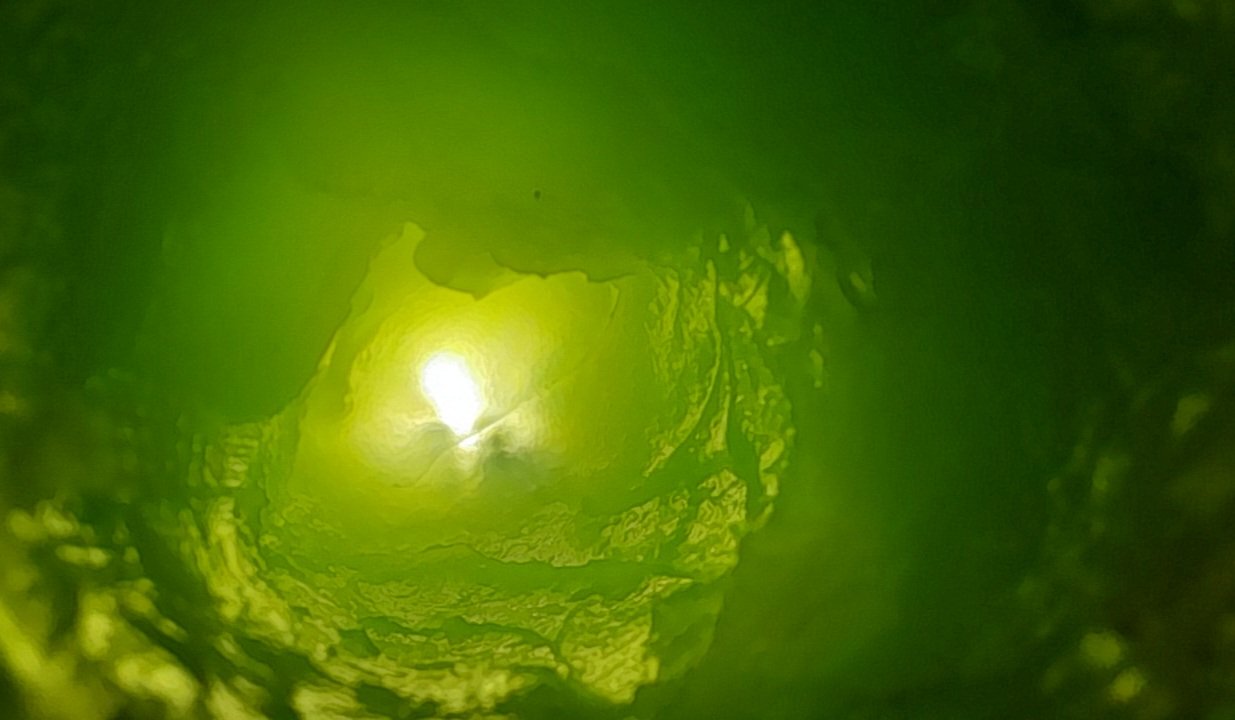
Photographing the Cave of Crystals presents unique challenges that push both human endurance and camera technology to their limits. The extreme heat and humidity fog camera lenses within seconds and can damage electronic equipment permanently. Professional photographers must work in the protective suits while managing complex lighting equipment that also needs protection from the harsh conditions. Many of the stunning images we see of the cave required multiple dangerous expeditions and thousands of dollars worth of specialized equipment. The condensation is so severe that cameras need constant cleaning, and batteries drain rapidly in the extreme heat.
Scientific Treasures Hidden in Crystal
Within these massive crystals, scientists have discovered microscopic pockets of ancient water that have been trapped for hundreds of thousands of years. These tiny inclusions contain information about Earth’s climate and atmospheric conditions from ages past, making each crystal a natural time capsule. Researchers have also found evidence of ancient microbial life preserved within the crystal structure, offering clues about how life might survive in extreme conditions. Some scientists believe studying these crystals could provide insights into how life might exist on other planets with harsh environments. The crystals are essentially natural libraries storing information about Earth’s deep history.
The Mining Company’s Dilemma

The Naica mining company faces an unprecedented dilemma: continue profitable mining operations or preserve one of Earth’s most spectacular natural wonders. The mine produces valuable lead, zinc, and silver, providing jobs and economic benefits to the local community. However, maintaining access to the Cave of Crystals requires continuous pumping to prevent flooding, which costs significant money and resources. The company has worked with scientists to allow research access, but they cannot pump water indefinitely without economic justification. When mining operations eventually end, the cave will likely flood again, potentially making the crystals inaccessible forever.
Visitors Who Never Made It Out
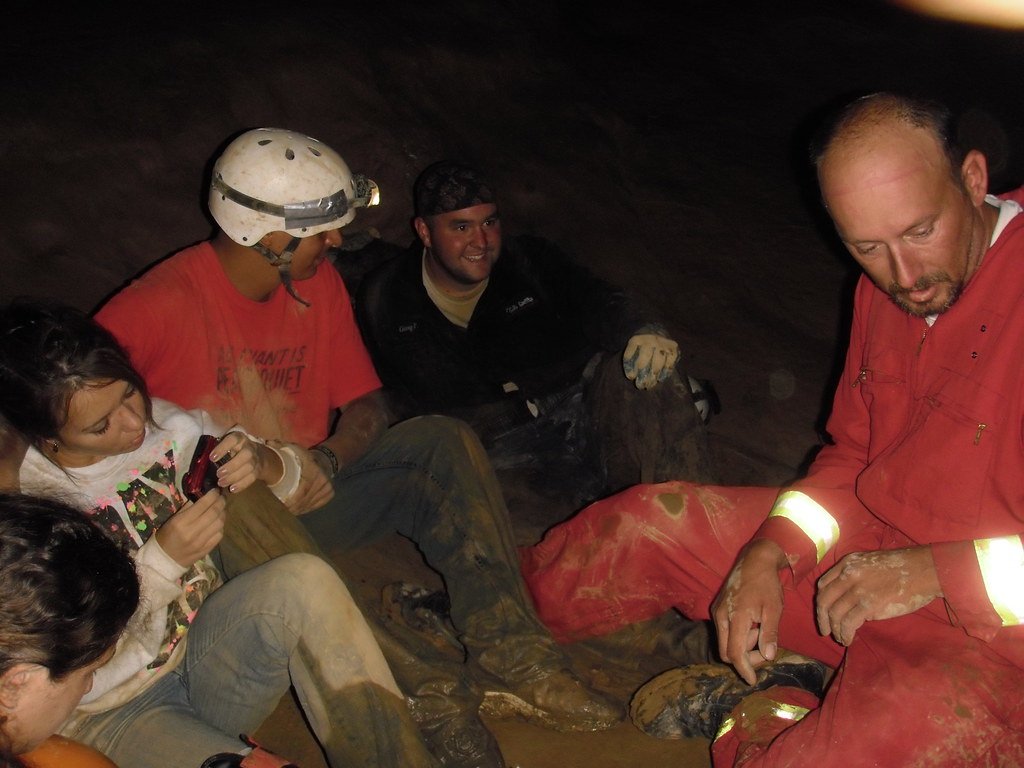
While specific incidents are rarely publicized, the extreme conditions of the Cave of Crystals have pushed several visitors to the brink of heat-related medical emergencies. Even with protective equipment and careful monitoring, the cave has caused heat exhaustion, dehydration, and near-fainting episodes among researchers and film crews. The cave’s reputation as a death trap isn’t just dramatic language – it’s based on real physiological threats that have affected even experienced cavers. Emergency protocols require constant communication with surface teams and immediate evacuation procedures if anyone shows signs of heat-related distress. The cave demands respect and preparation from anyone who dares to enter.
The Race Against Time
Scientists worldwide recognize that access to the Cave of Crystals may be temporary, creating urgency around research and documentation efforts. International teams are working rapidly to study the crystal formation process, document the cave’s unique ecosystem, and understand its geological significance. Climate change, mining economics, and the natural aging of the crystals themselves all contribute to time pressure surrounding research efforts. Some researchers describe their work as trying to solve multiple scientific puzzles while racing against several different clocks. Every expedition into the cave could potentially be among the last, adding weight to each dangerous journey.
Future of the Forbidden Cave

The long-term future of the Cave of Crystals remains uncertain, with several possible scenarios that could dramatically change its accessibility. If mining operations cease and pumping stops, the cave will flood again, preserving the crystals but making them inaccessible to future study. Climate change could affect groundwater levels and temperature patterns in ways that might impact the cave’s conditions. Some scientists propose creating artificial preservation methods, while others argue that letting nature reclaim the cave might be the best protection for the crystals. The debate continues about whether human intervention can or should attempt to preserve access to this natural wonder.
What the Cave Teaches Us
The Cave of Crystals represents a powerful reminder that Earth still holds secrets capable of inspiring wonder and demanding respect. This underground realm demonstrates how extreme conditions can create extraordinary beauty, while also showing the limits of human exploration and survival. The cave challenges our assumptions about what’s possible in nature and forces us to confront our own mortality in the face of geological forces. It serves as a living laboratory for understanding crystal formation, extreme environments, and the delicate balance between human curiosity and natural preservation. The crystals stand as monuments to patience, time, and the incredible creativity of geological processes.
The Crystal Cathedral’s Legacy
Despite its dangers, the Cave of Crystals has fundamentally changed how we understand crystal formation and extreme environments on Earth. The research conducted in this hostile environment has applications for understanding similar conditions on other planets, developing new materials, and improving our knowledge of Earth’s deep geological processes. The cave has inspired a new generation of scientists, artists, and explorers who are drawn to its combination of beauty and danger. Educational institutions worldwide use the cave as an example of how extreme conditions can create extraordinary results. Even if access to the cave eventually becomes impossible, its legacy will continue influencing scientific research and human imagination for generations to come.
The Cave of Crystals stands as one of nature’s most spectacular contradictions – a place of incredible beauty that actively threatens human life, a geological wonder that may be disappearing even as we discover it. These massive selenite giants, growing silently for half a million years, represent both the patient power of geological time and the fragile nature of natural wonders in our rapidly changing world. As scientists race to unlock the cave’s secrets before it potentially floods again, we’re reminded that some of Earth’s greatest treasures exist at the very limits of human survival. What other impossible wonders might be waiting in places too dangerous for us to explore?