Picture this: A tiny sensor strapped to a wandering albatross reveals ocean temperature changes thousands of miles from any research station. A collar on an Arctic fox tracks shifting ice patterns that satellites can’t detect. Welcome to the revolutionary world of bio-helpers, where animals have become our most trusted partners in understanding Earth’s changing ecosystems. These living sensors are rewriting the rules of environmental monitoring, offering insights that traditional technology simply can’t match.
The Dawn of Animal-Assisted Environmental Monitoring

Scientists have discovered something remarkable about our animal companions – they’re natural-born environmental detectives. Unlike stationary weather stations or expensive satellite systems, animals move freely through ecosystems, collecting data in places humans rarely venture. This partnership between biology and technology represents one of the most exciting developments in environmental science today. Animals don’t just inhabit ecosystems; they experience them in ways that reveal hidden patterns and changes invisible to conventional monitoring methods. The concept has grown from a handful of experimental programs to a global network of animal-assisted research projects spanning every continent.
How Animals Became Living Sensors

The transformation of animals into environmental monitors happened gradually, then suddenly. Researchers began by attaching simple GPS trackers to study animal movements, but quickly realized these creatures were gathering far more valuable information than just location data. Modern bio-sensors can now measure temperature, humidity, air pressure, water salinity, and even chemical compositions in real-time. These devices have become so sophisticated that a single elephant can carry equipment capable of monitoring soil moisture, vegetation health, and atmospheric conditions across vast African savannas. The technology has shrunk dramatically – what once required backpack-sized equipment now fits into devices smaller than a smartphone.
Marine Mammals: Ocean’s Weather Reporters

Seals, whales, and dolphins have become underwater meteorologists, diving to depths where human technology struggles to function. These marine mammals naturally travel along ocean currents, providing continuous data streams about water temperature, salinity, and pressure changes. A single elephant seal can dive over 2,000 meters deep, collecting oceanographic data that would cost millions to gather using traditional research vessels. Their natural behaviors make them perfect for monitoring climate change impacts on ocean systems, from Arctic ice melt to tropical current shifts. Scientists have discovered that these marine bio-helpers can detect environmental changes weeks or even months before traditional monitoring systems register the same patterns.
Birds: The Sky’s Early Warning System

Migratory birds have evolved into our most reliable atmospheric monitors, carrying sensors across continents during their seasonal journeys. These feathered data collectors provide real-time information about air quality, wind patterns, and temperature variations at different altitudes. Albatrosses, with their incredible range and endurance, can monitor ocean-atmosphere interactions across entire ocean basins during a single flight. Their natural migration routes often coincide with critical climate monitoring zones, making them invaluable partners in tracking global weather patterns. Some bird species have proven so effective at environmental monitoring that researchers now plan conservation efforts around maintaining these natural sensor networks.
Arctic Animals: Sentinels of Climate Change

Polar bears, Arctic foxes, and caribou have become frontline reporters in humanity’s most urgent environmental story – climate change. These animals naturally inhabit the regions experiencing the most dramatic environmental shifts, making them perfect witnesses to rapidly changing conditions. Their movements track the retreat of sea ice, changes in vegetation patterns, and shifts in seasonal timing that affect entire Arctic ecosystems. The data these animals collect often provides the first evidence of environmental changes that later become global climate indicators. Scientists have found that Arctic bio-helpers can detect ecosystem shifts up to five years before satellite data shows the same changes.
Forest Guardians: Monitoring Woodland Health
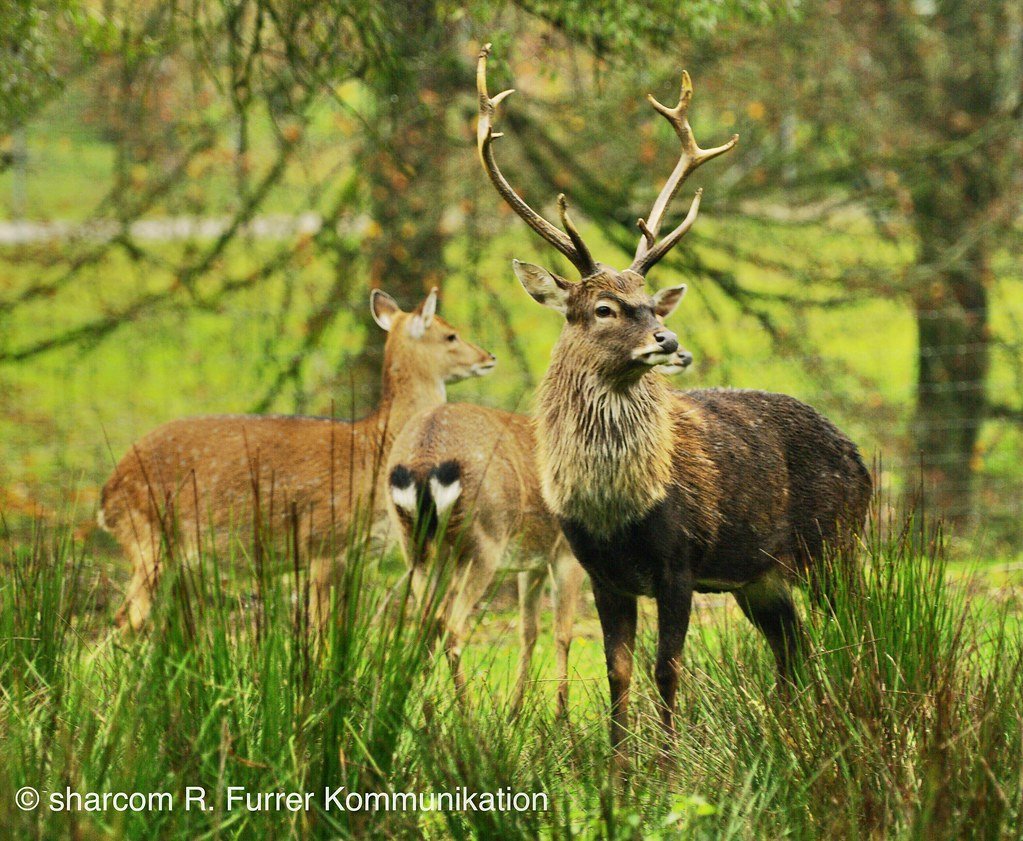
Large forest mammals like bears, deer, and primates have become sophisticated monitors of woodland ecosystem health. Their daily movements through forest environments provide continuous data about vegetation changes, soil moisture, and air quality variations. These animals naturally visit diverse forest habitats, from canopy to forest floor, creating three-dimensional maps of ecosystem conditions. Their bio-sensors can detect early signs of disease outbreaks, invasive species arrivals, and pollution impacts long before human researchers would notice these changes. Forest bio-helpers have proven especially valuable in remote wilderness areas where traditional monitoring infrastructure is impractical or too expensive to maintain.
Underwater Titans: Sharks and Rays as Ocean Monitors

Sharks and rays have emerged as unexpected heroes in ocean monitoring, their natural behaviors making them ideal carriers of marine sensors. These apex predators travel vast distances across ocean basins, providing data about deep-water conditions that remain largely mysterious to science. Great white sharks equipped with environmental sensors have revealed previously unknown patterns in ocean temperature and current systems. Their ability to dive to various depths while maintaining contact with surface monitoring systems makes them perfect for studying ocean layering and mixing patterns. The longevity of these animals means they can provide decades of consistent environmental data from the same ocean regions.
Desert Dwellers: Tracking Arid Land Changes
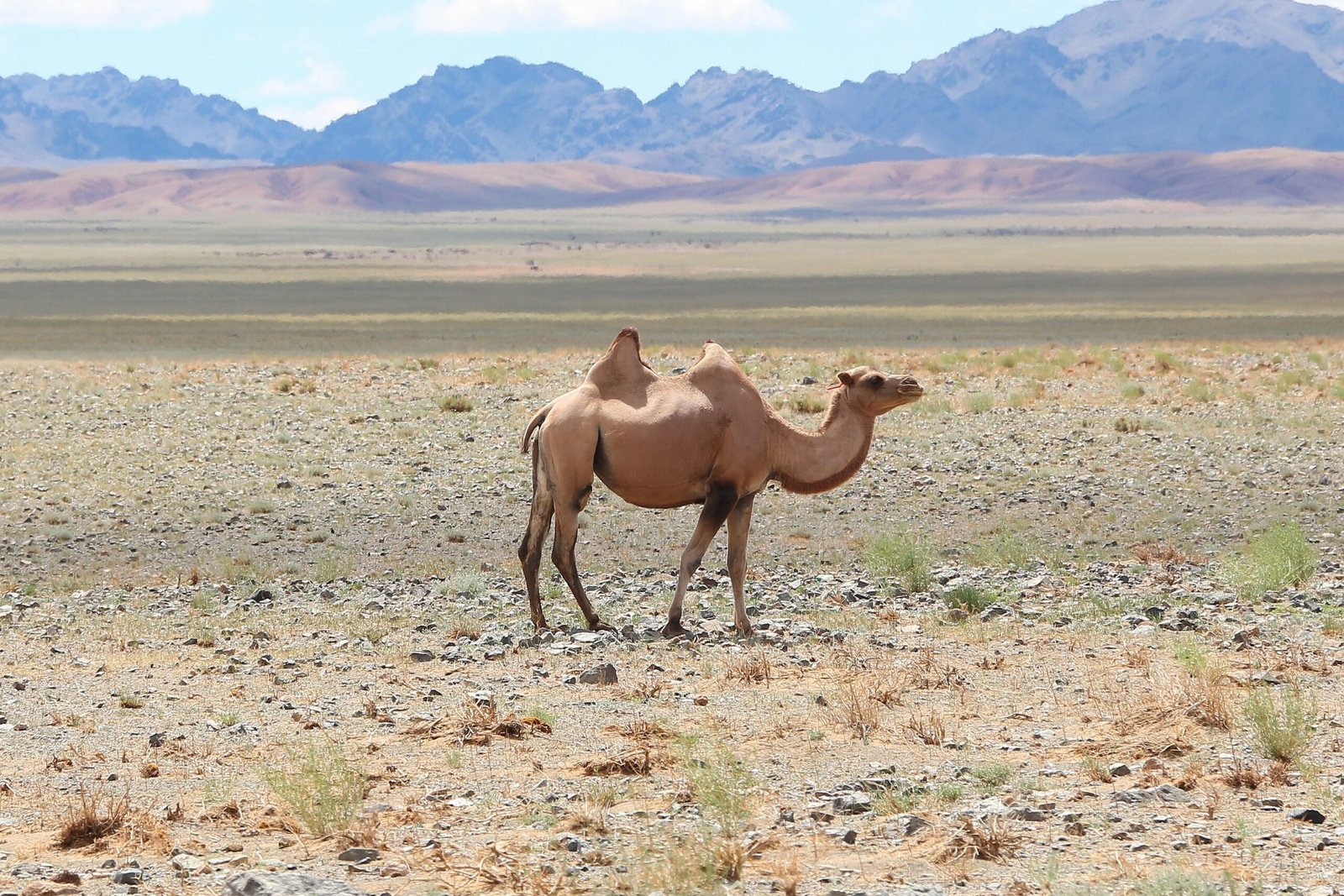
Desert animals have become crucial monitors of some of Earth’s most rapidly changing environments, where traditional monitoring equipment often fails due to extreme conditions. Camels, desert foxes, and even large reptiles carry sensors that track temperature extremes, rare precipitation events, and vegetation changes in arid regions. These bio-helpers provide essential data about desertification processes and water availability in regions where human communities depend on accurate environmental information. Their natural adaptations to harsh conditions make them reliable data collectors in environments where electronic equipment frequently malfunctions. Desert bio-monitoring has revealed surprising patterns of resilience and adaptation in ecosystems previously considered too harsh for detailed study.
Urban Wildlife: City Ecosystem Monitors

City-dwelling animals have become unexpected partners in monitoring urban environmental health, tracking pollution levels and ecosystem changes in human-dominated landscapes. Urban birds, mammals, and even insects equipped with micro-sensors provide real-time data about air quality, noise pollution, and temperature variations in metropolitan areas. These bio-helpers reveal how urban heat islands affect local weather patterns and how green spaces function as environmental refuges within cities. Their movements between urban and suburban areas provide valuable data about pollution gradients and ecosystem connectivity in human-modified landscapes. Urban bio-monitoring has transformed our understanding of how cities function as complex ecosystems rather than environmental dead zones.
The Technology Behind Bio-Monitoring
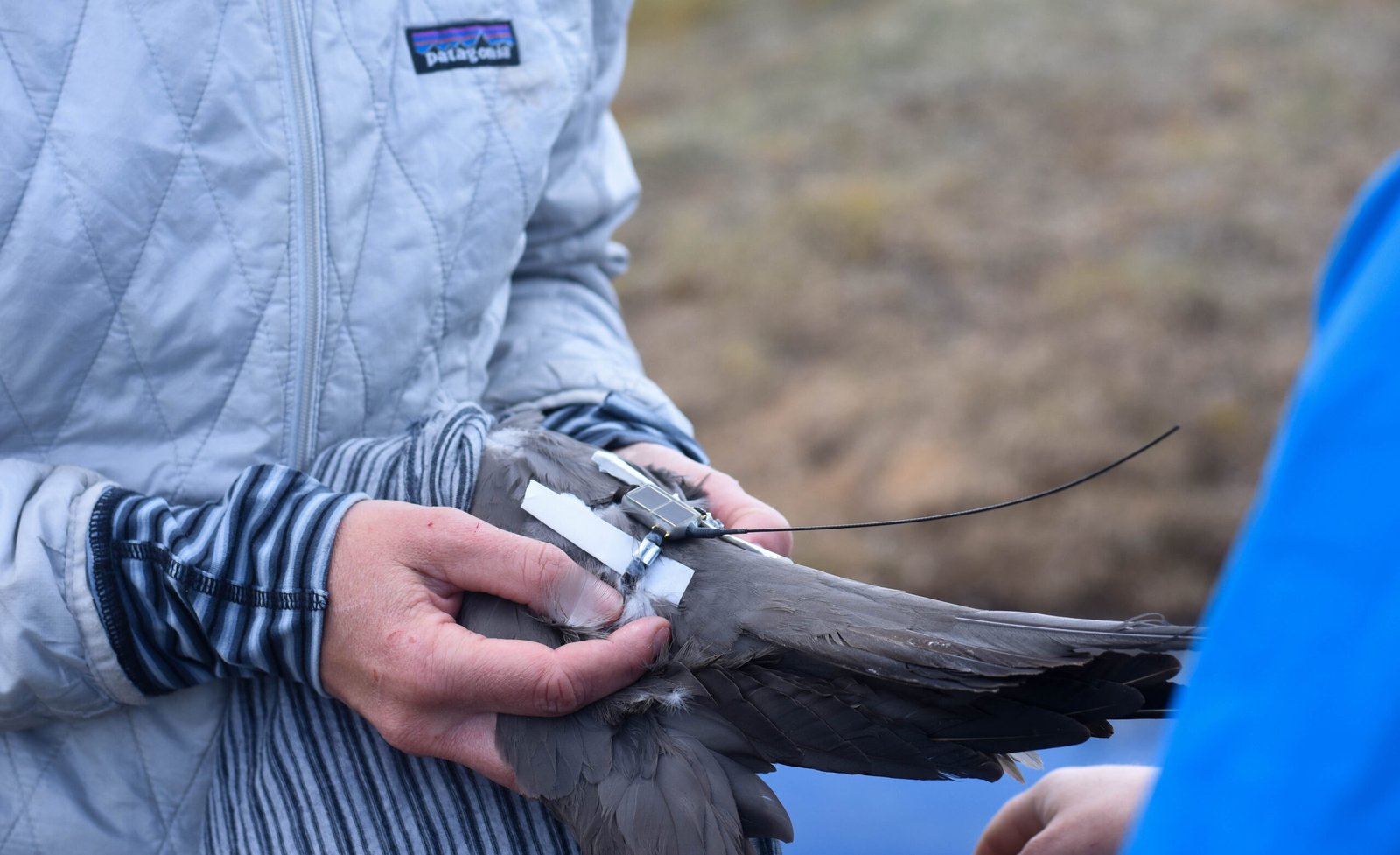
Modern bio-monitoring relies on incredibly sophisticated miniaturized technology that would have seemed like science fiction just decades ago. These devices combine GPS tracking, environmental sensors, and satellite communication systems into packages small enough for even medium-sized animals to carry comfortably. Solar panels and advanced battery systems allow these bio-sensors to operate for months or even years without maintenance. The data transmission systems use both satellite networks and cellular infrastructure to provide real-time information streams to research centers worldwide. Machine learning algorithms now process the massive amounts of data these animal partners generate, identifying patterns and anomalies that human researchers might miss.
Success Stories from Around the Globe

Bio-monitoring programs have already achieved remarkable successes that demonstrate the power of animal-human partnerships in environmental research. Elephant-mounted sensors in Africa have provided early warning systems for drought conditions, helping communities prepare for water shortages weeks in advance. Penguin colonies in Antarctica have revealed ocean warming patterns that traditional monitoring missed, leading to better climate change models. Migrating butterflies equipped with tiny sensors have mapped pollution corridors across North America, identifying previously unknown sources of environmental contamination. These success stories represent just the beginning of what’s possible when we fully embrace animals as research partners rather than subjects.
Overcoming Challenges in Animal Partnerships

Working with animal partners presents unique challenges that researchers continue to address through innovative solutions. Ensuring that monitoring equipment doesn’t interfere with natural behaviors requires careful design and extensive testing before deployment. Weather conditions, equipment failures, and natural predation can all interrupt data collection, requiring backup systems and redundant monitoring approaches. Researchers must also navigate complex ethical considerations about animal welfare while pursuing scientific goals. The most successful bio-monitoring programs involve close collaboration between biologists, engineers, and animal behaviorists to create monitoring systems that benefit both science and animal welfare.
Ethical Considerations in Bio-Monitoring
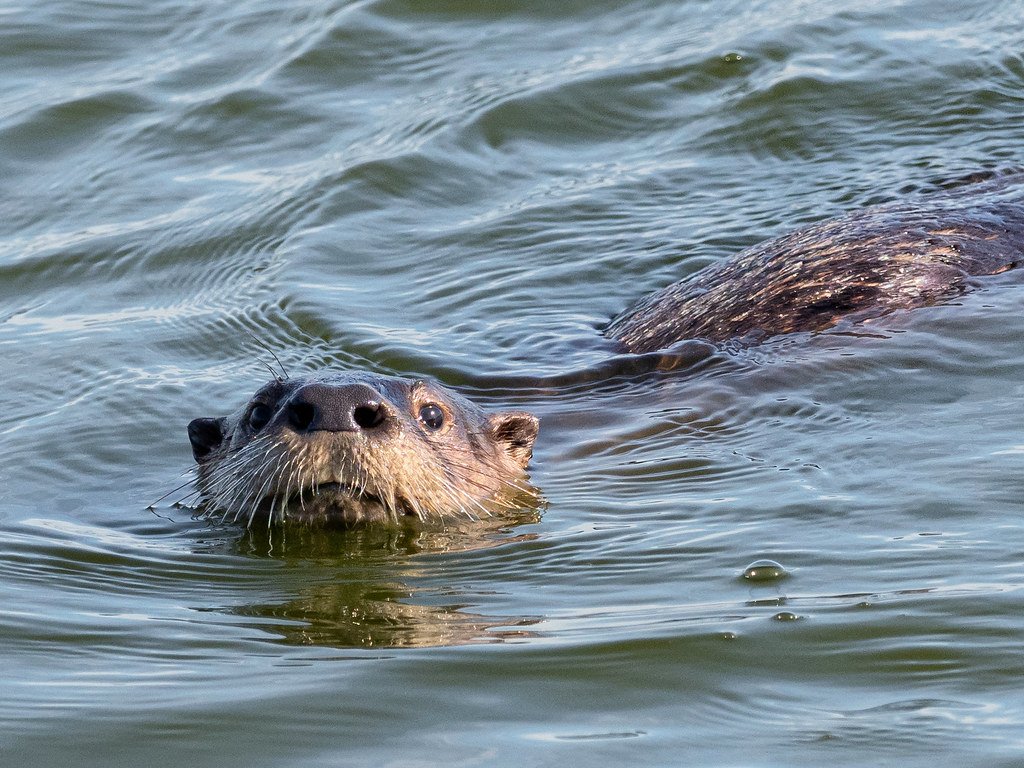
The use of animals as environmental monitors raises important ethical questions that the scientific community continues to address through evolving standards and practices. Researchers must balance the potential benefits of environmental monitoring against any possible impacts on animal welfare and natural behaviors. Modern bio-monitoring equipment is designed to be as lightweight and non-intrusive as possible, often weighing less than 3% of an animal’s body weight. Many programs now focus on species that are already part of conservation efforts, creating synergies between environmental monitoring and wildlife protection goals. The ethical framework for bio-monitoring continues to evolve, with increasing emphasis on ensuring that animal partners benefit from research relationships rather than simply serving human scientific interests.
Data Revolution: Processing Animal-Collected Information
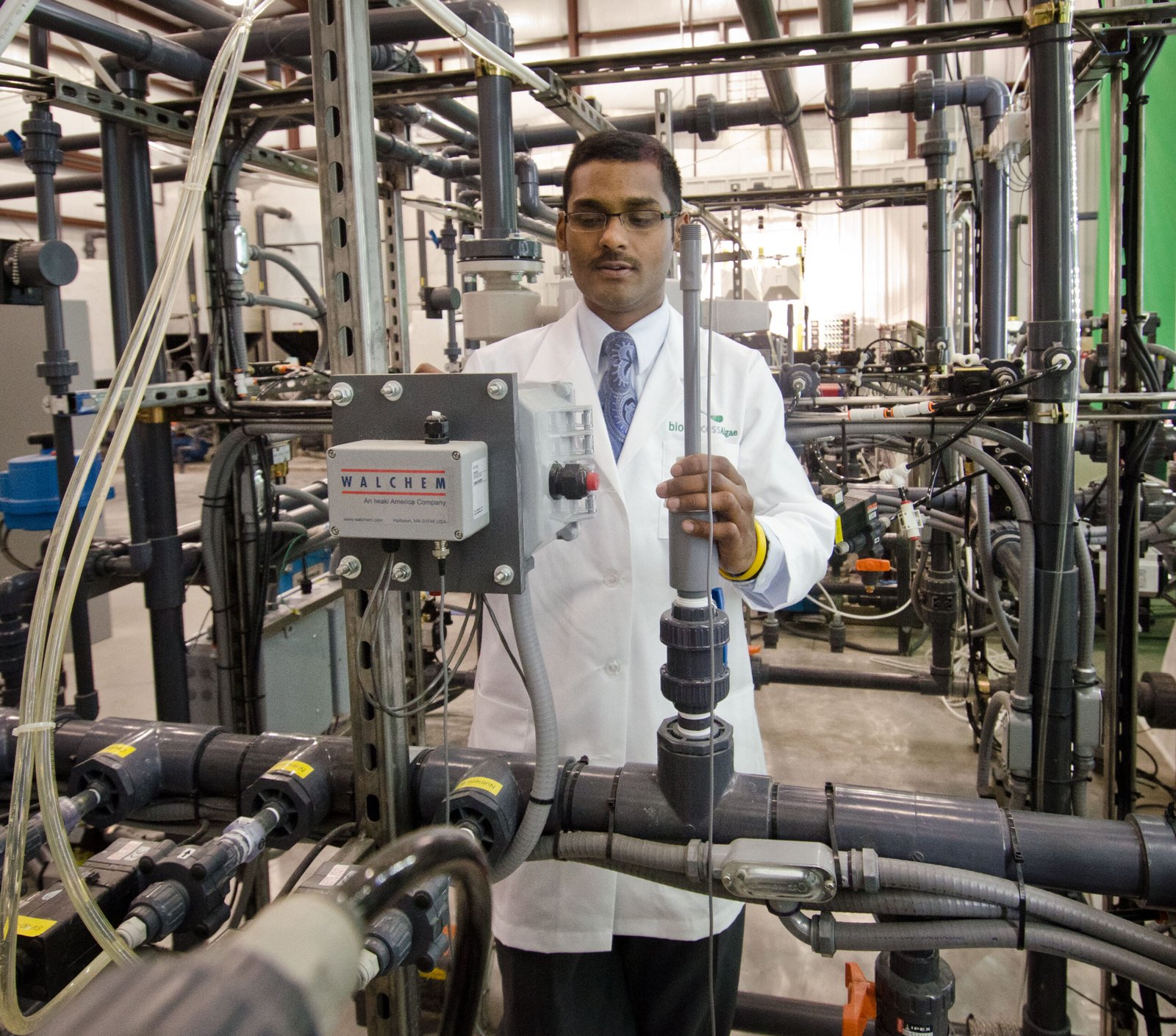
The explosion of data from animal bio-monitors has created both opportunities and challenges for environmental scientists trying to process and interpret massive information streams. Advanced artificial intelligence systems now analyze patterns in animal-collected data that would take human researchers years to identify manually. Cloud computing platforms allow researchers worldwide to access and analyze bio-monitoring data in real-time, creating global networks of environmental awareness. The integration of animal-collected data with satellite imagery and traditional monitoring systems provides unprecedented comprehensive views of ecosystem health and change. This data revolution is transforming environmental science from a field limited by human observation capabilities to one empowered by the natural sensing abilities of animal partners.
Conservation Benefits of Bio-Monitoring

Bio-monitoring programs have created unexpected benefits for wildlife conservation by providing detailed information about animal behaviors, habitat needs, and population dynamics. The same sensors that collect environmental data also reveal critical information about animal migration patterns, breeding behaviors, and responses to human activities. This dual-purpose approach has made bio-monitoring programs more cost-effective and has increased support for wildlife conservation efforts. Many endangered species have become better protected as a result of bio-monitoring programs that reveal their ecological importance and environmental contributions. The conservation benefits of these programs often exceed their original environmental monitoring goals, creating positive feedback loops that benefit both research and wildlife protection.
Climate Change Detection Through Animal Eyes

Animals equipped with bio-sensors have become our most sensitive early warning systems for climate change impacts, often detecting environmental shifts years before traditional monitoring systems. Their natural behaviors and habitat preferences make them ideal indicators of ecosystem-level changes that might otherwise go unnoticed until they become irreversible. Arctic animals have provided some of the most compelling evidence of rapid climate change, with their bio-sensor data showing temperature and ice conditions changing faster than climate models predicted. Marine bio-helpers have revealed ocean acidification and warming patterns that are reshaping entire marine ecosystems. The animal perspective on climate change has proven essential for understanding the real-world impacts of global environmental shifts on living systems.
Future Innovations in Bio-Monitoring
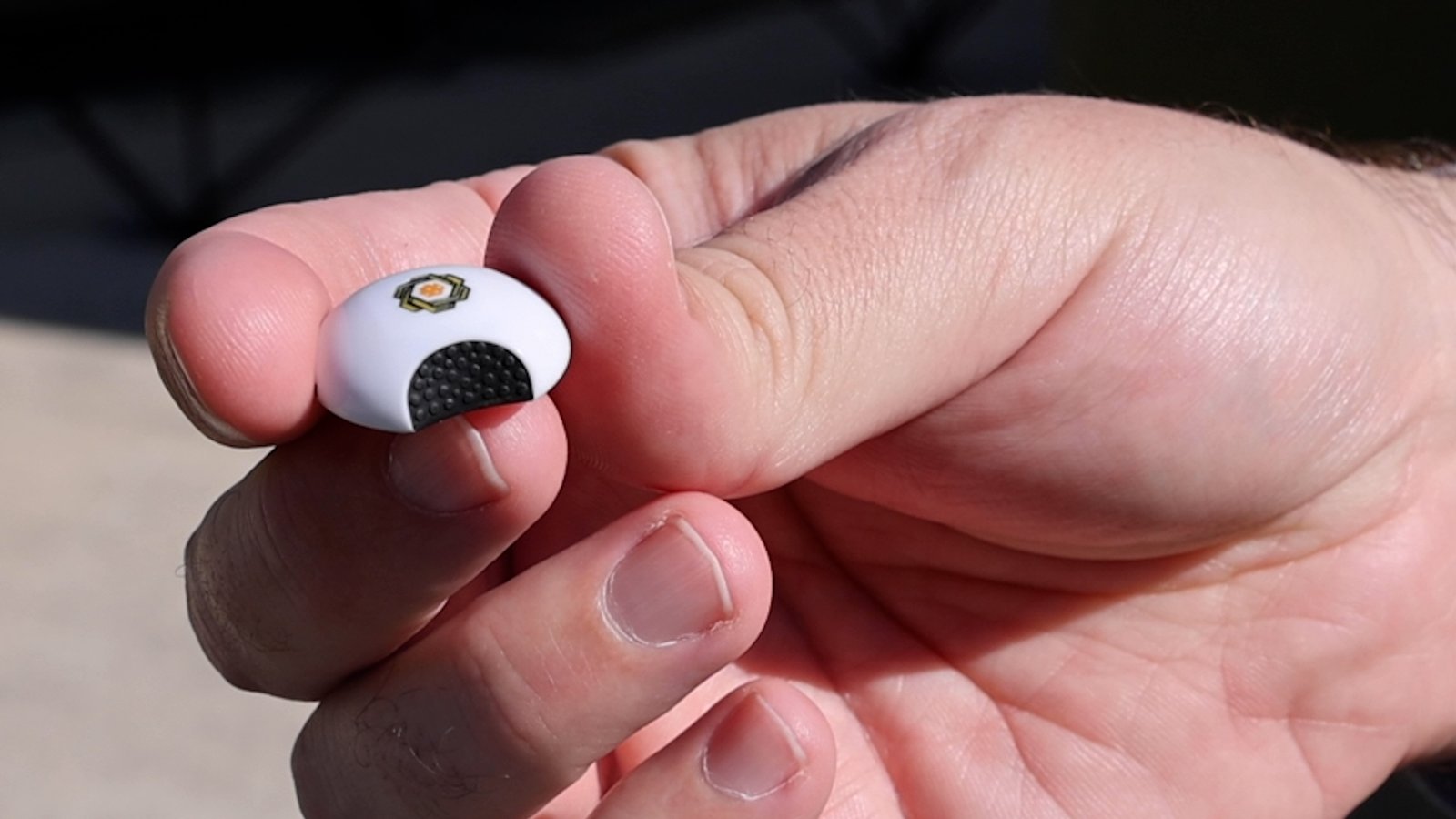
The future of bio-monitoring promises even more sophisticated partnerships between animals and technology, with innovations that will revolutionize environmental science. Researchers are developing bio-sensors that can detect chemical pollutants, measure biodiversity levels, and even monitor disease outbreaks in real-time. Advanced materials science is creating monitoring equipment that can be safely integrated with animal biology for even longer-term studies. Swarm intelligence concepts are being applied to coordinate multiple animal bio-monitors for comprehensive ecosystem monitoring across vast geographic areas. The next generation of bio-monitoring technology may include genetic sensors that can track ecosystem health at the molecular level, providing unprecedented insights into environmental change.
Building Global Networks of Animal Monitors
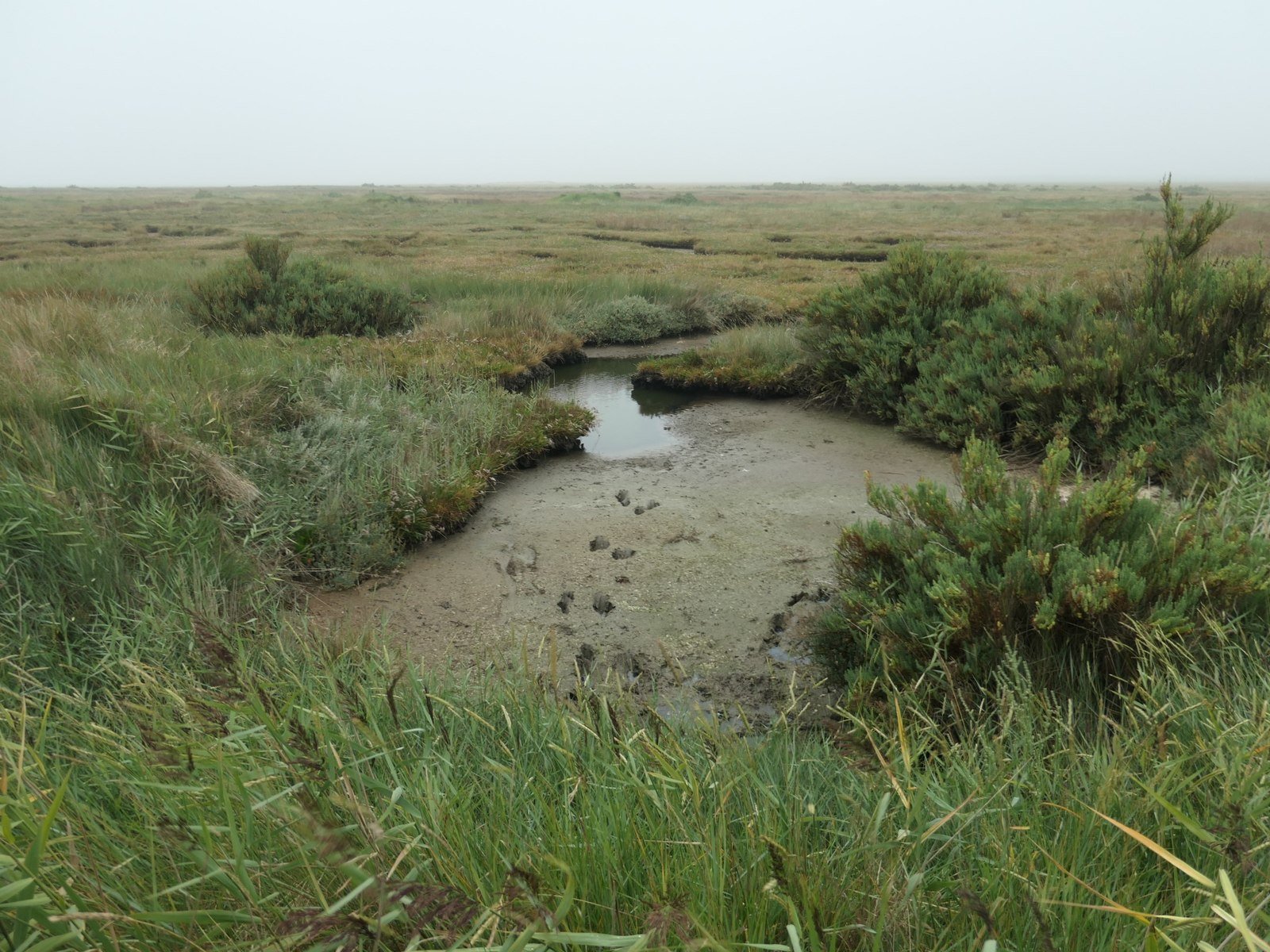
The ultimate vision for bio-monitoring involves creating worldwide networks of animal partners that provide continuous, real-time environmental monitoring across all of Earth’s major ecosystems. International cooperation between research institutions is already creating data-sharing protocols that allow animal-collected information to contribute to global environmental databases. Standardized bio-monitoring equipment and procedures are being developed to ensure that data from different animal partners can be integrated and compared across studies. These global networks promise to provide humanity with unprecedented awareness of environmental changes as they happen, rather than after they’ve already caused significant impacts. The scale of these emerging networks represents a new era in environmental science where animals and humans work together as true partners in understanding and protecting our planet.
The Economic Impact of Bio-Monitoring
Bio-monitoring programs have demonstrated significant economic benefits by providing cost-effective alternatives to traditional environmental monitoring systems. A single animal equipped with bio-sensors can collect data equivalent to multiple stationary monitoring stations, often at a fraction of the cost. Early warning systems based on animal-collected data have helped communities and governments prepare for environmental changes, saving billions of dollars in damage prevention and adaptation costs. The tourism industry has also benefited from bio-monitoring programs that provide better information about wildlife populations and ecosystem health. Insurance companies are beginning to use bio-monitoring data to better assess environmental risks and price policies accordingly.
Training the Next Generation of Bio-Monitoring Scientists

The growing field of bio-monitoring requires scientists with interdisciplinary skills combining biology, engineering, data science, and environmental studies. Universities worldwide are developing new programs that train students to work effectively with both animals and technology in environmental research applications. Field experience with animal handling, sensor deployment, and data analysis has become essential for the next generation of environmental scientists. Professional development programs help existing researchers adapt to the technological and methodological demands of bio-monitoring work. The career opportunities in bio-monitoring continue to expand as more organizations recognize the value of animal-assisted environmental research.
The revolution in bio-monitoring represents more than just a technological advancement – it’s a fundamental shift in how we understand our relationship with the natural world. These animal partners have shown us that effective environmental monitoring requires collaboration across species boundaries, combining human innovation with animal instincts and capabilities. The data they collect is already reshaping climate science, conservation strategies, and our understanding of ecosystem dynamics. As bio-monitoring networks expand globally, they promise to provide humanity with the environmental awareness needed to address the challenges of the 21st century. The animals walking, swimming, and flying among us aren’t just fellow inhabitants of Earth – they’re our partners in understanding and protecting the planet we all share. Will we listen to what they’re telling us about our changing world?