Picture this: you wake up in the morning, and your arms refuse to move. Your legs won’t respond to commands from your brain. Simple tasks like turning on a light switch, opening a bottle, or feeding yourself become impossible mountains to climb. Now imagine a small, intelligent companion with nimble fingers and an eagerness to help sitting beside you, ready to be your hands and feet in this world designed for the able-bodied.
The Remarkable Capuchin Monkey Phenomenon

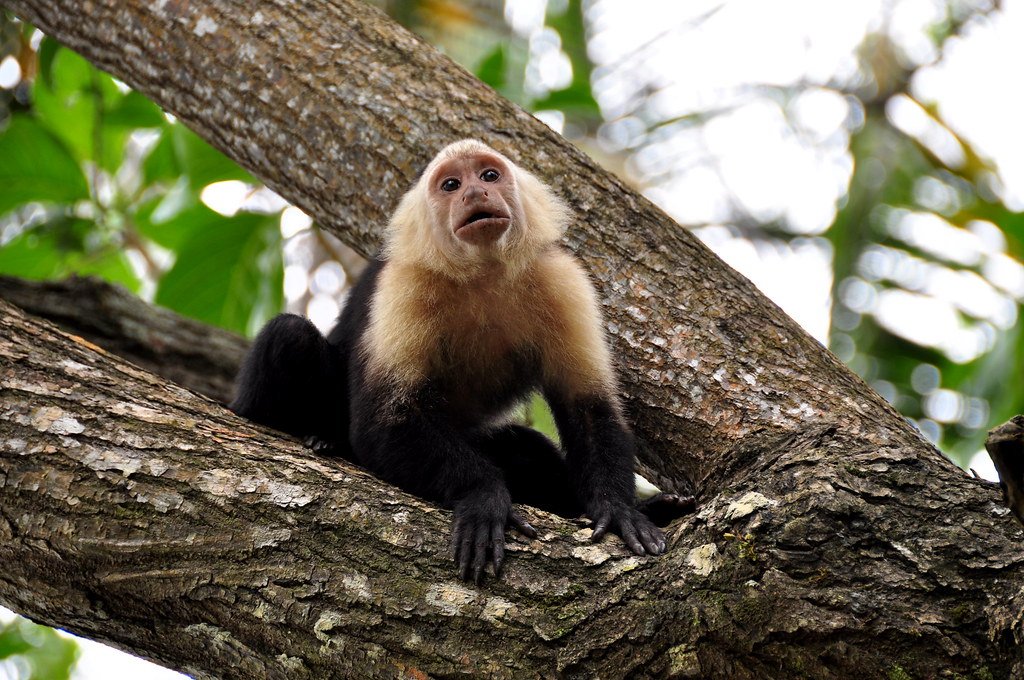
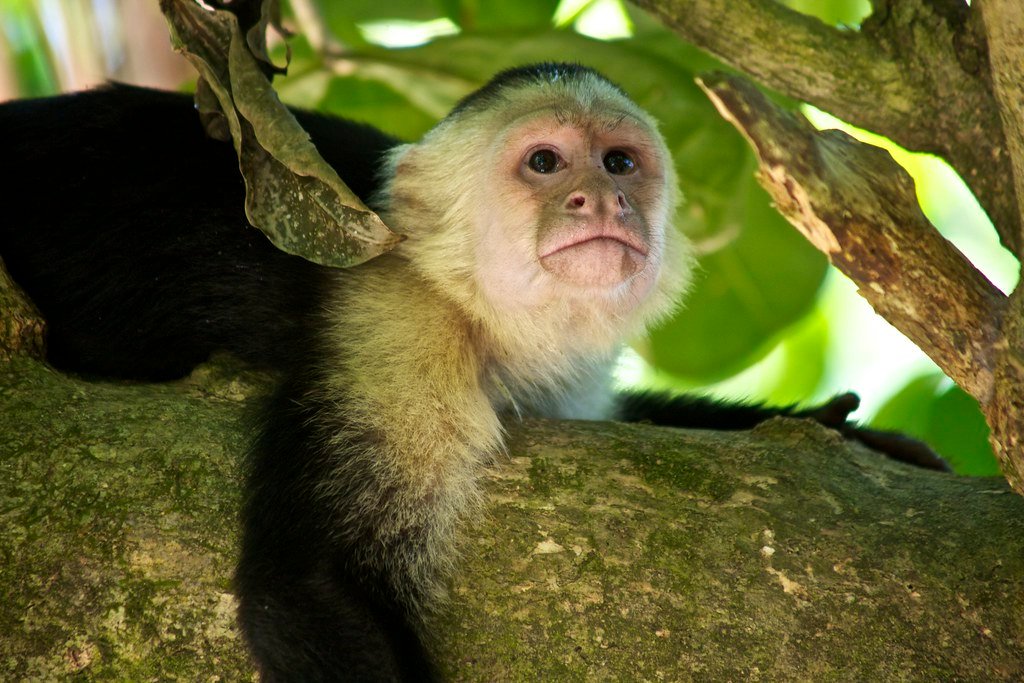
Capuchin monkeys have emerged as extraordinary assistants for people with severe mobility limitations, particularly those with quadriplegia. These small primates, weighing just 3 to 9 pounds, possess an incredible combination of intelligence, dexterity, and trainability that makes them uniquely suited for this role. Their natural curiosity and problem-solving abilities, combined with opposable thumbs, allow them to perform tasks that would otherwise require human assistance. The bond between these monkeys and their human partners often develops into something deeper than a working relationship – it becomes a genuine friendship built on mutual dependence and trust.
Origins of the Monkey Helper Program

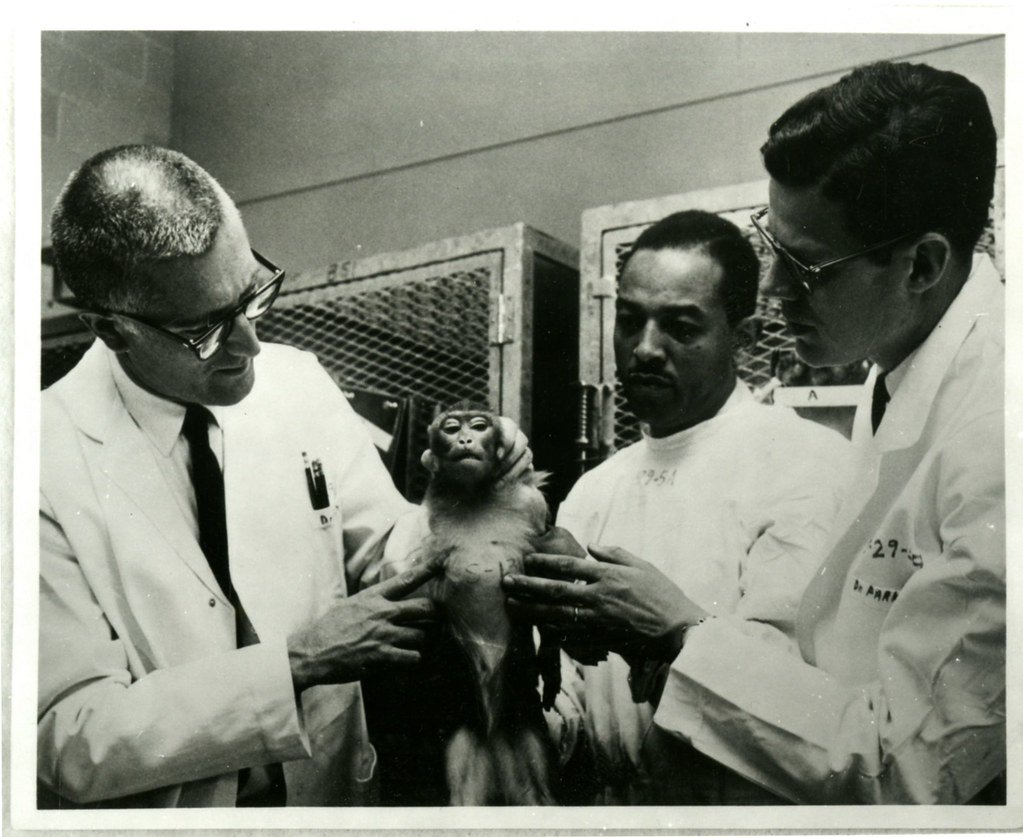
The concept of using monkeys as service animals began in the 1970s when Dr. M.J. Willard, a psychologist, first proposed the idea after observing the capabilities of capuchin monkeys. The program gained momentum through the work of Helping Hands: Monkey Helpers for the Disabled, founded in 1979 by Dr. Willard and others. This groundbreaking organization became the first to systematically train monkeys as service animals for people with spinal cord injuries and other mobility impairments. The program represented a revolutionary approach to independence for quadriplegic individuals, offering an alternative to constant human caregiving. Over the decades, hundreds of people have benefited from these remarkable partnerships, though the program has evolved significantly due to changing perspectives on animal welfare and rights.
Understanding Quadriplegia and Daily Challenges

Quadriplegia, also known as tetraplegia, affects approximately 282,000 Americans and results from spinal cord injuries that impair function in all four limbs. The condition creates a complex web of daily challenges that most people take for granted – from basic hygiene and eating to communication and entertainment. Simple activities like scratching an itch, adjusting a pillow, or picking up a dropped item become impossible without assistance. The psychological impact can be devastating, as individuals must navigate a world designed for mobility while facing constant dependence on others. This reality makes the prospect of having a trained animal companion particularly appealing, as it offers a pathway to reclaiming some degree of personal autonomy and privacy.
The Intelligence Behind the Service

Capuchin monkeys rank among the most intelligent non-human primates, with cognitive abilities that rival those of young children. Their brains contain approximately 3.7 billion neurons, giving them remarkable problem-solving capabilities and the ability to learn complex sequences of actions. These primates demonstrate tool use in the wild, using stones to crack open nuts and sticks to extract insects from crevices. In captivity, they can learn to operate simple machines, understand cause-and-effect relationships, and even perform basic mathematical concepts. This intelligence translates perfectly to service work, where they must remember multiple commands, adapt to changing situations, and make decisions about when and how to help their human partners.
Training Process and Duration

Training a capuchin monkey to become a service animal is an intensive process that typically takes 3 to 5 years from birth to placement. The process begins when monkeys are just a few months old, starting with basic socialization and bonding with human trainers. Young monkeys first learn simple commands and behaviors through positive reinforcement, gradually building up to more complex tasks. The curriculum includes everything from opening bottles and turning pages to operating light switches and retrieving objects. Each monkey’s training is individualized based on their personality, learning speed, and the specific needs of their future human partner. The final stages involve intensive practice sessions that simulate real-life scenarios, ensuring the monkey can perform reliably under various conditions and stressors.
Daily Tasks These Monkeys Can Perform

The range of tasks that trained capuchin monkeys can perform is truly remarkable and life-changing for their human partners. They can retrieve objects from shelves, refrigerators, or floors, carefully placing items within reach of their companion. These intelligent assistants can operate various household appliances, including microwaves, CD players, and television remote controls, following specific voice commands or laser pointer directions. Feeding assistance is another crucial service, as monkeys can open containers, insert straws into drinks, and even help position food near their partner’s mouth. They’re also capable of personal care tasks like scratching itches, adjusting blankets, and positioning books or magazines for reading. Some monkeys learn to operate wheelchairs, answer phones, and even provide emotional support during difficult moments.
The Bond Between Monkey and Human

The relationship between a service monkey and their human partner transcends the typical animal-owner dynamic, evolving into a profound interspecies friendship. These bonds often develop over months of living together, as both parties learn to communicate and understand each other’s needs and moods. Many recipients describe their monkey companions as having distinct personalities, preferences, and even sense of humor that enriches their daily lives. The monkeys seem to develop genuine affection for their partners, often showing protective behaviors and emotional responses to their human’s distress. This emotional connection provides psychological benefits that extend far beyond the practical assistance, offering companionship that can alleviate feelings of isolation and depression commonly experienced by people with severe disabilities.
Scientific Studies on Monkey-Human Partnerships
Research into monkey-human service partnerships has revealed fascinating insights about interspecies cooperation and communication. Studies have documented significant improvements in quality of life measures among quadriplegic individuals paired with service monkeys, including increased independence scores and reduced depression levels. Neurological research has shown that these monkeys develop enhanced cognitive abilities through their training and service work, demonstrating neural plasticity similar to what’s observed in working dogs. Behavioral studies have identified specific communication patterns that develop between monkeys and their partners, including unique vocalizations and gestures that facilitate more effective cooperation. Long-term studies have also tracked the health and wellbeing of both monkeys and humans in these partnerships, providing valuable data about the sustainability and benefits of such relationships.
Ethical Considerations and Controversies

The use of monkeys as service animals has sparked intense debate within animal rights communities and scientific circles. Critics argue that keeping highly intelligent primates in domestic settings, regardless of the benefits to humans, raises serious ethical questions about animal autonomy and natural behavior. Concerns have been raised about the monkeys’ social needs, as they’re typically housed individually rather than in groups as they would naturally prefer. Animal welfare advocates worry about the potential for exploitation and the psychological impact on monkeys removed from their natural social structures. Supporters counter that these monkeys receive exceptional care, mental stimulation, and purposeful lives that may be more enriching than typical captivity. The debate has intensified as understanding of primate cognition and emotional complexity has grown, leading to evolving perspectives on what constitutes ethical treatment of these intelligent animals.
Current Status of Monkey Helper Programs
The landscape of monkey helper programs has changed dramatically in recent years, with many organizations shifting their focus due to ethical concerns and practical challenges. Helping Hands, the primary organization in this field, announced in 2021 that they would no longer place monkeys with new recipients, instead focusing on caring for existing partnerships until the monkeys’ natural deaths. This decision reflected growing awareness of animal welfare issues and the availability of alternative assistive technologies. Currently, fewer than 200 service monkeys remain active in the United States, representing the final generation of these unique partnerships. The remaining programs focus on providing the best possible care for existing monkey-human teams while gradually transitioning toward other forms of assistance. This shift marks the end of an era in disability assistance, though the relationships that remain continue to provide invaluable support to their human partners.
Alternative Assistive Technologies

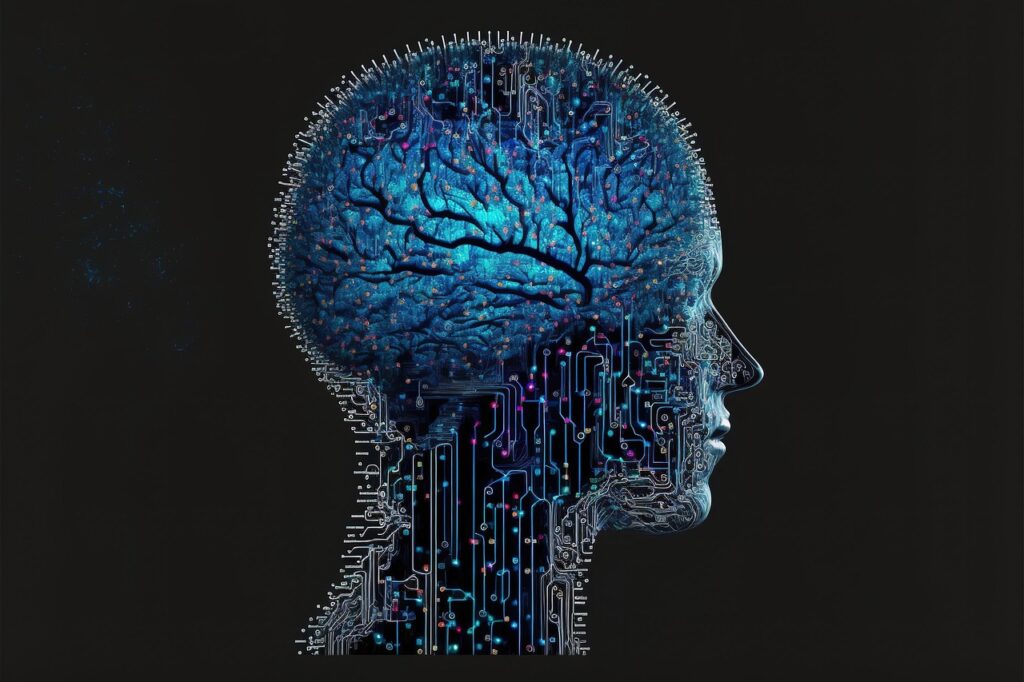
As monkey helper programs phase out, remarkable technological innovations have emerged to fill the gap in assistance for people with severe mobility limitations. Robotic assistants, powered by artificial intelligence, can now perform many of the same tasks that monkeys once did, from retrieving objects to operating household devices. Voice-controlled smart home systems allow quadriplegic individuals to control lights, temperature, entertainment systems, and even kitchen appliances through simple verbal commands. Brain-computer interfaces represent the cutting edge of assistive technology, potentially allowing direct neural control of robotic arms and other devices. Advanced wheelchair technologies, including eye-tracking controls and sip-and-puff systems, have revolutionized mobility options for people with limited motor function. While these technologies may lack the emotional companionship that monkeys provided, they offer 24/7 availability and don’t raise the ethical concerns associated with using live animals for human assistance.
Personal Stories of Independence

The impact of service monkeys on individual lives cannot be measured purely in terms of tasks completed or independence gained. Sarah, a quadriplegic woman from Massachusetts, described how her capuchin monkey companion transformed her daily routine from one of constant dependence to manageable self-sufficiency. Her monkey could retrieve her painting supplies, allowing her to pursue her artistic passion without waiting for human assistance. Mark, a veteran who became quadriplegic after a service-related injury, found that his monkey partner not only helped with practical tasks but also provided emotional healing from the trauma of his accident. These personal accounts reveal how the monkeys became integral family members, offering not just physical assistance but genuine companionship during the most challenging periods of adjustment to life with a disability. The stories consistently emphasize the dignity and privacy that these partnerships restored to people who had lost basic autonomy.
Training Facilities and Methods

The specialized facilities that trained service monkeys operated like small universities for primates, with carefully structured environments designed to simulate real-world conditions. Boston University’s training facility, one of the most renowned, featured mock apartments complete with kitchens, bedrooms, and living areas where monkeys could practice their skills. Trainers used positive reinforcement techniques, rewarding successful task completion with favorite foods or playtime, while never using punishment or negative conditioning. The training process incorporated elements of operant conditioning, where monkeys learned to associate specific voice commands or visual cues with particular actions. Environmental enrichment played a crucial role, with trainers providing puzzles, toys, and social interaction to maintain the monkeys’ mental health throughout the lengthy training process. Each facility maintained detailed records of individual monkey progress, personality traits, and behavioral patterns to ensure optimal matching with future human partners.
Health and Veterinary Care

Service monkeys received exceptional veterinary care throughout their lives, often exceeding the medical attention given to typical pets or even some captive primates in research facilities. Regular health screenings included comprehensive blood work, dental examinations, and behavioral assessments to monitor both physical and psychological wellbeing. Specialized veterinarians familiar with primate medicine provided ongoing care, addressing unique health challenges that can arise in capuchin monkeys, such as dental problems and age-related arthritis. Nutritional programs were carefully designed to meet the specific dietary needs of working monkeys, balancing their natural dietary preferences with the requirements of their active lifestyle. Preventive care protocols included regular vaccinations, parasite prevention, and environmental modifications to reduce stress and promote longevity. The average lifespan of service monkeys often exceeded that of their wild counterparts, reaching 25-30 years due to excellent medical care and nutrition.
Impact on Families and Caregivers

The presence of a service monkey in a household created ripple effects that extended far beyond the primary recipient, dramatically altering family dynamics and reducing caregiver burden. Spouses and family members often found their roles shifting from constant caregivers to more traditional relationship dynamics, as the monkey assumed responsibility for many routine assistance tasks. Children in families with service monkeys frequently developed special bonds with these intelligent animals, learning valuable lessons about responsibility, empathy, and disability awareness. The reduction in 24/7 caregiving demands allowed family members to pursue their own interests and maintain social connections that might otherwise be sacrificed to caregiving duties. However, the presence of a monkey also introduced new responsibilities, including specialized feeding requirements, veterinary care coordination, and ensuring the monkey’s mental and physical stimulation needs were met. Many families described the experience as transformative, bringing unexpected joy and companionship while simultaneously providing practical life-changing assistance.
Legal and Regulatory Framework

The legal status of service monkeys operated within a complex regulatory framework that differed significantly from traditional service animal laws. Under the Americans with Disabilities Act, only dogs and miniature horses are recognized as legitimate service animals, leaving monkeys in a legal gray area that varied by state and local jurisdiction. The U.S. Department of Agriculture regulated facilities that trained service monkeys under exotic animal permits, requiring adherence to strict housing, care, and training standards. Individual states maintained their own regulations regarding primate ownership, with some prohibiting private ownership entirely while others allowed it under specific circumstances. Housing agreements and insurance policies often required special considerations for monkey-owning tenants, as landlords and insurers grappled with liability concerns and property damage risks. This regulatory complexity created challenges for both service recipients and training organizations, contributing to the eventual decline of monkey helper programs as legal uncertainties mounted.
Cultural and Social Perceptions

Public reaction to service monkeys in community settings ranged from fascination and admiration to skepticism and concern, reflecting broader cultural attitudes toward disability, animal welfare, and unconventional assistance methods. Many people expressed amazement at the monkeys’ capabilities, often stopping to watch in wonder as the animals performed complex tasks for their human partners. However, some community members raised concerns about safety, hygiene, and the appropriateness of bringing primates into public spaces like restaurants, stores, and transportation facilities. Educational outreach became a crucial component of successful monkey-human partnerships, as recipients often found themselves serving as ambassadors for both disability awareness and the unique nature of their assistance relationship. Media coverage of service monkeys typically focused on the remarkable nature of the partnerships, though this attention sometimes created unwanted scrutiny and privacy concerns for recipients who simply wanted to live their lives without constant explanation of their circumstances.
Global Perspectives on Animal-Assisted Independence
While monkey helper programs were primarily concentrated in the United States, other countries developed their own approaches to animal-assisted independence for people with disabilities. European nations generally focused on highly trained service dogs and emerging robotic technologies, viewing primate assistance with more skepticism due to stricter animal welfare regulations. Japan invested heavily in robotic caregiving solutions, developing sophisticated humanoid assistants that could perform many of the same tasks as service monkeys without ethical concerns. Some developing countries explored the use of various animals for disability assistance, though lack of resources and training infrastructure limited these programs’ scope and effectiveness. The international perspective on animal-assisted independence has increasingly shifted toward technological solutions and enhanced human support services, reflecting a global trend away from using highly intelligent animals in service roles. This evolution in thinking has influenced policy discussions and research priorities worldwide, contributing to the development of more ethical and sustainable approaches to independence for people with severe disabilities.
The Future of Independence Assistance

As we look toward the future of assistance for people with severe mobility limitations, the legacy of monkey helpers continues to influence innovation in remarkable ways. The tasks that these intelligent primates once performed are now being replicated and enhanced through artificial intelligence, robotics, and brain-computer interfaces that promise even greater independence. Smart home integration allows voice-controlled operation of virtually every household system, while advanced robotic arms can perform increasingly complex manipulation tasks with precision that rivals human dexterity. Virtual reality and augmented reality technologies are opening new possibilities for remote interaction and environmental control, potentially allowing quadriplegic individuals to operate systems and attend events from anywhere in the world. Gene therapy and regenerative medicine research offer hope for actually reversing spinal cord injuries, potentially eliminating the need for assistive technologies altogether.
The remarkable partnerships between capuchin monkeys and quadriplegic individuals represent a unique chapter in the history of disability assistance, demonstrating the profound impact that intelligent animal companions can have on human independence and quality of life. While ethical considerations have led to the gradual phase-out of these programs, the bonds formed between monkeys and their human partners revealed the deep capacity for interspecies cooperation and mutual care. The practical lessons learned from training these remarkable animals continue to inform the development of assistive technologies and support systems. As we move forward with robotic helpers and AI-powered assistance, we carry with us the understanding that true independence comes not just from completing tasks, but from the dignity, companionship, and emotional support that these extraordinary monkey partnerships provided.
Did you ever imagine that such small primates could transform human lives so completely?