Imagine gliding silently through dark tropical waters when suddenly, your paddle strikes the surface and ignites an explosion of electric blue light. The water around your kayak transforms into liquid starlight, swirling and dancing with every movement. This isn’t a scene from a science fiction movie – it’s the breathtaking reality of Puerto Rico’s bioluminescent bays, where millions of microscopic organisms create one of nature’s most spectacular light shows.
The Magic Behind the Glow
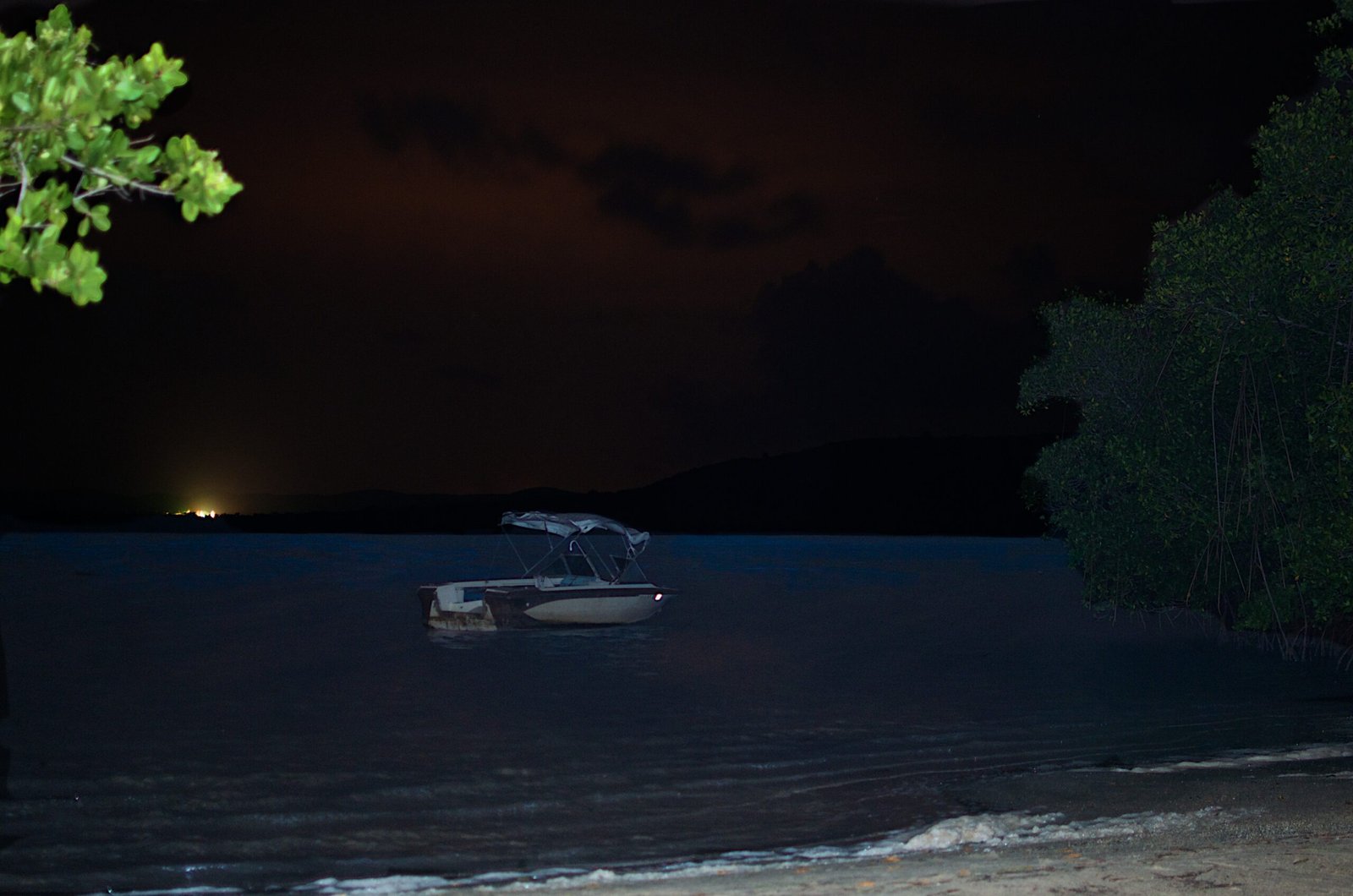
Deep in Puerto Rico’s coastal waters, tiny single-celled organisms called dinoflagellates work their magic every night. These remarkable microbes, specifically Pyrodinium bahamense, possess a supernatural ability to produce their own light through a process called bioluminescence. When disturbed by movement, they emit a brilliant blue-green glow that transforms ordinary water into something extraordinary. Think of them as nature’s own tiny flashlights, each one no bigger than a grain of sand but capable of creating a spectacle that leaves visitors speechless. The chemical reaction happens instantly, lasting just a few seconds before fading back to darkness.
Three Glowing Wonders of Puerto Rico

Puerto Rico holds the incredible distinction of being home to three of the world’s only five bioluminescent bays. Laguna Grande in Fajardo, Mosquito Bay on Vieques, and Laguna Encantada in Lajas each offer their own unique glowing experience. Mosquito Bay stands as the brightest and most famous, earning recognition as a UNESCO Biosphere Reserve. These three locations represent some of the planet’s rarest ecosystems, making Puerto Rico a true global treasure for anyone seeking to witness this natural phenomenon. The fact that three such rare environments exist on one island makes Puerto Rico absolutely unique in the world.
Mosquito Bay – The Crown Jewel
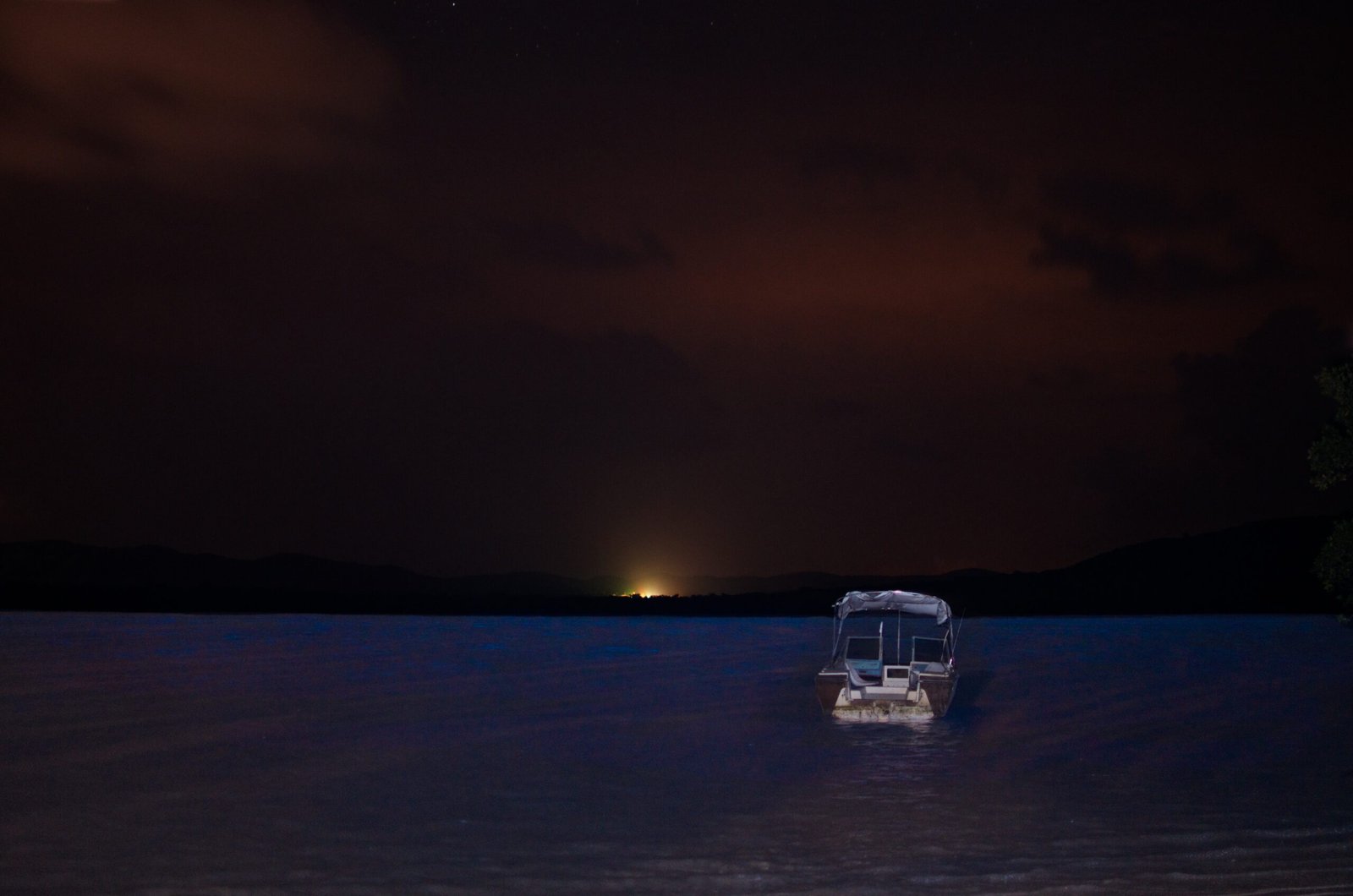
Mosquito Bay on the island of Vieques reigns supreme as the world’s brightest bioluminescent bay. With an estimated 700,000 dinoflagellates per gallon of water, the concentration here is simply mind-blowing. On moonless nights, the bay glows so intensely that you can literally see your hands underwater, surrounded by swirling galaxies of blue light. The bay’s unique geography creates perfect conditions – a narrow inlet connects it to the ocean while mangrove trees filter the water and provide nutrients. This natural setup has remained virtually unchanged for centuries, preserving one of Earth’s most magical experiences. Scientists consider Mosquito Bay a living laboratory where they can study bioluminescence in its most pristine form.
Laguna Grande – The Accessible Wonder

Located in Fajardo on Puerto Rico’s main island, Laguna Grande offers the most accessible bioluminescent experience for visitors. The journey begins with a fascinating kayak trip through a tunnel of mangrove trees, creating anticipation before reaching the glowing lagoon. While not as bright as Mosquito Bay, Laguna Grande still produces stunning displays of bioluminescence, especially during darker nights. The surrounding El Yunque rainforest adds an extra layer of tropical magic to the experience. Tour operators here have perfected the art of timing visits for optimal viewing conditions, ensuring visitors witness nature’s light show at its best.
The Science of Living Light

Bioluminescence represents one of nature’s most fascinating evolutionary adaptations, developed independently by countless species across the planet. The dinoflagellates in Puerto Rico’s bays use a chemical reaction involving luciferin and luciferase to create their ethereal glow. When these tiny organisms sense movement or disturbance, they flash their light as a defense mechanism, hoping to startle or confuse potential predators. The process happens at lightning speed, with the chemical reaction occurring in specialized organelles called scintillons. This ancient ability has allowed these microscopic creatures to survive and thrive for millions of years, turning their vulnerability into their greatest strength.
Why Movement Triggers the Light

The key to witnessing bioluminescence lies in understanding what activates these tiny light producers. Any physical disturbance – whether from a kayak paddle, swimming, or even raindrops – causes the dinoflagellates to emit their characteristic blue glow. The organisms respond to mechanical stress by releasing stored chemical energy as light, creating those magical trails that follow your every movement through the water. This defensive response likely evolved to create confusion among predators or to attract larger predators that might eat whatever was threatening the dinoflagellates. The more movement you create, the more intense the light display becomes, turning a simple paddle stroke into an artistic masterpiece painted across the water’s surface.
Perfect Conditions for Maximum Glow

Experiencing bioluminescence at its peak requires understanding the environmental factors that influence its intensity. Dark, moonless nights provide the ideal viewing conditions, as any ambient light can wash out the delicate blue glow. Warm water temperatures, typically above 75°F, keep the dinoflagellates active and responsive. Calm weather conditions also play a crucial role – strong winds or storms can stress the organisms and reduce their ability to produce light. The time of year matters too, with summer and early fall generally offering the most vibrant displays. Rain can actually enhance the experience by adding nutrients to the water, feeding the dinoflagellates and increasing their population density.
The Kayaking Experience

Paddling through a bioluminescent bay ranks among the world’s most surreal adventures, combining the tranquility of night kayaking with nature’s own light show. Every stroke of your paddle creates ribbons of blue light that swirl and fade in mesmerizing patterns behind your kayak. Fish swimming beneath the surface appear as glowing torpedoes, while jellyfish drift by like underwater UFOs pulsing with electric light. The silence of the night amplifies the experience, broken only by the gentle splash of paddles and the occasional gasp of amazement from fellow kayakers. Tour guides often encourage visitors to drag their hands through the water, creating personal light trails that feel like touching liquid stars.
Conservation Challenges and Threats

These magical ecosystems face increasing pressure from human activities and environmental changes. Pollution from sunscreen, insect repellent, and other chemicals can severely damage or kill the delicate dinoflagellates. Climate change poses another significant threat, as rising temperatures and changing weather patterns can disrupt the precise conditions these organisms need to survive. Coastal development and boat traffic also contribute to ecosystem stress, while light pollution from nearby areas can interfere with the viewing experience. Hurricane Maria in 2017 dealt a devastating blow to Mosquito Bay, temporarily reducing its glow by an estimated 80% due to contaminated runoff and debris.
Recovery and Restoration Efforts

The resilience of Puerto Rico’s bioluminescent bays has amazed scientists and conservationists alike. Following Hurricane Maria’s damage, Mosquito Bay began showing signs of recovery within months, demonstrating the remarkable adaptability of these ecosystems. Local organizations and government agencies have implemented strict regulations to protect the bays, including bans on chemical sunscreens and restrictions on boat motors. Education programs help visitors understand their role in conservation, teaching them how to enjoy these natural wonders without causing harm. The recovery of Mosquito Bay has become a symbol of hope, proving that with proper care and protection, these magical places can bounce back from even the most severe challenges.
Best Times to Visit
Planning your bioluminescent bay adventure requires careful timing to maximize your chances of witnessing the phenomenon. The darkest nights of the month, around the new moon, offer the most spectacular viewing conditions when the dinoflagellates’ glow isn’t competing with moonlight. Summer months typically provide the best experiences, as warm water temperatures keep the organisms most active. Avoid visiting during or immediately after heavy rains, as runoff can temporarily cloud the water and reduce visibility. Tour operators often provide lunar calendars and weather updates to help visitors choose optimal dates. Booking tours well in advance is essential, especially during peak season when these magical experiences fill up quickly.
What to Expect on a Tour

A typical bioluminescent bay tour begins with a safety briefing and basic kayaking instruction, ensuring all participants feel comfortable on the water. Most tours start before sunset, allowing kayakers to navigate the mangrove channels in daylight before darkness falls. Guides share fascinating information about the ecosystem, local wildlife, and the science behind bioluminescence during the journey. Once in the glowing waters, tours usually include time for swimming (where permitted) and photography attempts, though capturing the phenomenon requires specialized equipment. The entire experience typically lasts 2-3 hours, creating memories that participants carry with them for a lifetime.
Photography Challenges and Tips
Capturing bioluminescence on camera presents unique challenges that test even experienced photographers. The low-light conditions require specialized equipment, including cameras capable of high ISO settings and long exposure times. Most smartphone cameras struggle to capture the subtle blue glow, often leaving visitors frustrated with dark, empty photos. Professional photographers recommend using tripods, manual camera settings, and sometimes even underwater housings for the best results. The key lies in understanding that the human eye perceives bioluminescence much more vividly than most cameras can record. Many visitors find that putting away their cameras and simply enjoying the moment creates more lasting memories than struggling to document the undocumentable.
Marine Life in Bioluminescent Waters

The dinoflagellates that create the magical glow represent just one part of a complex ecosystem teeming with diverse marine life. Small fish, crustaceans, and jellyfish call these waters home, each contributing to the bay’s delicate ecological balance. Tarpon, large silver fish that can grow over six feet long, occasionally make dramatic appearances, their movements creating massive light trails that look like underwater lightning. Upside-down jellyfish, unique to these tropical waters, pulse through the bay like living lamps. The mangrove roots that line the shores provide nursery areas for countless species, while filtering the water and maintaining the perfect salinity levels that dinoflagellates need to thrive.
Cultural Significance and Local Legends
For centuries, the indigenous Taíno people and later Spanish colonists told stories about these mystical glowing waters. Local legends speak of spirits dancing beneath the waves and magical waters that could heal the sick or reveal the future. Fishermen passed down tales of being guided safely to shore by the ethereal blue light during stormy nights. Modern Puerto Rican culture has embraced these natural wonders as symbols of the island’s unique beauty and mystery. The bays have inspired countless artists, writers, and musicians, becoming deeply woven into Puerto Rico’s cultural identity. Today, protecting these magical places has become a source of community pride and environmental stewardship.
Scientific Research and Discoveries

Scientists from around the world travel to Puerto Rico to study bioluminescence in these natural laboratories. Research conducted in these bays has led to breakthrough discoveries in biotechnology, including the development of new medical imaging techniques and biological markers. The unique concentration of dinoflagellates provides researchers with unprecedented opportunities to study cellular processes and evolutionary adaptations. Recent studies have revealed new species of bioluminescent organisms and helped scientists understand how these ecosystems respond to environmental changes. The data collected from Puerto Rico’s bays contributes to global efforts to protect similar ecosystems worldwide and advances our understanding of marine biology.
Economic Impact on Local Communities

The bioluminescent bays have become crucial economic engines for local communities, generating millions of dollars in tourism revenue each year. Tour operators, hotels, restaurants, and transportation services all benefit from the steady stream of visitors seeking this magical experience. The island of Vieques, in particular, has built much of its tourism industry around Mosquito Bay, providing employment for hundreds of local residents. This economic importance has created strong incentives for conservation, as communities recognize that protecting the environment directly protects their livelihoods. Local entrepreneurs have developed innovative eco-friendly tour operations that balance economic needs with environmental protection, serving as models for sustainable tourism worldwide.
Comparing Puerto Rico’s Bays to Other Global Sites

While only five permanent bioluminescent bays exist worldwide, Puerto Rico’s three locations stand out for their accessibility, brightness, and year-round viewing opportunities. Jamaica’s Luminous Lagoon offers similar experiences but with different species of dinoflagellates, while the Maldives features seasonal bioluminescent beaches rather than enclosed bays. Australia’s Jervis Bay occasionally displays bioluminescence, but the phenomenon appears unpredictably and much less intensely than in Puerto Rico. The unique geography and climate of Puerto Rico’s bays create ideal conditions that simply don’t exist elsewhere on Earth. This rarity makes visiting Puerto Rico’s bioluminescent bays a truly once-in-a-lifetime experience that can’t be replicated anywhere else.
Future of These Natural Wonders
The future of Puerto Rico’s bioluminescent bays depends on continued conservation efforts and growing environmental awareness. Climate change poses ongoing challenges, but improved understanding of these ecosystems helps scientists develop better protection strategies. New technologies for monitoring water quality and dinoflagellate populations provide early warning systems for potential threats. Educational programs are inspiring the next generation of environmental stewards who will carry on protection efforts. International recognition and scientific interest continue to grow, bringing resources and attention to conservation needs. With proper care and respect, these magical waters should continue to dazzle visitors and advance scientific knowledge for generations to come.
The next time you find yourself planning an adventure that combines wonder, science, and natural beauty, remember that Puerto Rico’s glowing waters offer an experience unlike anything else on Earth. These living lights remind us that our planet still holds secrets and magic waiting to be discovered, if only we take the time to look. What other hidden wonders might be waiting just beneath the surface of our everyday world?