Imagine waking up every morning to the smell of sulfur drifting through your window, while the ground beneath your feet occasionally trembles with the raw power of Earth’s molten core. This isn’t a scene from a disaster movie – it’s daily life in Rotorua, New Zealand, where residents live alongside some of the most spectacular and dangerous geothermal features on the planet. The city sits precariously on what geologists call the Taupo Volcanic Zone, a region so geologically active that boiling lakes, steaming craters, and bubbling mud pools are as common as street corners. What makes this place even more remarkable is that people don’t just tolerate this geothermal chaos – they’ve learned to thrive with it, turning nature’s most violent forces into sources of energy, tourism, and even spiritual connection.
The Furnace Beneath Our Feet
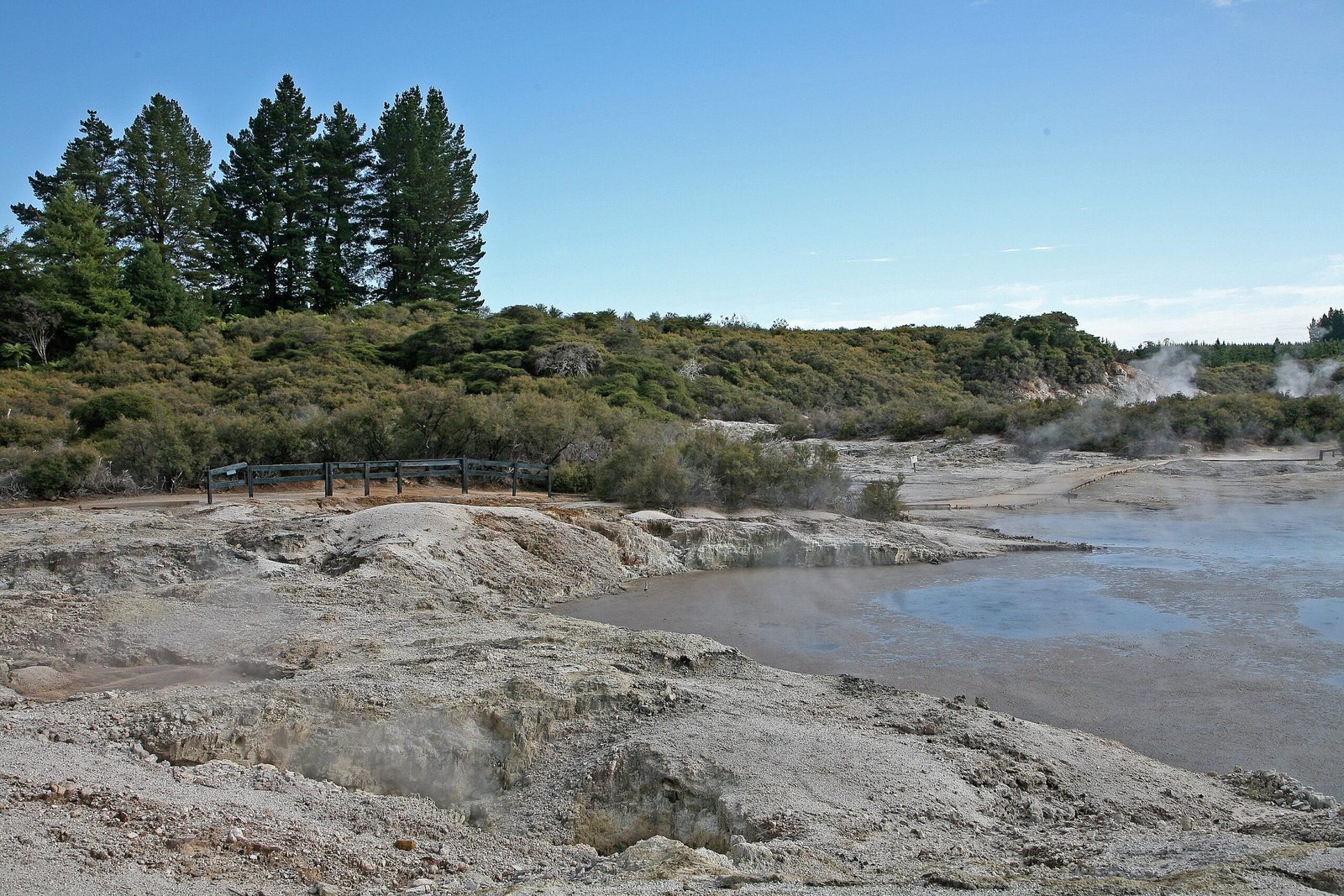
Deep below Rotorua’s surface lies a geological powder keg that makes the city one of the most geothermally active places on Earth. The Taupo Volcanic Zone stretches across New Zealand’s North Island like a massive scar, created by the violent collision of tectonic plates over millions of years. Here, the Pacific Plate slides beneath the Australian Plate, creating a subduction zone that generates incredible heat and pressure. This underground furnace heats groundwater to temperatures exceeding 300 degrees Celsius, creating a network of superheated water systems that eventually find their way to the surface. The result is a landscape that seems almost alien, where the boundary between Earth’s interior and exterior becomes startlingly thin.
Lake Rotorua – The Steaming Heart of the City
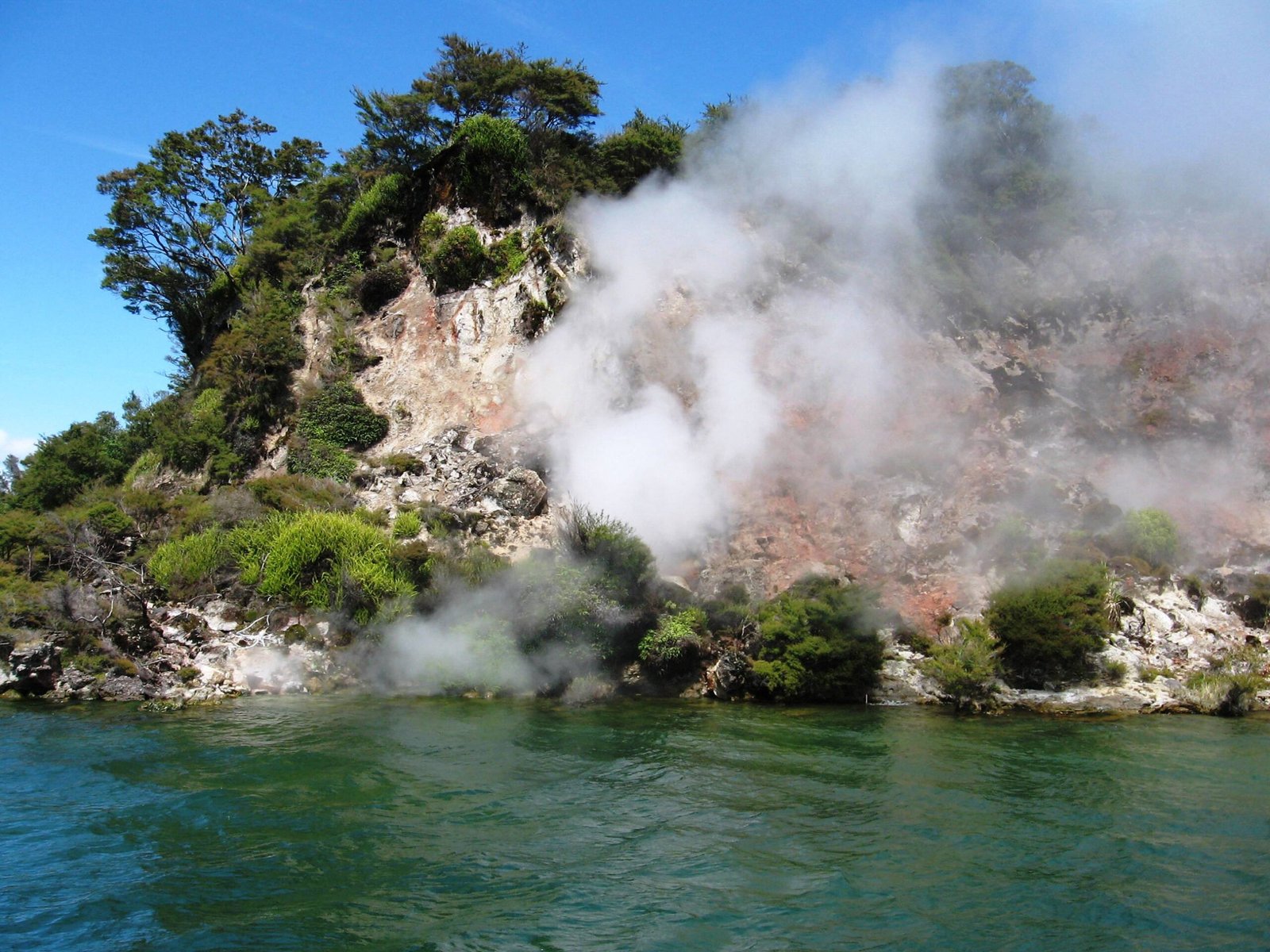
At the center of this geothermal wonderland sits Lake Rotorua itself, a massive crater lake formed by volcanic activity around 240,000 years ago. The lake’s waters maintain an average temperature of 13 degrees Celsius year-round, but beneath its seemingly calm surface lies a complex system of underwater hot springs and geothermal vents. Steam often rises from various points across the lake, creating an ethereal morning mist that has become synonymous with the city’s identity. What’s truly remarkable is that this lake isn’t just a tourist attraction – it’s a living, breathing part of the geothermal system that continues to evolve and change. The lake’s chemistry fluctuates based on underground activity, sometimes turning different colors as minerals and gases bubble up from the depths.
Wai-O-Tapu – The Sacred Waters That Defy Logic
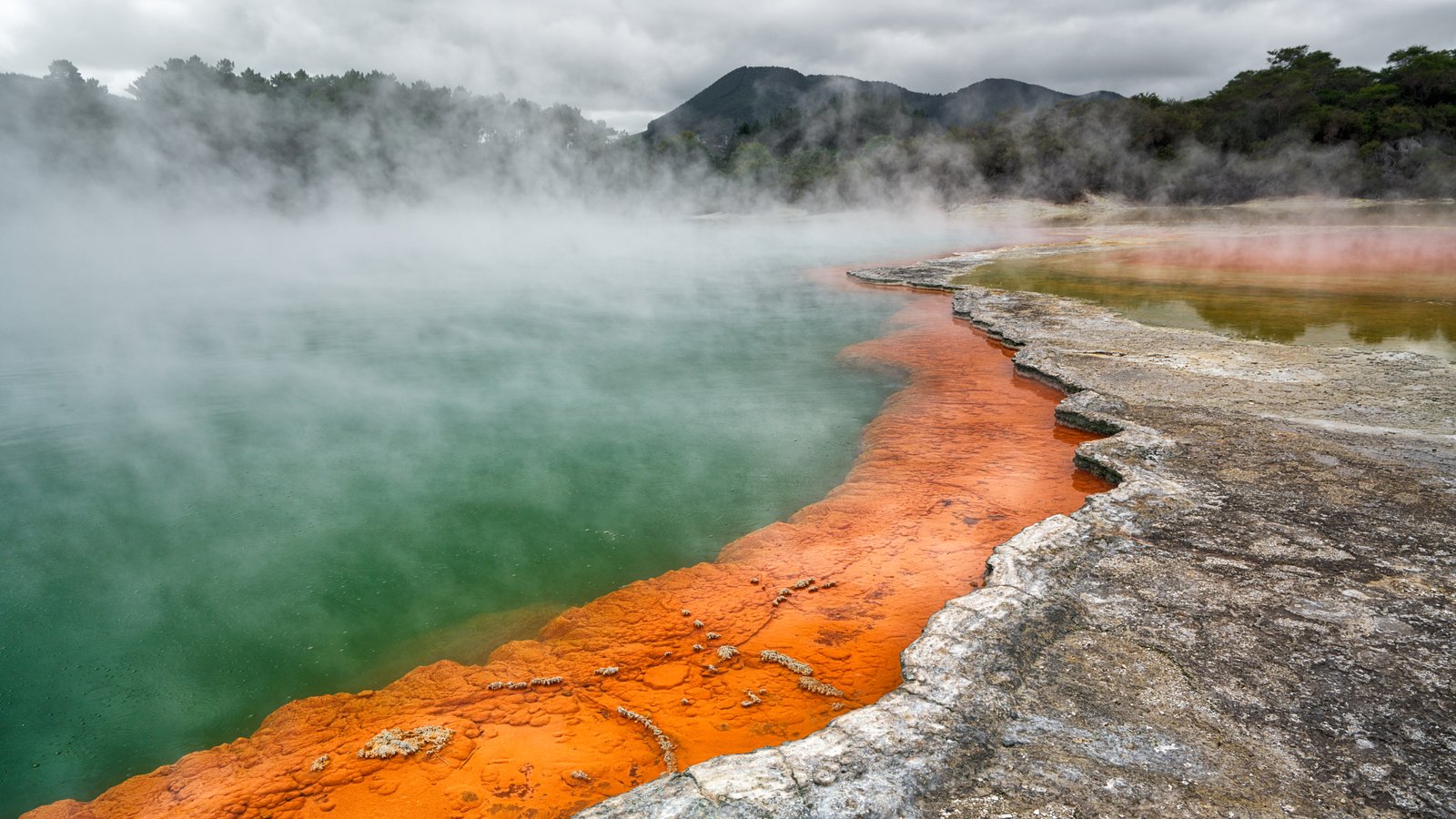
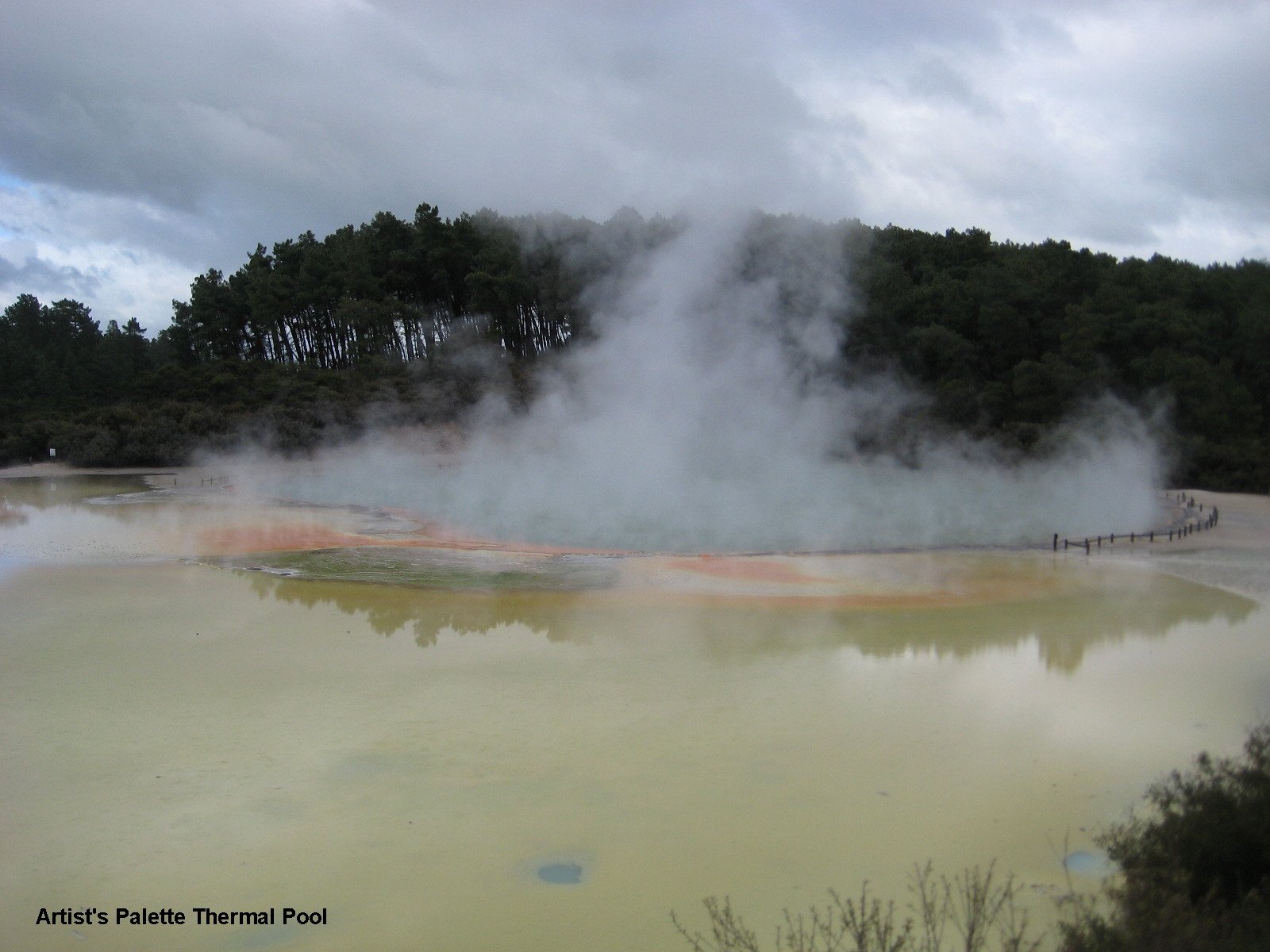
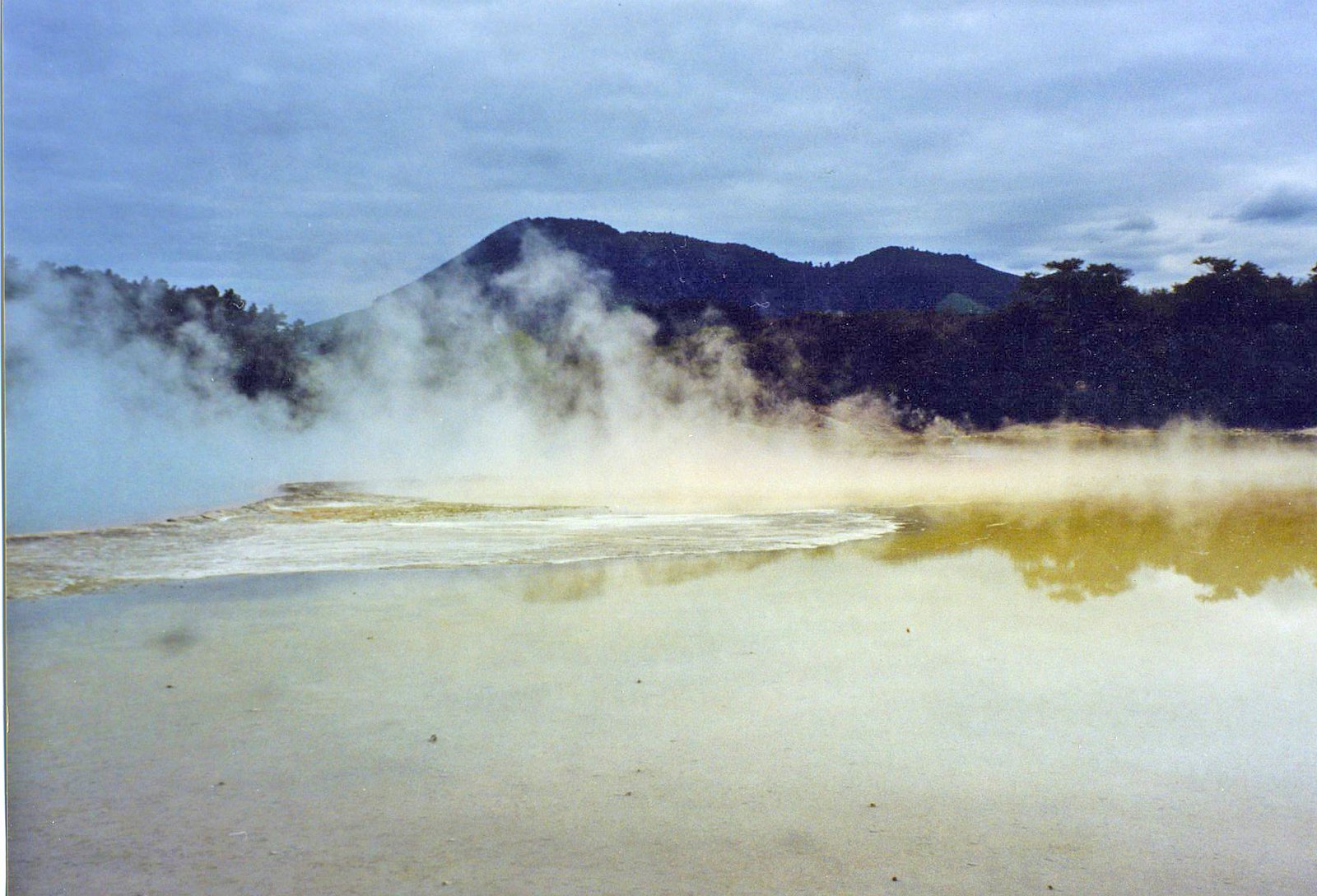
Just south of Rotorua lies Wai-O-Tapu, which translates to “sacred waters” in Māori, and the name couldn’t be more fitting. This geothermal wonderland spans over 18 square kilometers and contains some of the most visually stunning and scientifically fascinating thermal features in the world. The famous Champagne Pool, with its brilliant orange and green mineral deposits, maintains a constant temperature of 74 degrees Celsius and releases carbon dioxide bubbles that create its champagne-like appearance. The Artist’s Palette, another iconic feature, showcases nature’s incredible ability to create art through chemistry, with vivid yellows, oranges, and greens created by different mineral deposits. What makes Wai-O-Tapu particularly dangerous is that many of these beautiful pools are highly acidic, with pH levels that could dissolve metal within hours.
The Lady Knox Geyser – Nature’s Most Punctual Performer
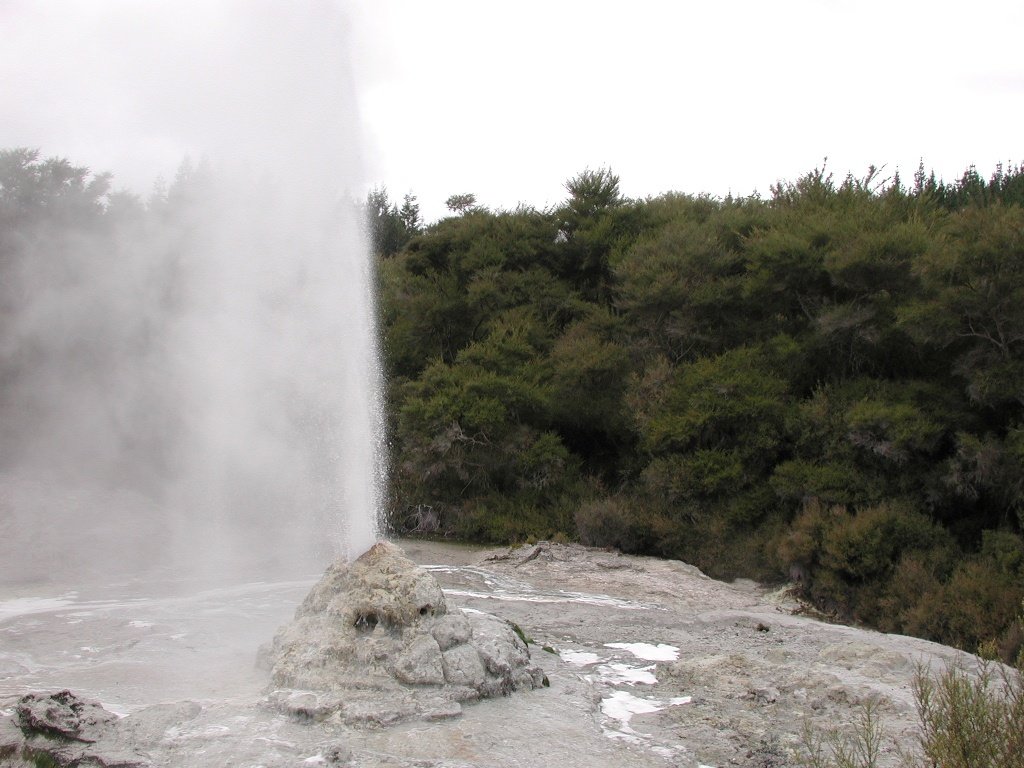
Every day at 10:15 AM sharp, visitors gather around Lady Knox Geyser to witness one of nature’s most reliable performances. However, this punctuality comes with a human touch – the geyser is artificially triggered by adding soap to reduce the surface tension of the water, allowing it to erupt in a spectacular 20-meter-high fountain. Before human intervention, Lady Knox was much more unpredictable, sometimes remaining dormant for months before suddenly erupting. The geyser was discovered in the early 1900s when prisoners from a nearby work camp accidentally triggered an eruption while washing their clothes in the hot spring. This discovery led to the daily shows that now attract thousands of visitors, making it one of the few geysers in the world that performs on schedule.
Frying Pan Lake – The World’s Largest Hot Spring
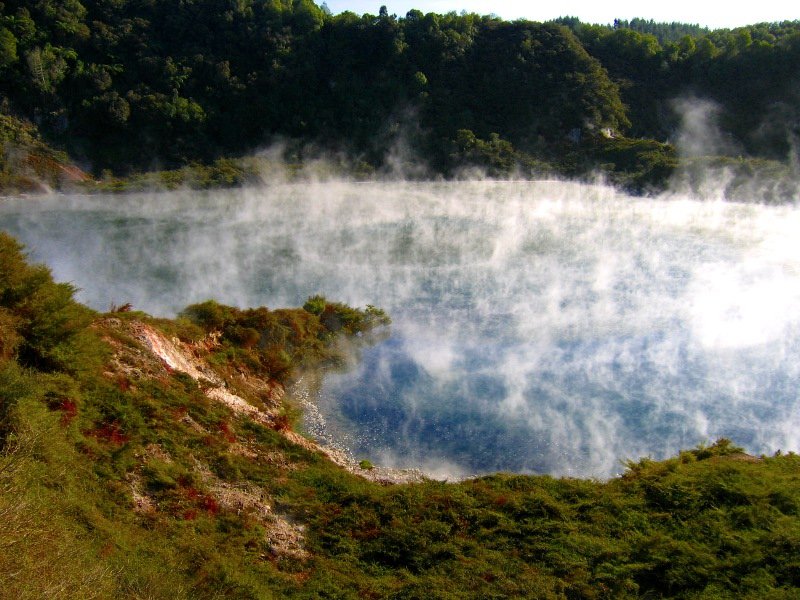
Hidden within the Waimangu Volcanic Valley lies Frying Pan Lake, officially recognized as the world’s largest hot spring by surface area. This remarkable body of water covers about 38,000 square meters and maintains an average temperature of 50-60 degrees Celsius throughout its entire volume. The lake was formed in 1886 during the Mount Tarawera eruption, which created a massive crater that eventually filled with superheated groundwater. What makes Frying Pan Lake particularly fascinating is its consistent temperature – unlike many geothermal features that have hot and cold spots, this lake maintains relatively uniform heat distribution. The steam that constantly rises from its surface creates a microclimate around the lake, supporting unique plant species that have adapted to the warm, humid conditions.
The Deadly Beauty of Boiling Mud Pools
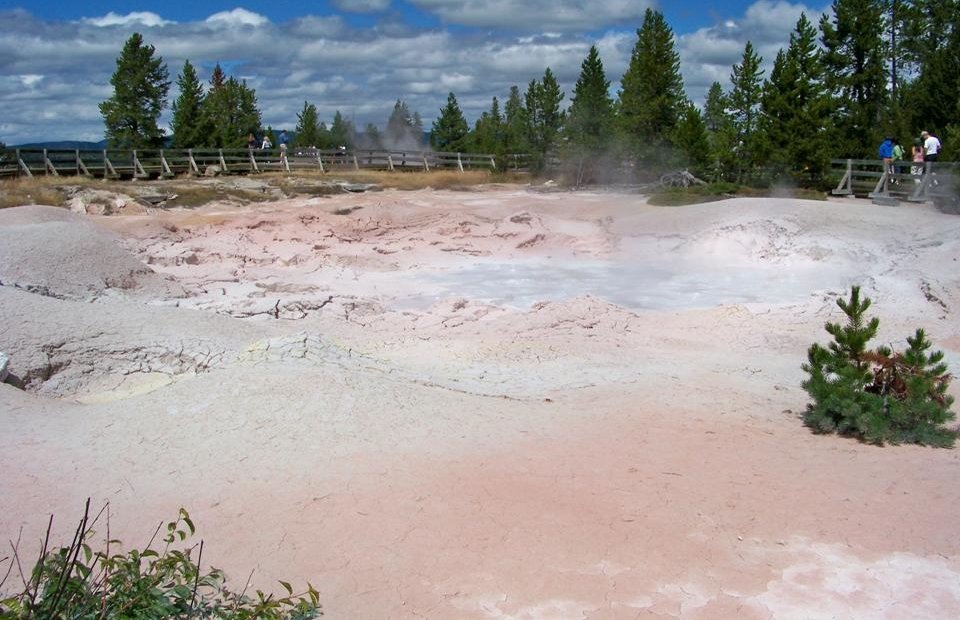
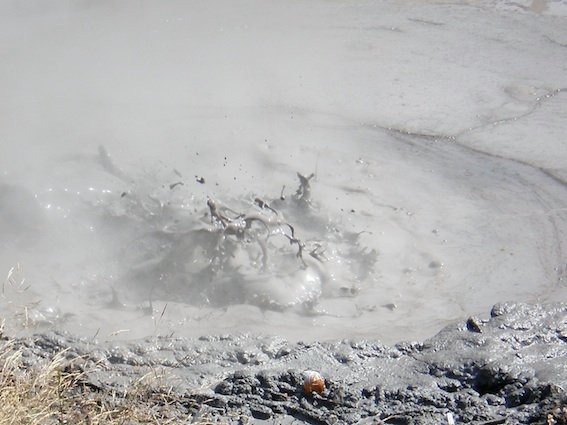
Throughout Rotorua’s geothermal areas, visitors encounter one of nature’s most mesmerizing yet dangerous phenomena – boiling mud pools. These bubbling cauldrons of clay, water, and steam can reach temperatures of up to 100 degrees Celsius, creating a constantly churning surface that resembles a giant pot of thick soup. The mud’s consistency comes from the breakdown of surrounding rock by acidic geothermal fluids, creating a mixture that can vary from liquid to paste-like depending on water levels and underground activity. What makes these pools particularly treacherous is their unpredictable nature – they can suddenly increase in temperature or activity without warning, and their surfaces often form a deceptive crust that can give way under minimal weight. The therapeutic properties of this mud have been recognized for centuries, but harvesting it requires extreme caution and expertise.
Te Puia – Where Culture Meets Chaos
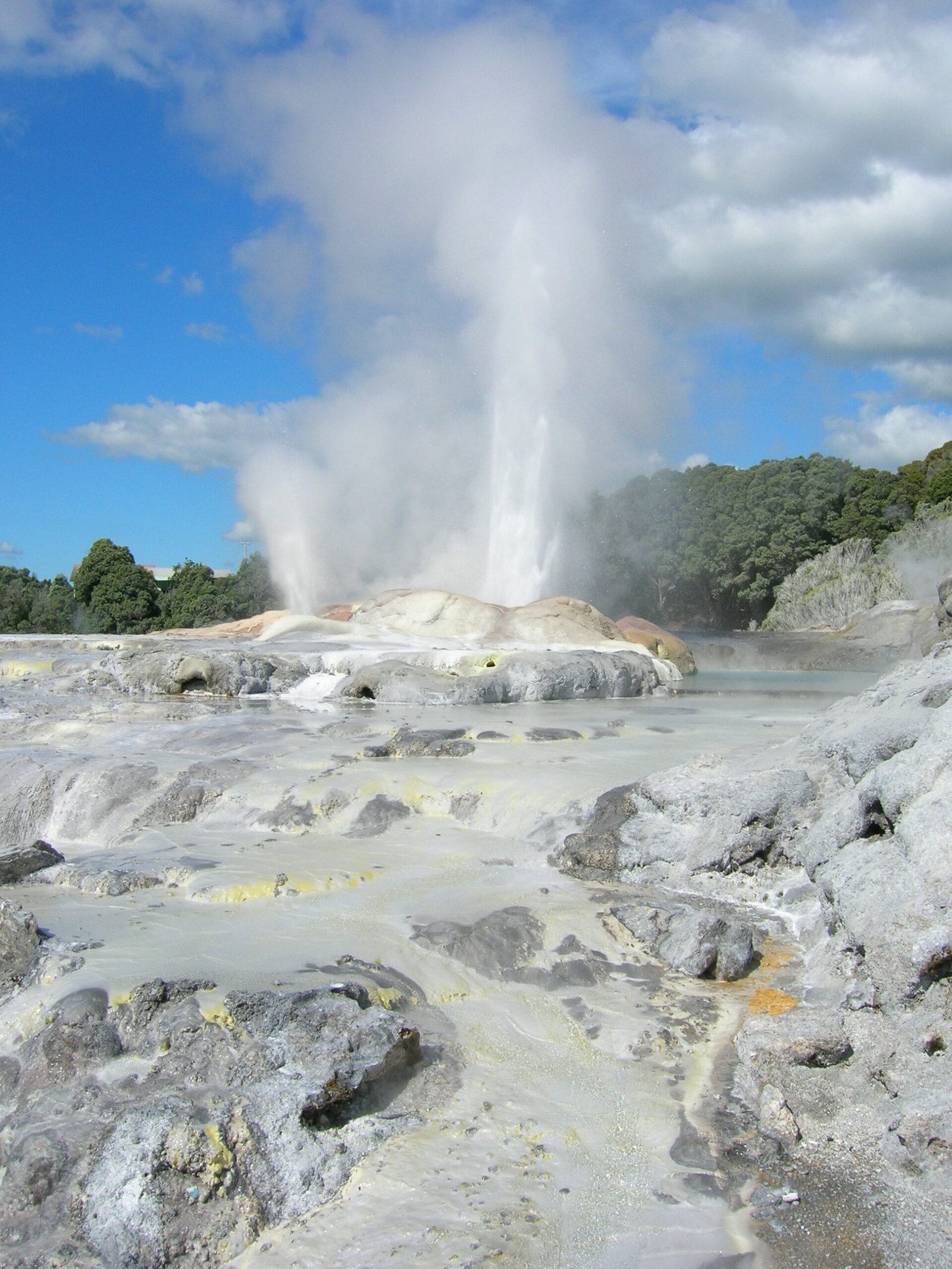
Te Puia represents the perfect fusion of Māori culture and geothermal power, showcasing how indigenous people have lived alongside these natural forces for over 700 years. The site features the famous Pōhutu Geyser, which can shoot water up to 30 meters high and is considered the Southern Hemisphere’s most active geyser. What sets Te Puia apart is how it demonstrates the deep spiritual connection between the Māori people and the geothermal features – these aren’t just tourist attractions but sacred sites with profound cultural significance. The thermal features at Te Puia have been used for cooking, heating, and healing for generations, showing how humans can work with rather than against natural forces. The traditional hangi cooking method, where food is slowly steamed in natural earth ovens heated by geothermal energy, continues to be practiced here daily.
The Science Behind the Spectacle
Understanding Rotorua’s geothermal activity requires diving into the complex science of how heat, water, and pressure interact deep underground. The process begins with groundwater seeping down through fractured rock, where it’s heated by magma chambers located just 3-5 kilometers below the surface. As this water heats up, it becomes less dense and begins to rise, creating convection currents that can extend for kilometers underground. The chemistry of the water changes dramatically during this journey, picking up minerals like silica, sulfur, and various metals that give each thermal feature its unique characteristics. When this superheated water finally reaches the surface, the sudden drop in pressure causes dramatic changes – dissolved gases expand rapidly, creating the bubbling and erupting we see in geysers and hot springs.
Living on the Edge – Daily Life in a Geothermal City
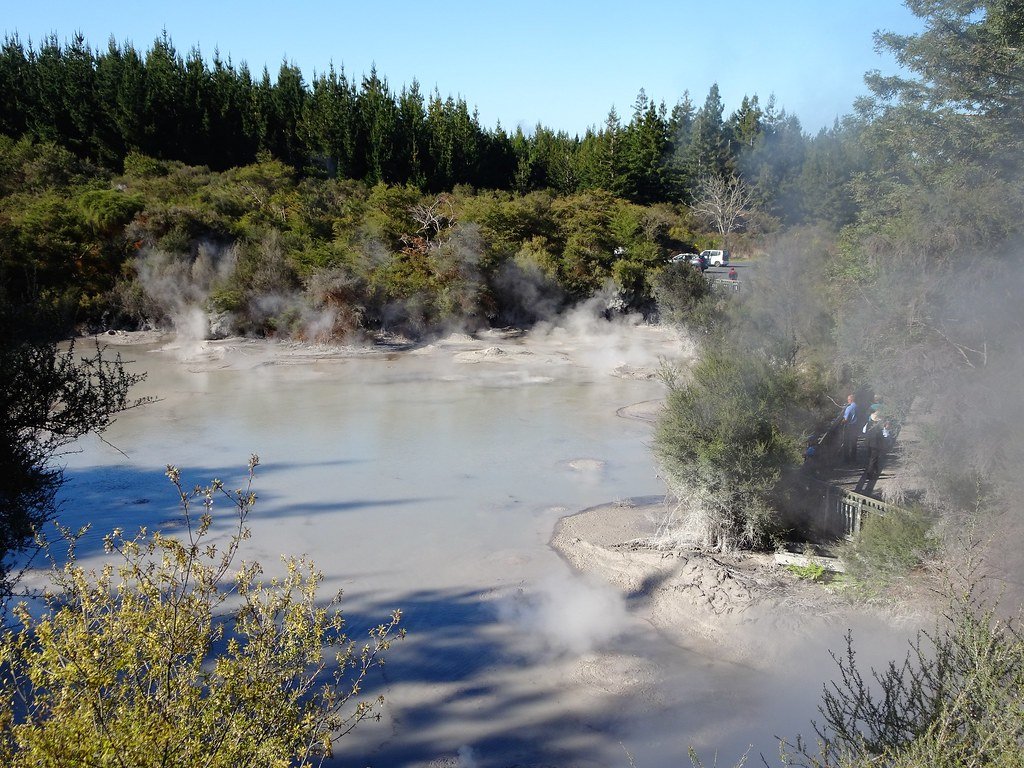
For Rotorua’s 75,000 residents, living with constant geothermal activity means adapting to a lifestyle unlike anywhere else in the world. Many homes are built with special considerations for ground instability and corrosive gases, while others take advantage of natural geothermal heating systems that tap directly into underground hot water. The distinctive “Rotorua smell” – hydrogen sulfide gas that smells like rotten eggs – is so pervasive that locals often become nose-blind to it, though visitors are immediately struck by the intense sulfur odor. Property values and building regulations in the city reflect the geothermal reality, with some areas considered too unstable for development while others are prized for their natural heating capabilities. Emergency services maintain specialized equipment and protocols for geothermal-related accidents, from thermal burns to ground collapses.
The Champagne Pool Phenomenon
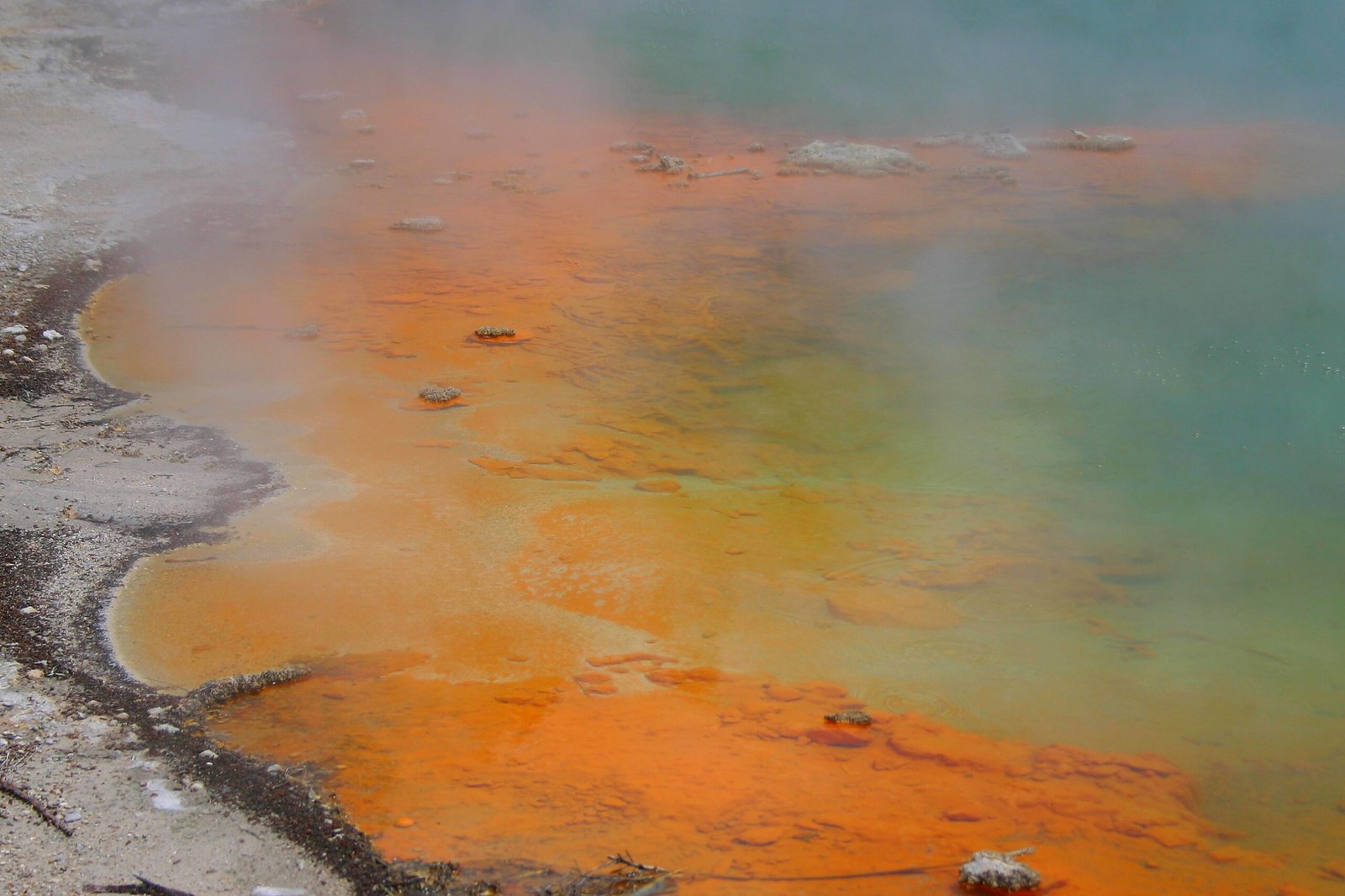
The Champagne Pool at Wai-O-Tapu stands as one of the most photographed geothermal features in New Zealand, and for good reason – it’s a masterpiece of natural chemistry and physics. This circular hot spring measures 65 meters in diameter and reaches depths of 62 meters, with water temperatures consistently around 74 degrees Celsius. The pool’s famous champagne-like bubbling comes from carbon dioxide gas continuously escaping from the depths, creating thousands of tiny bubbles that dance on the surface. The stunning orange and yellow terraces surrounding the pool are formed by antimony and arsenic sulfides, creating natural mineral deposits that have built up over thousands of years. What makes this pool particularly dangerous is its deceptive beauty – the water is highly toxic due to heavy metal concentrations, and the temperatures would cause severe burns within seconds of contact.
Geothermal Power – Harnessing Earth’s Energy
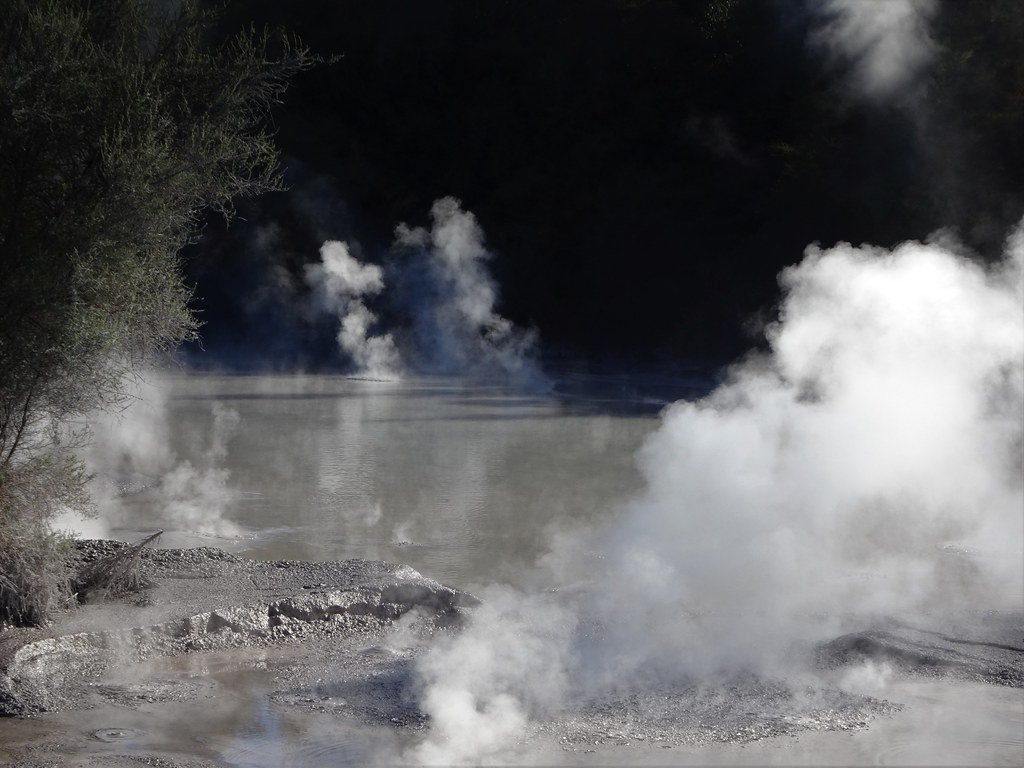
Rotorua’s geothermal chaos isn’t just a tourist attraction – it’s also a massive source of renewable energy that powers much of New Zealand’s North Island. The region’s geothermal power plants tap into the same underground heat sources that create the spectacular surface features, using steam and hot water to generate electricity for hundreds of thousands of homes. This process involves drilling deep wells to access superheated water and steam, which is then used to drive turbines that generate clean, sustainable electricity. The beauty of geothermal power is its reliability – unlike solar or wind energy, geothermal plants can operate 24/7 regardless of weather conditions. New Zealand has become a world leader in geothermal technology partly due to the abundant resources around Rotorua, with the country generating about 18% of its electricity from geothermal sources.
The Unpredictable Rainbow Springs
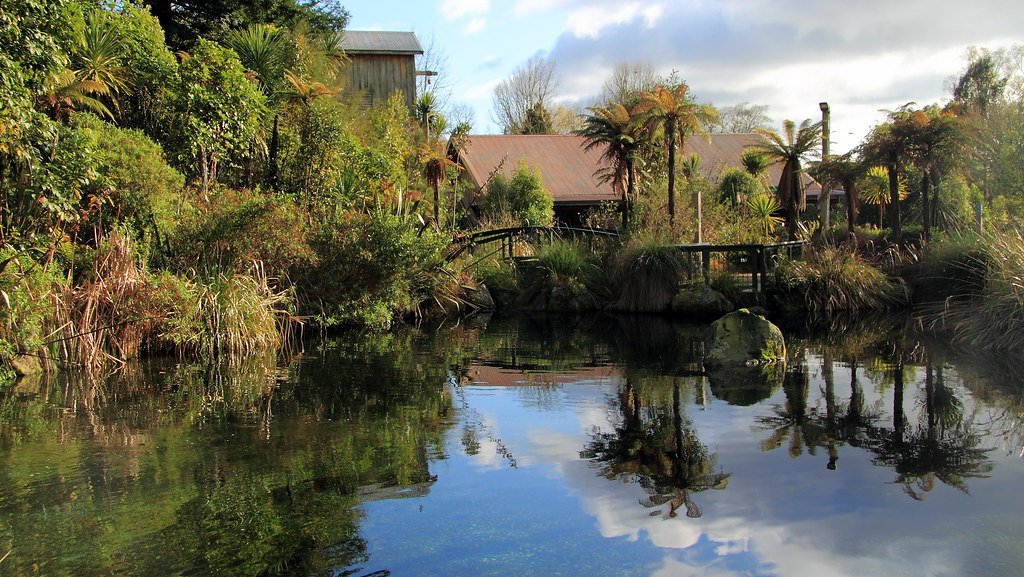
Rainbow Springs showcases another fascinating aspect of Rotorua’s geothermal activity – the way underground thermal systems create unique ecosystems that support rare and endangered species. These natural springs maintain constant temperatures between 10-14 degrees Celsius year-round, creating perfect conditions for New Zealand’s native trout and other freshwater species. The springs produce over 4.5 million liters of crystal-clear water daily, all originating from underground geothermal systems that naturally filter and purify the water. What makes these springs particularly remarkable is their stability – while other geothermal features in the area can change dramatically over time, Rainbow Springs has maintained consistent flow and temperature for decades. The thermal influence creates a microclimate that supports vegetation and wildlife typically found in much warmer regions, demonstrating how geothermal activity can create biological diversity.
Volcanic Warnings and Monitoring Systems

Living in such a geologically active area requires constant vigilance and sophisticated monitoring systems to track potential volcanic threats. GeoNet, New Zealand’s geological monitoring network, maintains numerous sensors throughout the Rotorua region that continuously measure ground movement, gas emissions, and changes in thermal activity. These systems can detect subtle changes that might indicate increased volcanic activity, such as new ground cracks, temperature spikes in thermal features, or unusual gas emissions. The monitoring becomes particularly crucial given that the Taupo Volcanic Zone has produced some of the world’s largest volcanic eruptions in recent geological history, including the massive Taupo eruption around 1,800 years ago. Scientists use sophisticated computer models to analyze data from these monitoring systems, looking for patterns that might indicate changing conditions deep underground.
The Cultural Significance of Sacred Waters
For the indigenous Māori people, Rotorua’s geothermal features hold deep spiritual significance that goes far beyond their scientific fascination. These thermal areas are considered wāhi tapu (sacred places) where ancestors’ spirits reside and where the physical and spiritual worlds intersect. Traditional Māori legends explain the geothermal activity through stories of taniwha (guardian spirits) and the actions of gods and heroes, providing cultural context that has been passed down through generations. The use of geothermal features for healing, cooking, and spiritual ceremonies demonstrates a sustainable relationship with these powerful natural forces that dates back centuries. Many of the names given to thermal features reflect their cultural importance – Wai-O-Tapu (sacred waters), Te Puia (the spring), and others that acknowledge the spiritual power contained within these natural phenomena.
Environmental Challenges and Conservation
Managing tourism and development around Rotorua’s sensitive geothermal features presents ongoing environmental challenges that require careful balance between access and preservation. The delicate chemical and thermal balance of these systems can be easily disrupted by human activity, pollution, or changes in groundwater flow patterns. Conservation efforts focus on maintaining the natural processes that create and sustain these features while allowing controlled public access for education and tourism. Some thermal areas have been permanently damaged by past development or misuse, serving as reminders of how fragile these systems can be despite their apparent power and permanence. Climate change adds another layer of complexity, as changing precipitation patterns and temperatures could affect the underground water systems that feed these geothermal features.
Medical Mysteries and Therapeutic Properties

The therapeutic properties of Rotorua’s geothermal waters have attracted people seeking healing for over a century, though the science behind these benefits is still being studied and understood. The high mineral content of thermal waters, including sulfur, silica, and various trace elements, is believed to provide benefits for skin conditions, arthritis, and other ailments. Historical accounts describe miraculous healings and significant health improvements from bathing in specific thermal pools, leading to the development of numerous spa facilities throughout the region. However, the same mineral content that provides therapeutic benefits can also pose health risks – some thermal waters contain dangerous levels of heavy metals or have pH levels that can cause chemical burns. Modern therapeutic use of geothermal waters requires careful monitoring and treatment to ensure safety while preserving the beneficial properties.
Future Threats and Geological Uncertainty
The future of Rotorua’s geothermal activity remains as unpredictable as the forces that created it, with scientists acknowledging that significant changes could occur with little warning. Geological evidence suggests that the region’s thermal features have changed dramatically over time – some hot springs have disappeared entirely while new ones have suddenly appeared. The underlying magma systems that drive geothermal activity are constantly evolving, and major volcanic events could completely reshape the landscape and its thermal features. Climate change might also affect geothermal systems in unexpected ways, potentially altering groundwater patterns or surface water levels that feed into thermal features. Understanding these potential changes is crucial for city planning, tourism management, and emergency preparedness in a region where geological uncertainty is the only constant.
The Tourist Paradox – Love and Danger
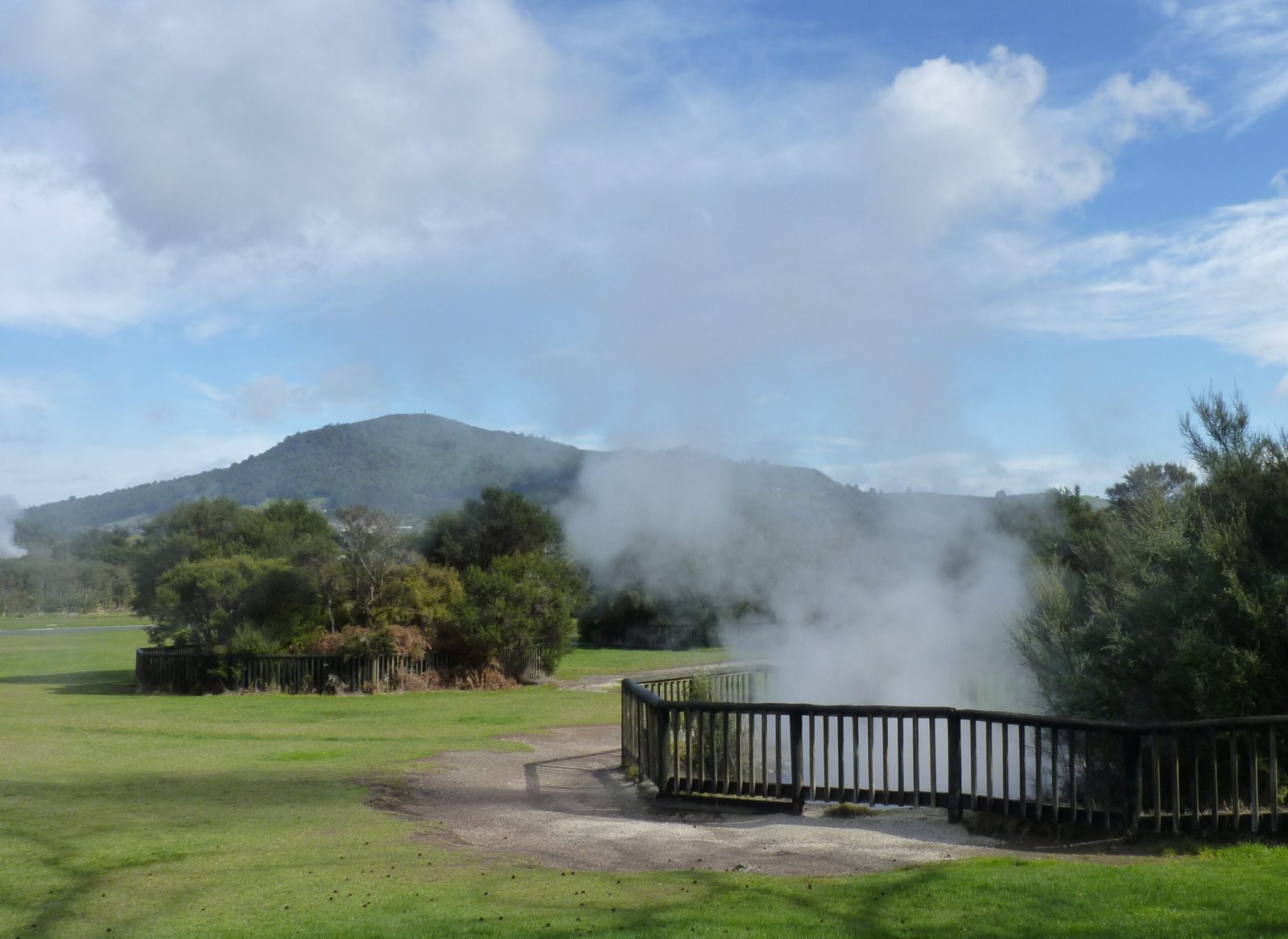
Rotorua’s geothermal features attract over three million visitors annually, creating a fascinating paradox where people travel thousands of miles to experience potentially deadly natural phenomena. The city has developed sophisticated safety systems and regulations to manage tourist access to thermal areas, but accidents still occur when visitors ignore warnings or venture into restricted areas. The appeal of these dangerous natural wonders speaks to something deep in human nature – our fascination with power, beauty, and the raw forces that shaped our planet. Tourism revenue from geothermal attractions supports much of the local economy, creating a dependency on features that could theoretically change or disappear at any time. This relationship between humans and hostile natural forces demonstrates both our adaptability and our willingness to live with considerable risk in exchange for extraordinary experiences.
The ground beneath Rotorua continues to bubble, steam, and occasionally roar with the power of forces that dwarf human understanding. This city exists in a constant state of geological negotiation, where residents and visitors alike must respect the raw power that makes their home unique while finding ways to coexist with Earth’s most unpredictable moods. The boiling lakes, steaming craters, and bubbling mud pools serve as daily reminders that our planet is very much alive and that some of the most beautiful places on Earth are also among the most dangerous. As you stand at the edge of a boiling lake in Rotorua, watching steam rise into the sky while feeling the ground tremor beneath your feet, one question becomes unavoidable: what other secrets is our restless planet hiding just beneath the surface?